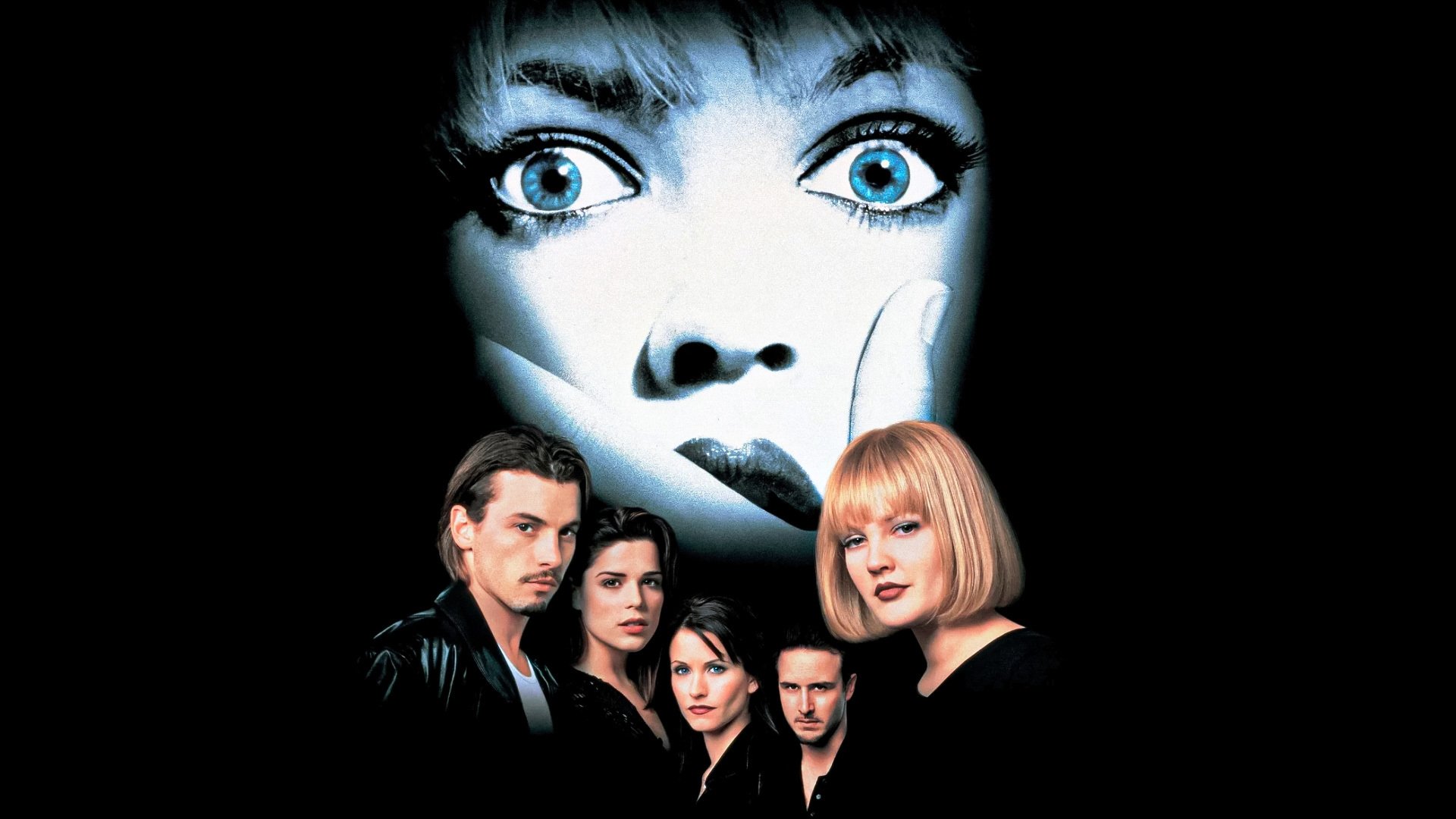

Wes Craven's 1996 slasher revival didn't just revive a genre; it rewired it. Scream gave audiences a killer who quotes the rules of horror movies while breaking them, a heroine who fights back with her wits, and a mystery-box plot that holds up to rewatching. The six films (and counting) share a DNA of postmodern self-awareness: the characters know the clichés, the killer exploits them anyway, and the audience is always one step behind. What fans love is the combination of genuine suspense, dark comedy, and a core group of survivors whose relationships deepen across decades. It's a franchise where the meta-commentary and the scares coexist without canceling each other out.
Essential Scream
The franchise in order, from the original to the legacy sequels
Ghostface on Screen: The TV Chapter
The mask moved to television for two seasons of small-town secrets



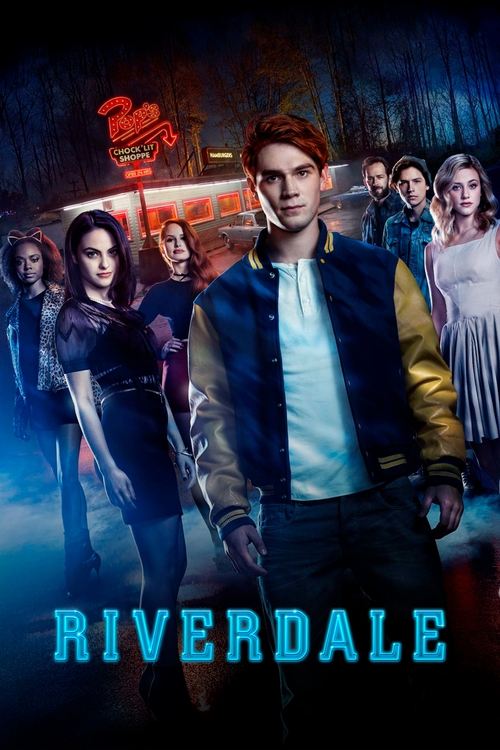
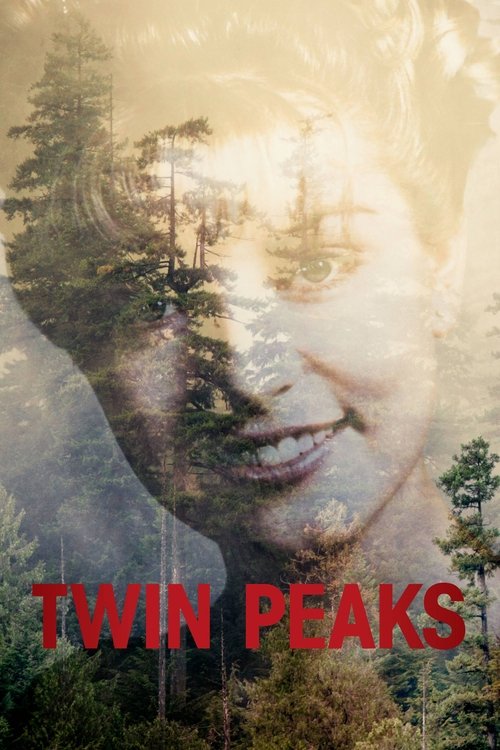
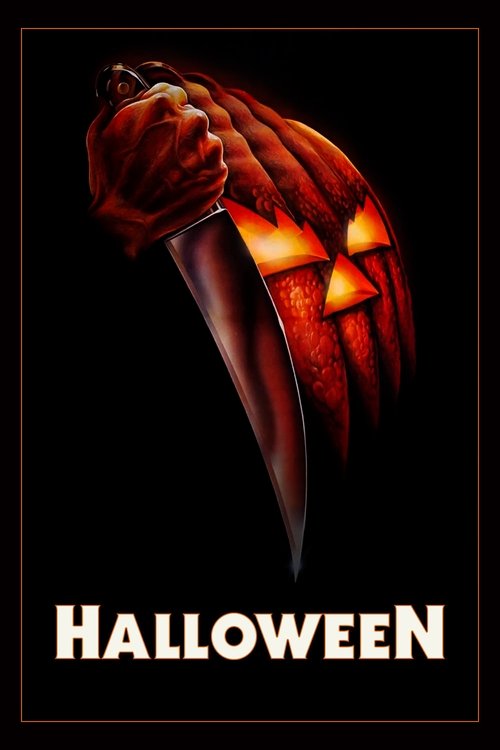
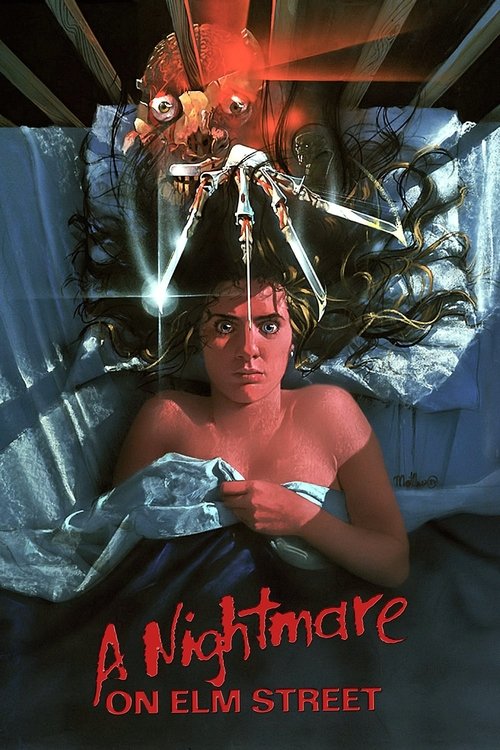
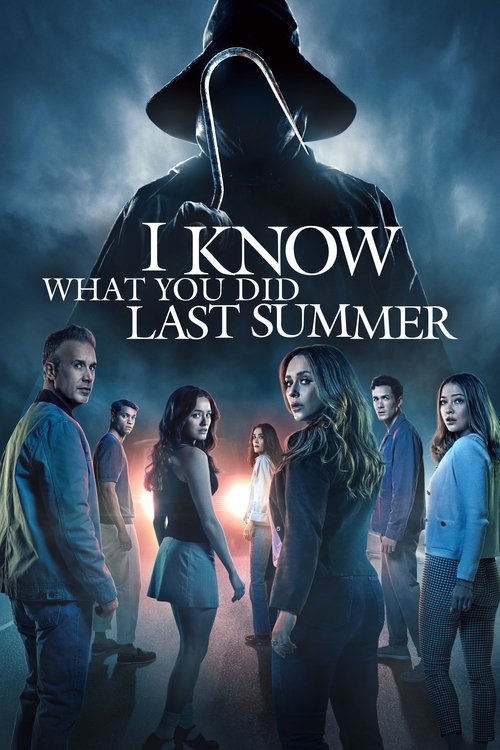
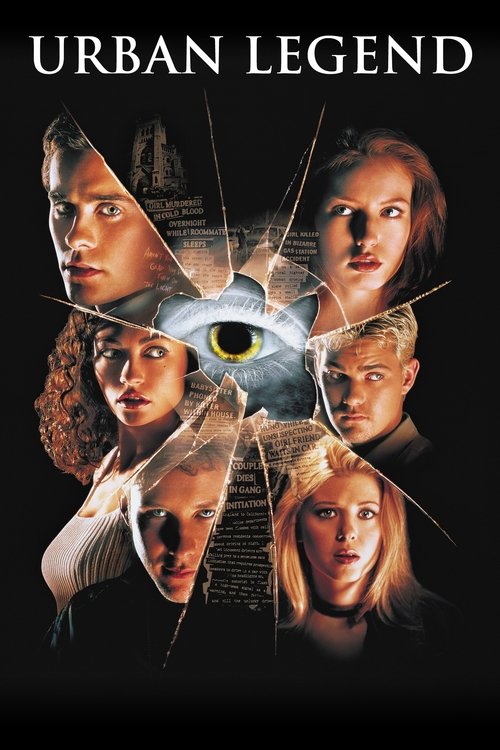
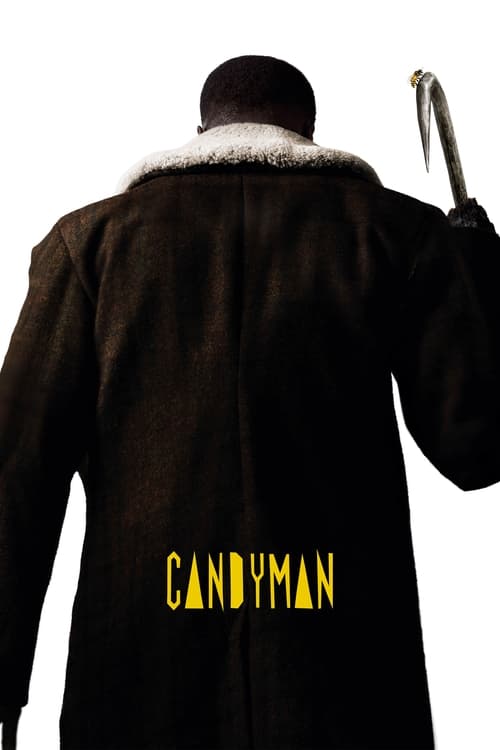
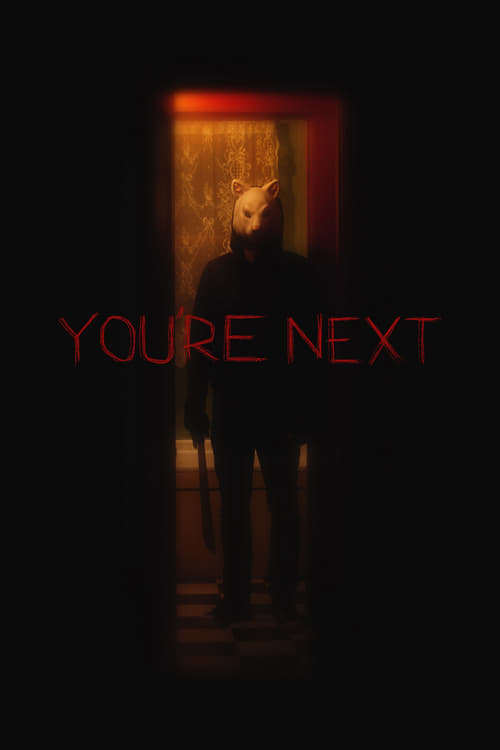
Slasher Siblings: Same-DNA Horror Films
Sharp, self-aware, and built on suspense over gore


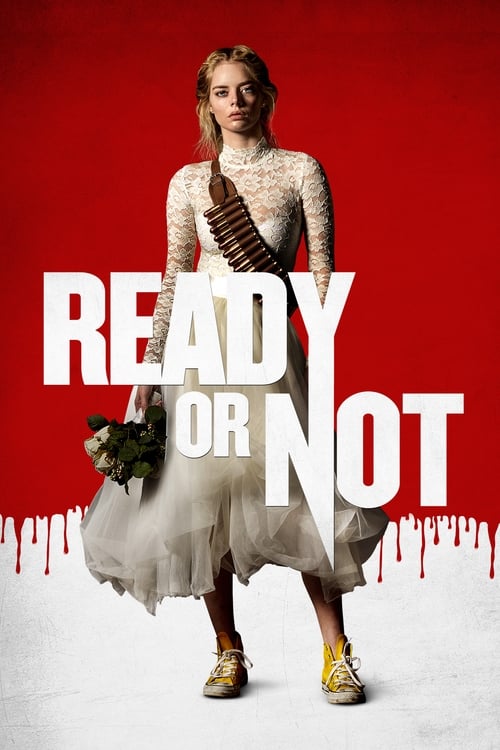
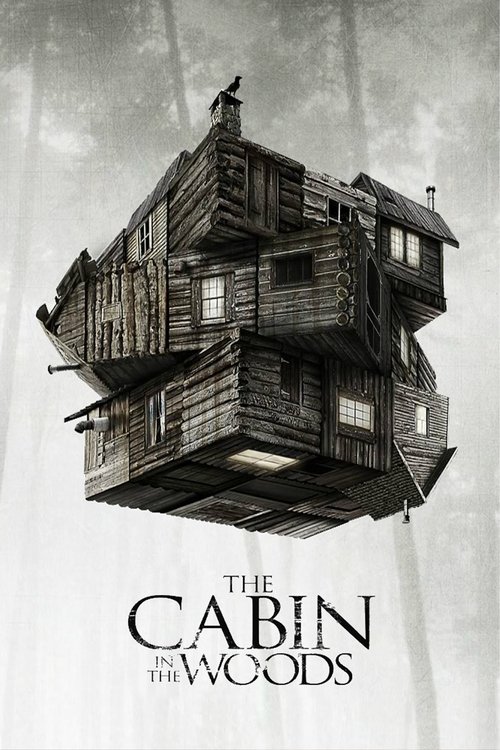
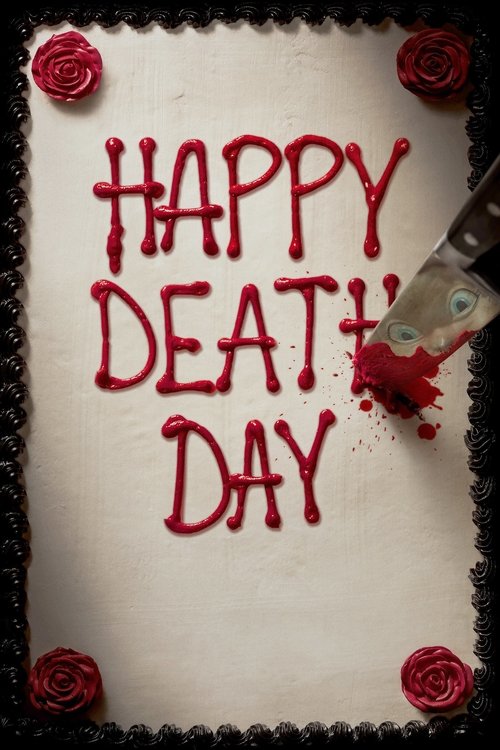
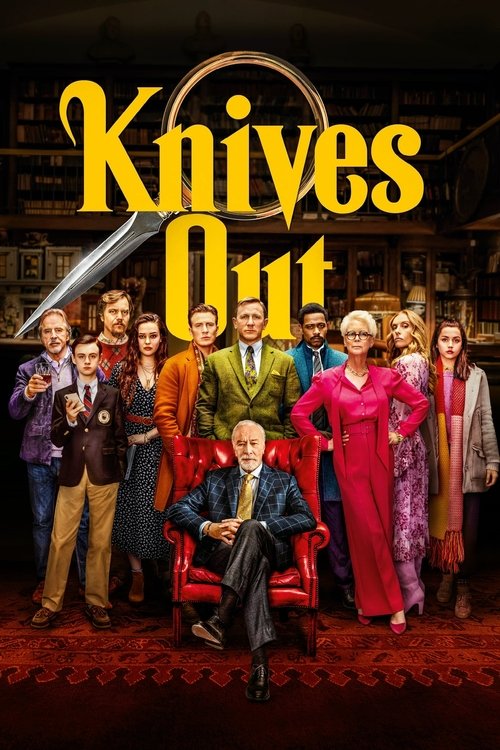
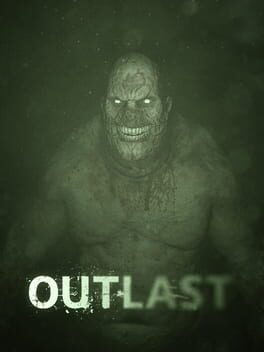
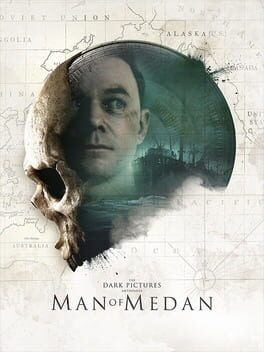
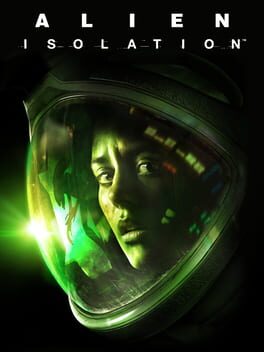
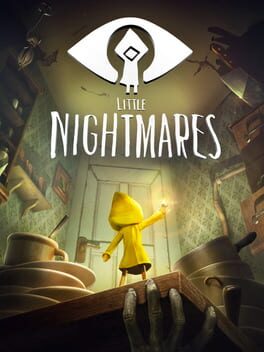
Mask On: Horror Games with a Slasher Soul
Games that capture the chase, the paranoia, and the survivor instinct


Sidney Prescott Is Horror's Greatest Survivor
Across six films, Sidney Prescott refuses to be a passive victim. She runs, yes, but she always turns around. Neve Campbell's performance grounds the franchise even when the sequels grow more outrageous: Sidney is a real person who happens to keep landing in slasher films, and her exhausted determination is what keeps the series emotionally honest. The franchise's best moments belong to her.
The Whodunit Structure Is What Separates Scream from the Pack
Most slashers reveal their killer in the first reel. Scream hides theirs until the final act, and structures every film around a genuine mystery with multiple plausible suspects. That's closer to Agatha Christie than to John Carpenter, and it's why the films reward rewatching: the clues are real, the red herrings are fair, and the reveals recontextualize everything you've seen. The horror and the puzzle are inseparable.
Scream VI Proved the Franchise Could Survive Without Its Anchor
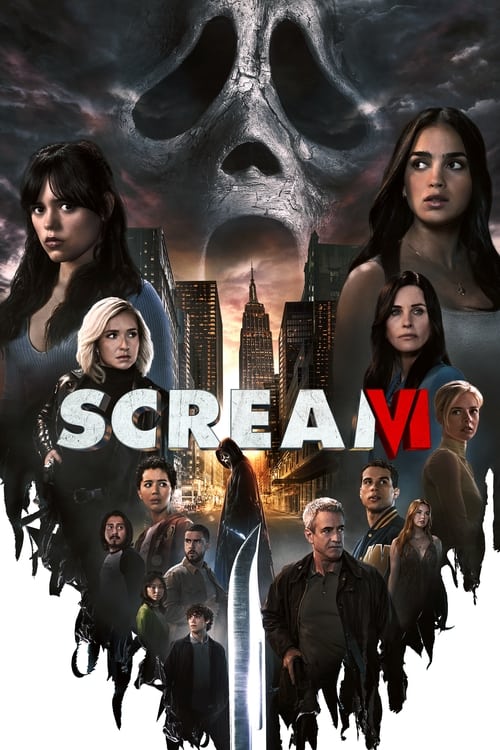
When Sidney Prescott sat out Scream VI, many expected the series to collapse. Instead, the film doubled down on the new generation of survivors and moved the action to New York, which gave Ghostface a larger playground and the franchise a fresh visual identity. The Carpenter siblings carried the weight, and the subway set piece is one of the best in the series. Sometimes a franchise needs to loosen its grip on its own mythology to stay alive.
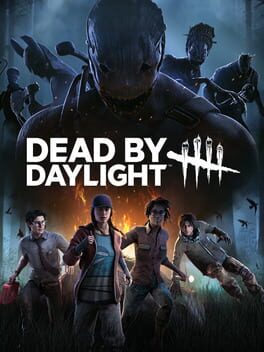
Dead by Daylight Is the Closest Games Get to Living Inside a Slasher Film
Dead by Daylight put Ghostface in its roster of licensed killers, and it fits perfectly: asymmetric hide-and-survive gameplay captures the exact tension of being hunted by someone faster and stronger who knows the map better than you do. Four survivors against one relentless killer, with no guaranteed escape. The game understands that slasher dread is about pacing and inevitability, not jump scares.
Ghostface Through the Decades
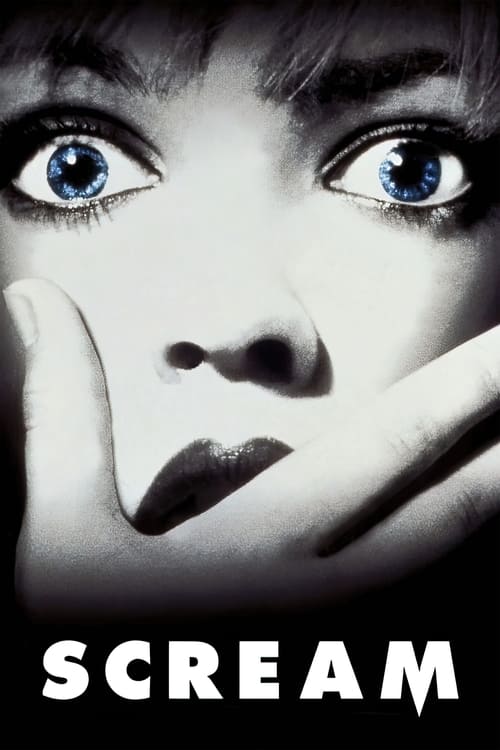
- 1996The original redefines the slasher genre Scream
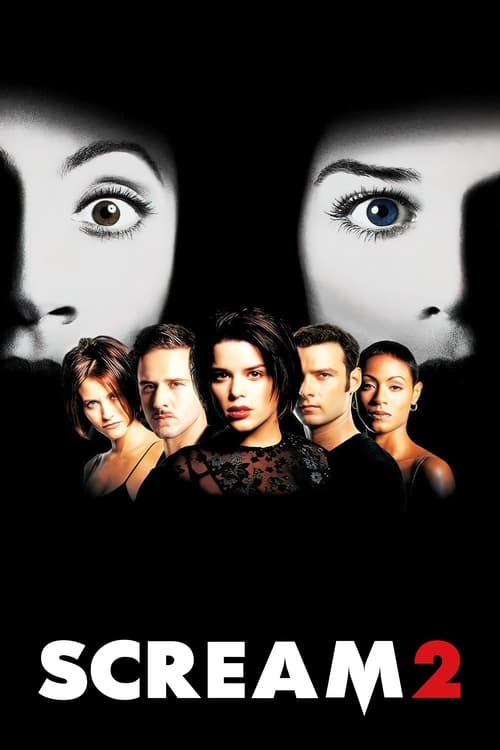
- 1997The sequel raises the stakes with a copycat killer on a college campus Scream 2
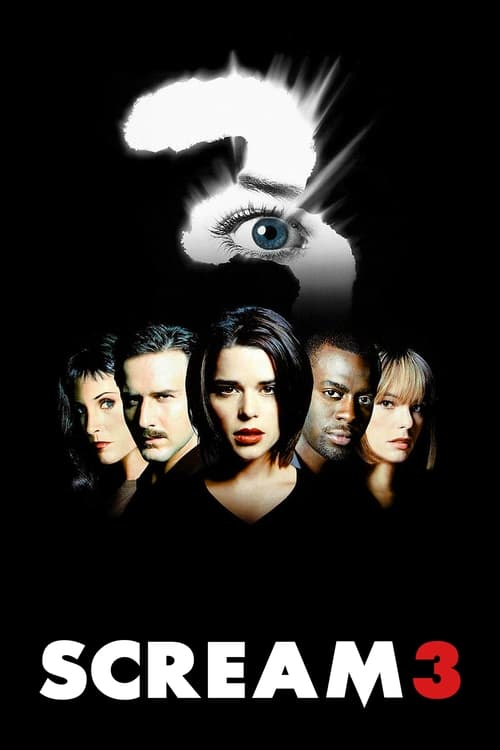
- 2000The trilogy closes with a Hollywood-set thriller Scream 3
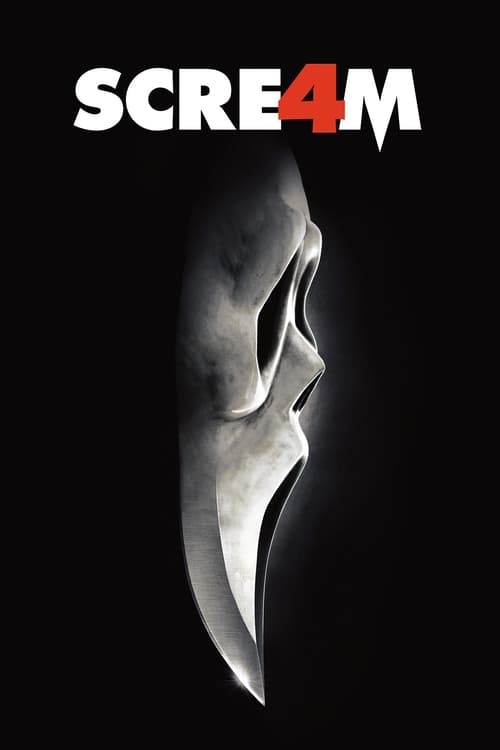
- 2011Craven's final entry brings the franchise into the remake era Scream 4
- 2015The mask moves to MTV for a two-season TV series Scream Queens
- 2022A new generation of directors and survivors re-ignite the franchise Scream
- 2023New York City becomes the killing floor in the boldest entry yet Scream VI
Slashers, whodunits, self-aware horror
Slashers
Explore the Slashers guide →What's your favorite scary movie? The question works because it's also asking: who are you, and what kind of fear do you carry?The franchise's recurring opening hook, repurposed as a character test