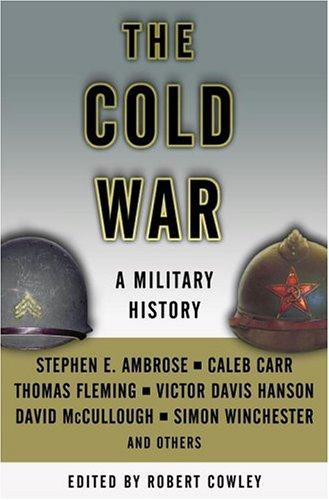

The feeling a Cold War fan chases is dread that never breaks into open violence. Two superpowers armed with enough nuclear warheads to end civilization, unable to fight directly, so they fight everywhere else: in spy networks, in client states, in ideology, in sport, in space. The drama lives in the gap between official certainty and private doubt, the handler who suspects his asset is a double agent but can't prove it, the colonel whose phone rings at 3 a.m. with a report that could be a radar malfunction or the start of World War III. From the Berlin Wall to the collapse of the Soviet Union, this era produced some of the sharpest moral fiction in every medium, because the stakes were absolute and the rules were never clean.
Essential Cold War Cinema
Films that capture the paranoia, politics, and human cost of the superpower standoff


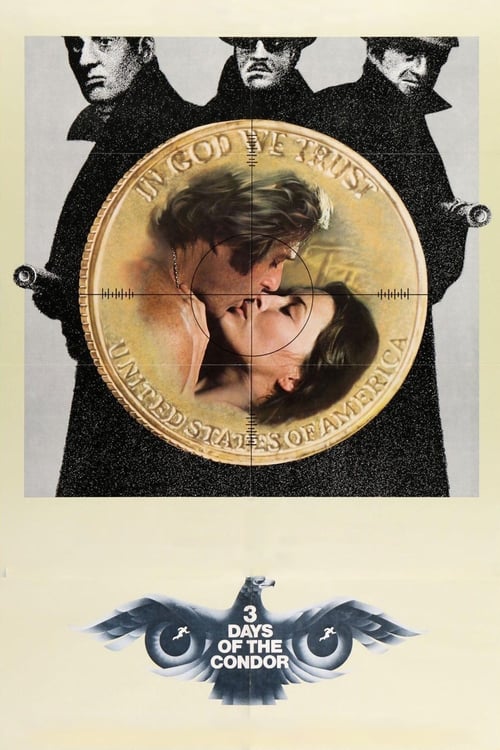
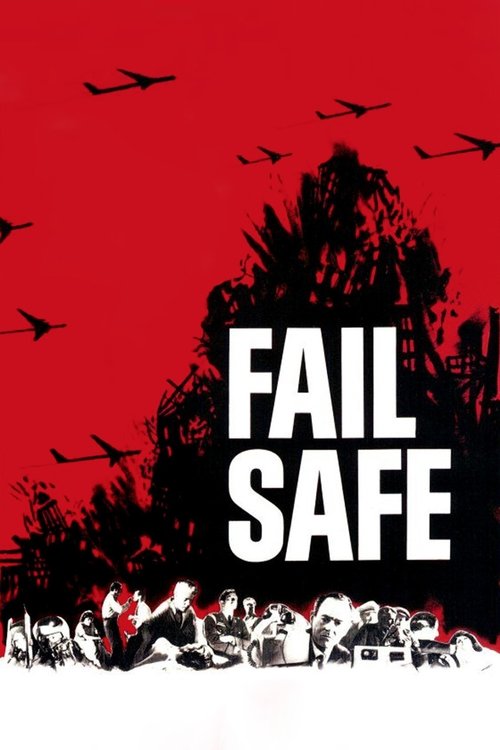
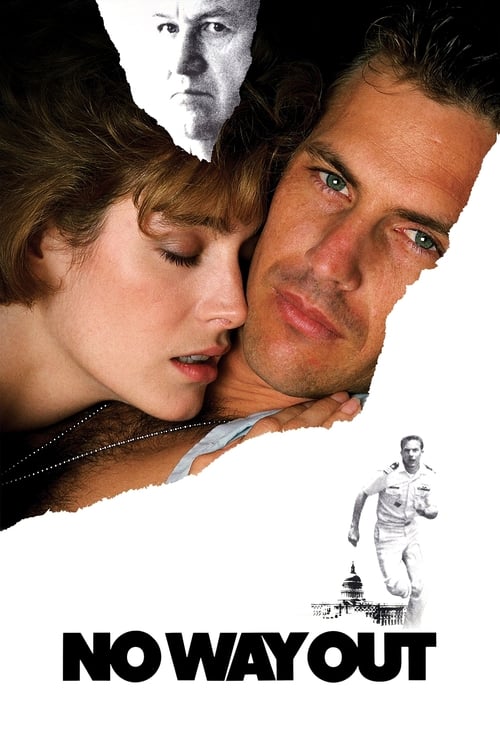
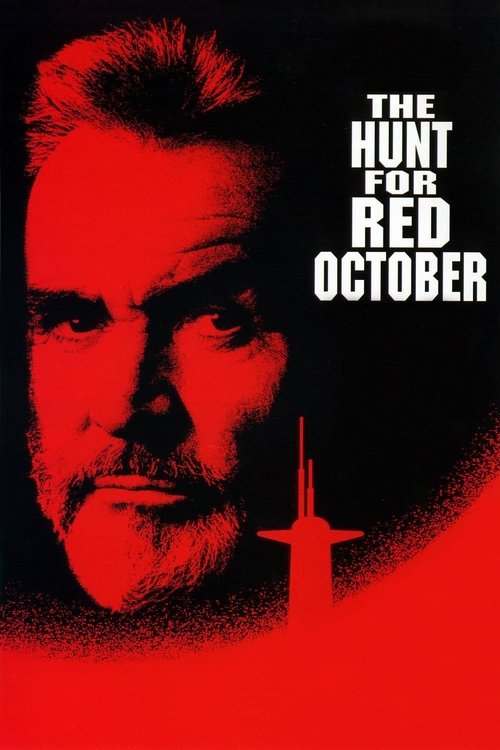
Espionage on Screen
Television series that live inside the grey zones of intelligence work and divided loyalties
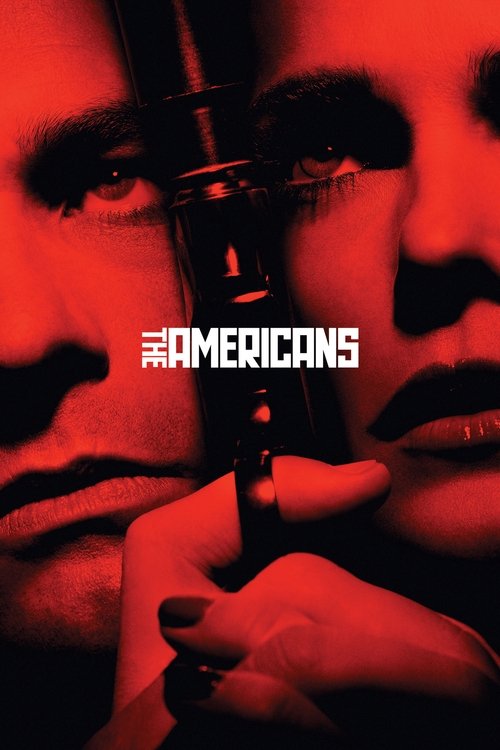
The Americans is the definitive Cold War portrait
No drama has come closer to the lived reality of Cold War duplicity than The Americans. Philip and Elizabeth Jennings are KGB agents who have been Americans so long that the role has hollowed out their certainty. The show never tips into cartoon villainy or cheap patriotism. It asks what you owe your country, your family, your own sense of self, and refuses easy answers across every season. Every tradecraft scene is a quiet argument about whether the ideology is worth the cost.
Spy Novels and Political Thrillers
The books that invented the modern espionage genre and the ones that reinvented it


John le Carre wrote the moral conscience of the West
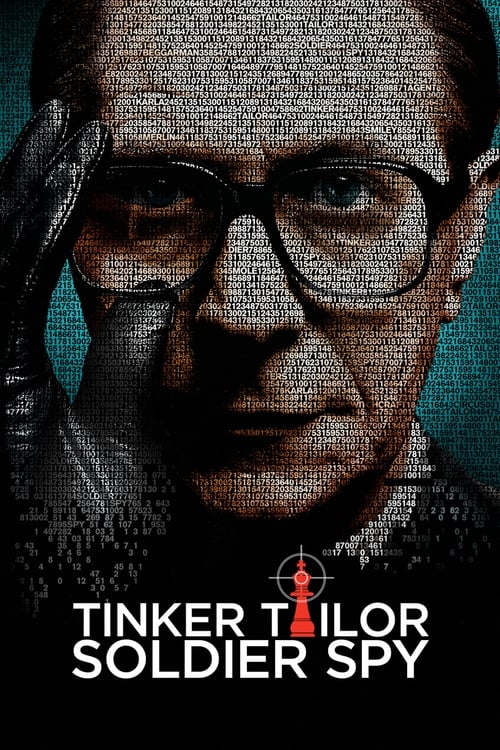
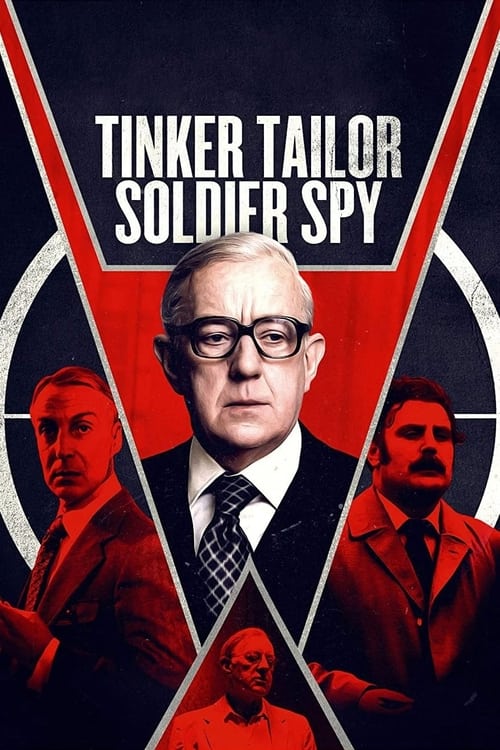
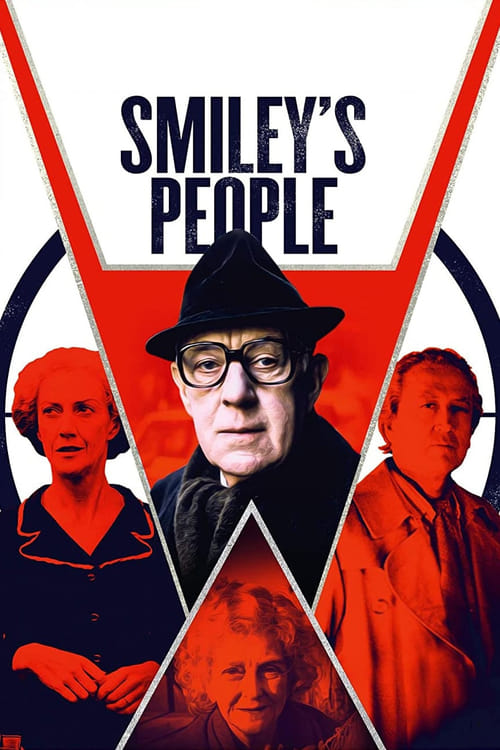
George Smiley is the anti-Bond: overweight, cuckolded, and burdened by the knowledge that the West's intelligence services are as compromised and morally corroded as the KGB they oppose. Le Carre spent his career at MI6 and it shows in every detail. His plots are not about winning. They are about what winning costs, and whether the thing you protected was worth the cost. The Karla trilogy (Tinker Tailor, The Honourable Schoolboy, Smiley's People) remains the high-water mark of the genre.
Cold War in Games
Games that use the era's tensions as setting, scenario, or political substrate
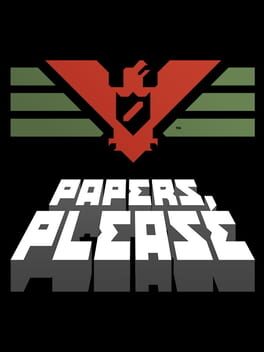
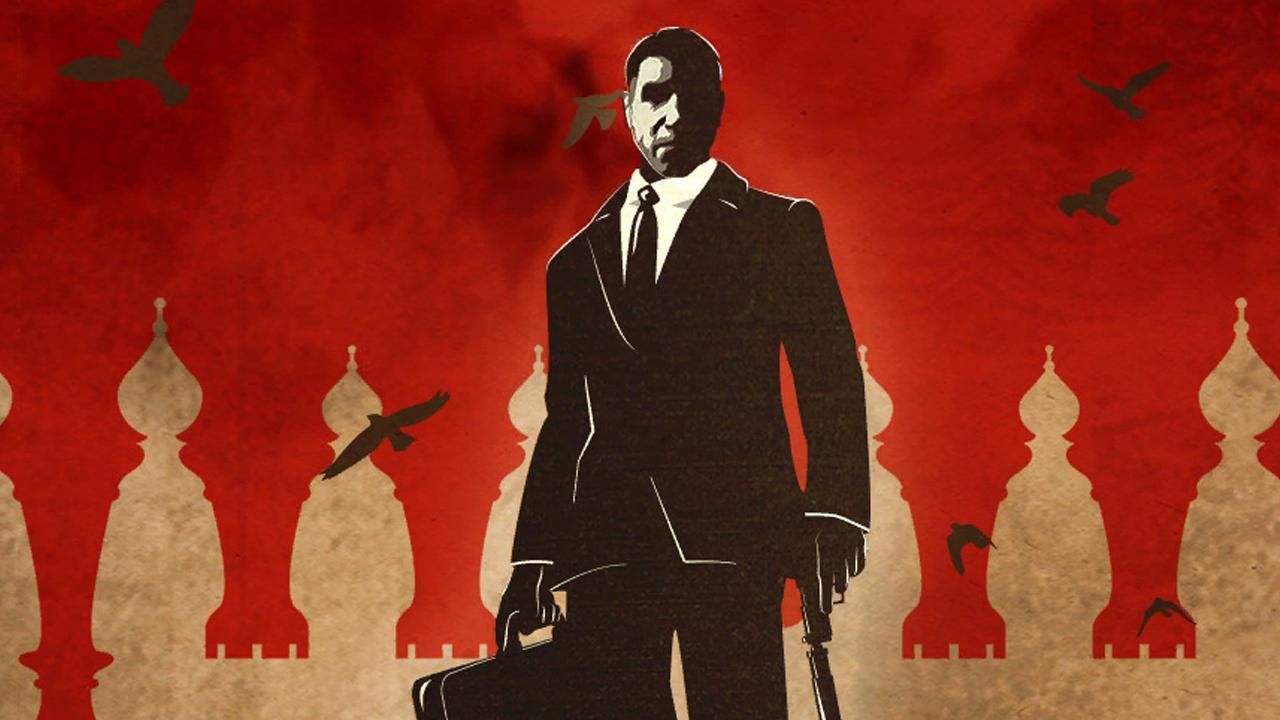
Papers, Please makes ideology a bureaucratic nightmare
Papers, Please puts you at the border crossing of a fictional Soviet-bloc country and asks you to enforce rules you did not make. The game's genius is that it never editorializes. It simply gives you a family to feed, a quota to meet, and a stream of desperate people whose documents may or may not be in order. The moral weight accumulates slowly until you realize you have been complicit in something you cannot undo. That is the Cold War in miniature.
The Sound of the Cold War
Music and scores shaped by or evoking the era's unease, secrecy, and geopolitical dread
David Bowie's Berlin Trilogy was the Cold War on record
Low, Heroes, and Lodger were recorded in West Berlin with Brian Eno between 1977 and 1979, a city literally divided by the Wall. The instrumental B-sides on Low and Heroes feel like transmissions from another continent, oblique and uneasy. Heroes was written within sight of the Wall and takes its emotional core from the idea of love that refuses to be contained by geopolitical reality. These albums are inseparable from their location and their moment.
The Cold War in Culture: Key Moments
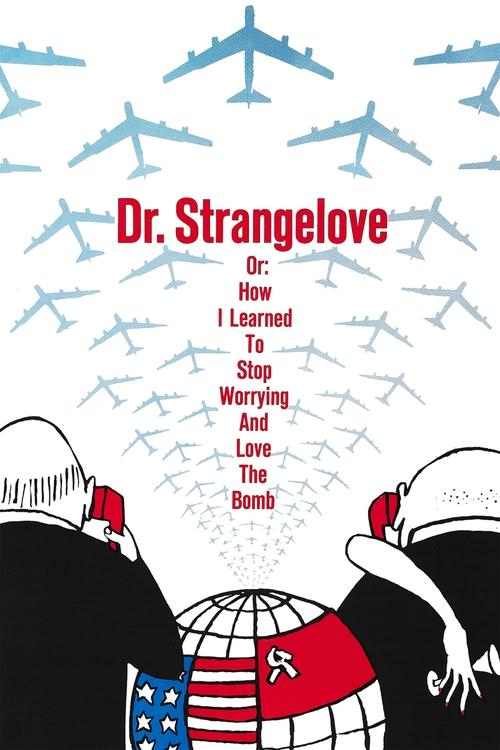
- 1962Dr. Strangelove enters production as Cuban Missile Crisis ends Dr. Strangelove or: How I Learned to Stop Worrying and Love the Bomb
- 1963John le Carre publishes his breakthrough spy novel The Spy Who Came in from the Cold
- 1977Bowie records Low in West Berlin with Eno Low
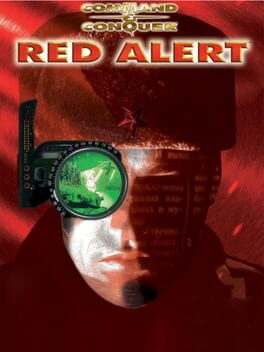
- 1984Red Alert launches the alternate Cold War strategy genre Command & Conquer: Red Alert
- 1990Gorky Park adapts to cinema as the USSR begins to fracture Gorky Park
- 2013Papers, Please reimagines Cold War bureaucracy as moral horror Papers, Please
- 2013The Americans redefines the spy drama for prestige television The Americans
- 2015Bridge of Spies tells the U-2 incident through a Cold War lawyer Bridge of Spies
Espionage, paranoia, and ideology
The Cold War
Explore the The Cold War guide →The Cold War never really ended. It paused, rearranged its furniture, and started again. Every work that captures it is also a warning about how quickly the logic of mutually assured destruction can feel normal.CrossBinge