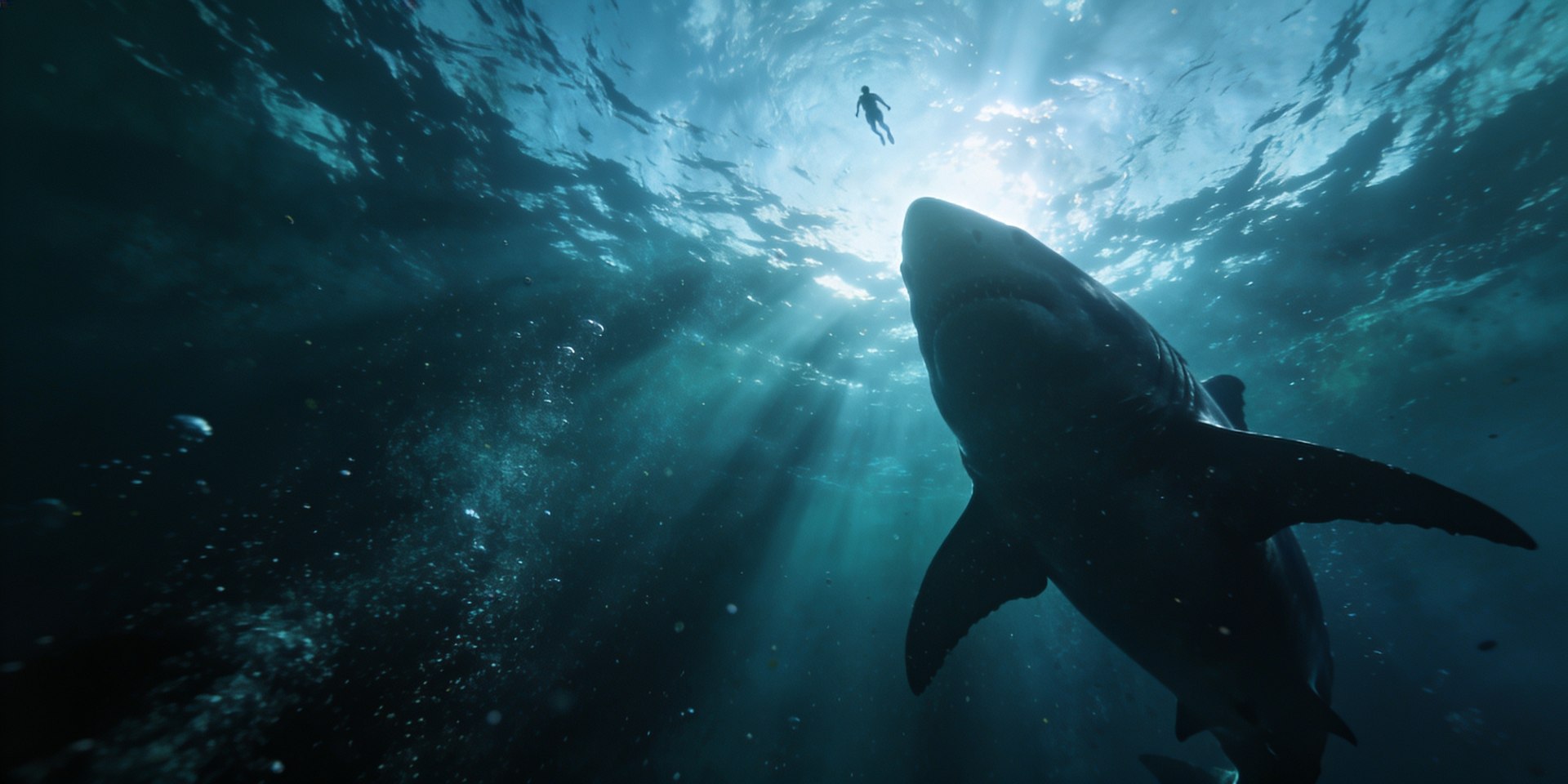

There is a specific kind of fear that only an animal can deliver. A monster is invented, so part of you knows it cannot exist. A killer with a knife is a person, and people can be reasoned with or outrun. But a shark does not hate you, does not negotiate, and does not stop. It is hungry, you are in the water, and that is the entire plot. The creature feature works because it strips horror down to the oldest equation we know: something larger and faster than us has decided we are food.
The genre has two faces. One is Jaws, the 1975 film that invented the modern blockbuster and taught a generation to stay out of the ocean by showing the shark as little as possible. The other is Sharknado, the gleeful trash that knows exactly how silly a flying shark is and leans all the way in. Both are honest. Between them sits everything from the crocodile in the swamp to the snake in the river to the beast that should not exist at the bottom of the sea. This is a guide to the creatures that hunt us across every screen and page, the smart ones and the stupid ones, the ones that haunt and the ones that just want to have a good time.
Essential creature features
The canon: the predators that defined the genre across every medium
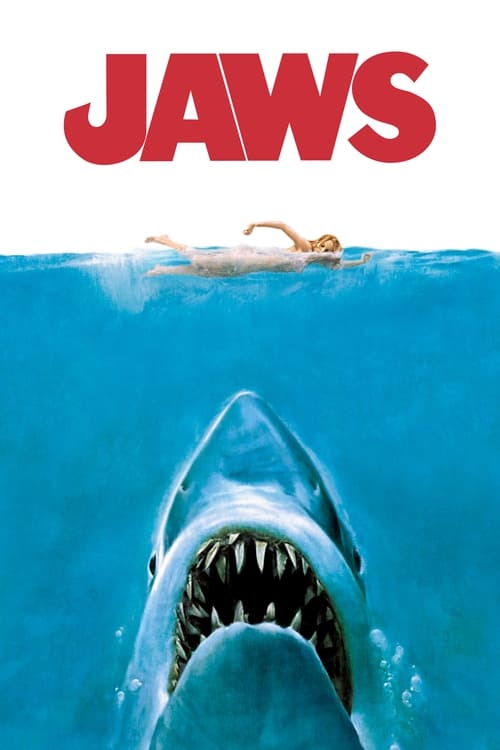
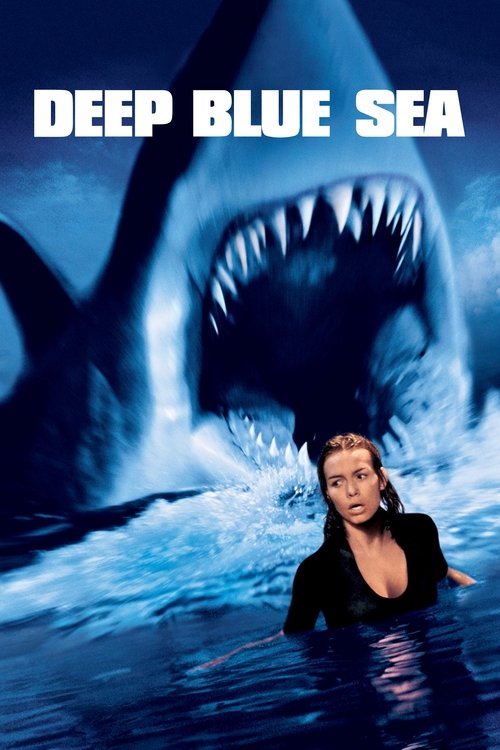
Jaws is still the one, and it is not close
Half a century later, Jaws remains the best film ever made about an animal trying to eat people, and the reason is a famous accident. The mechanical shark, nicknamed Bruce, kept breaking down, so Steven Spielberg was forced to shoot around it. What we got instead of a rubber fish was a yellow barrel cutting across the surface, a dorsal fin where a swimmer used to be, and John Williams reducing terror to two notes. The shark you imagine is always worse than the one you can see.
The film is also smarter than its reputation. The first hour is a small-town political thriller about a mayor who will not close the beaches because the summer economy depends on them. By the time Quint, Brody and Hooper are on the Orca, you have three men who genuinely do not get along, trapped on a boat that is too small, hunting something too big. The Indianapolis monologue is the best scene in any creature feature ever filmed, and there is not a single frame of shark in it.
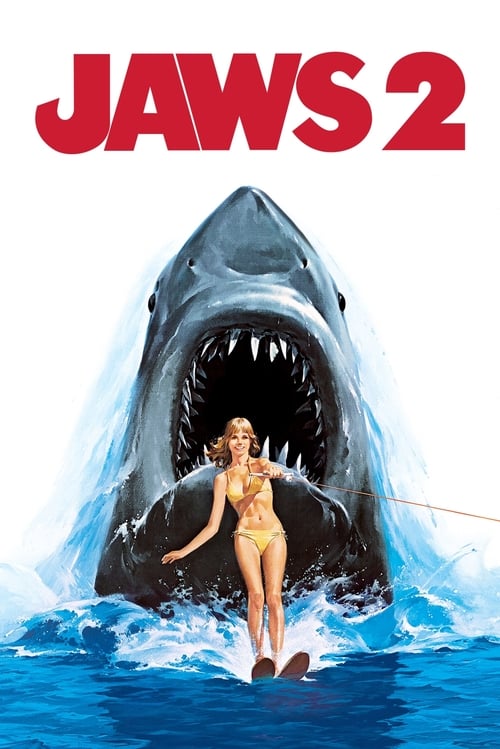
Sharks on film
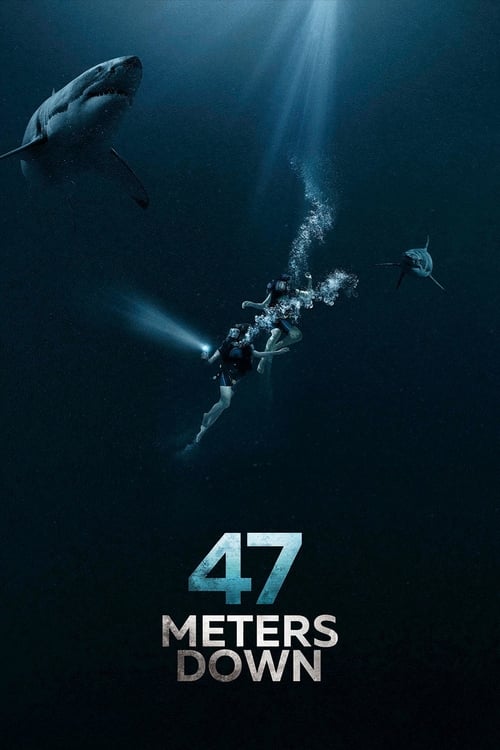
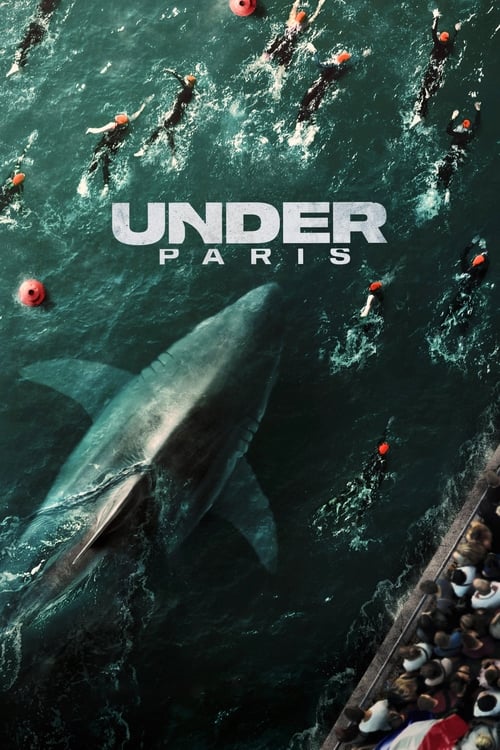
From the open water to the trench, the genre's apex predator


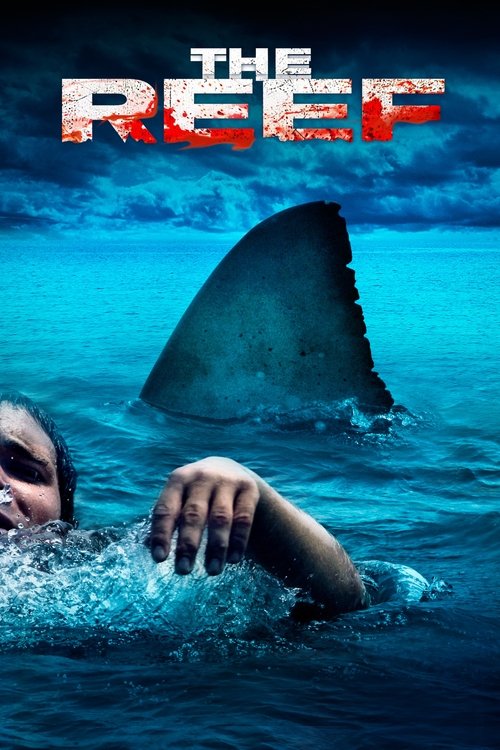
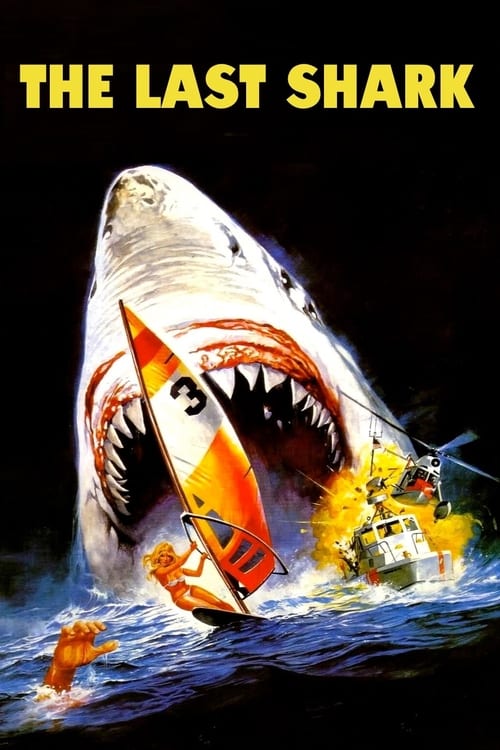
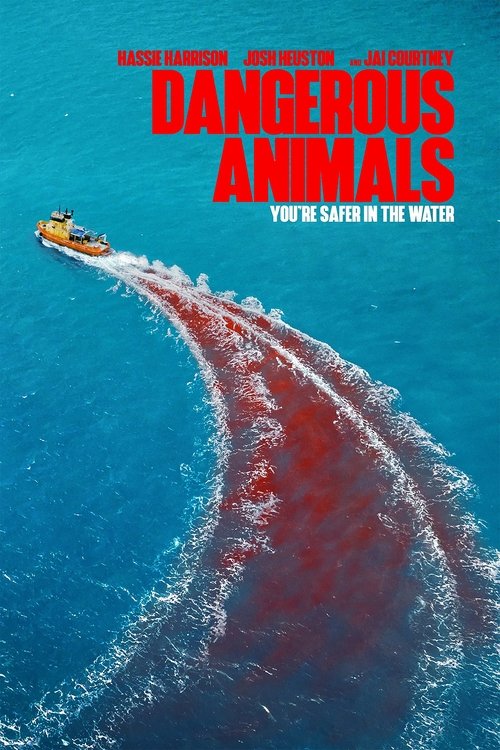
The shark is just the start
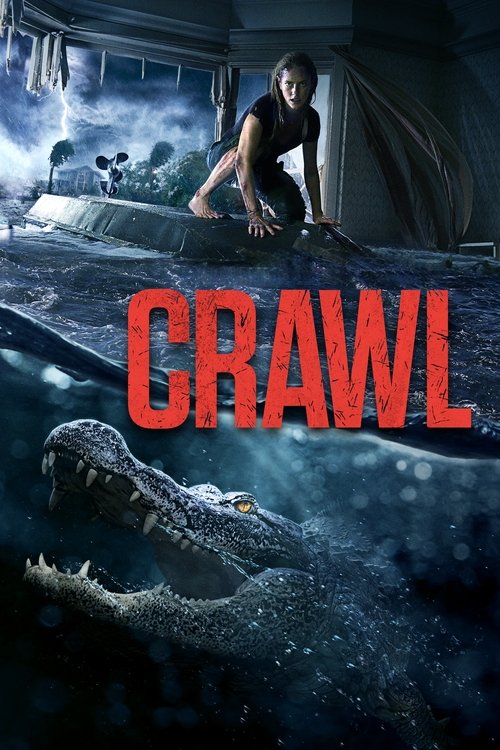
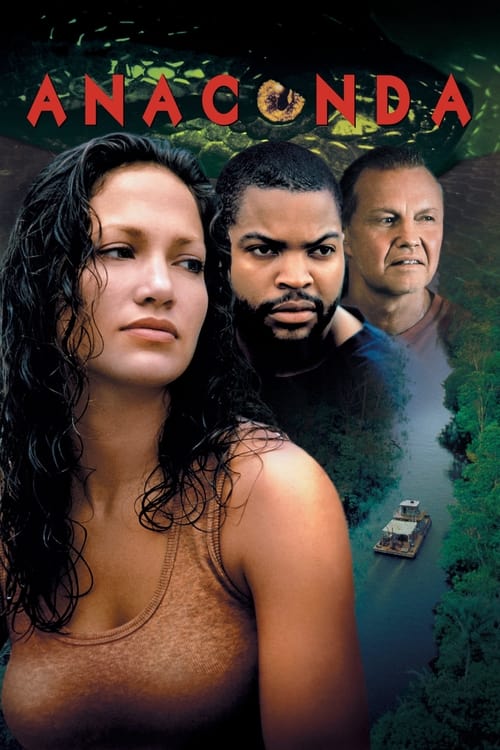
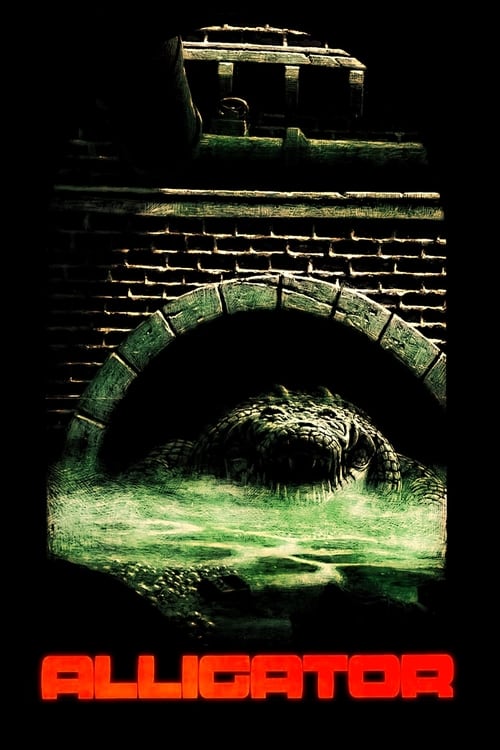
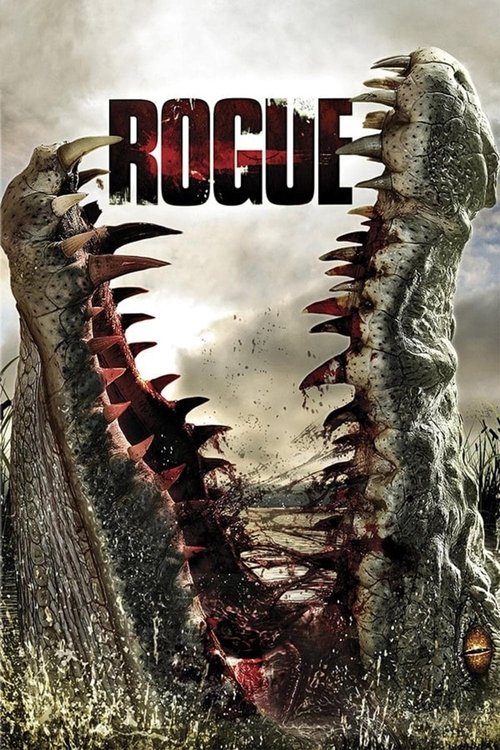
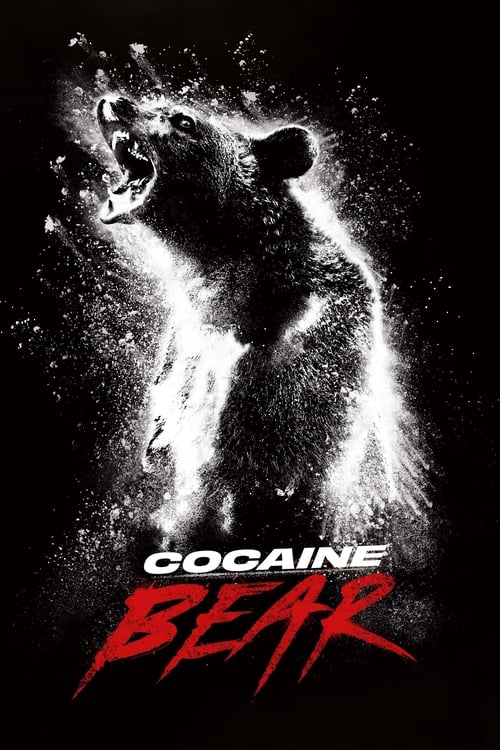
Once you accept that the animal can be the villain, the question becomes which animal. The water gave us sharks, but the land and the rivers and the swamps have their own monsters, and they tend to be meaner because they can follow you onto dry ground. Crawl traps a daughter and her father in a flooding Florida house with a pack of alligators, and it is one of the leanest, nastiest survival films of the last decade: a single location, rising water, and reptiles that are smarter than the people. Anaconda sends a documentary crew up the Amazon and lets Jon Voight chew the scenery almost as enthusiastically as the snake chews the cast.
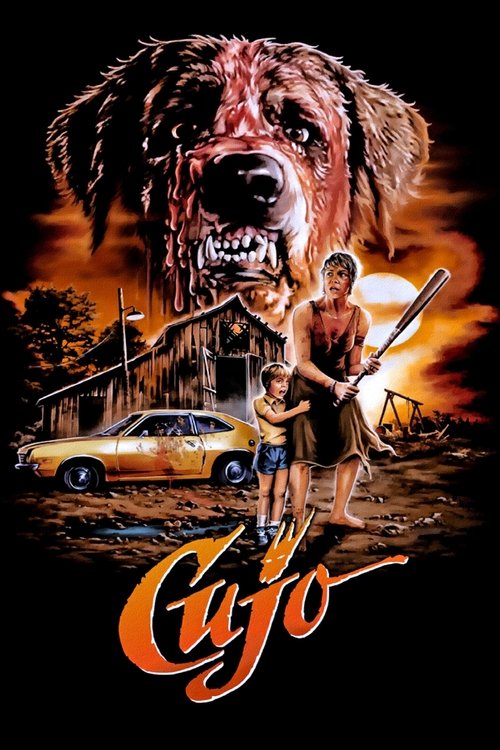
Then there is the rabid dog. Stephen King understood that the most frightening creature is the one that used to love you. Cujo is a Saint Bernard, a family pet, slowly driven mad by a bat bite until a mother and her son are trapped in a stalled car in the summer heat with two hundred pounds of foaming rage outside the door. No special effects, no exotic location, just a dog that has stopped being a dog.
Beyond the shark: teeth on land and in the swamp
Gators, snakes, bears, dogs and the creatures that follow you ashore
Maneater lets you be the shark, and that is the point
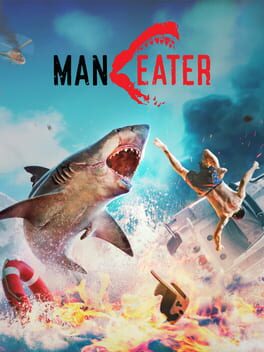
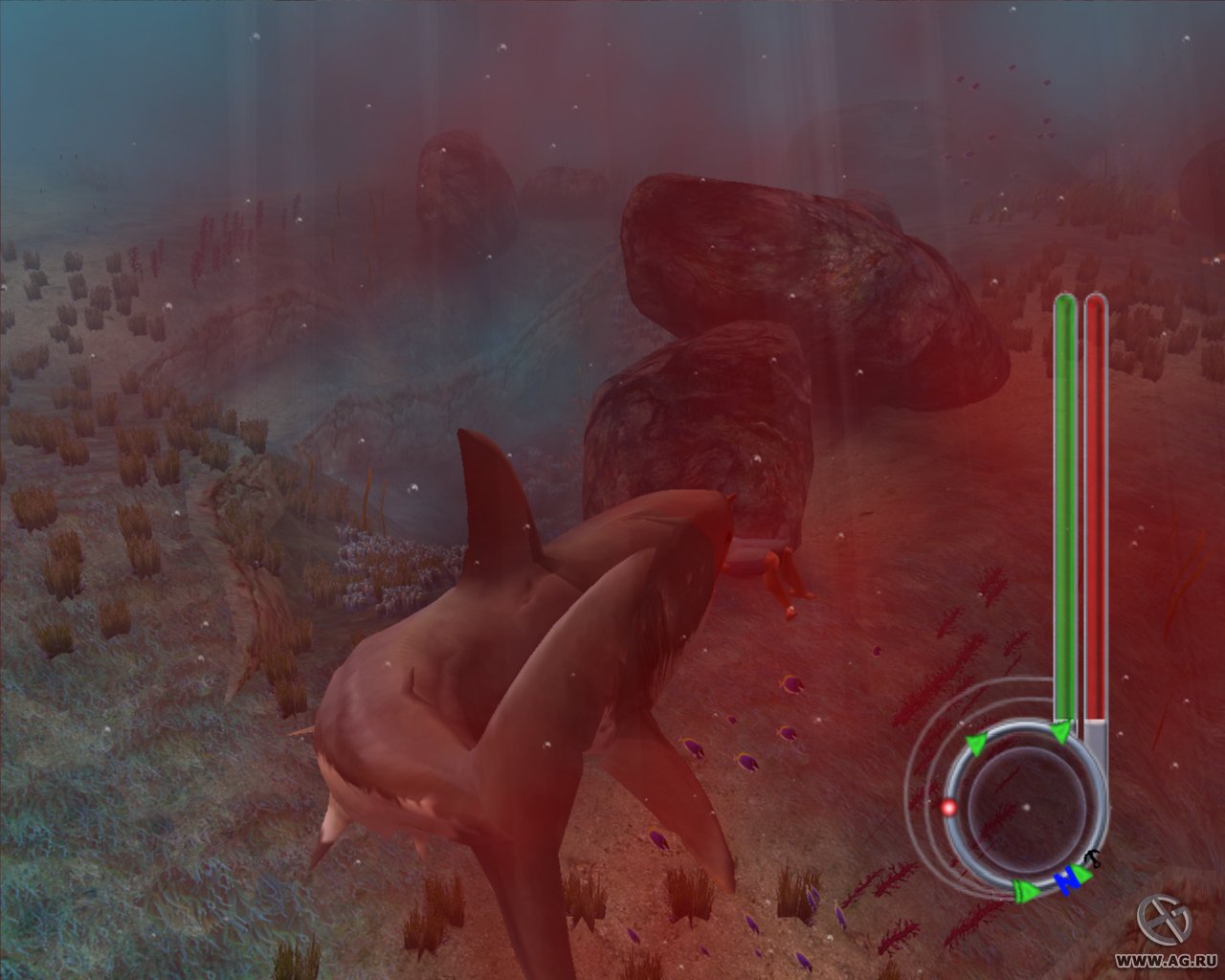
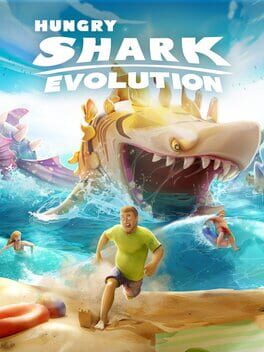
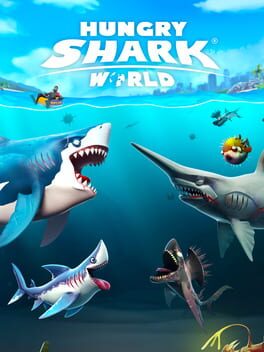
Every other entry on this page asks you to survive the animal. Maneater asks you to be it. You start as a pup, you grow into an apex predator, and you spend the game terrorizing the swamps and beaches of a Gulf Coast town while a Cajun reality-TV shark hunter narrates your rampage. It is a revenge story told from the wrong end of the food chain, and it understands the secret pleasure underneath every shark movie: part of us has always wanted to be the thing in the water, not the snack.
The combat loop is simple and vicious. You leap out of the water, drag a screaming swimmer under, evolve a new mutation, and go looking for bigger prey. It will never be confused for a masterpiece, but it is the purest expression of the genre's id that any game has managed, and far better company than the long-out-of-print Jaws Unleashed that tried the same trick in 2006.
Creatures to play
Hunt or be hunted: the deep, the swamp and the things that live there
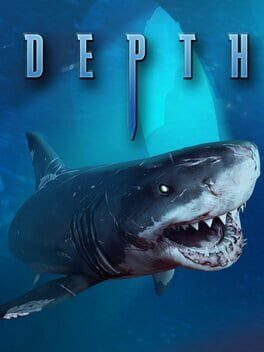
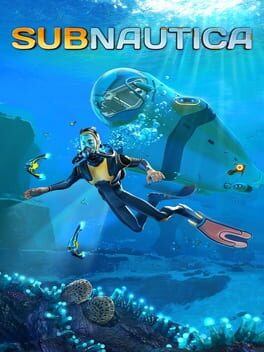
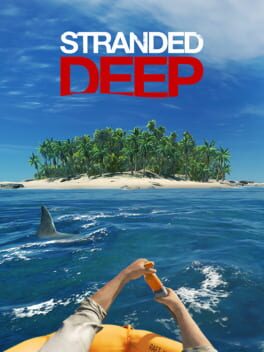
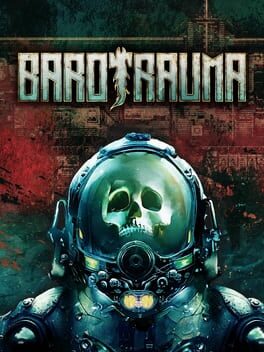
The novels that started the panic
Before the shark was on screen it was on the page. Peter Benchley's Jaws spent 44 weeks on the bestseller list in 1974, and Benchley spent the rest of his life regretting how thoroughly he had demonized a fish that, in reality, almost never targets humans. He kept writing the sea monster anyway: White Shark and Beast both send something enormous up from the deep, and both are unapologetic pulp in the best sense.
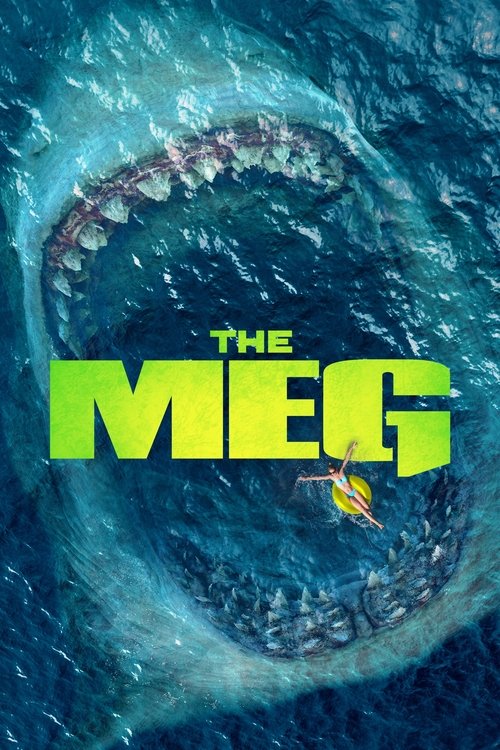
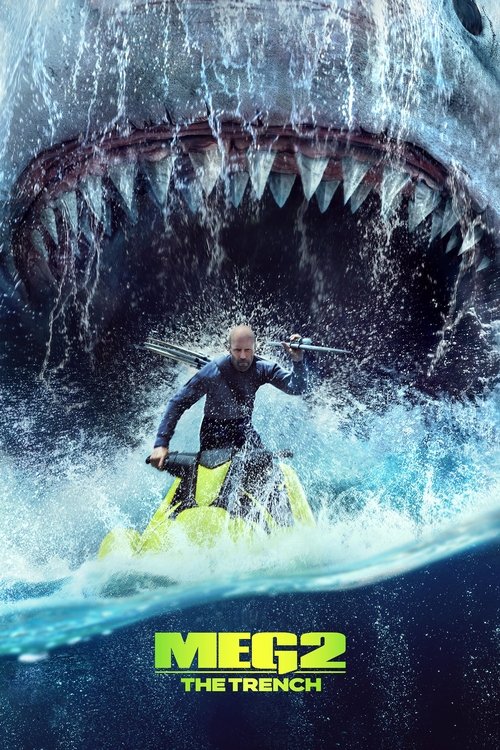
The other pillar is Steve Alten's Meg, the 1997 novel that asked the obvious question nobody had committed to: what if a prehistoric megalodon, the seventy-foot ancestor of the great white, had survived in the unexplored bottom of the Mariana Trench. The book is a beach read with the subtlety of a freight train, and that is exactly what it is going for. Hollywood circled it for two decades before The Meg finally put Jason Statham in the water with it.
On the page: where the monsters were born
Benchley, Alten and the pulp that put a fin in the water


You're gonna need a bigger boat.Chief Brody, Jaws (1975); the line that ended the argument about how big the problem was
The scores that taught us to fear the water
John Williams turned two notes and a brass swell into pure dread
Tremors is the most rewatchable creature feature ever made
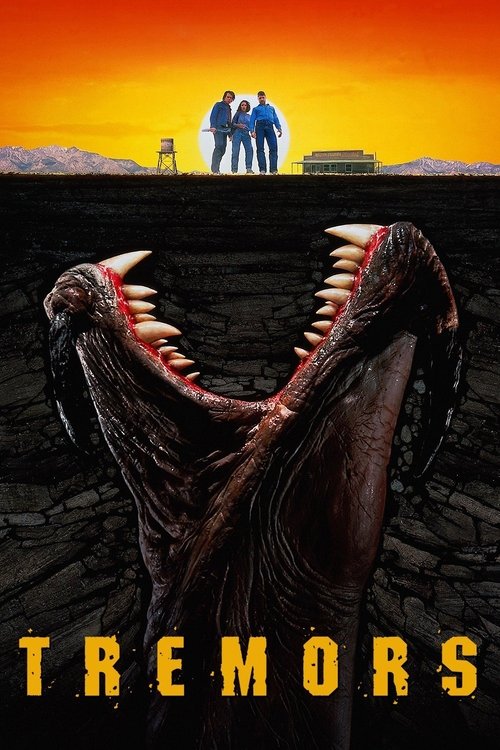
Tremors should not work. The monsters are giant subterranean worms, the budget was modest, and the setting is a desert town of fourteen people. What it has instead is the thing most creature features forget: it likes its characters. Kevin Bacon and Fred Ward are two handymen who are very bad at their jobs and very good company, and the film is genuinely funny right up until the graboids start dragging people underground. It treats the monsters as a logic puzzle, the worms hunt by sound, so the survivors have to stop touching the ground, and the escalation is so satisfying that you forget you are watching a B-movie.
It is the rare creature feature you put on to feel good. The horror is real, the deaths land, but the tone is warm, and three decades of sequels and a TV series could not dilute how perfectly the original balances scares against the pleasure of watching competent people improvise their way out of an impossible situation.
Bigger than the boat: kaiju and the truly enormous
When the creature is the size of a city and the genre goes operatic