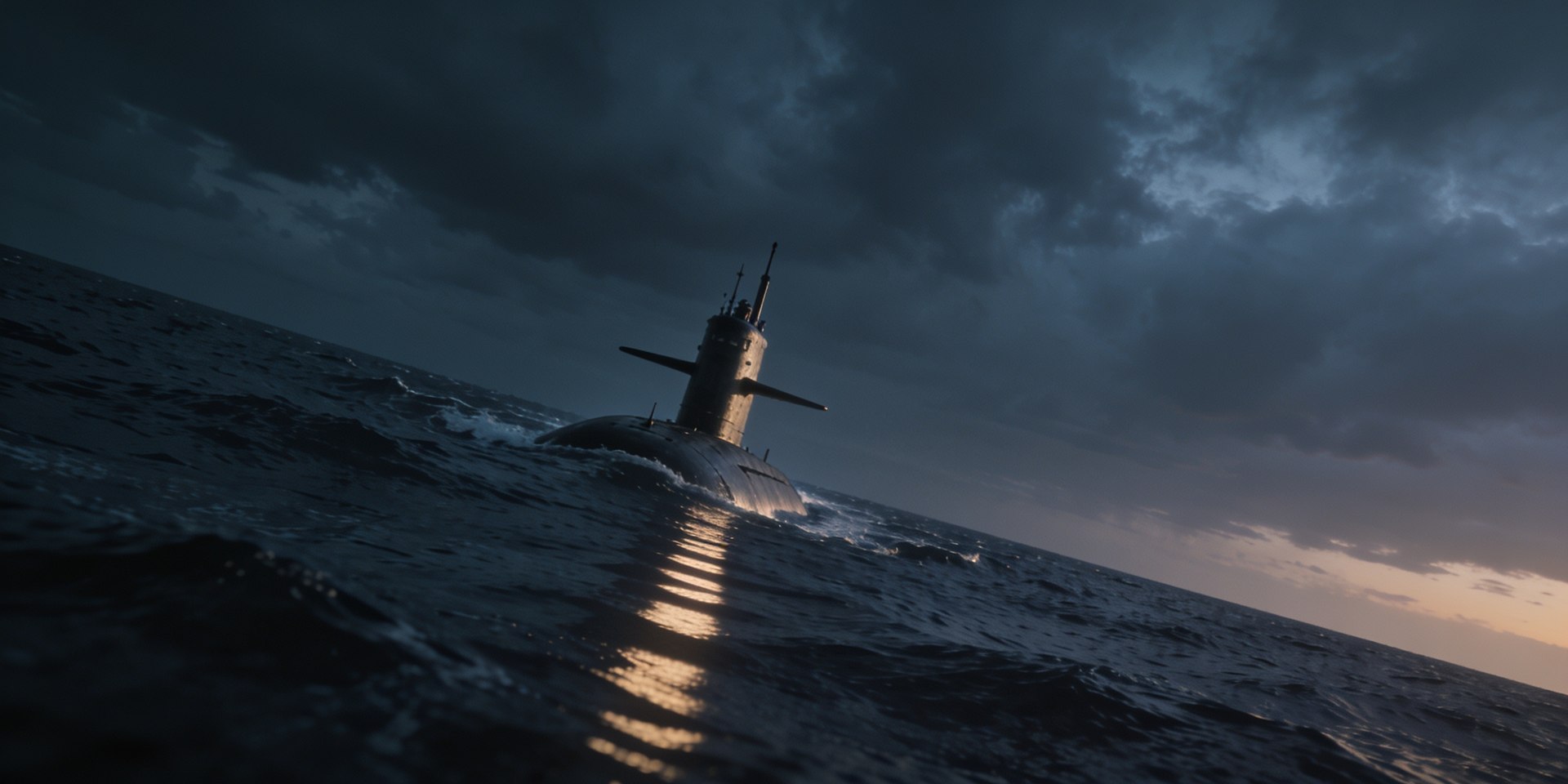

The submarine is the perfect dramatic machine. Cut off every escape route, seal the crew inside a steel tube smaller than a tennis court, drop them beneath thousands of tonnes of water where a single miscalculation kills everyone, and then hand the captain an impossible order. That is the genre, and it has been producing great stories for a century because the formula is unbeatable: total isolation plus total stakes.
From the WWII Pacific hunting grounds to Cold War cat-and-mouse duels in the North Atlantic, from the grey wolf packs of the Kriegsmarine to a rogue Russian captain with his finger near a launch key, submarine drama is the most claustrophobic corner of the war genre and the most purely theatrical. The pressure outside is measured in atmospheres. Inside the hull, it is measured in the faces of the crew.
Essential submarine stories
The canon of command under pressure: the films, shows, books and games that define the genre.



The one that changed everything
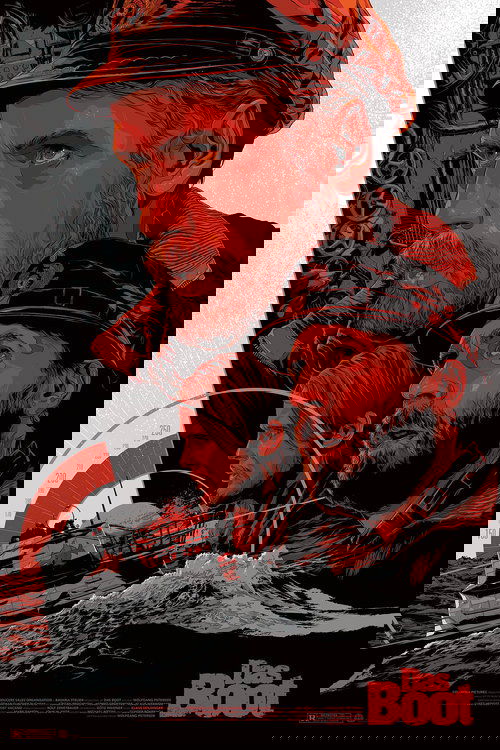
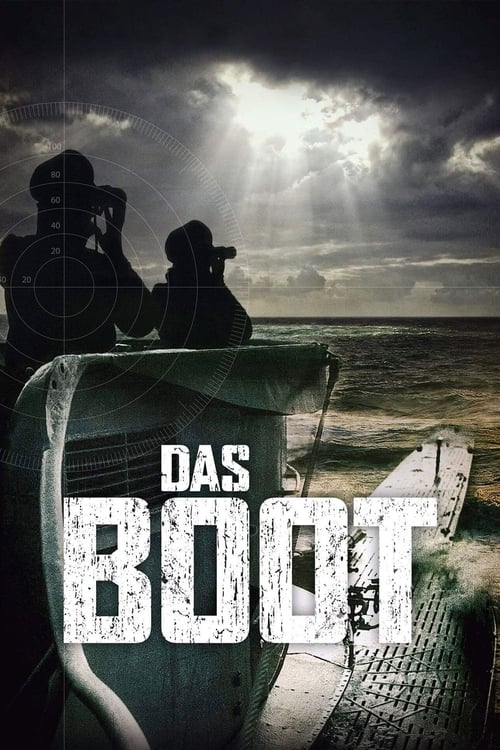
Das Boot (1981) is not the best submarine film; it is the definitive one, the one every film after it is measured against. Wolfgang Petersen turned Lothar-Günther Buchheim's semi-autobiographical novel into three and a half hours of slow-building dread aboard U-96. What he understood, and most submarine films miss, is that the enemy is mostly irrelevant. The drama is the hull. Every noise the metal makes, every depth charge that pushes the pressure a notch higher, every sweat-soaked face watching gauges tick toward the red: the submarine itself is the antagonist. The 1985 miniseries version adds another two hours of material and is the director's preferred cut. Start there if you can.

The modern era: Cold War and after
From ballistic missile stand-offs to spec-ops rescue missions: submarine thrillers of the 1990s and beyond.
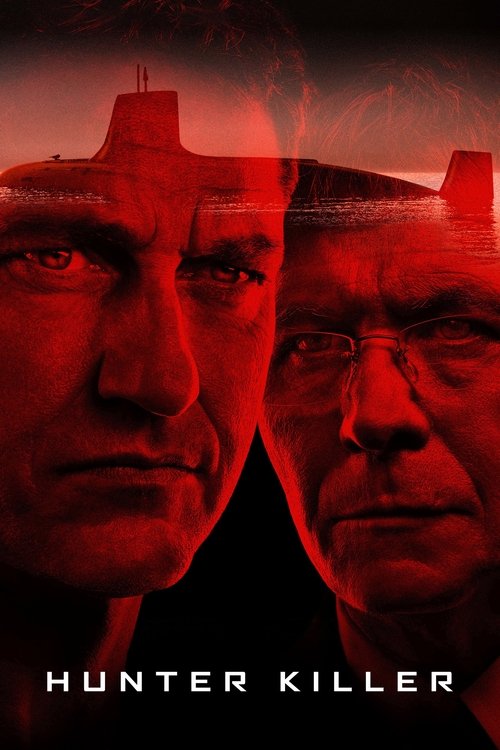
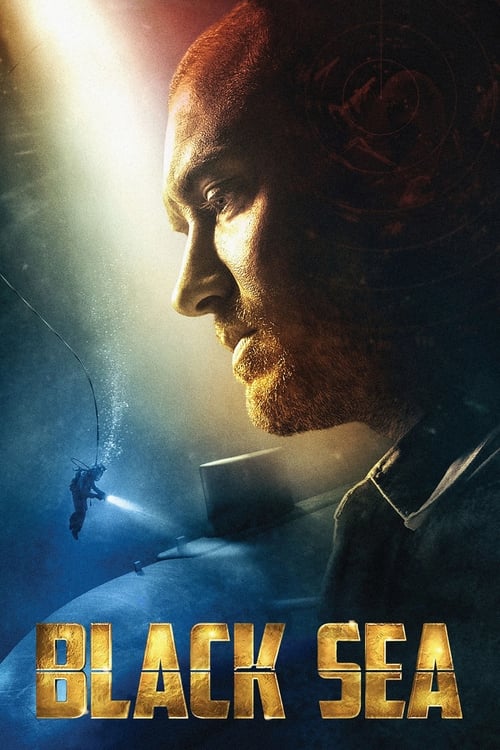
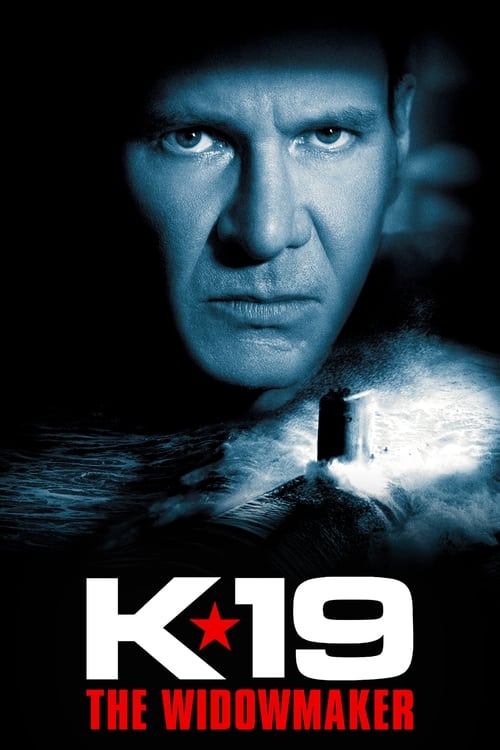
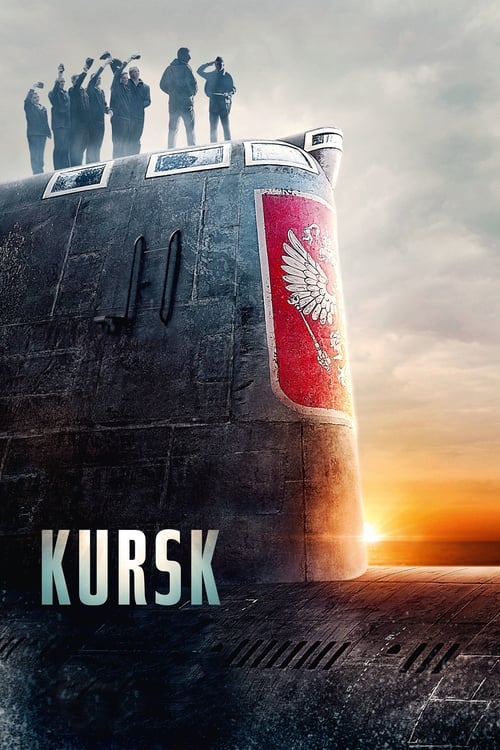

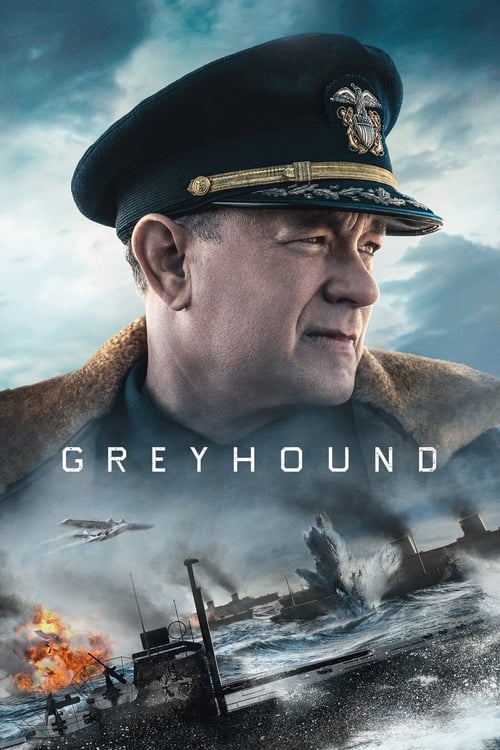
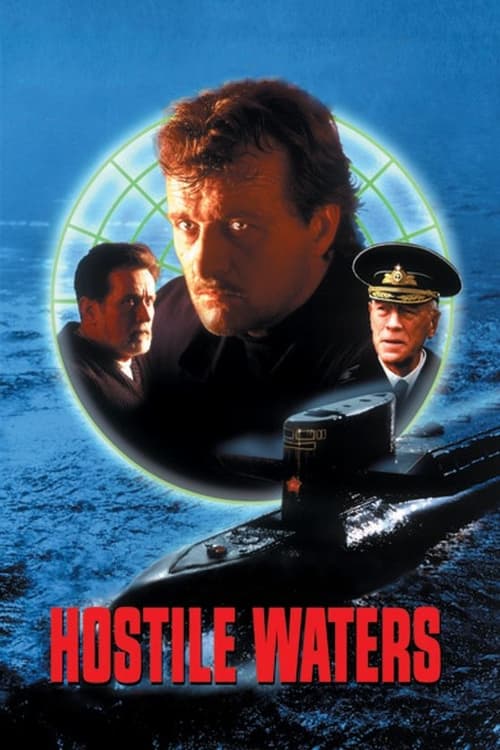
Mutiny, codes and the weight of the launch key
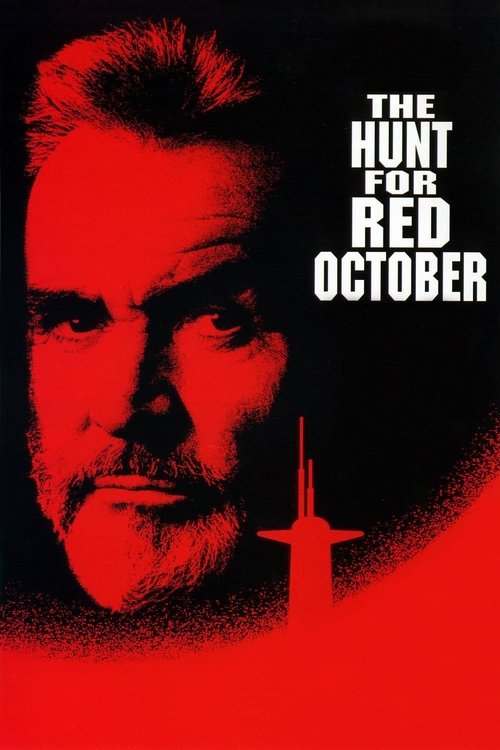
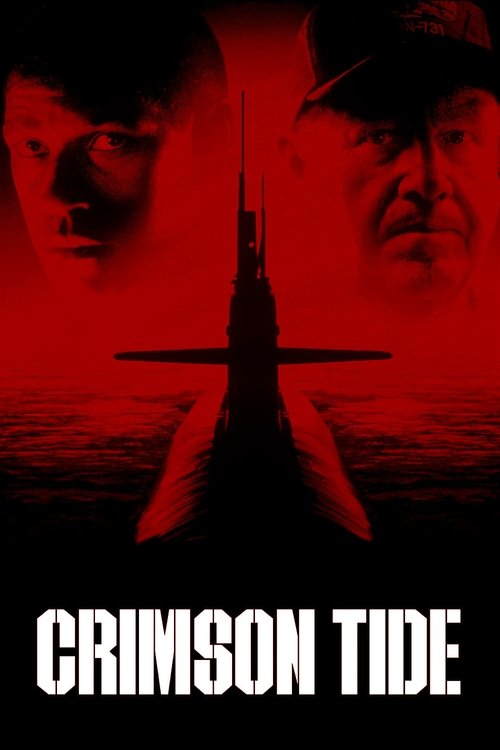
The Cold War submarine thriller has one irresistible premise: what happens when the captain and the executive officer disagree over whether to fire? In Crimson Tide (1995), Tony Scott turned that question into 116 minutes of barely-contained violence between Denzel Washington and Gene Hackman, neither of them technically wrong. In The Hunt for Red October (1990), the disagreement is geopolitical and the answer is Sean Connery sailing a Typhoon-class boat across the Atlantic, straight at the US Navy, daring both sides to be clever enough to figure out what he actually wants.
Both films hold up because the argument is never really about the missiles. It is about authority, and what happens when the chain of command is the problem.
The command-authority film
Crimson Tide is underrated as a piece of filmmaking. Tony Scott was not a director associated with restraint, but he kept the whole film inside the boat, kept the camera tight on the two leads, and let Hans Zimmer's score do the heavy lifting for the stakes outside the hull. The argument between Washington's Ramsey and Hackman's Hunter is genuinely unresolvable for most of the runtime: both positions on orders and protocol are defensible, and the film is honest enough not to cheat on either man until the end. It is a better movie than it gets credit for, and it stands alongside The Hunt for Red October as the high-water mark of post-Cold War submarine tension.
WWII beneath the waves
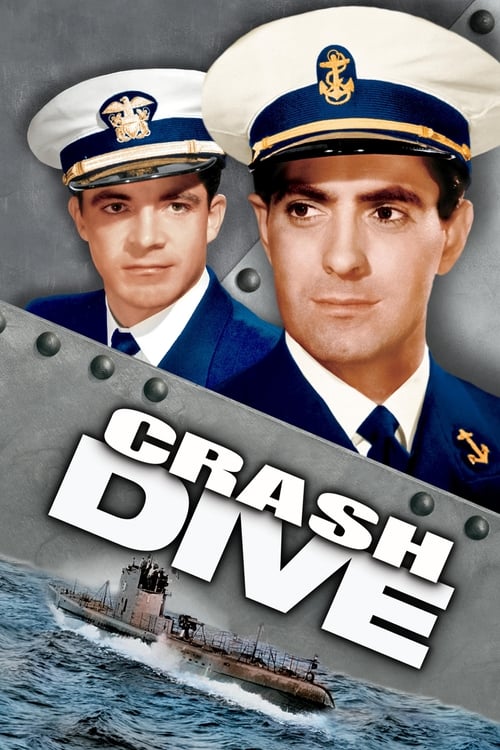
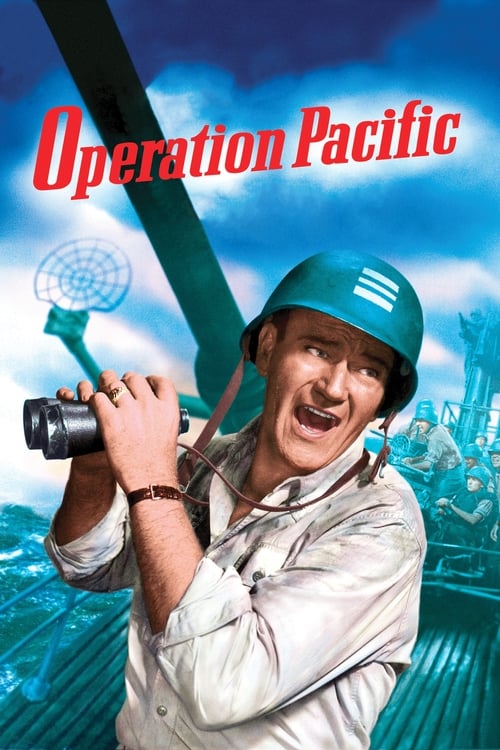
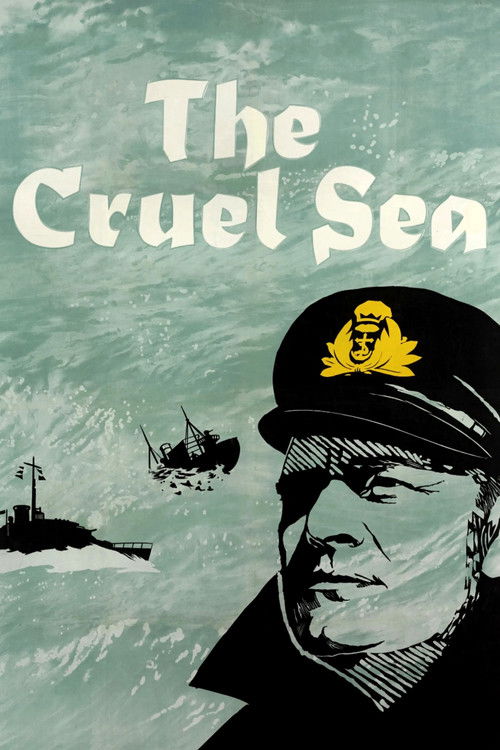
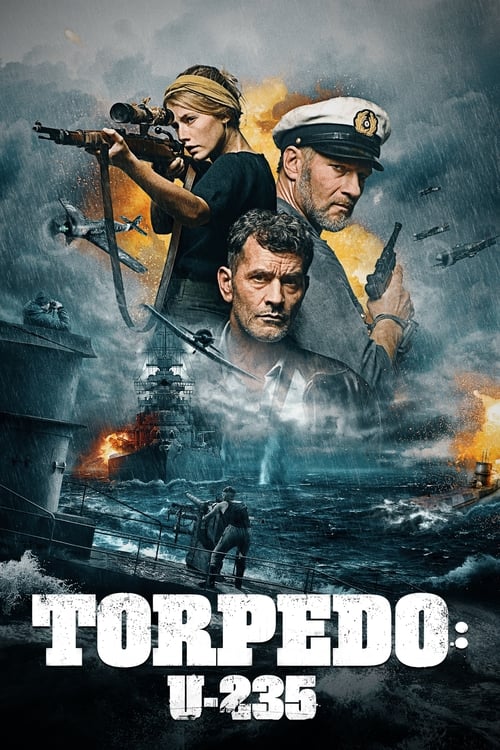
Pacific wolf packs and Atlantic u-boats: the war that forged the submarine as a dramatic setting.
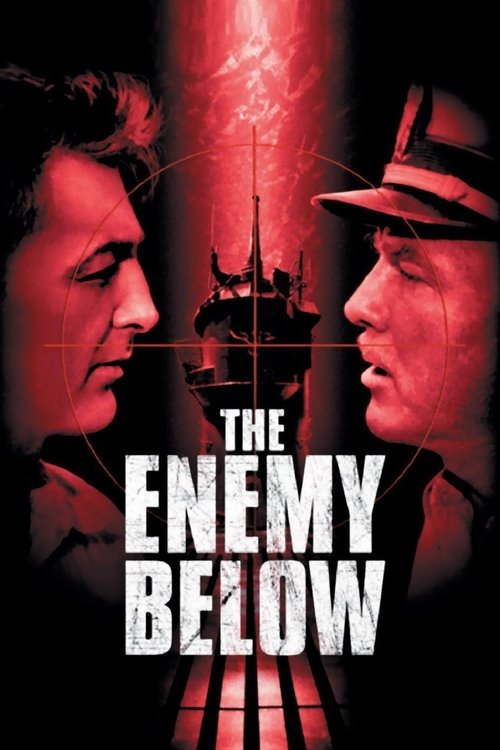

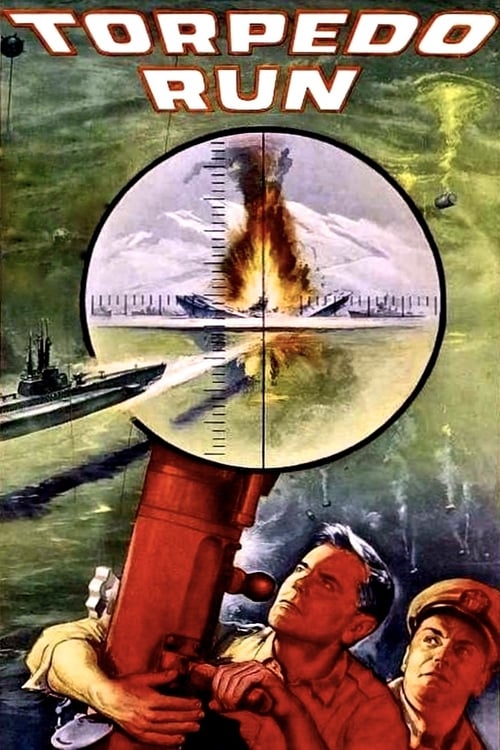

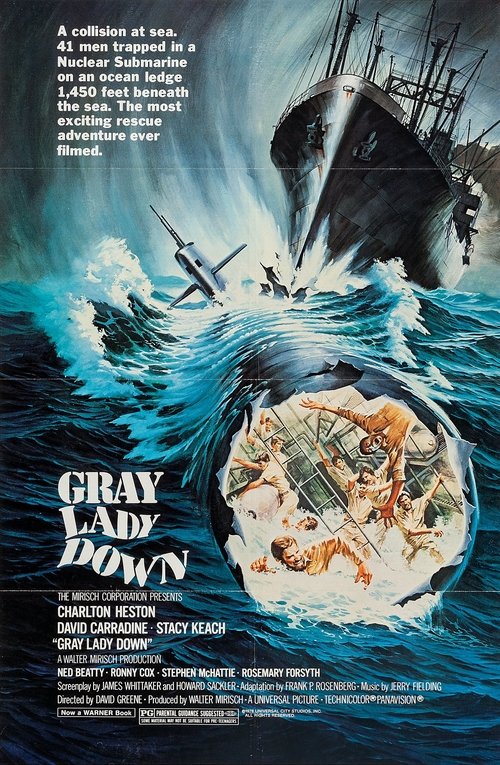
Submarine games: you are the captain
From hardcore Cold War simulation to flooded sci-fi horror: the games that put you inside the hull.
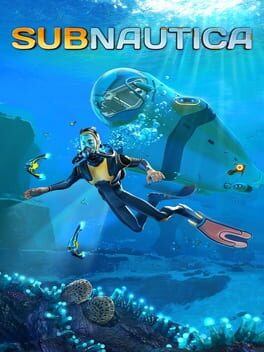
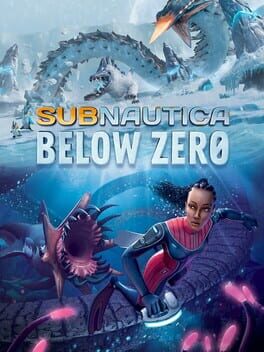


The game that turns silence into dread
Iron Lung (2022) is not a submarine game in the military sense. You are sealed inside a small metal vehicle full of blood, navigating by a single exterior camera, with no weapons and no map. The horror is the same horror that runs through every submarine story: you cannot see what is out there, you cannot go back, and the hull is the only thing between you and the dark. David Szymanski built something genuinely unsettling with minimal budget and almost no mechanics, and it captures the claustrophobic essence of the genre more purely than most full-production simulations manage. It is also one hour long. Play it in the dark.
Submarines on screen: the TV canon
Long-form life under the ocean: from 1960s Cold War adventure to 21st-century period drama.

On the page: the books that founded the genre
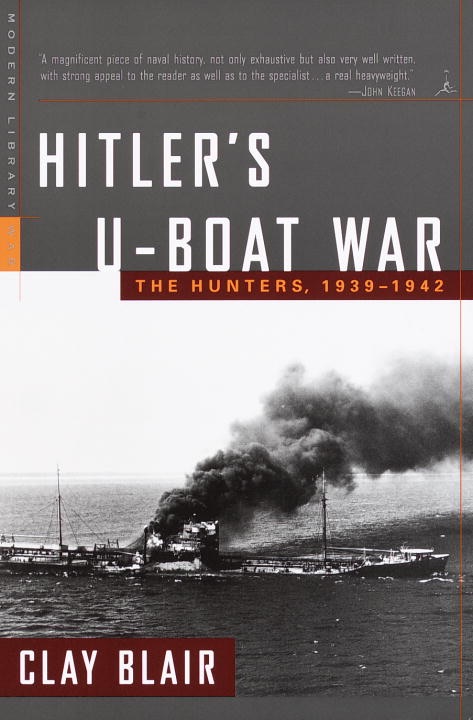
From Jules Verne's fever-dream vision to Edward Beach's authentic Pacific memoir-novel and the histories that documented the real war below.




What the genre is really about
Submarines do not appear in great stories because they are interesting pieces of military hardware. They appear because they are the best dramatic shorthand for isolation and constraint that cinema has ever found. Lock a cast inside one, tell them they might die, and you have reduced the human animal to its essentials: who leads, who cracks, who disobeys, who holds.
The genre's golden era was the 1990s, when the Cold War was fresh enough to feel real and expensive enough to build the sets. The Hunt for Red October and Crimson Tide together form something like a perfect paired argument about authority. But Das Boot, made a decade earlier, remains the genre's conscience: a film that takes the enemy's perspective and makes you feel, for the length of the director's cut, what it costs a man to be on the losing side of a war he cannot see from underwater.
The film that defies the formula
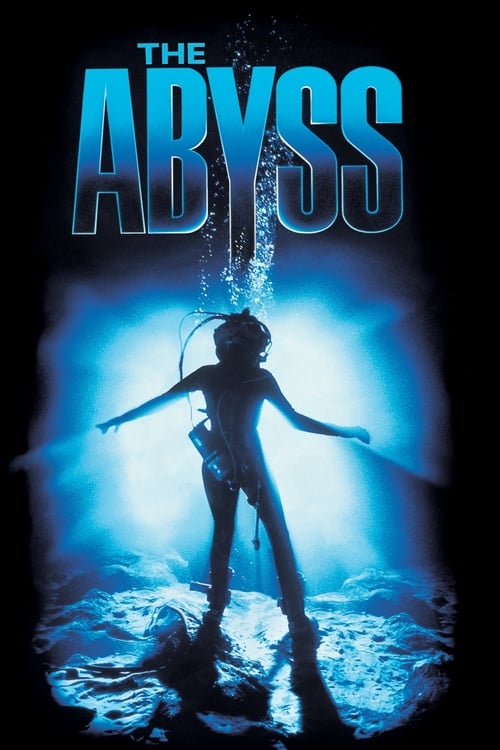
The Abyss (1989) is a submarine-adjacent film that earns its place here because it does something the genre almost never does: it takes the pressure and the darkness and the isolation and turns them into wonder rather than dread. James Cameron set a love story at the bottom of the ocean and surrounded it with cold-war paranoia, a claustrophobic drilling platform, and whatever is living in the deep trench. The Extended Cut adds a full act that changes the film's meaning substantially. The theatrical version is a thriller; the full version is something stranger and more ambitious. Both versions are worth your time, though the longer one is the better argument for why the deep is fascinating and not only terrifying.
Outside the war film: submarines in genre fiction
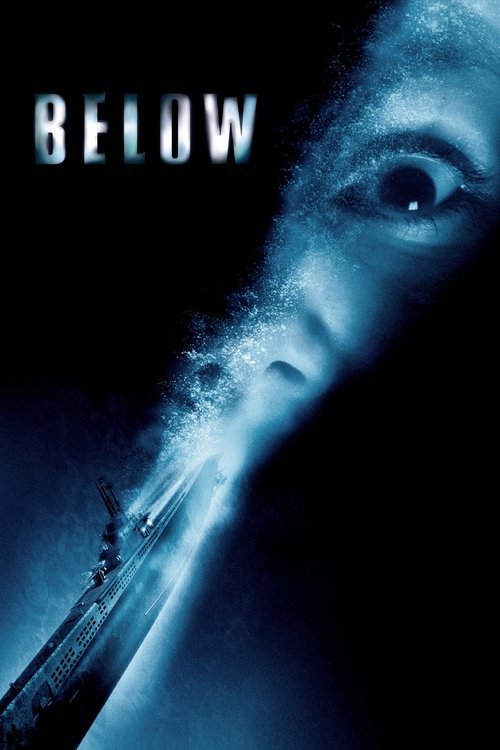
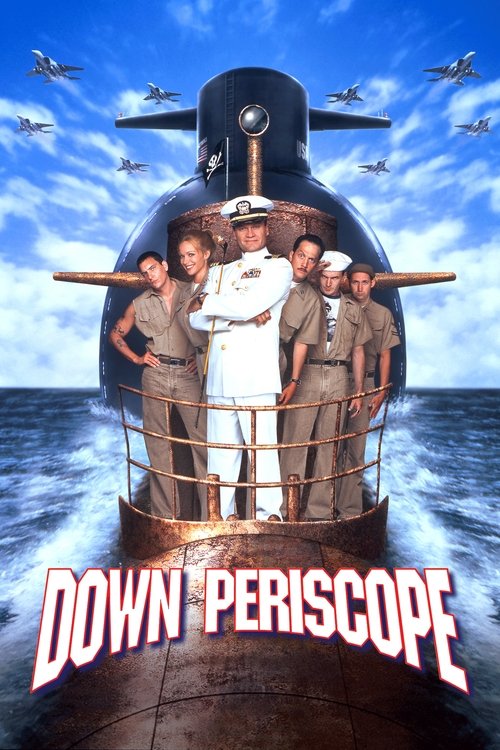
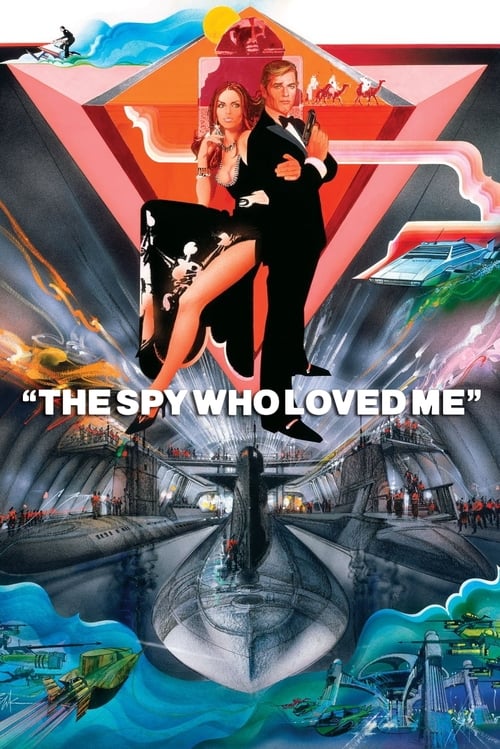
Horror, comedy, sci-fi and Cold War suspense taking the submarine premise somewhere unexpected.

More pressure beneath the waves
Deep Sea
Explore the Deep Sea guide →The submarine is the only dramatic setting where the stage itself is trying to kill the cast. Every other confined space is a metaphor. A steel hull at three hundred metres is a literal contract with physics, and every story told inside one lives or dies on whether you can feel the pressure.CrossBinge submarine guide