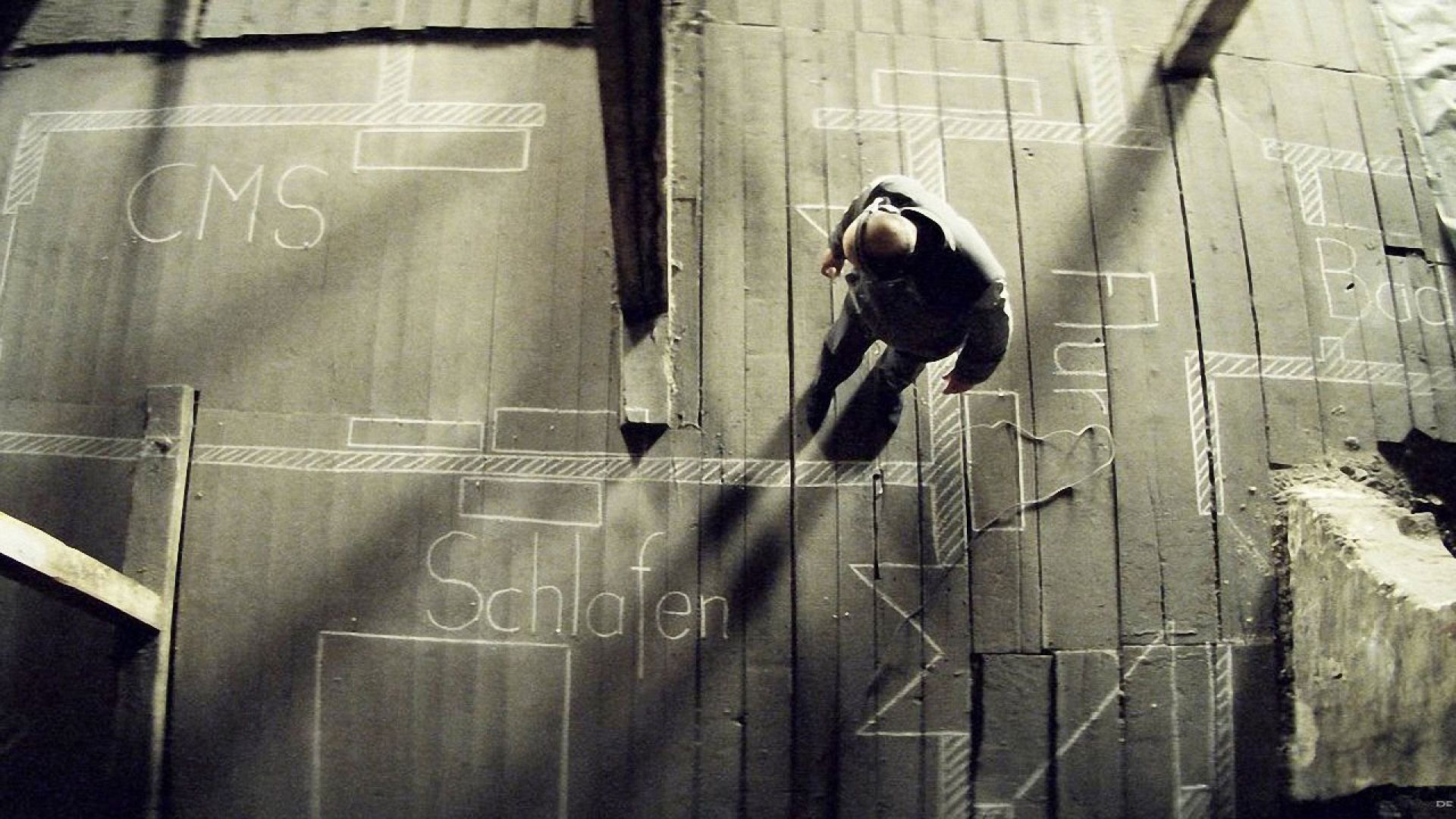

What Florian Henckel von Donnersmarck's 2006 masterpiece gave audiences was not a thriller about spies catching spies. It was something far more unsettling: a portrait of a true believer whose faith in the system begins to crack the moment he actually listens to the people he is watching. Captain Gerd Wiesler sits in an attic above a playwright's apartment in 1984 East Berlin, headphones on, and slowly becomes human again. The through-line fans chase is this particular moral texture: cold institutions, warm individuals, and the devastating weight of a single private act of conscience. The film won the Academy Award for Best Foreign Language Film in 2007 and remains one of the definitive works about life under authoritarian surveillance.
Same-Vibe Films: Watchers and the Watched
Movies that put surveillance, conscience, or Cold War moral pressure at the center



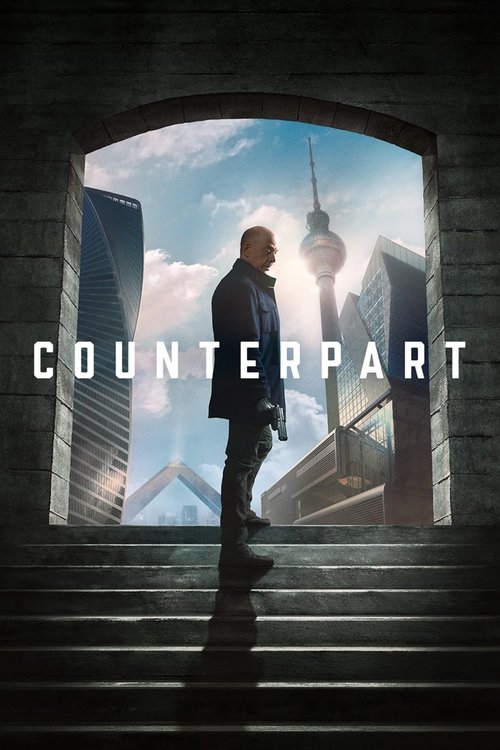
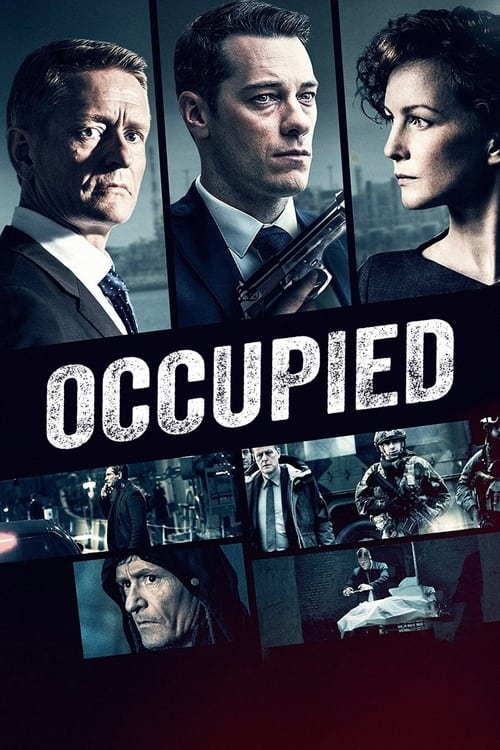
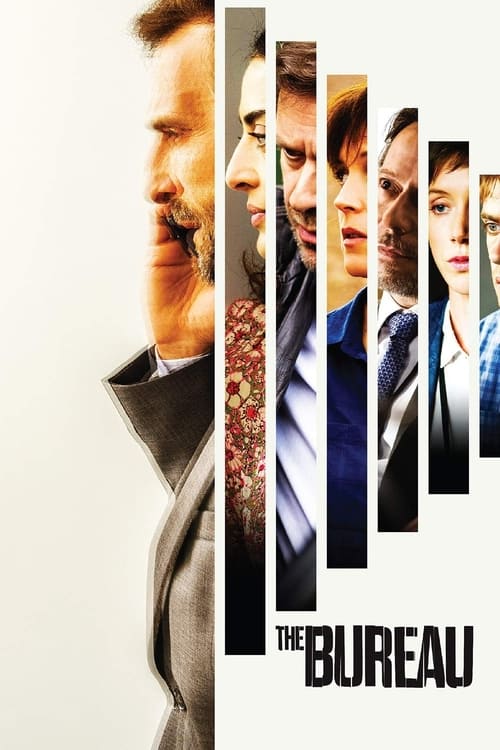
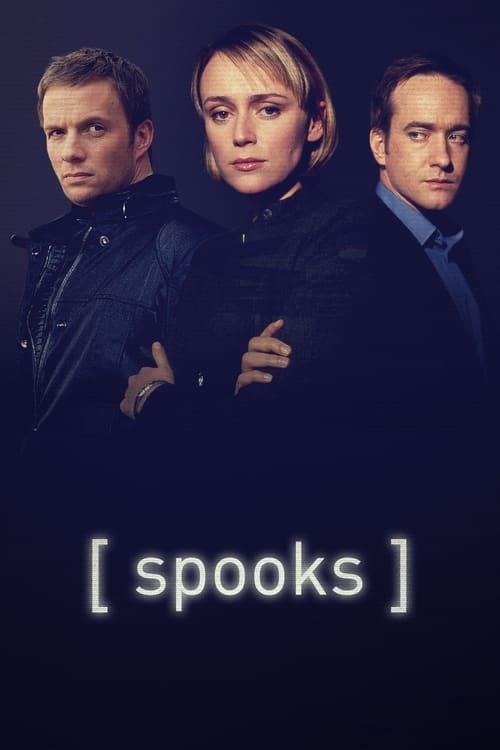
Series in the Same Vein
TV that captures the slow dread of surveillance states and divided loyalties


Books That Live in the Same Space
Novels and memoirs about complicity, surveillance, and conscience under authoritarian regimes


Games Sharing Its DNA
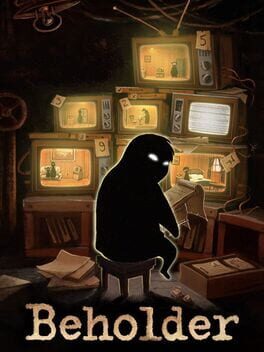
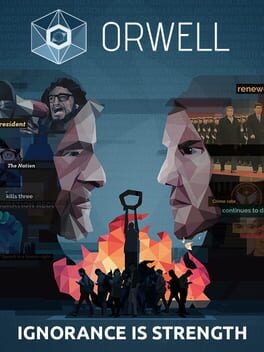
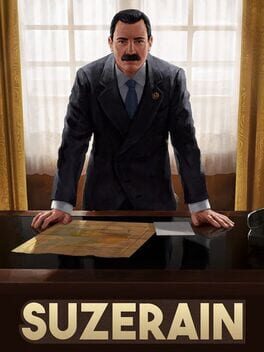
Games about surveillance, moral choice inside oppressive systems, and the cost of dissent
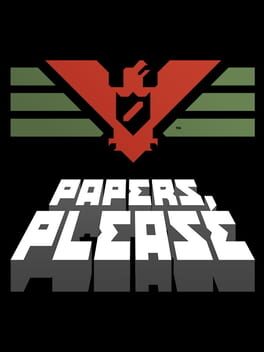
Papers, Please Understands Wiesler Better Than Most Films Do
Lucas Pope's 2013 game drops you into the same trap Wiesler occupies: a functionary with power over individuals, serving a system that demands compliance. Every stamp, every rejection, every small act of mercy that costs you money is a moral ratchet. Where the film watches a man rediscover his humanity over months, Papers, Please makes you feel it in minutes. No other medium has replicated the film's central moral texture this precisely.
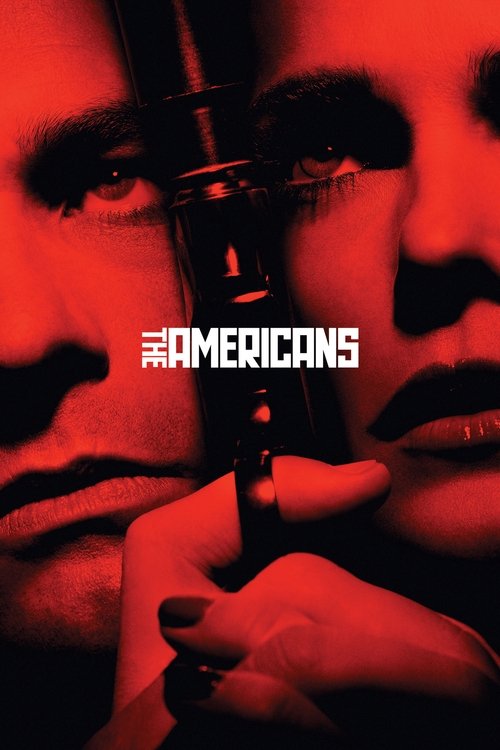
The Americans Is the Best Long-Form Version of This Story
FX's The Americans (2013-2018) runs the same premise over six seasons: what happens to people whose entire identity is built on a lie in service of a state? Philip and Elizabeth Jennings are Wiesler inverted, field operatives rather than desk surveillance men, but the question is identical. The show's achievement is making you genuinely uncertain whether their cause justifies their actions, then slowly, methodically, answering that question.
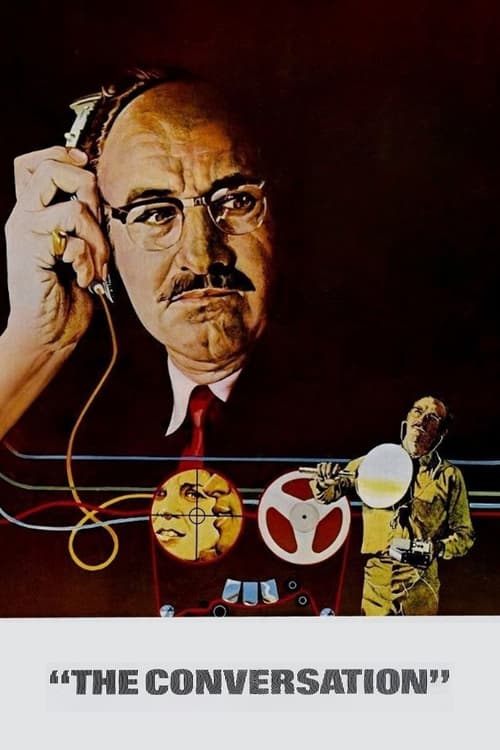
The Conversation Arrived at the Same Conclusion Thirty Years Earlier
Francis Ford Coppola's 1974 film is the American mirror to The Lives of Others. Harry Caul is a surveillance expert who has sealed himself off from human contact as professional armour, and his undoing begins the moment he starts actually hearing what the people he monitors are saying. Both films are about the same rupture: the professional listener who cannot stop listening as a person.
A Timeline of the Surveillance Conscience Story
- 1948George Orwell publishes Nineteen Eighty-Four, the foundational text for all fiction about totalitarian surveillance. Nineteen Eighty-Four
- 1963John le Carre's debut establishes the Cold War spy novel as moral tragedy rather than adventure. The Spy Who Came in from the Cold
- 1974Coppola's The Conversation reimagines surveillance as a story of professional conscience and collapse. The Conversation
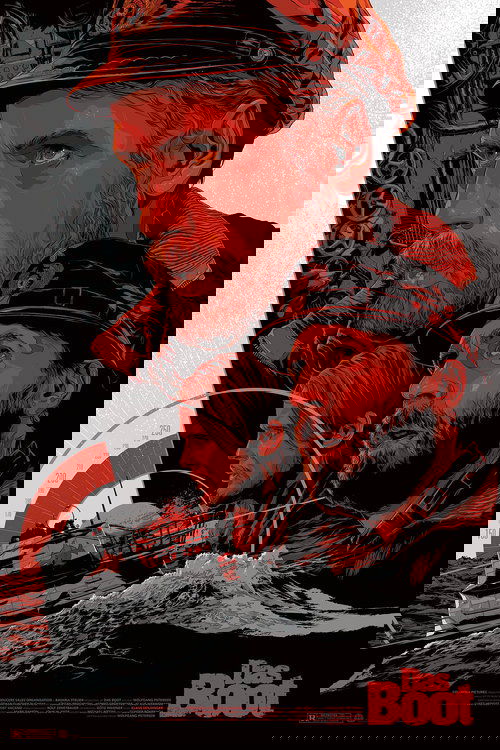
- 1981Das Boot puts a West German audience inside the claustrophobia of men loyal to a system that will destroy them. Das Boot
- 2002Anna Funder's Stasiland becomes the definitive non-fiction account of life inside the GDR surveillance state.
- 2003Goodbye Lenin! processes German reunification through personal conscience and the absurdity of the GDR's end. Goodbye
- 2006The Lives of Others wins the Academy Award and becomes the defining film about Stasi-era East Germany. The Lives of Others
- 2013Papers, Please translates bureaucratic complicity into interactive moral pressure. Papers, Please
- 2013The Americans begins its six-year long-form exploration of identity, loyalty, and the same question Wiesler faces. The Americans
- 2015Deutschland 83 brings the Cold War to a new German audience through an East German spy embedded in the West. Deutschland
- 2019Disco Elysium becomes the most literary game about political conscience and the ruins idealism leaves behind.
Surveillance, spies, and Cold War conscience
For Fans of John le Carre
Explore the For Fans of John le Carre guide →The film's final image is four words on a page. It is the quietest possible ending for a story about surveillance, and the most devastating.CrossBinge