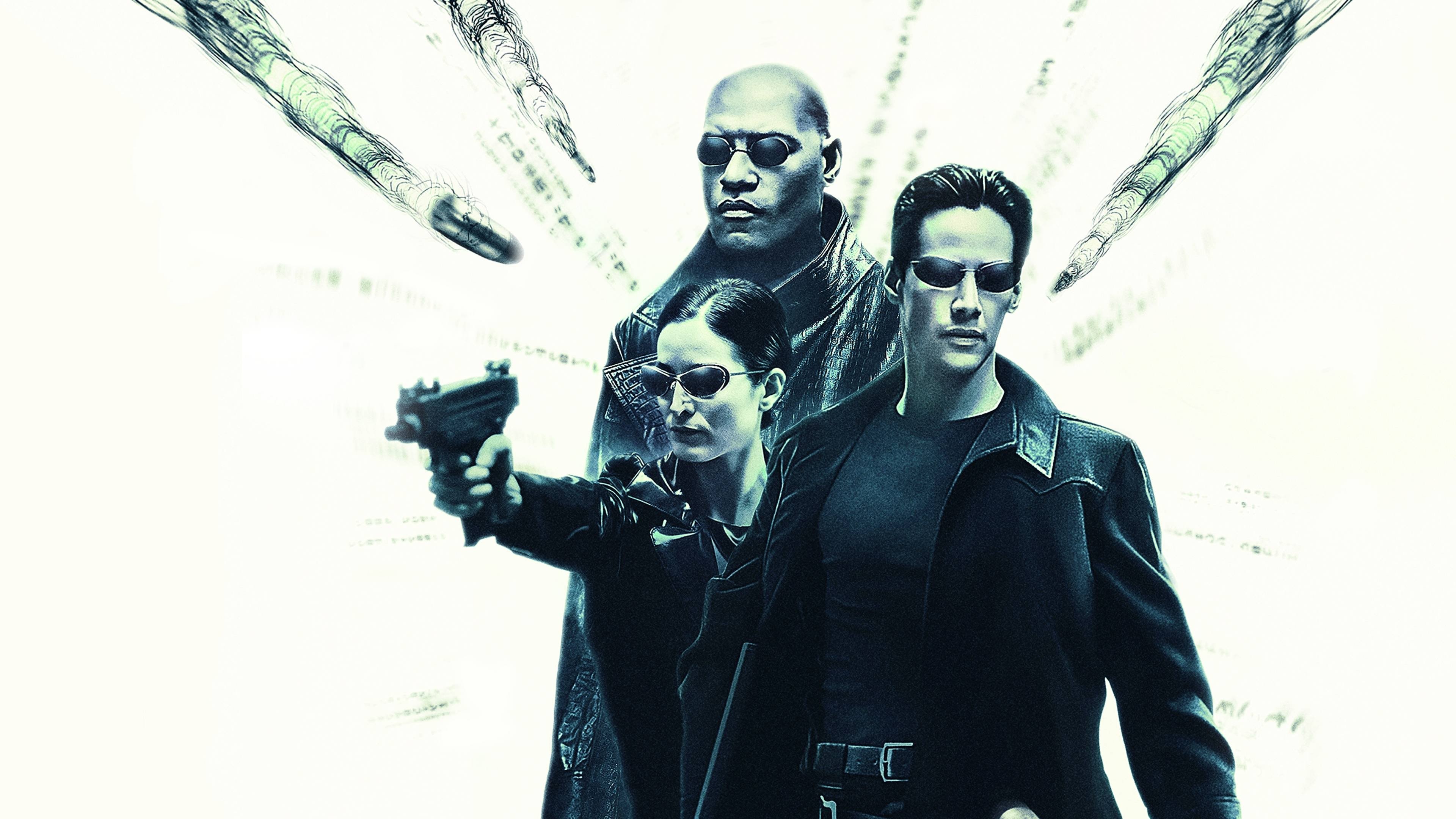

When The Matrix arrived in 1999 it fused cyberpunk philosophy, Hong Kong action choreography, and bullet-time cinema into something that felt genuinely new. The Wachowskis built a franchise around a deceptively simple premise: the world you trust is a simulation, and waking up means choosing violence, exile, and uncertainty over comfortable lies. What fans respond to is not the leather and sunglasses (though those help) but the pull between determinism and free will, between the seductive warmth of illusion and the cold liberation of truth. That tension runs through every great work in this neighborhood, across every medium.
Essential Matrix
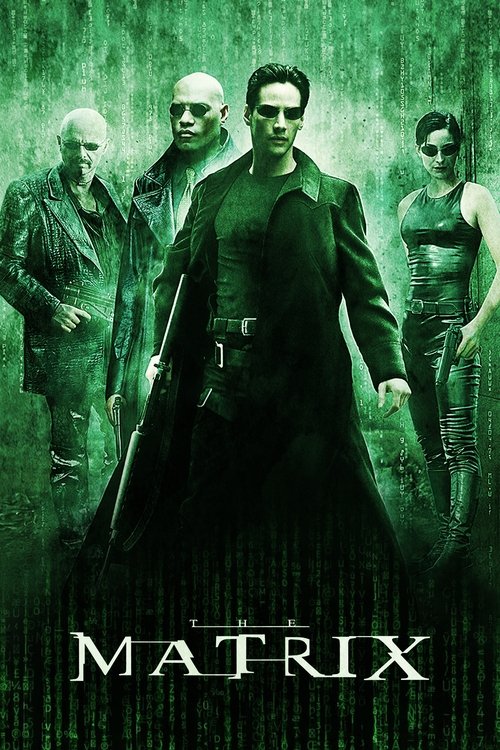
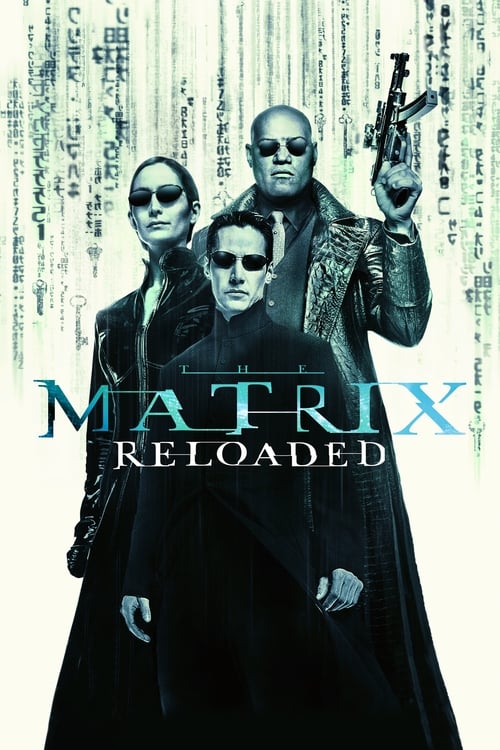
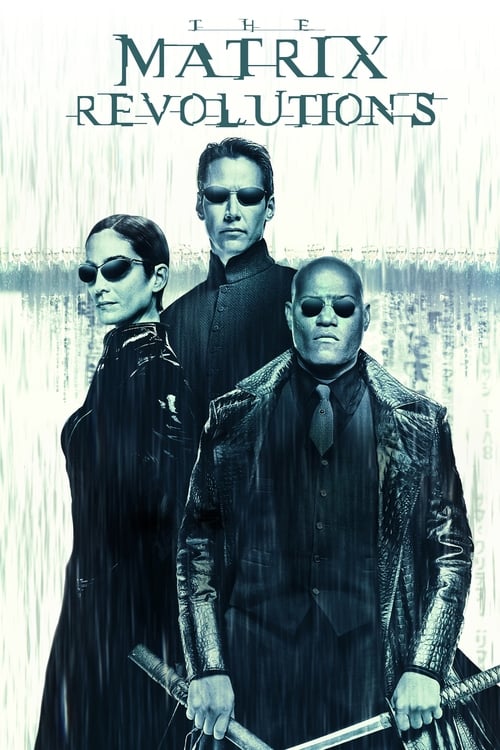
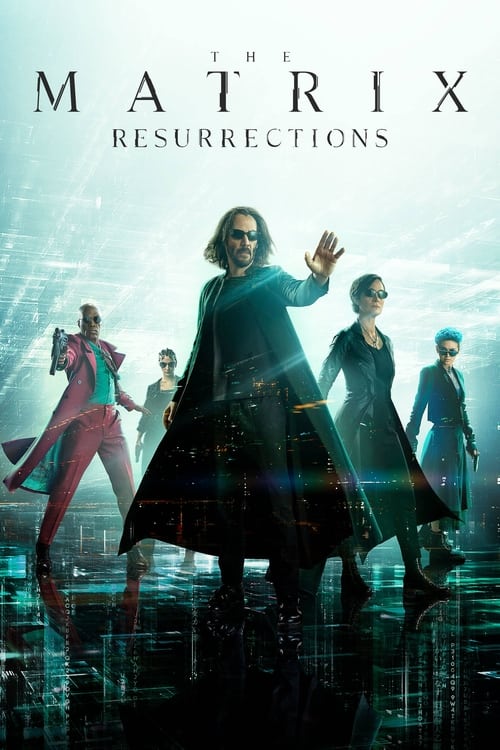
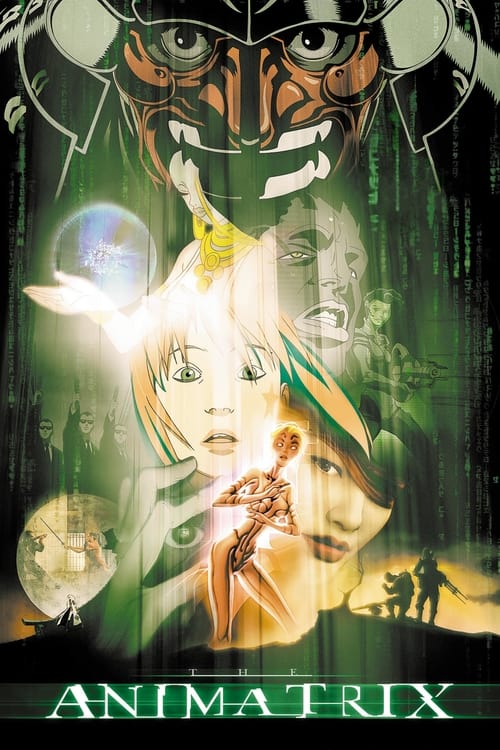
The franchise's own films, from the original breakthrough to its legacy chapter
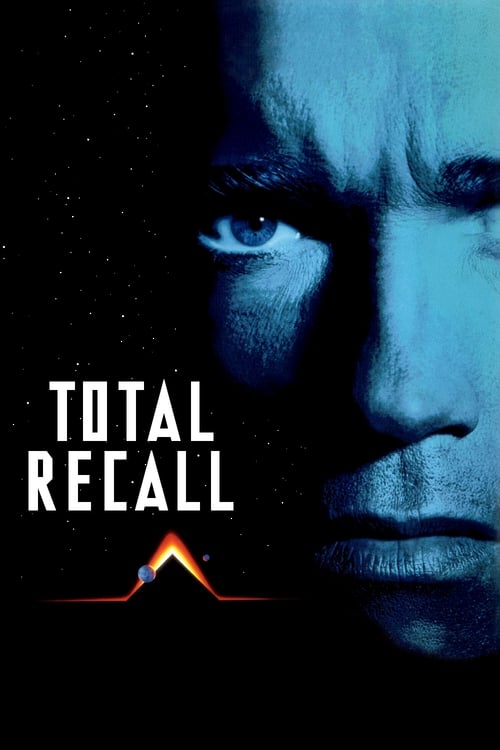
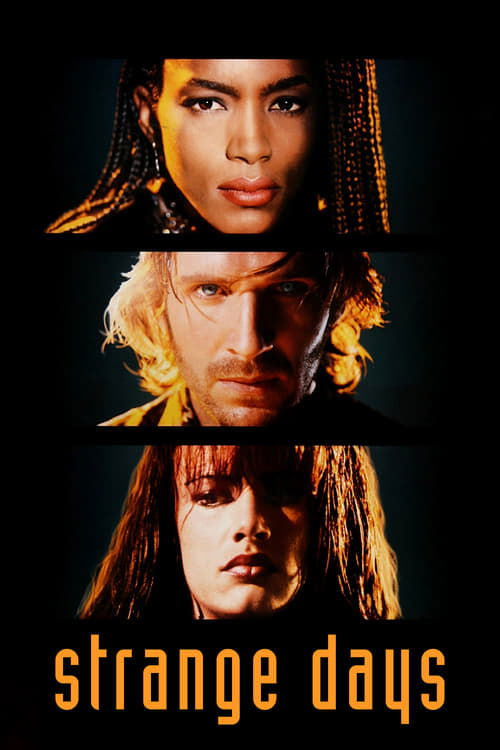
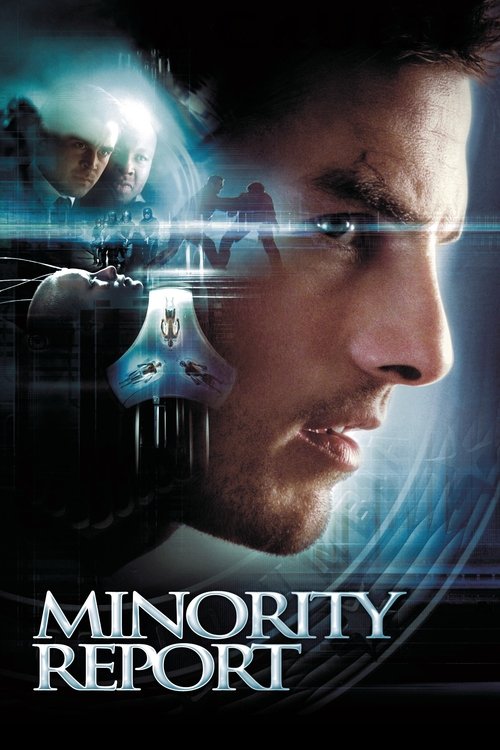
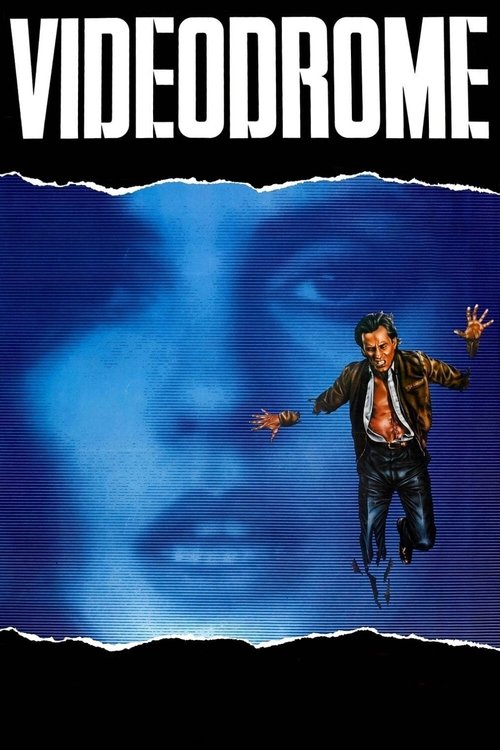
If You Love The Matrix: Mind-Bending Cinema
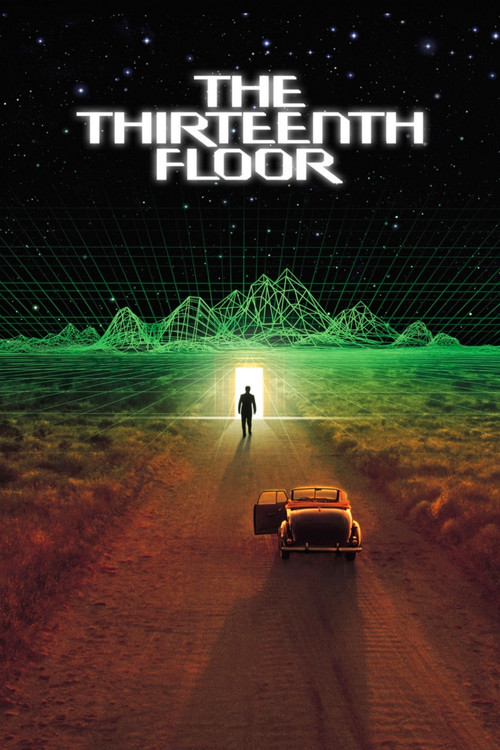
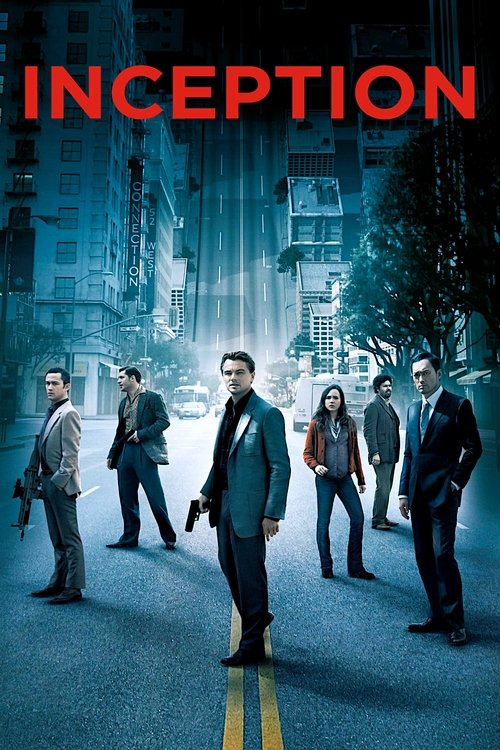
Films that attack the same questions about reality, perception, and control



If You Love The Matrix: Cyberpunk TV
Series that live in the same rain-soaked, system-hacked territory




If You Love The Matrix: Games That Hack the System
From official tie-ins to games that share the franchise's existential DNA

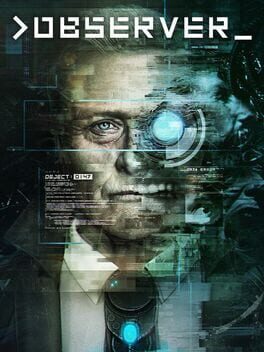

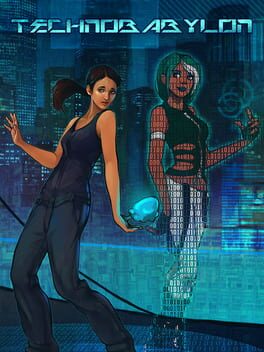
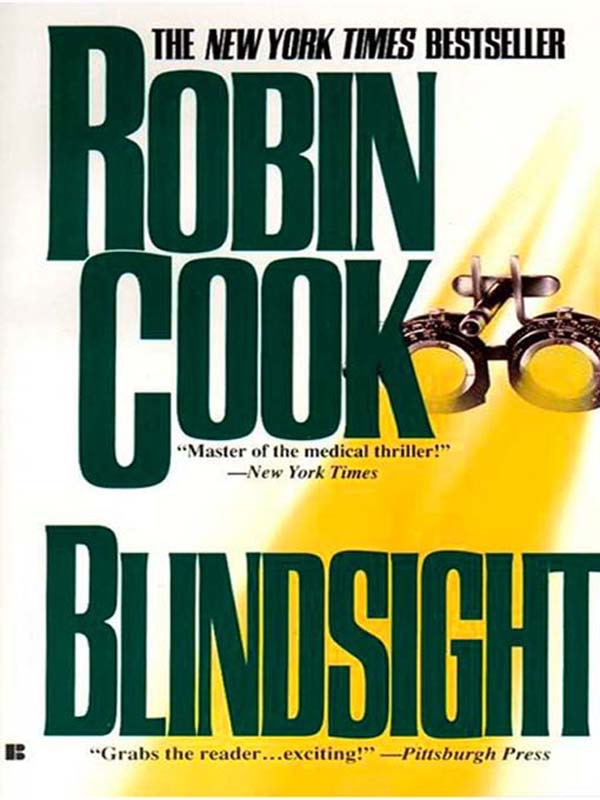
If You Love The Matrix: The Books Behind the Code
Cyberpunk novels and philosophical fiction that fed the franchise and its descendants



Ghost in the Shell Made It Possible
The Wachowskis screened Mamoru Oshii's 1995 Ghost in the Shell for their producers as a visual proof-of-concept for The Matrix. The film's questions about what constitutes a self when the body is hardware are the same ones Neo faces in 1999. Oshii arrived there first, and more quietly. The shell that remains when the ghost departs is the same question the Matrix franchise never stops circling.

William Gibson Built the Neighborhood
Neuromancer came out in 1984 and coined cyberspace as a place the body could enter and the mind could lose itself in. Gibson's Sprawl trilogy gave the Matrix its vocabulary: the body as meat, the network as an infinite dark city, the cowboy who jacks in and may not jack back out. Burning Chrome added the street-level view. The Matrix is Gibson's world with a messiah inserted at the center.
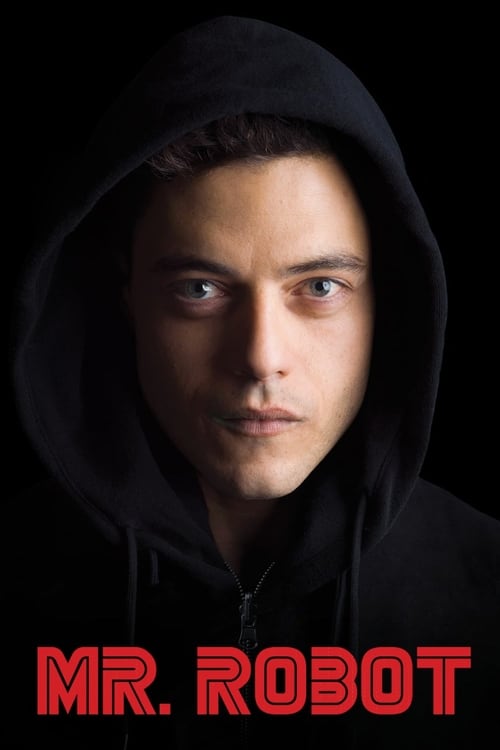
Mr. Robot Is the Matrix for the Age of Real Hacking
Sam Esmail's series shares the franchise's obsession with constructed reality and corporate control, but trades metaphysics for actual exploit code and social engineering. Elliot Alderson is Neo who never got the call from Morpheus, which turns out to be more disturbing. The show's signature split between what is real and what the protagonist's fractured mind manufactures is the Matrix's red-pill scene stretched across four seasons.
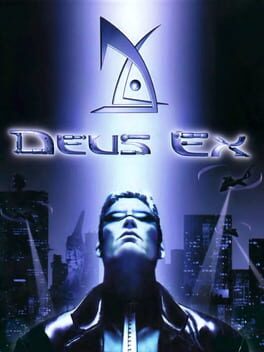
Deus Ex Did the Philosophy Better Than Most Films
Warren Spector's 2000 game dropped players into a world of conspiracies, augmentation, and totalitarian surveillance long before augmented reality was a consumer pitch. Where The Matrix gives you one red pill and one answer, Deus Ex gives you three endings and no consensus. The game rewards players who question their handler's motives, who read every email on every terminal, who treat trust as a resource to be rationed. That suspicion is Matrix energy routed through player agency.
A Timeline of the Franchise and Its World
- 1984Neuromancer published, coining cyberspace as a literary space. Neuromancer
- 1988Akira brings cyberpunk to cinema with government conspiracies and psychic mutation. Akira
- 1992Snow Crash coins the Metaverse and satirizes corporate control of virtual identity. Snow Crash
- 1995Ghost in the Shell asks whether a soul can survive full cybernetic replacement. Ghost in the Shell
- 1998Dark City (one year before The Matrix) traps its hero in a city of simulated memory. Dark City
- 1999The Matrix arrives. Bullet-time, the red pill, and the coded rain rewire cinema. The Matrix
- 2000Deus Ex ships: a game in which every faction lies to you and trust is the real conspiracy. Deus Ex
- 2003Reloaded and Revolutions expand the trilogy. The Animatrix fills in the universe's history. The Matrix Reloaded
- 2003Enter the Matrix released alongside Reloaded, the first major film tie-in game. Enter the Matrix
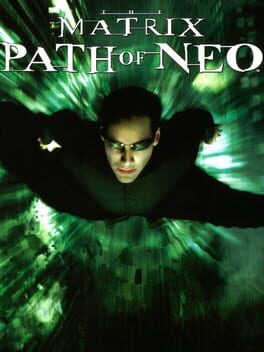
- 2005Path of Neo lets players replay the films as Neo through the trilogy. The Matrix: Path of Neo
- 2015Mr. Robot premieres: a hacker drama where the distinction between real and imagined is the plot. Mr. Robot
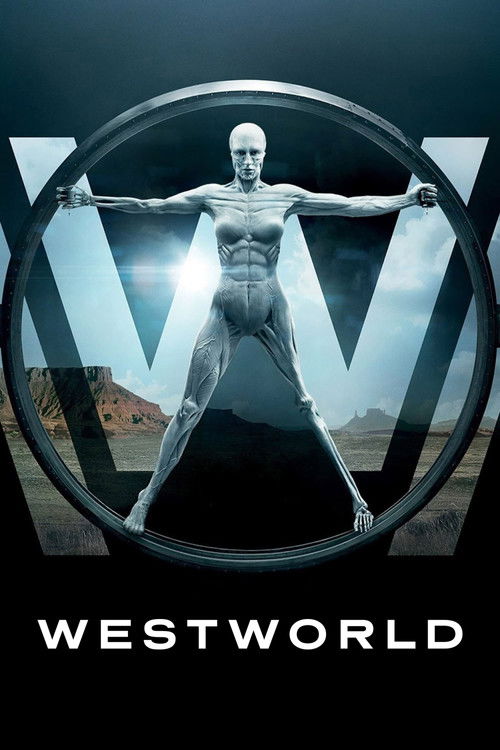
- 2016Westworld season 1 returns to the simulation premise with corporate horror. Westworld
- 2020Cyberpunk 2077 finally ships: Night City as the most detailed Sprawl ever rendered. Cyberpunk 2077
- 2021The Matrix Resurrections revisits Neo and Trinity, interrogating nostalgia and sequel logic. The Matrix Resurrections
Breaking out of the simulation
Cyberpunk & Dystopia
Explore the Cyberpunk & Dystopia guide →What is real? How do you define real? If you're talking about what you can feel, what you can smell, what you can taste and see, then real is simply electrical signals interpreted by your brain.Morpheus, The Matrix (1999)