
William Gibson did not predict the internet so much as he gave it its mythology before most people had touched a modem. His 1984 debut Neuromancer coined the word cyberspace and conjured a world of console cowboys, zaibatsu megacorps, and a street-level underclass navigating the gap between meat and matrix. The feeling Gibson fans chase is specific: a kind of beautiful corruption, where technology is simultaneously liberating and suffocating, where the future has already arrived but is distributed so unevenly it looks like the past. His prose is dense, allusive, and cinematic in the truest sense, built from fragments of brand names, slang, and sensory data rather than exposition. His Sprawl trilogy, Bridge trilogy, and Blue Ant trilogy each shift the register slightly, but the through-line is always the same: the texture of a world that has changed faster than the humans in it, and the odd grace of the people who learn to surf the wreckage.
Essential William Gibson
The core canon, from debut to late masterwork


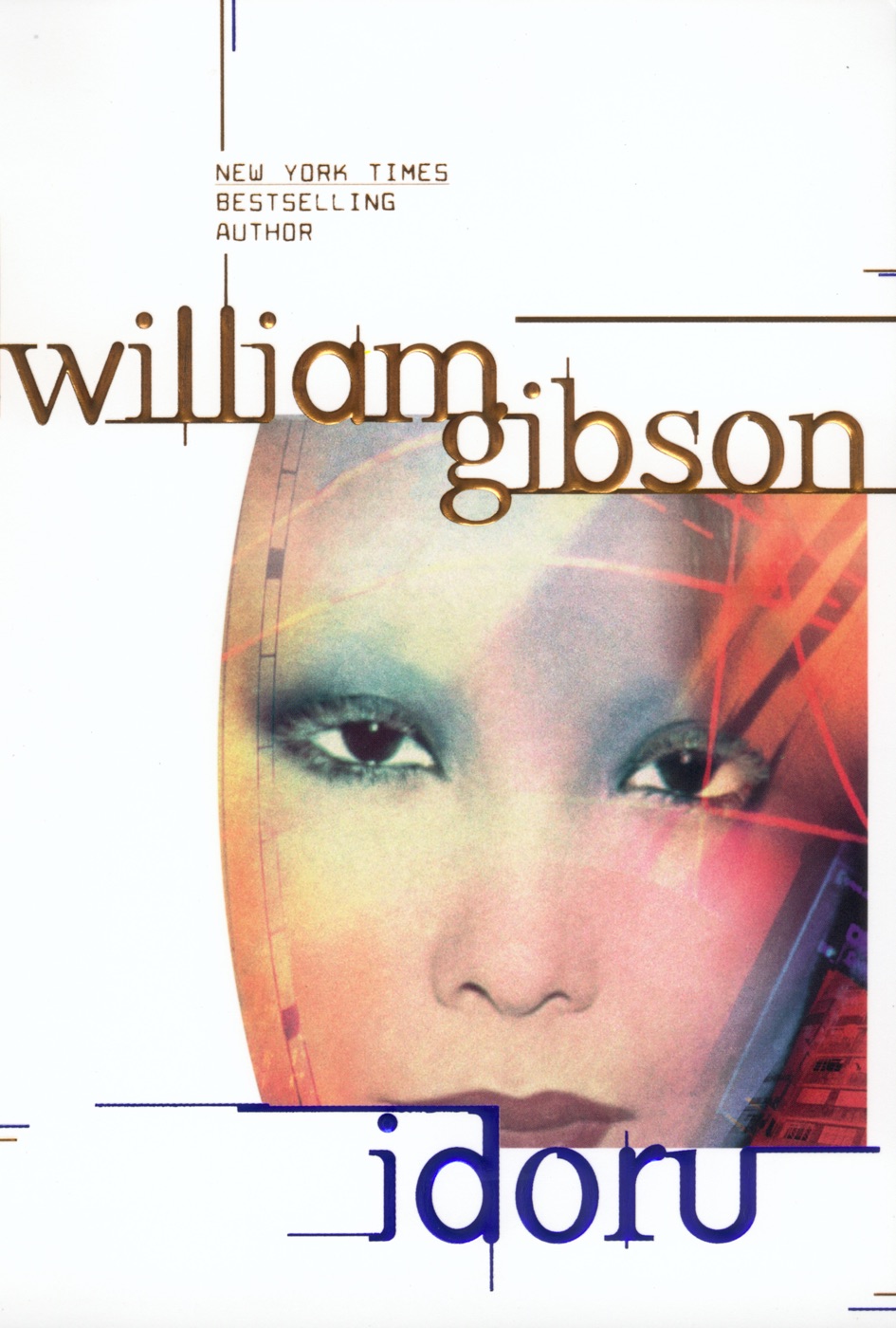

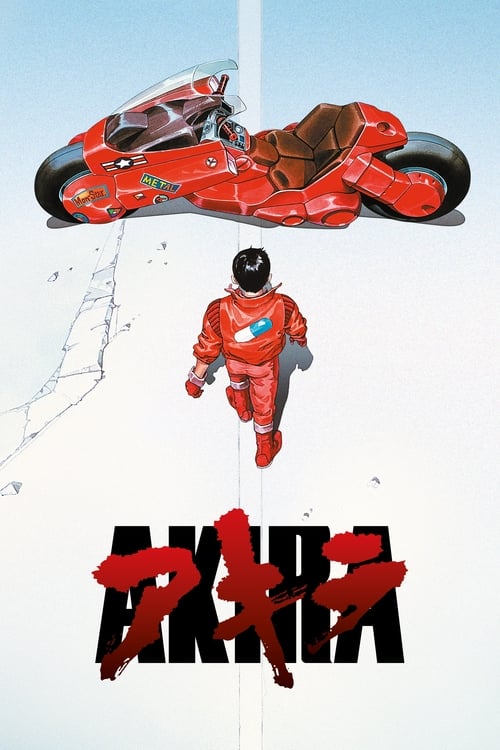
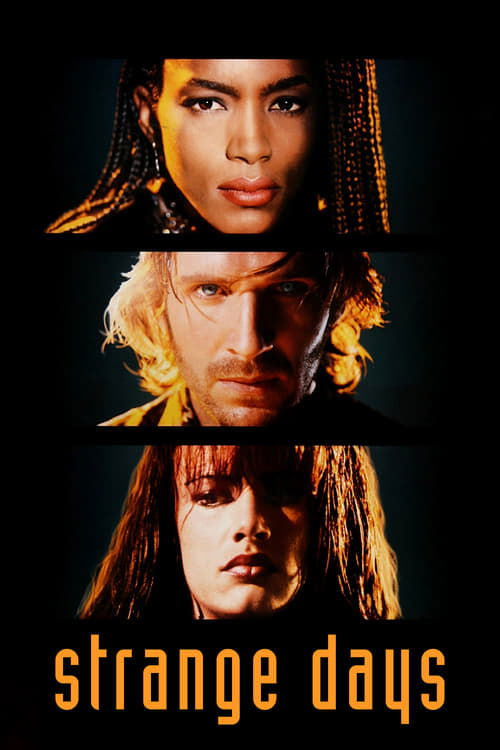
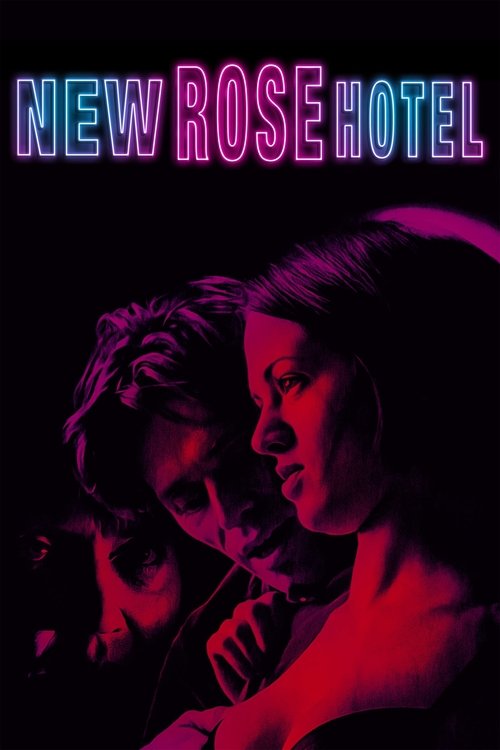
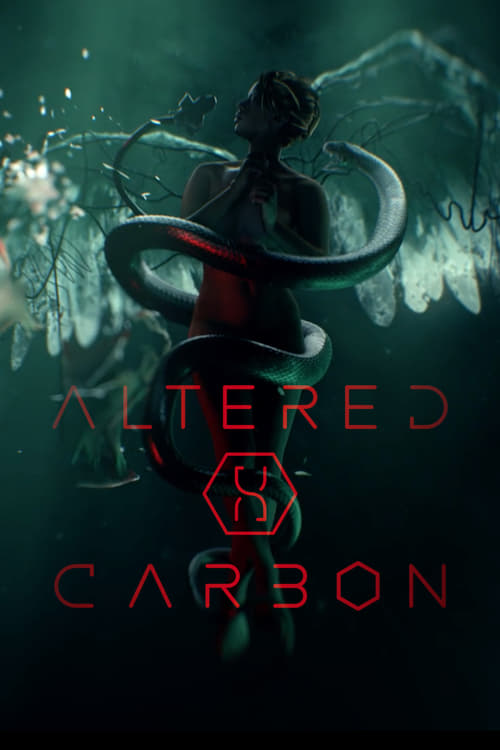
The Screen Sprawl
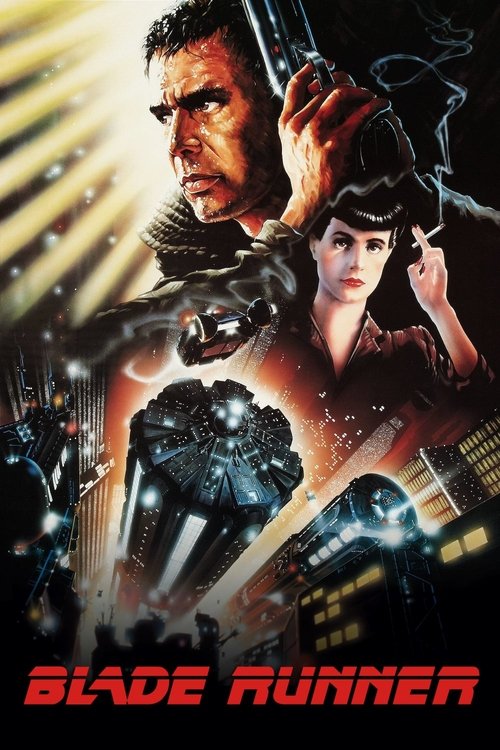
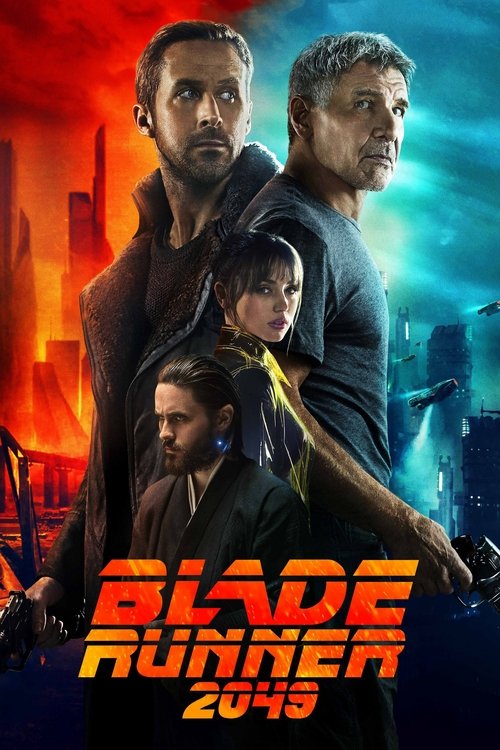
Films and series that live inside the same neon-drenched near future


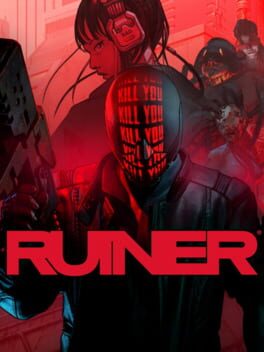
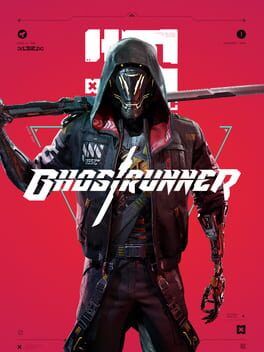
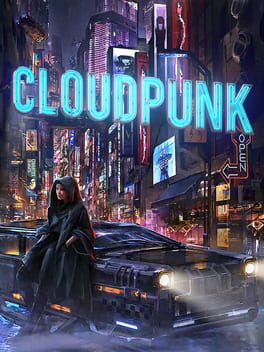
Jacked In: Games Built from the Same Circuit
Games where the world feels like a Gibson novel you can walk around inside

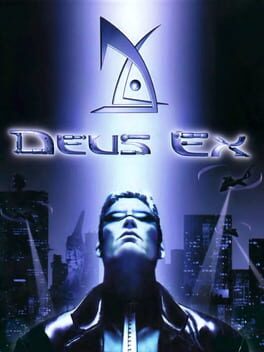
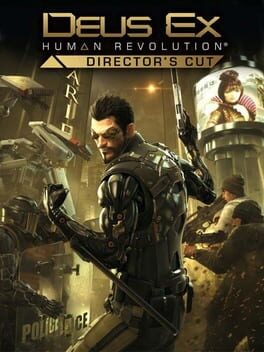
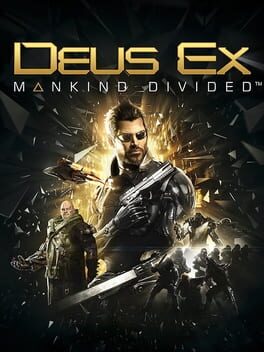
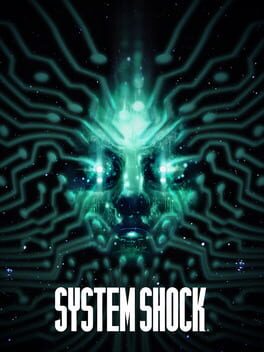
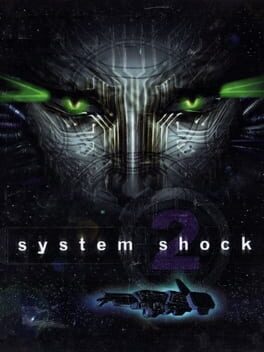
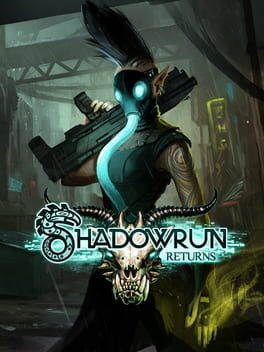
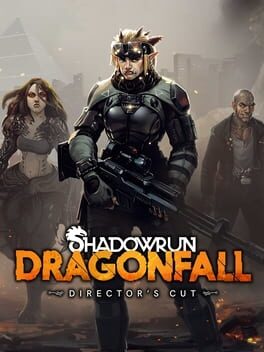
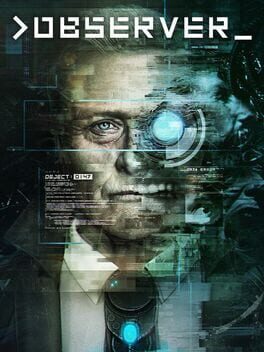

Writers Who Live on the Same Street
Authors who share Gibson's obsessions with technology, identity, and late capitalism




Corporate Noir and the Beautiful Wreckage
Films and series for fans of the Blue Ant trilogy's brand-obsessed, post-9/11 unease
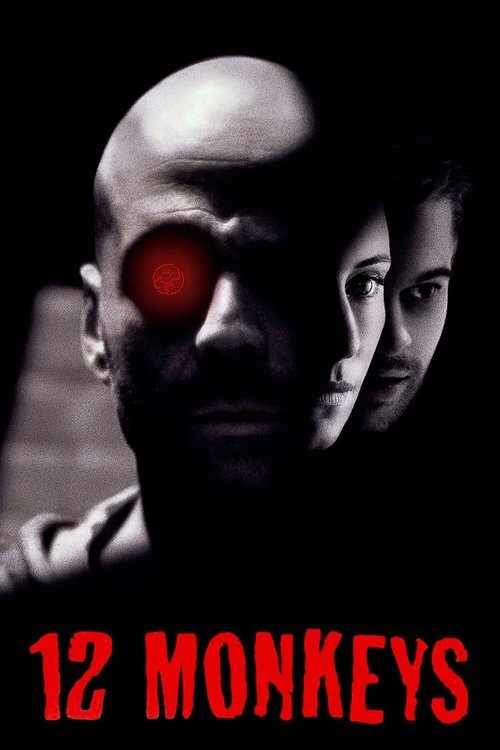
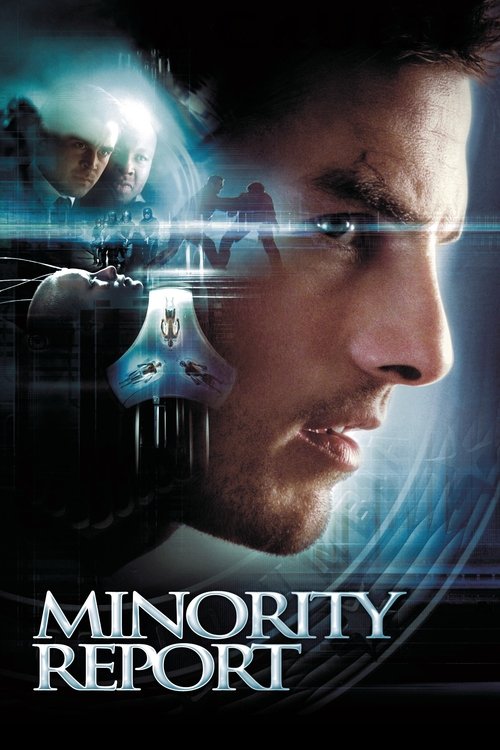
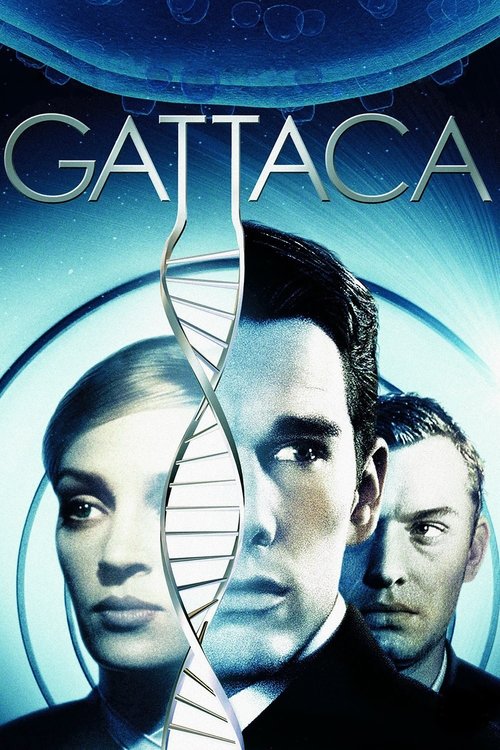
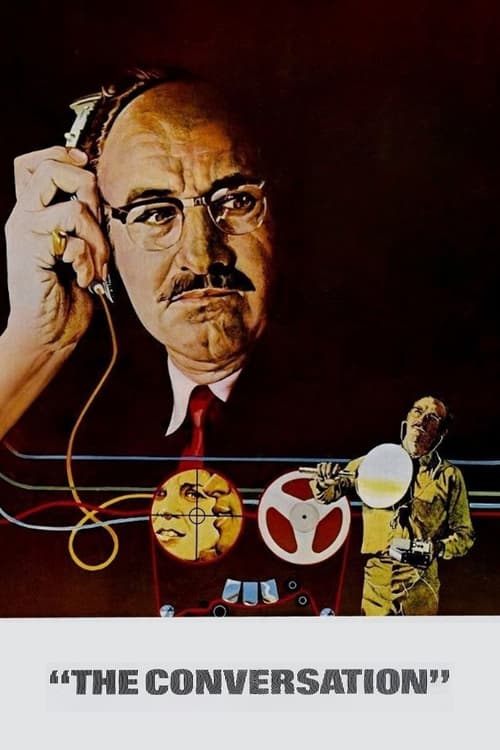


Neuromancer Still Hits Harder Than Most Fiction Written After It
People who came to Gibson late sometimes say Neuromancer feels dated, that the tech is wrong and the slang is impenetrable. They have it backwards. The specific wrongness of Gibson's tech is what makes the book immortal: a world shaped by cybernetics and corporate capture that got the aesthetics of our networked present exactly right while getting the mechanics completely wrong. The book is not a prediction, it is a feeling, and that feeling, of living inside a system too large to understand, is more accurate in 2024 than it was in 1984.
The Blue Ant Trilogy Is His Most Underrated Sequence
Pattern Recognition, Spook Country, and Zero History are often treated as lesser Gibson because they are set in a recognizable present rather than a projected future. That is precisely their achievement. By stripping away the science-fiction scaffolding, Gibson shows that the present is already as strange as anything he imagined in the Sprawl trilogy, that brand obsession, trauma, and surveillance are the cyberspace we actually inhabit. Cayce Pollard navigating her logo-allergy through post-9/11 London is one of the great characters in contemporary fiction.
Cyberpunk 2077 Is the Closest a Game Has Come to the Sprawl
After years of games that borrowed the aesthetic of cyberpunk without the politics, Cyberpunk 2077 arrived (in its patched, finished state) as a genuine engagement with the genre's core argument: that hyper-capitalism, body modification, and corporate sovereignty produce not liberation but a new and more intimate form of control. Night City is the Sprawl rendered walkable, and V navigating a city that will eat you alive unless you are already powerful enough to survive it is pure Gibson premise, even if the specifics come from Mike Pondsmith's tabletop universe.
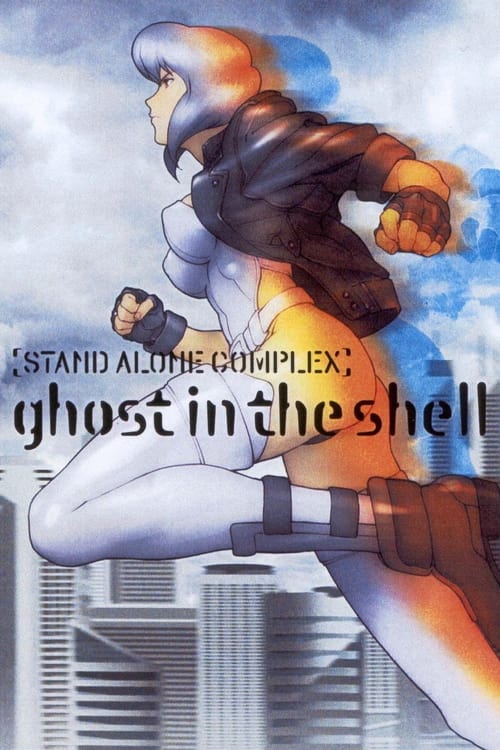
Ghost in the Shell Asked the Question Gibson Raised First
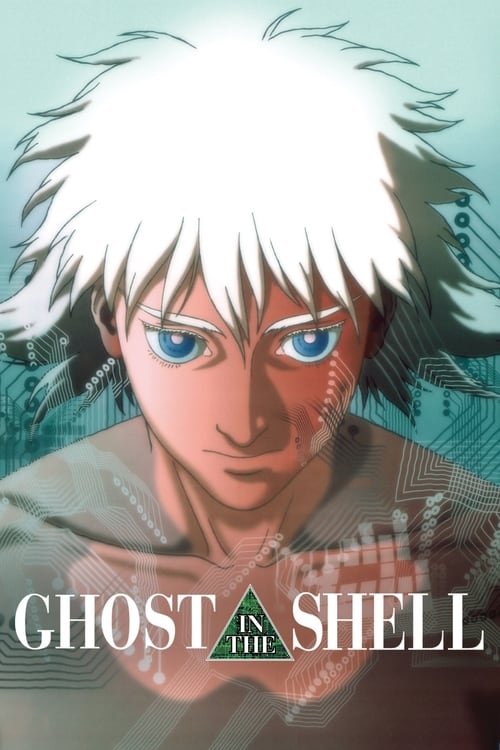
Mamoru Oshii's 1995 adaptation of Masamune Shirow's manga arrived a decade after Neuromancer and asked its central question with more philosophical rigour than almost anything in the genre: if the mind can be copied, modified, and distributed, what exactly is the self? Major Kusanagi is a spiritual descendant of Gibson's Molly, a body augmented past the point where the original person is clearly still there, and her search for continuity of identity in a world that has made identity technically unstable is the great cyberpunk meditation on selfhood.
A Career in the Matrix
- 1981Fragments of a Hologram Rose, his first published short story, appears in UnEarth magazine
- 1982Burning Chrome introduces Molly Millions, Case, and the Sprawl in short form Burning
- 1984Neuromancer wins Hugo, Nebula, and Philip K. Dick Award, defining cyberpunk as a genre Neuromancer
- 1986Count Zero deepens the Sprawl mythology with voodoo spirits in the matrix
- 1988Mona Lisa Overdrive closes the Sprawl trilogy
- 1993Virtual Light opens the Bridge trilogy, relocating to a near-future Bay Area Virtual light
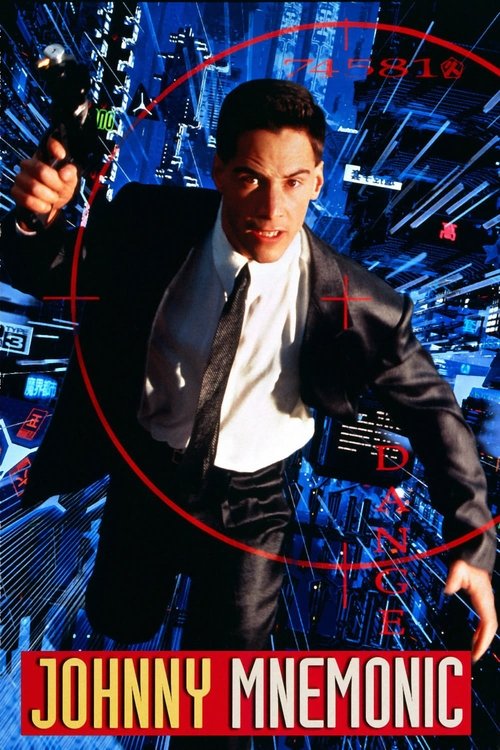
- 1995Johnny Mnemonic reaches cinemas, adapting his 1981 story with Keanu Reeves Johnny Mnemonic
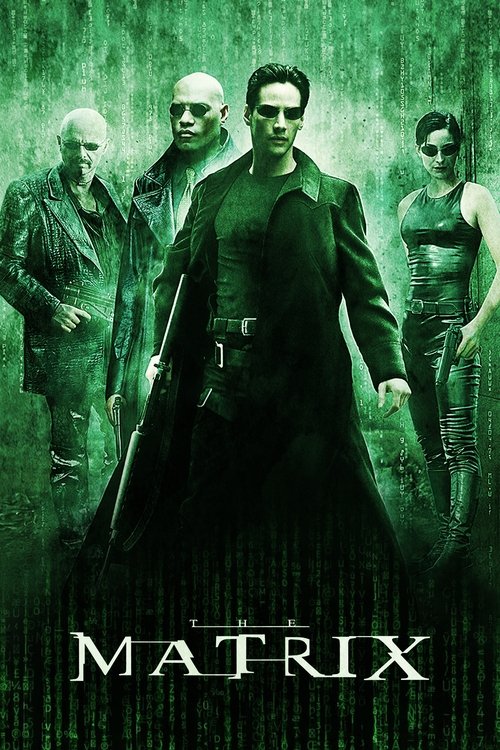
- 1999The Matrix is released, the most influential cinematic distillation of Gibson's ideas The Matrix
- 2003Pattern Recognition begins the Blue Ant trilogy, set in the recognizable post-9/11 present
- 2014The Peripheral opens a new sequence engaging time travel and deep future corporatism
- 2022Amazon Prime adapts The Peripheral into a series The Peripheral
Cyberspace, hackers, and the sprawl
For Fans of Cyberpunk
Explore the For Fans of Cyberpunk guide →The sky above the port was the color of television, tuned to a dead channel.William Gibson, Neuromancer (1984)