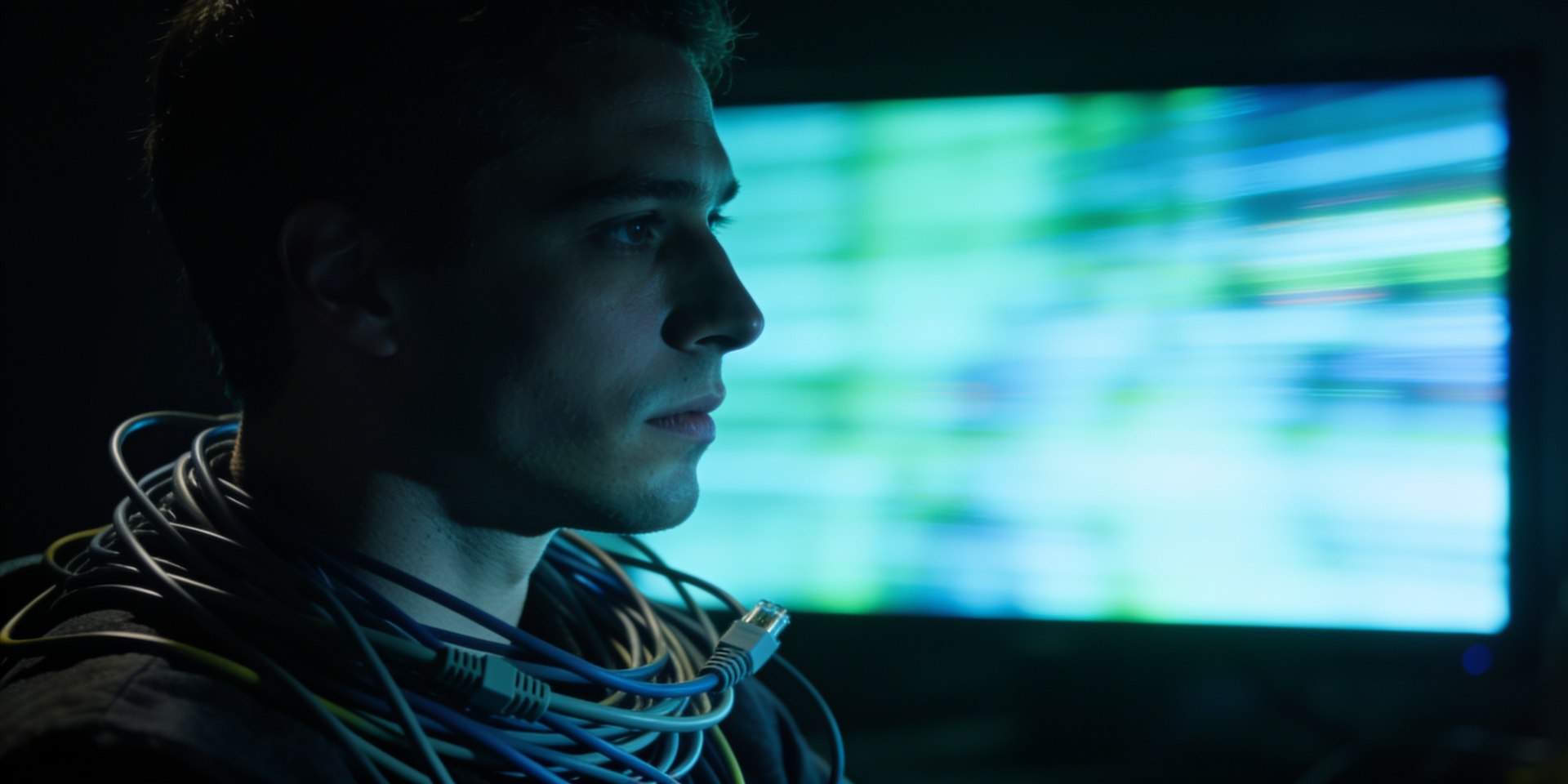

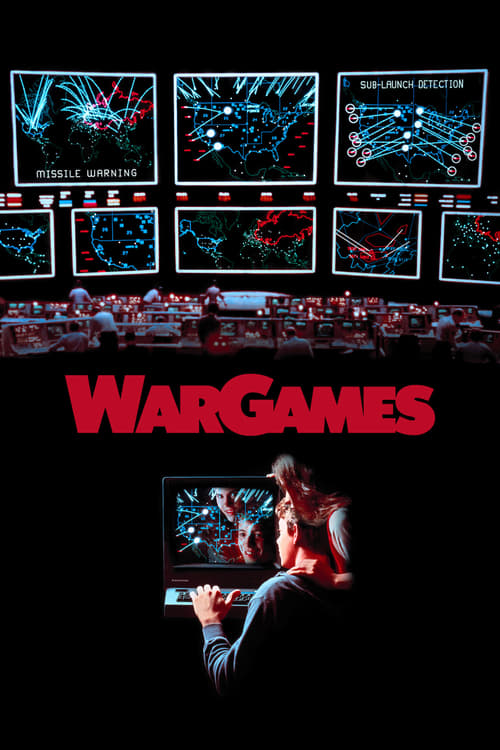
The hacker story is one of the defining fictions of our era, and it took almost no time to find its shape. A teenager in a darkened bedroom dials a phone, reaches a computer somewhere he is not supposed to be, and suddenly the gap between curiosity and catastrophe feels very thin. WarGames proved in 1983 that audiences understood the stakes. Thirty years of real events, from the phone phreaks of the 1970s to Stuxnet to ransomware hospitals, kept making the fiction feel like a dress rehearsal.
What the best works understand is that hacking is not fundamentally about computers. It is about leverage: the asymmetry between one person with knowledge and a system built on the assumption that most people don't have it. That asymmetry is tragic in some stories, comic in others, and politically electric in a few. The code is the method. The obsession, the ethics and the consequences are the story.
Essential hacking stories
The canon, across every screen and page
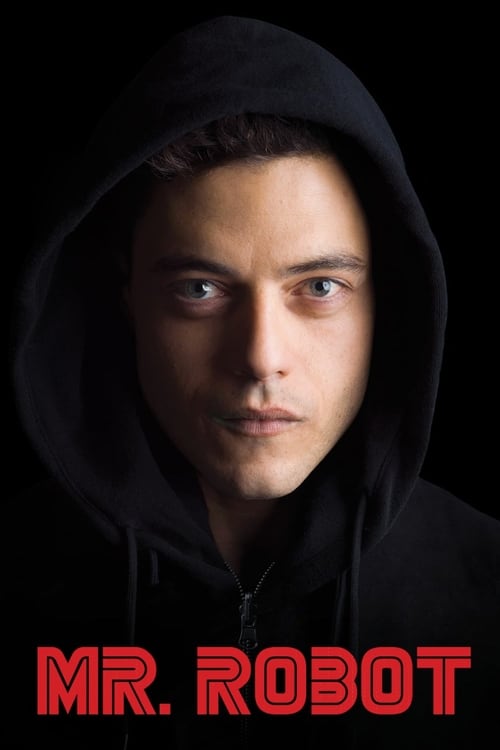



Mr. Robot earned the right to be called accurate
Most hacking on screen is pure theater: the camera dollies into a spinning 3D skull, someone yells 'I'm in,' and the audience takes it on faith. Mr. Robot refused that bargain. Creator Sam Esmail hired technical consultants, depicted real-world tools like Kali Linux and Metasploit, and built plots around actual attack categories: social engineering, phishing, privilege escalation. The show also understood something subtler: that the hacker's real enemy is not the firewall but the human at the other end of it. Elliot's most devastating intrusions always began with someone's grief, loneliness or greed. The technical accuracy was the vehicle. The psychological accuracy was the point.
Hacking on screen
Films that put the keyboard at the center
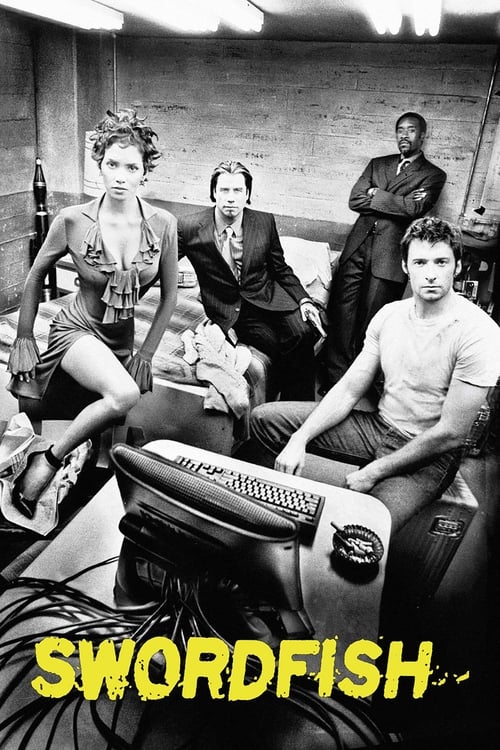
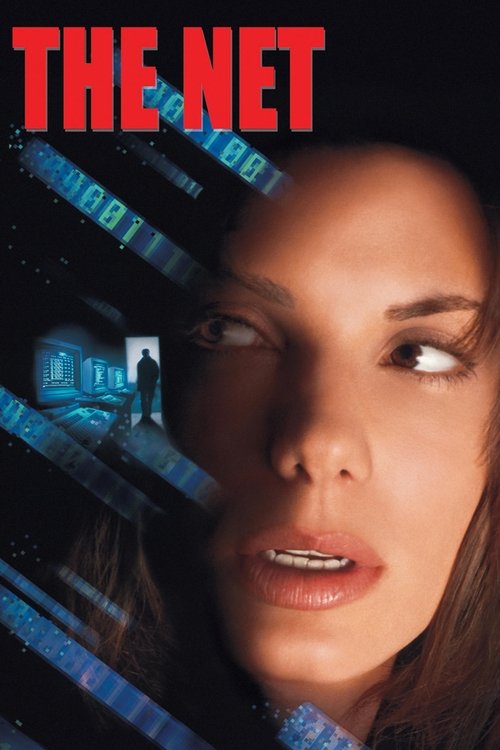
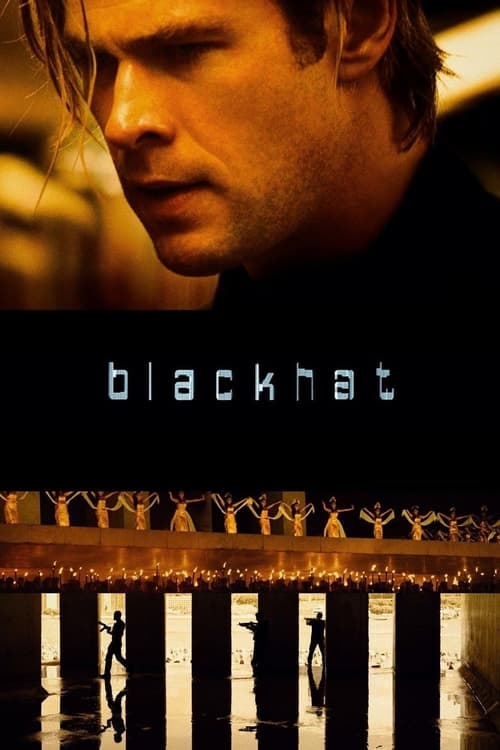

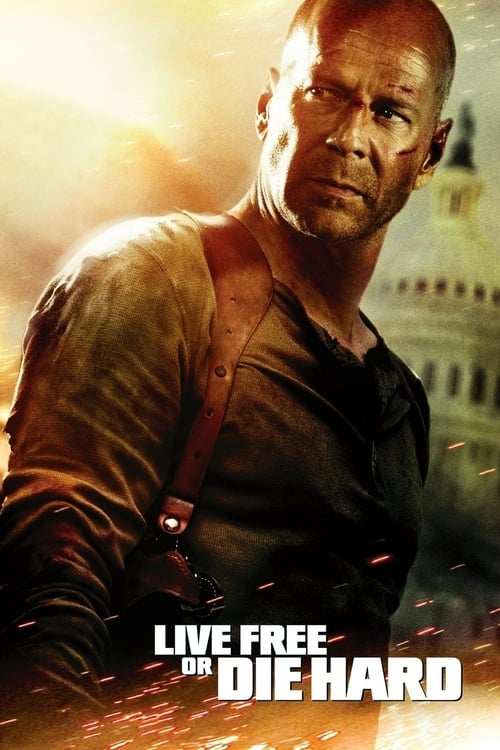
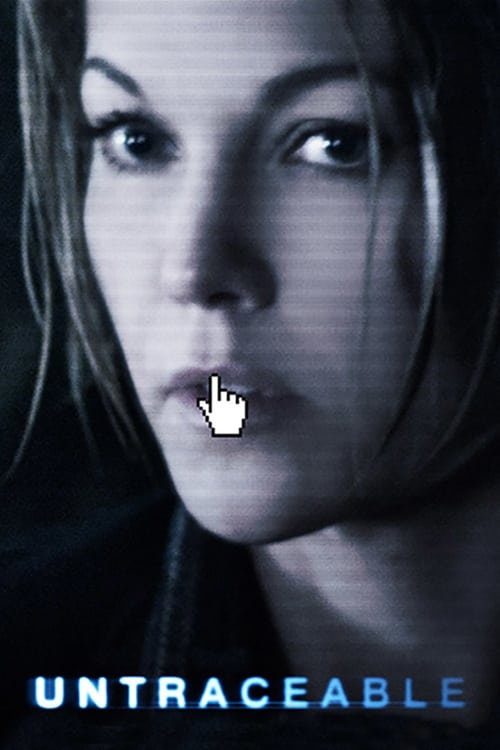
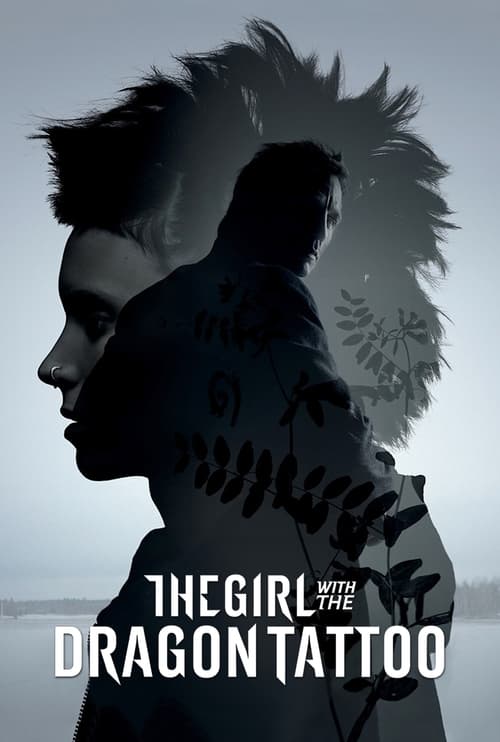
The 1990s got it right by accident
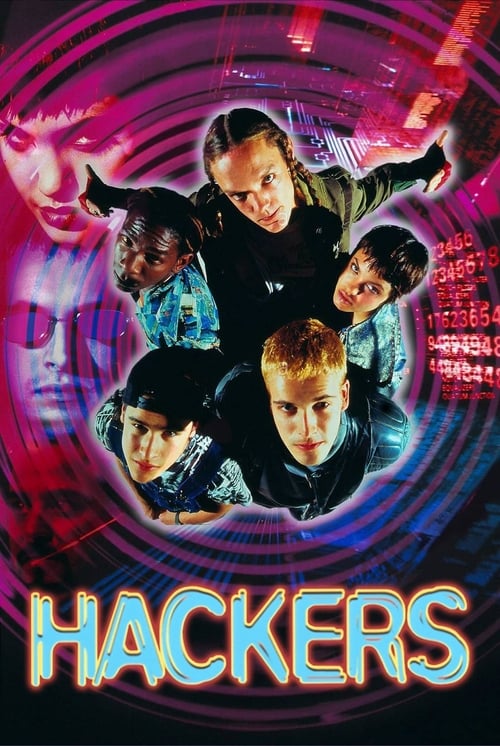
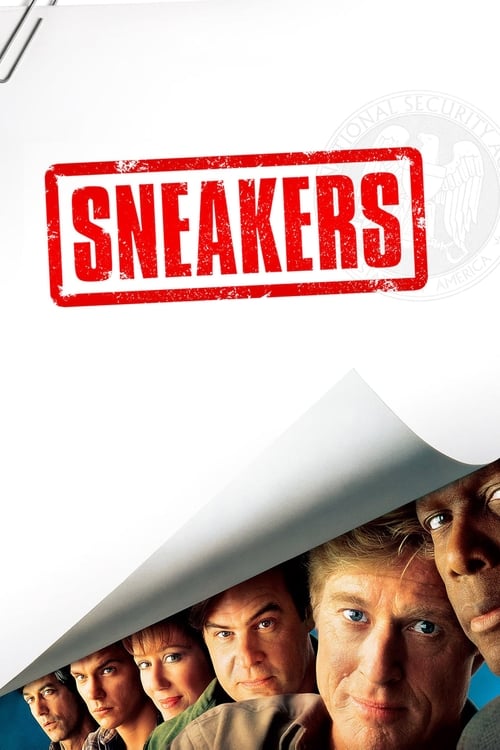
Hackers was mocked on release for its neon-drenched fever dream of skating and 3D cyberspace. What critics underrated was the social reality inside the spectacle: a group of technically obsessed teenagers who treated computer systems as playgrounds and corporations as opponents, not because they were villains but because the systems were there. Sneakers the same decade aimed for something more grounded and landed on a quiet, almost mournful portrait of ex-radicals who never stopped believing that information wanted to be free. Neither film predicted the internet we got. Both captured something true about why people get into computers in the first place.
Systems under siege
TV that made cyberspace feel consequential
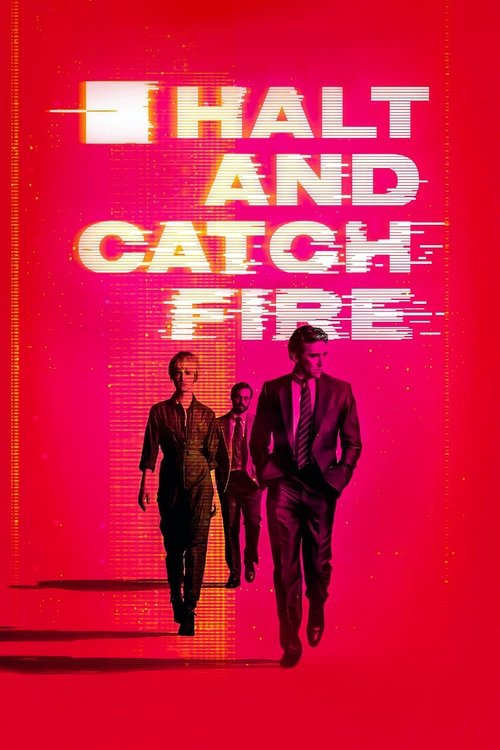
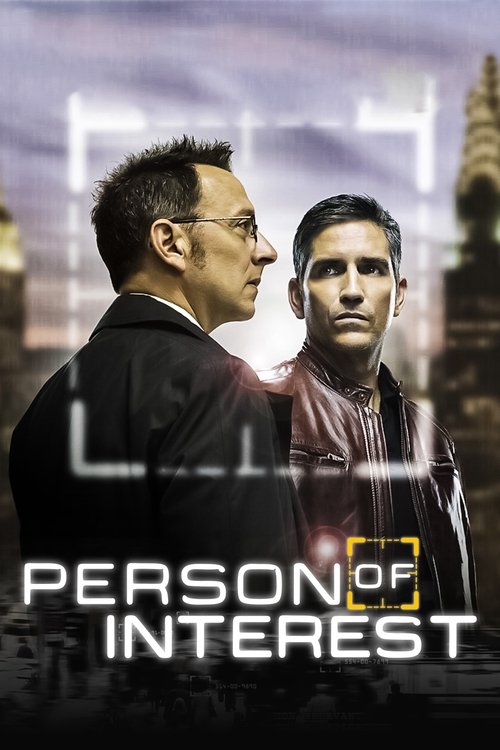
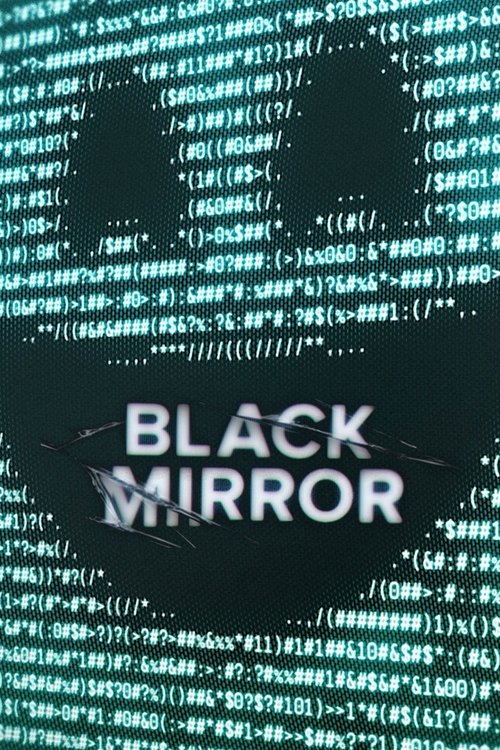
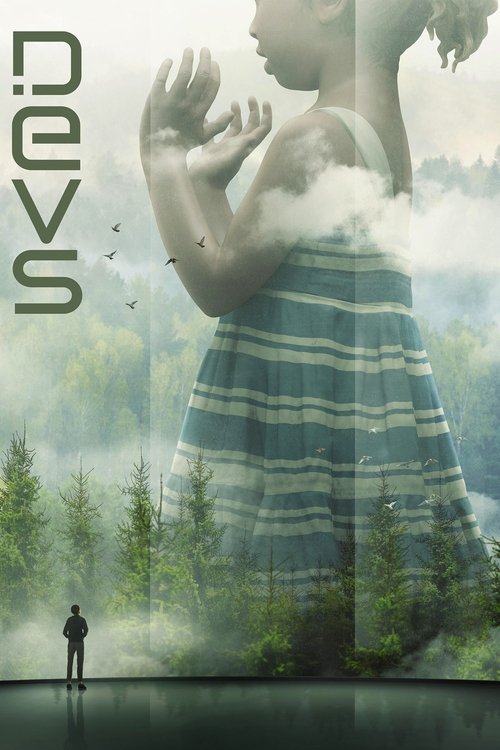
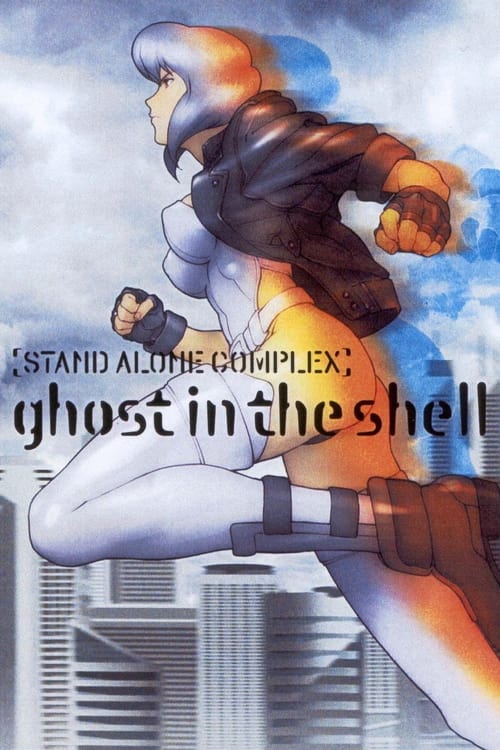
Neuromancer invented the vocabulary everyone else borrowed
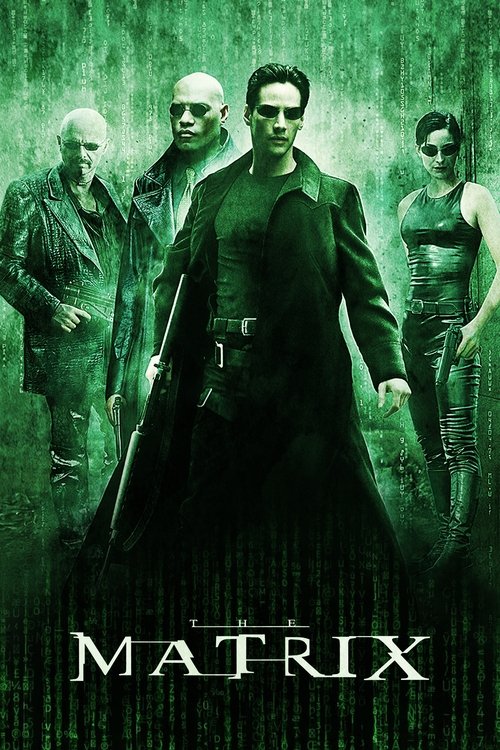
William Gibson published Neuromancer in 1984 without knowing how to type, on a manual typewriter. He invented the word 'cyberspace' to describe something he couldn't quite visualize, a consensual hallucination shared by millions of computer users simultaneously. The novel's protagonist, Case, is a burned-out console cowboy who jacks into the matrix and pulls off a corporate heist against an AI. Every hacker thriller made in the forty years since has borrowed from that blueprint, often without knowing it: the loner, the corporate megastructure, the question of who owns information and who gets to move inside it. Snow Crash, The Matrix, Ghost in the Shell, Watch Dogs, all of them are downstream of this one 270-page novel.
Breach and entry
Games where hacking is the weapon
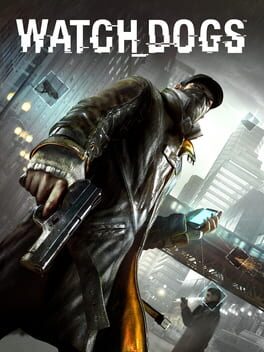
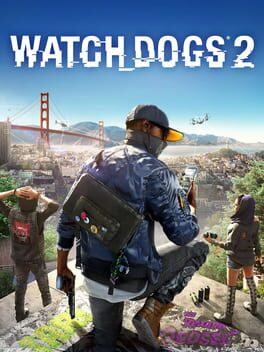
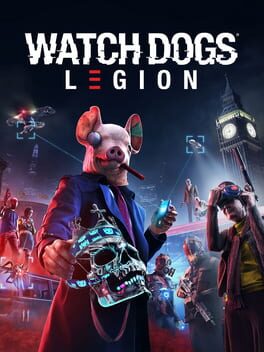

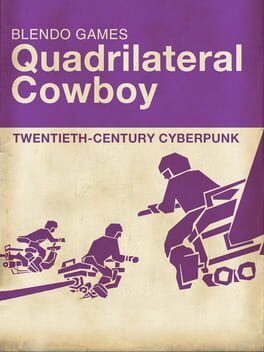
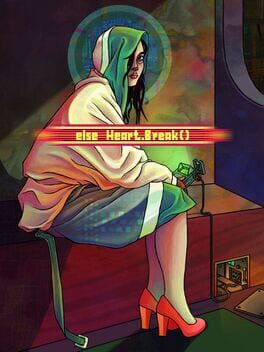
The best hacking games make you feel the power
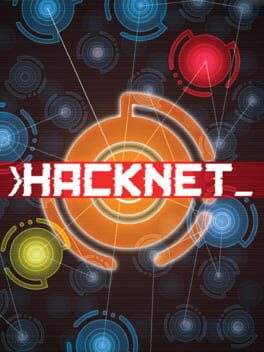
Hacknet is twelve hours of typing real Unix commands into a fictional terminal to track down a dead hacker's ghost. It sounds like homework. It is, in practice, one of the most absorbing games in the genre, because it makes the competence feel earned: when you finally own a server you have been locked out of, you understand mechanically why you're in. Watch Dogs took the opposite approach, handing the player a phone that unlocks the entire city, traffic lights to bridge lifts, and building a world where the ability to read any system was the only real power that mattered. Neither game pretends hacking is glamorous. Both understood it is intoxicating.
Origins and outliers
Visionary works and the true stories they sprang from
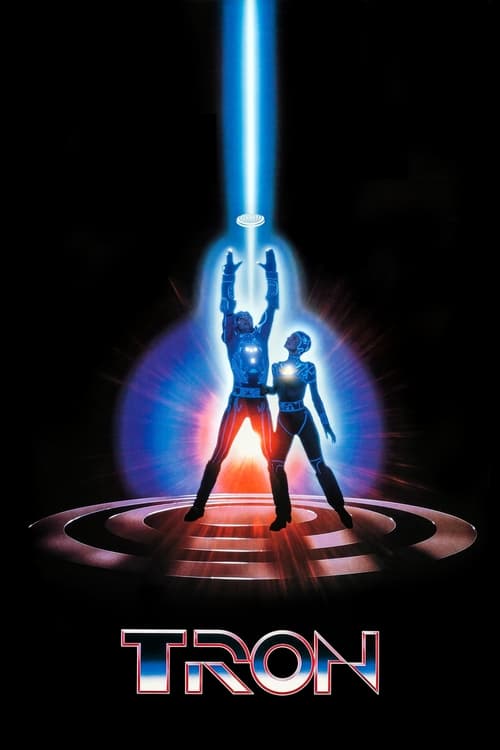

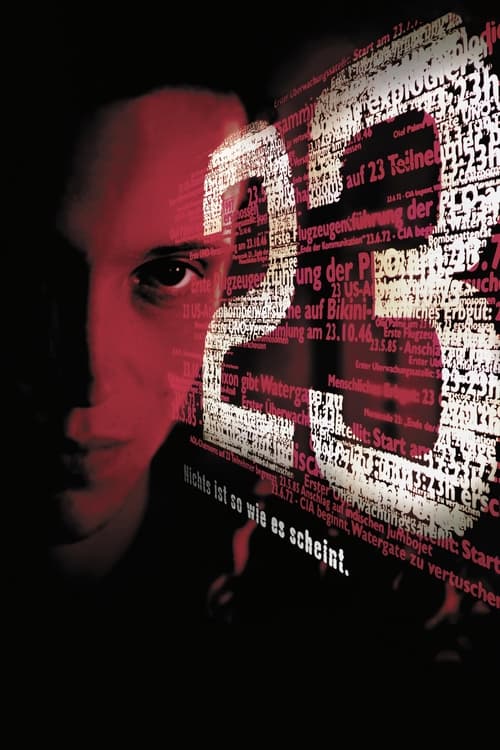
More keyboard warriors and rogue systems
Cyberpunk & Dystopia
Explore the Cyberpunk & Dystopia guide →The hacker's real advantage was never technical. It was the willingness to ask: what happens if I try?On why curiosity is the exploit that never gets patched