
Fear is the oldest story
Something is wrong in the house. You heard it before you saw it, and now you cannot unsee it. Horror is the genre that most honestly admits what we already know: we are small, the dark is real, and the things we love can be taken. The best scary stories do not just startle you. They sit with you on the drive home, in a hotel room at two in the morning, in the long beat before you fall asleep. This guide is not a ranking of jump-scares or a catalogue of gore. It is a map of the works that actually lodged in the skull and refused to leave. Film, television, games, books. Each format has its own instrument of dread, and each one is represented here.
The stone-cold classics
Works that defined what horror can be and still have not been bettered

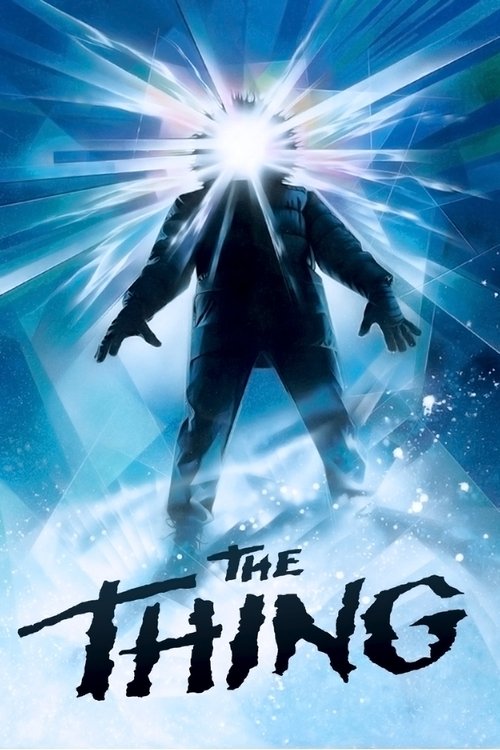

The Thing is the best horror film ever made
The Thing is a film about not being able to trust your own eyes, your colleagues, your body. John Carpenter made the paranoia physical, practical, grotesque. The Antarctic setting is not just atmosphere: it is the argument. There is nowhere to run, and no one is coming. Almost every great horror film made since 1982 has been in dialogue with it, whether it admits so or not. No other film in the genre has managed to make helplessness feel so total.
Modern horror that earned its place
Films from the last twenty years the genre will still be discussing in fifty
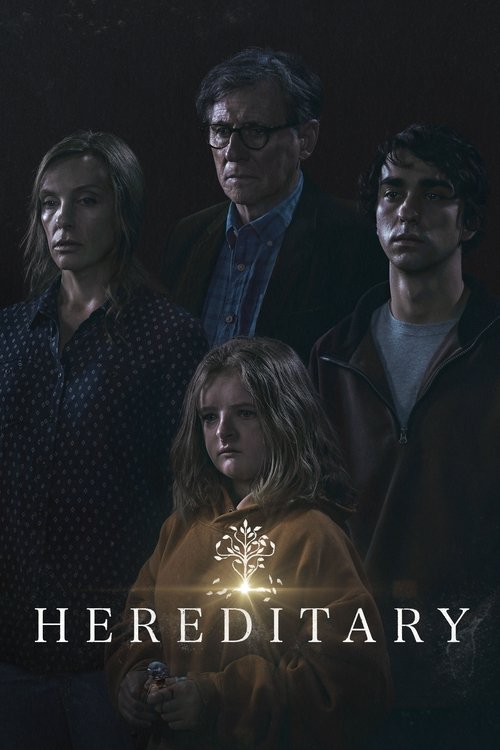
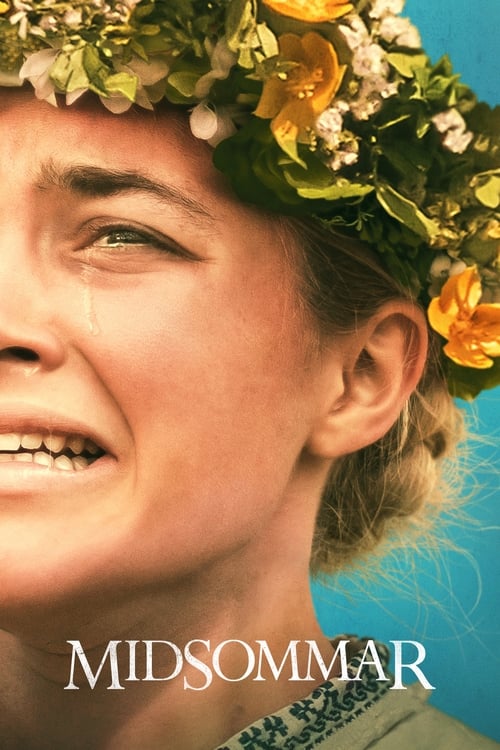
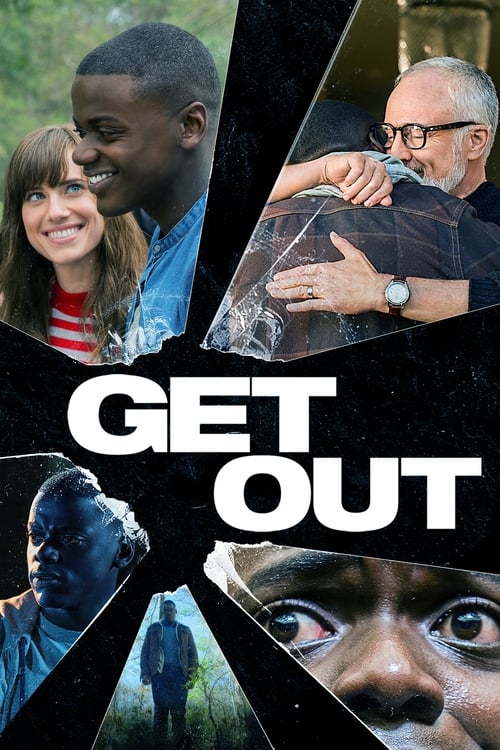
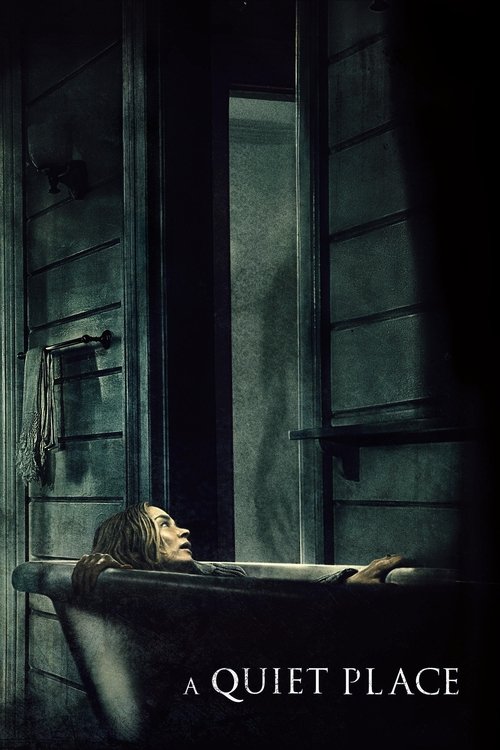
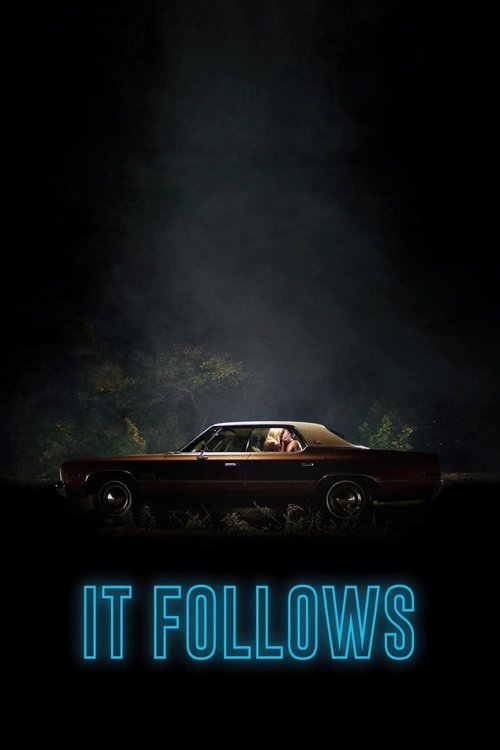

Hereditary is not a haunted-house film
People file Hereditary under haunted-house because there is a house in it. But Ari Aster is making a film about grief as possession, about the way trauma is inherited whether we consent to it or not. The horror elements are not decoration on top of the family drama. They are the family drama, translated into something the body cannot process intellectually. The final act is not a twist. It is the logical conclusion of everything that came before. Midsommar confirms it: Aster is less interested in scaring you than in making you feel the wrongness of a situation all the way through.
Television that uses the form well
Series that found angles feature films could not

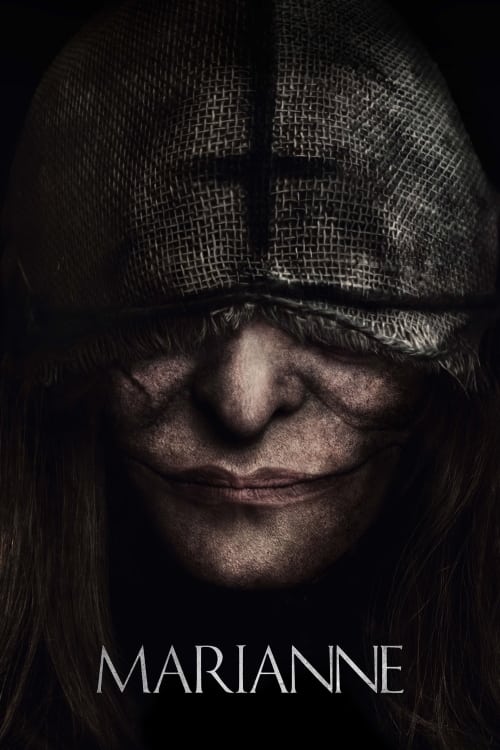
Horror's defining moments across decades
- 1922Silent dread Nosferatu
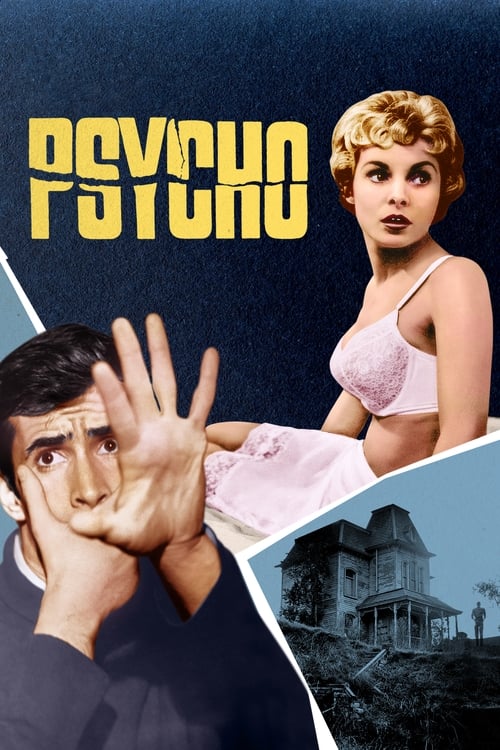
- 1960The modern slasher is born Psycho
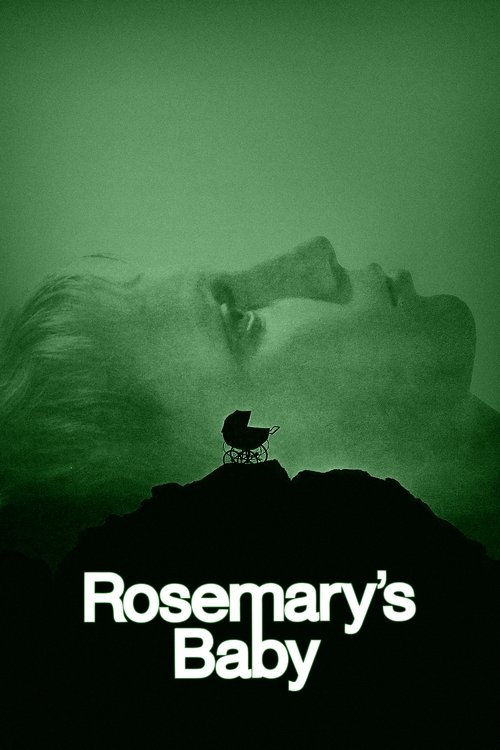
- 1968Paranoia goes mainstream Rosemary's Baby
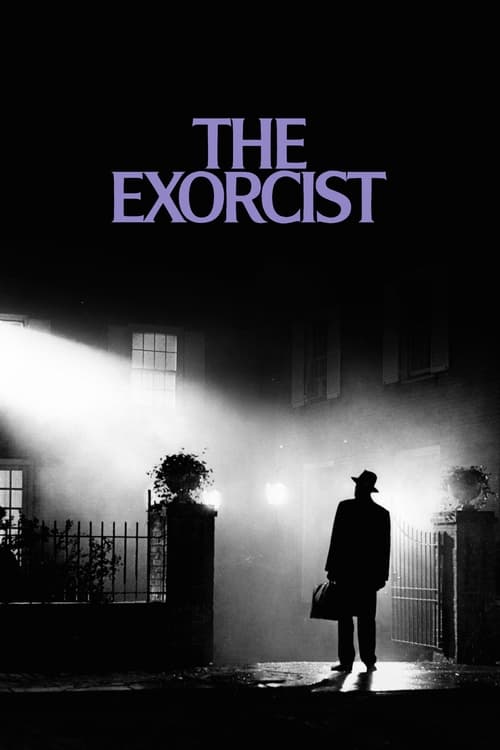
- 1973Horror enters the living room The Exorcist
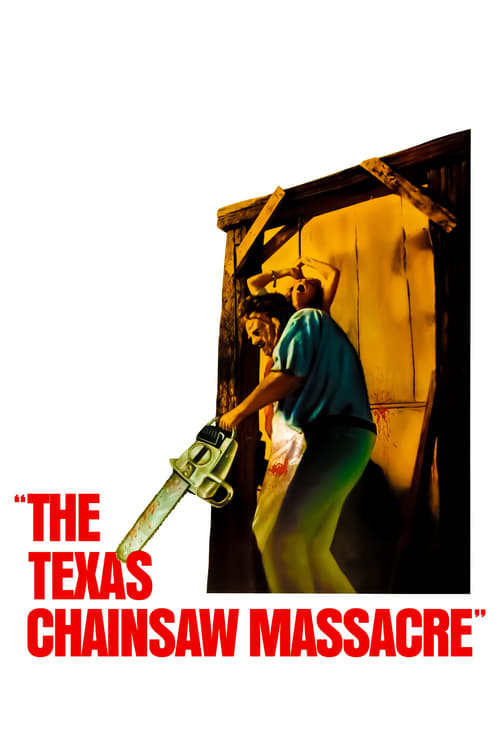
- 1974Exploitation becomes art The Texas Chain Saw Massacre
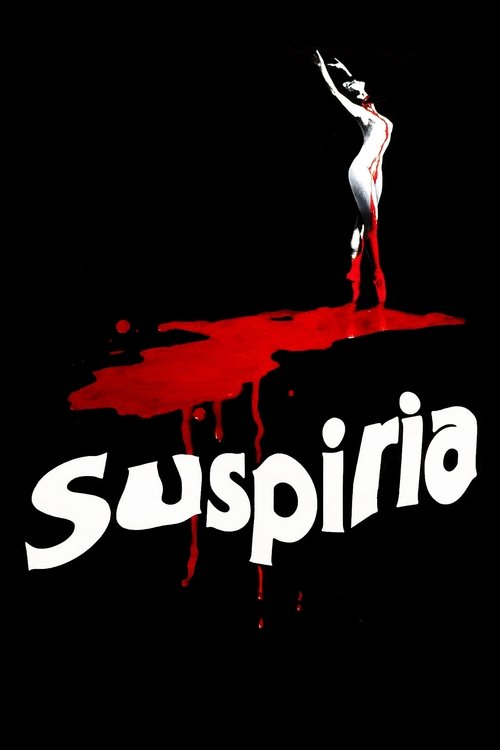
- 1977European colour-horror peaks Suspiria
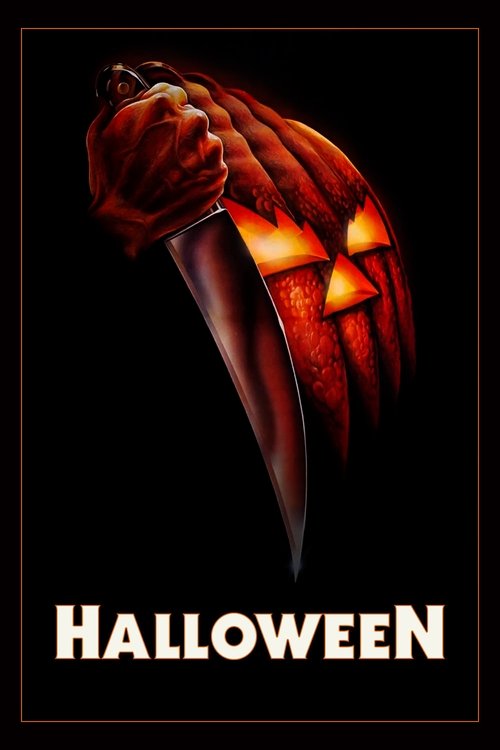
- 1978The slasher template Halloween
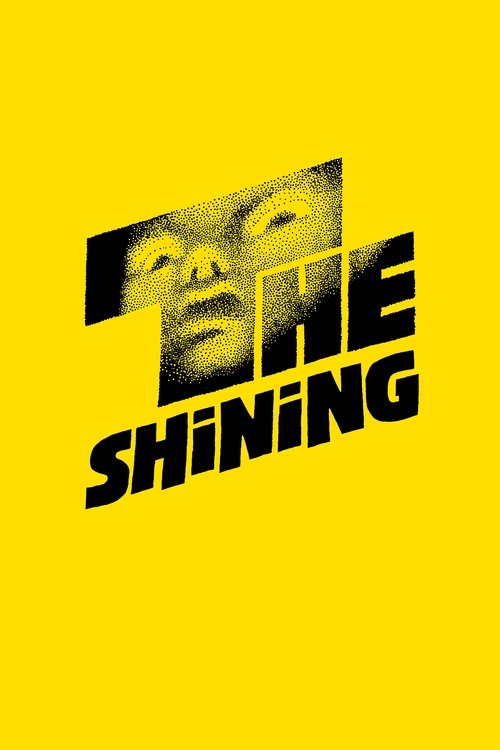
- 1980The haunted hotel The Shining
- 1982Paranoia and practical effects The Thing
- 1992Videogames discover survival horror Alone in the Dark
- 1996Survival horror becomes a genre Resident Evil
- 1999Found footage resets expectations The Blair Witch Project
- 2001Slow-burn dread from Japan Audition
- 2001Psychological horror enters games
- 2010Helplessness as game mechanic Amnesia: The Dark Descent
- 2014P.T. redefines what a game can do to you P.T.
- 2018Horror as social argument Hereditary
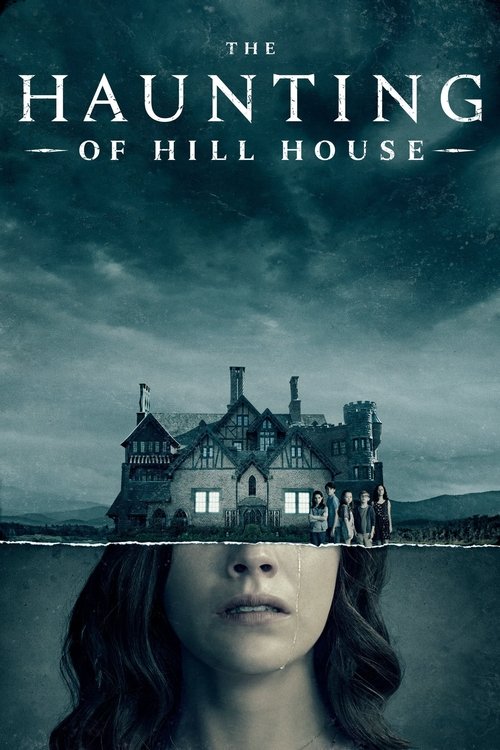
- 2018TV horror reaches a new ceiling The Haunting of Hill House
Games that found terror the medium can reach alone
Being in control makes it worse, not better
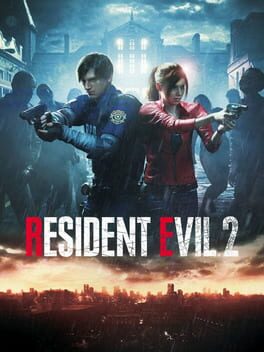
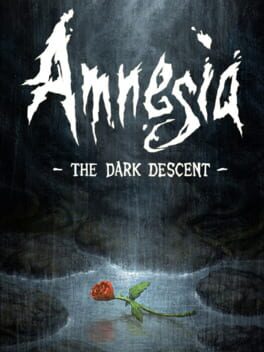
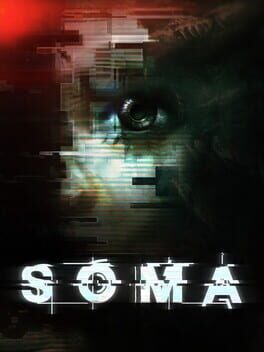
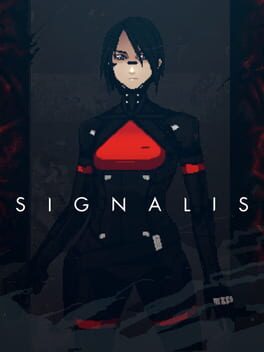
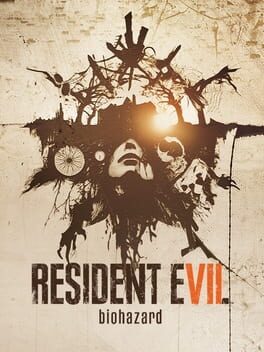
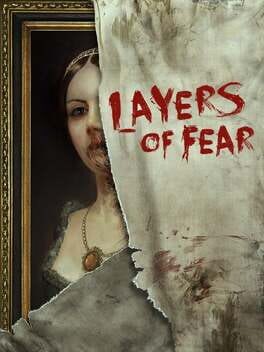
Silent Hill 2 has the best horror writing of any medium
Silent Hill 2 does what almost nothing else in any medium manages: it builds a monster that is the main character's own psychology made flesh. Pyramid Head is not a villain. It is guilt given physical form, a thing that pursues James Sunderland through every corridor because he cannot stop it from inside his own head. The game's central revelation reframes everything before it. Team Silent made a genuinely literary work, and the fact that it arrived on a PlayStation 2 is still underappreciated by everyone except the people it destroyed. SOMA is the only game since that matches it for the sheer unpleasantness of its central idea.
Books that stay with you
Horror fiction that screen adaptations, good as some are, could not fully translate


No live organism can continue for long to exist sanely under conditions of absolute reality.Shirley Jackson, The Haunting of Hill House
House of Leaves is the most formally ambitious horror ever written
House of Leaves is a novel about a documentary about a house that is larger on the inside than the outside, told through competing unreliable narrators in a format that uses footnotes, appendices, and negative space on the page as instruments of dread. Mark Z. Danielewski wrote a book that physically enacts the sensation of falling down a hole. It is the only novel where the layout of the page is part of the horror itself, and no adaptation has ever managed to preserve that. Read it with the lights on. Sleep with them on too.
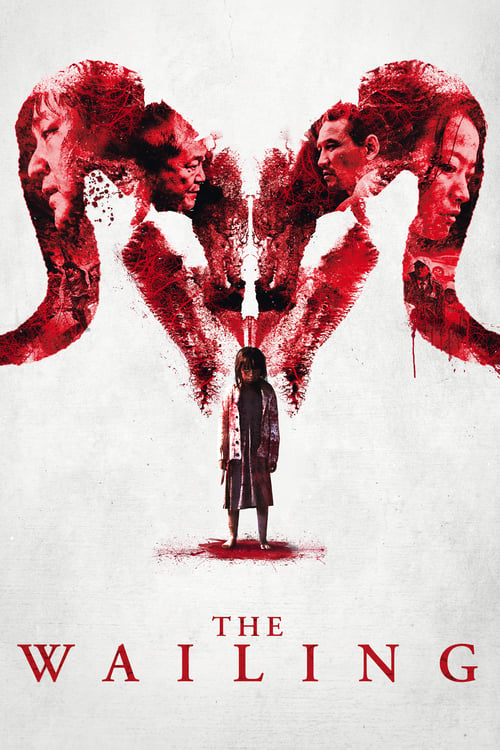
The underrated and overlooked
Works that deserve more room in the conversation

Where to go from here
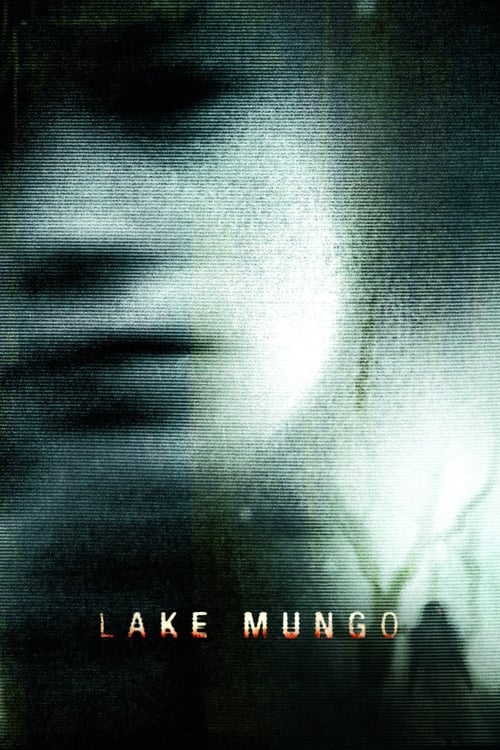
The works on this page share one quality: they respect the audience enough not to over-explain. The best horror leaves a residue. You finish the film or close the game or put the book down, and the feeling does not immediately go. Lake Mungo will haunt you with its final image for days. SOMA will leave you with an ethics problem you cannot solve. House of Leaves will make you measure your hallway. That residue is the point. Follow the discomfort.