
Between 1957 and 1969, two superpowers turned the sky into a scoreboard. Every launch was a geopolitical statement; every failure, a national humiliation broadcast to the world. The Space Race fan is not chasing special effects. They are chasing the specific feeling of watching humans attempt the genuinely impossible under pressure that could end careers, programs, or lives. It is the drama of engineers arguing over a decimal point at 2 a.m., of politicians demanding miracles on a schedule, and of pilots strapping into a tin can because they believed the math would hold. That feeling lives across every medium.
Essential Space Race Films
The definitive screen treatments of the era, from countdown drama to lunar surface



If You Love the Space Race: Essential Series
Long-form television that lives inside the programs, the politics, and the people

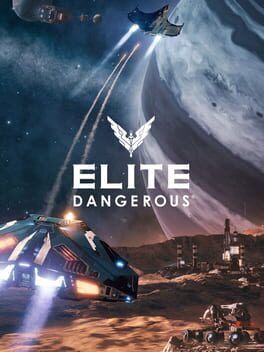
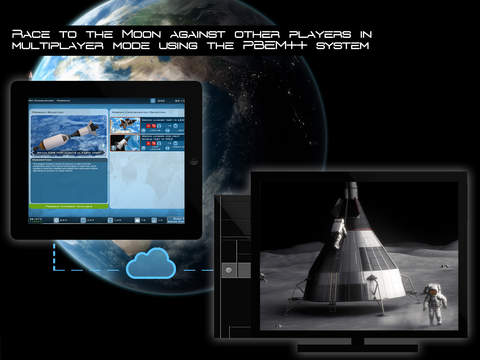
If You Love the Space Race: Games That Put You in the Seat
From orbital mechanics simulators to alternate-history space programs

If You Love the Space Race: Essential Books
The definitive accounts of the programs, the people, and the physics


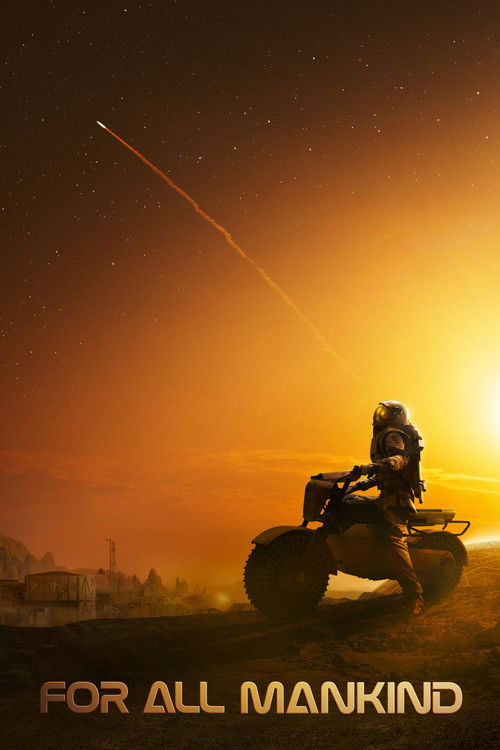
For All Mankind Gets the Alternate History Right
Most alternate histories of the Space Race go for spectacle. For All Mankind stays inside the bureaucracy, the marriages, and the engineering decisions. When the show diverges from real history, it does so because a character made a different call under the same pressures, not because the writers needed a plot twist. That discipline is why the series sustains dramatic tension across seasons: the feeling of contingency, of history as something people actively made rather than something that simply happened.
Hidden Figures Is the Best Engineering Drama Ever Made
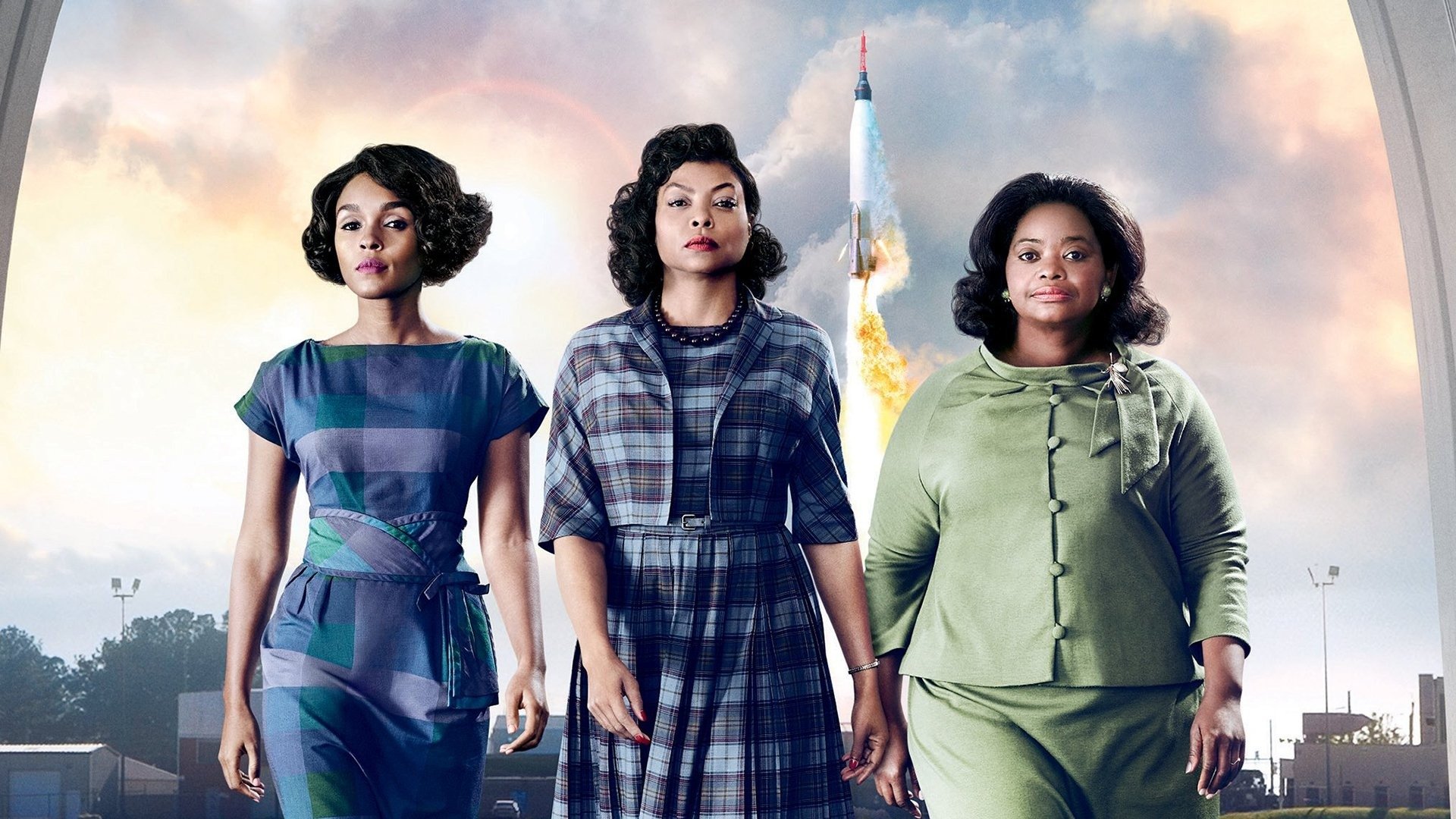
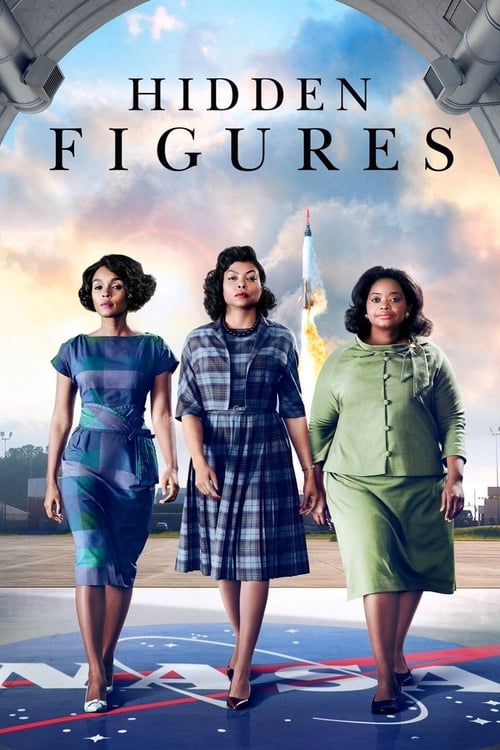
The film does something almost no other Space Race story attempts: it treats the math as dramatic. Katherine Johnson's trajectory calculations are not background color for a feel-good story; they are the actual stakes. When she runs across the NASA campus to correct a number before a launch window closes, that run has the same tension as any thriller because the audience has been made to understand exactly what the number means. The three central performances, and Theodore Melfi's refusal to soften the institutional racism the women faced, make this the film the genre had been waiting for.
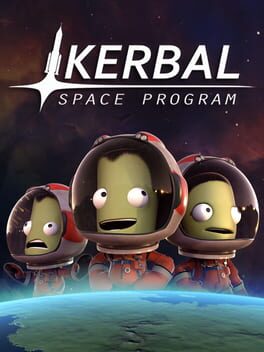
Kerbal Space Program Teaches What Films Can Only Show
You cannot fully appreciate the drama of the Hohmann transfer maneuver from a film. KSP makes you plan it, execute it, and watch your fuel gauge while you do. Players who have frantically burned retrograde to bleed off orbital velocity at exactly the right moment understand, in their hands, why the Apollo trajectory calculations had to be perfect. No other game has done more to popularize orbital mechanics as an idea worth caring about.
Carrying the Fire Remains the Standard
Michael Collins wrote the best astronaut memoir because he did not write it to be liked. He is clear about what bored him, what frightened him, and what he thought was overhyped. His account of the Apollo 11 mission from the command module, alone in lunar orbit while Armstrong and Aldrin landed, is more affecting than most fiction about the era. The loneliness he describes, and his matter-of-fact attitude toward it, is a better portrait of what it took to be a test pilot turned astronaut than anything a screenwriter has managed.
The Race: Key Moments in Culture and History
- 1957Sputnik launches. The beep heard around the world.
- 1960Tom Wolfe begins the reporting that will become The Right Stuff.
- 1961Gagarin orbits Earth. John Glenn follows. The race accelerates. Gagarin: First in Space
- 1967Apollo 1 fire. Three astronauts die on the launchpad. NASA rebuilds.
- 1969Apollo 13 adaptation premieres decades later, but the mission defines the era. Apollo 13
- 1979Tom Wolfe publishes The Right Stuff. The Mercury astronauts get their myth.
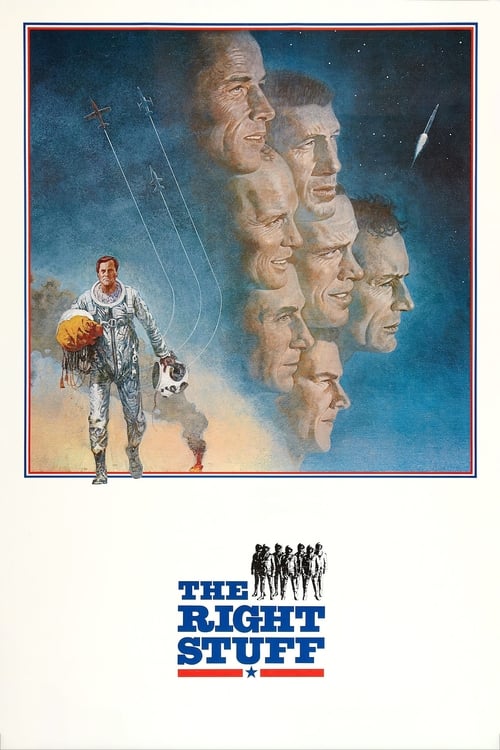
- 1983Philip Kaufman's film adaptation expands the myth to cinema. The Right Stuff
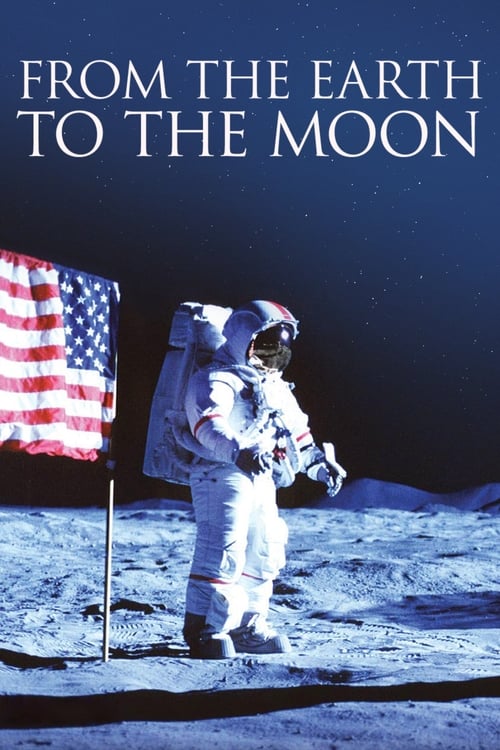
- 1998From the Earth to the Moon airs on HBO. The definitive anthology. From the Earth to the Moon
- 2011Kerbal Space Program enters early access. A generation learns orbital mechanics. Kerbal Space Program
- 2016Hidden Figures brings the human computers to screen. Hidden Figures
- 2018First Man: the interior life of Neil Armstrong, without the triumphal gloss. First Man
- 2019For All Mankind launches its alternate history of the program. For All Mankind
Leaving Earth, superpowers, and stranded astronauts
The Space Race
Explore the The Space Race guide →The engineers who calculated the trajectories, the pilots who trusted those calculations, and the politicians who funded them all believed, for one decade, that the future was something you could build on a schedule. That belief is what the Space Race drama captures, and it has never stopped being compelling.CrossBinge editorial