
Abel Tesfaye built a mythology out of insomnia, excess, and emotional distance. Beginning with three anonymously-uploaded mixtapes in 2011, The Weeknd turned R&B into something theatrical: slow-burn confessionals draped in synthesizers, 1980s pop production, and a falsetto that feels detached even at its most vulnerable. The through-line his fans recognize is the feeling of being simultaneously inside a celebration and watching it from outside a rain-streaked window. His catalog rewards obsessives: each era has its own sonic and visual universe, from the lo-fi murk of Trilogy to the stadium-scale chrome of After Hours and Dawn FM. The films, games, and books below share that same sensibility: neon, isolation, moral ambiguity, and something beautiful rotting just beneath the surface.
Essential The Weeknd
The albums and projects that define the canon, in order of release
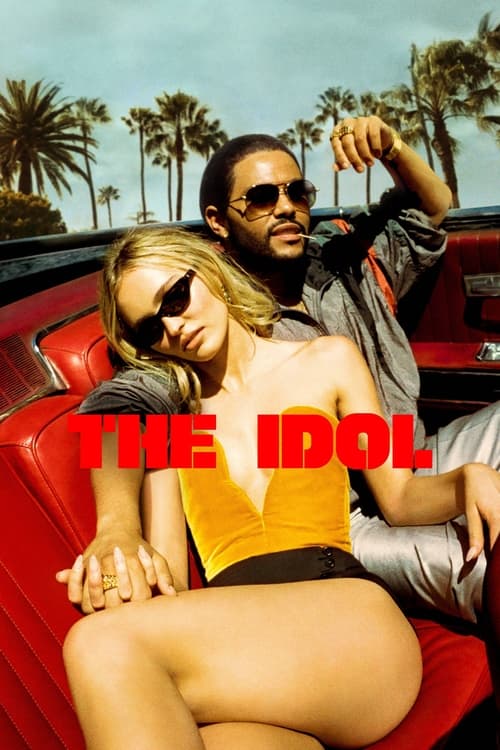
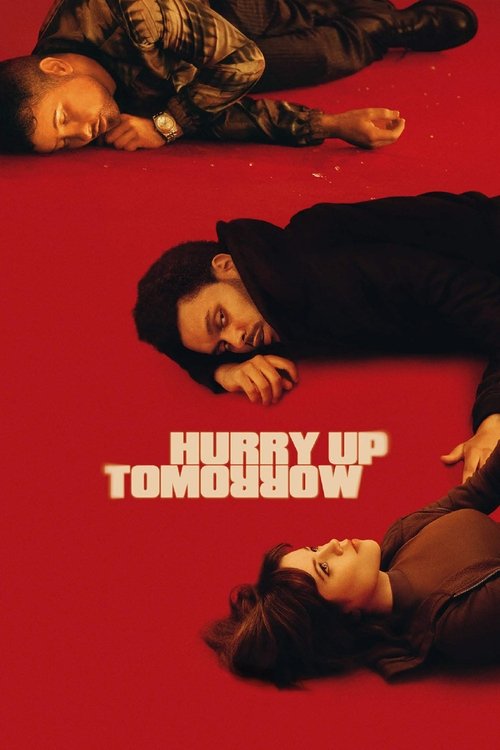
The Weeknd on Screen: The Idol and Concert Films
His own forays into film and television
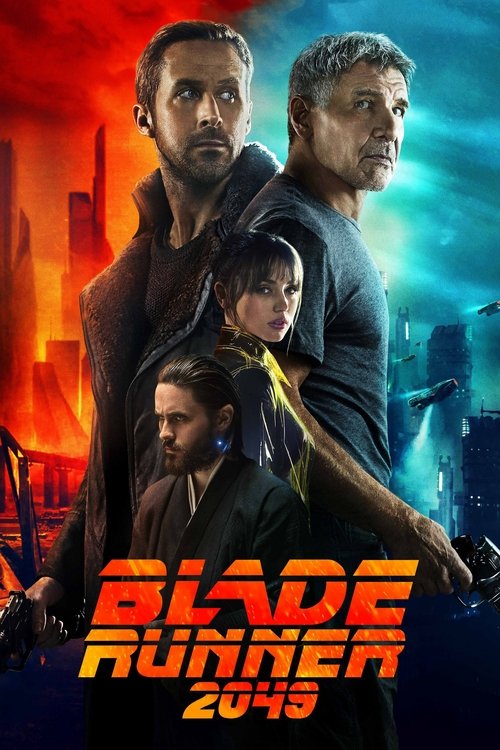
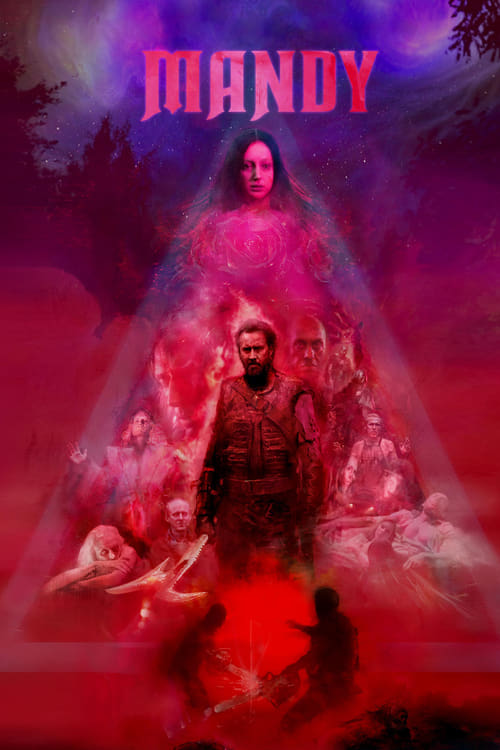
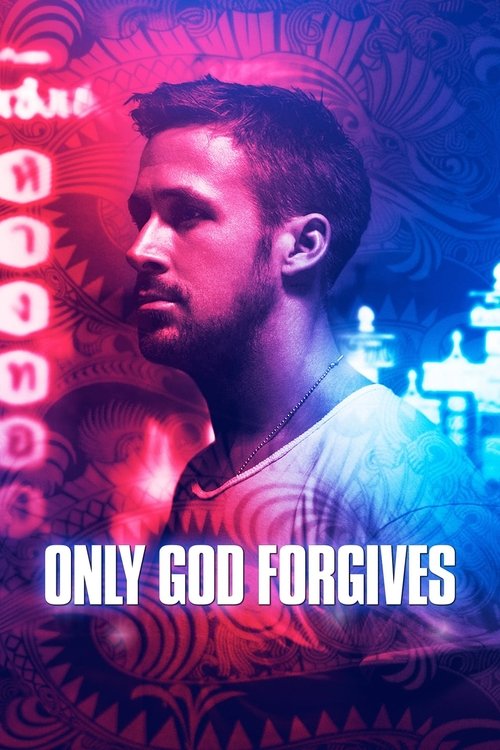
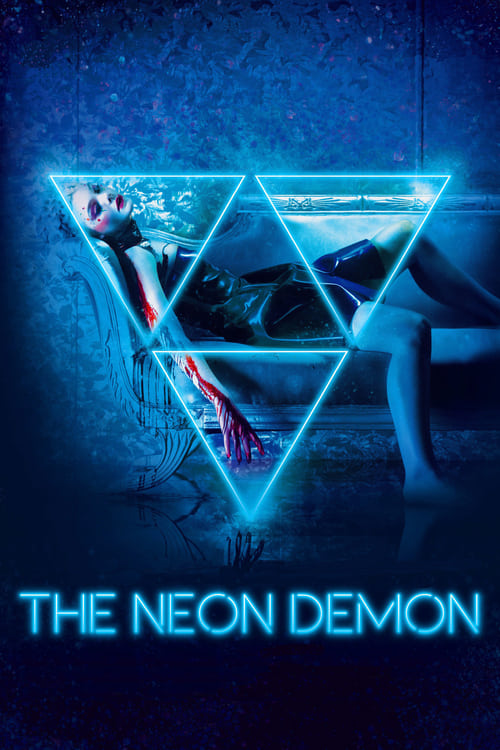
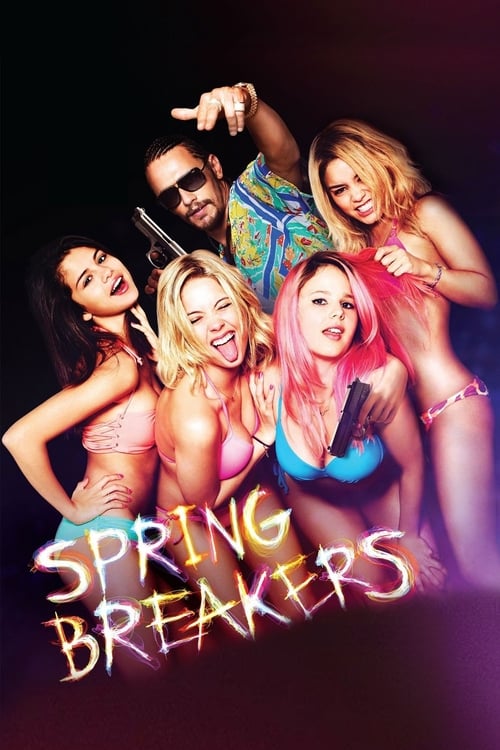
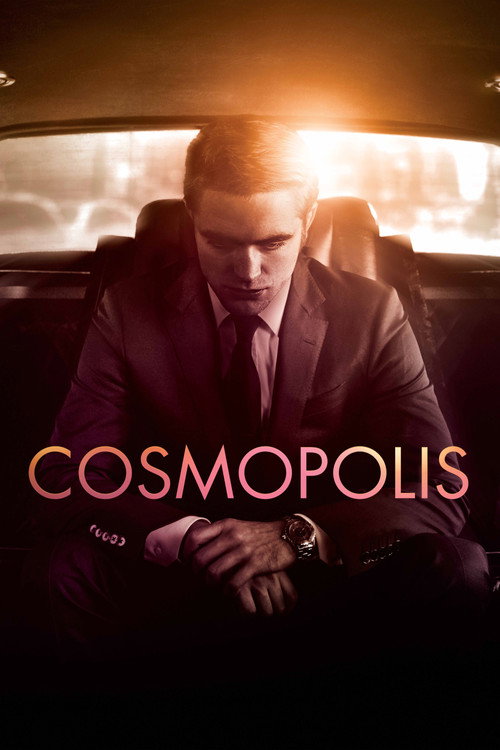
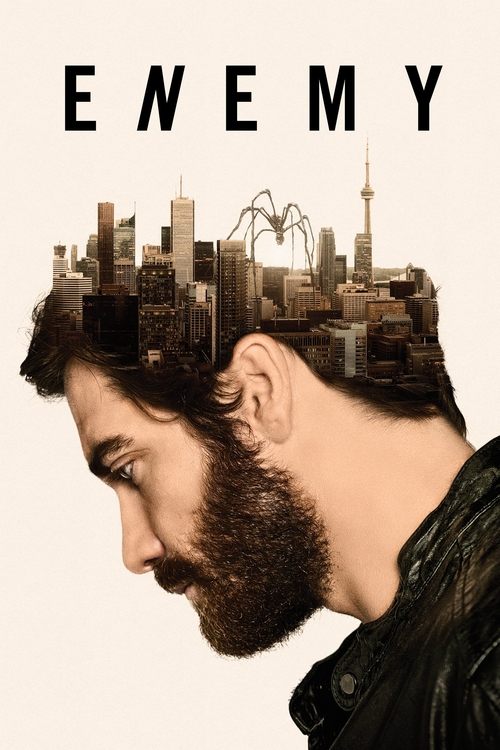
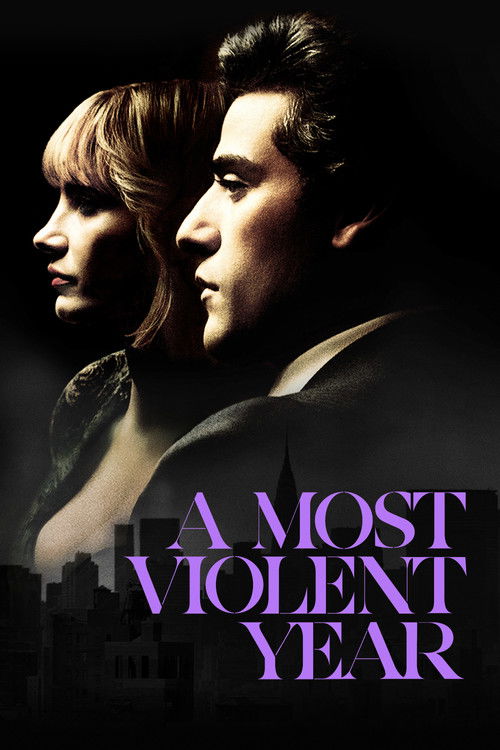
If You Love the After Hours Era: Neon Noir Cinema
Films with the same dread, isolation, and neon-soaked night-world atmosphere

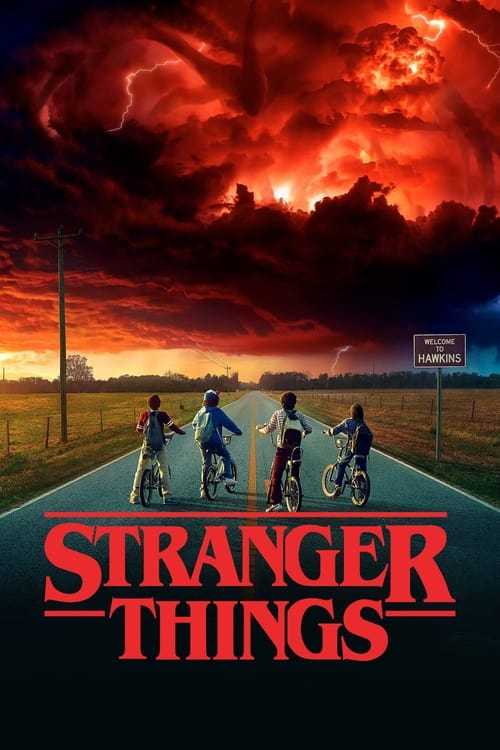
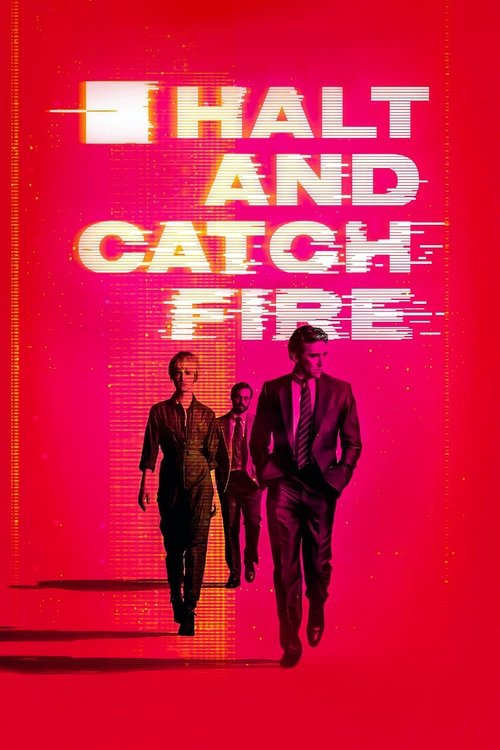
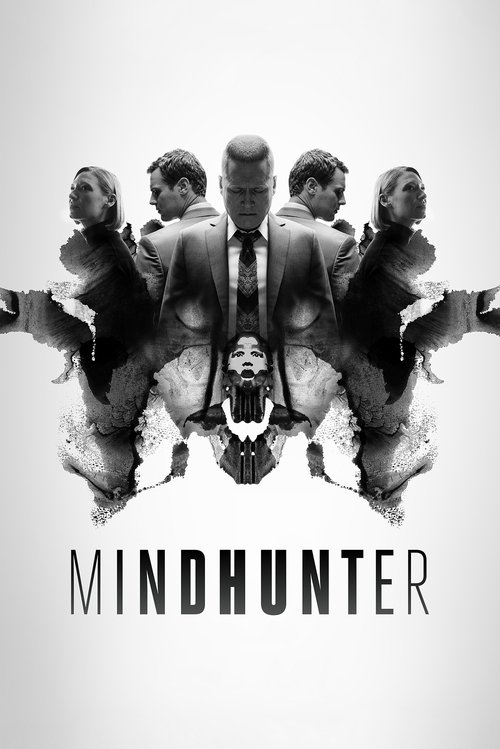
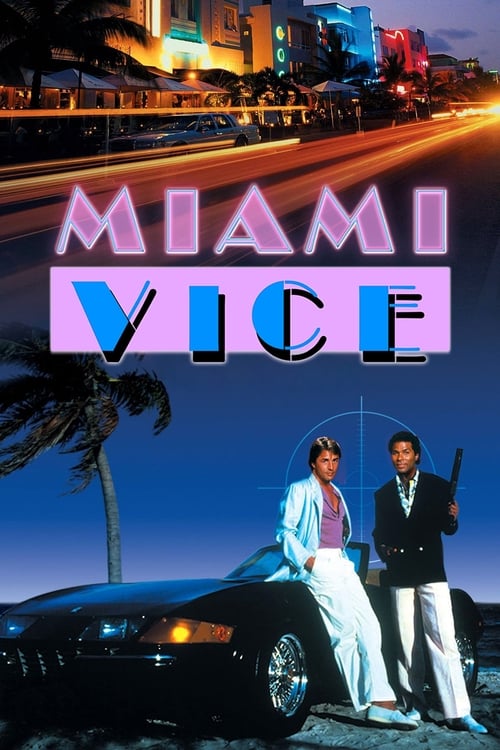
If You Love the 80s Synth Sound: Retro-Wave TV
Series that live in the same chrome and pastel universe as Starboy and Dawn FM

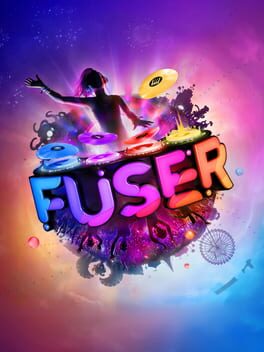
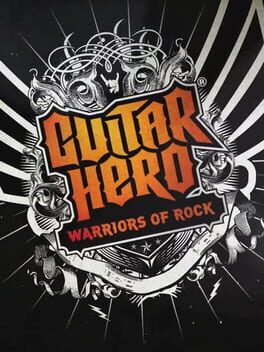
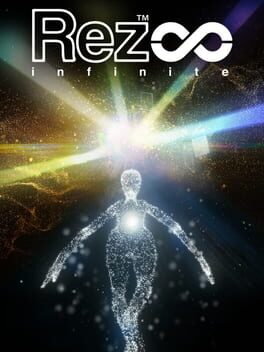
Rhythm, Music Games, and Neon Gameplay
Games that channel the feel of a dark, beat-driven night
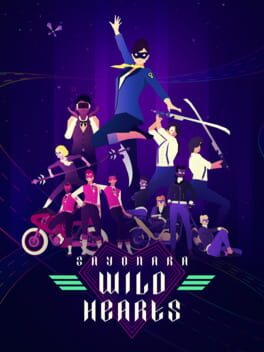
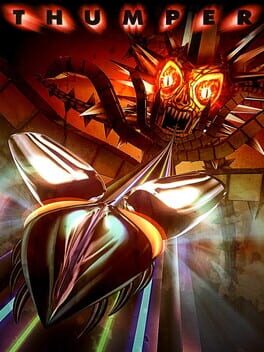

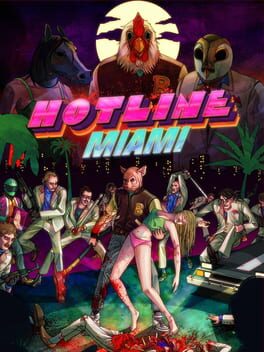
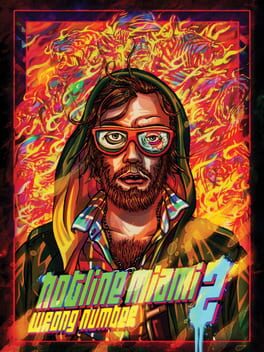
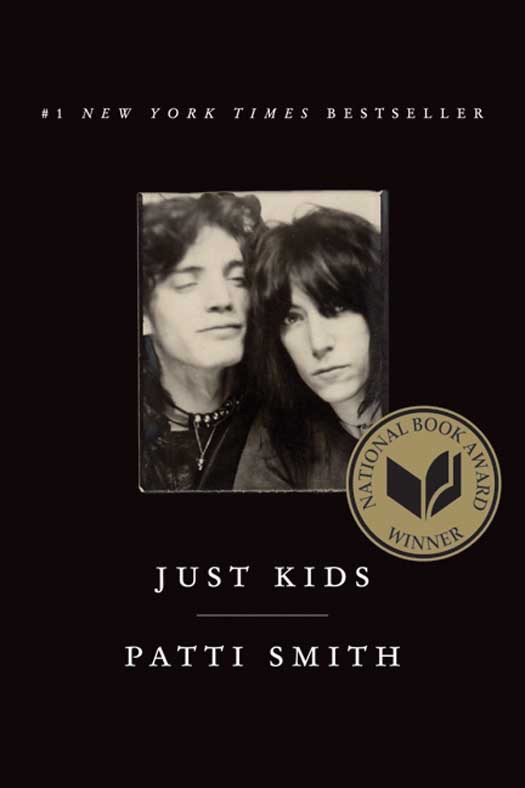
The Books Behind the Feeling: Music, Excess, and Darkness
Novels and non-fiction for fans of the emotional and cultural world The Weeknd inhabits



After Hours Is a Perfect Album, Not Just a Great One
After Hours (2020) is the clearest argument that The Weeknd is a concept-album artist operating at a level most pop stars never attempt. The record has a beginning, a middle, and an end: the protagonist descends into a manic Las Vegas spiral, loses everything, and is left alone with his own wreckage. The title track is one of the best breakup songs in modern pop, and it earns its devastation because the previous 54 minutes have shown you exactly how the relationship died. Most 80s-influenced albums end up as pastiche. After Hours uses the palette to say something new about loneliness in late capitalism.
Dawn FM Deserves a Second Look as Concept Art
When Dawn FM arrived in January 2022, it was partially overshadowed by its own rollout speed. But the record is more ambitious than After Hours in structure: a pirate radio station broadcast from purgatory, hosted by Jim Carrey, guiding the listener toward the light. It references the Beach Boys' Pet Sounds in its layered harmonics, and its second half is some of the most emotionally honest work in The Weeknd's catalog. Gasoline, the album's opening, is disorienting on purpose: you are supposed to feel wrong before you feel right. Most listeners needed a year to catch up.
The Idol Got Too Much Blame for the Wrong Things
HBO's The Idol (2023) was critically savaged, and some of the criticism was fair: the show's second half lost confidence and its satirical aims grew muddled. But the first two episodes genuinely worked as a portrait of the music industry's power dynamics and the specific psychological toll of pop celebrity. The Weeknd's performance as Tedros is stranger and more interesting than reviewers acknowledged, and the show's original ambition: a Showgirls-style camp provocation wrapped in industry realism, was a legitimately interesting idea. It failed on execution, not on vision.
The Trilogy Mixtapes Remain His Most Uncompromised Work
Ovo Sound and Republic Records polish has made The Weeknd one of the best-produced artists of his generation. But Trilogy, the 2012 compilation of the three anonymous 2011 mixtapes (Echoes of Silence, Thursday, House of Balloons) captures something that slicker records inevitably lose: the feeling that this music was made in a room by someone who didn't expect anyone to hear it. House of Balloons in particular is a genre document. Its sampling of Beach House, Aaliyah-era production, and Portishead elements created a template that dozens of artists have spent 14 years trying to replicate and none have quite matched.
The Weeknd: Key Moments
- 2011Three anonymous mixtapes uploaded to Tumblr; House of Balloons, Thursday, Echoes of Silence establish the sound House of Balloons
- 2012Trilogy compiles and officially releases all three mixtapes via Republic Trilogy
- 2013Kiss Land: the major-label debut; darker and more cinematic than anything in the mainstream Kiss Land
- 2015Beauty Behind the Madness goes global: Earned It appears on Fifty Shades; Can't Feel My Face reaches number one Beauty Behind the Madness
- 2016Starboy: the Daft Punk collaboration and the full 80s-pop pivot Starboy
- 2018My Dear Melancholy, EP: six songs, no features, widely read as a direct response to the Bella Hadid and Selena Gomez breakups
- 2020After Hours: the Super Bowl LV halftime show and the bandage-face era define his visual brand After Hours
- 2022Dawn FM: a purgatory concept album drops with 24 hours of notice Dawn FM
- 2023The Idol premieres at Cannes; the HBO co-creation courts and divides critics The Idol
- 2025Hurry Up Tomorrow: album and companion film mark a stated farewell to the Weeknd persona Hurry Up Tomorrow
More neon-lit melancholy
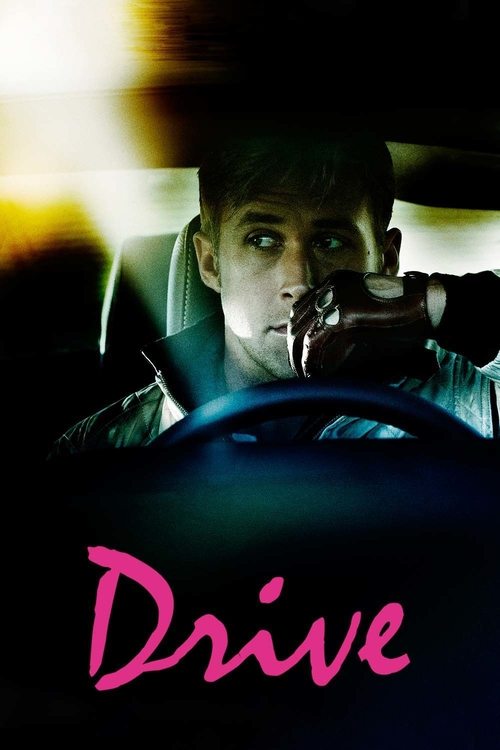
For Fans of Drive
Explore the For Fans of Drive guide →He turned R&B into a horror movie you want to watch on repeat: the feeling is dread, the hook is irresistible, and you never quite leave.CrossBinge Editors