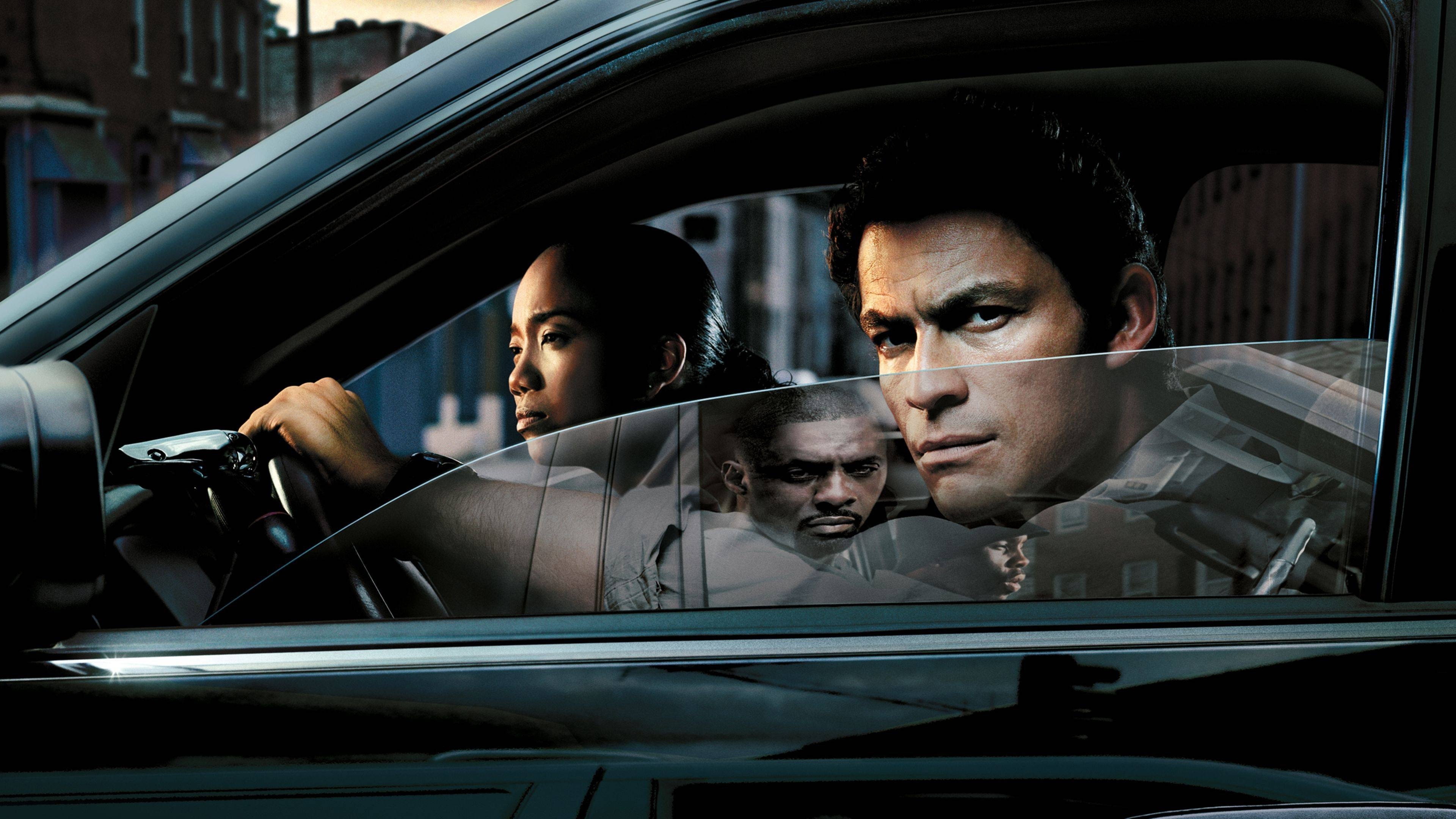

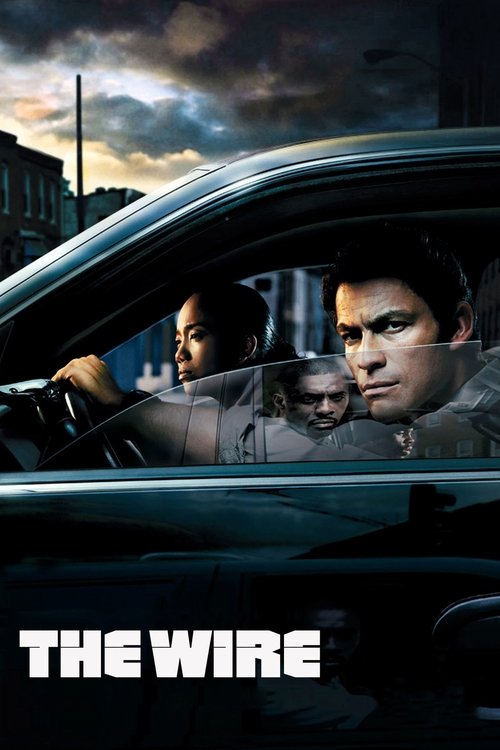
The Wire ran for five seasons on HBO (2002-2008) and still defines what prestige television can do when it refuses to flatten the world. Created by David Simon and Ed Burns, it built Baltimore as a Greek tragedy in miniature: police, drug crews, schools, docks, and newspapers each given their own season-long arc, their own internal logic, and their own way of being slowly ground down by institutions that no longer serve the people inside them. The show's genius is structural. Nobody is simply a villain. Nobody wins clean. What fans come back for is the density: every piece on the board matters, the dialogue is true to the street and to the squad room alike, and the indictment of American civic life lands harder with each rewatch. If that combination of procedural patience, moral seriousness, and novelistic scope is what you are chasing, the canon below is your map.
Essential The Wire
The five seasons, each with its own institution and its own flavor of systemic failure
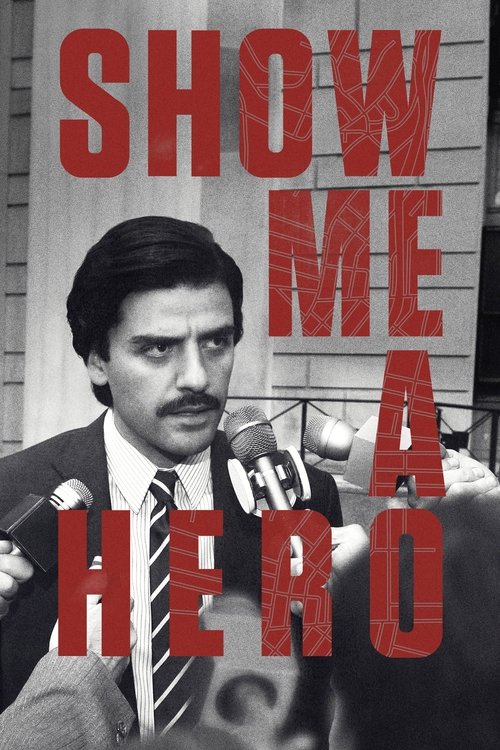

If You Love The Wire: Crime Series with the Same Institutional DNA
Shows that treat the system as the real subject, not just the backdrop
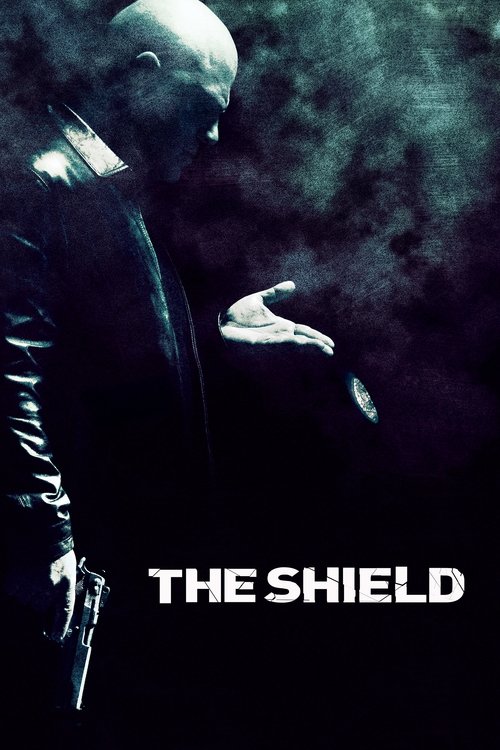
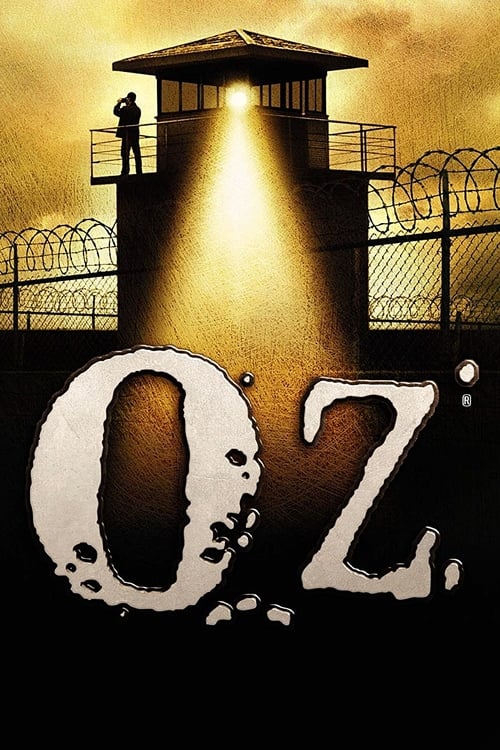

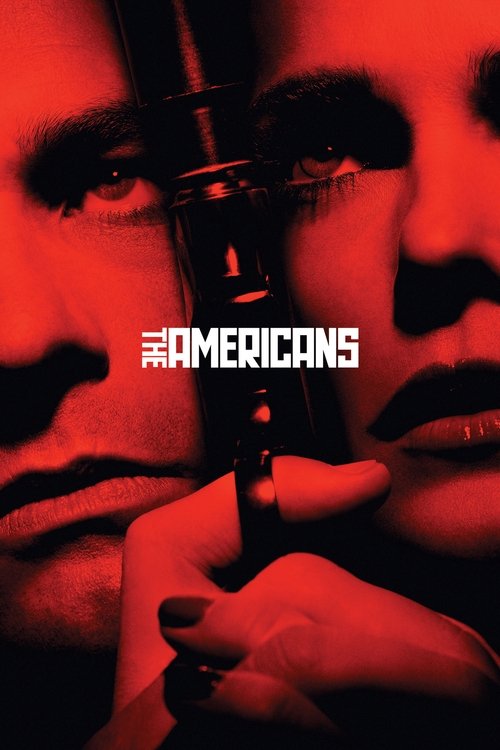
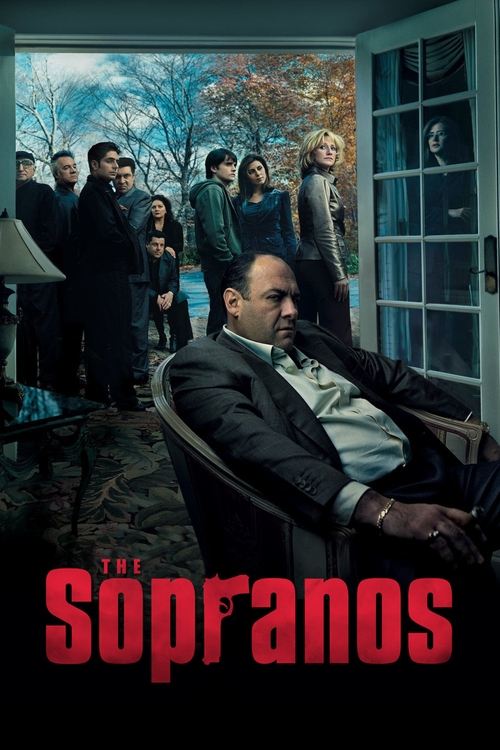

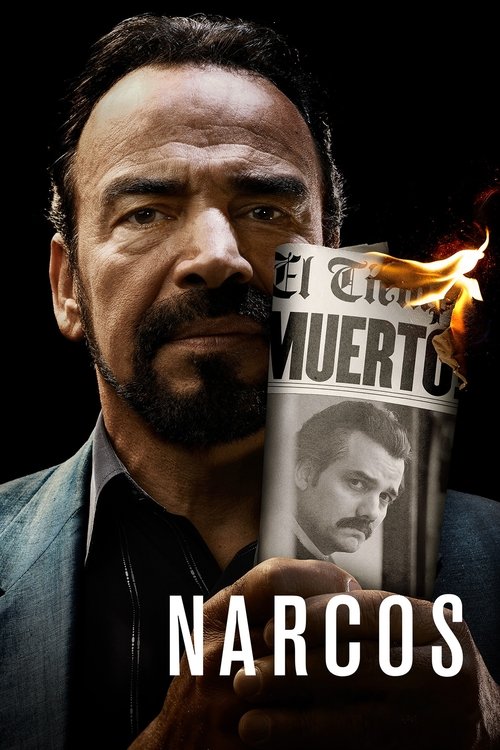
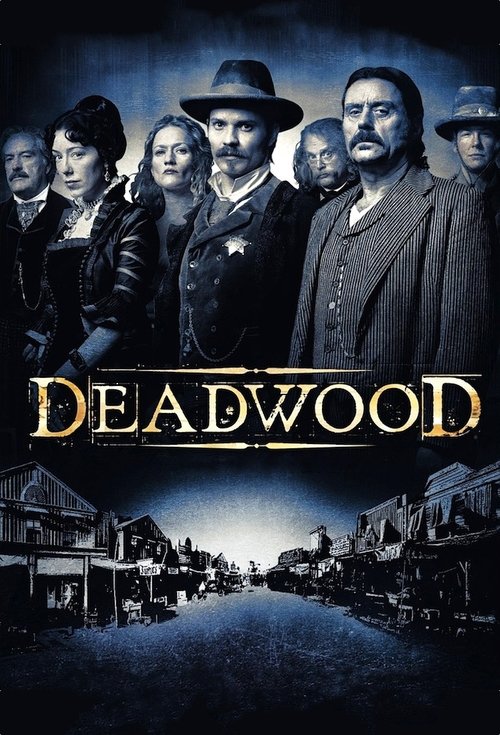


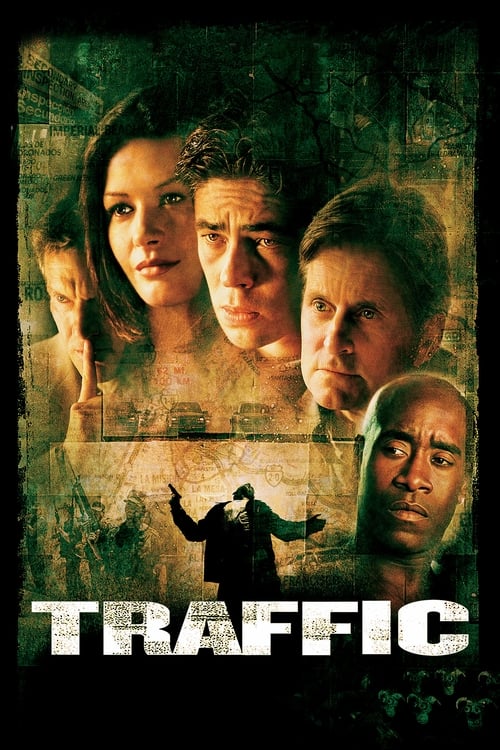
If You Love The Wire: Films That Feel Like a Lost Episode
Crime and institution films with the same street-level realism and moral ambiguity
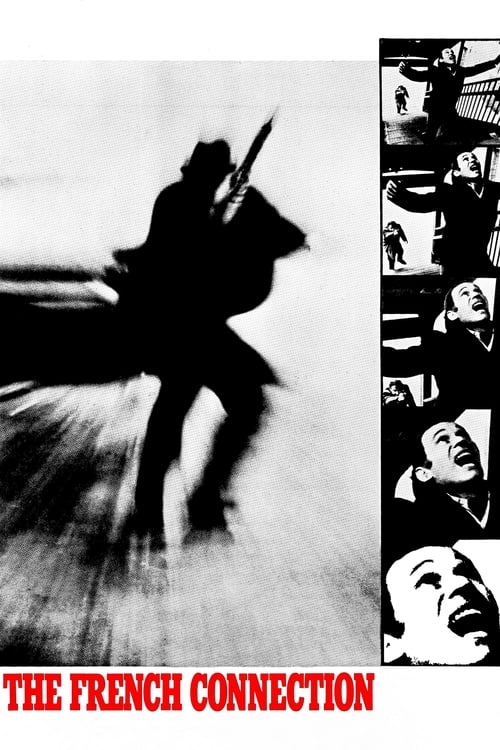


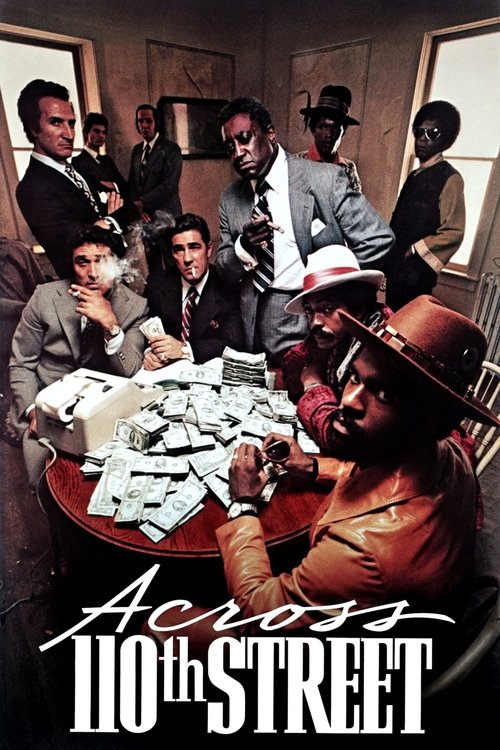
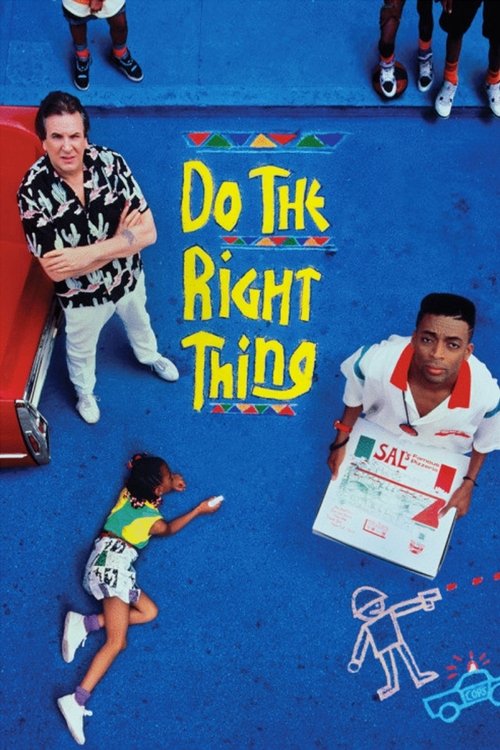
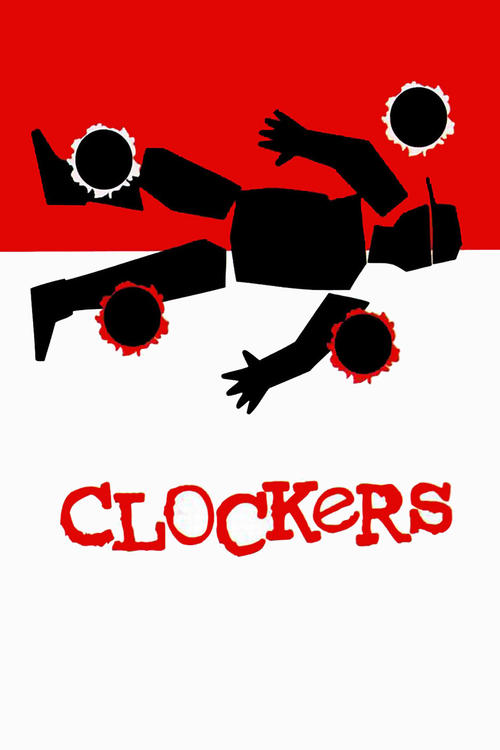
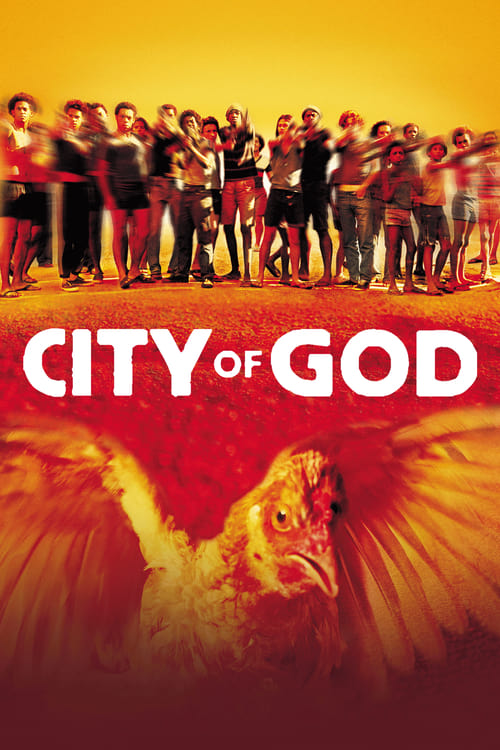
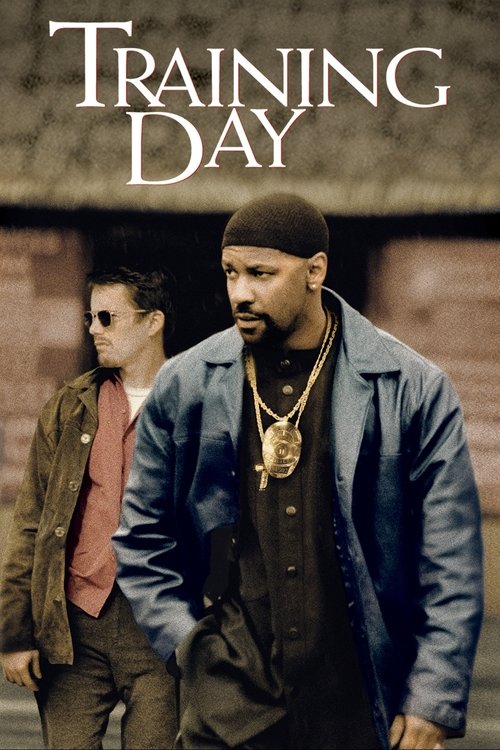
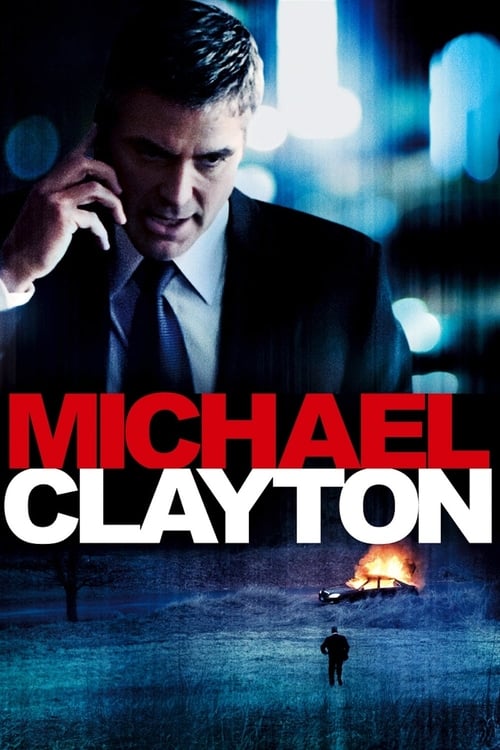
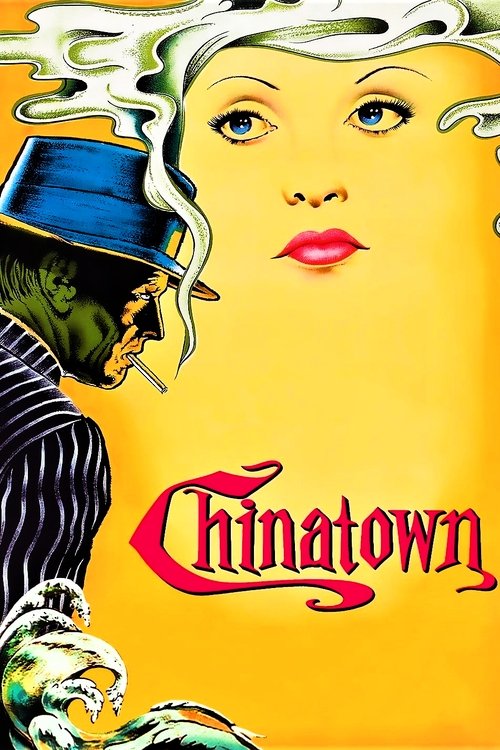
If You Love The Wire: Books That Built the Same World
Nonfiction and fiction from the sociologists, journalists, and novelists who walked these same streets



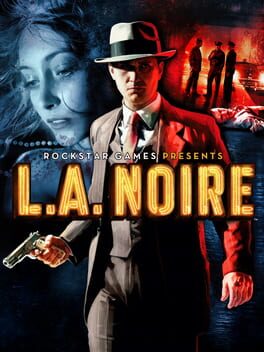
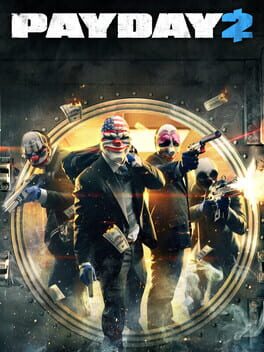
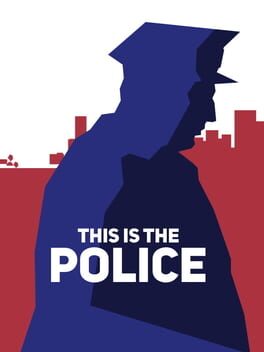
If You Love The Wire: Games About Systems, Crime, and City Life
Games that let you operate inside a broken machine or navigate the streets it produces

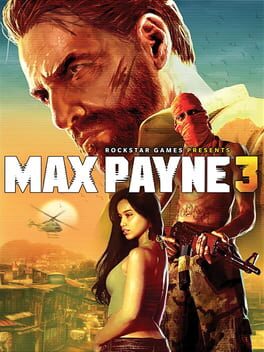
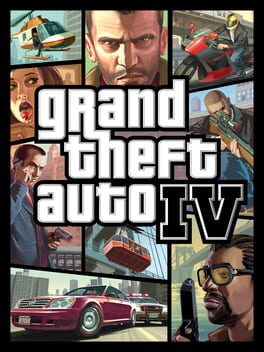
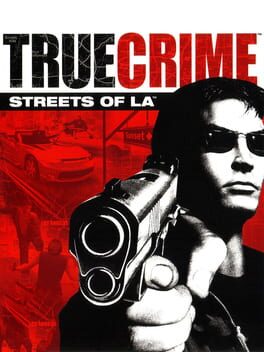


David Simon Is Writing the American Novel in Television Form
Every Simon project since The Corner has the same underlying argument: the institution is the protagonist, and individual characters are the evidence it presents. The Wire does not ask you to root for a detective or mourn a drug dealer. It asks you to see the machine that makes both of them necessary. That is a novelistic ambition that most television actively avoids, because it is hard to market a system. Simon got away with it for five seasons. Nothing quite like it has happened since.
Omar Little Is the One Character Who Lives Outside the Game, and That Is Why He Cannot Survive It
Omar operates by a code stricter than either the police or the drug trade. He robs dealers, never civilians, never on Sundays when his grandmother is watching. The show uses his freedom from institutional loyalty to show exactly what that loyalty costs everyone else. He is the only character who chooses his own rules. The show makes sure you understand that choosing your own rules in Baltimore in the early 2000s is a death sentence delivered slowly.
Season Four Is the Best Season of Television Ever Made, Full Stop
Moving the focus to the school system in season four was the show's biggest narrative risk and its clearest moral statement. These are children who have already been processed once by the drug trade, once by the police, and are now being processed by an education bureaucracy optimizing for test scores instead of people. Randy, Michael, Namond, and Dukie are the most complete portrait of structural abandonment in American popular culture. Watching it the first time feels like reading a coroner's report. Watching it again, knowing what happens, is worse.
The Wire: A Brief History of the Corner and the Squad Room
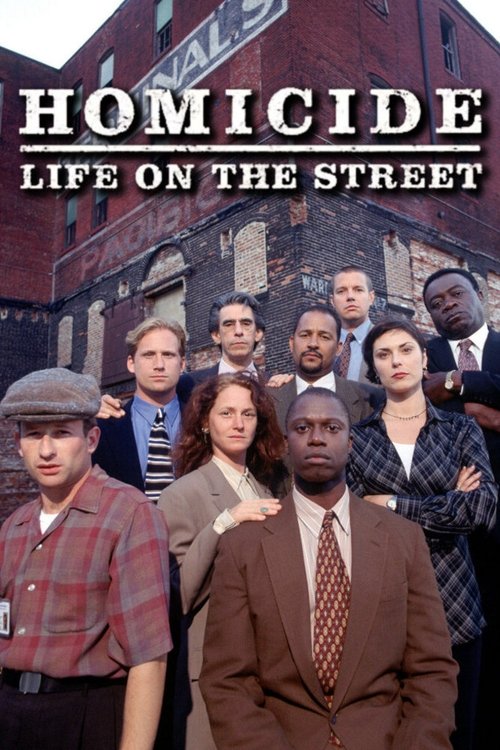
- 1987David Simon begins his year embedded with the Baltimore Homicide unit, later published as Homicide: A Year on the Killing Streets
- 1993Homicide: Life on the Street premieres on NBC, based on Simon's book, marking the start of the television lineage
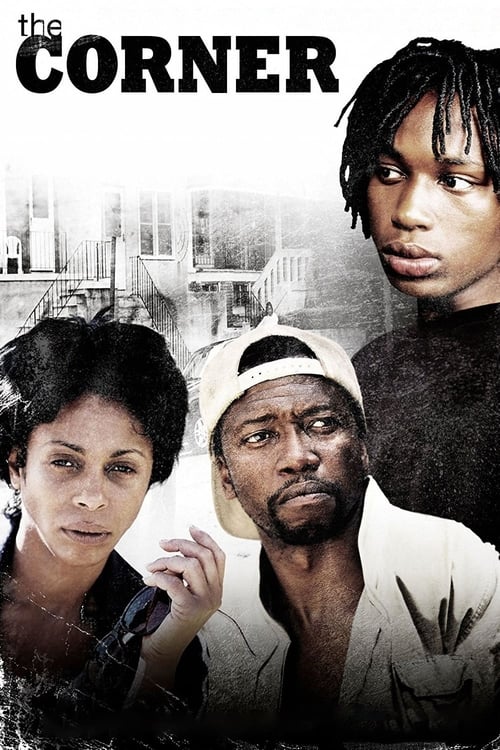
- 1997The Corner published: Simon and Ed Burns spend a year in a West Baltimore drug market
- 2000The Corner airs as an HBO miniseries, a direct precursor to The Wire in tone, cast, and location The Corner
- 2002The Wire premieres on HBO, season one focused on a Baltimore drug investigation The Wire
- 2003Season two shifts to the Baltimore docks, expanding the institutional canvas to organized labor
- 2004Season three introduces Hamsterdam, the show's most controversial and politically direct arc
- 2006Season four, widely considered the series peak, places the school system at its center
- 2008Season five concludes the series with the Baltimore Sun newsroom, completing the institutional portrait
- 2011Treme premieres: Simon returns to HBO with a New Orleans ensemble built on the same principles Treme
- 2015Show Me a Hero premieres: Simon adapts a Louisville public housing desegregation story for HBO Show Me a Hero
More of the whole broken system
For Fans of The Shield
Explore the For Fans of The Shield guide →A man's got to have a code.Omar Little, The Wire