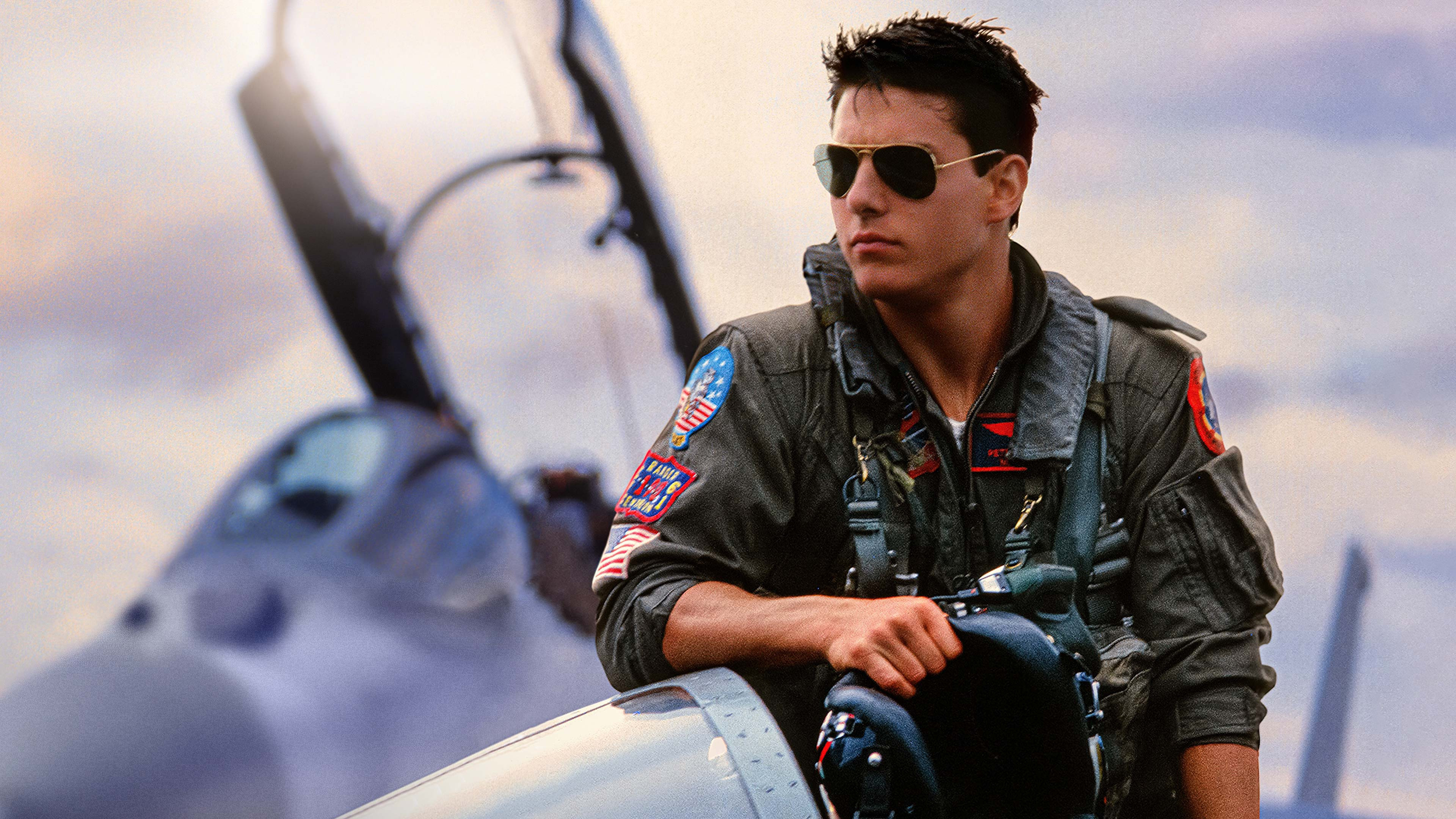

The Sensation Director
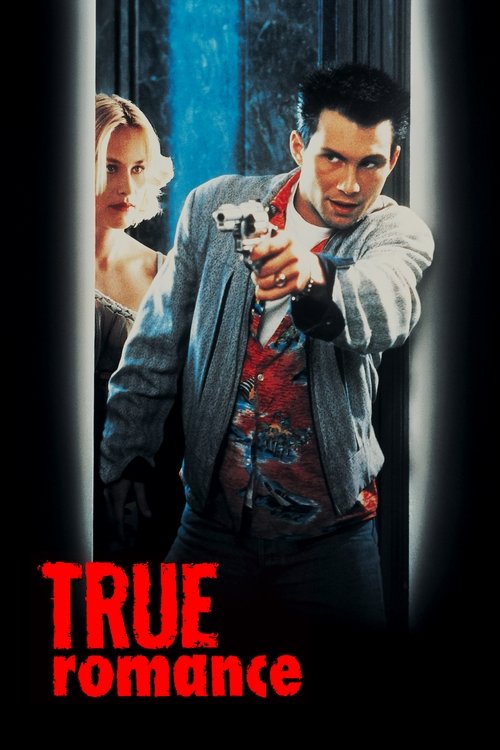
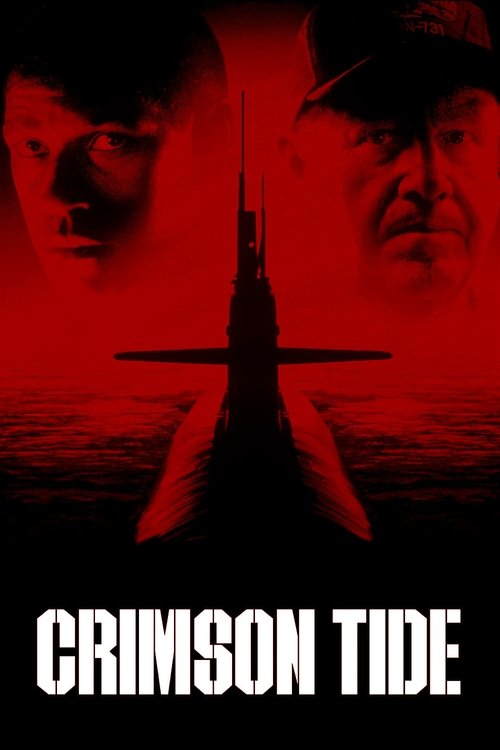
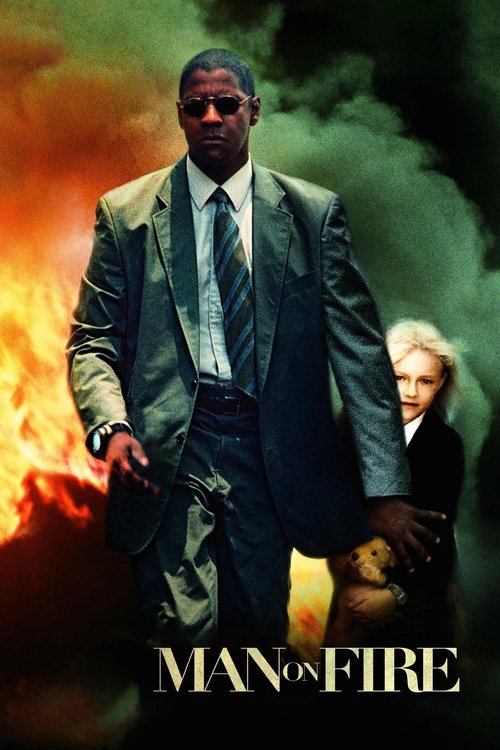
Tony Scott did not make films you watched so much as films you felt in your chest. Where his brother Ridley built worlds with architectural patience, Tony built pressure. His camera rarely sat still: it pushed, it circled, it smash-cut to a close-up that was almost too close. The frame twitched with adrenaline before any gun was drawn or engine was gunned. Color was a weapon. The bleached-out desert heat of Man on Fire, the murky green-gray of a Cold War submarine in Crimson Tide, the lurid neon warmth of True Romance -- each film announced its emotional temperature before the plot had finished its first sentence.
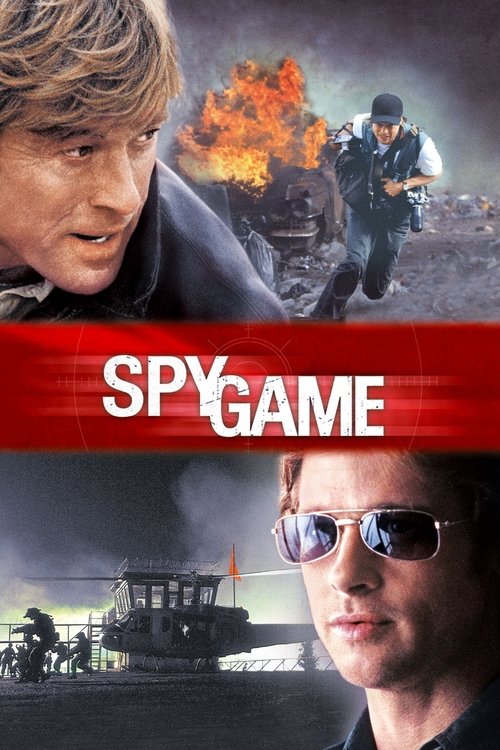
Scott was, by instinct and by training (the Ridley Scott Associates commercials factory), a pure visual communicator. He understood that mainstream cinema has a pulse, and he believed his job was to push that pulse as fast as it could go without stopping the audience from caring. He made that deal work more often than not, partly because he kept casting actors who could hold a still moment inside the velocity: Denzel Washington, who made five films with him; Tom Hanks in The Terminal; Brad Pitt against Robert Redford in Spy Game. The stars were the anchor. Everything else was wind and fire.
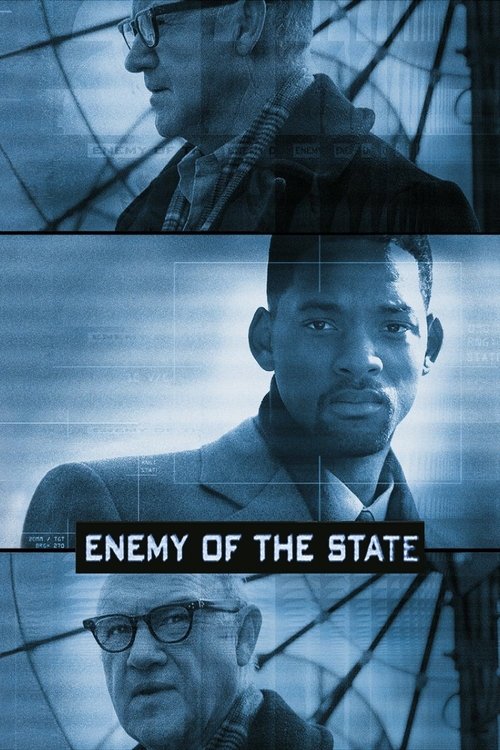
At his best -- True Romance, Crimson Tide, Enemy of the State, Man on Fire -- he made commercial filmmaking feel genuinely dangerous. At his most excessive (the digi-solarized, lens-flaring, insert-shot-saturated version of himself that emerged in the 2000s) he was still more interesting than most directors operating in a lower gear. This guide is for anyone who felt the thing Tony Scott was selling and wants more of it, in every medium that can deliver it.
Essential Tony Scott
The canon, roughly in order of ambition


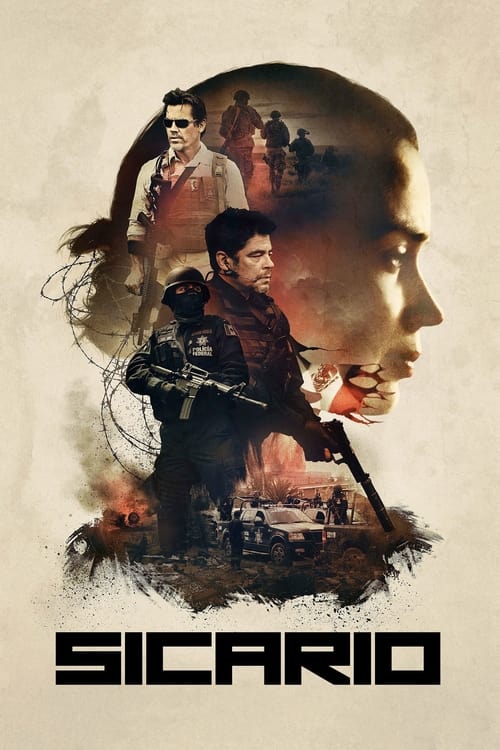
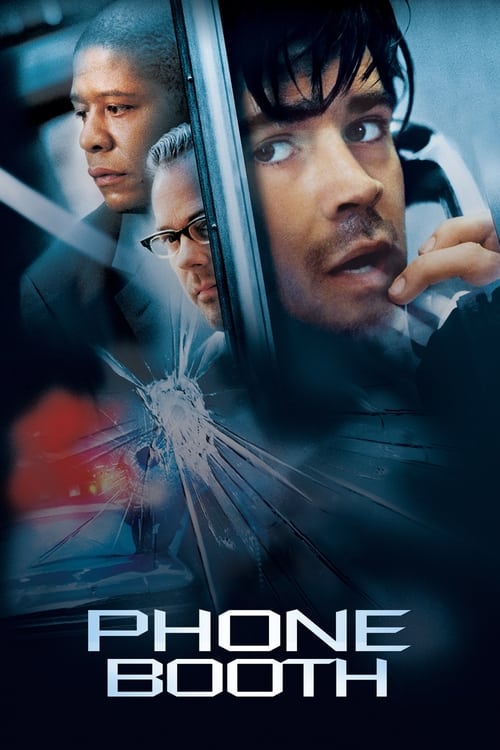
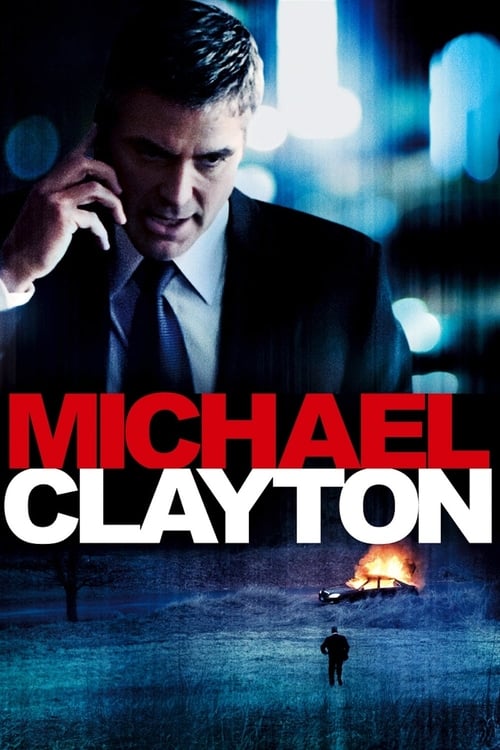
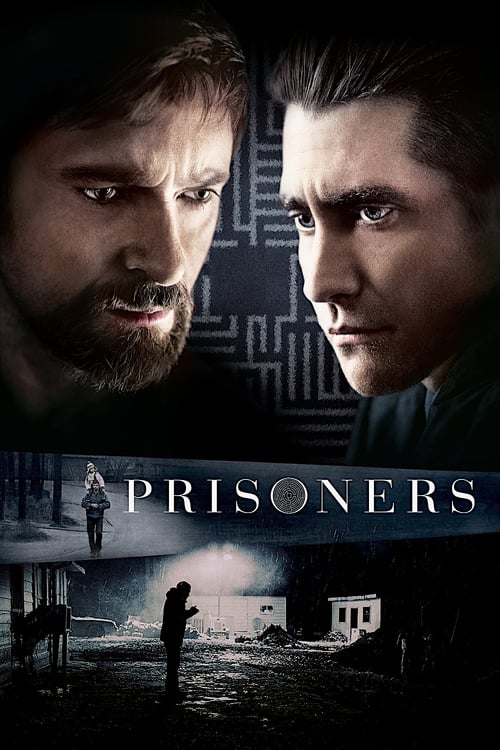
High-Stakes Men in Enclosed Spaces
Pressure-cooker films where one room becomes the whole world

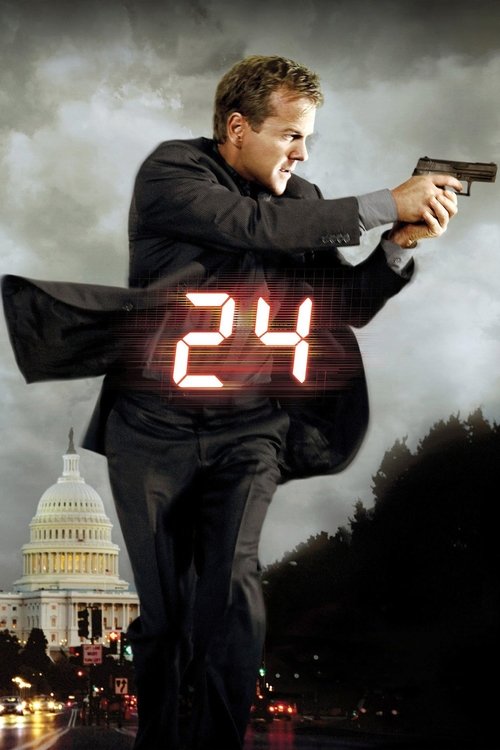
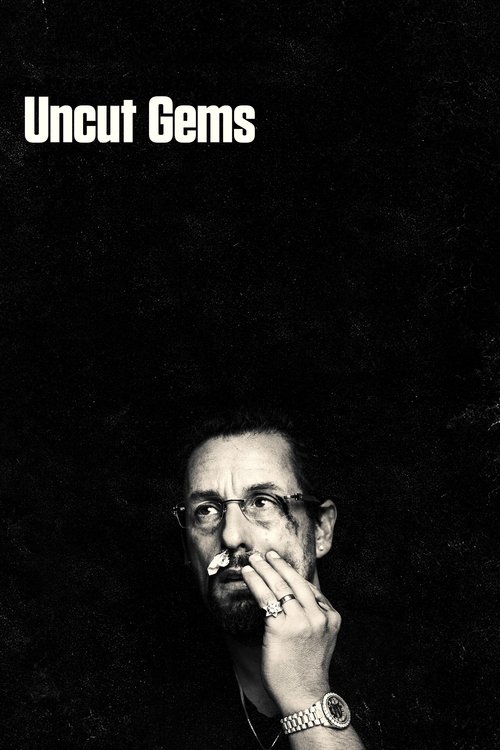
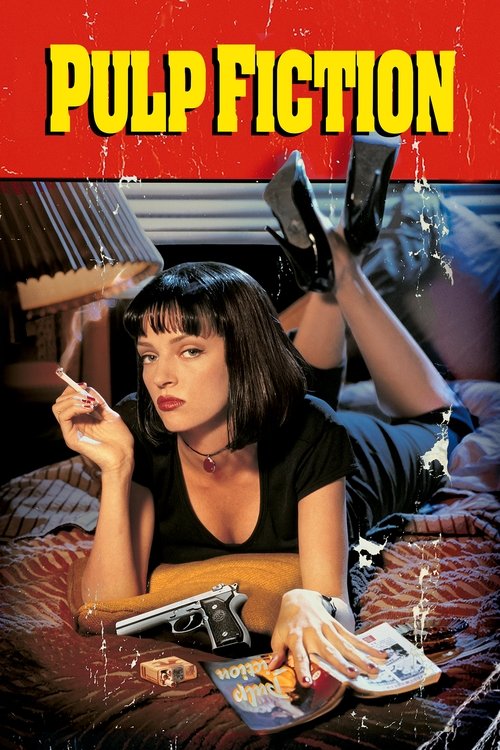
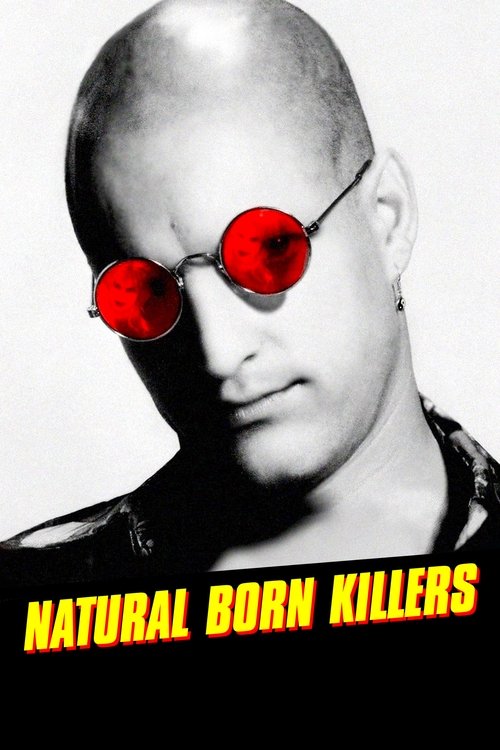
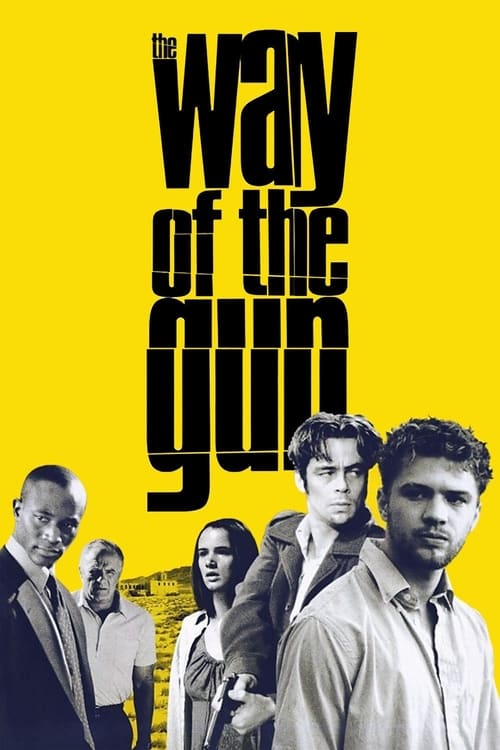
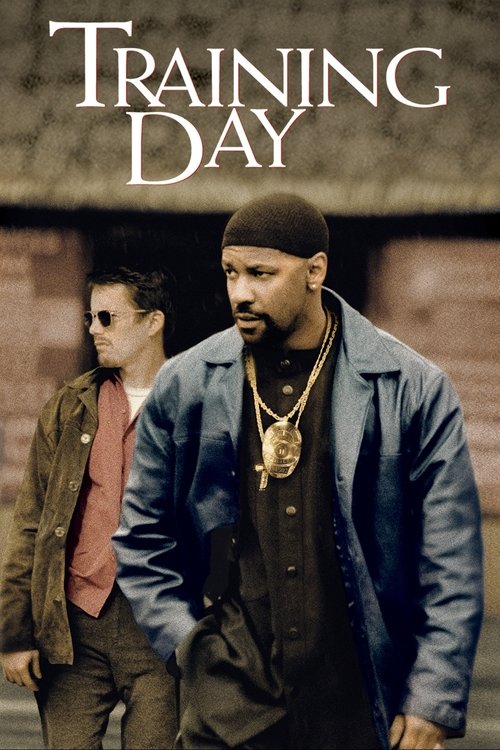
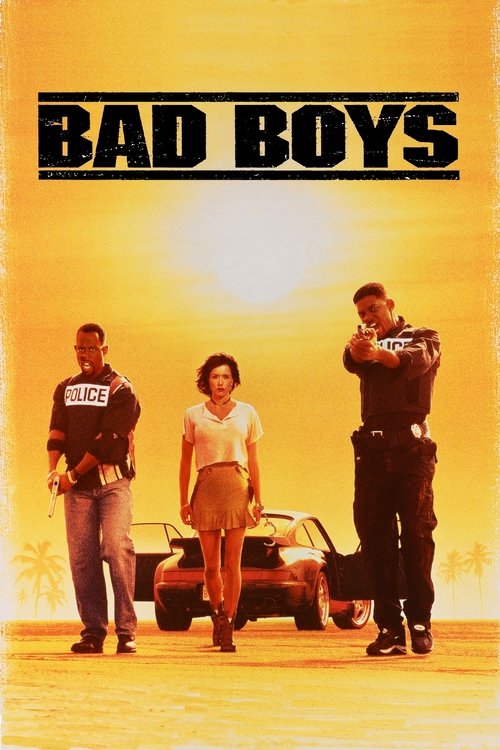
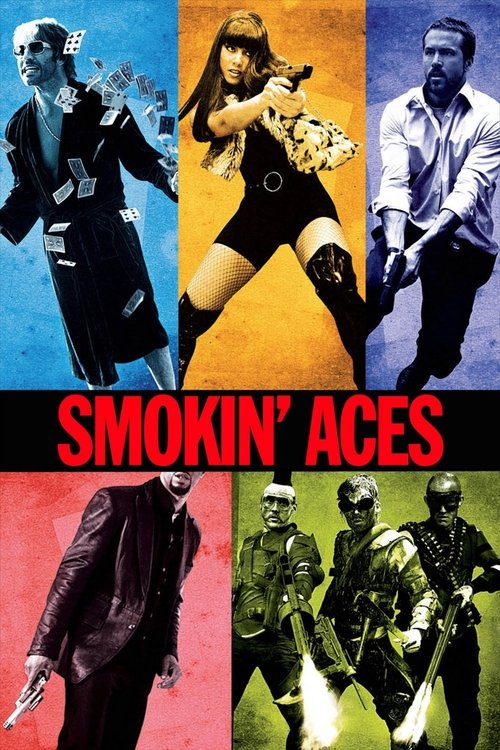
Stylized Violence and Pulp With a Conscience
Writers and directors who understand that mayhem can have poetry
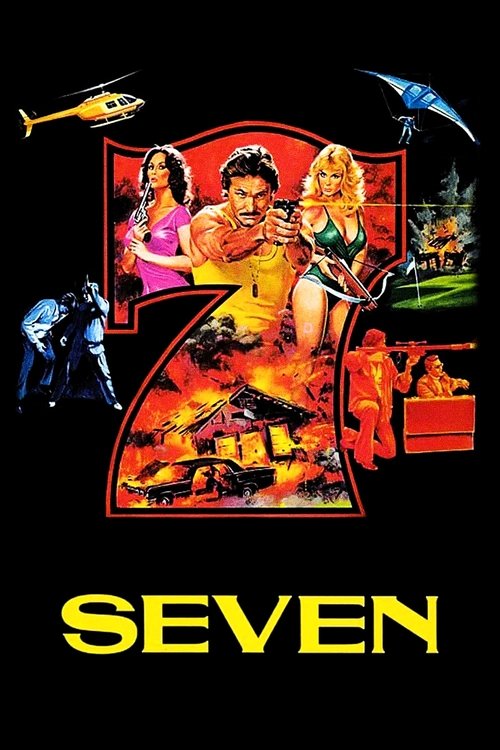
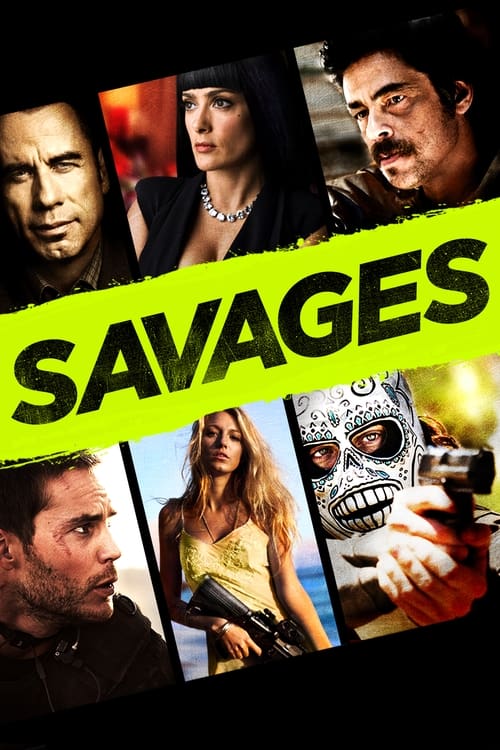
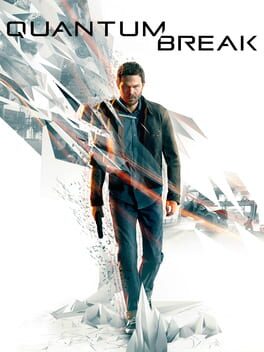
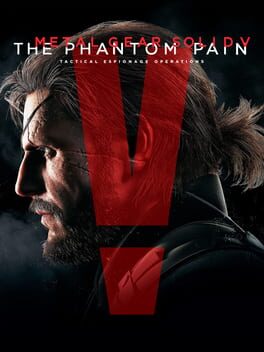
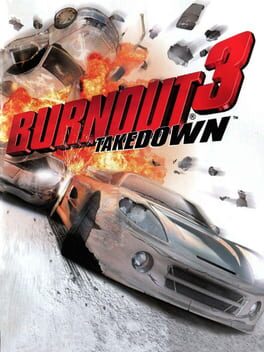
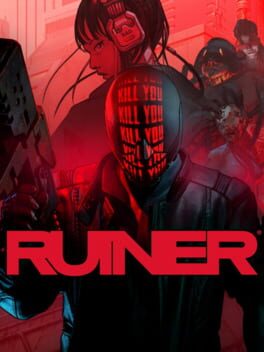
Games That Run on Adrenaline
For when you want to be inside the chase, not watching it
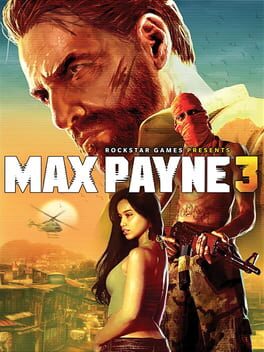
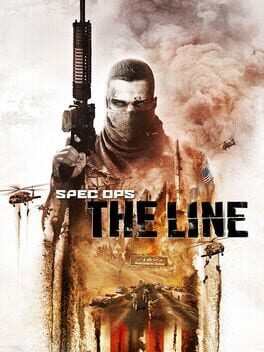
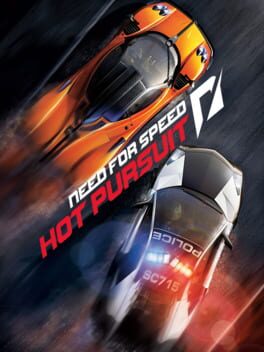
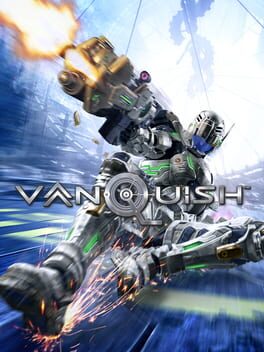
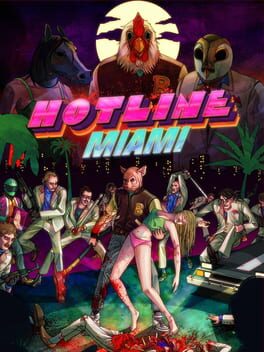
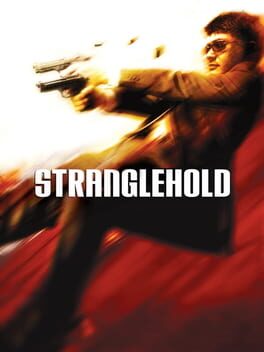
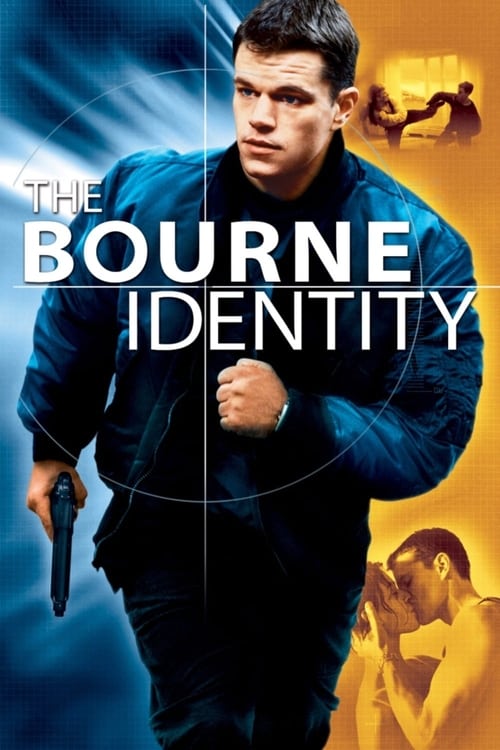
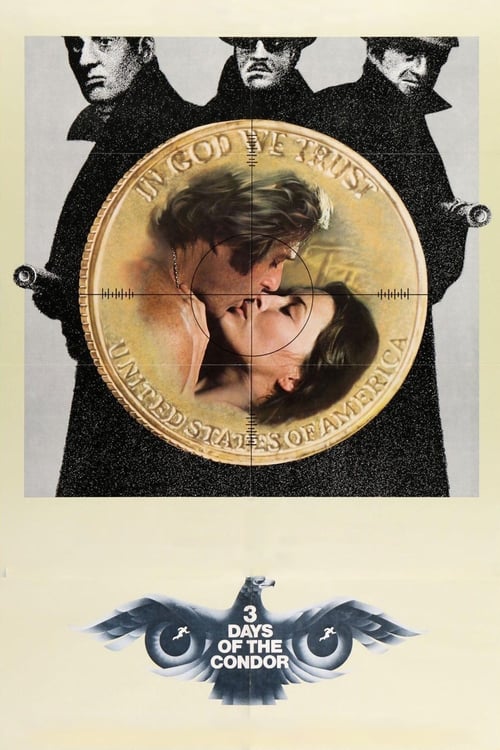
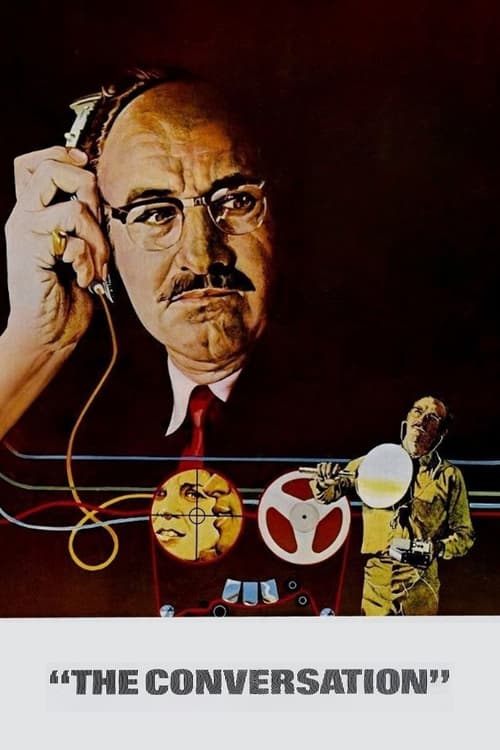
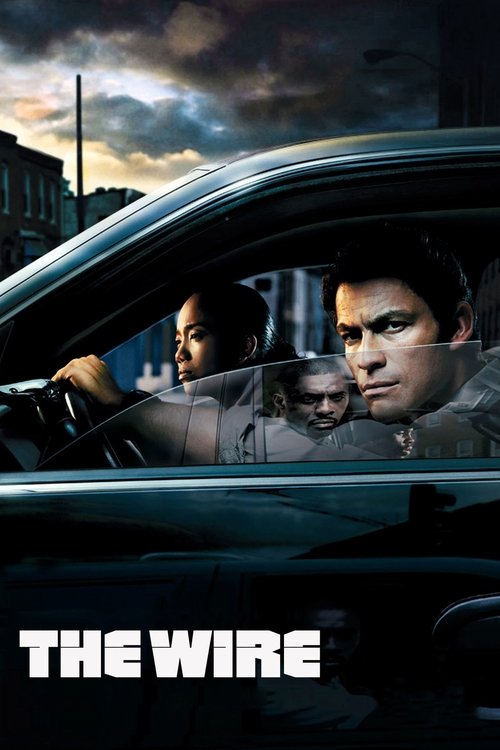
Surveillance, Paranoia, and the State
Fiction that inhabits the slow dread of being watched and hunted


The perfect entry point is True Romance, not Top Gun
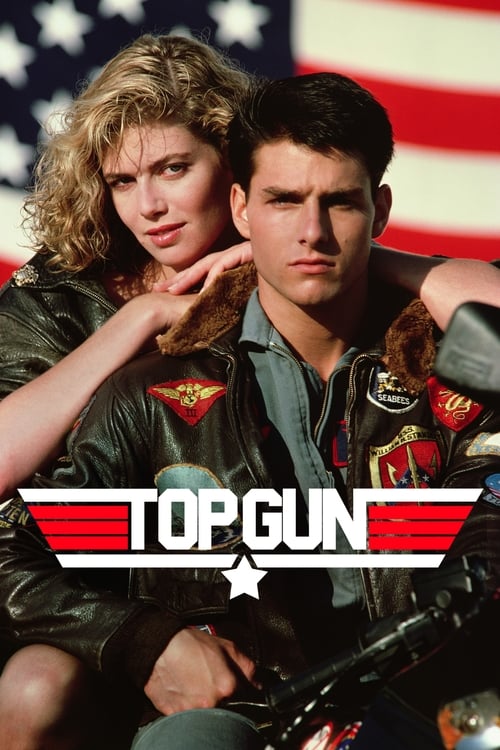
Top Gun made Tony Scott famous. True Romance showed what he could actually do when given a Tarantino script and left to his own devices. The romance between Clarence and Alabama is genuinely tender, the ensemble carnage surrounding it is ferocious, and the whole film has the rhythm of someone who spent a decade making commercials finally let off the leash on a feature. Watch this first. Then go back to Top Gun and you will hear Scott's visual voice clearly where before you might have heard only era.
Crimson Tide is the one critics still underrate
It won zero major awards, made a lot of money, and got filed under summer blockbuster. That filing is wrong. Crimson Tide is a film about the terrifying proximity of catastrophic power and the civilians (in uniform) who stand between it and the world. The Washington-Hackman confrontation is among the best two-hander acting you will find in a film this loud. It deserves a place in the conversation about Cold War cinema alongside Dr. Strangelove and Fail Safe.
Man on Fire is Denzel Washington at his most elemental
Scott's style hit maximum saturation here, literally: the film was processed and graded within an inch of its life, frame edges burned white, shutter angles wrong in ways that felt right. Some critics found the stylization oppressive. They are wrong. The grief underneath the revenge framework is real, and Washington carries it without ever letting the film forget that Creasy is a broken man doing a broken thing. The middle section, before the rampage starts, is as quiet and careful as anything Scott ever made.
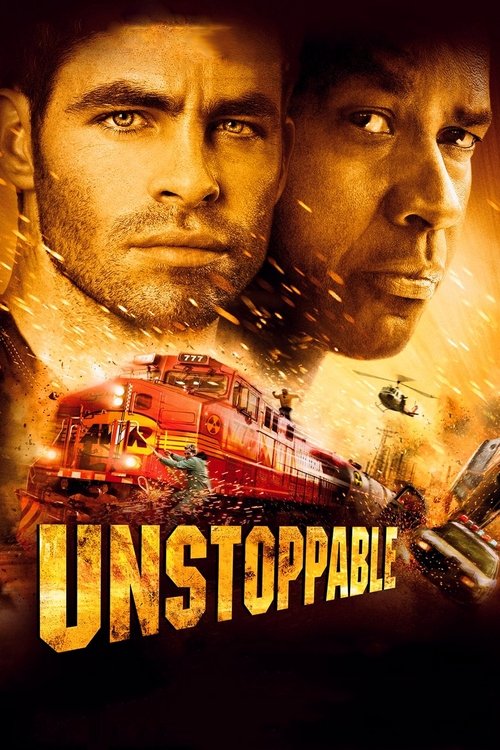
Unstoppable is the purest version of his late cinema
A runaway train. That is the entire premise. Scott committed to it completely and made it work. Unstoppable has no psychological complexity, no moral gray zone, no twists. It has a 73-car freight train full of toxic material accelerating toward a populated city, and two men trying to stop it. The discipline required to trust that premise, strip away every extra layer, and just build the tension to its conclusion is the thing his earliest critics said he could never do. This was his last film. It aged better than most of the decade around it.
Tony Scott: A Career in Velocity
- 1983Feature debut The Hunger
- 1986Mainstream breakthrough Top Gun
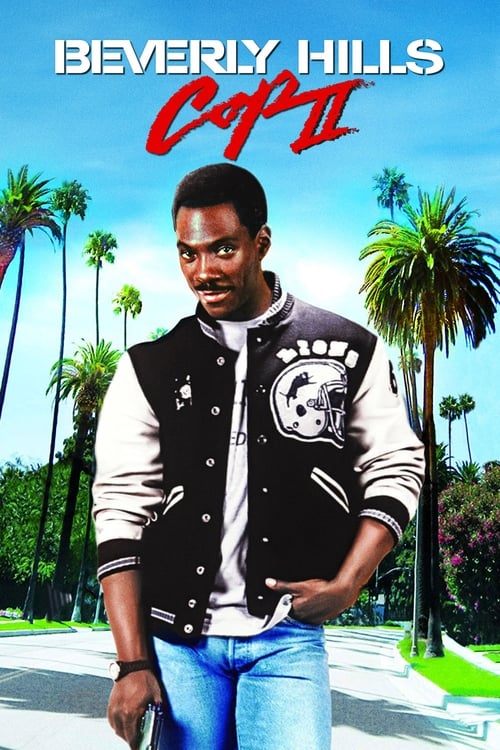
- 1987Franchise entry Beverly Hills Cop II
- 1991Action pulp, underrated The Last Boy Scout
- 1993Critical turning point True Romance
- 1995Denzel partnership begins Crimson Tide
- 1998Pre-9/11 surveillance anxiety Enemy of the State
- 2001Cold War elegist Spy Game
- 2004Peak stylization Man on Fire
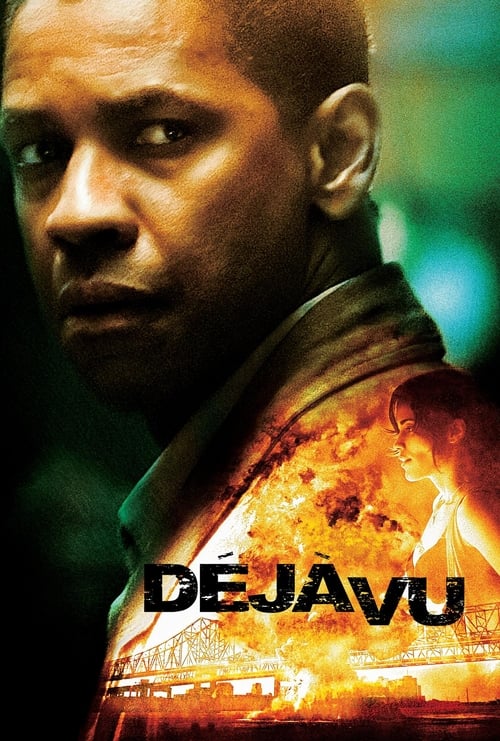
- 2006Time-loop thriller Déjà Vu
- 2010Final Denzel film Unstoppable
More kinetic thriller cinema
For Fans of Tom Clancy
Explore the For Fans of Tom Clancy guide →He understood that the camera was not a window. It was a participant. When Tony Scott pointed a lens at something, that thing got nervous.A colleague's description of his on-set energy