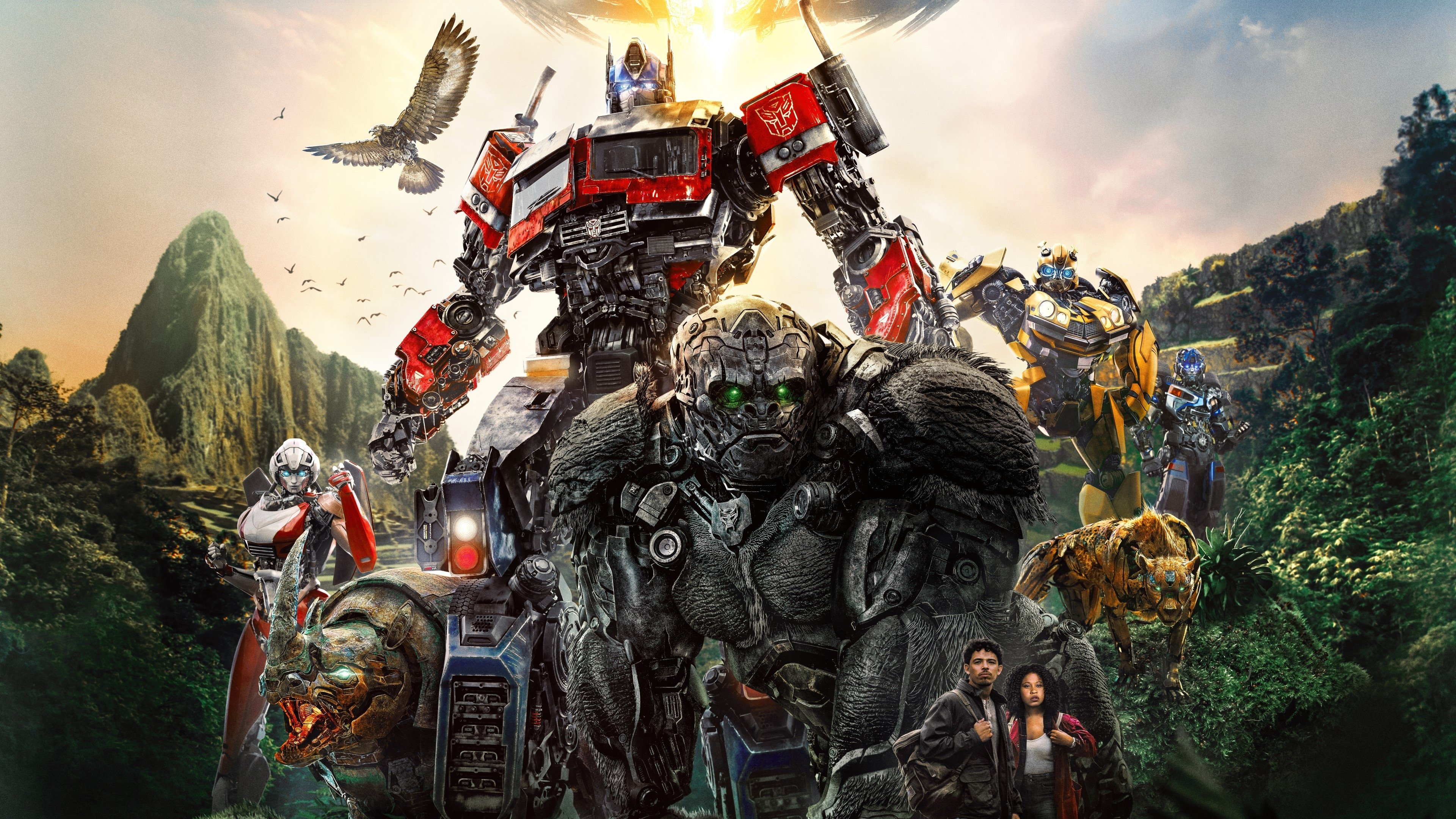

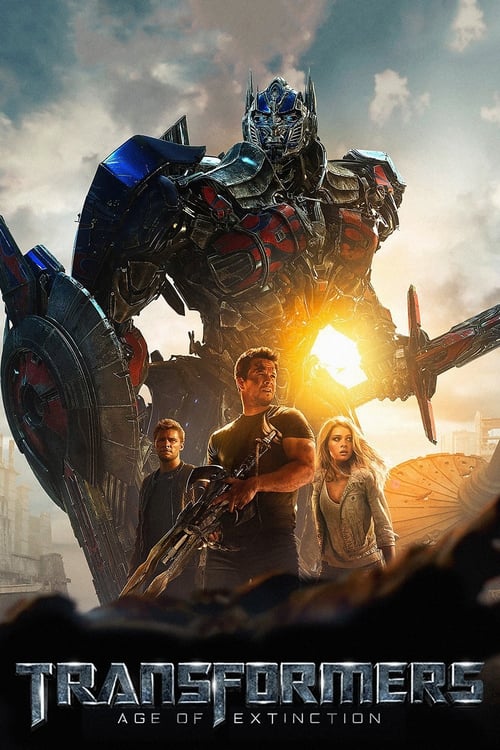
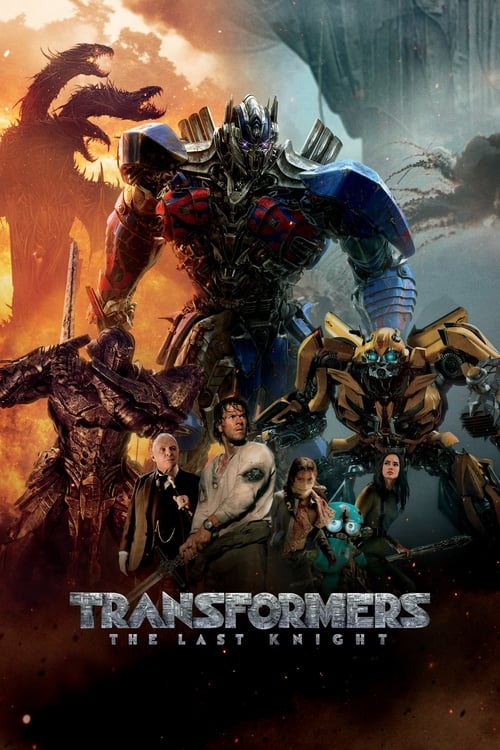
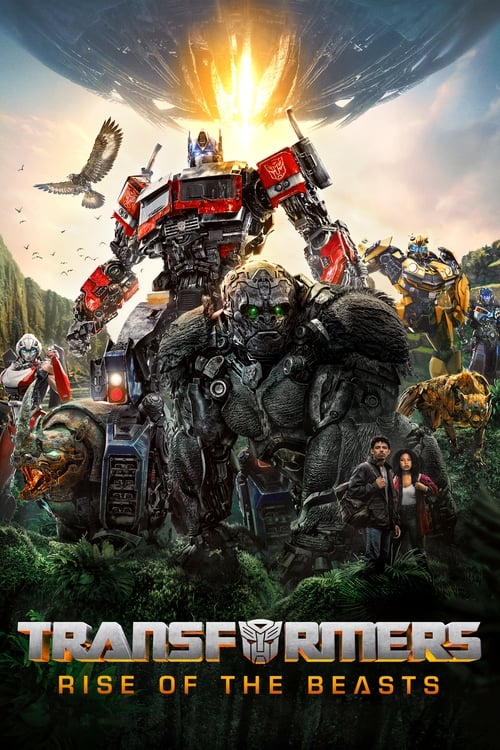
Transformers began as a Hasbro toy line in 1984, became a Marvel Comics series the same year, then an animated series that turned a generation of kids into lifelong fans of the Autobot-Decepticon war. Michael Bay's live-action blockbusters from 2007 onward brought the property to global box-office dominance with a new visual language for robotic spectacle, and subsequent films (including the acclaimed Bumblebee origin story and the Rise of the Beasts sequel) have kept expanding the mythology. The through-line fans love: the collision of the ordinary and the cosmic, human characters caught between warring machine civilizations, and the pure kinetic joy of a vehicle that unfolds into something enormous and alive.
Essential Transformers
The core films and the animated landmark
Robots, Mechs, and Machine Wars on Screen
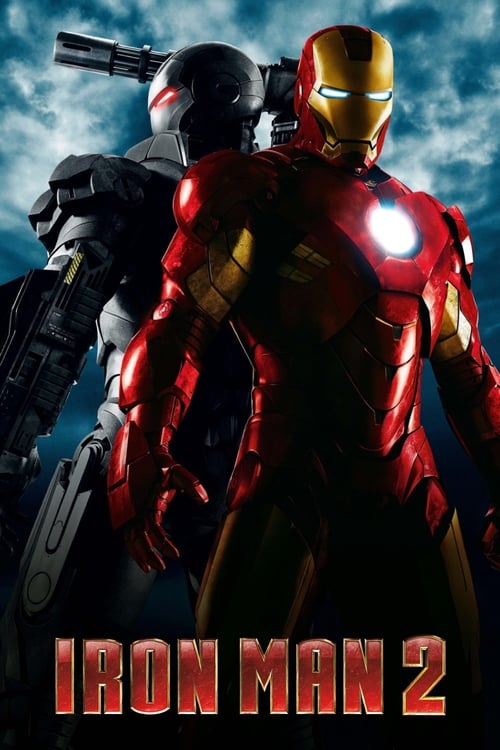
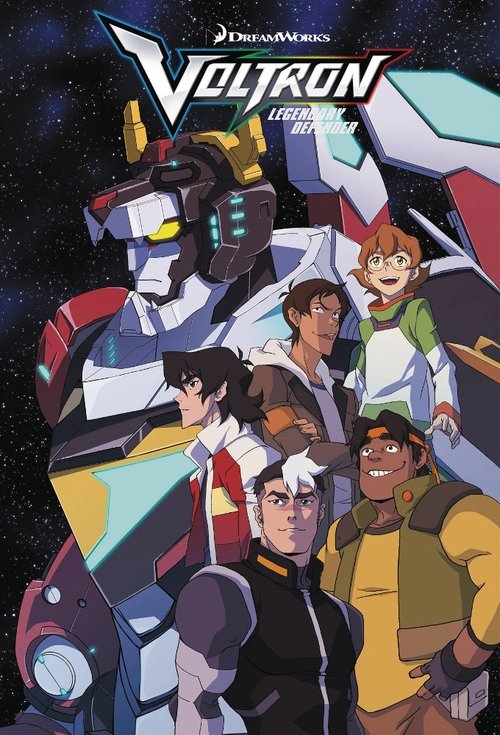
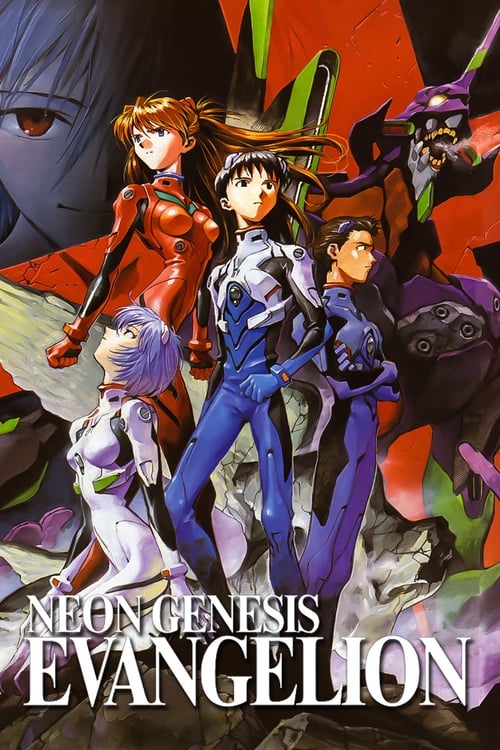
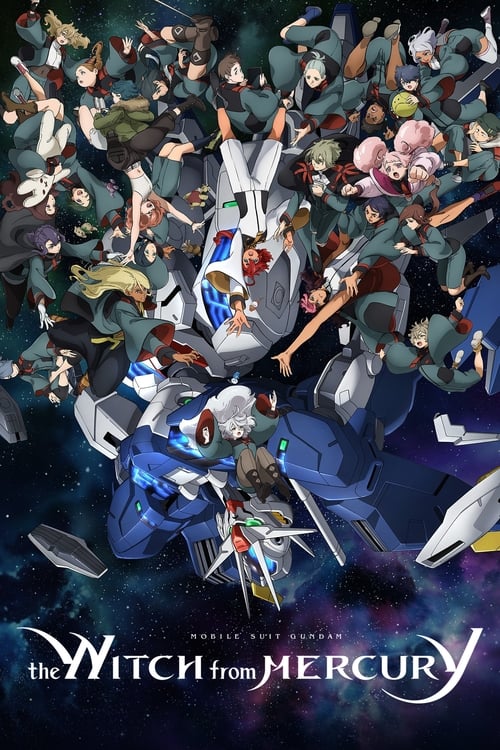
Films and series built on the same love of piloted or autonomous giant machinery

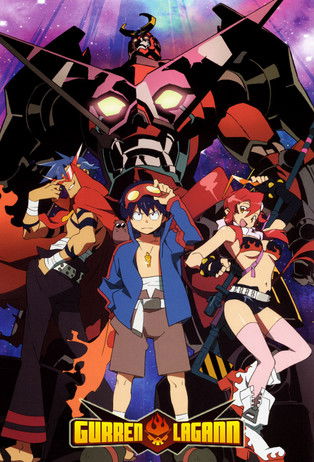
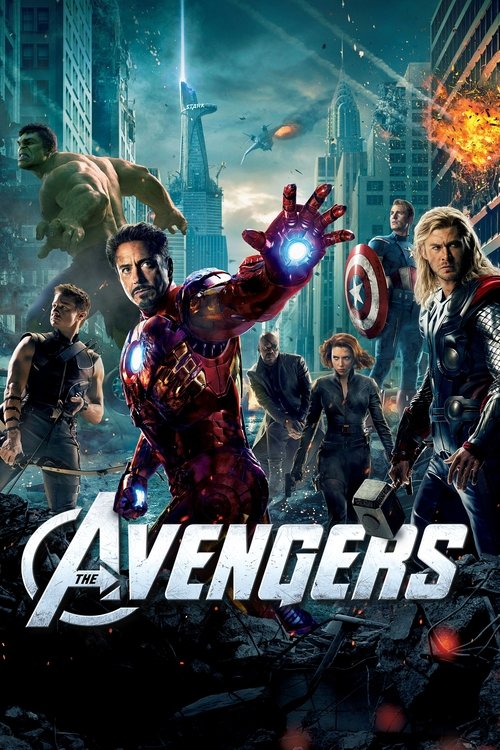
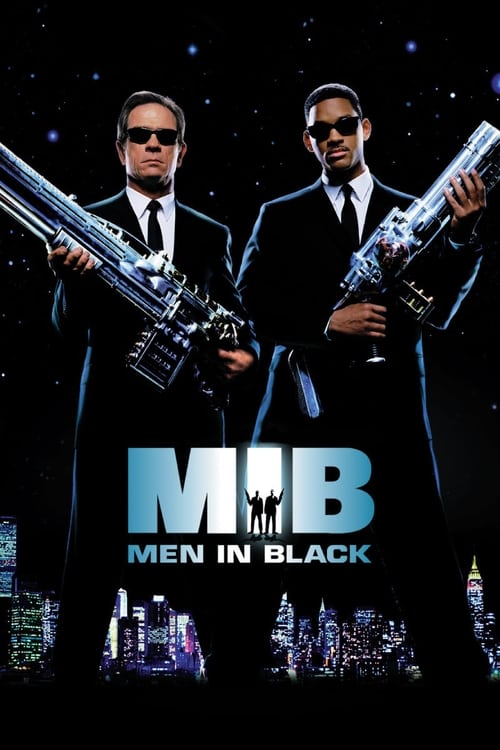
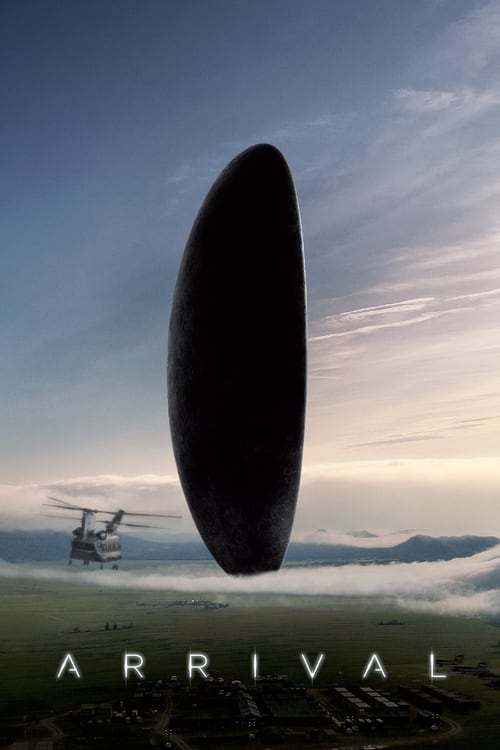
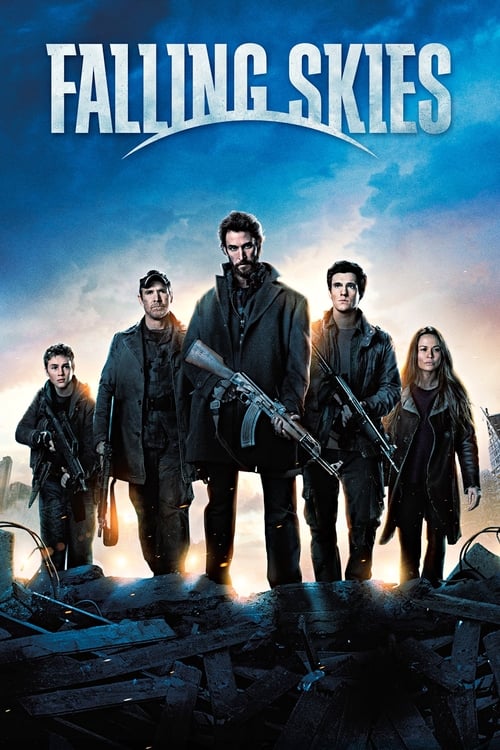
Alien Invasions and Hidden Wars
Stories where humanity discovers a conflict bigger than itself
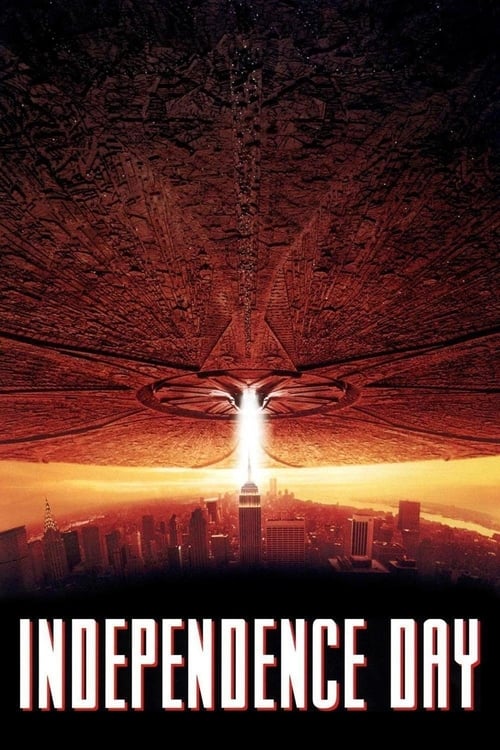

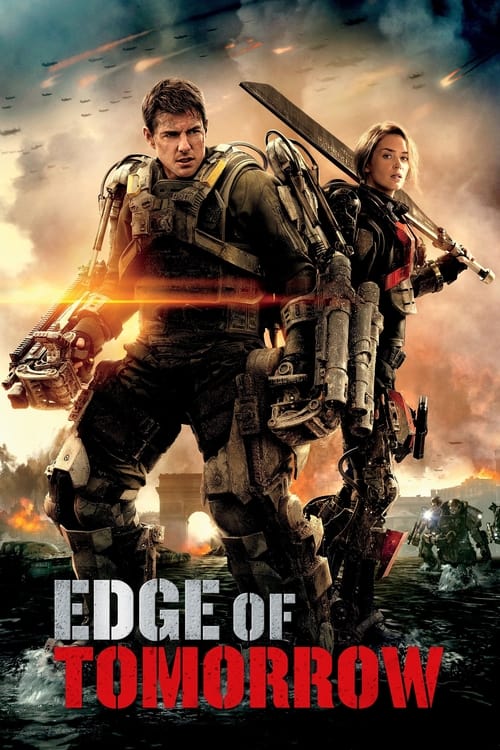
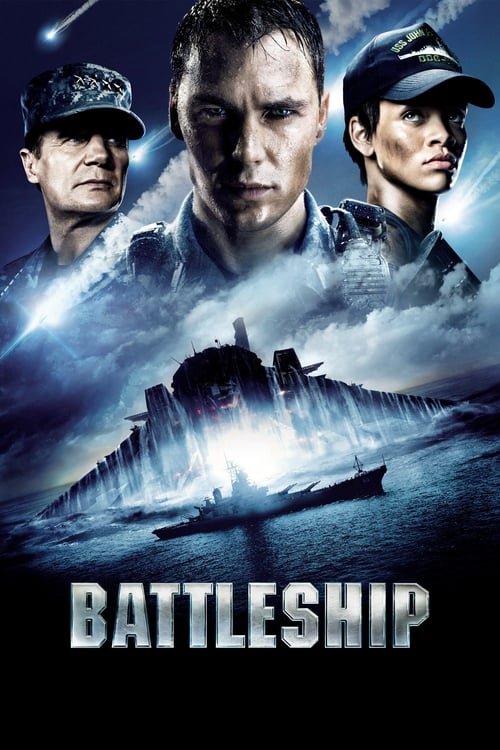
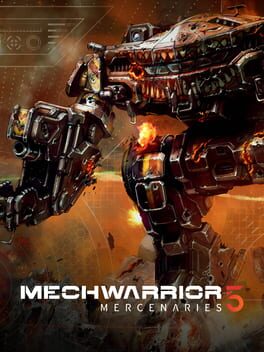
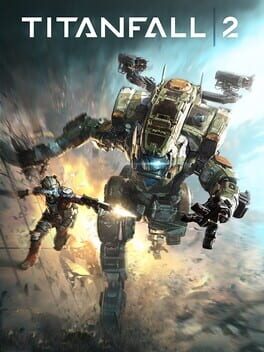
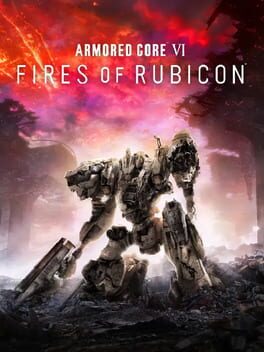
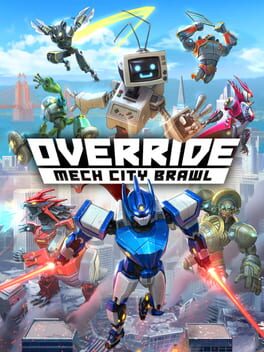
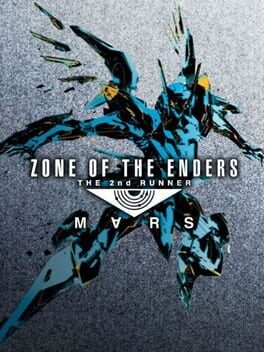
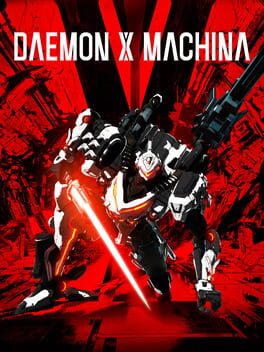
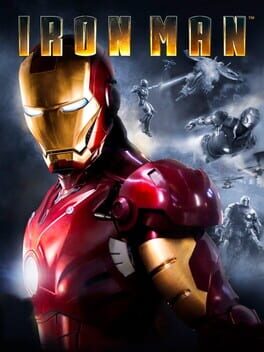
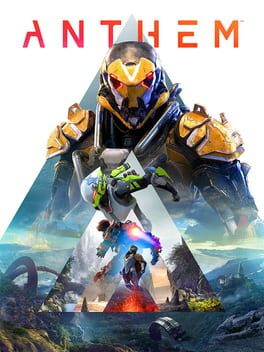
Mech Combat and Action Games
Games that deliver the same power fantasy of piloting or becoming something massive
The Books Behind the Robots
Novels that share the franchise's love of machine civilizations, AI consciousness, and mechanical war


Bumblebee Proved the Franchise Could Be Small
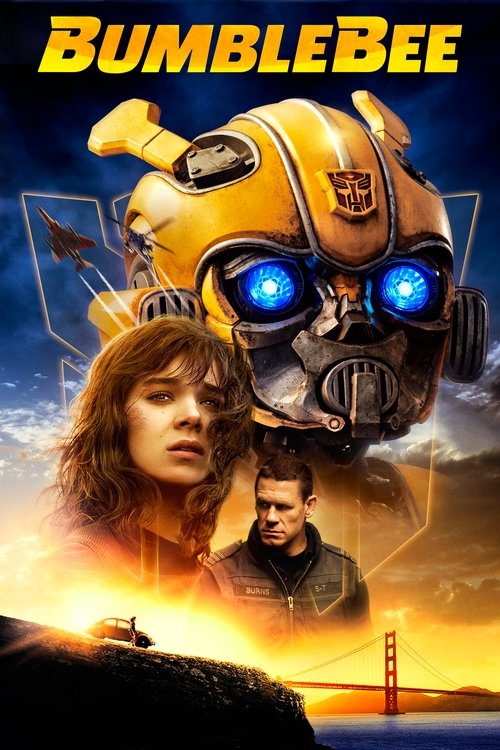
After five films that kept scaling up until the spectacle became numbing, the 2018 Bumblebee prequel stripped everything back. A single robot. A single teenager. A single summer. Director Travis Knight brought a Spielbergian warmth that the Bay films never attempted, and the result was the highest-rated entry in the live-action series. The lesson was not that bigger is bad, but that scale only lands when the emotional center is solid.
The 1986 Film Is Still the Peak
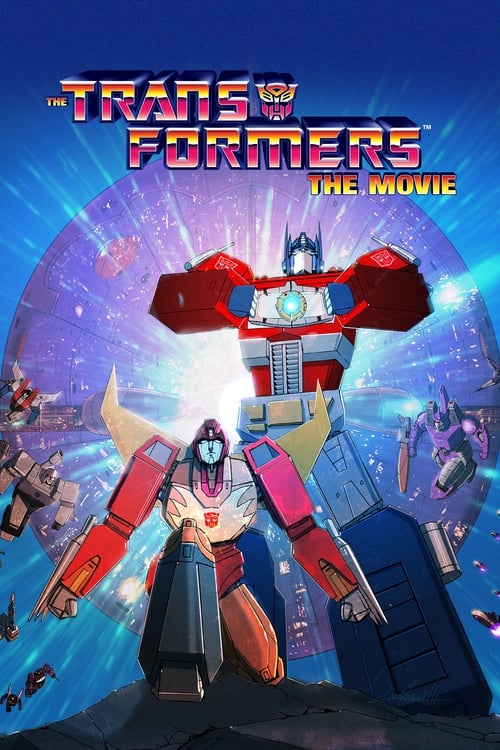
Produced to kill off the original toy line and introduce new products, The Transformers: The Movie (1986) accidentally became a cult artifact. Optimus Prime dies in the first act. The soundtrack is pure 1980s metal. Unicron, a planet-sized villain voiced by Orson Welles in his final role, consumes worlds. No live-action sequel has matched its willingness to commit fully to its own mythology without apologizing.
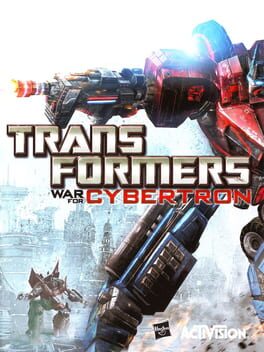
War for Cybertron Set the Gold Standard for Franchise Games
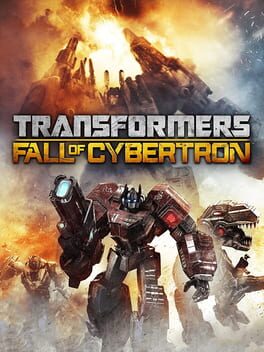
Most licensed games adapt the film's plot and coast on brand recognition. Transformers: War for Cybertron (2010) did the opposite: it told a completely original story set before the Ark ever left Cybertron, gave fans a third-person shooter with tight mechanics, and let them play as both factions. The sequel Fall of Cybertron went further, with a bigger campaign and stronger level design. Together they remain the best argument that this universe works without humans in the frame.
The Transformers Timeline
- 1984Hasbro launches the toy line in the US; Marvel Comics begins the tie-in series the same year Transformers
- 1984The animated series premieres, cementing the Autobot-Decepticon mythology for a generation The Transformers
- 1986The animated feature film kills off Optimus Prime and introduces Unicron; Orson Welles's last role The Transformers: The Movie
- 1996Beast Wars updates the premise with CGI and morally complex writing that influenced the whole franchise Beast Wars: Transformers
- 2007Michael Bay's live-action debut grosses over $700 million worldwide and redefines blockbuster robot action Transformers
- 2010War for Cybertron sets a new bar for franchise games with an original Cybertron-set story Transformers: War for Cybertron
- 2012Exodus, Exiles, and Retribution form the official prequel novel trilogy bridging G1 and the films Transformers
- 2018Bumblebee reimagines the franchise as a smaller, warmer story and earns the series' best reviews Bumblebee
- 2023Rise of the Beasts introduces the Maximals and Beast Wars continuity to the live-action universe Transformers: Rise of the Beasts
More giant robots and machine wars
For Fans of Mecha
Explore the For Fans of Mecha guide →Freedom is the right of all sentient beings.Optimus Prime