
Octavia E. Butler spent three decades writing science fiction that cut to the bone. Her characters are not chosen heroes with destiny on their side. They are people facing coercion, transformation, and survival under systems built to crush them, and they adapt, sometimes at tremendous cost. The Patternist series, the Xenogenesis trilogy, the Parable duology, and the standalone novel Kindred each explore what it means to hold agency when power is radically unequal. Butler was the first science fiction writer to receive a MacArthur Fellowship, and her influence on contemporary genre fiction is now almost incalculable. If you love her work, the thread to follow is this: stories where biology, power, and community collide, and where survival demands you become something new.
Essential Octavia Butler
The novels that define her range, from plantation-time-travel to alien gene traders


Kindred changed what time travel could mean
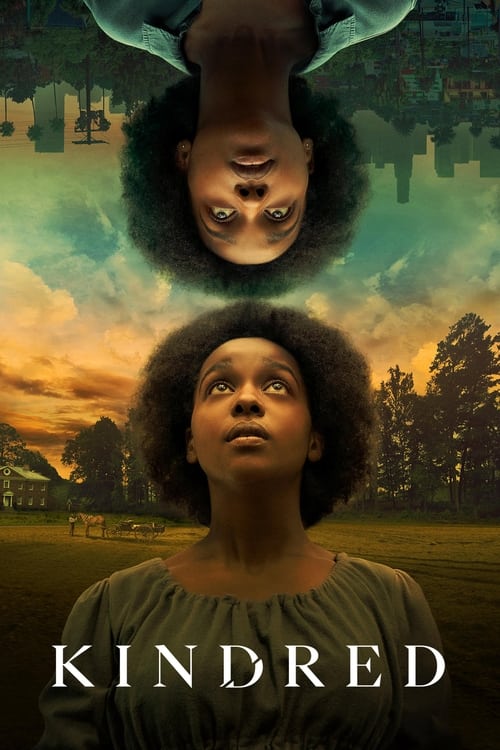
Before Butler, most time-travel fiction treated the past as a puzzle or an adventure. Kindred treated it as a wound. Dana's forced returns to an antebellum plantation are not escapist fantasy: they are a reckoning with the violence that built the present. Butler made the genre do moral work it had rarely been asked to do, and the 2022 FX adaptation carried that weight onto screen.
If You Love Butler: Similar Authors
Writers who share her interest in power, transformation, and bodies that carry history


N.K. Jemisin is the closest living heir
Jemisin's Broken Earth trilogy shares Butler's core preoccupations: oppression encoded into law and biology, survival through community and sacrifice, and a narrative voice that implicates the reader directly. The Fifth Season even uses second-person narration as a structural choice Butler would have recognized. Both writers use genre to ask who society decides is human.
Films and Series with Butler's DNA
Screen stories about bodies, power, and what survival costs





Annihilation goes where the Xenogenesis trilogy goes
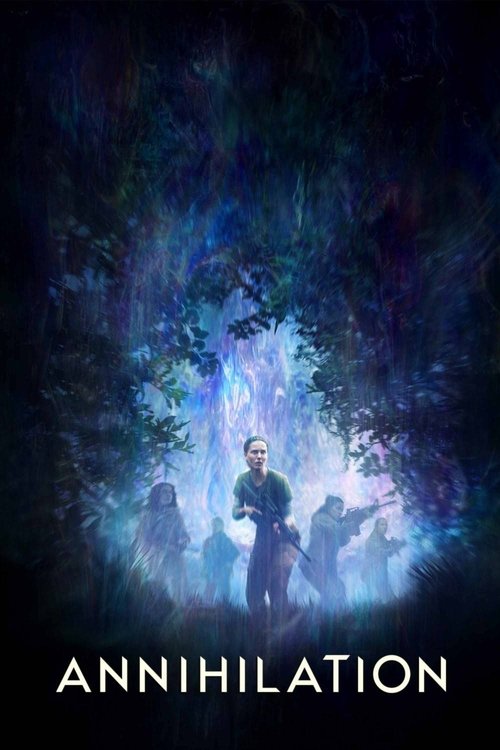
Alex Garland's film shares the Xenogenesis trilogy's central anxiety: what happens when contact with an alien intelligence begins to rewrite your body without your consent, and you cannot be sure whether that rewriting is destruction or transformation? Butler's Oankali are more explicit about the ethics, but both works refuse to give the audience the comfort of a clear answer.
Games Inspired by the Same Themes
Games about mutation, survival hierarchies, and the cost of becoming something else





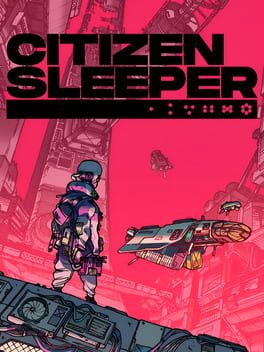
Citizen Sleeper is the closest games have come to Butler's moral weight
Citizen Sleeper puts you in a body that is not legally yours, in a community that survives through mutual aid under corporate control. The dice mechanic literalizes Butler's insight that bodies have limits and that working around those limits requires other people. It is a quiet, precise game about what it means to belong somewhere when the system says you do not.
Butler's Career in Brief
- 1976Debut novel Patternmaster published Patternmaster
- 1979Kindred published, the work that would define her legacy Kindred
- 1984Short story Bloodchild wins Hugo and Nebula Awards
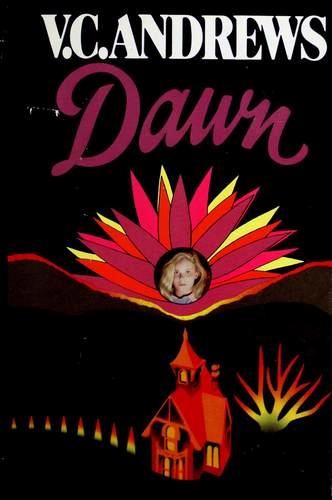
- 1987Dawn launches the Xenogenesis (Lilith's Brood) trilogy Dawn
- 1993MacArthur Fellowship awarded, first ever to an SF writer
- 1993Parable of the Sower published Parable of the Sower
- 1998Parable of the Talents wins the Nebula Award for Best Novel Parable of the Talents
- 2005Fledgling, her final novel, published Fledgling
- 2006Butler dies at 58; her influence on SF accelerates in the years that follow
- 2022FX series Kindred premieres Kindred
Biopunk, dystopia, who gets to survive
For Fans of Octavia E. Butler
Explore the For Fans of Octavia E. Butler guide →There is nothing new under the sun, but there are new suns.Octavia E. Butler