
Synthwave is a sound built from memory: the ache of late-night drives, science-fiction paperbacks, and arcade machines humming in the dark. Born from producers who grew up on John Carpenter scores, Tangerine Dream, and Giorgio Moroder's disco-machine pulse, the genre crystallized in the late 2000s and peaked in the 2010s as artists like Kavinsky, Perturbator, Gunship, and Carpenter Brut built a scene out of drum machines, arpeggiating analog synths, and cassette-deck hiss. The emotional core is not irony. It is sincerity, a genuine longing for a version of the 1980s that existed more in imagination than in fact. If you feel that pull, this guide maps the whole territory: the essential records, the films that first conjured the aesthetic, the games soaked in its light, and the novels that put the same electric feeling into words.
Essential Synthwave
The records that define the genre
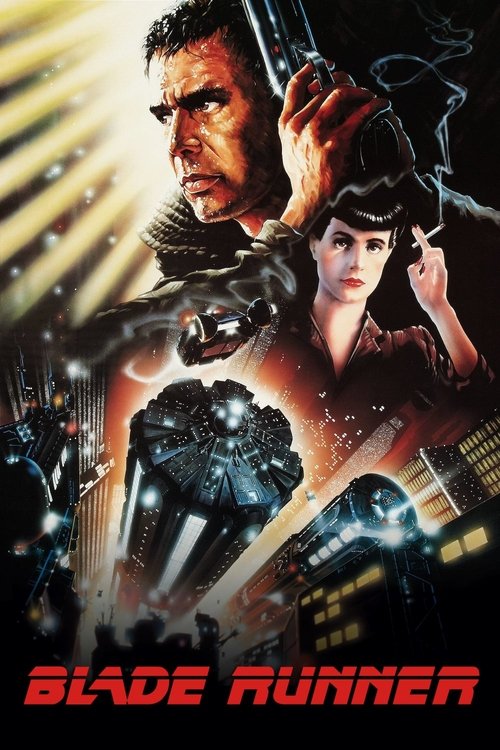
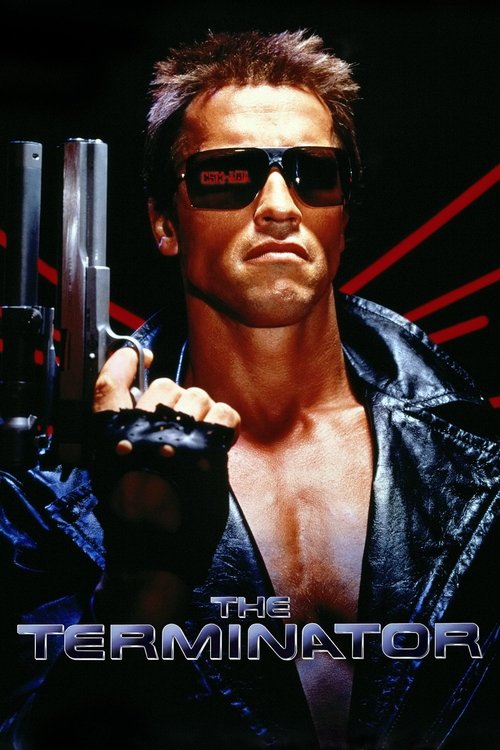
The Films That Started It All
Cinema that gave synthwave its visual and sonic DNA


Series with the Same Electric Current
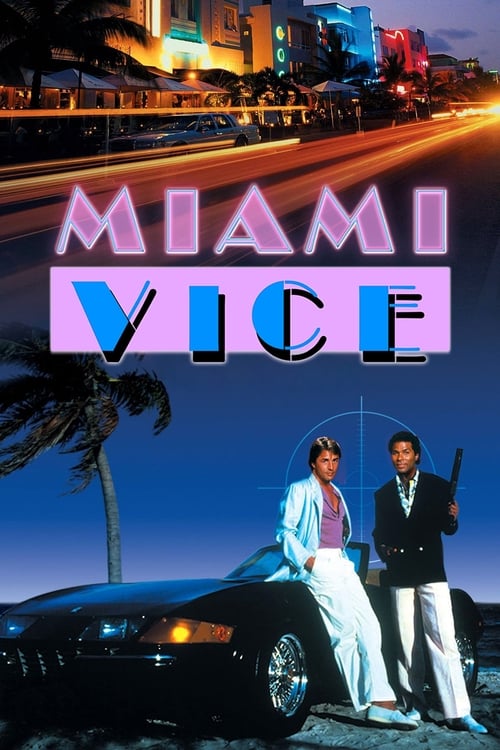
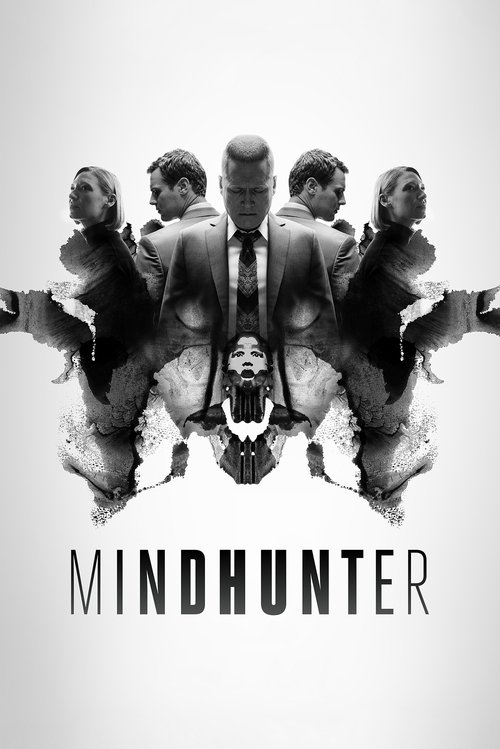
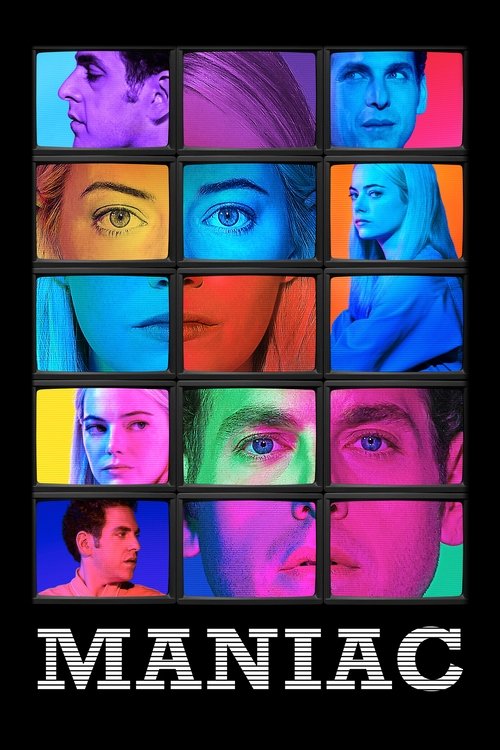
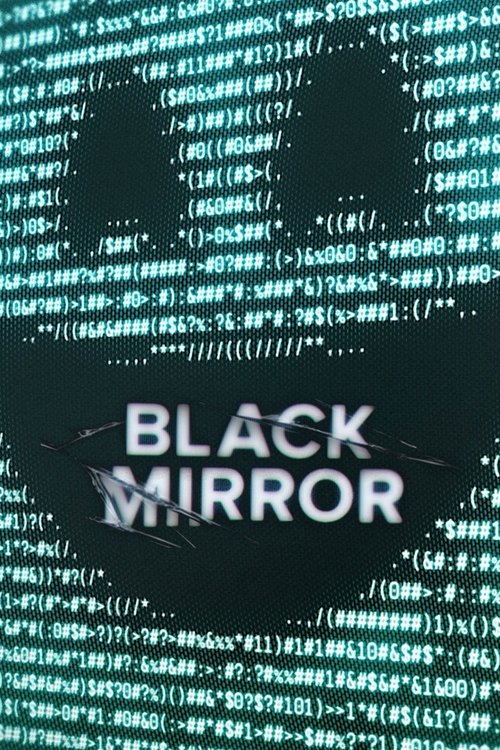
Television that shares the neon-and-shadow palette
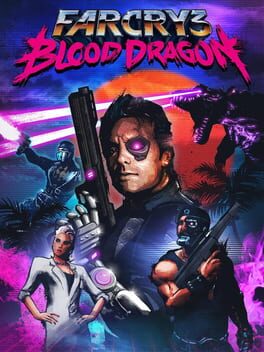
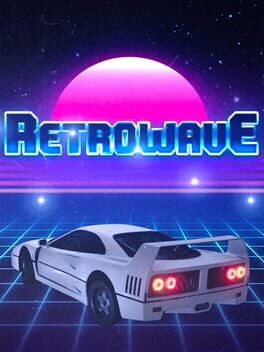
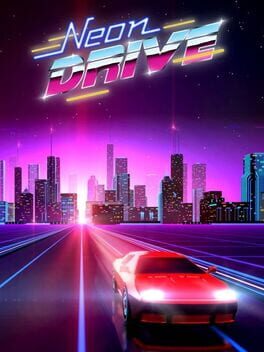
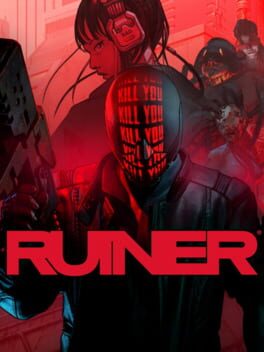
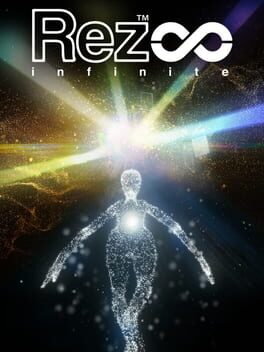
Games That Run on Neon
Play the aesthetic, feel the pulse

Books for the Neon-Lit Imagination
Fiction that lives in the same retrofuturist headspace


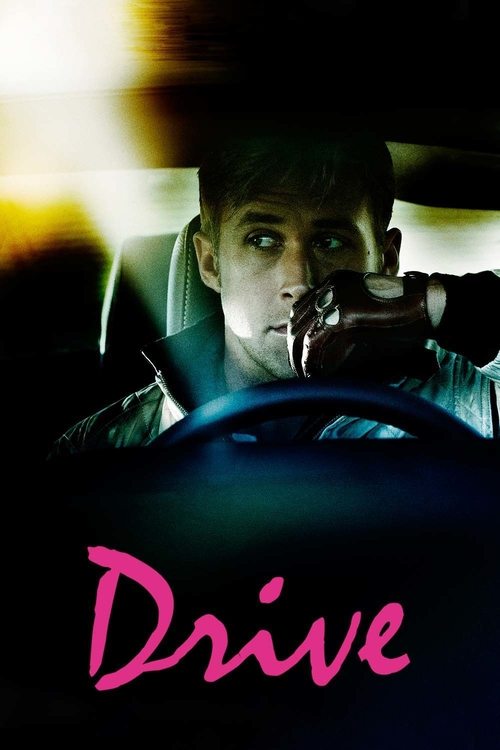
Drive Set the Template
Nicolas Winding Refn's 2011 film did not create synthwave, but it crystallized the entire aesthetic for a generation. The Kavinsky soundtrack, the pastel-on-black color palette, the long silences broken by sudden violence: Drive was the first major film to treat the genre as more than camp nostalgia. Kavinsky's 'Nightcall' opening became arguably the most-imitated sonic signature of the decade, and every piece of synthwave cover art that followed owed something to the film's neon-drenched night driving sequences.
Hotline Miami Is Synthwave as Game Design
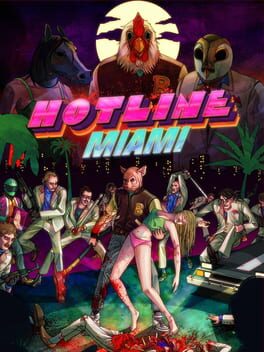
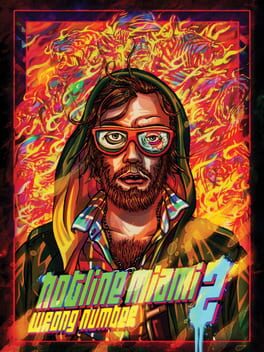
Dennaton Games' Hotline Miami arrived in 2012 and proved the genre could drive gameplay, not just serve as background dressing. The soundtrack, built around tracks from Perturbator, Carpenter Brut, M|O|O|N, and Jasper Byrne, is inseparable from the game's brutal, rhythm-like violence. Players instinctively sync their movements to the music. The result was one of the decade's most cohesive artistic statements: form and content unified by a common obsession with the 1980s at its most lurid.
Stranger Things Made the Mainstream Listen
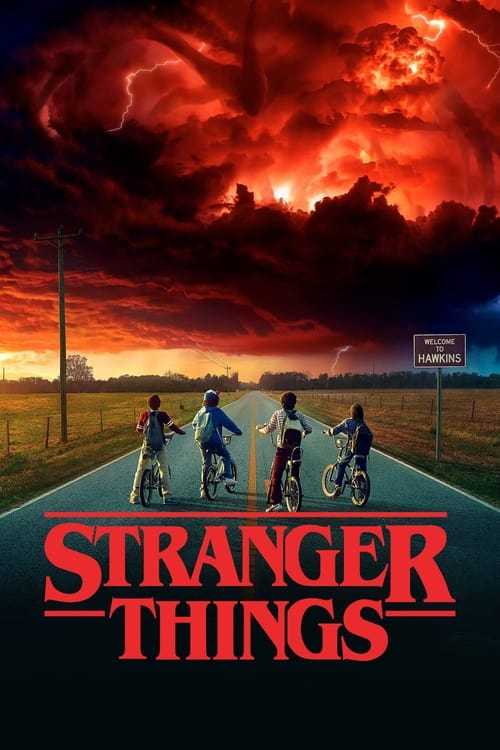
When Stranger Things premiered in 2016, it introduced S U R V I V E's score to millions of viewers who had never heard the term synthwave. The show's success was a turning point: it validated the genre's commercial appeal and sparked a wave of imitators across film, television, and advertising. It also clarified something important about the genre's emotional register: synthwave is not about horror, it is about the specific dread of being a child who knows something is wrong, set against the warm glow of a world that still feels safe.
Neuromancer Wrote the Rulebook
William Gibson's 1984 novel predates the synthwave genre by decades, but the imagery it generated, the matrix, the cowboy jacking into cyberspace, the corporate megacity stacked in layers of wealth and poverty, is the source material for the visual language every synthwave artist draws from. Gibson did not invent the 1980s future; he invented the way we imagine it in retrospect. Reading Neuromancer today is to understand where the neon came from.
The Synthwave Timeline
- 1977Giorgio Moroder produces 'I Feel Love' for Donna Summer, establishing the template for sequenced electronic music built entirely on synthesizers
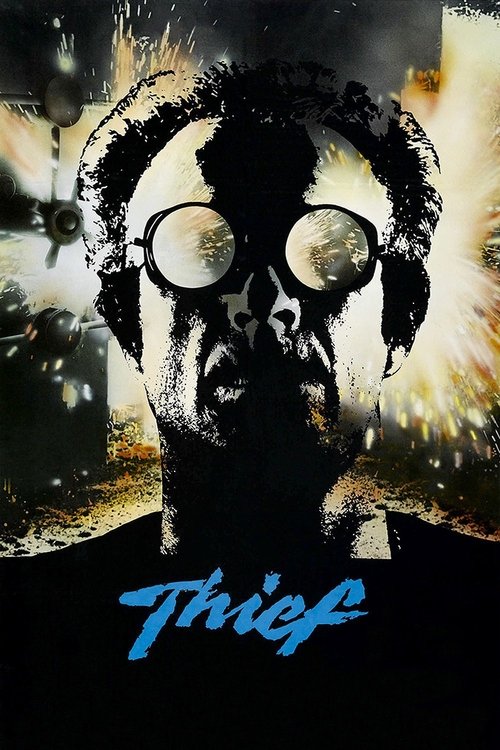
- 1978Tangerine Dream scores Thief for Michael Mann; the electronic film score becomes a recurring template Thief
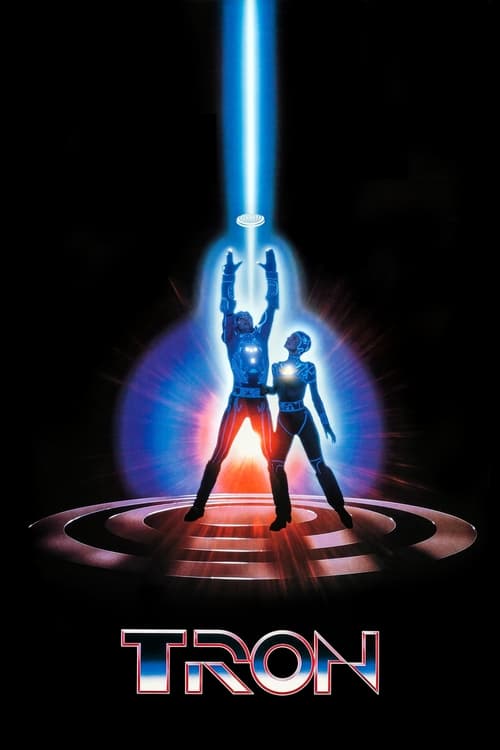
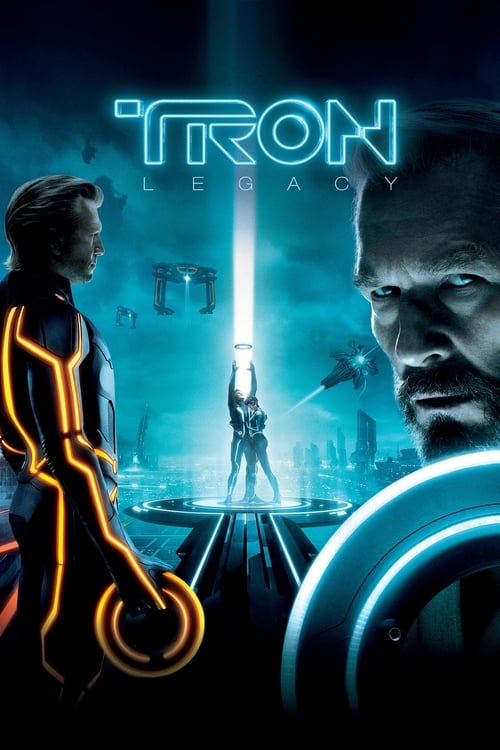
- 1982Tron releases with a Wendy Carlos score and a computer-generated visual language that synthwave artists would cite 30 years later Tron
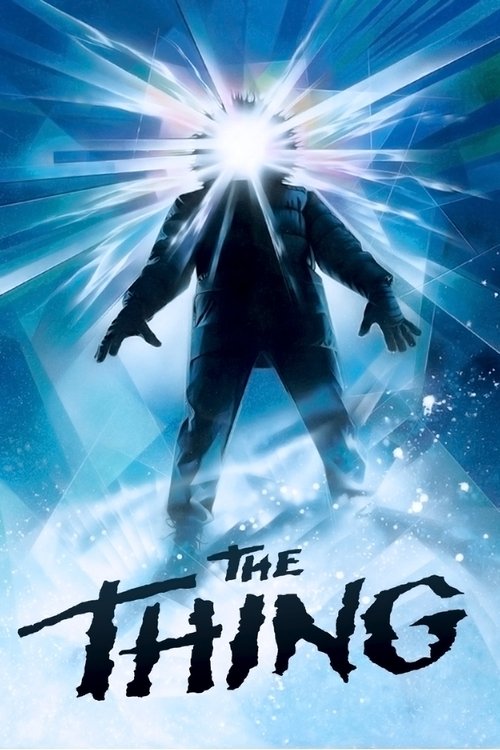
- 1984William Gibson publishes Neuromancer; John Carpenter scores The Thing with an entirely electronic score Neuromancer
- 1984Giorgio Moroder scores Scarface and Midnight Express; the synthesizer score becomes shorthand for urban menace
- 2006Kavinsky releases 'Testarossa Autodrive'; the modern synthwave sound clicks into place
- 2011Drive releases with Kavinsky on the soundtrack; synthwave enters mainstream cultural awareness Drive
- 2012Hotline Miami releases; Perturbator and Carpenter Brut reach a mass audience through games Hotline Miami
- 2014Perturbator releases Dangerous Days, widely regarded as the genre's canonical album
- 2016Stranger Things premieres; S U R V I V E's score introduces the sound to millions Stranger Things
- 2018The Midnight releases Kids; the genre's emotional, melodic strand reaches its commercial peak
Neon futures and digital worlds
Cyberpunk & Dystopia
Explore the Cyberpunk & Dystopia guide →The sky above the port was the color of television, tuned to a dead channel.William Gibson, Neuromancer (1984)