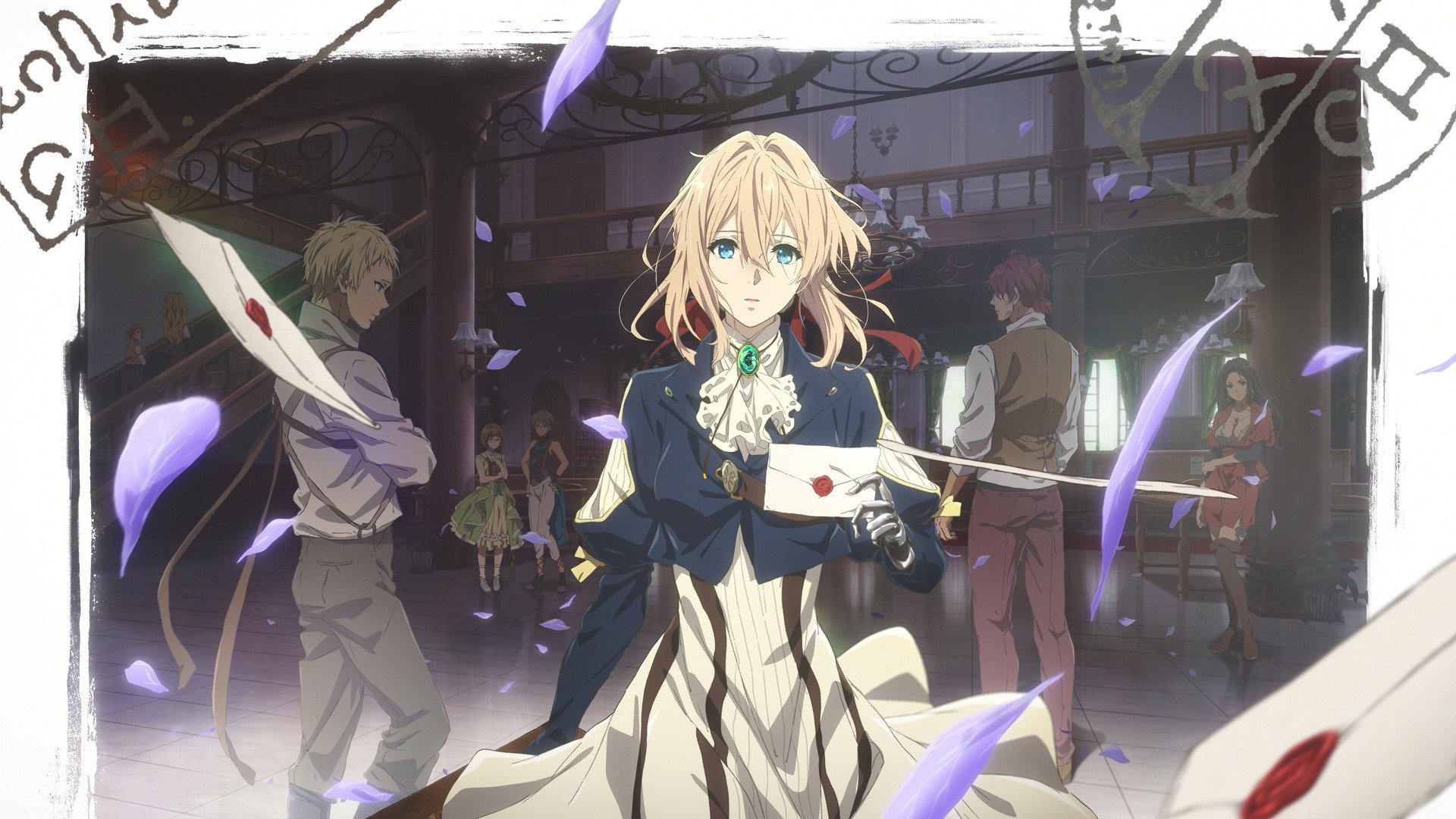

Violet Evergarden began as Kana Akatsuki's 2015 light novel, won the Kyoto Animation Award, and became one of the most visually ravishing anime series of the 2010s. The central question, asked over and over across letters, war-scarred landscapes, and one extraordinary Auto Memory Doll's journey, is simple and crushing: what does "I love you" mean? The show earns every tear through restraint, not spectacle. Fans return for the handcrafted emotional precision, the period aesthetic caught somewhere between Victorian Europe and a country that never existed, and KyoAni's obsessive frame-by-frame beauty. What follows spans every medium that chases the same feeling: grief turned into language, connection found across distance, and the slow, hard work of becoming human.
Essential Violet Evergarden
The core works in the anime/manga canon
Anime That Earns Its Tears
Series and films that handle grief, memory, and emotional becoming with the same discipline
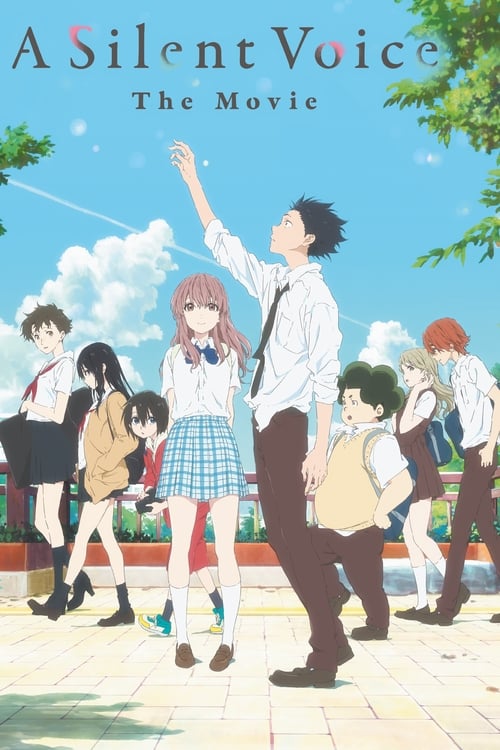
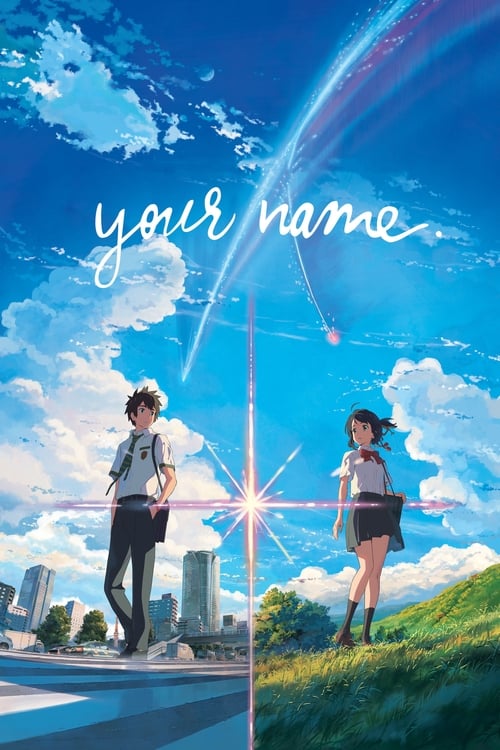
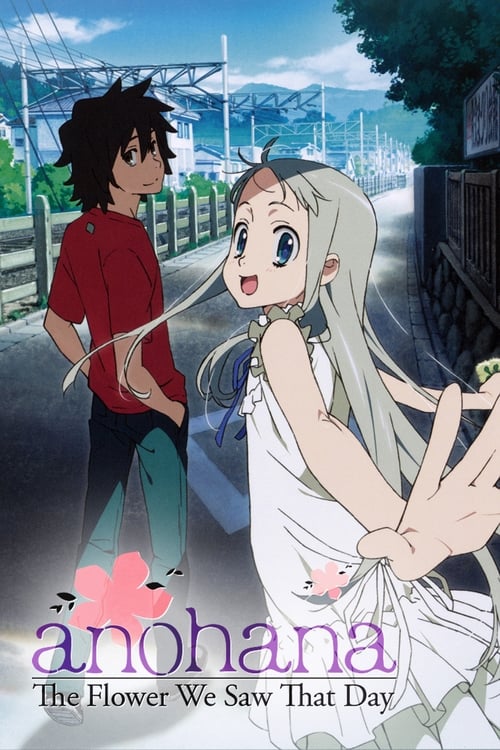
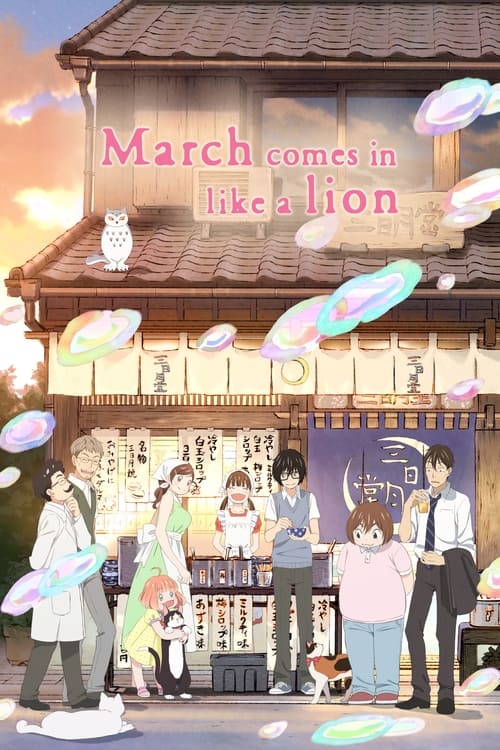
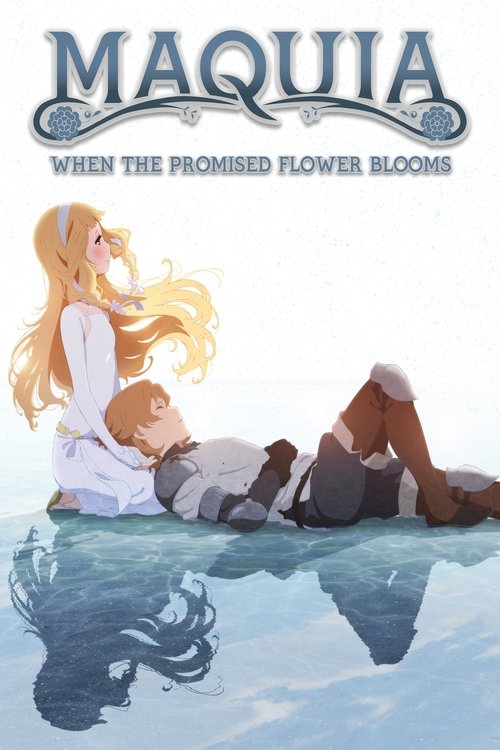
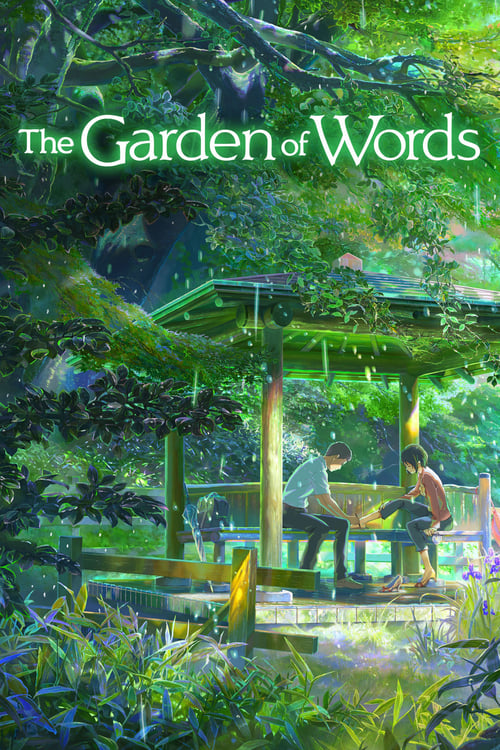
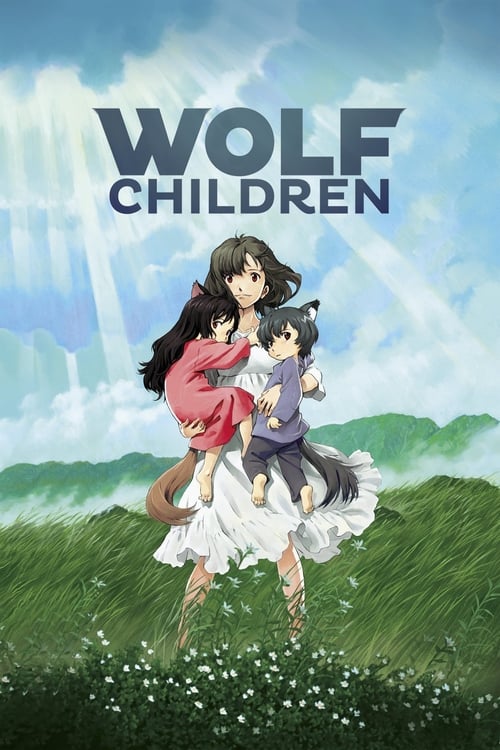
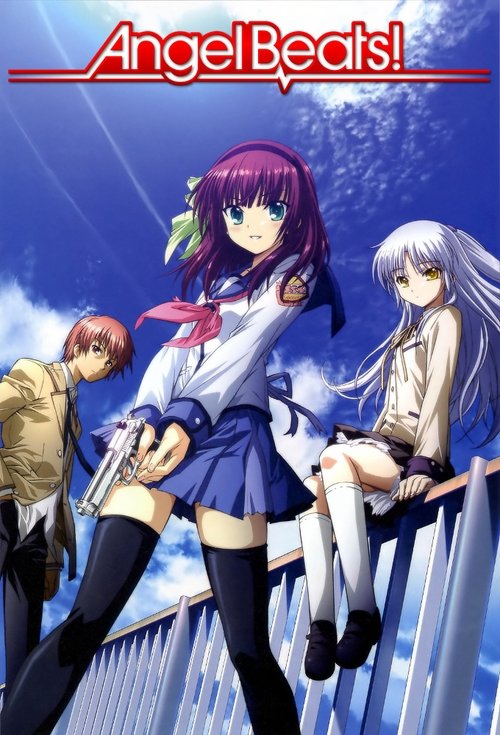
Period Worlds of War and Quiet
Films and series set in the aftermath of conflict, where ordinary life has to be rebuilt from rubble






Novels About Letters, Language, and Loss
Books where the act of writing is itself the emotional core


Games of Quiet Emotion and Found Purpose
Games that slow down, demand care, and reward emotional investment





KyoAni Changed the Frame Rate of Feeling
Kyoto Animation did not invent emotional anime. But with Violet Evergarden they brought a production standard, frame count, and color science that made quiet moments feel heavier than most shows' climaxes. The famous sequence where Violet writes a letter for a dying mother is not action. It is a person at a desk. KyoAni held the camera there long enough for the air to change. That patience is the technique.
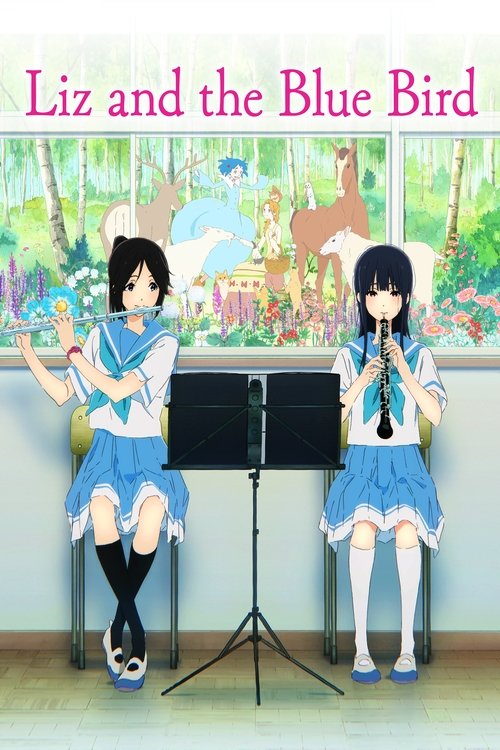
The War Behind the Beauty
Violet's war is never depicted in full. It exists as a wound: in her arms, in Gilbert's absence, in the trauma she does not have the vocabulary to name. This restraint is why the show works. When it gestures at violence, it does so through consequence, not spectacle. That choice puts it in the company of the best war-adjacent literature, which understands that the front matters less than what comes after.
Robots Who Learn to Feel: The Real Genre
Violet is classified as an Auto Memory Doll, a tool. Her arc is a riff on a lineage of artificial beings who discover interiority: Astro Boy, the replicants of Blade Runner, NieR's androids. What separates her is that her self-discovery happens entirely through service to others, through the words people need to say and cannot. The machine learning to feel by helping humans feel is an old story told here at its most graceful.

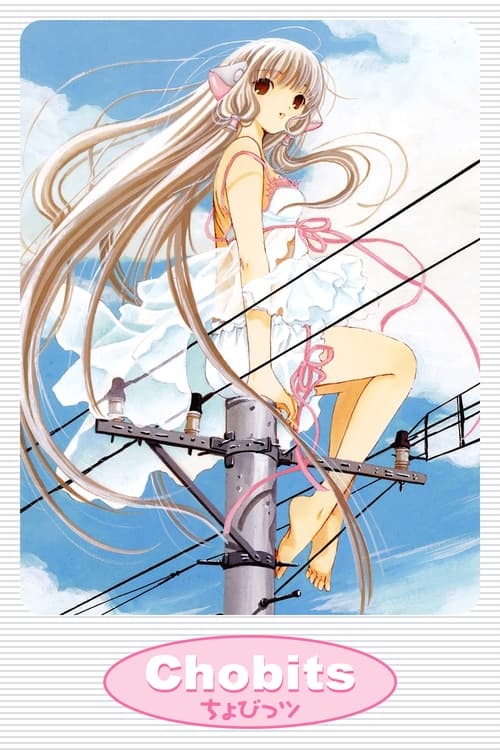
Violet Evergarden: From Page to Screen
- 2015Kana Akatsuki's light novel wins the Kyoto Animation Award Grand Prize
- 2017Light novel published; manga adaptation begins serialization
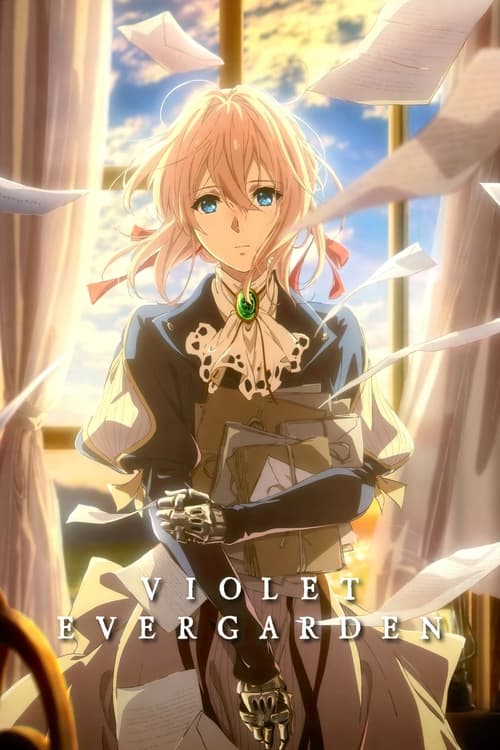
- 2018Anime series premieres (13 episodes); becomes a global streaming phenomenon Violet Evergarden
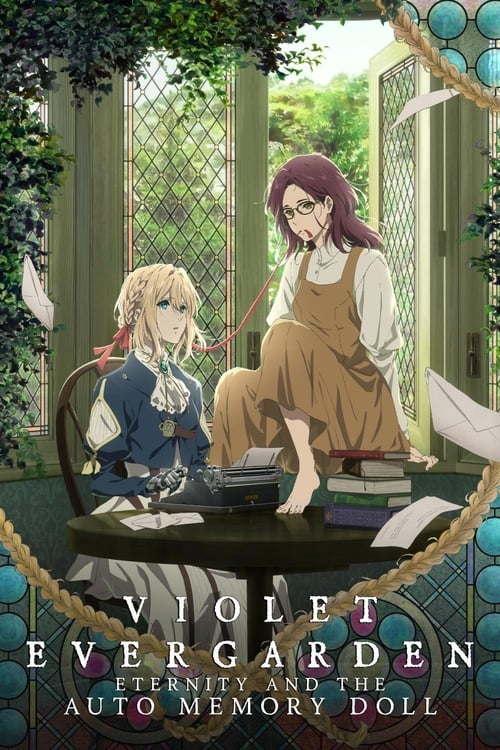
- 2019Side-story film released in Japanese theatres Violet Evergarden: Eternity and the Auto Memory Doll
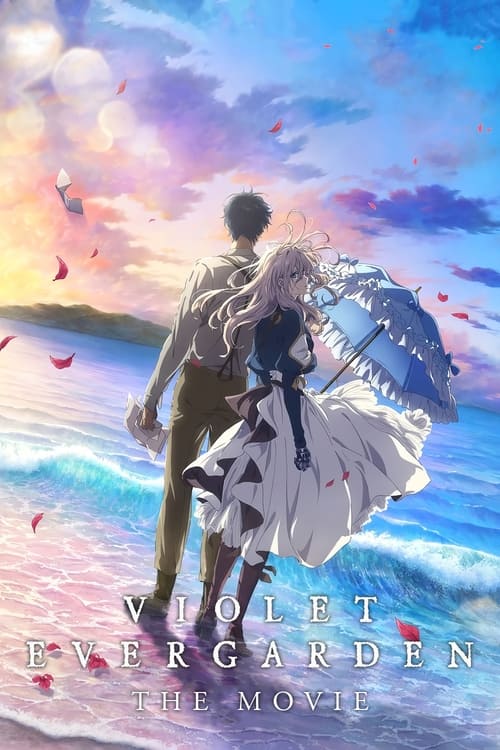
- 2020Theatrical film release delayed by the 2019 KyoAni arson tragedy; premieres September 2020 Violet Evergarden: The Movie
- 2021Theatrical film arrives on Netflix worldwide, introducing millions of new viewers
Aching anime and tender memory
For Fans of Clannad
Explore the For Fans of Clannad guide →The words Major Gilbert entrusted to me, I am still learning to understand.Violet Evergarden