

The Last Mythologist of the American Street
Walter Hill makes films the way a fist makes contact: economical, purposeful, and without apology. His movies strip character psychology down to action and code. Men in his world do not explain themselves; they reveal themselves through what they do when cornered. He arrived in Hollywood as a screenwriter in the early 1970s, sharpening his voice on hard-edged crime scripts before debuting as a director with Hard Times (1975), a Depression-era bare-knuckle film that announces every theme he would spend the next four decades refining.
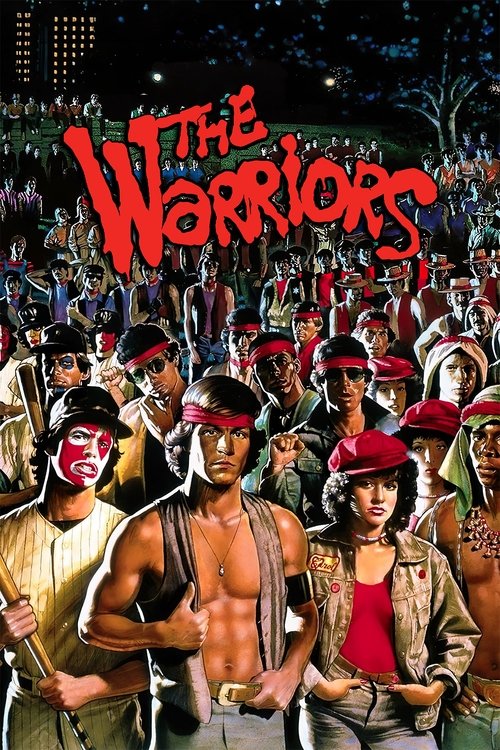
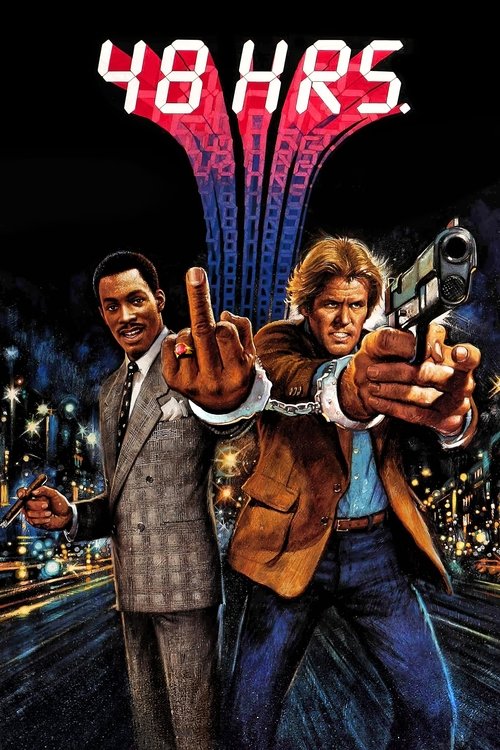
The through-line across his best work is myth wearing contemporary clothes. The Warriors turns a gang's cross-city odyssey into something close to Homer. The Driver reduces the heist film to a chess match between two archetypes who have no names. Southern Comfort plants the Peckinpah Western in Louisiana bayou country and watches it rot. Even his buddy-cop entertainments like 48 Hrs. carry a philosophical weight: what is the cost of the alliance, and what does each man give up to hold it? Hill's palette is always the same: rain-soaked streets or sunbaked badlands, tight close-ups on faces mid-decision, blues and rockabilly and gospel on the soundtrack. If you love one Walter Hill film, there is a very good chance you love something essential and inarticulate about cinema itself.
Essential Walter Hill
Start here, then follow the obsession

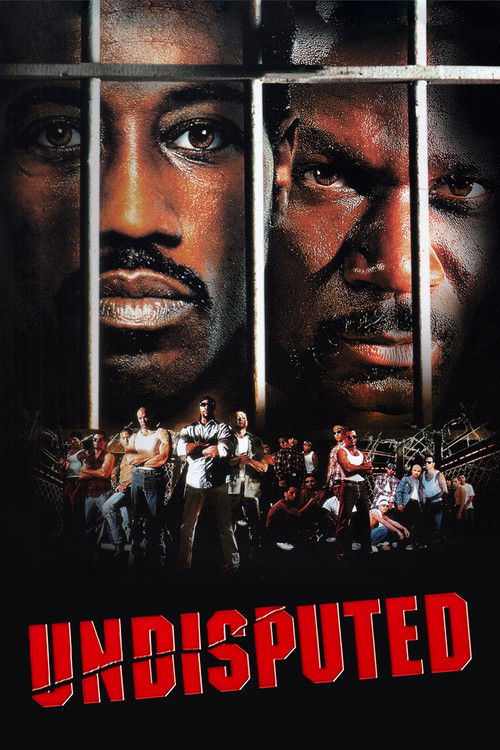
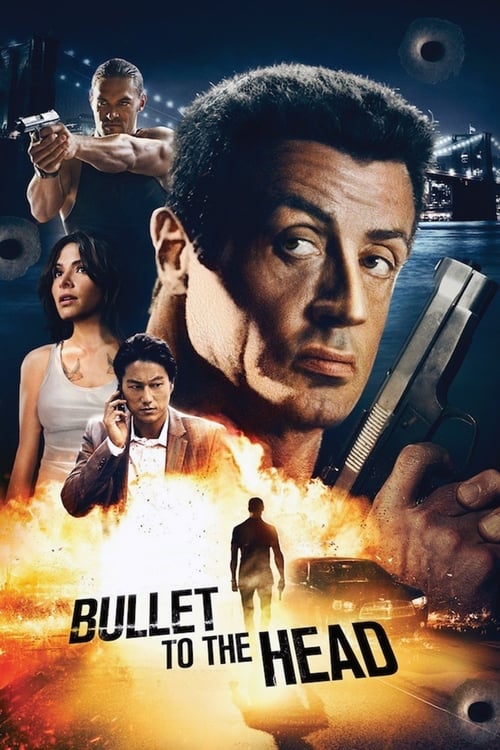
Stripped to Myth: American Action Cinema in the Lean Mode
Films that treat plot as ritual and character as stance
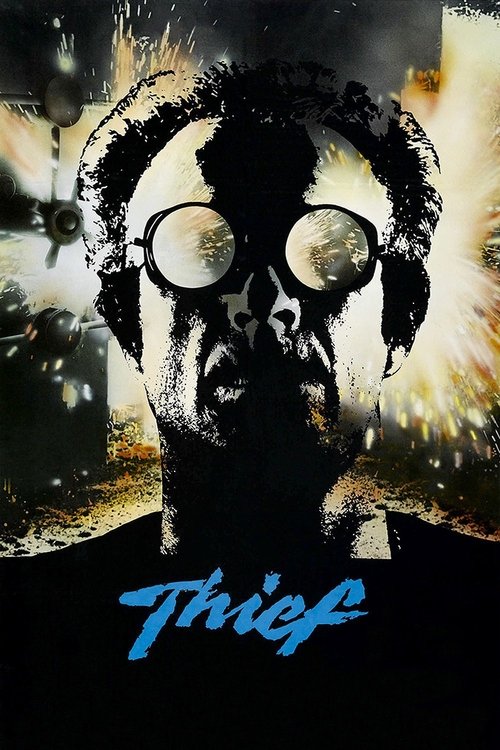
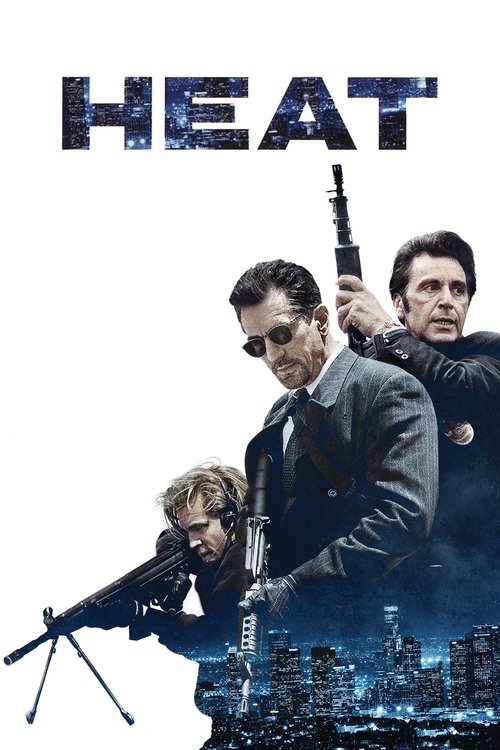


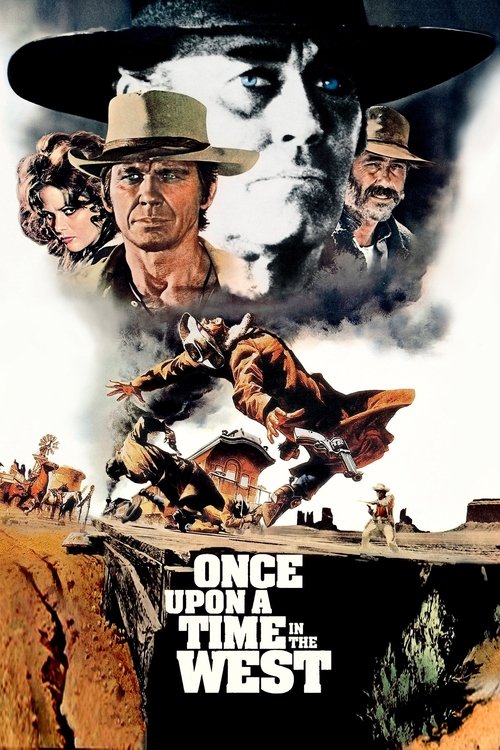
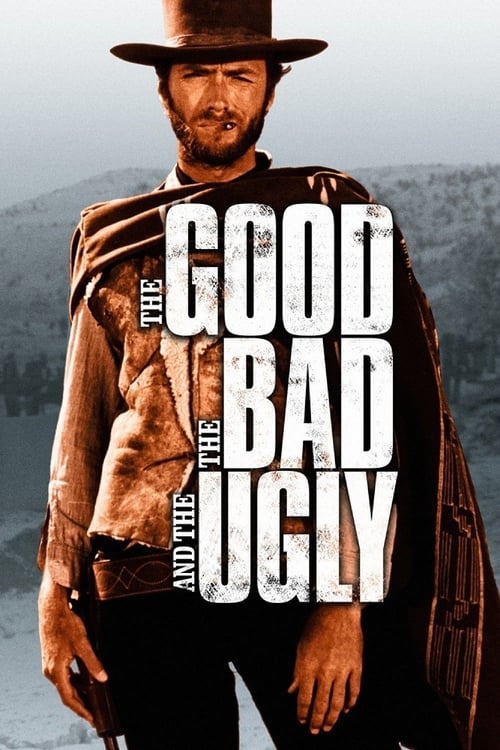
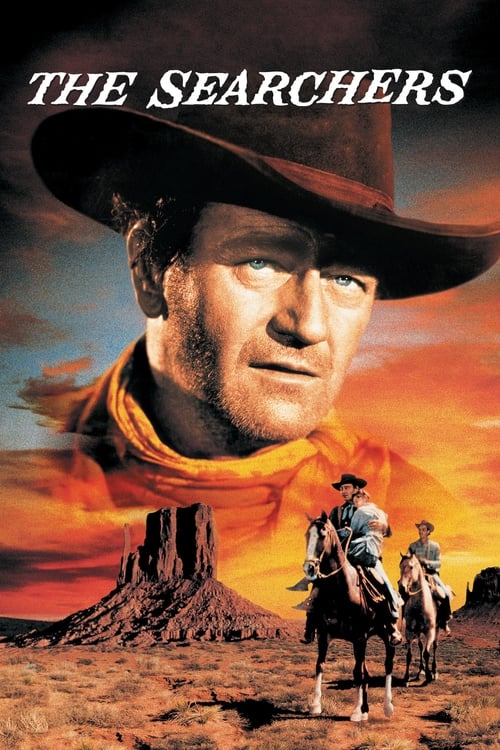
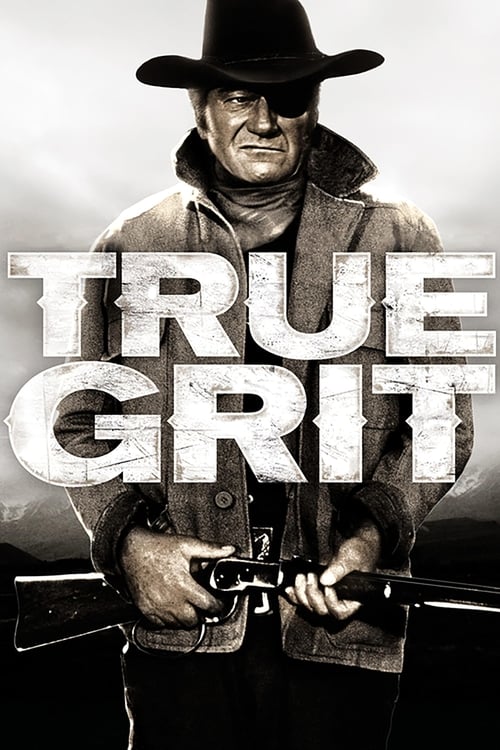
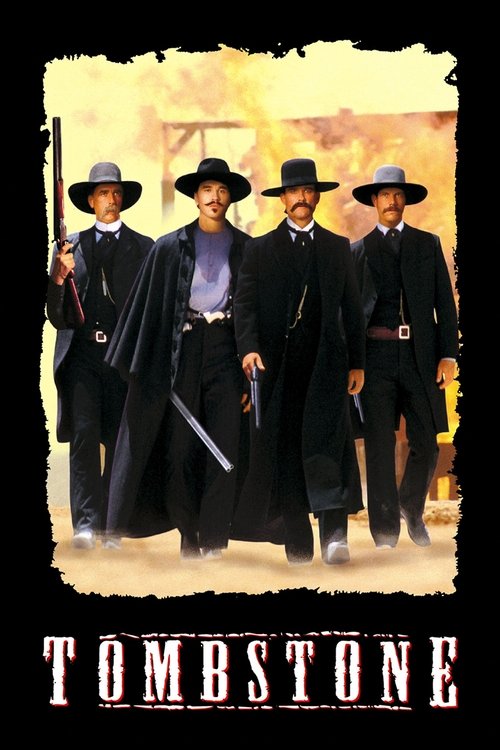
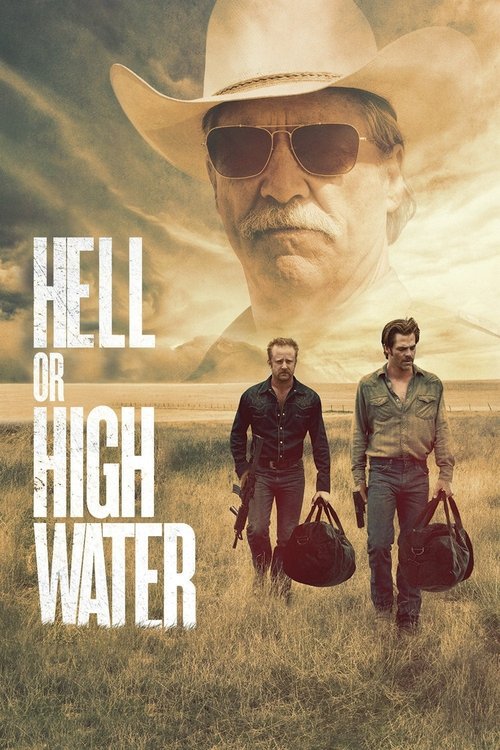
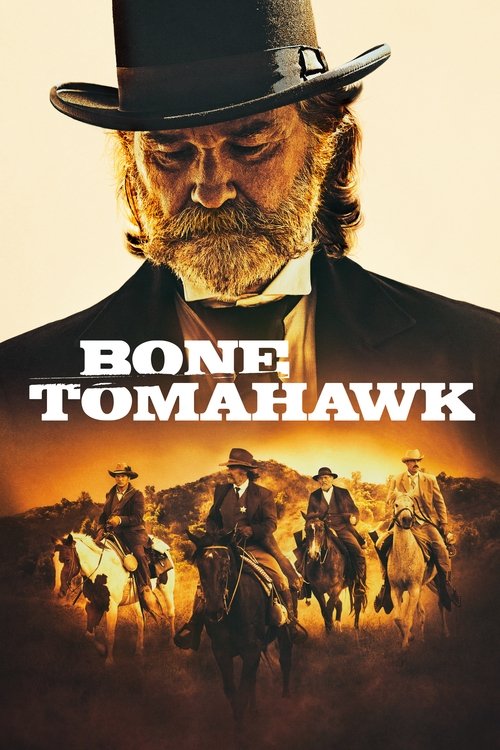
The Code of Men: Westerns and Frontier Fatalism
The Western DNA that runs underneath even Hill's city films

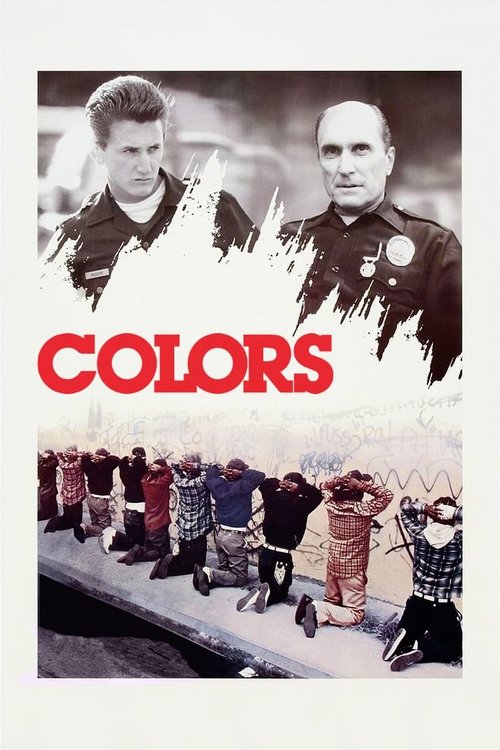
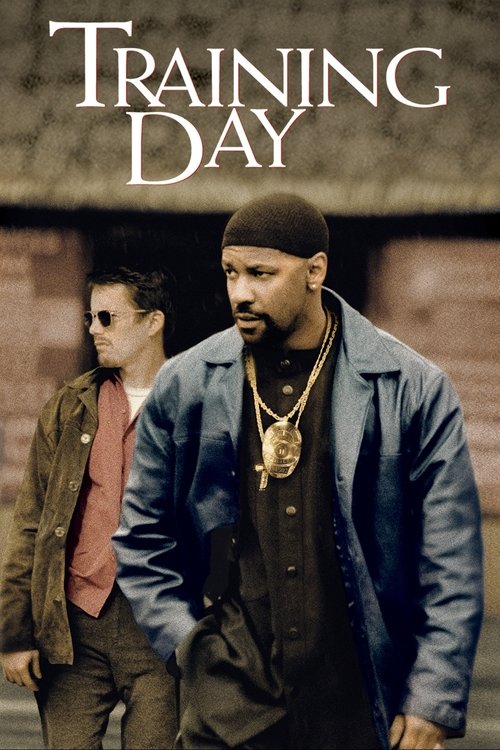
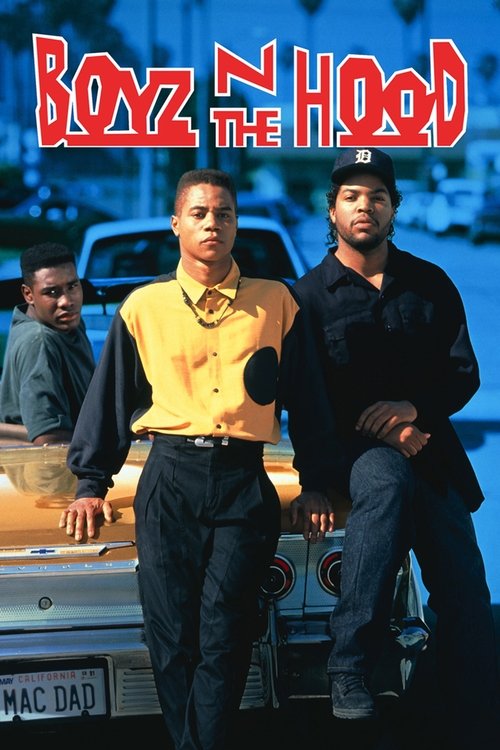
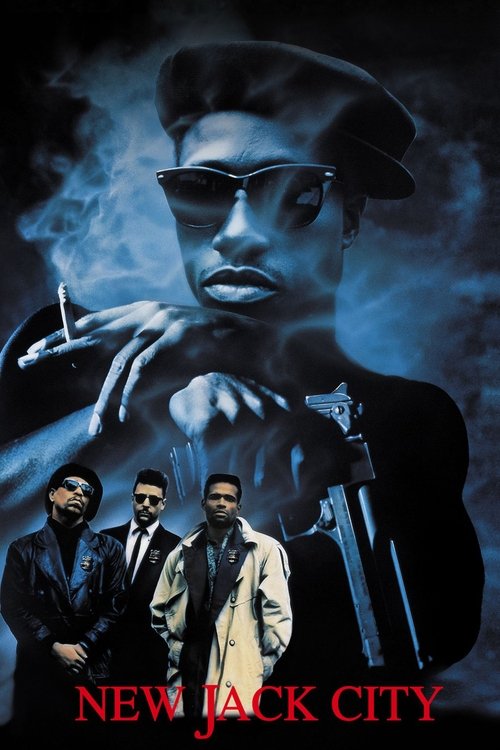
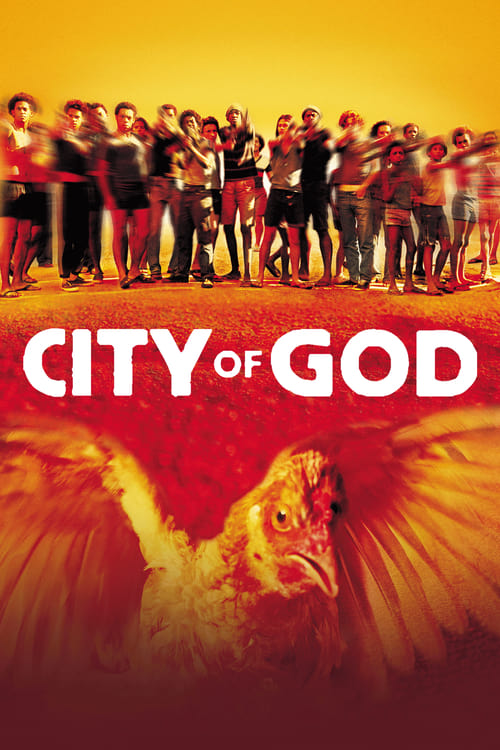
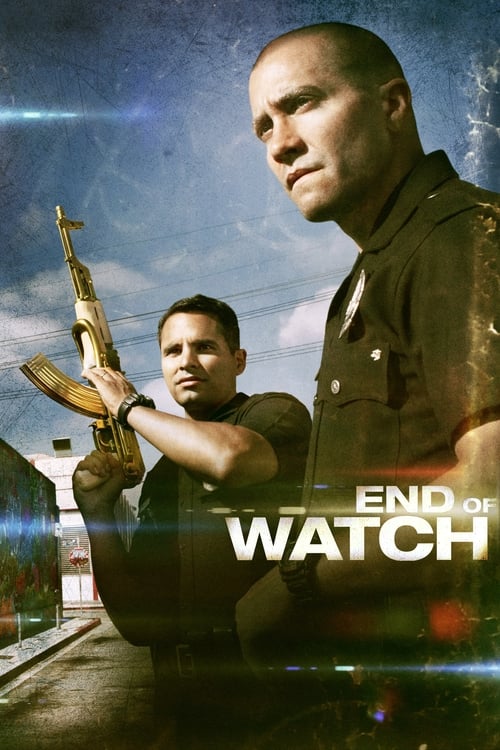
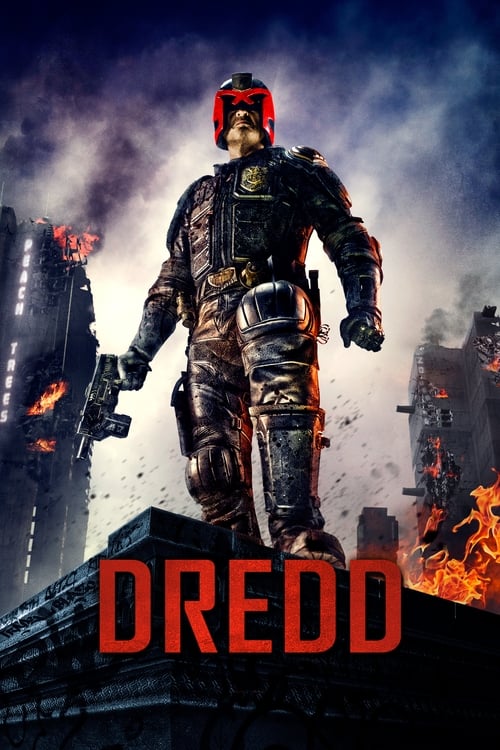
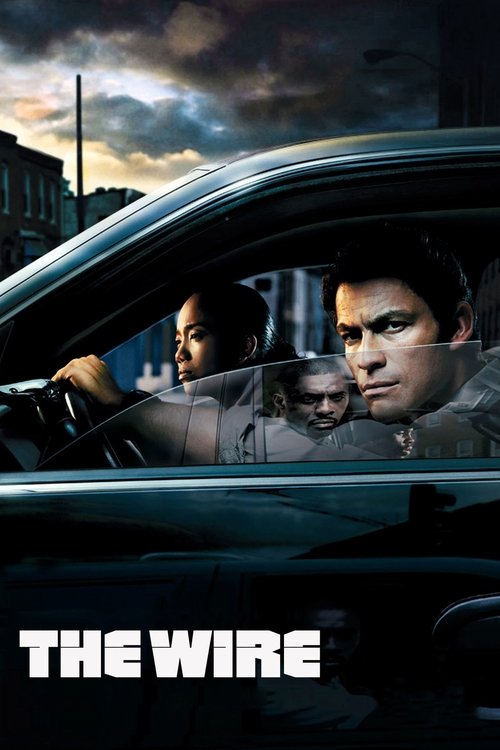
Urban Tribes and Contested Territory
Groups forged by pressure, cities as battlegrounds


Blues, Rock and the American Underbelly: Music for the Hill Mood
The sounds that live in his films, and artists who share the same rawness
The Perfect Entry Point Is Not the Famous One
Hard Times (1975) is the purest expression of what Hill actually cares about. Charles Bronson plays a bare-knuckle fighter with no past and no future, just the next fight. There is no backstory, no trauma explained, no redemption arc. It is one of the most controlled directorial debuts in American cinema, and it tells you exactly what kind of filmmaker you are dealing with: someone who trusts action, trusts silence, trusts the audience. Start here before The Warriors, and everything else slots into place.
The Spiritual Successor Is a Video Game
Hotline Miami (2012) is the closest any work in any medium has come to replicating the aesthetic logic of Hill's films. The extreme economy of action, the arcade simplicity that implies a brutal moral universe, the neon-soaked violence stripped of sentimentality, the protagonist defined entirely by what he does and never by what he says. Hill's The Driver and The Warriors are obvious ancestors. If you have watched every Hill film and want to feel that same energy somewhere new, this is where it lives.

Westerns Are the DNA, Not the Costume
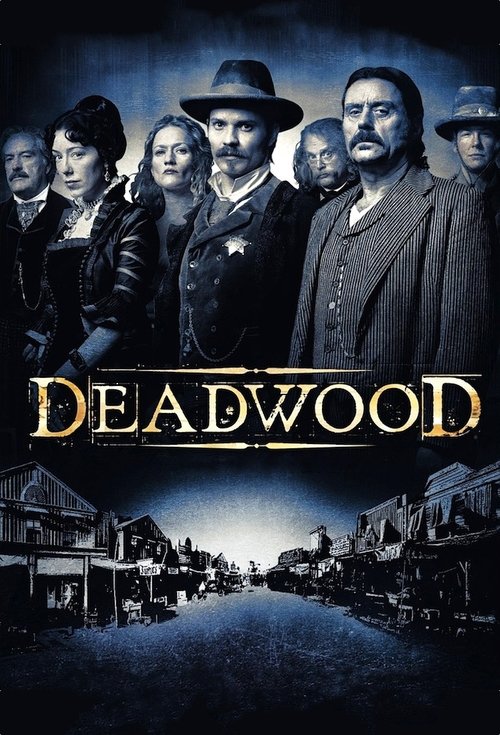
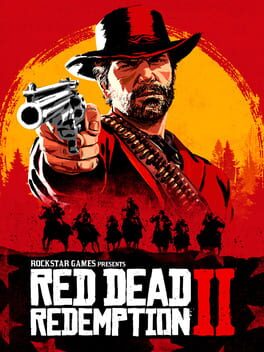
Hill's city films are Westerns with the costumes changed. The gang transit in The Warriors is a frontier crossing. The marshals-and-outlaws dynamic in 48 Hrs. is a posse story. What Red Dead Redemption 2 and Deadwood understand, and what Lonesome Dove understood before either of them, is the same thing Hill understood: the frontier is not a place but a condition, a state in which codes of honor collide headlong with the appetite for annihilation. The Western DNA is not thematic decoration. It is structural.
Hill's films operate like compressed myths: everything that doesn't contribute to the essential gesture has been cut away, and what remains is purer for it.CrossBinge editorial
Walter Hill: The Key Years
- 1975Directorial debut Hard Times
- 1978Pure archetype cinema The Driver
- 1979Urban myth goes mainstream The Warriors
- 1979Alien co-written by Hill Alien
- 1981Genre transplant masterwork Southern Comfort
- 1982Invented the modern buddy-cop film 48 Hrs.
- 1984Rock-and-roll fable Streets of Fire
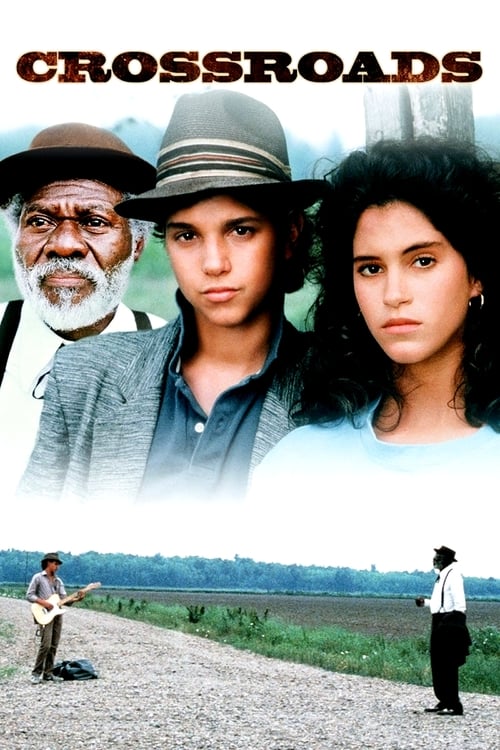
- 1986Blues mythology on film Crossroads
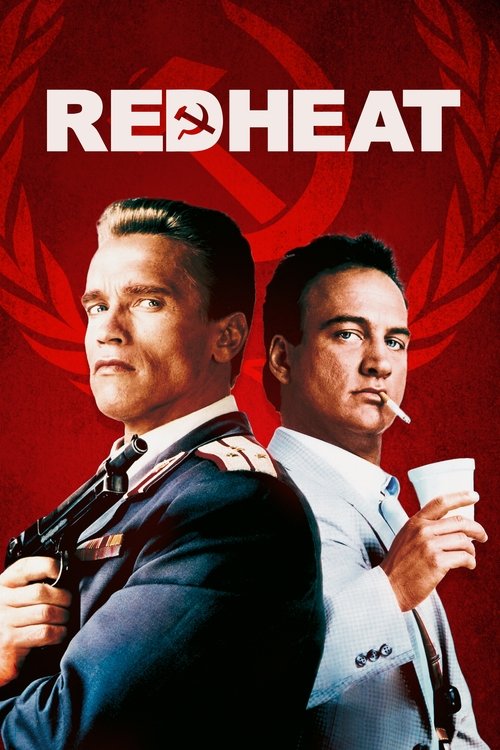
- 1988Cold War action spectacle Red Heat
- 2002Late-career return to form Undisputed