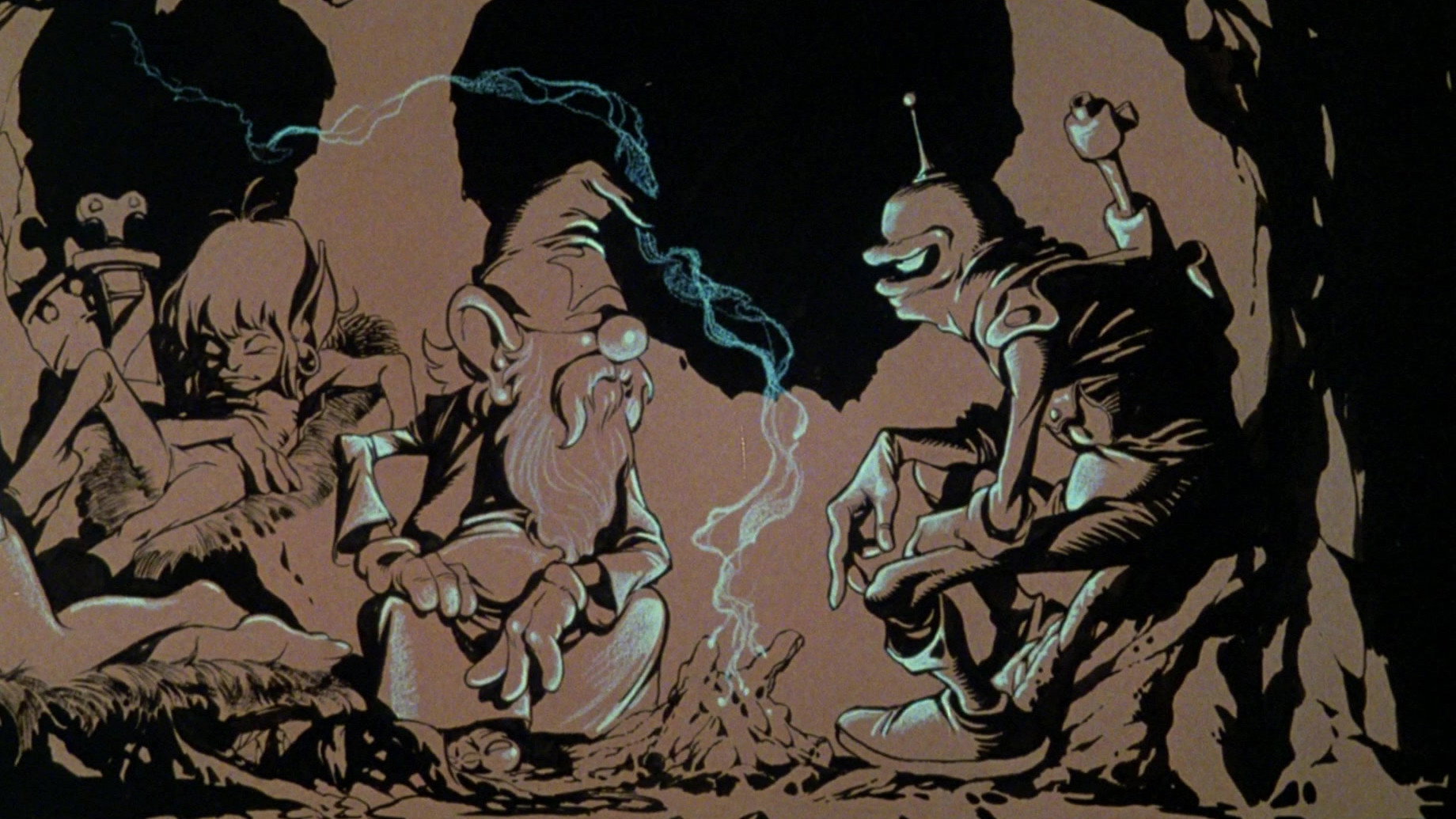

The wizard is not born into power. The wizard earns it. That is the distinction that separates this archetype from every other fantasy figure: the long study, the personal cost, the moment of choosing to open a door that cannot be closed again. Whether it is Gandalf keeping secrets for centuries before the right moment arrives, or Ursula K. Le Guin's Ged learning that every spell unmakes something else, or a video game mage stacking skill points in grimoires until the world bends, the wizard story is always about knowledge as a kind of gravity. Pull too close and you burn. The works below all understand that.
Essential Wizards: The Definitive Films
Cinema's finest portraits of sorcerers, scholars, and those who blur the line
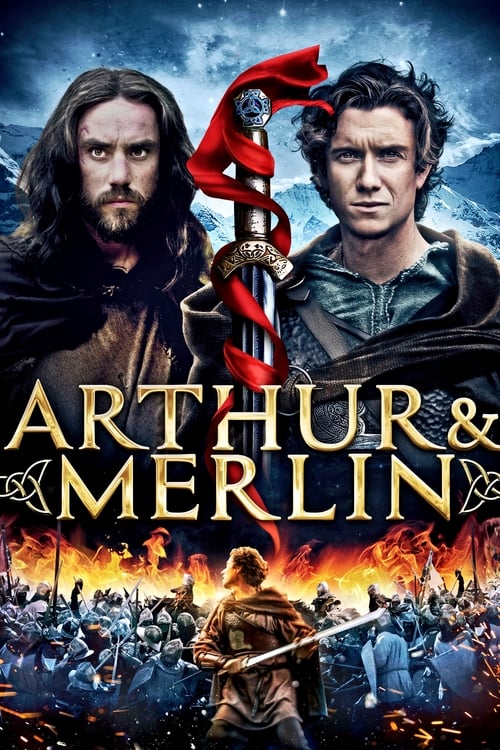
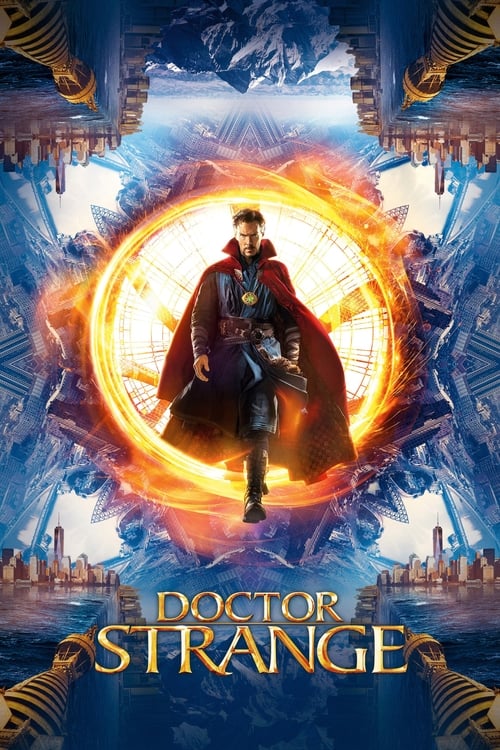

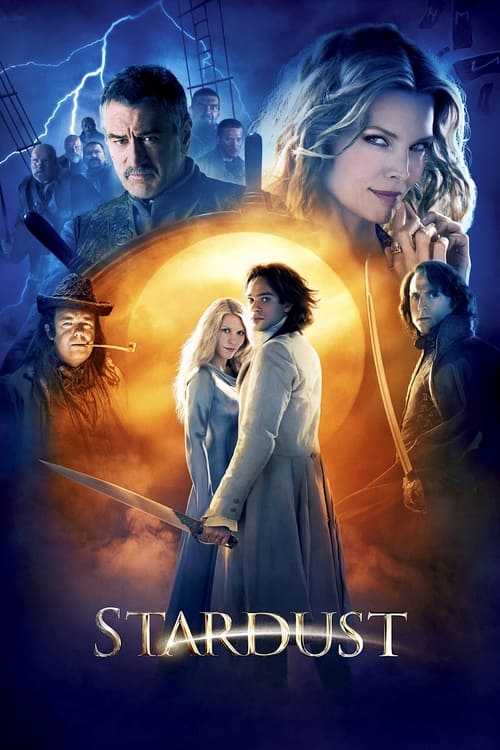
The Spellcaster's Screen: Series That Do Magic Right
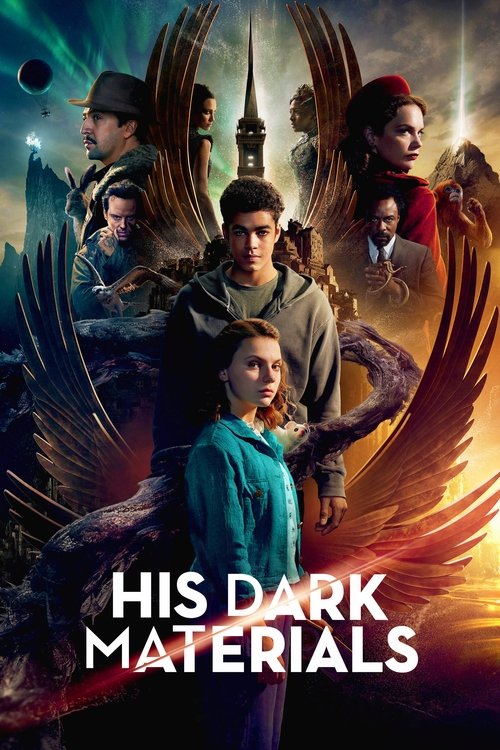
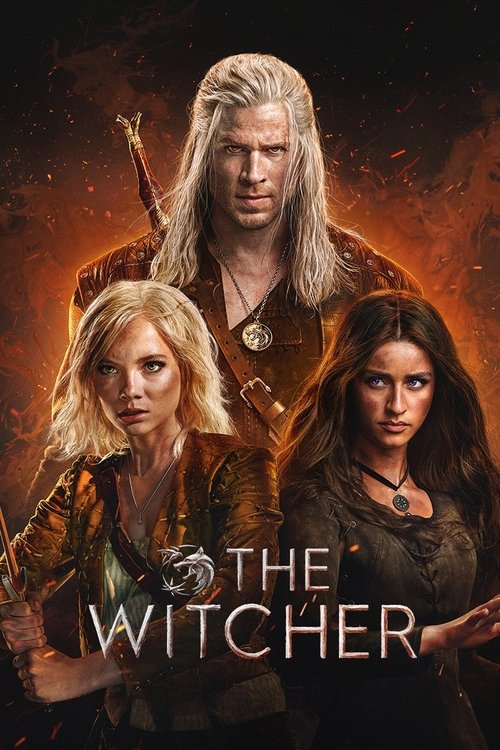
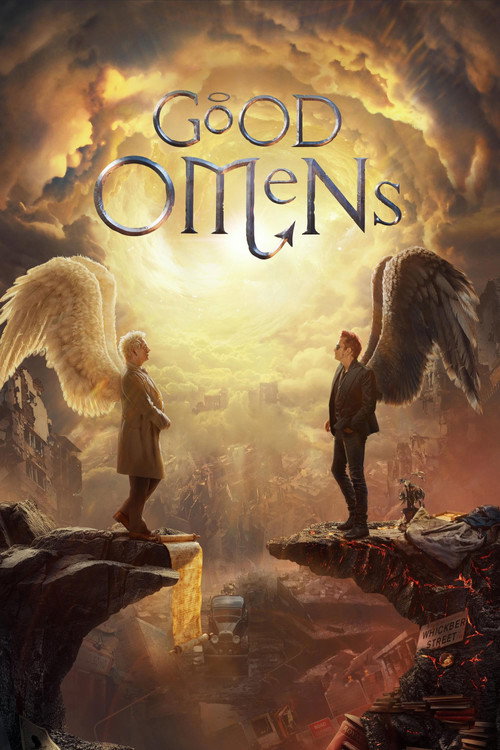
Long-form storytelling gives wizard lore the room it needs to breathe

Spellbooks in Print: The Novels That Defined the Archetype
The wizard lives most fully on the page, where the rules of magic can be spelled out and broken


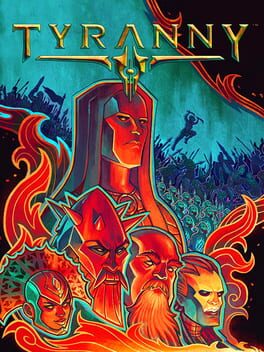
Arcane Power: Games Where Magic Is the Point
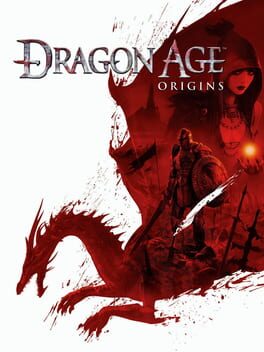
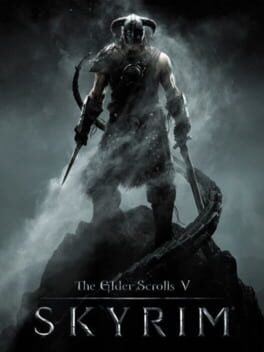
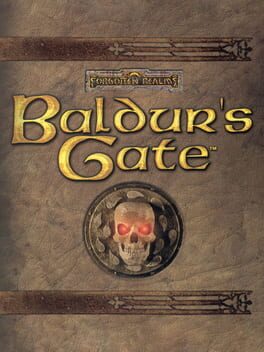
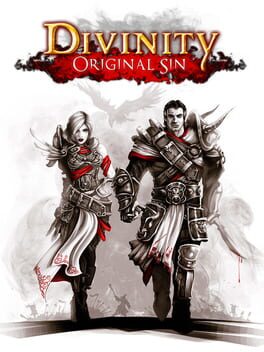
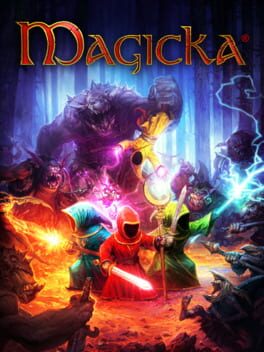
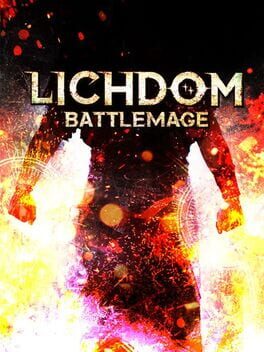
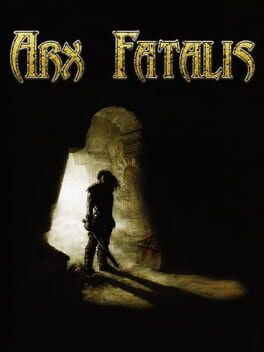
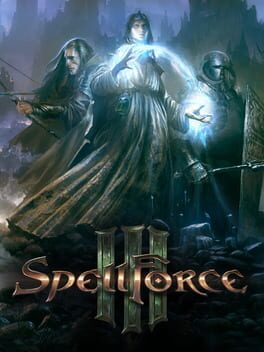
The best fantasy games treat spell systems as a design philosophy, not a button-press shortcut
The Cost Is the Point
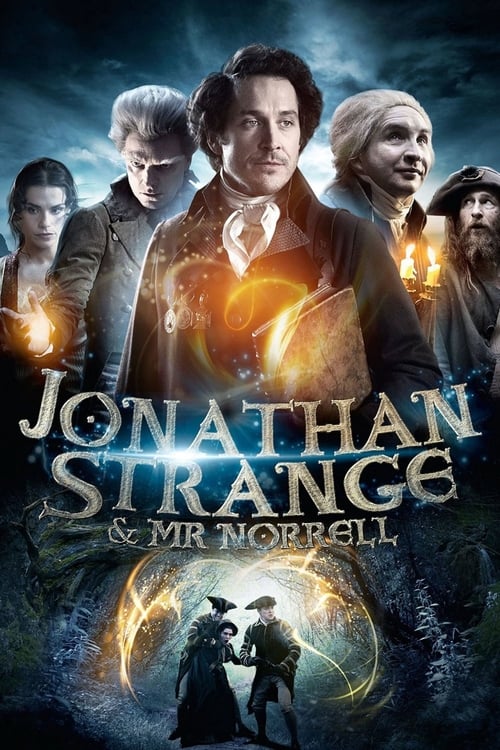
The worst wizard stories treat magic as a cheat code: say the words, win the fight. The best ones insist on cost. Le Guin's Earthsea makes clear that every act of power changes the world's balance. Susanna Clarke's Jonathan Strange finds that mastery of English magic comes with the slow erosion of the self. Even Tolkien's Gandalf, who could theoretically outpower everything in his path, chooses restraint because the alternative would be something worse than defeat. Readers and viewers who love wizard fiction are almost always chasing this idea specifically: that real knowledge, real power, demands something in return.
Modernising the Mage
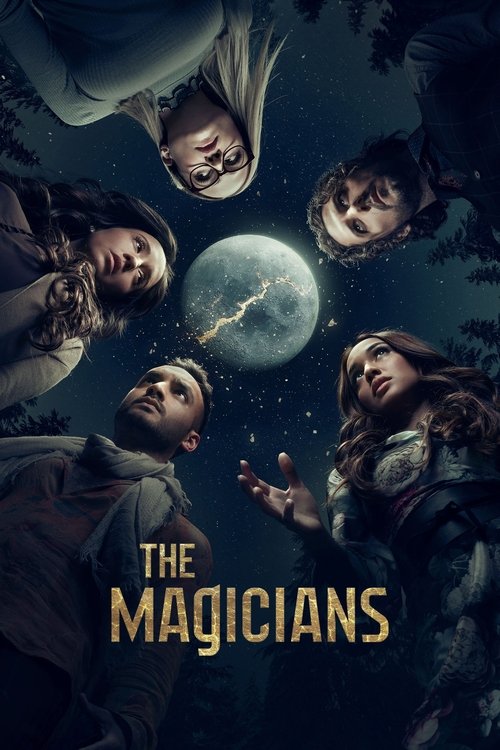
The Magicians, both Lev Grossman's trilogy and the Syfy adaptation, made its name by asking what happens when wizard school is not charming but traumatic, and the magical world turns out to be real but also genuinely dangerous. It strips away the cosiness of Hogwarts without becoming grimdark: the magic still works, the wonder is still there, but the characters are visibly paying for it psychologically. That shift from wish-fulfillment to consequence is what separates the novels and the series from most of their contemporaries.
Gandalf Is Not a Hero. He Is a Catalyst.
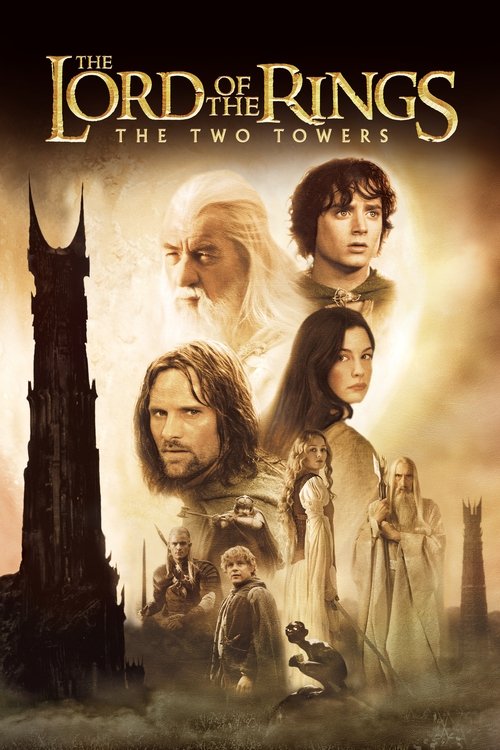
Tolkien spent considerable effort establishing that the Istari, the wizards sent to Middle-earth, were forbidden from using their power to dominate. Gandalf's role is to inspire, to nudge, to arrive precisely when needed and precisely when late. This constraint produces better drama than unlimited power ever could, and it is why the character works where lesser fantasy archmages become boring once they are fully established. The genius of the design is that the audience always wants Gandalf to do more and he almost never does.
When Games Let Magic Feel Like Thinking
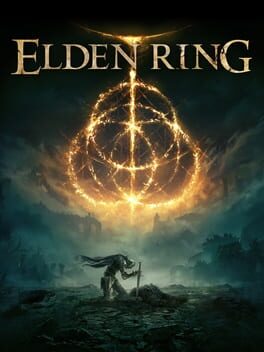
Most RPGs give the player a mage class and a list of abilities to unlock. Divinity: Original Sin 2 goes further: fire and water combine into steam; oil ignites; the environment becomes a puzzle the mage solves in real time. Elden Ring's sorcery system ties spell acquisition to exploration and character build in ways that feel like scholarship. These games reward the player for thinking like a wizard, not just pressing the magic button. That is a meaningful design distinction, and the best wizard fiction does the same thing in prose and on screen.
A Brief History of the Wizard in Fiction
- 1938T.H. White begins The Once and Future King, giving Merlin his definitive modern form: the backwards-living, bumbling, wise old tutor.
- 1968Ursula K. Le Guin publishes A Wizard of Earthsea, establishing the school-of-magic story and the moral weight of spellcasting decades before Rowling. A Wizard of Earthsea
- 1978Tolkien's animated The Lord of the Rings reaches cinema, putting Gandalf on screen for the first time in wide release. The Lord of the Rings
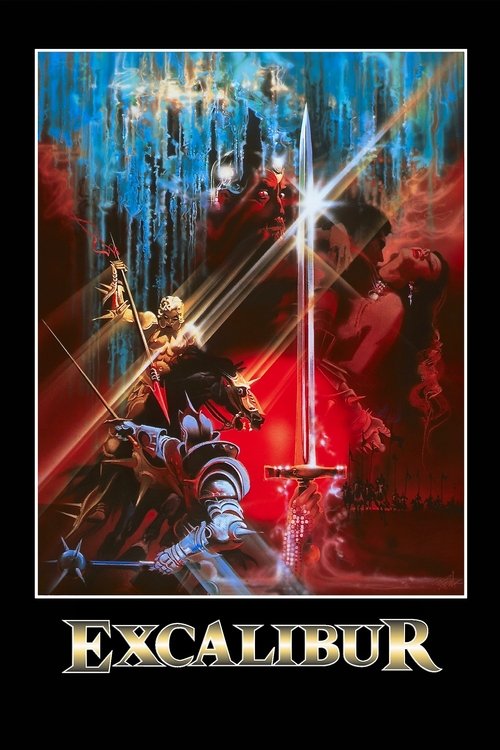
- 1981John Boorman's Excalibur commits fully to Merlin as a creature outside time, equal parts terrifying and comic. Excalibur
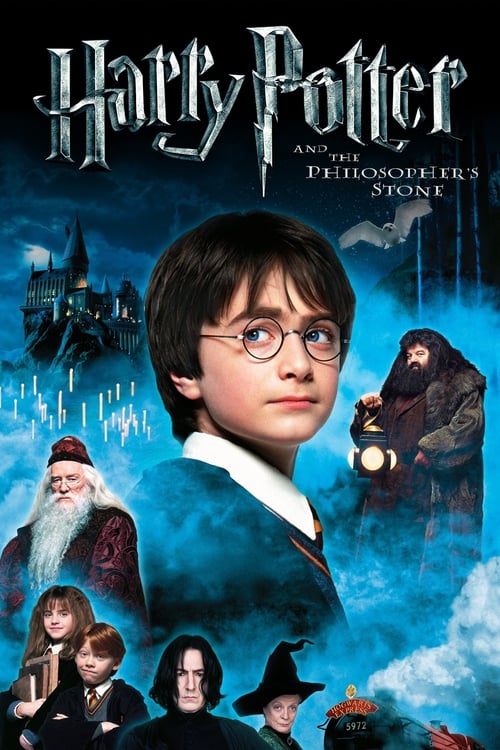
- 1997Harry Potter and the Philosopher's Stone is published. The modern cultural template for wizard fiction is set. Harry Potter and the Philosopher's Stone
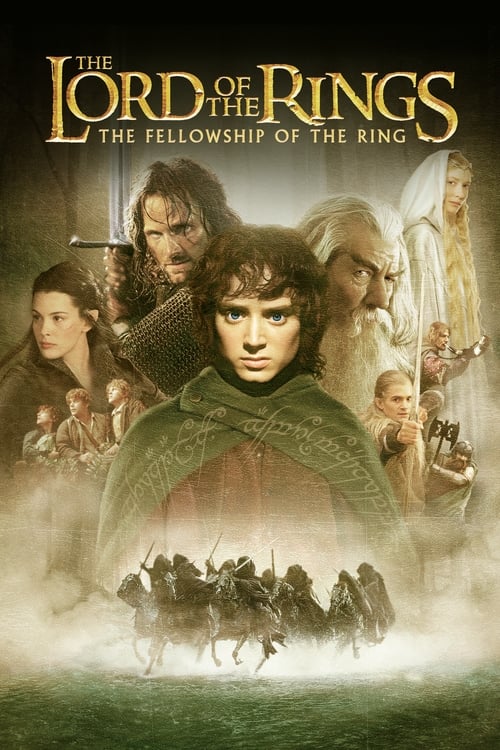
- 2001Peter Jackson's Fellowship of the Ring makes Gandalf the defining screen wizard of a generation. The Lord of the Rings: The Fellowship of the Ring
- 2004The Elder Scrolls III: Morrowind and then Oblivion establish deep spell-crafting as a benchmark for RPG magic systems. The Elder Scrolls III: Morrowind
- 2006Susanna Clarke's Jonathan Strange & Mr Norrell reframes English magic as historical footnote: dry, academic, and dangerous.
- 2009Patrick Rothfuss publishes The Name of the Wind. Sympathy magic, a fully rules-based system, becomes the new benchmark for literary spellcasting. The Name of the Wind
- 2015The Magicians (Syfy) reframes wizard school as traumatic in the way the books anticipated, reaching a wider audience. The Magicians
More spellcasters and epic fantasy
Wizards & Magic Schools
Explore the Wizards & Magic Schools guide →The wise person does not tell us all they know. The wizard knows they know less than the work requires. That gap is where the story lives.CrossBinge