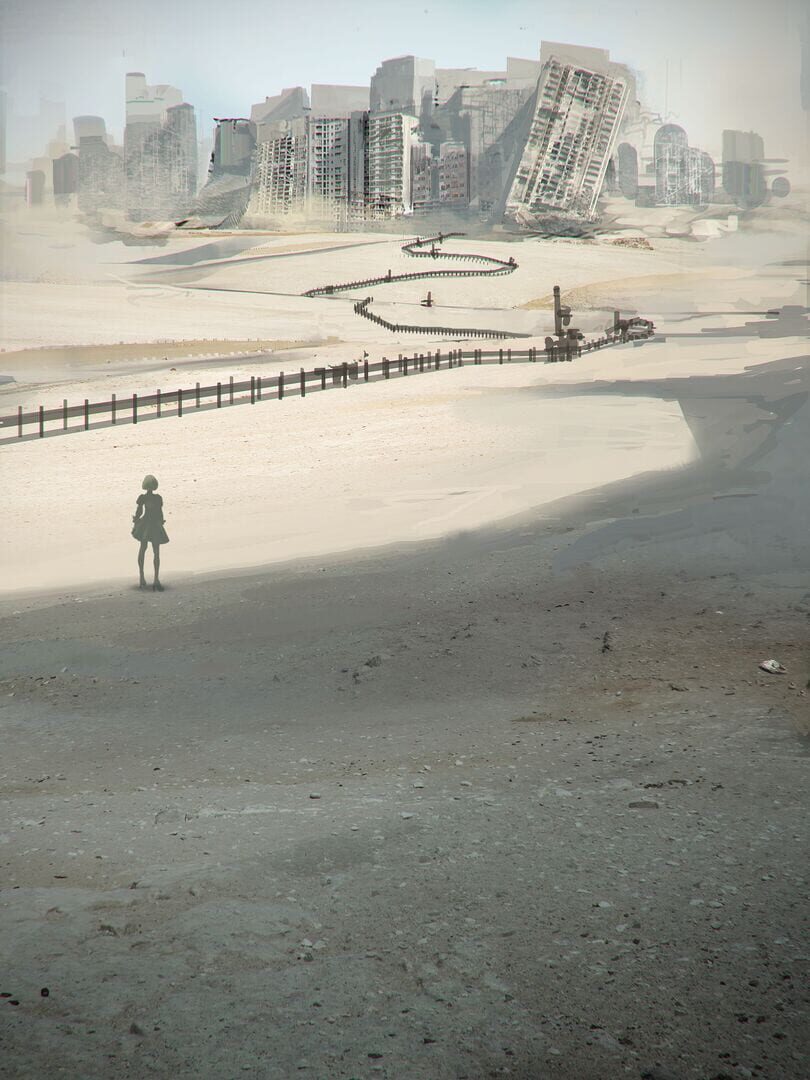

Yoko Taro games don't end the way you expect. They end the way they have to, which is usually badly, and then they make you think about why you pressed the button anyway. Since Drakengard in 2003 he has built a body of work held together by a single obsession: the distance between what people want and what they destroy getting it. NieR: Automata sold four million copies in its first year on the strength of a robot love story that doubles as a philosophy lecture. The through-line for fans is not darkness as an aesthetic but darkness as honesty, a refusal to let the player or the audience feel clean.
Essential Yoko Taro
The games, ranked by how much they will rearrange your brain
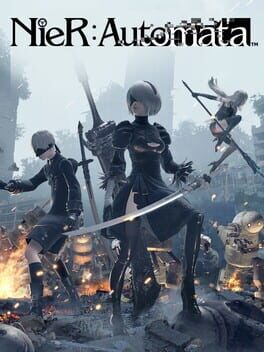
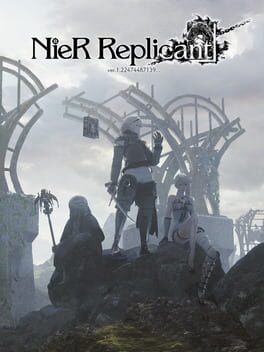
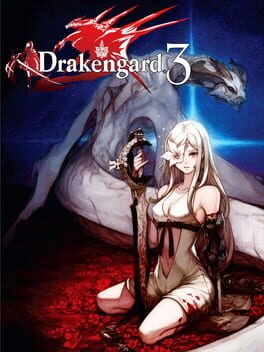
If you love the combat poetry of NieR: Automata
Action-RPGs where the fighting and the feeling are inseparable
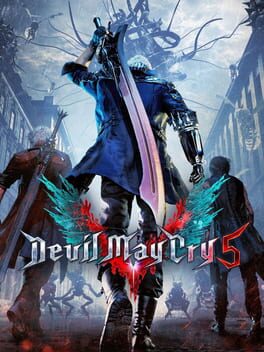
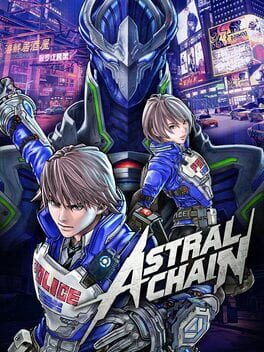
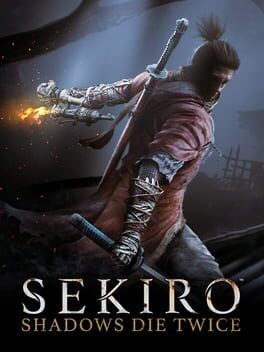
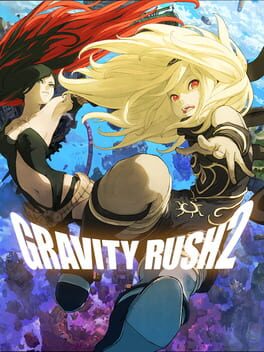
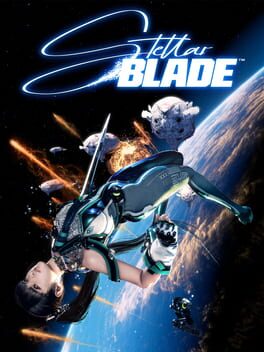
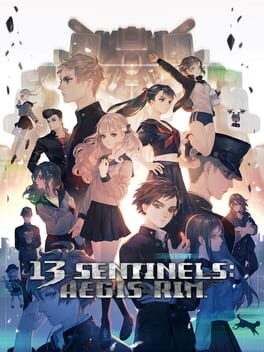
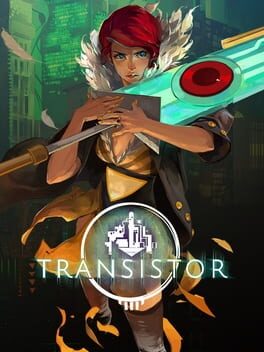
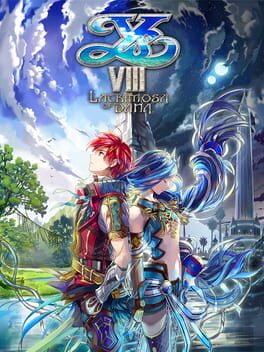
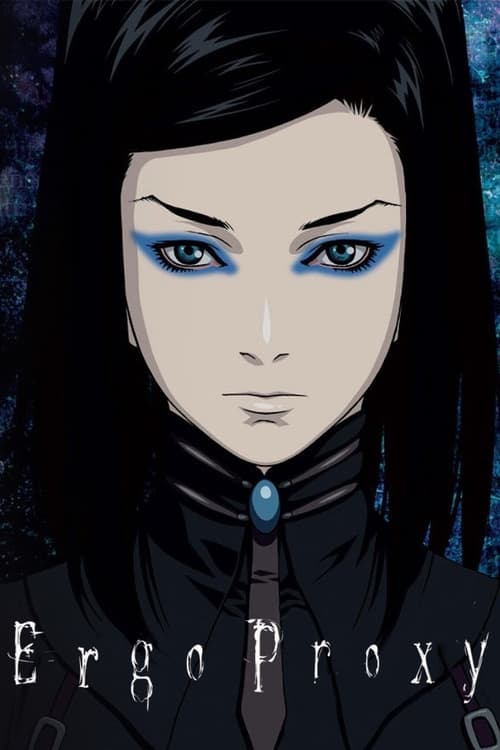
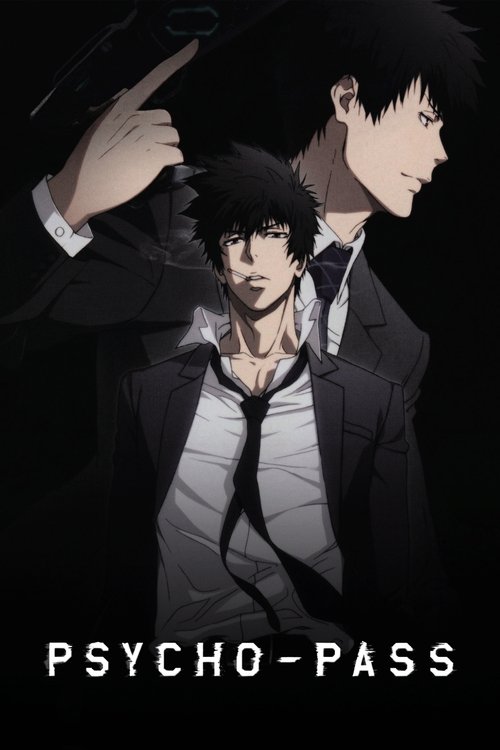
If you love the existential dread and android philosophy
Films and series that ask what it costs to be conscious
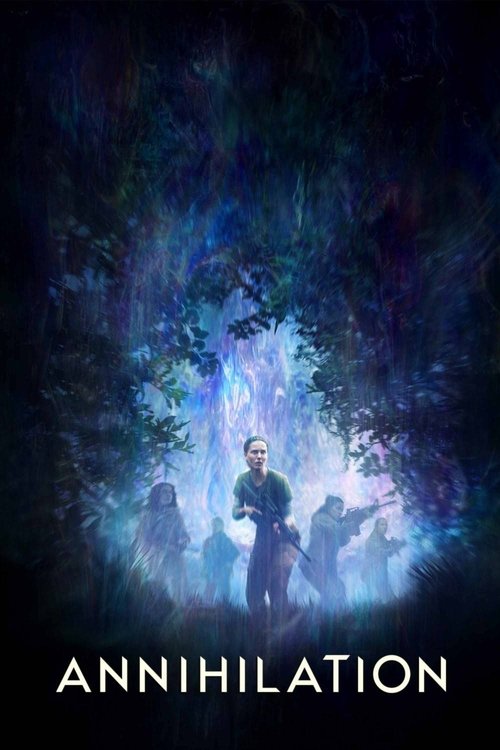

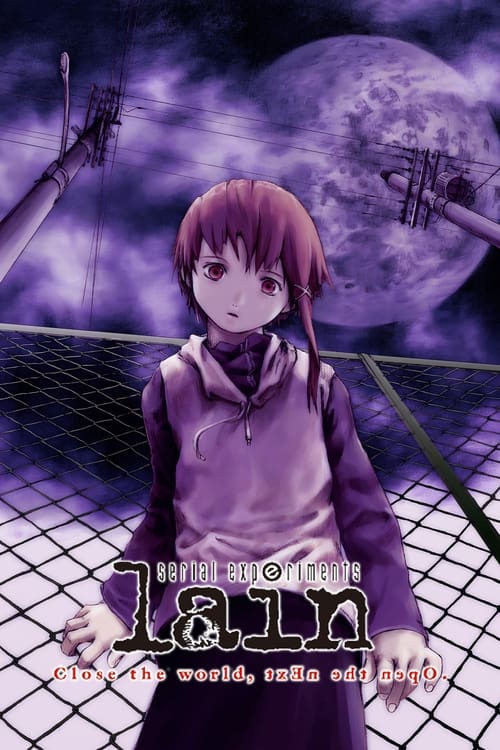
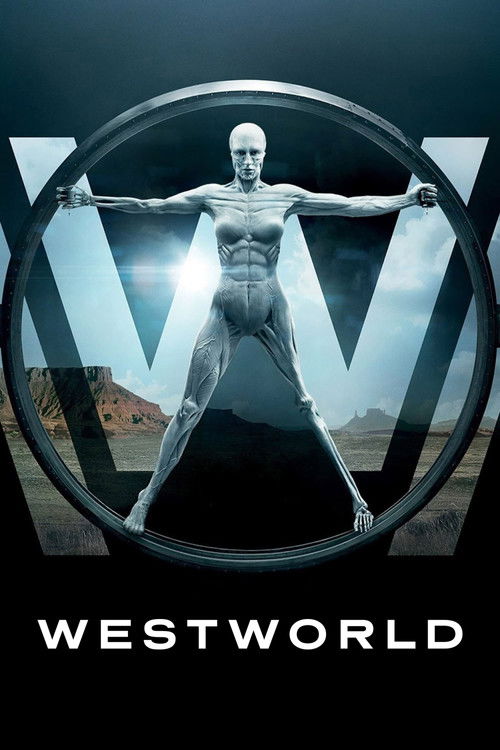
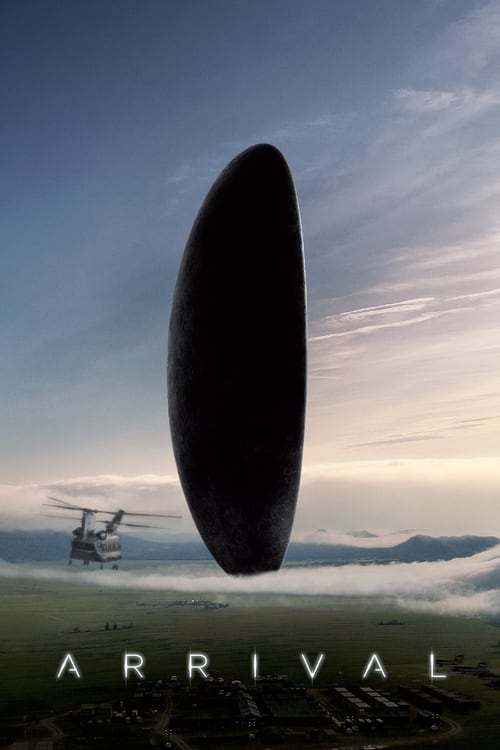
If you love the melancholic post-apocalyptic world-building
Films and series soaked in beautiful ruin and quiet grief
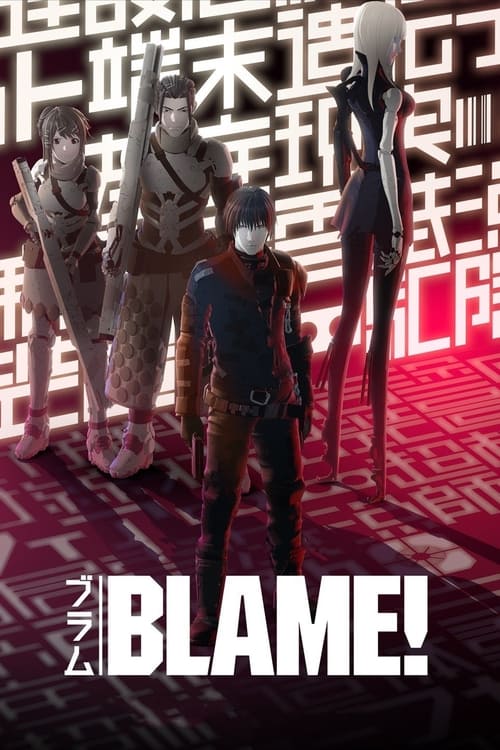
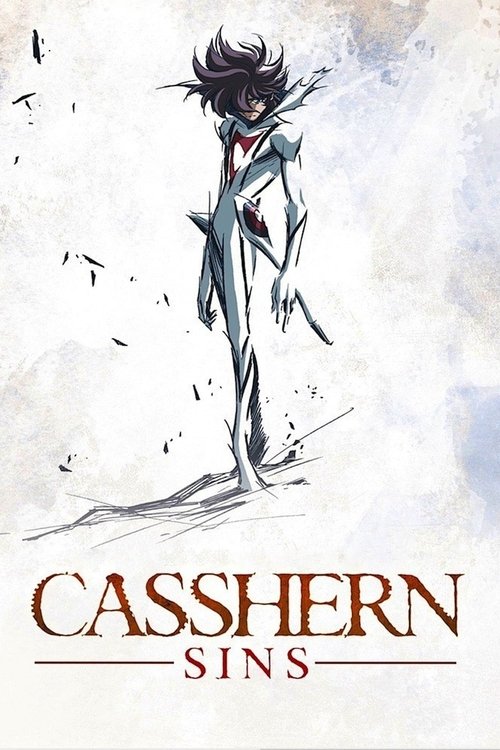
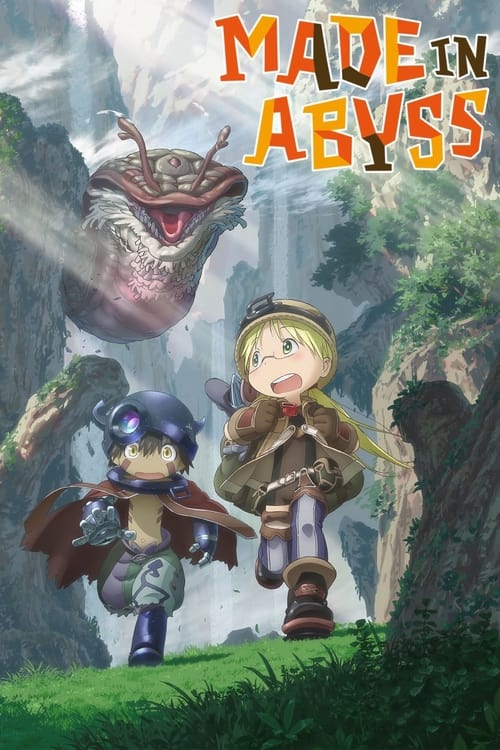
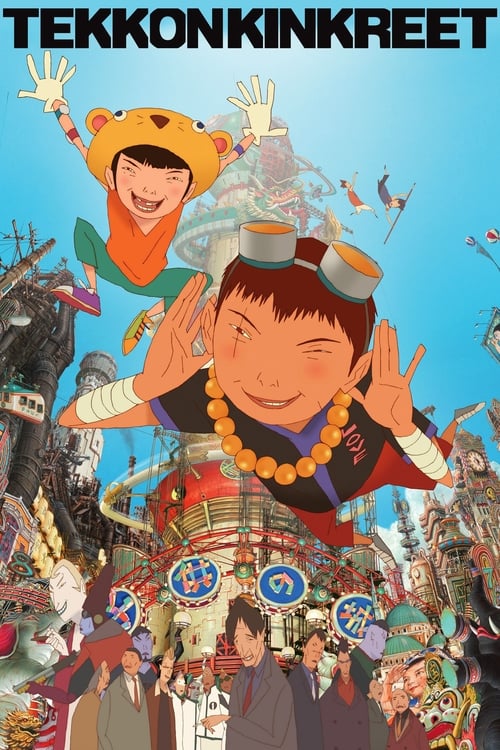
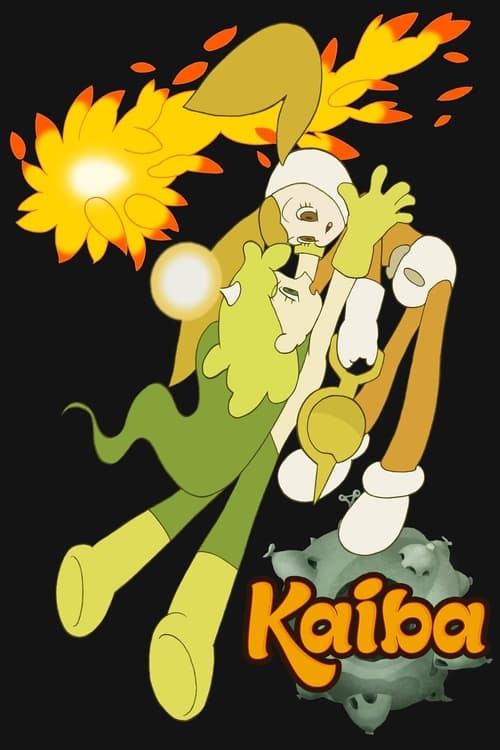
If you love the layered narrative and meta-fiction
Games that play with the form itself, or novels that break the frame


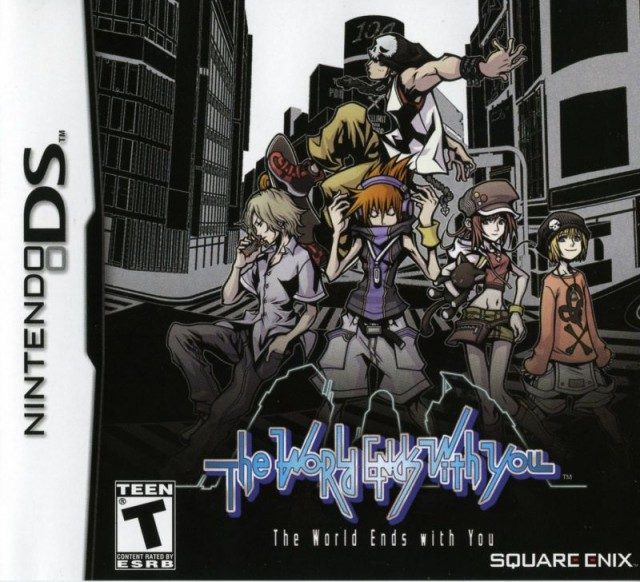

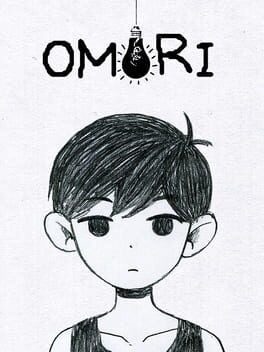
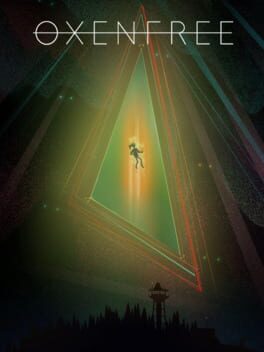
NieR: Automata is a game about playing games
The second playthrough of NieR: Automata is the same story from a different character's eyes. The third is a deconstruction of both. By the time the credits roll in ending E, Yoko Taro has turned the save-file deletion screen into an emotional argument about collective action and the value of improbable hope. No other game in the last decade has used the medium's specific mechanics so precisely to make a philosophical point.
The Drakengard series is where the darkness is less metaphor, more method
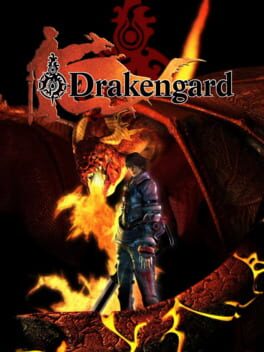
Drakengard's protagonist Caim is not a reluctant hero who turns dark under pressure. He starts as a monster and the game keeps asking you to control him anyway. This was too much for most players in 2003 and remains too much for many now. But it is precisely this refusal to give you a redemption arc that makes Yoko Taro's later, more accessible work earn its emotional weight. The horror in NieR is only powerful if you understand where it came from.
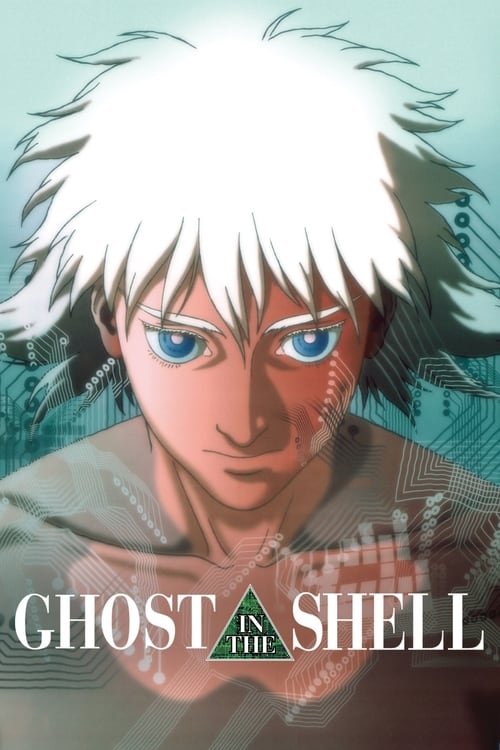
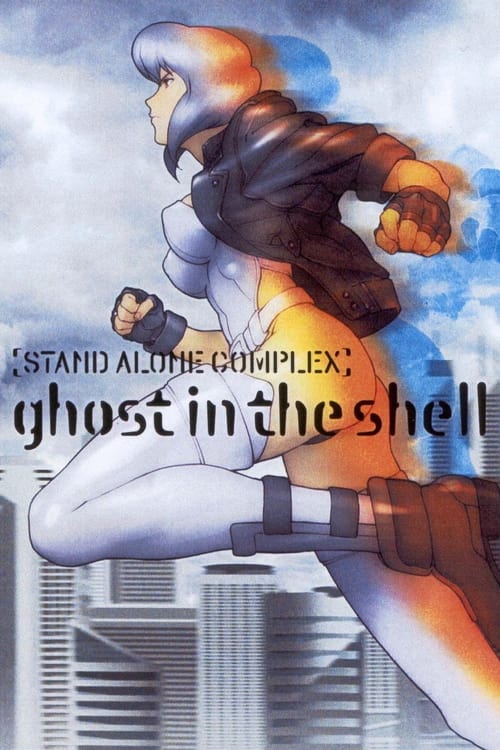
The philosophical DNA runs straight through Ghost in the Shell
When 2B asks what we are fighting for, she is speaking directly in the tradition of Major Motoko Kusanagi asking what defines a soul. Both works use synthetic beings as a mirror for the audience's most uncomfortable questions about identity, autonomy, and meaning. Ghost in the Shell (the 1995 film and the Stand Alone Complex series) is not just a spiritual predecessor to NieR: Automata, it is a required companion text.
Keiichi Okabe's scores are not background music, they are the argument
Weight of the World, the ending theme of NieR: Automata, exists in multiple languages and is performed simultaneously in the final sequence as a literal act of collective completion. Okabe's work across the NieR and Drakengard catalog does something rare: it carries narrative information. The shift between Alien Manifestation's off-key choral menace and Emil's Shop's cheerful irony is a character study delivered entirely through music. Listening to the soundtracks without playing the games is still worth your time.
The Yoko Taro Timeline
- 2003Drakengard shocks Famitsu reviewers and sells poorly enough to guarantee a cult following Drakengard
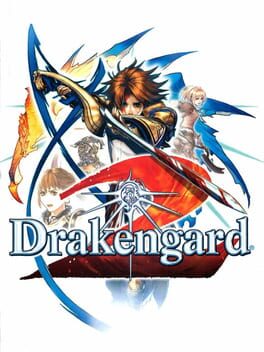
- 2005Drakengard 2 ships without Taro as director; the series' most conventional entry Drakengard 2
- 2010NieR (Gestalt/Replicant) divides critics and quietly becomes the emotional foundation for everything that follows
- 2013Drakengard 3's infamous ending D causes real-time rhythm failures at press events and becomes legend Drakengard 3
- 2017NieR: Automata sells four million copies, introduces the Yoko Taro canon to a global audience NieR: Automata
- 2019SINoALICE launches as a mobile RPG reimagining fairy-tale characters in a perpetual cycle of violence
- 2021NieR Replicant ver.1.22... brings the previously Japan-only version to global audiences with a full remake NieR Replicant ver.1.22474487139...
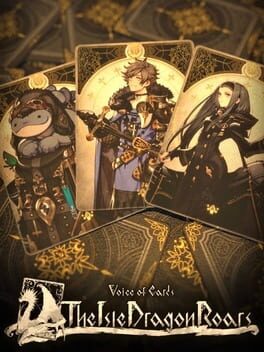
- 2021Voice of Cards begins a quiet tabletop-aesthetic trilogy narrated entirely as a card game by a single voice Voice of Cards: The Isle Dragon Roars
More broken worlds and machine souls
For Fans of NieR
Explore the For Fans of NieR guide →I like making players cry. Not by killing off a character they love, but by making them realize they were complicit in something they thought they were above.Yoko Taro