
Two cinemas under one language
Arabic-language cinema is really two stories that share an alphabet. The first is Egyptian: from the 1930s, Cairo built the only full studio system in the region, an industry of stars, songs, and melodrama so dominant that for decades "Arab film" simply meant "Egyptian film." Studio Misr and the producers around it turned out features at industrial scale, exported the Egyptian dialect across the whole Arabic-speaking world, and made singers like Umm Kulthum and Abdel Halim Hafez into screen idols. Its towering figure is Youssef Chahine, an Alexandrian who could make a Soviet-flavored realist epic one decade and a confessional musical the next.
The second story is everything that pushed back against that gloss. After 1948 and the loss of Palestine, after the Lebanese civil war, after the long disappointments of independence in the Maghreb, a generation of filmmakers turned away from the studio and toward the street, the refugee camp, the village, and the unspoken thing inside families. This is the cinema of Michel Khleifi and Elia Suleiman in Palestine, Nabil Maleh in Syria, Merzak Allouache in Algeria, and the Tunisian and Algerian new waves. It travels through festivals more than through box office, and it has produced most of the Arabic films the wider world actually knows.
The Egyptian golden age
Cairo's studio system at full power: melodrama, realism, and Chahine



Chahine, and the films that answered him
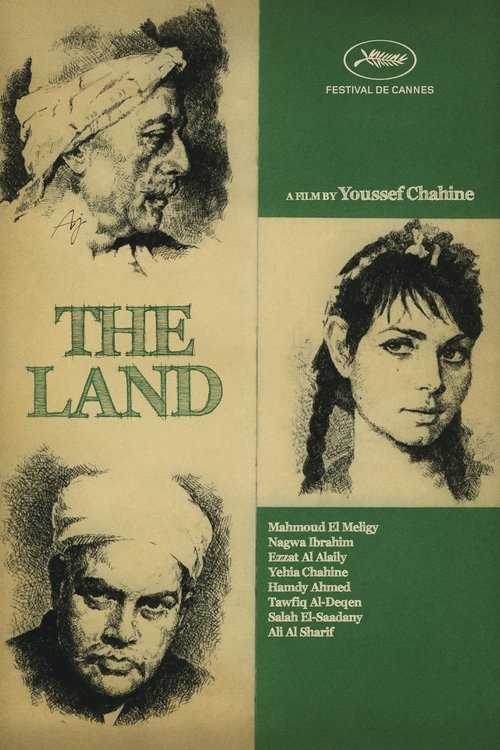
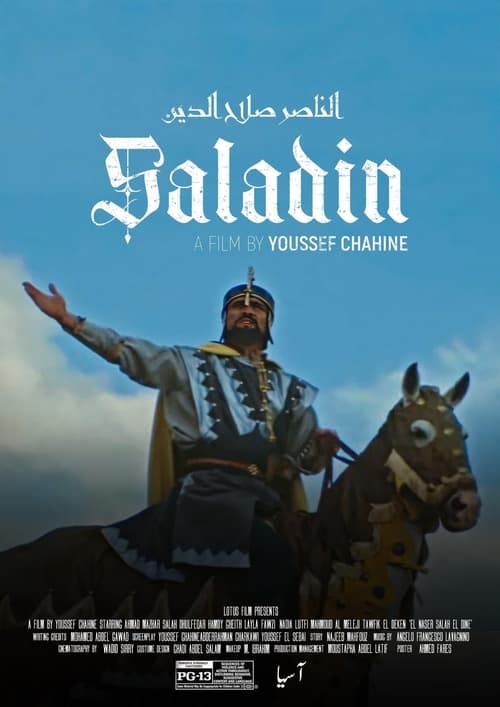
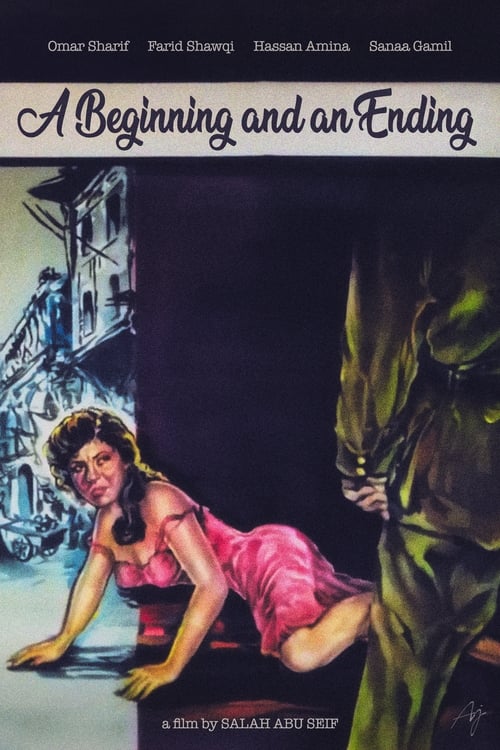
Youssef Chahine is the axis. "Cairo Station" (1958), in which he plays a disabled newspaper vendor working the platforms of Cairo's main station, flopped at home and is now read as one of the great films of the 1950s anywhere. He kept reinventing: the social-realist "The Land," the autobiographical Alexandria films, the late costume dramas. Around and after him, Egyptian art cinema took a sharper political turn with Salah Abu Seif's social realism, Shadi Abdel Salam's "The Mummy," a film about who owns the dead and the only feature he completed, and later the satirists.
The modern Egyptian art film runs through Yousry Nasrallah, a Chahine protege, and into a leaner, festival-facing generation: Mohamed Diab's "Cairo 678" and "Clash," Abu Bakr Shawky's "Yomeddine," Tarik Saleh's Cairo-set thrillers "The Nile Hilton Incident" and "Cairo Conspiracy." The studio melodrama never died, but the prestige moved to the small, hard films about power and the street.
Palestine on screen
Exile, occupation, and the deadpan: the most internationally honored strand of Arab cinema
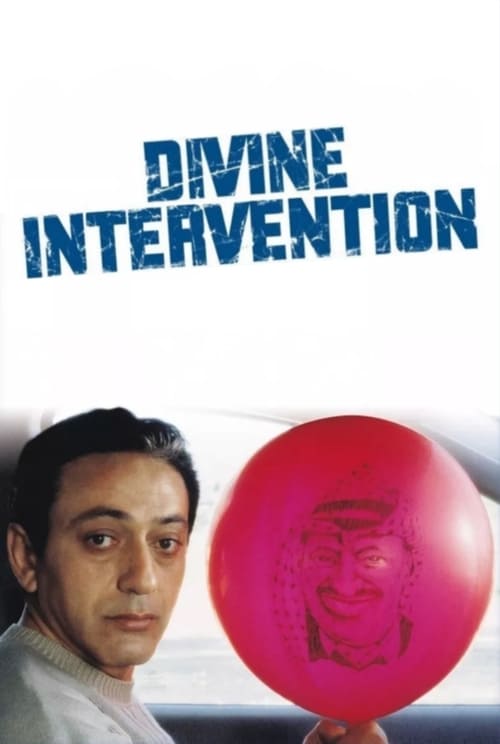
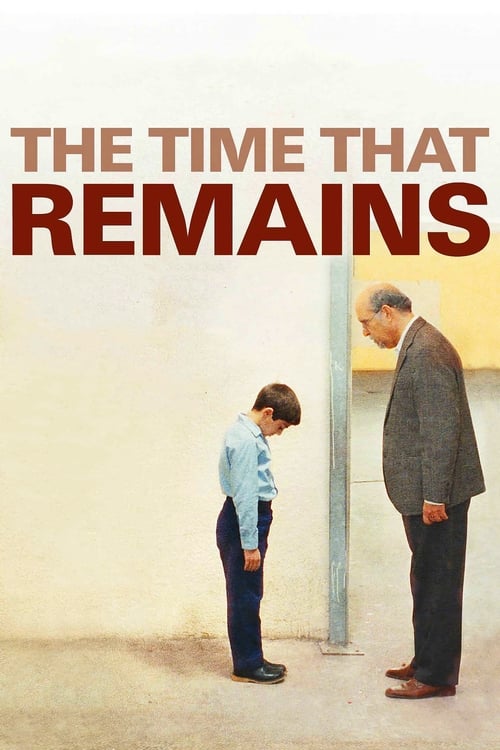
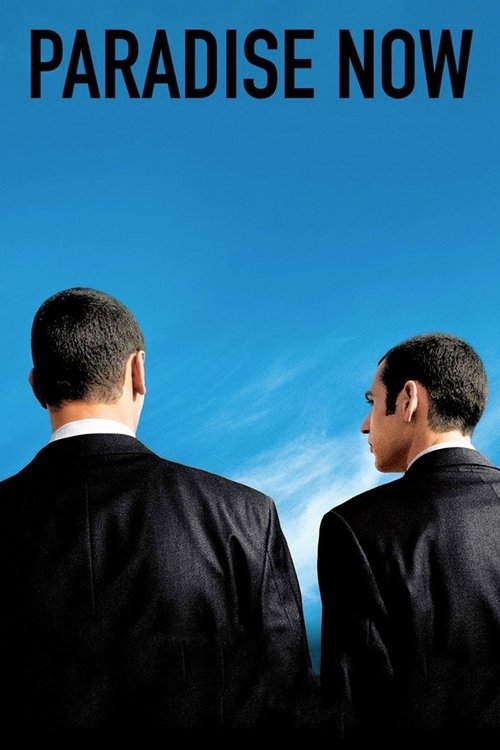

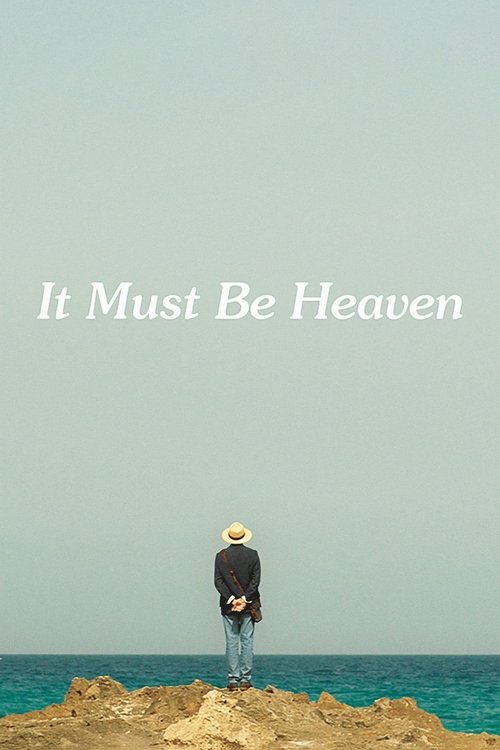
Elia Suleiman films occupation as a deadpan comedy of the absurd, then waits one extra beat until you stop laughing. That beat is the whole point.CrossBinge editors
The Maghreb wave
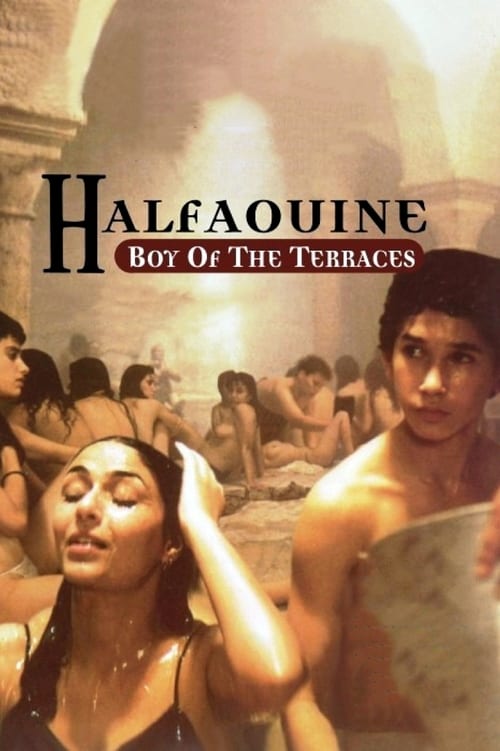
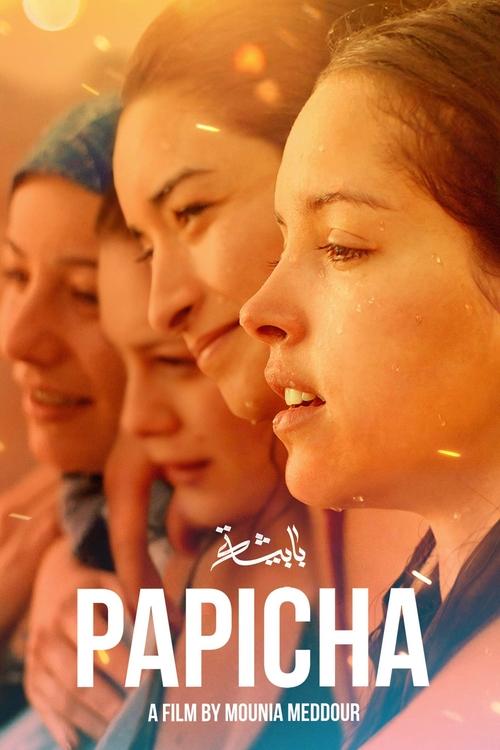
Algeria, Tunisia, and Morocco: post-colonial reckonings and the rise of women's cinema

A century of Arab film, in a dozen marks
- 1927Laila, often cited as the first Egyptian feature, launches a national industry
- 1935Studio Misr opens in Cairo, building the region's only full studio system
- 1958Chahine's Cairo Station premieres, flops at home, becomes a classic abroad Cairo Station
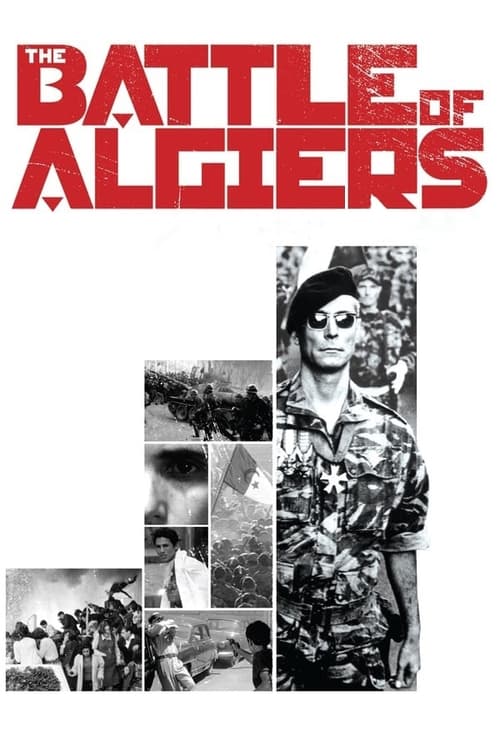
- 1966The Battle of Algiers wins the Golden Lion at Venice and reframes anti-colonial cinema The Battle of Algiers
- 1969Shadi Abdel Salam's The Mummy, the great one-off of Egyptian art cinema The Mummy
- 1975Algeria's Chronicle of the Years of Fire takes the Cannes Palme d'Or
- 1987Michel Khleifi's Wedding in Galilee announces Palestinian feature cinema
- 1994Moufida Tlatli's The Silences of the Palace centers women's memory in Tunisia
- 2002Elia Suleiman's Divine Intervention wins the Cannes Jury Prize Divine Intervention
- 2005Paradise Now becomes the first Palestinian film nominated for the Oscar Paradise Now
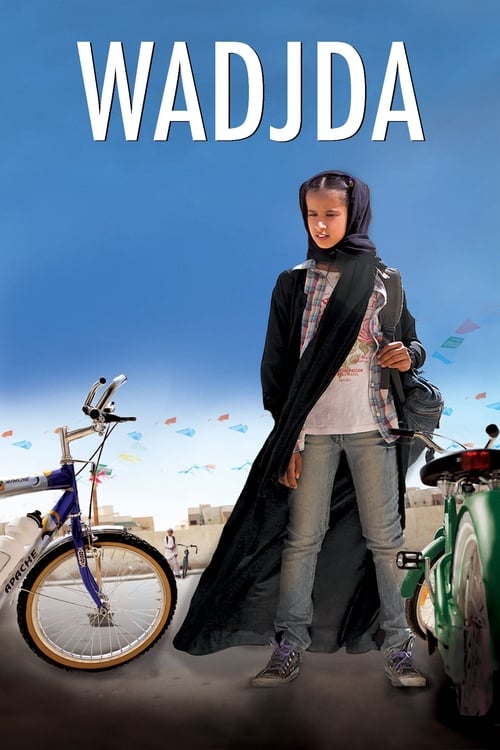
- 2012Wadjda, the first feature shot entirely inside Saudi Arabia, by a woman Wadjda
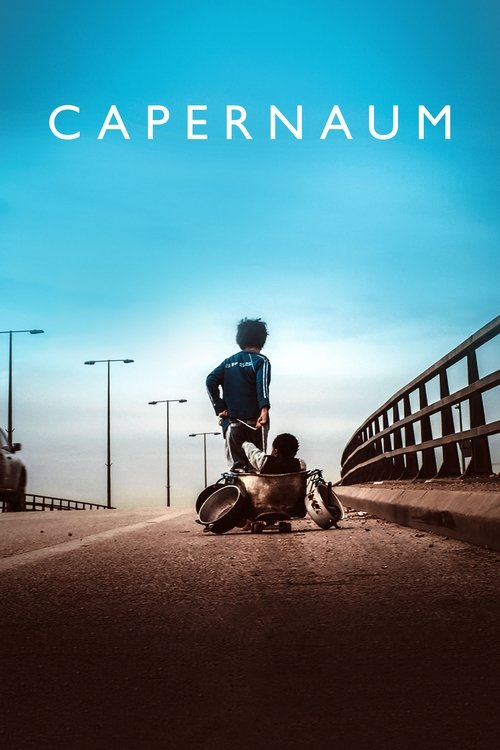
- 2017The Insult makes Lebanon a regular at the Oscars; Capernaum follows The Insult
Lebanon, Syria, and the Gulf now
The new festival heavyweights, plus Saudi cinema's late, fast arrival


The festival film and the studio film need each other, and the catalog should hold both
There is a snobbery, in and outside the Arab world, that treats the Cairo musical as kitsch and the Cannes-anointed border film as the real cinema. That is backwards. Chahine learned his grammar inside the studio melodrama and never left it behind, even at his most political. The festival generation that followed (Suleiman, Nadine Labaki) is sharp precisely because it is reacting to a popular tradition the whole region grew up watching on television. Watch "Caramel" right after "The Nightingale's Prayer" and you can hear the same melodic intelligence, just retuned. A serious shelf of Arab cinema keeps the glossy Cairo classics next to the austere new films, because they are one conversation, not two.
Why the books matter here
Arab cinema has always fed on its novelists. Naguib Mahfouz, the only Arab winner of the Nobel Prize in Literature, worked as a screenwriter as well as a novelist, and his Cairo Trilogy and the controversial "Children of Gebelawi" map exactly the social world the Egyptian realists were filming. Ghassan Kanafani's "Men in the Sun" became Tewfik Saleh's "The Dupes," one of the essential Palestinian films, and Tayeb Salih's "Season of Migration to the North" is the Sudanese novel that shadows every Arab film about going to and coming back from Europe. Alaa Al Aswany's "The Yacoubian Building" was filmed as one of the most expensive Egyptian productions of its day. If you want to understand why these movies sound the way they do, the shelf above is where many of the screenplays came from.