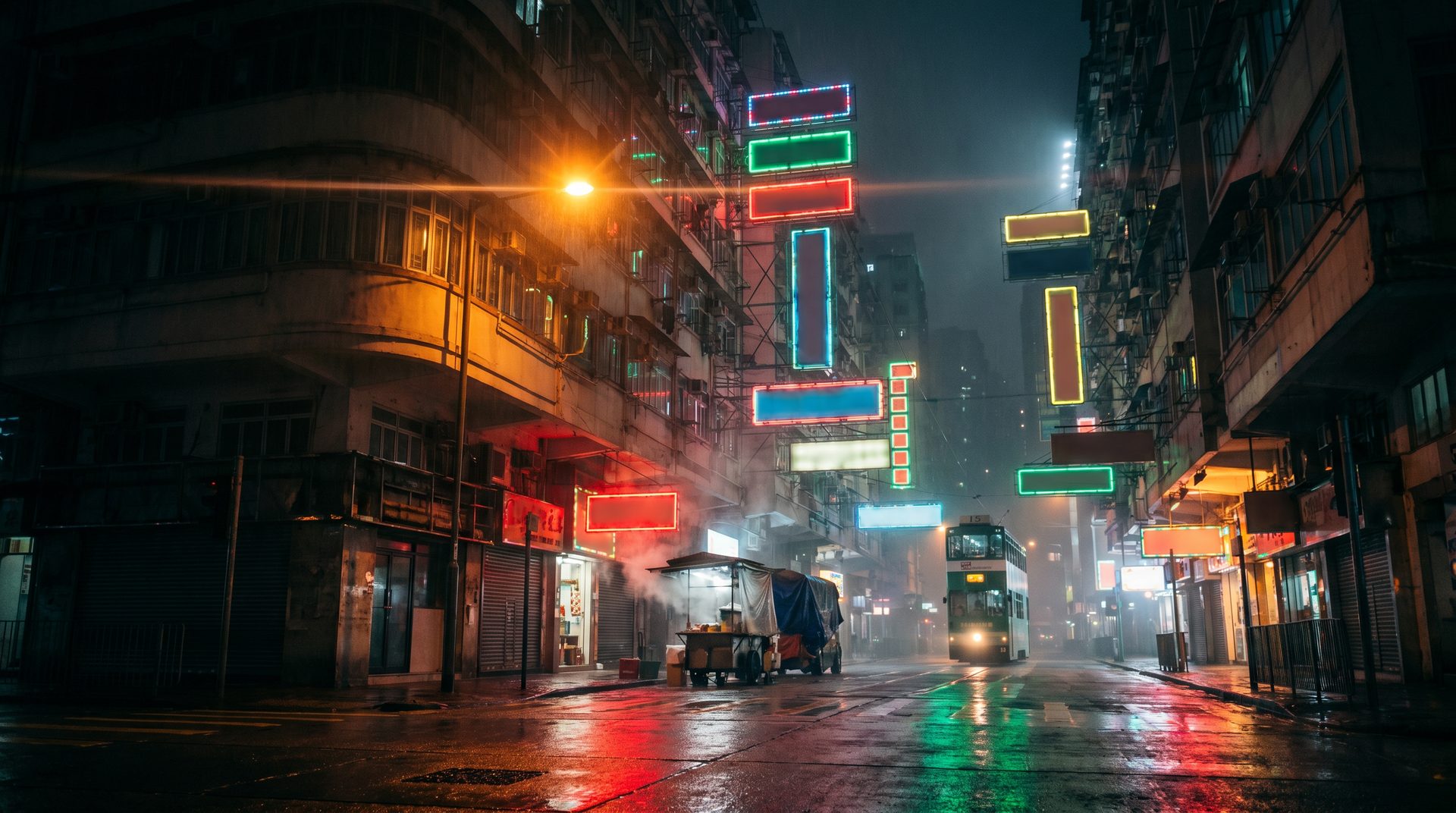

A small city with an enormous output
For a stretch of the 1980s and early 1990s, Hong Kong was often ranked among the largest film exporters on the planet, made by a population smaller than London's. Cantonese was its native tongue and its secret weapon: fast, slangy, profane, perfect for a cinema built on momentum. The studios churned out genre pictures at brutal speed, and from that chaos came an action grammar the whole world eventually copied.
What sets the best Cantonese cinema apart is the collision of registers. A Wong Kar-wai film can hold longing and a noodle bar in the same frame; a John Woo shootout can be balletic and operatic and absurd at once; a Stephen Chow comedy will detour from slapstick into genuine pathos and back inside one scene. The city itself is the recurring lead, vertical and crowded and provisional, always a few years from a handover nobody could fully picture.
The canon: ten films that define it
If you watch nothing else, start here
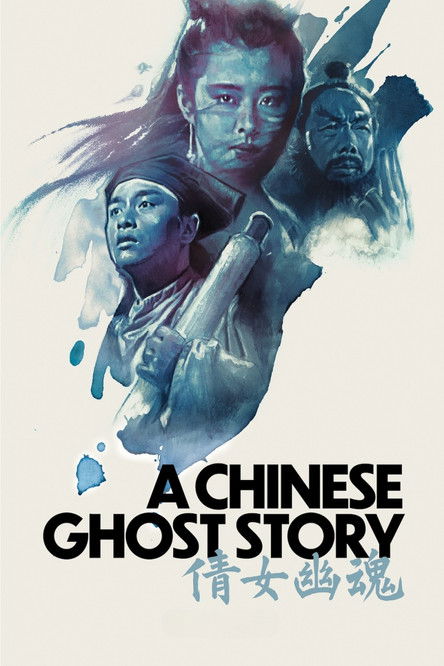
The Shaw Brothers and the kung fu engine
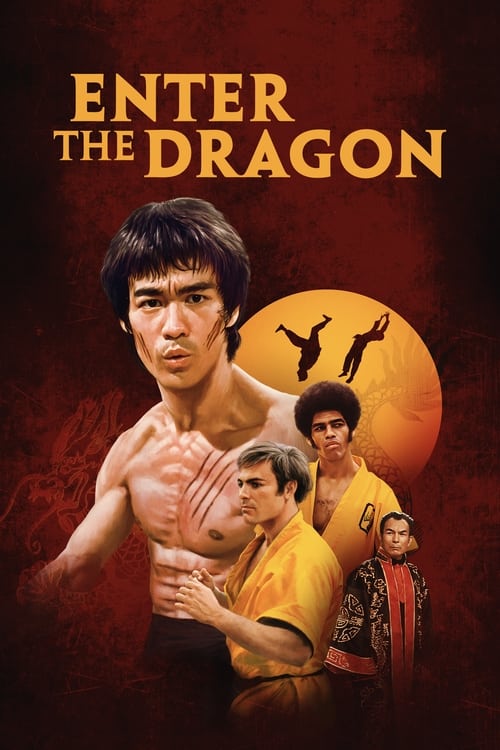
Before the New Wave there was the factory. Shaw Brothers built a Movietown in Clearwater Bay and produced martial-arts spectacle on an assembly line, with directors like Chang Cheh pushing a bloody, masculine, brotherhood-obsessed style and Lau Kar-leung bringing real Hung Gar fighting discipline to the screen. Their rivals at Golden Harvest gambled on a young returnee named Bruce Lee, and the films that followed turned a regional craze into a global one.
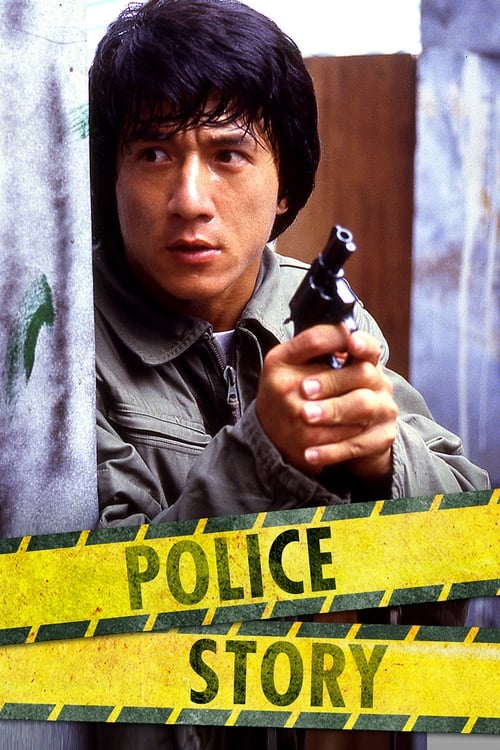
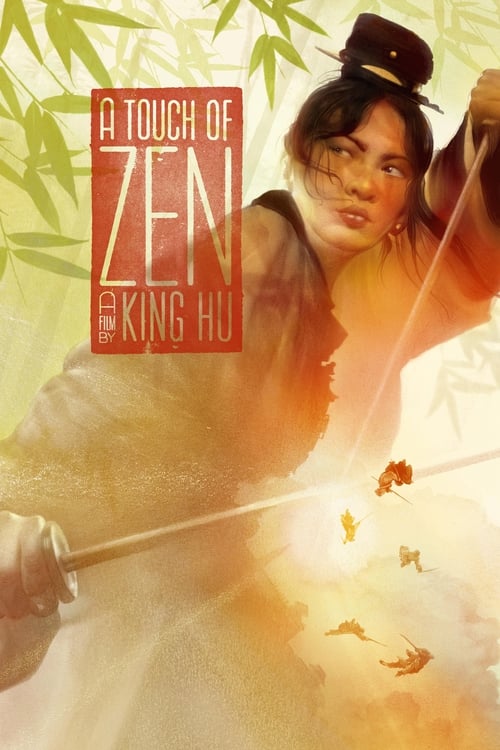
The genre kept reinventing itself. Lau Kar-leung's The 36th Chamber of Shaolin is a training-montage masterpiece; King Hu, working in a more painterly Mandarin tradition, made the wuxia of A Touch of Zen feel like calligraphy in motion. Then Jackie Chan and Sammo Hung flipped the whole thing into comedy and stuntwork so dangerous it doubled as documentary.
Kung fu, wuxia, and the stunt era
From Shaw Brothers Movietown to Jackie Chan breaking bones


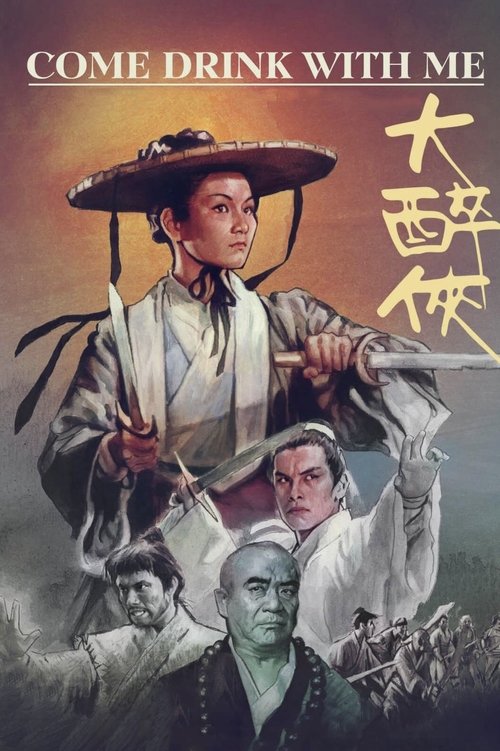
A chronology of Hong Kong cinema
- 1966King Hu's swordswoman picture sharpens wuxia into art Come Drink with Me
- 1971Bruce Lee returns from America and detonates the kung fu boom The Big Boss
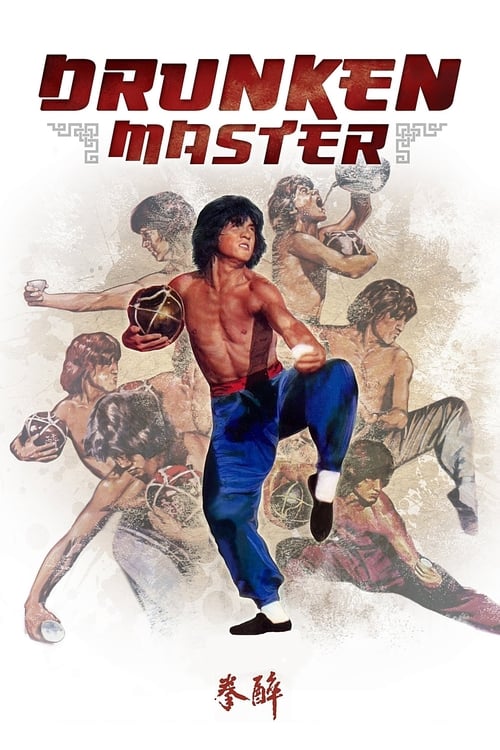
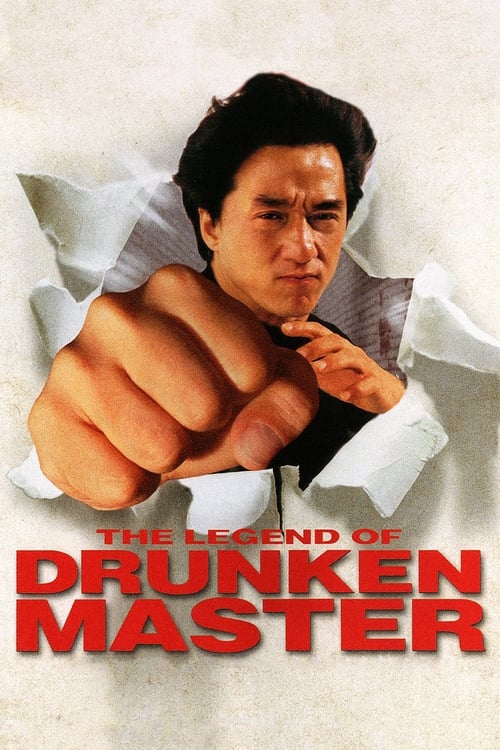
- 1978Jackie Chan finds his comic-kung-fu voice Drunken Master
- 1979The Hong Kong New Wave breaks with Tsui Hark and Ann Hui The Butterfly Murders
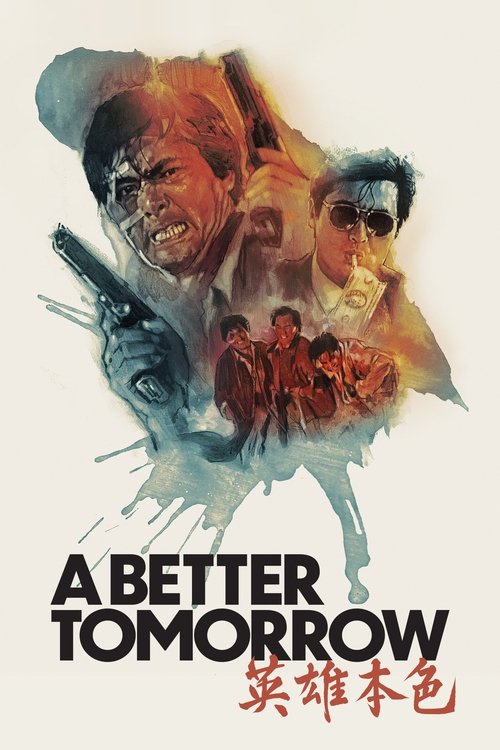
- 1986John Woo and Chow Yun-fat invent heroic bloodshed A Better Tomorrow
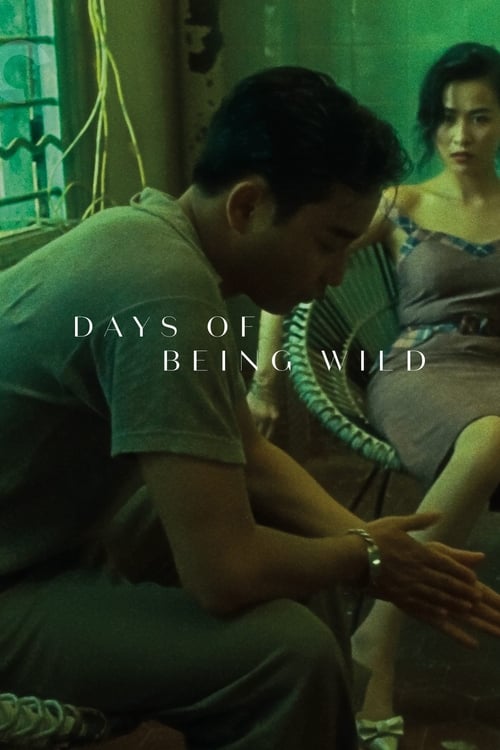
- 1990Wong Kar-wai turns mood into method Days of Being Wild
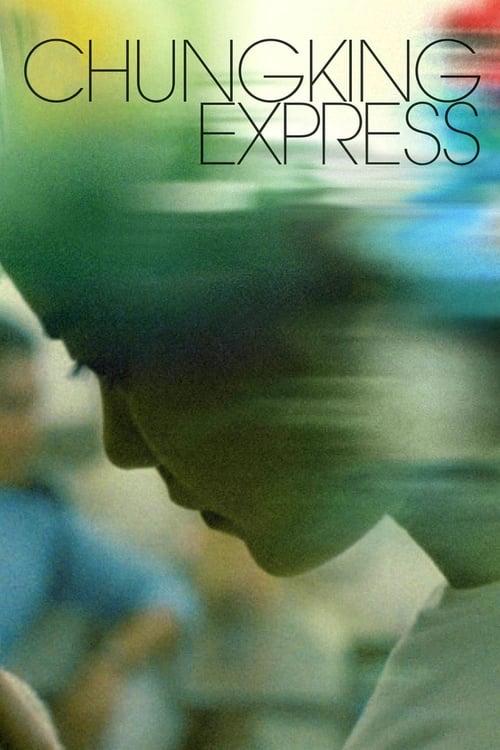
- 1994A two-part fever dream of love and loneliness Chungking Express
- 1997The handover; the industry's golden flood begins to recede
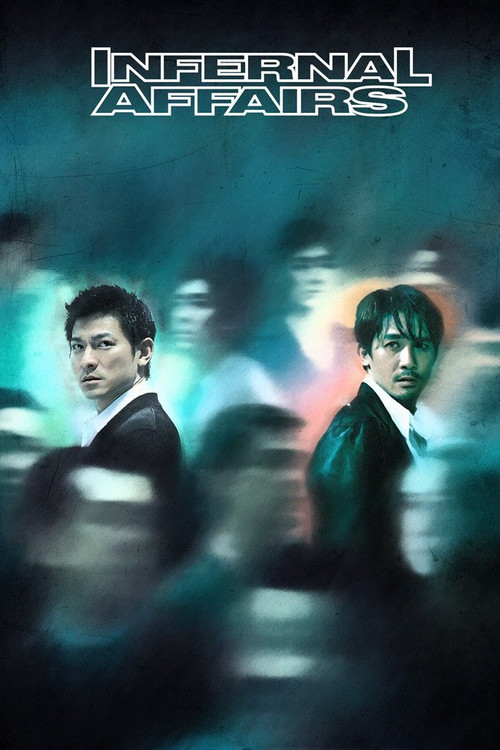
- 2002Infernal Affairs revives the local box office and is later remade as The Departed Infernal Affairs
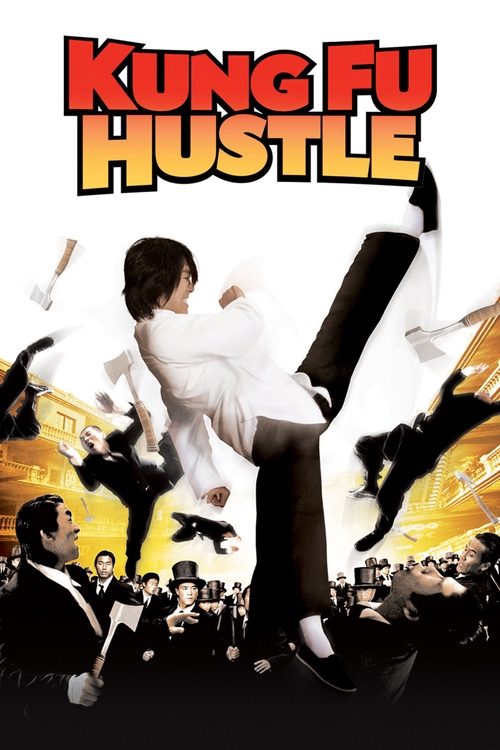
- 2004Stephen Chow's CGI-kung-fu cartoon goes worldwide Kung Fu Hustle
The New Wave and the heroic-bloodshed boom
Around 1979 a generation that had trained in television and abroad rewrote the rules. Tsui Hark brought anarchic energy and a producer's appetite for scale; Ann Hui brought social realism and a quieter, humanist eye (her Vietnamese-refugee drama Boat People still stings). Patrick Tam and Allen Fong filled out a movement that took the city seriously as a subject.
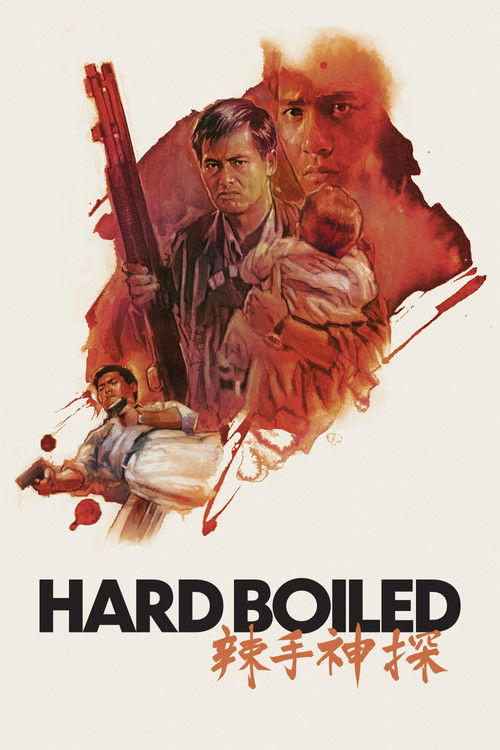
Then John Woo, long stuck in comedy, made A Better Tomorrow and changed the temperature of action cinema everywhere. Slow-motion gunfights, doves, men loyal unto death, Chow Yun-fat in a trench coat with a matchstick in his teeth: heroic bloodshed was melodrama at gunpoint, and it produced The Killer and Hard Boiled, films Hollywood spent the next decade trying to imitate.
The New Wave and the auteurs
Wong Kar-wai, Ann Hui, Tsui Hark, Johnnie To, Fruit Chan
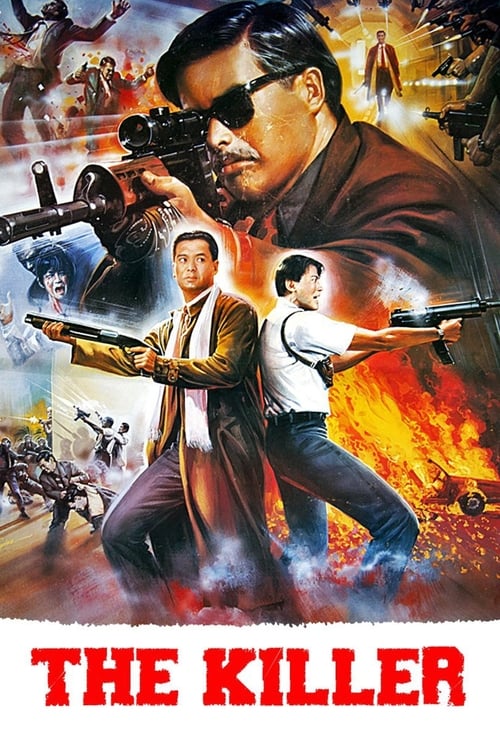

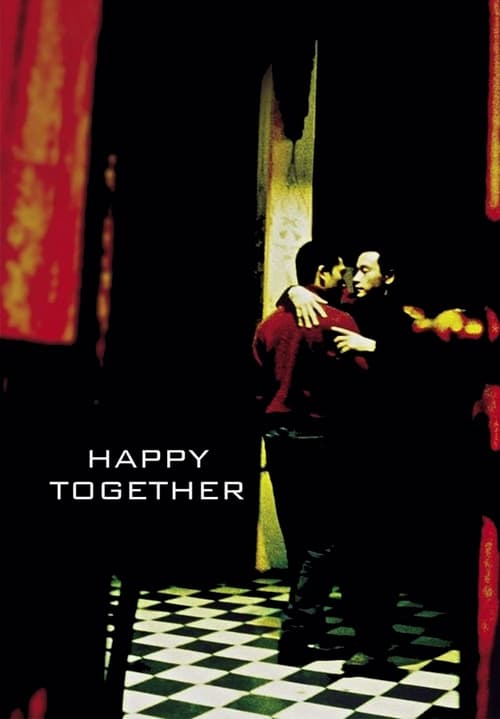
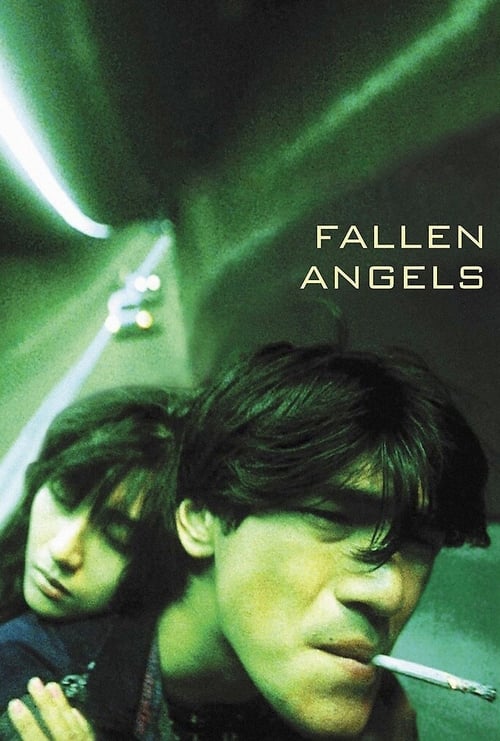
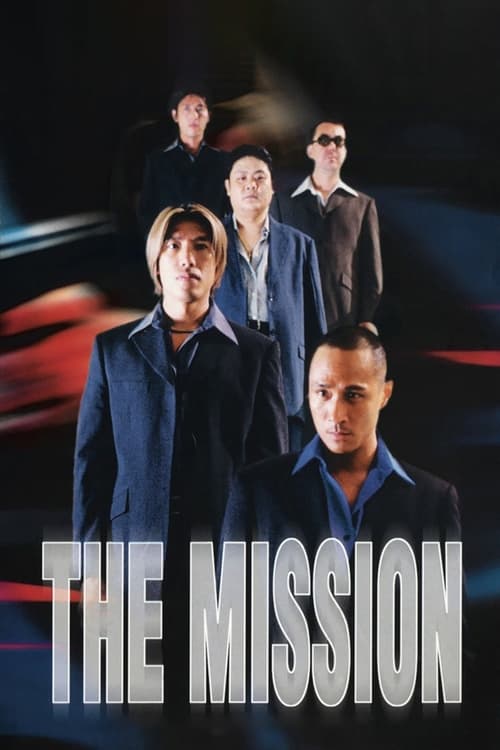
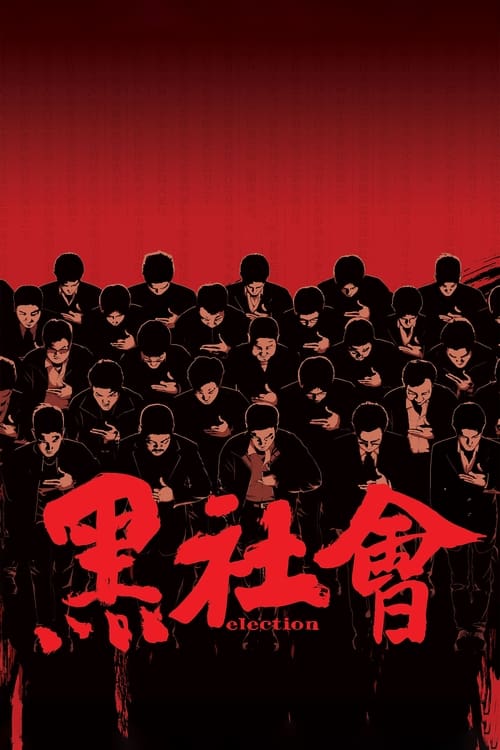
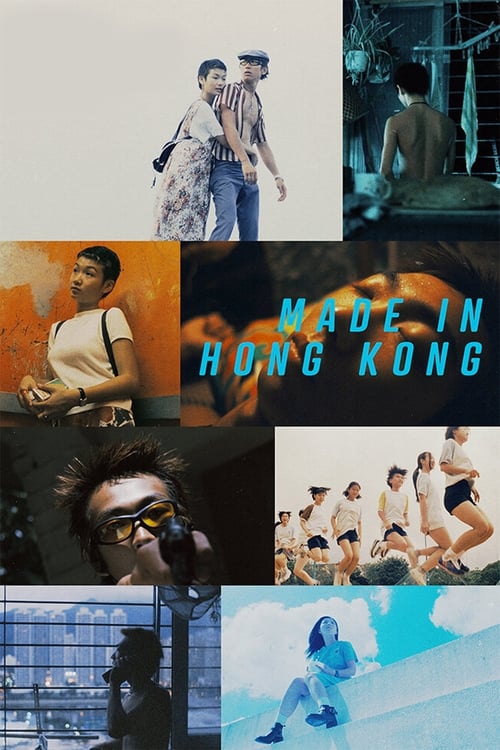
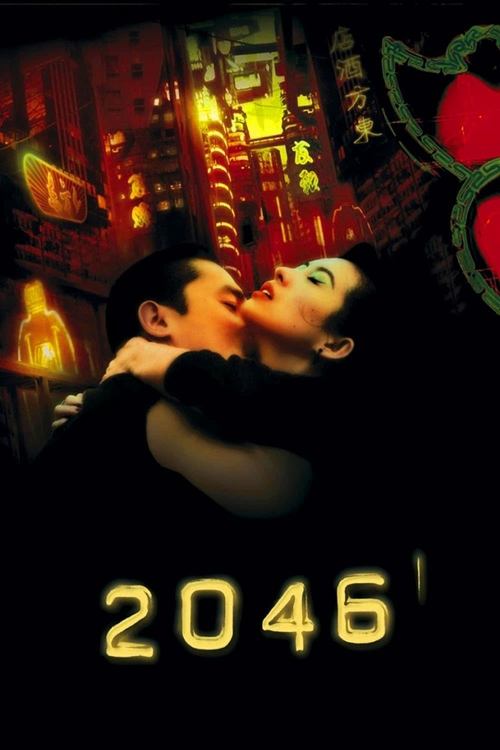
Hong Kong cinema's great trick was sincerity at full speed. Most film cultures slow down to feel something. This one wept and grinned and reloaded in the same shot.CrossBinge editors
Crime, comedy, and the modern handover era
Mou lei tau nonsense, triad operas, and post-1997 reckonings

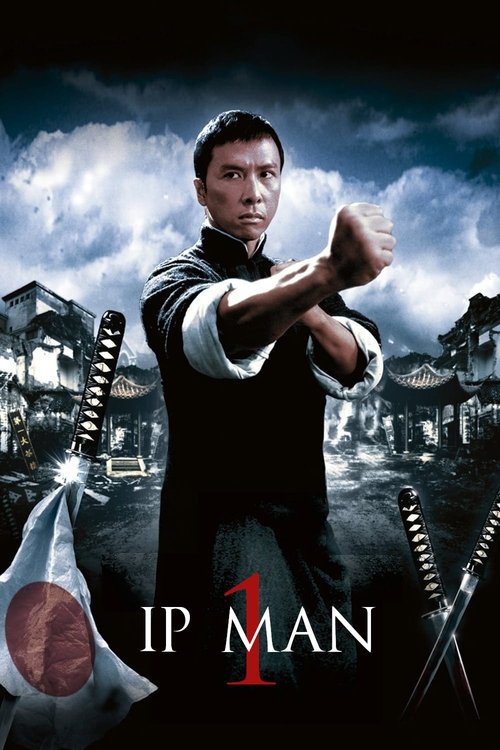
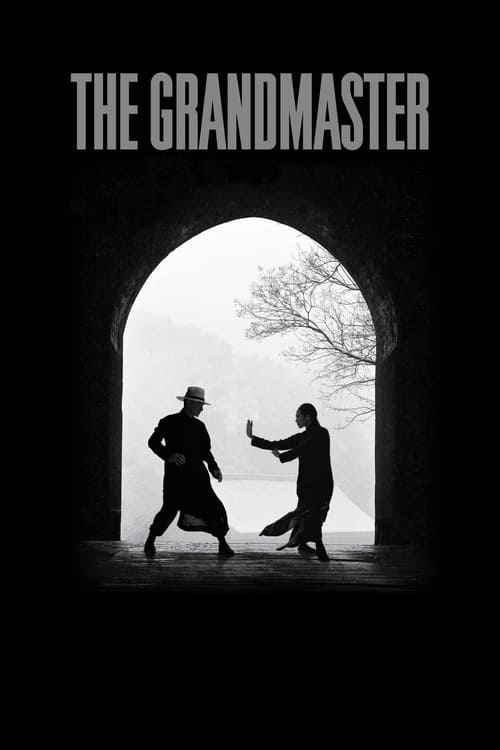
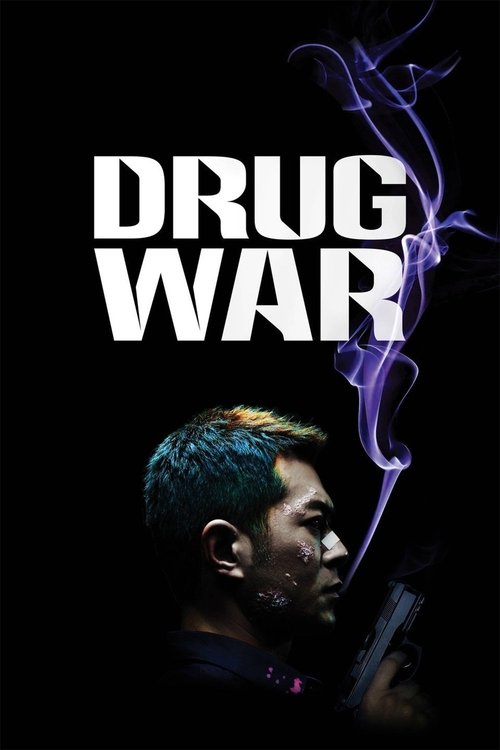
Wong Kar-wai is the only Hong Kong director who turned the handover into a feeling instead of a plot
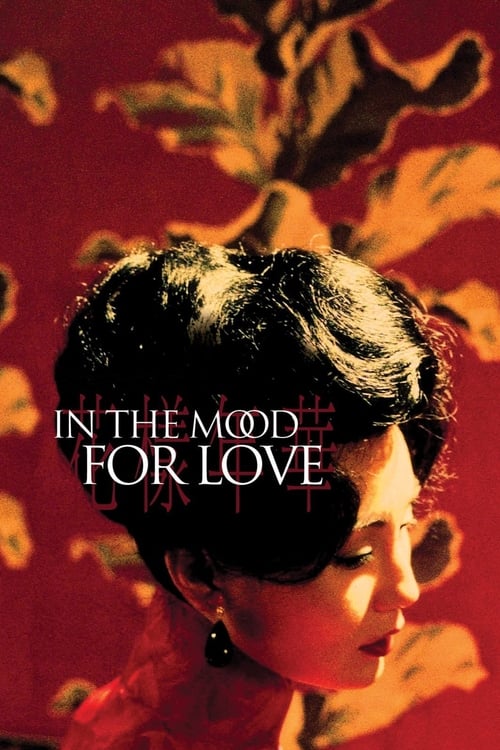
Plenty of films narrated 1997. Fruit Chan shot the underclass of a city about to change owners; the triad sagas read like allegories of who gets to run the place next. But Wong Kar-wai did something stranger and more lasting. He never names the deadline, yet Days of Being Wild, Chungking Express, Happy Together and In the Mood for Love are all soaked in expiry dates, missed connections, and clocks. The city is always about to become something else, and his characters are always one second too late. That is the handover as nervous system, not as headline, and it is why these films aged into the canon while the on-the-nose ones aged into footnotes.
Cantopop, the soundtrack the movies grew up with
You cannot separate this cinema from Cantopop. The same stars carried both: Leslie Cheung and Anita Mui were chart royalty before and during their best film roles, and Andy Lau, Jacky Cheung and Aaron Kwok (three of the Four Heavenly Kings of 1990s pop) moved between recording booth and film set constantly. Music videos, theme songs and screen melodrama fed each other for two decades. The catalog below leans toward the artists whose voices are inseparable from the films.