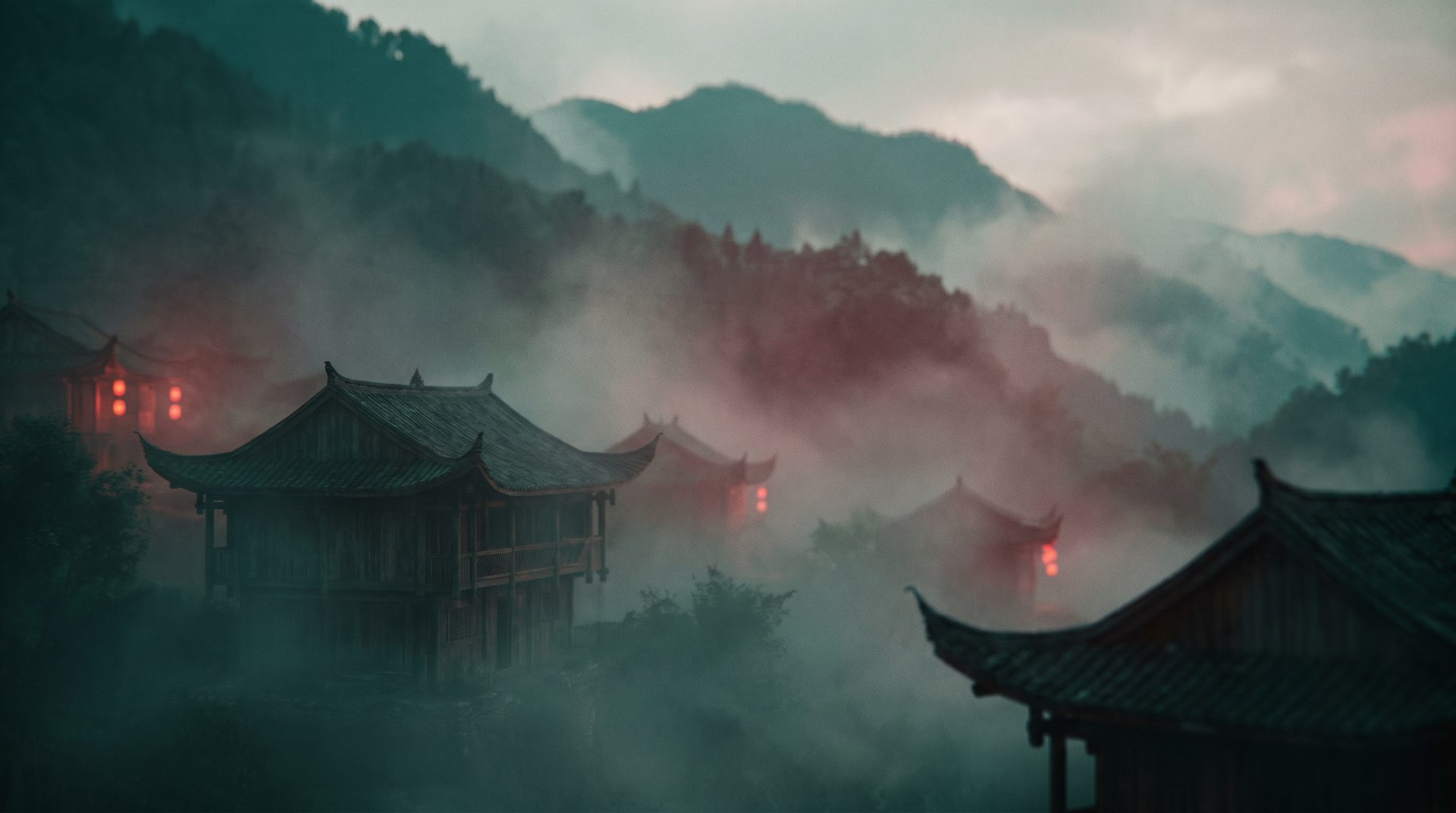

Three Cinemas, One Language
The phrase Chinese-language cinema names three distinct industries that have rarely agreed on much. Mainland China built its film culture through the state studio system, shaped by ideology and then by the market shock of the 1990s reform era. Hong Kong ran a parallel universe: a colony of pulp, invention, and relentless genre productivity that peaked in the late 1980s and early 1990s as the handover loomed, producing action choreography, heroic bloodshed, and crime melodrama at a volume no other industry has matched. Taiwan, smaller and quieter, nurtured the most formally rigorous directors in the Chinese-speaking world: Hou Hsiao-hsien and Edward Yang turned the island's history of colonisation and displacement into films of extraordinary patience and precision.
The Fifth Generation of mainland directors, trained at the Beijing Film Academy after the Cultural Revolution ended, used cinema to excavate what the revolution had buried. Zhang Yimou's colour-saturated peasant epics, Chen Kaige's operatic historical tragedies, Tian Zhuangzhuang's ethnographic margins: this was a generation processing collective trauma through allegory. The Sixth Generation that followed, led by Jia Zhangke, turned the camera on the post-Mao present, on factory towns, migrant workers, and a country being demolished and rebuilt in real time.
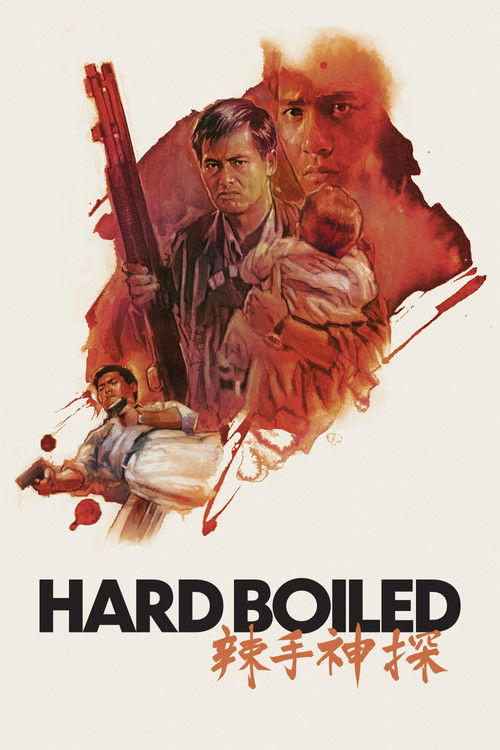
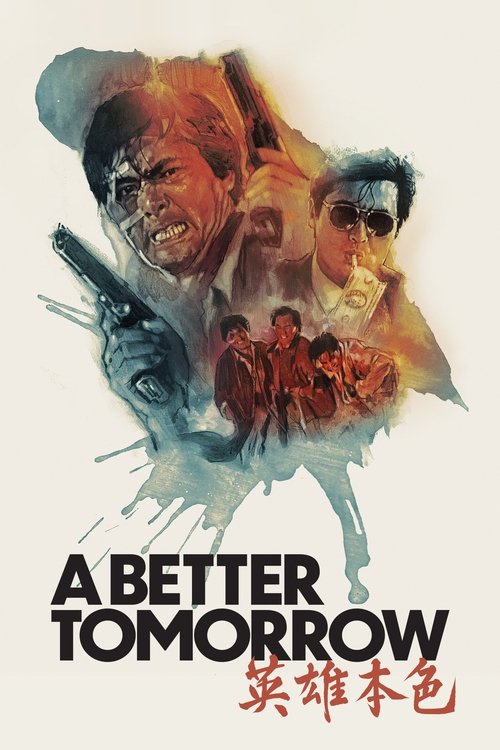
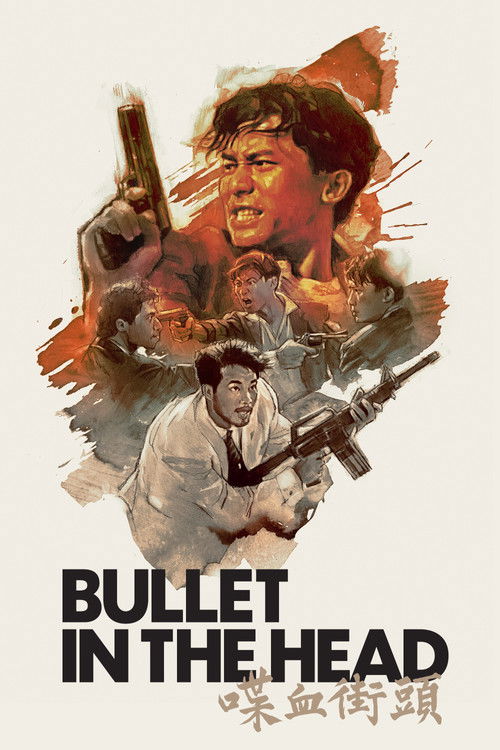
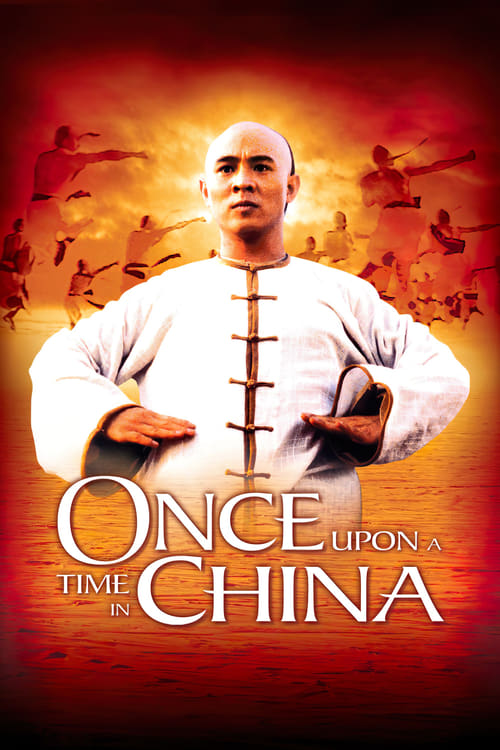
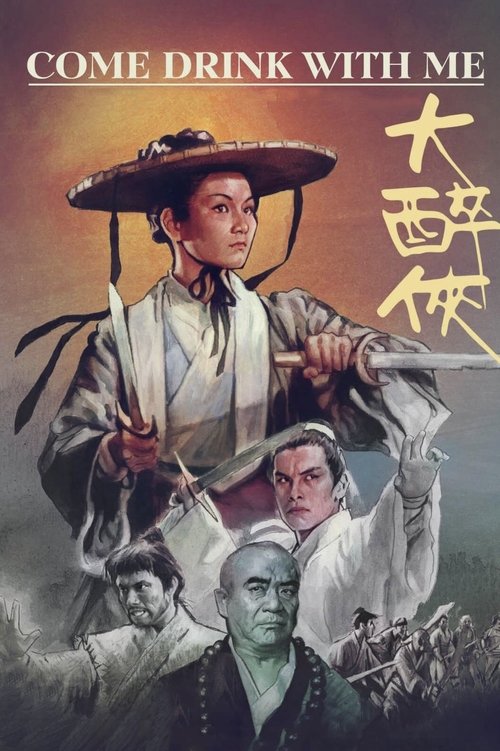
Hong Kong existed on its own terms. John Woo's balletic violence, Tsui Hark's genre maximalism, Wong Kar-wai's impressionist mood-films, Johnnie To's procedural crime pictures: these directors worked within a commercial system while pushing it somewhere it had never been. The wuxia martial arts genre stretches back decades further, to the Shaw Brothers productions of the 1960s and 1970s that defined a visual vocabulary still in use today.
These three cinemas do not form a unified tradition. They borrow from each other, share funding structures, and sometimes make films in the same dialect. But they are shaped by different political climates, different audience expectations, and fundamentally different relationships between the filmmaker and the state. What connects them is the language, and a quality of seriousness about the image that has produced, over the last sixty years, some of the greatest films made anywhere.
The Indisputable Icons
Films that defined not just Chinese-language cinema but cinema at large.
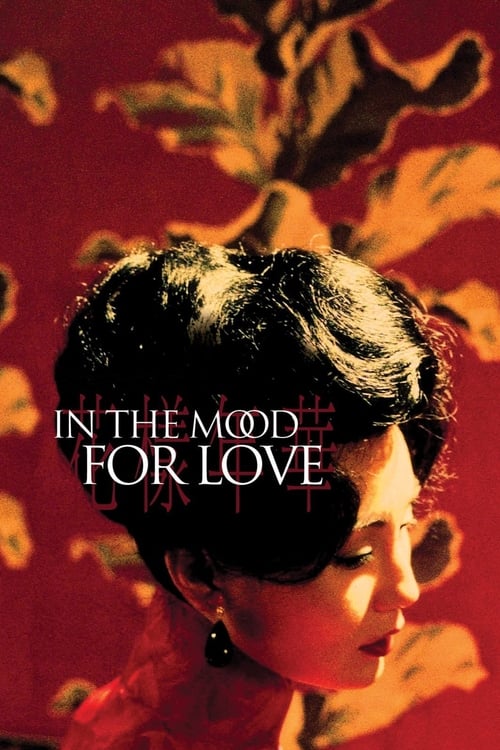
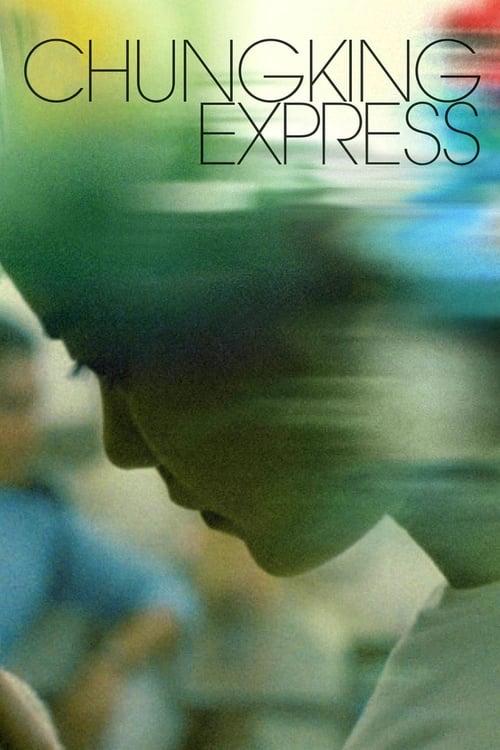
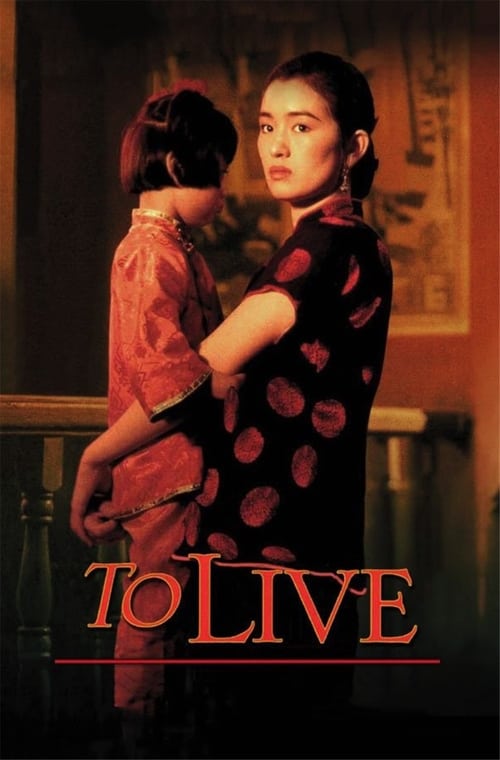
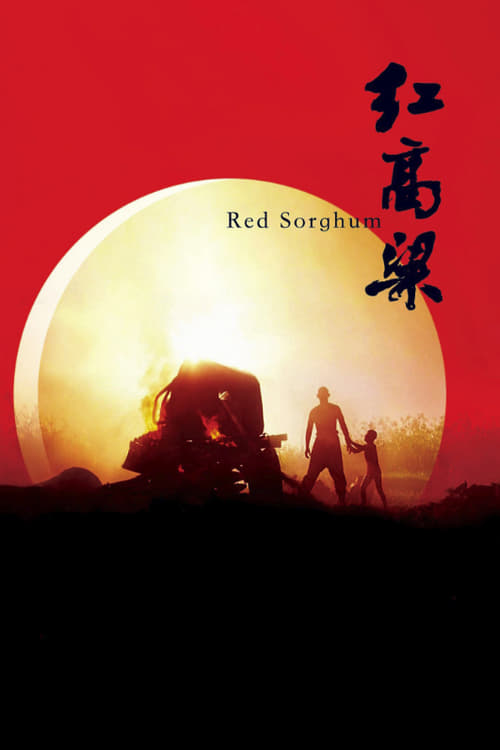
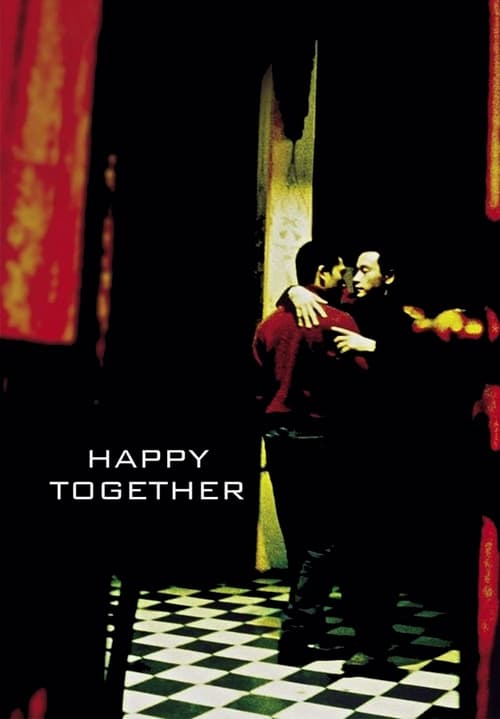
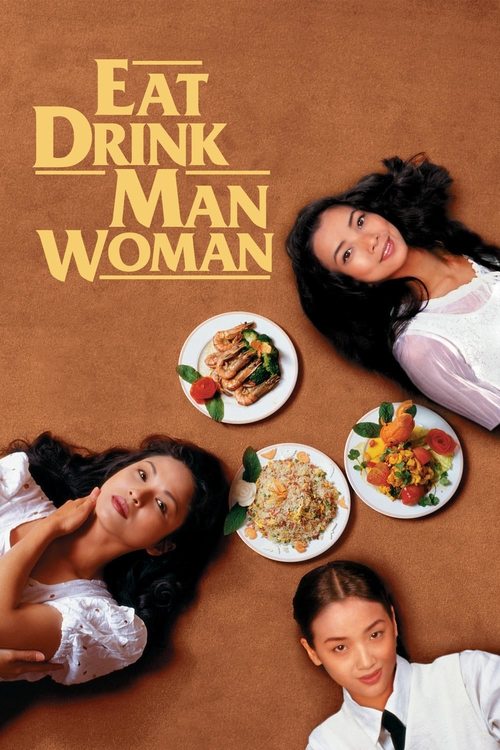
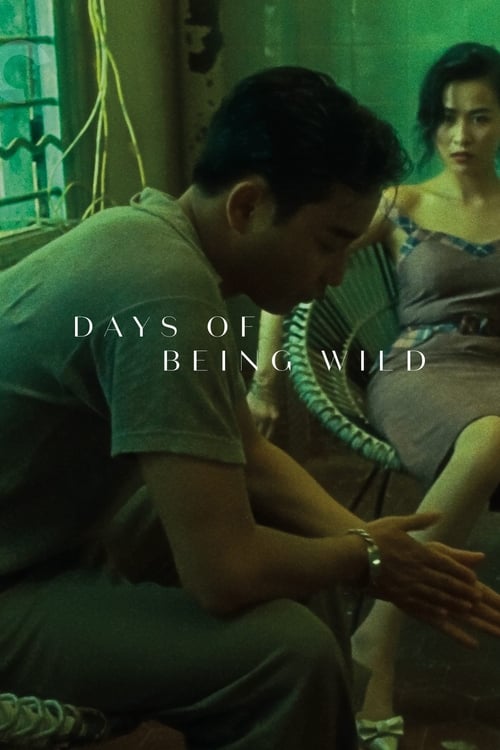
Wong Kar-wai is not doing what you think he is doing
The reputation trap with In the Mood for Love is that people describe it as a film about restraint, about what is not said. That reading is technically correct and completely misses the point. Wong Kar-wai is not a minimalist who withholds. He is an obsessive who oversaturates: the slow-motion staircase, the Nat King Cole, the red cheongsam worn again and again. The restraint is on the surface; beneath it is an almost unbearable excess of feeling. The discipline is formal, not emotional.
Every one of his films from Days of Being Wild onward operates this way. He is one of the few directors working in pop commercial cinema who has built a recognisable style that is unmistakably about interior states rather than exterior events. Fallen Angels is Chungking Express with the warmth surgically removed; Happy Together uses Buenos Aires to make Hong Kong feel like a wound. None of these films are slow because they are empty. They are slow because they are full of something most cinema cannot hold.
Hong Kong Action and Genre
The most kinetic popular cinema ever made, built on borrowed time and borrowed money.

A Century in Five Movements
- 1930sShanghai golden age: sound era, melodrama, left-wing film
- 1963Shaw Brothers begins its wuxia run Come Drink with Me
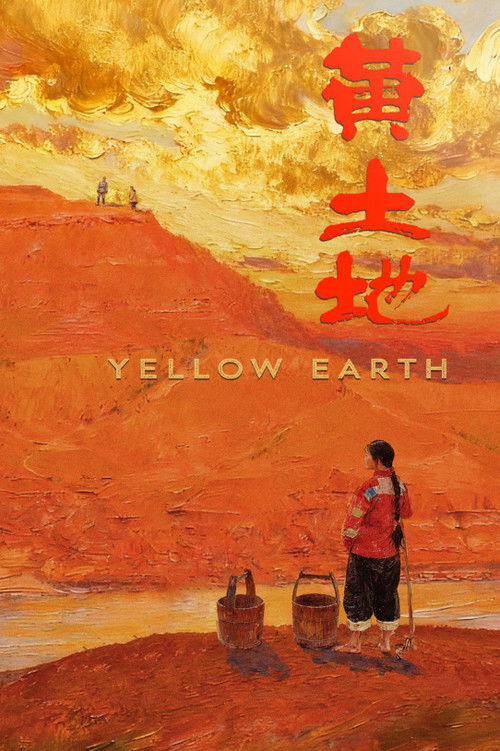
- 1984Fifth Generation debut Yellow Earth
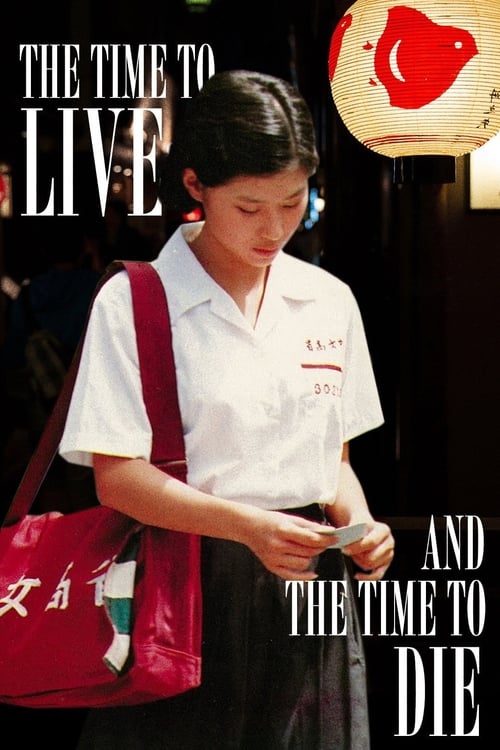
- 1986Taiwan New Wave consolidates The Time to Live and the Time to Die
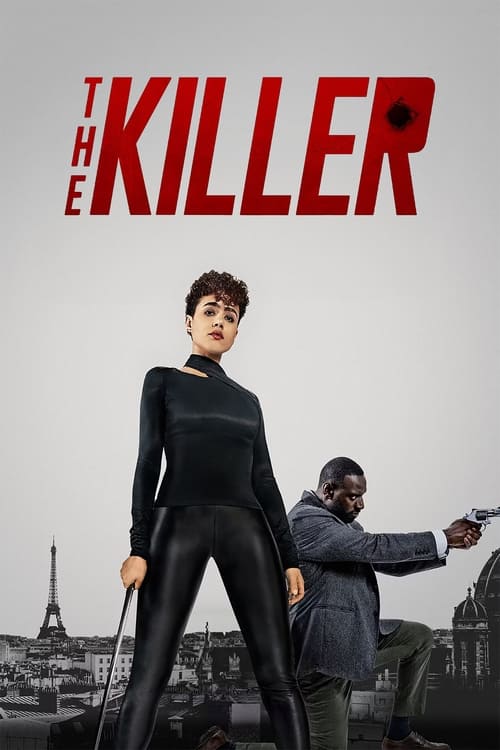
- 1989Heroic bloodshed peaks The Killer
- 1990Wong Kar-wai's first masterpiece Days of Being Wild
- 1994Hong Kong commercial cinema at its zenith Chungking Express
- 1997Handover reshapes the industry permanently
- 2000Jia Zhangke goes international Platform
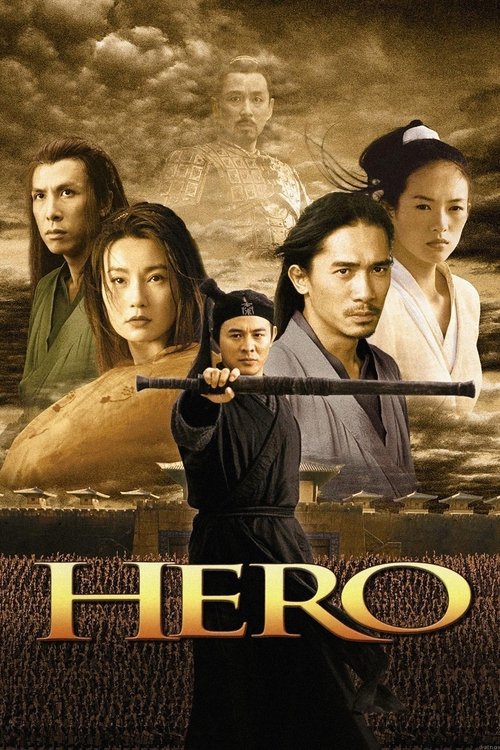
- 2002Wuxia goes global again Hero
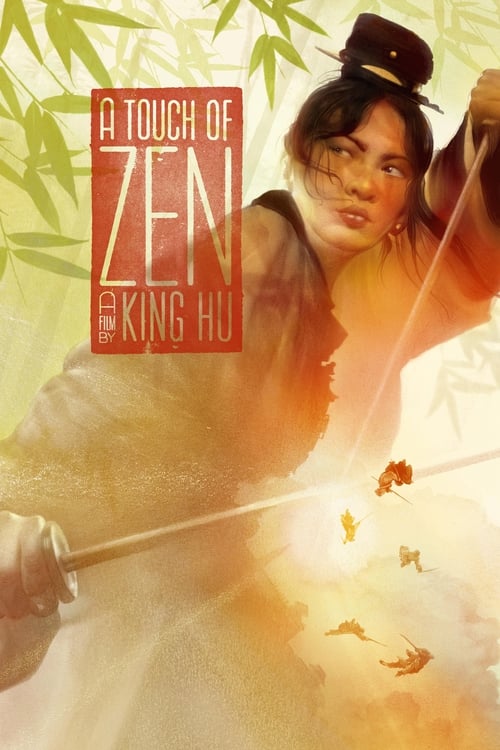
- 2013Mainland social realism reaches its limit A Touch of Sin
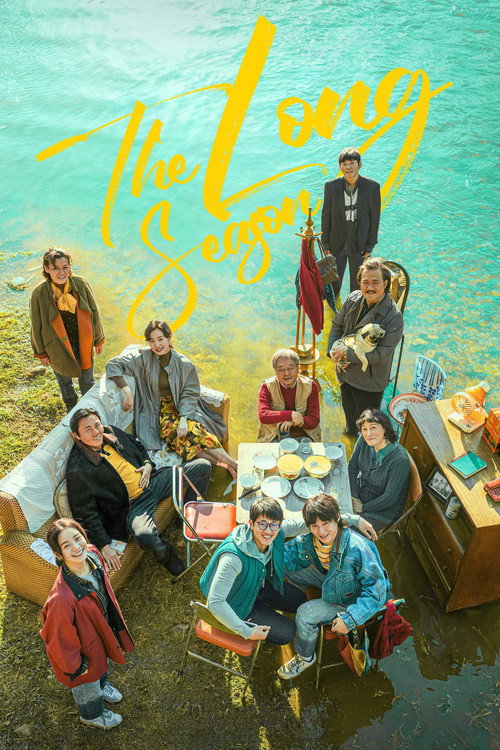
- 2021Streaming era reshapes Chinese drama The Long Season
Wuxia and the Martial Arts Tradition
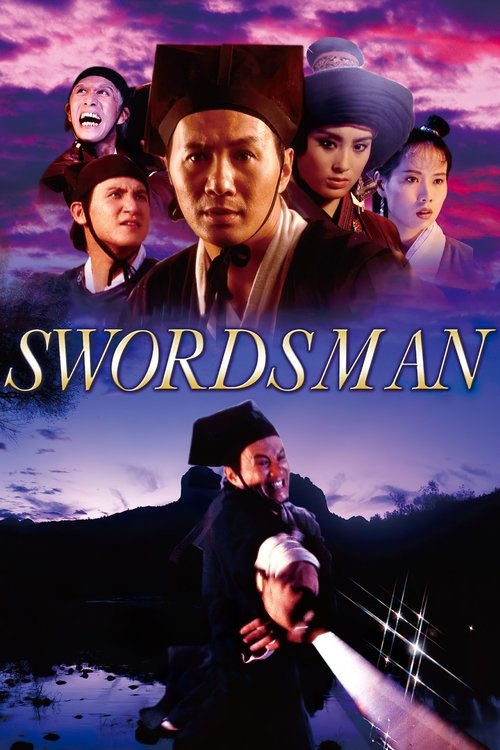
From Shaw Brothers to Zhang Yimou's colour epics: the genre that never stopped.

Jia Zhangke is the most important director working today, and not enough people have seen him
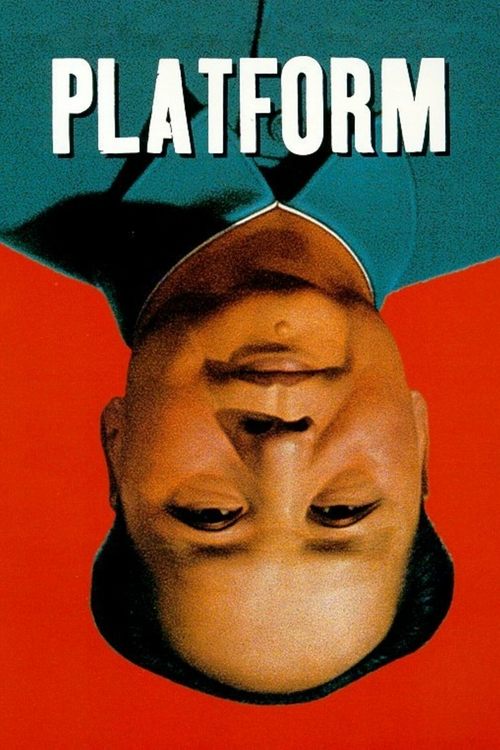
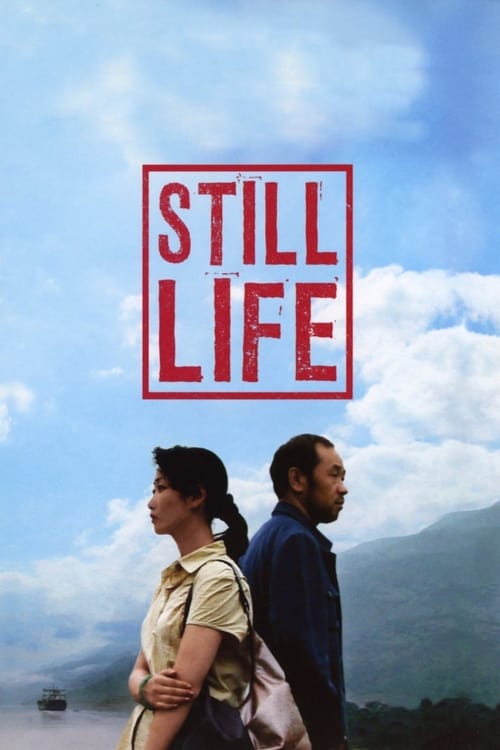
Jia Zhangke has spent three decades making films about what China's economic transformation costs at the human scale, and he has not flinched once. Platform is four hours about a provincial arts troupe watching the Mao era dissolve around them; Still Life takes the flooding of the Three Gorges as both subject and backdrop; A Touch of Sin is an anthology of real cases of working-class violence that no Chinese studio would have funded. His films are not polemical. They are observational to a degree that makes most documentary filmmakers look hasty.
The fact that he is less widely discussed outside China than his European contemporaries says something unflattering about which non-English cinemas get canonised in the Anglophone world. His most recent film, Caught by the Tides (2024), wove together footage shot across twenty years into something that functions as both documentary and elegy. No other director currently working has anything like this body of work.

The Fifth and Sixth Generations
Post-Cultural Revolution cinema, from the allegorical to the documentary-realist.

Hou Hsiao-hsien and the long take: patience as a moral position
Hou Hsiao-hsien's camera does not move towards the drama; it waits for the drama to come into frame or leave it. This is not an affectation. It is a philosophical position about how much the camera is entitled to know.
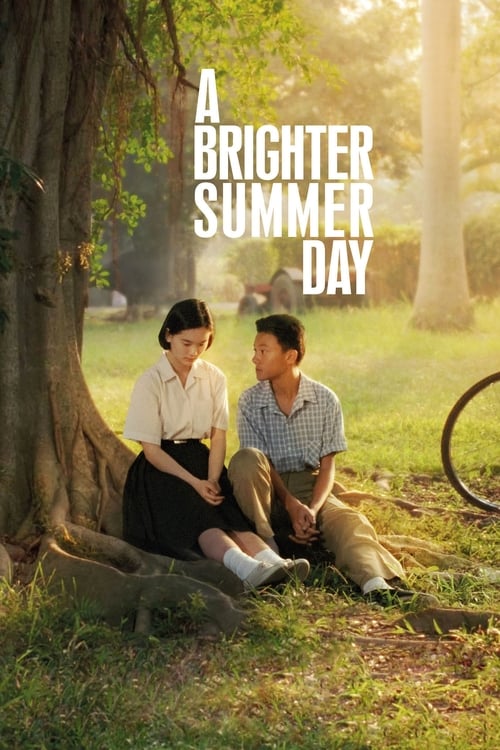
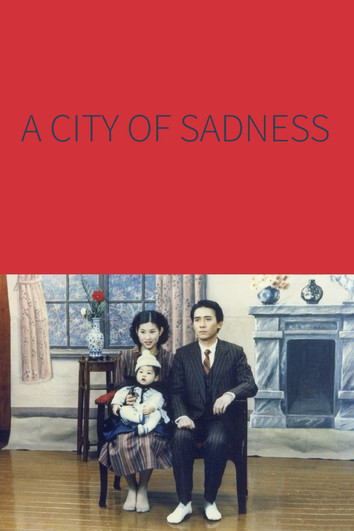
In A City of Sadness, the 1947 massacre that ended the mainland KMT's stranglehold on Taiwan is shown almost entirely in its aftermath: broken furniture, grief in hallways, a family receiving bad news through a window. The violence is real; you simply do not see it directly. The effect is not distancing. It is the opposite: you understand that the people in the film experienced the event as something that happened to them, not as spectacle, and the film puts you in that position too. Edward Yang's A Brighter Summer Day operates on a similar principle. These are two of the longest films in the Taiwanese canon, and neither frame feels wasted.
Taiwan New Wave and Its Descendants
Hou Hsiao-hsien, Edward Yang, and the filmmakers they made possible.
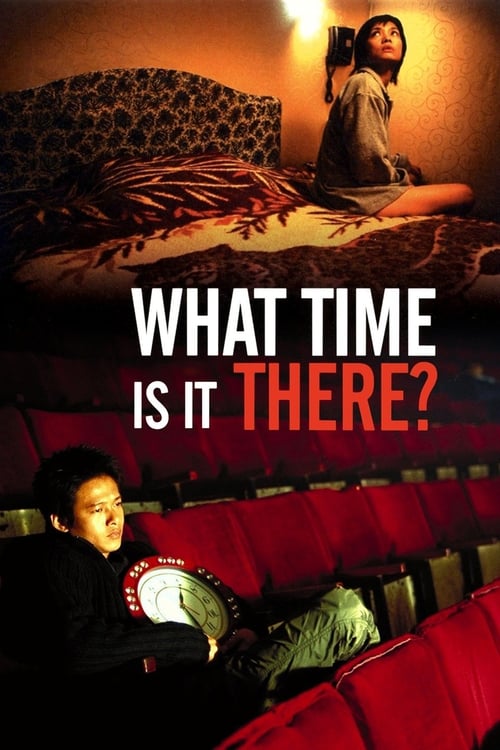

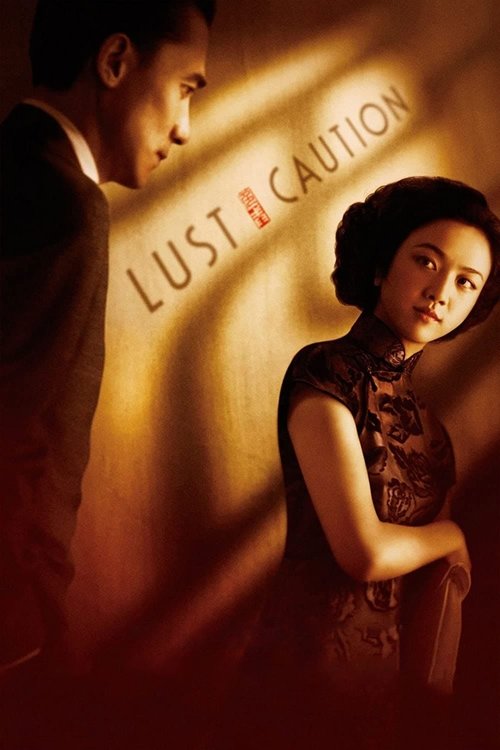
The Hong Kong New Wave had maybe ten years of real freedom: after the Handover was certain, the films knew it, and before the market caught up, the directors ran.CrossBinge editorial
Essential Chinese-Language TV
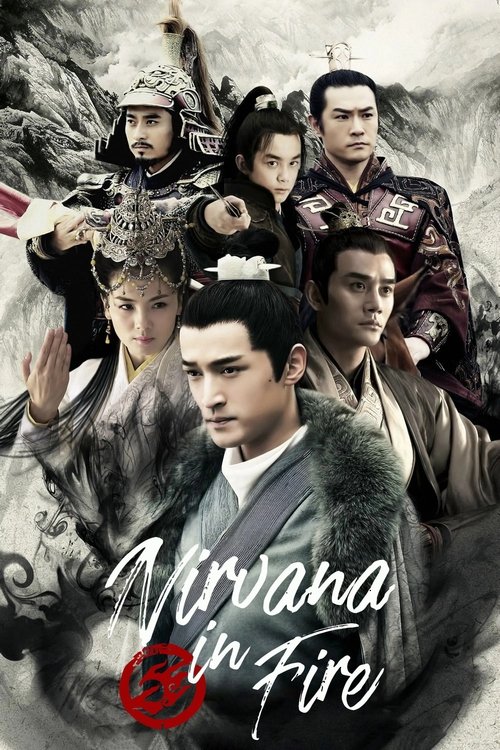
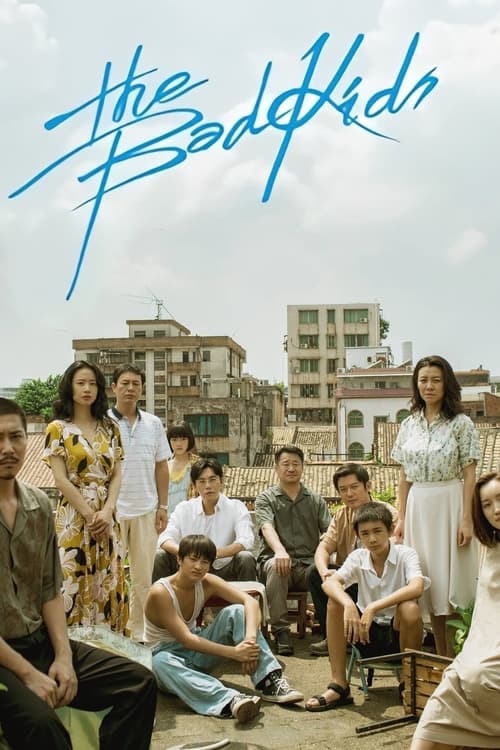
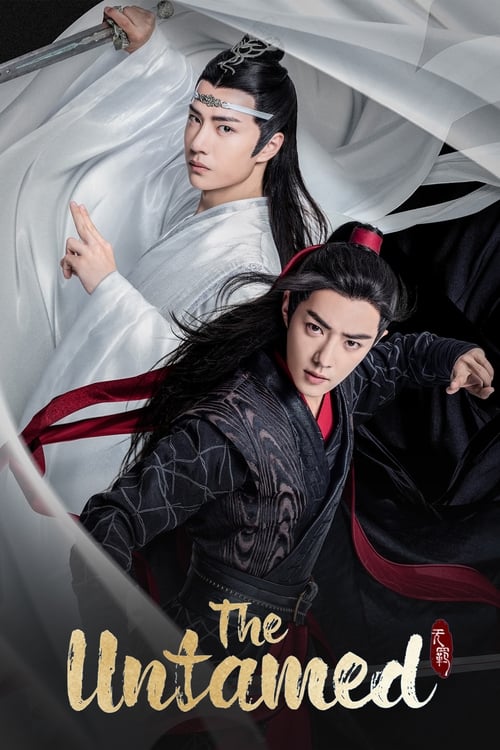
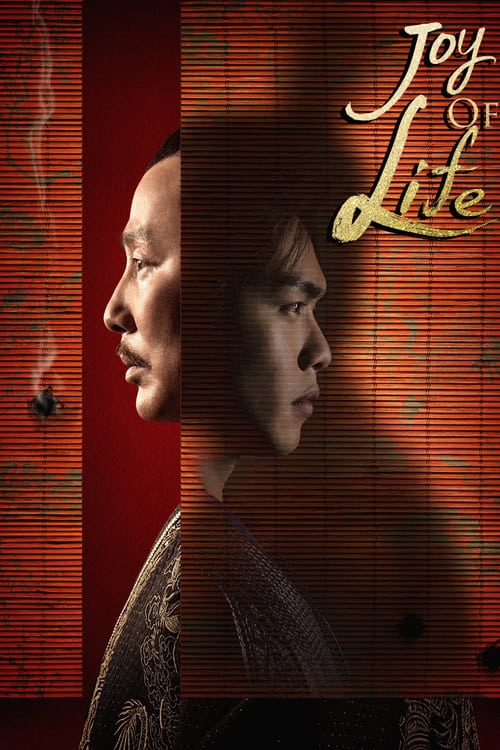
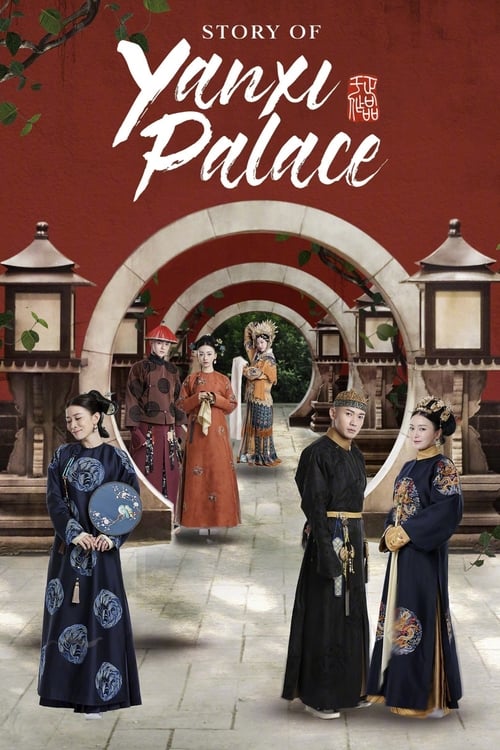
Prestige drama, palace intrigue, and the crime shows that broke streaming.



Books: The Source Material and the Parallel Literature
The novels behind the films, and the Chinese literary tradition that cinema keeps returning to.


The Handover and Its Shadow
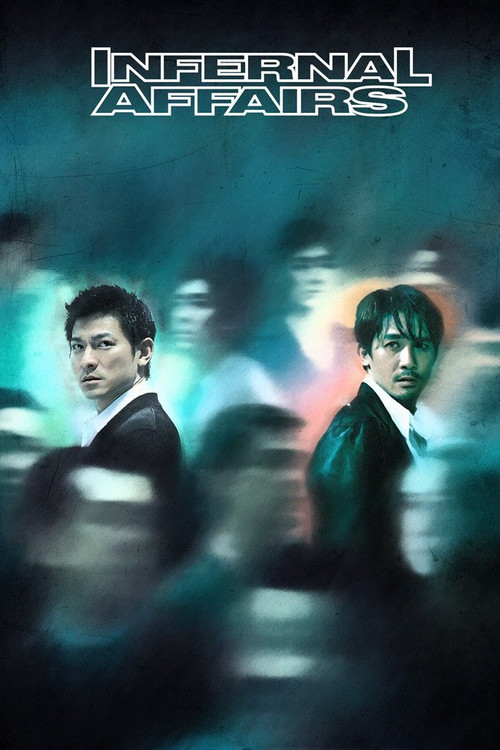
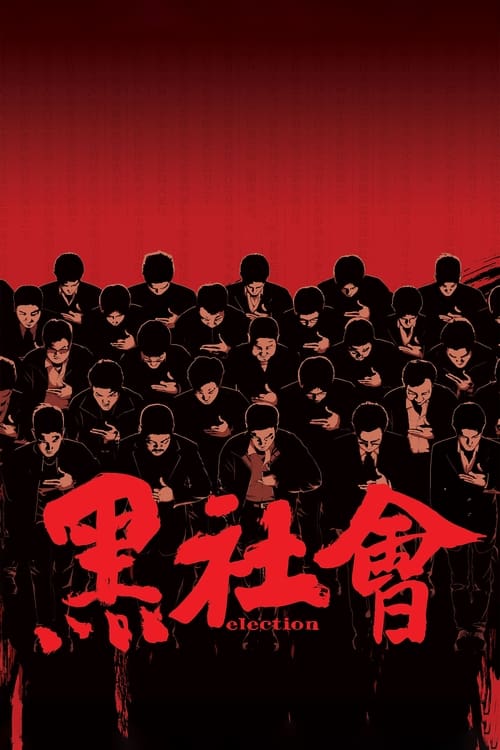
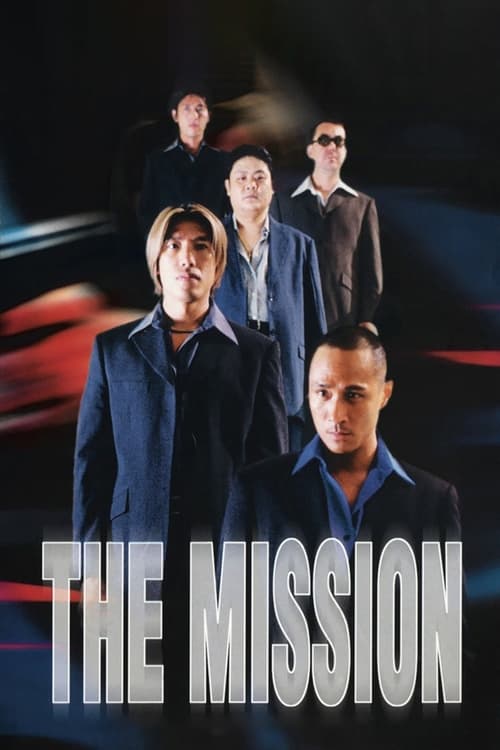
For Hong Kong cinema, everything changed in 1997, and everything had been changing since the Handover was announced in 1984. The most interesting films of the transitional decade are saturated with it: Wong Kar-wai's obsession with memory and locked apartments, Johnnie To's cops navigating institutional loyalty in Election, the elegiac quality in even the most commercially driven action films. After 1997 the industry fragmented. Directors emigrated to Hollywood, to mainland co-productions, to streaming. The genre energy relocated. Johnnie To kept working, and in films like The Mission and Infernal Affairs made some of the best crime cinema anywhere. But the collective creative pressure that had produced a film a week of genuine quality was gone.
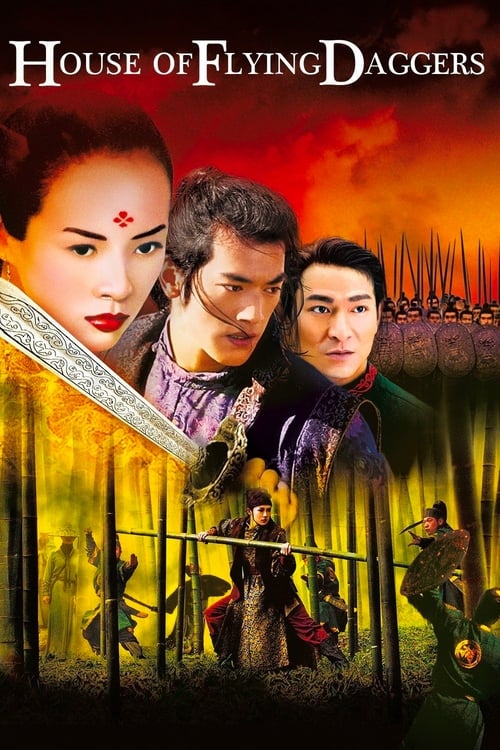
Mainland China went the other direction: the box office exploded. A generation of spectacle directors (Zhang Yimou with Hero and House of Flying Daggers, then blockbusters at still larger scale) built a global audience for Chinese-language cinema that had never existed before. The cost was that the films most interesting to international critics, the slow observational work of the Sixth Generation, became harder to fund domestically. Jia Zhangke has found his financing partly in European co-productions. The tension between the cinema that sells tickets and the cinema shown at Cannes has never been resolved.
What to Watch First
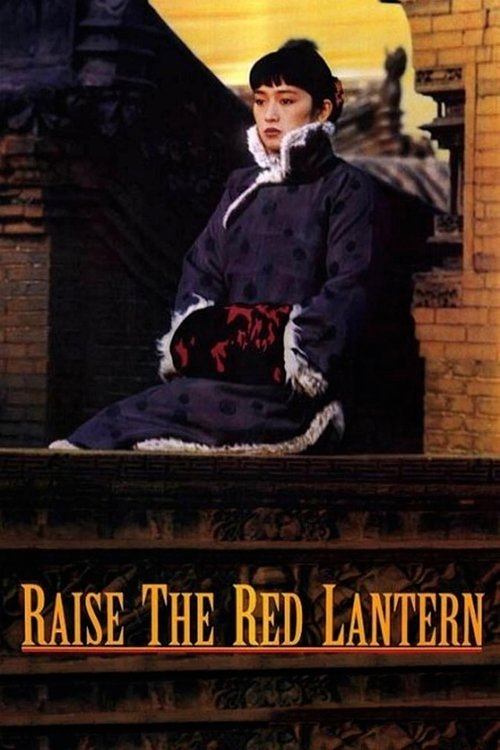
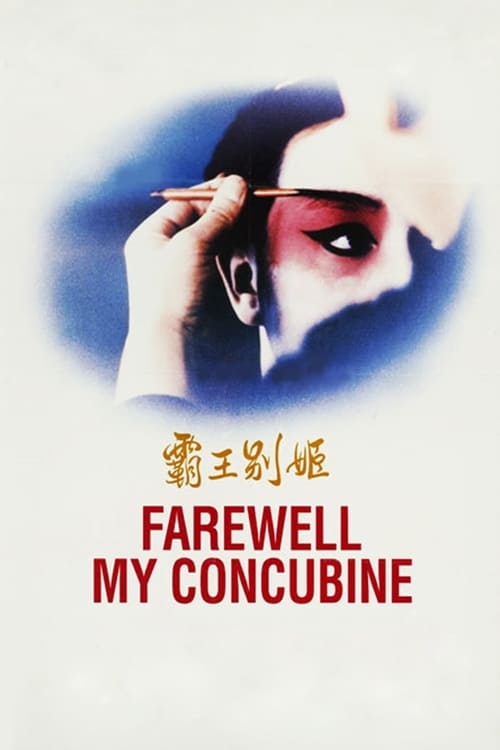
If you have seen nothing: start with Chungking Express (fast, funny, heartbreaking, accessible) and Raise the Red Lantern (visually overwhelming, unforgettable). Then In the Mood for Love and Farewell My Concubine. Then slow down and make time for A Brighter Summer Day (four hours; worth every minute). The TV entry point is The Bad Kids, a 2020 Chinese streaming thriller that announced the potential of the new mainland drama industry to anyone still dismissing it.
Modern Mainland: From Blockbusters to Art Cinema
The last twenty years: spectacle cinema, social realism, and what the market chose.
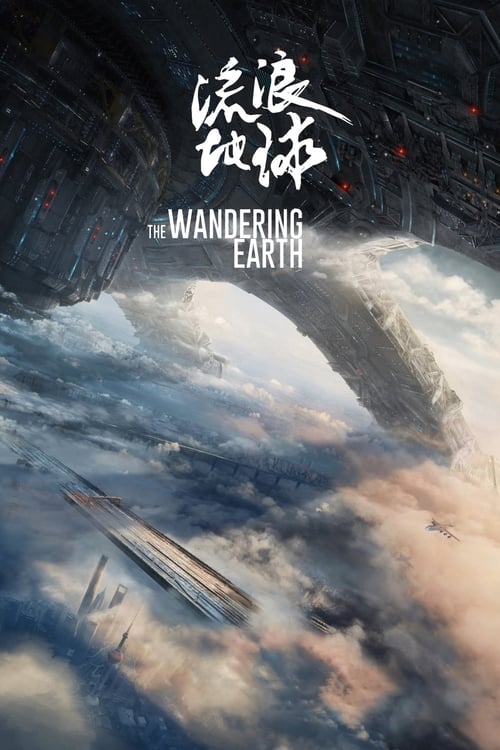
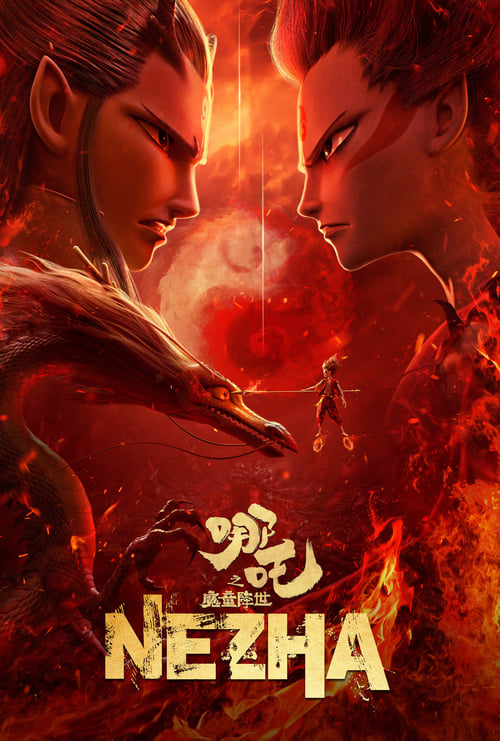
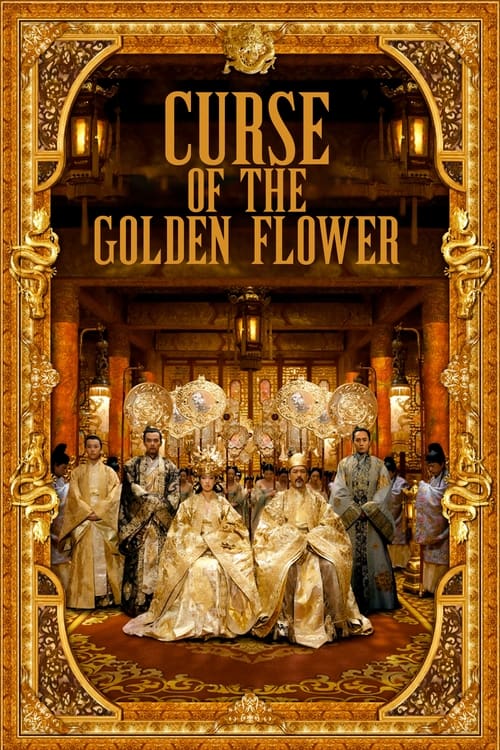
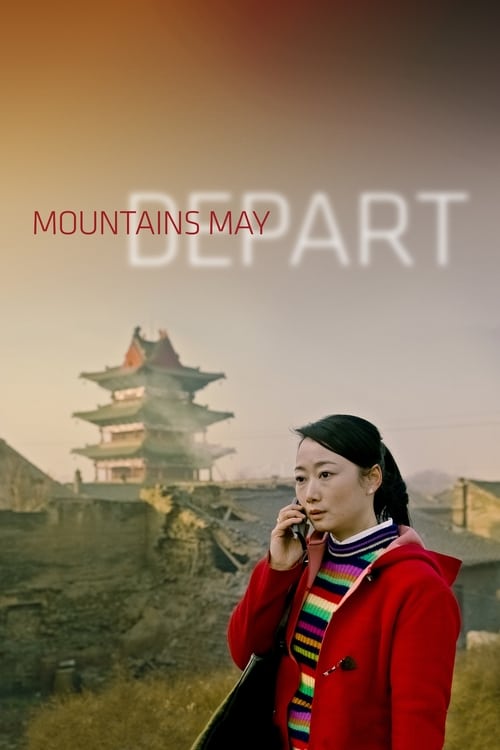
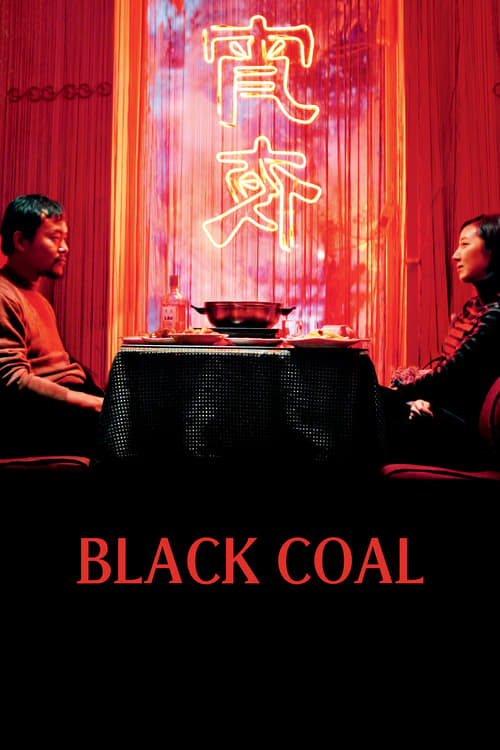
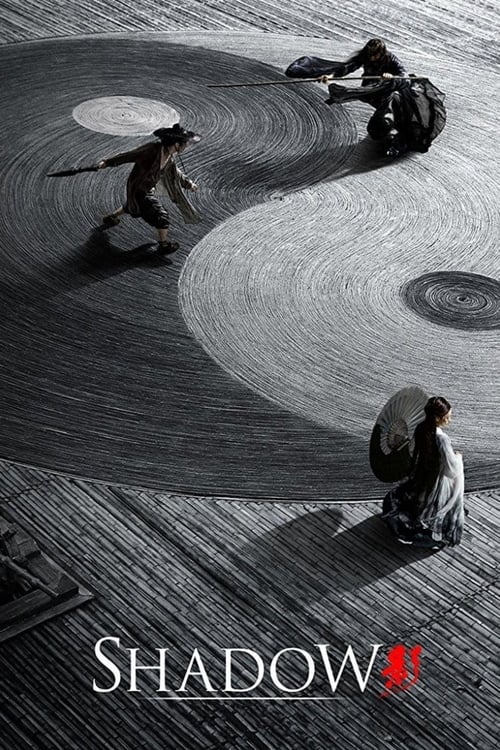
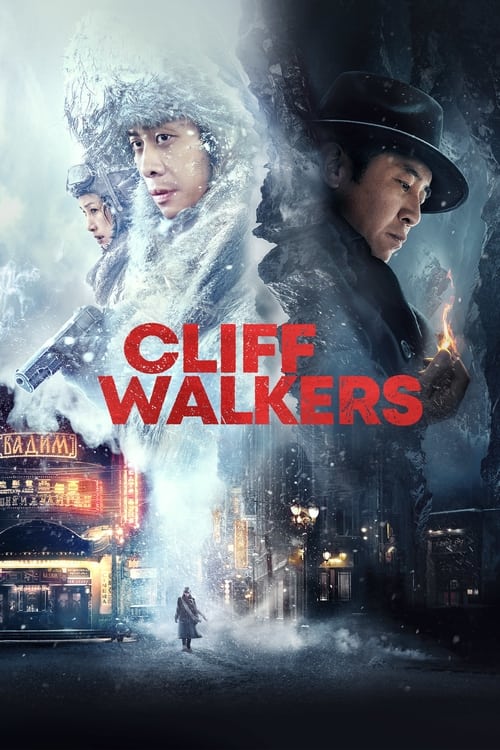
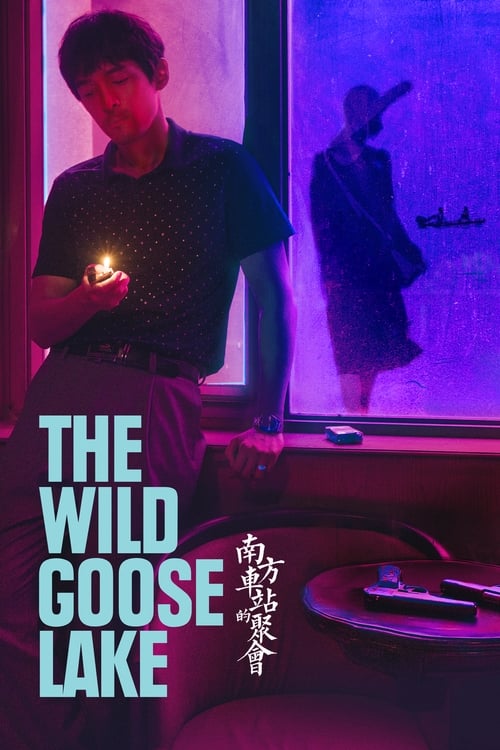
The film everyone skips that they should not skip
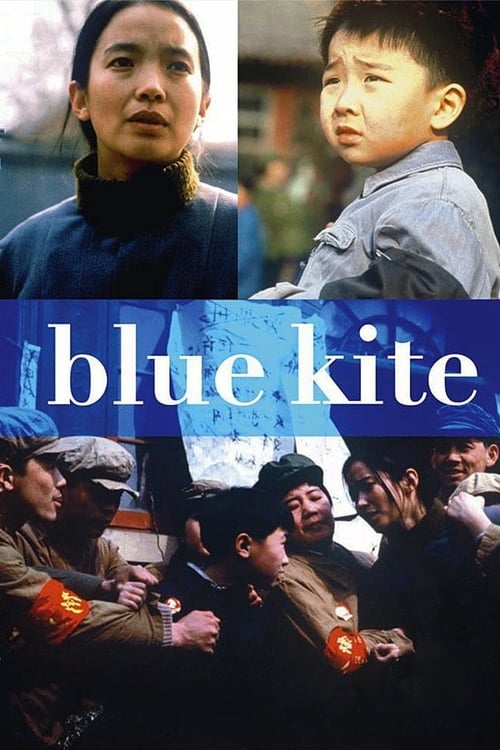
The Blue Kite, made in 1993 by Tian Zhuangzhuang and banned in China before it was finished, covers two decades of mainland political history through a single Beijing family and three fathers. It is less celebrated than Farewell My Concubine, which it resembles in period and scope, and the reason is probably that it is blunter. There is no operatic glamour here, no elevated metaphor: just the mechanics of how people get destroyed by systems larger than themselves, over and over, across three political campaigns. Tian was banned from making features in China for a decade after it.
Find it any way you can. It is the film on this list that most rewards the effort.
Notable Chinese Books
The most-notable books written in Chinese, from the catalog
 Barefoot Doctor
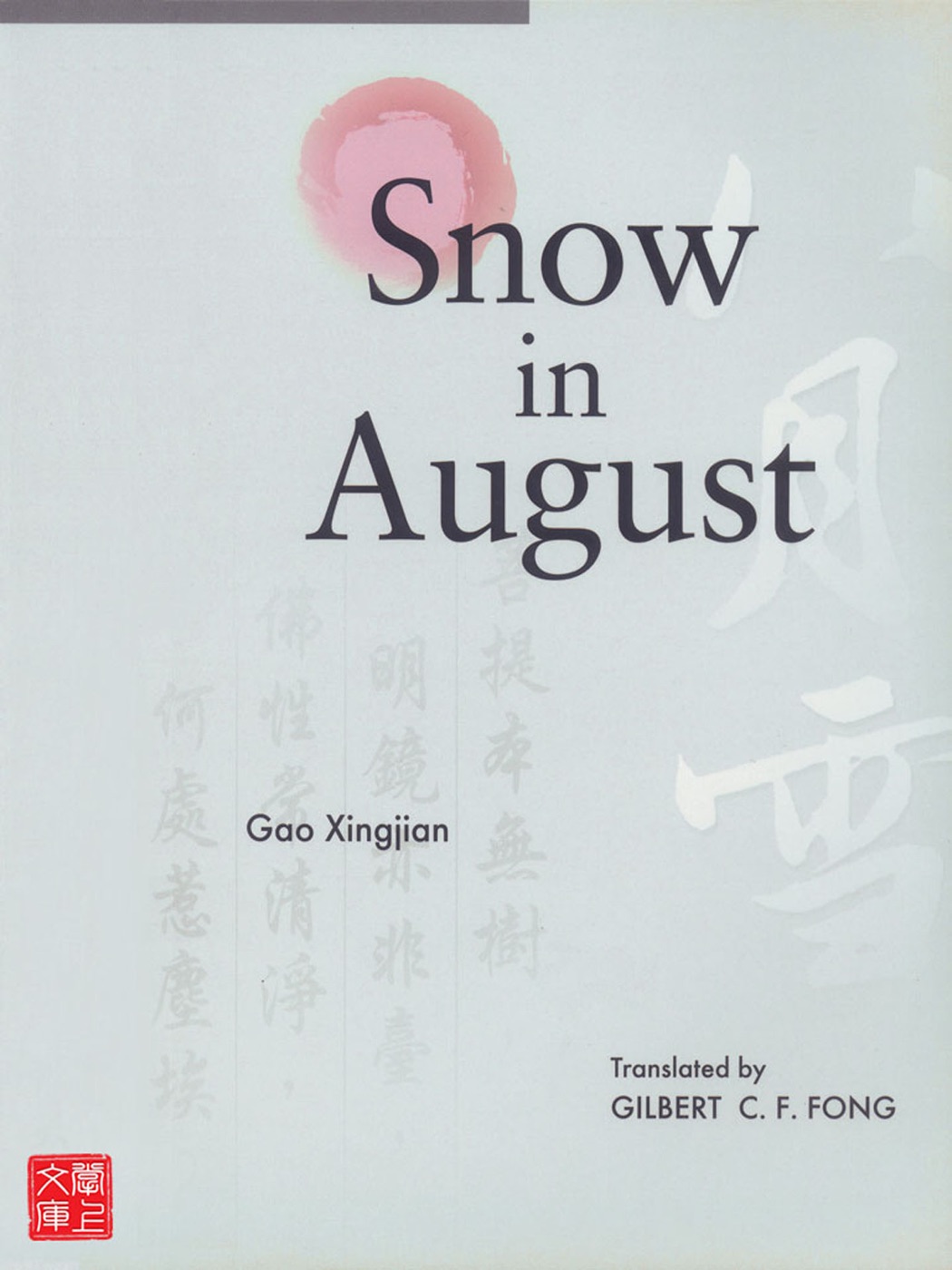 Snow in August
 The Chinese earth
 The last princess of Manchuria
 Diary of a madman and other stories
 Si shi tong tang, 2 Vols. ('Four Generations Under One Roof' in Simplified Chinese Characters)
 Life and Death are Wearing Me Out
 Shanghai Baby. 4 CDs.
 The Paper Menagerie and Other Stories
 Love on a barren mountain
 The book and the swordThe New Year's Sacrifice
 Wolf Totem
 Beijing Coma
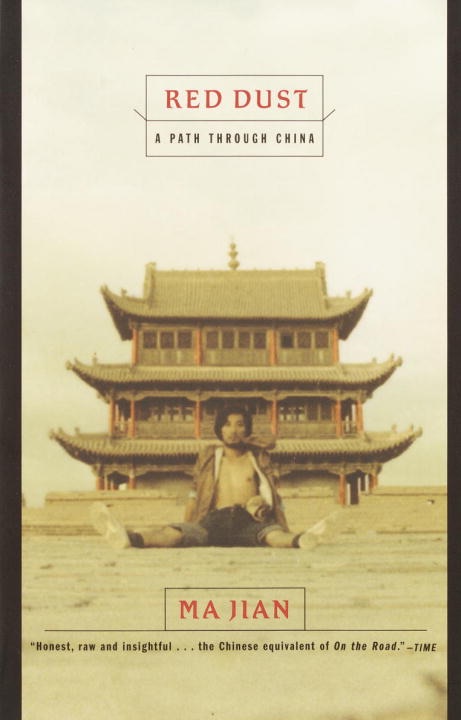 Red Dust
 The Bonesetter's Daughter