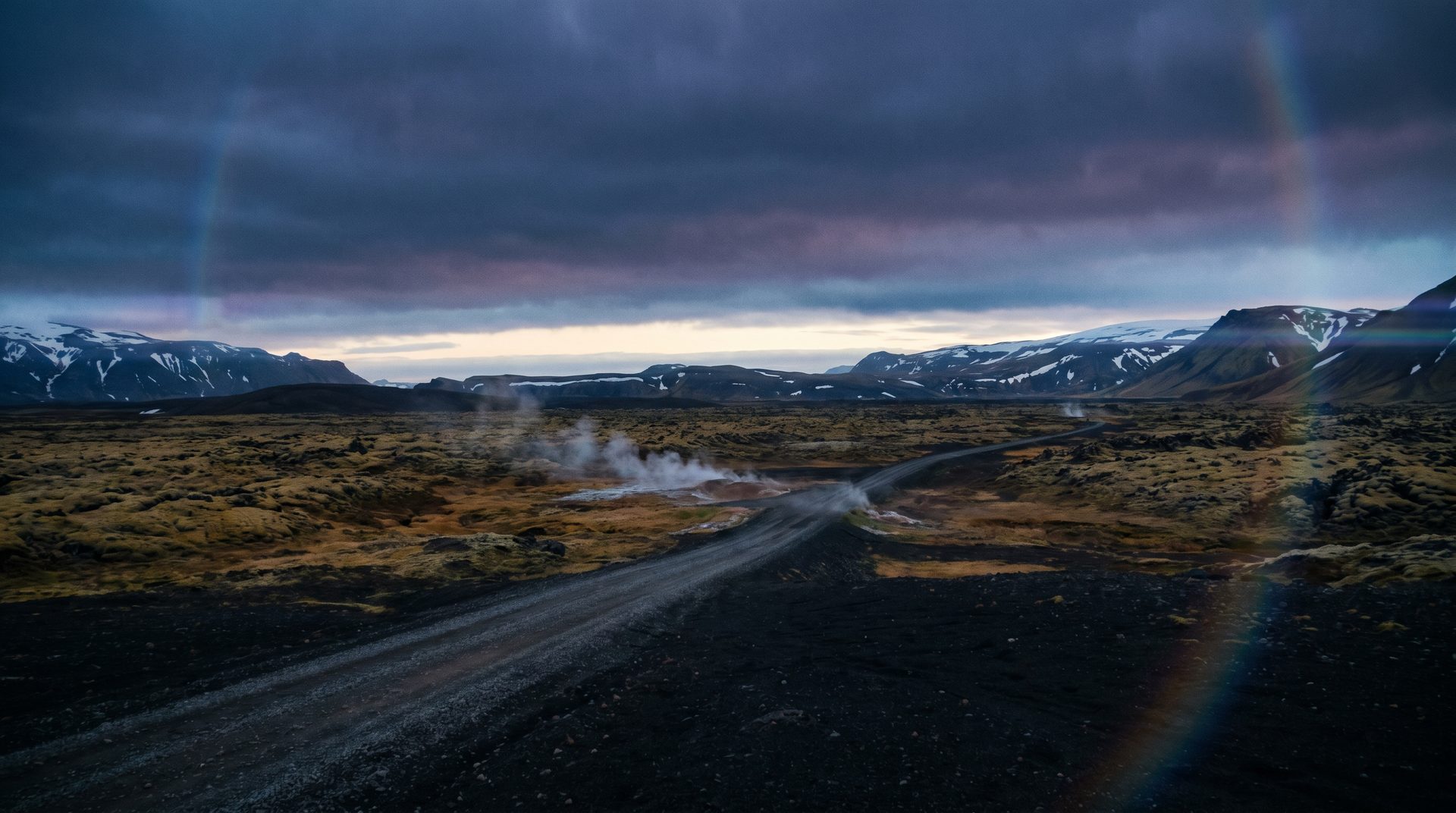

A cinema that started yesterday
Iceland has made films for a blink of historical time. The thing people call the "Icelandic Film Spring" really begins in 1980, when the state set up the Icelandic Film Fund and a handful of directors started shooting features in their own language for the first time in any sustained way. Before that, the island's stories belonged to the sagas and to foreign crews who used the landscape as a backdrop. After 1980 the landscape started talking back.
The founding gesture was Agust Gudmundsson's Land and Sons (1980), a quiet rural drama that proved an Icelandic-language feature could draw an Icelandic audience. Right behind it came Hrafn Gunnlaugsson's Viking pictures and, most importantly, Fridrik Thor Fridriksson, who became the engine of the whole modern industry. His Children of Nature (1991), about two elderly people escaping a Reykjavik care home to return to the land, remains the only Icelandic film nominated for the Academy Award for Best International Feature. It set the template that still defines this cinema: small human stakes, enormous indifferent nature, and a tone poised exactly between grief and dry comedy.
Baltasar Kormakur and the genre turn
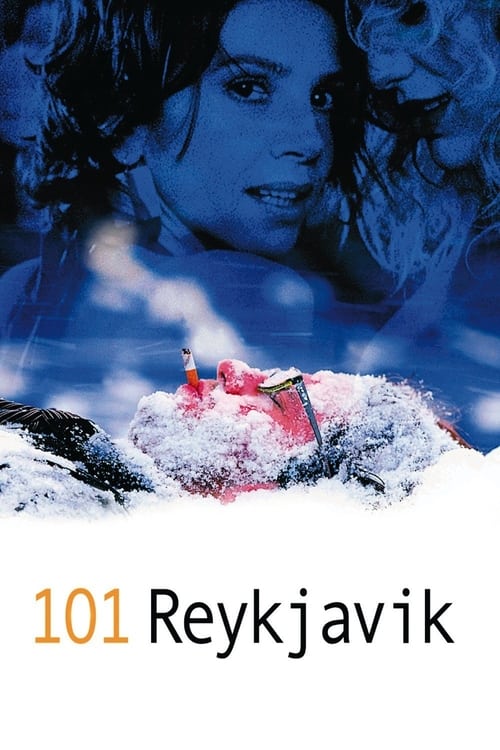
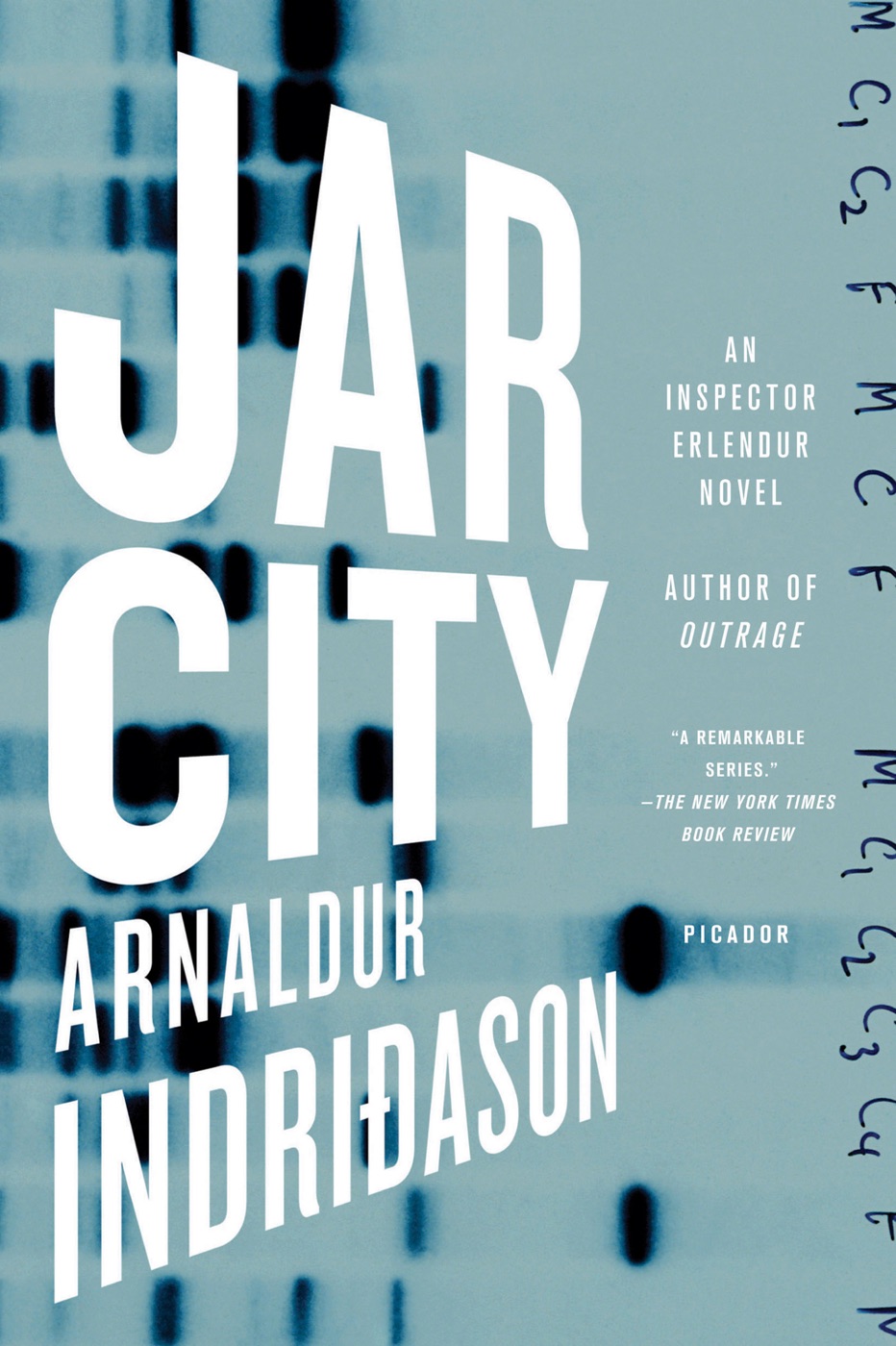
If Fridriksson is the father, Baltasar Kormakur is the figure who made Icelandic film commercially serious. His debut 101 Reykjavik (2000), a sardonic comedy of a layabout son and his mother's lover (with a Damon Albarn and Einar Orn score), announced a slicker, more urban sensibility. From there he moved between Iceland and Hollywood without ever fully leaving home. Jar City (2006), adapted from Arnaldur Indridason's detective novel, is the foundational Icelandic crime film, a damp procedural about a country small enough that everyone's genetics are on file. The Deep (2012) dramatized a real fisherman's survival in the freezing North Atlantic. By the time of the survival drama Everest (2015) and the series Trapped (2015), he was Iceland's most bankable export.
What Kormakur understood is that genre travels. A nation of 350,000 cannot fund cinema on art-house prestige alone, so the smart play was to bend thrillers, crime and survival stories around Icelandic specifics: isolation, weather, the closeness of everyone to everyone. That logic powers the country's television boom too.
The landscape is never just scenery here. It is the antagonist, the confessor, and usually the only character with no lines and all the power.CrossBinge editors
Kormakur and the new mainstream
Crime, survival and the films that made the industry pay


The deadpan generation
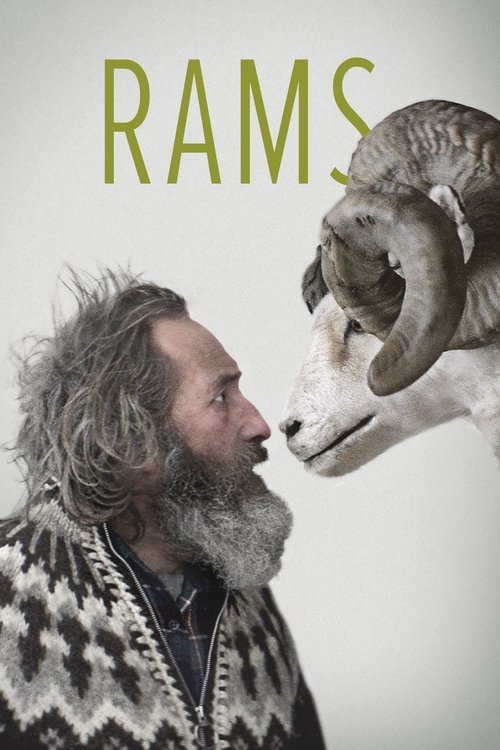
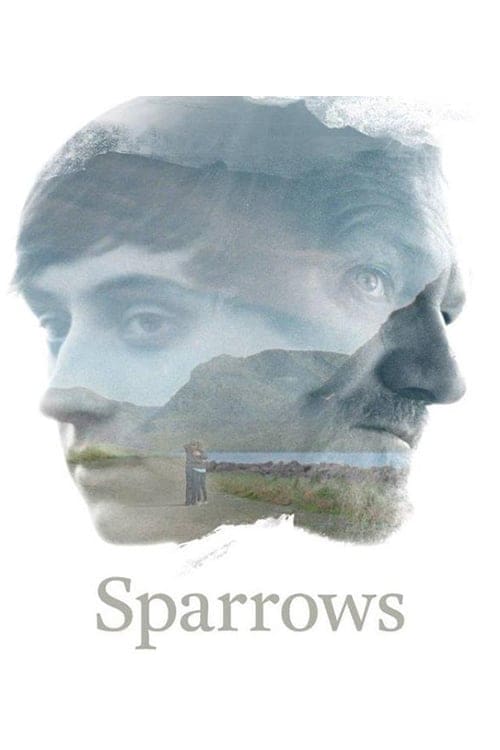
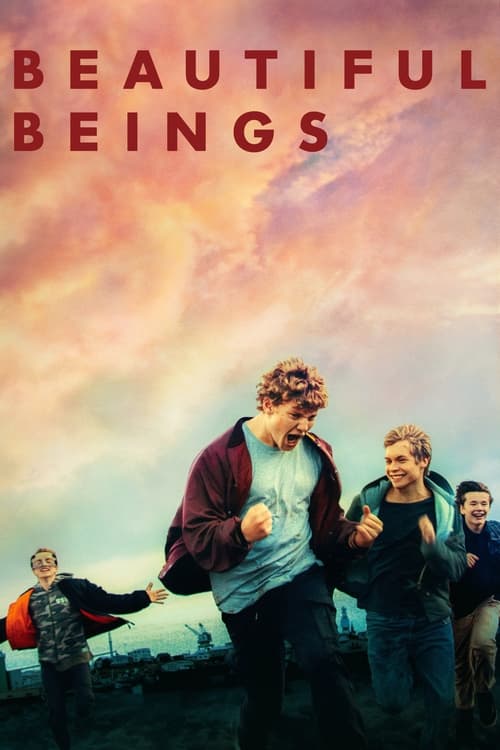
The 2010s and early 2020s gave Iceland a recognizable festival voice: bone-dry, absurdist, faintly cruel, and visually severe. Grimur Hakonarson's Rams (2015) won Un Certain Regard at Cannes with a story of two estranged sheep-farming brothers and a scrapie outbreak, played as both tragedy and farce. Benedikt Erlingsson's Of Horses and Men (2013) and the eco-thriller Woman at War (2018) sharpened the same deadpan into something political and folk-musical. Runar Runarsson (Sparrows, 2015) and Gudmundur Arnar Gudmundsson (Heartstone, 2016) brought a tender, coming-of-age realism to the same harsh coastlines.
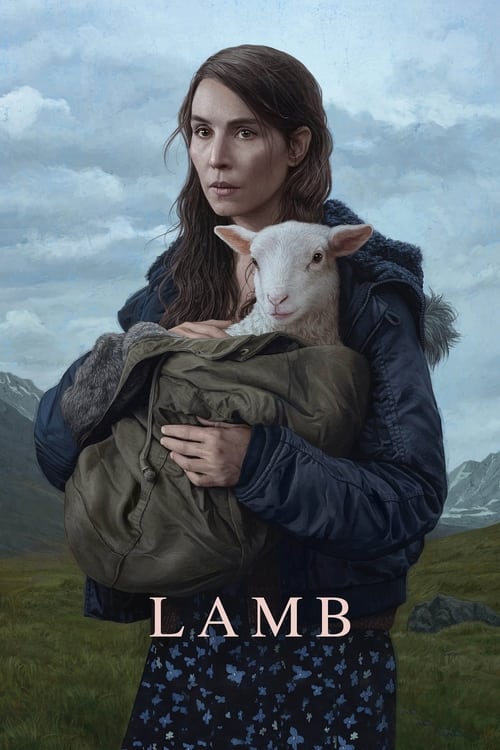
The decade's strangest export came from the visual artist Valdimar Johannsson, whose Lamb (2021), produced with A24, turned a folk-horror premise (a farming couple raise a half-sheep child) into a slow, eerie meditation on nature's revenge. It is the clearest sign that Icelandic cinema's brand abroad is now a mood: spare, unsettling, funny in a way that hurts.
Festival Iceland: the deadpan and the eerie
The contemporary auteurs who defined the country's arthouse signature
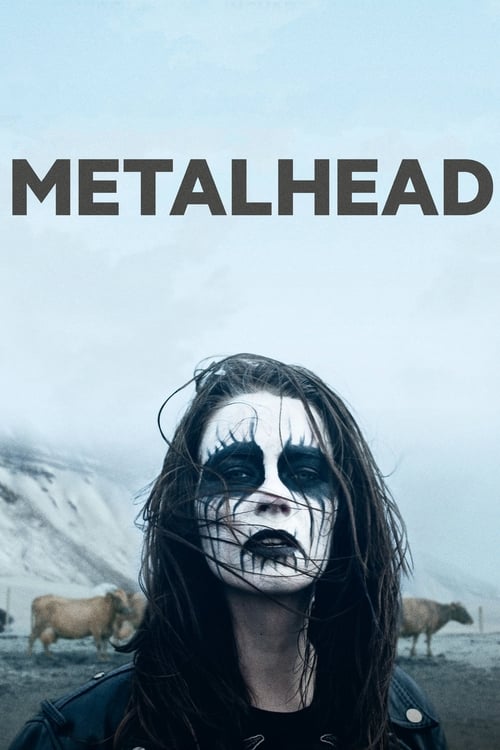
A short history of a young cinema
- 1980The Icelandic Film Fund is established; the "Film Spring" begins with Agust Gudmundsson's debut feature
- 1984Hrafn Gunnlaugsson's Viking revenge film brings genre ambition to the new industry
- 1992Fridrik Thor Fridriksson's film earns Iceland's first and only Oscar nomination for Best International Feature
- 2000Baltasar Kormakur's urban comedy debut signals a slicker, commercial generation 101 Reykjavik
- 2006The Arnaldur Indridason adaptation founds modern Icelandic screen crime
- 2015Grimur Hakonarson wins Un Certain Regard at Cannes Rams
- 2015The crime series Trapped premieres and launches Icelandic Nordic-noir TV worldwide Trapped
- 2021Valdimar Johannsson's A24-backed folk horror takes Icelandic cinema to a global genre audience Lamb
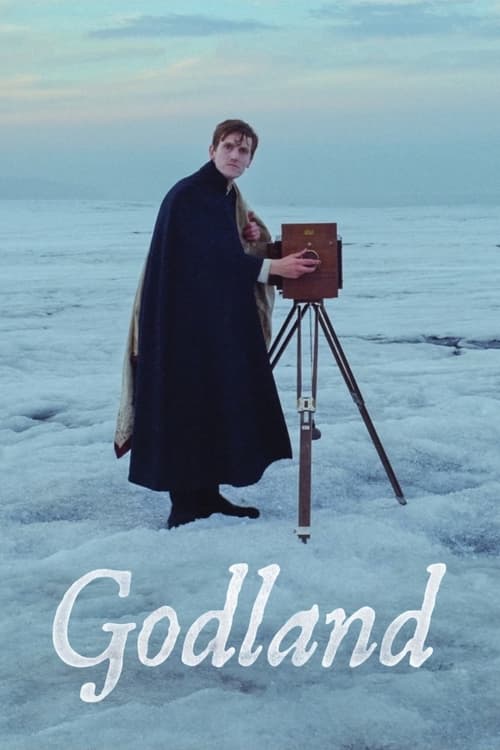
- 2022Hlynur Palmason's period epic about a Danish priest is shortlisted at the Oscars Godland
Iceland on television: Nordic noir at the edge
The series that built a small-screen industry on isolation and weather
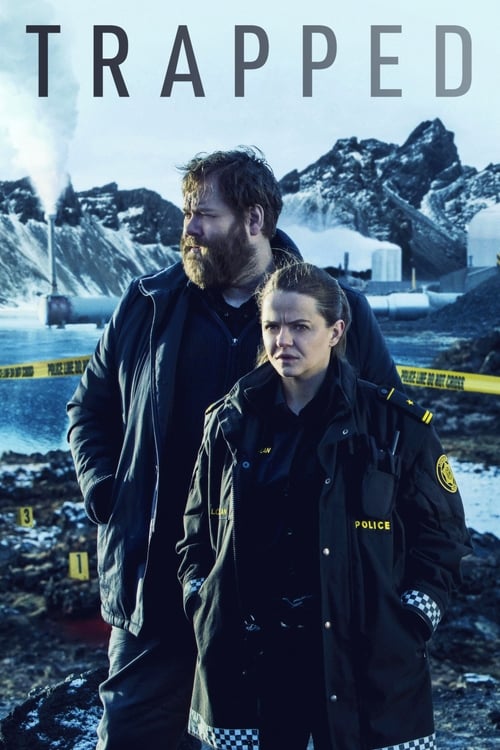

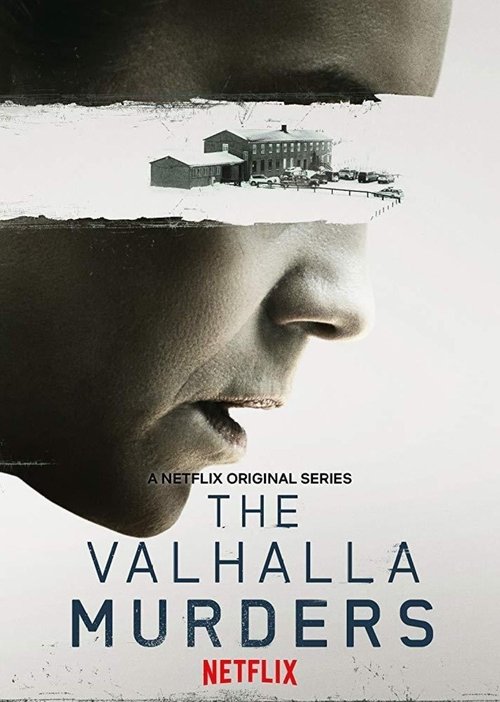
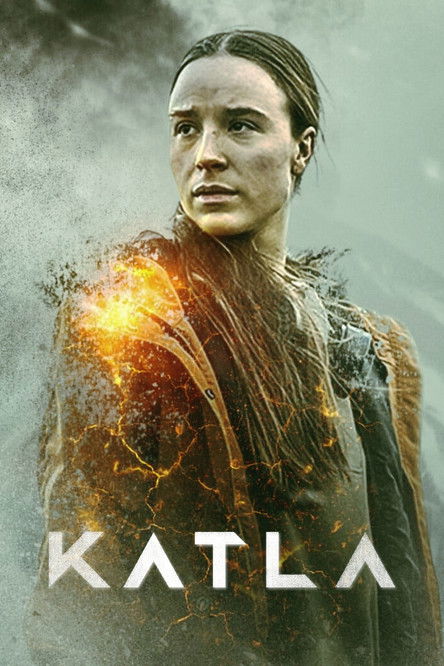
The page and the score behind the picture
Icelandic screen storytelling sits on top of a literary culture far older than its film industry. The medieval sagas (Njal's Saga, Egil's Saga) supply the genetic code: laconic dialogue, blood feuds, fate accepted with a shrug. The modern crime wave on screen comes straight off the page, above all from Arnaldur Indridason's Detective Erlendur novels (Jar City, Silence of the Grave) and Yrsa Sigurdardottir's thrillers. Nobel laureate Halldor Laxness (Independent People) remains the towering literary presence the films keep circling.
And you cannot separate this cinema from its sound. Composer Hildur Gudnadottir (the Oscar-winning Joker score, and Chernobyl) and the band Sigur Ros (whose music defines the slow, glacial register foreign viewers associate with the country) shaped how the world hears Iceland on screen long before they could name a single director. Bjork's lead performance in Lars von Trier's Dancer in the Dark belongs to that same crossover lineage of Icelandic artists carrying the national mood into world cinema.
The source texts: sagas, crime and the literary spine
The books underneath the films, from medieval epic to modern noir




The sound of Iceland on screen
The composers and bands who scored the national mood
Iceland makes the best small-nation cinema in Europe, and the landscape is only half the reason
It is easy to credit the scenery. The black sand, the glaciers, the violet light: any half-competent crew can point a camera at that and look profound. But what actually distinguishes Icelandic film is tone. No other national cinema balances grief and absurdity this precisely. Rams is a film about two old men who will not speak to each other, and it is both genuinely funny and genuinely devastating, often in the same shot. Of Horses and Men finds slapstick and death in the same wide frame. That tonal nerve, the willingness to let comedy and tragedy share a single deadpan stare, is the real Icelandic invention. The lava fields are just where they happen to film it.