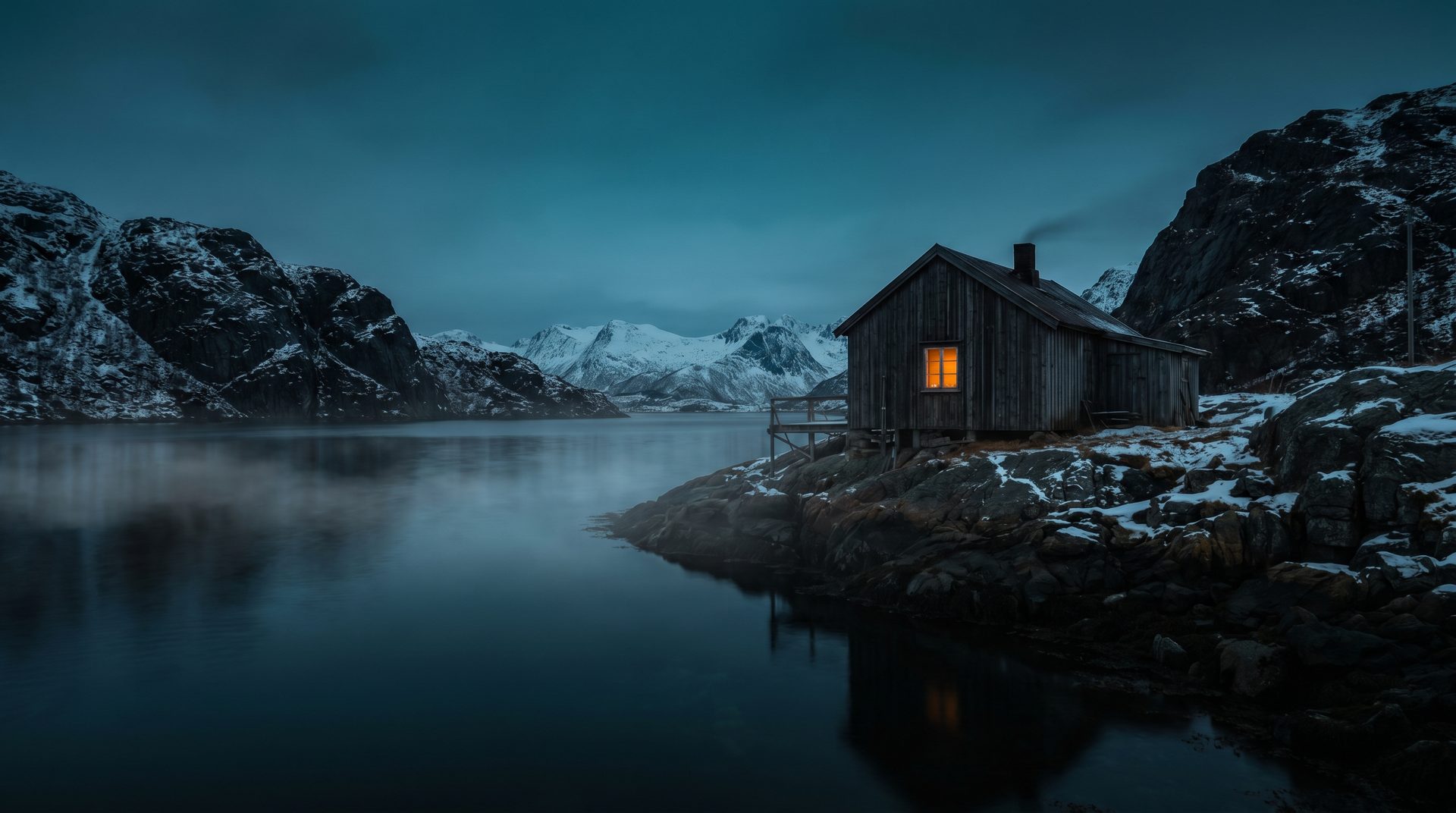

The country that exports its own dread
Norway is a small country with a tiny domestic audience, which for decades meant a film industry kept alive by state funding and a stubborn literary tradition. What it produced was rarely flashy and almost never sentimental. The defining Norwegian register is unease: the long silence on the drive home, the neighbor you suspect, the mountain that does not care whether you live. Even the comedies have a bone-dry, depressive edge.
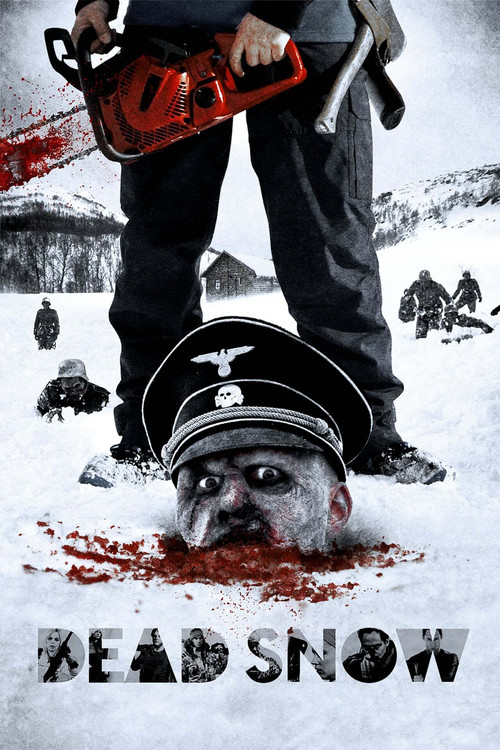
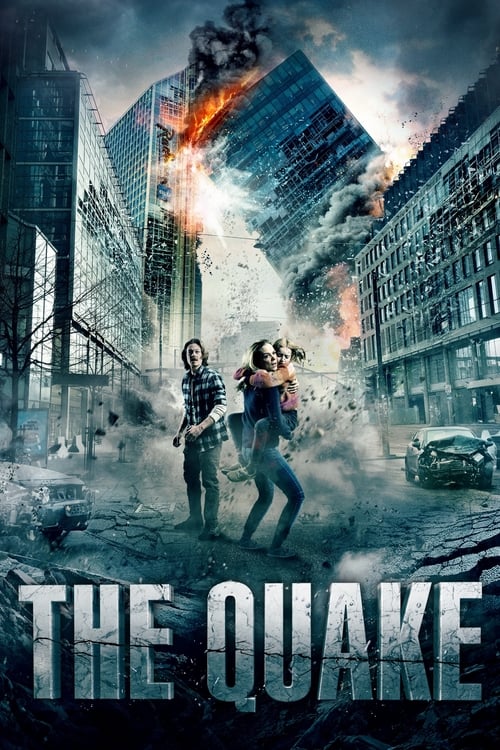
The international breakthrough came in two waves. First the festival auteurs (Bent Hamer's deadpan miniatures, Joachim Trier's restless studies of young people losing the plot) earned Norway a reputation for clean, intelligent, emotionally precise filmmaking. Then the genre crowd arrived: Morten Tyldum, Roar Uthaug, and Tommy Wirkola turned Norwegian landscape and Norwegian fatalism into kinetic thrillers, disaster pictures, and gleeful horror. By the 2020s Joachim Trier's The Worst Person in the World had made Renate Reinsve a Cannes prize winner and put Oslo on the map as a city of beautifully articulated romantic disaster.
The festival face of Norway
The auteurs who taught the world to take Norwegian film seriously



Joachim Trier and the Oslo trilogy
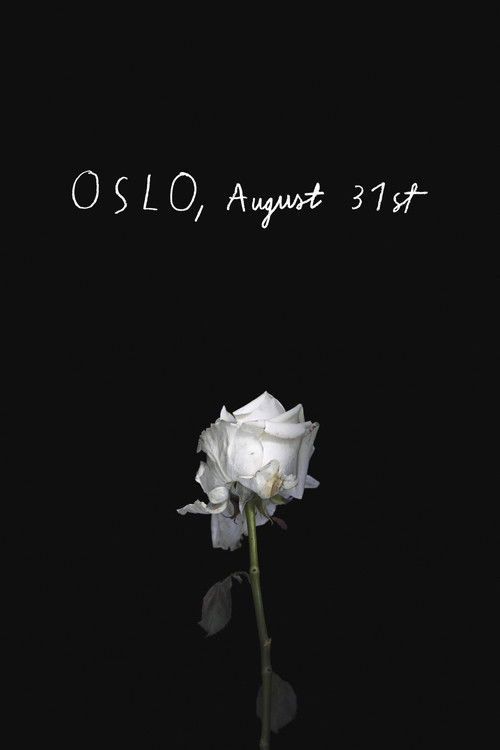
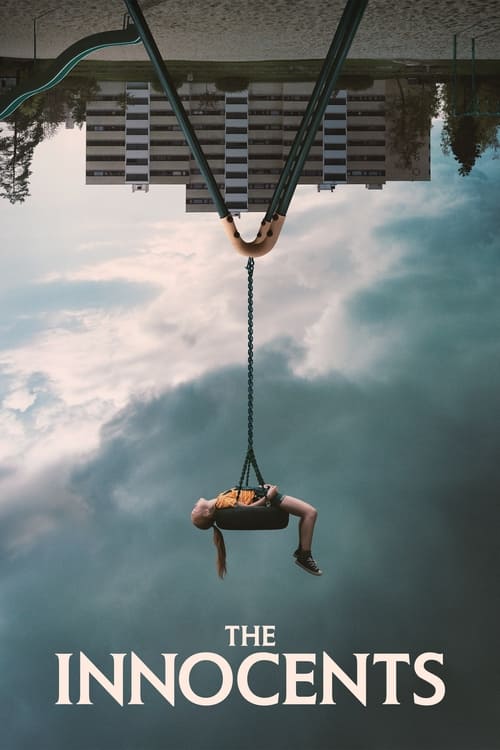
If one filmmaker defines modern Norwegian cinema, it is Joachim Trier. His loose "Oslo trilogy" (Reprise, Oslo, August 31st, and The Worst Person in the World) maps a generation of educated, articulate, self-sabotaging Norwegians who have every privilege and still cannot figure out how to be happy. Trier and his co-writer Eskil Vogt write conversation the way few directors can, and Vogt's own films Thelma and the chilling The Innocents prove the partnership cuts both ways.
The other end of the festival spectrum is Bent Hamer, whose Kitchen Stories and O'Horten turn bureaucratic absurdity and lonely old men into the gentlest, funniest melancholy in European cinema. Older still is the towering humanist Liv Ullmann, the actor most associated with Ingmar Bergman who also directed films of her own, and the documentary tradition that produced Kon-Tiki (the original 1950 expedition film won an Oscar long before the 2012 dramatization did the rounds).
Norwegian cinema is what happens when a deeply self-aware people are handed a camera and an unforgiving landscape: every frame is a question about whether you deserve to be comfortable.CrossBinge editors
Genre Norway: thrillers, monsters, and snow
The commercial wave that proved fjords make great action backdrops

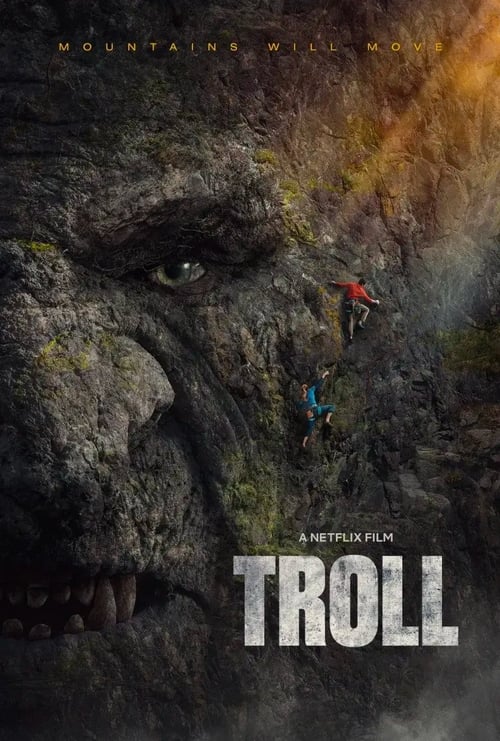
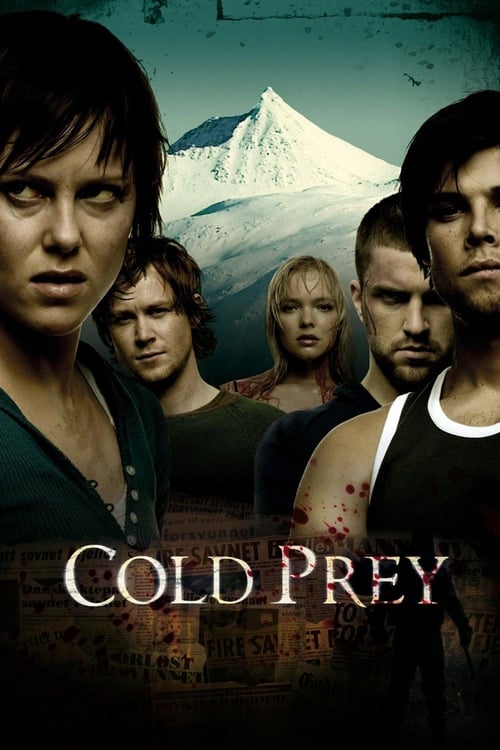
A chronology of Norwegian film
- 1951Kon-Tiki, the documentary of Thor Heyerdahl's raft expedition, wins the Academy Award for Best Documentary, Norway's first Oscar Kon-Tiki
- 1957Nine Lives, a WWII resistance escape story, becomes one of the most beloved Norwegian films and an Oscar nominee for Best Foreign Language Film
- 1975Wives, Anja Breien's landmark feminist comedy, redraws what Norwegian film can say about women
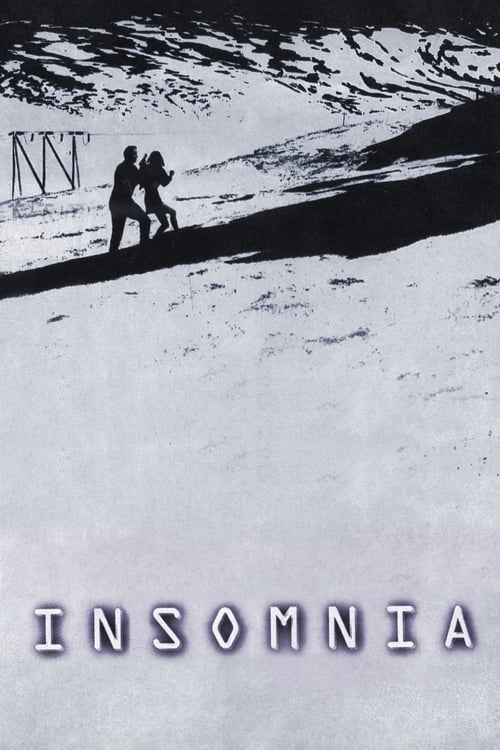
- 1997Erik Skjoldbjaerg's Insomnia launches the Nordic-noir-on-film aesthetic and is later remade by Christopher Nolan Insomnia
- 2003Bent Hamer's Kitchen Stories charms the festival circuit and defines deadpan Norwegian comedy
- 2006Joachim Trier debuts with Reprise; the Oslo trilogy begins Reprise
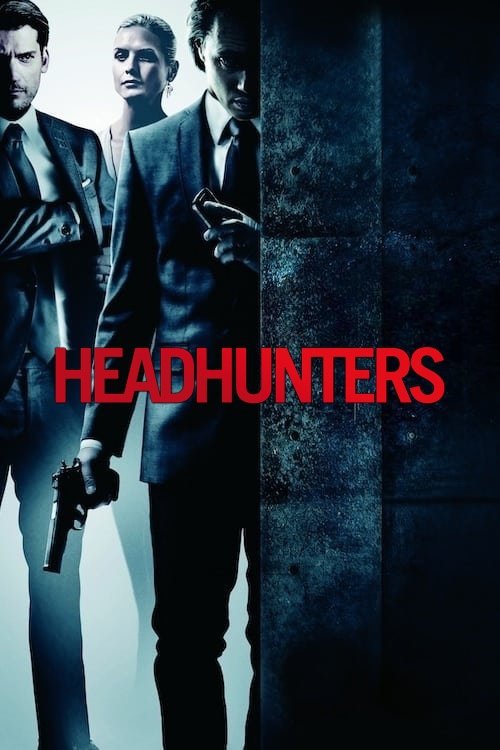
- 2011Headhunters becomes Norway's slickest international thriller export Headhunters
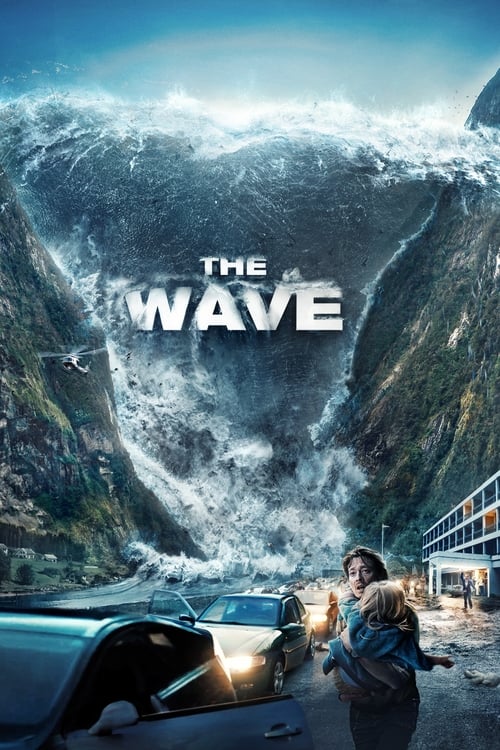
- 2015The Wave reinvents the disaster movie with real Norwegian geology The Wave
- 2021The Worst Person in the World wins Renate Reinsve Best Actress at Cannes and earns two Oscar nominations The Worst Person in the World
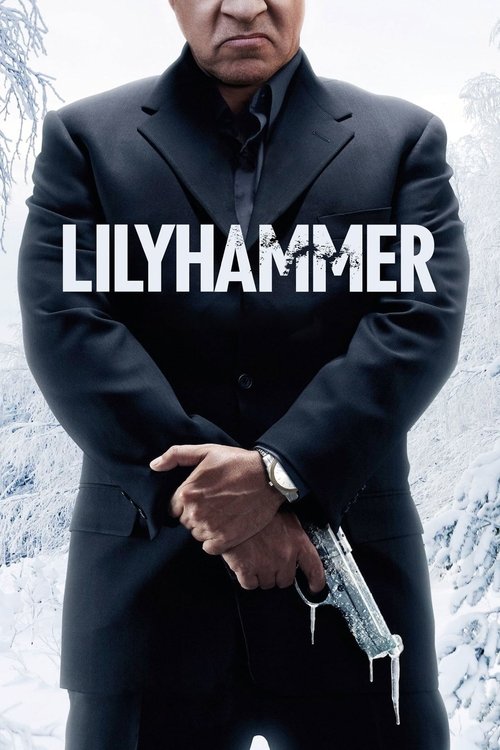
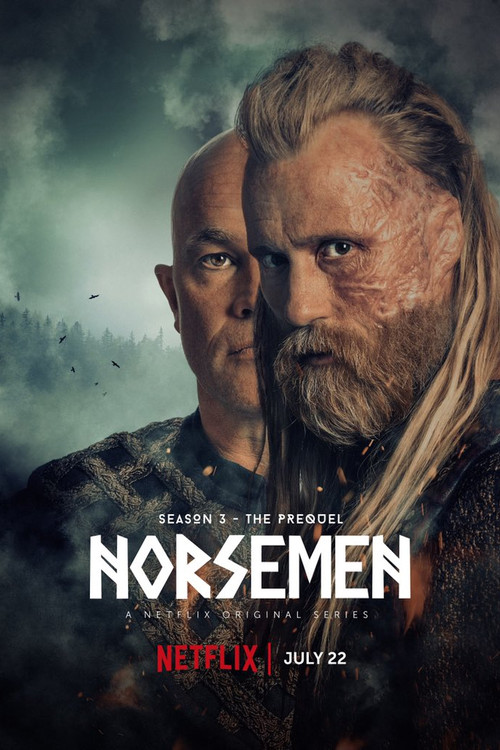
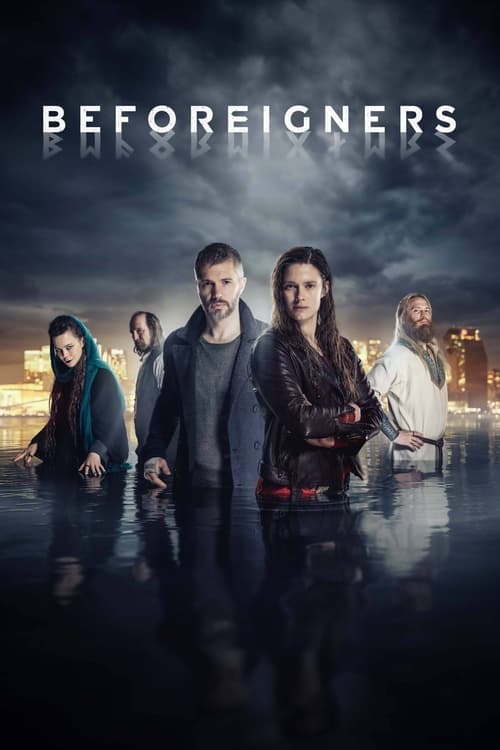
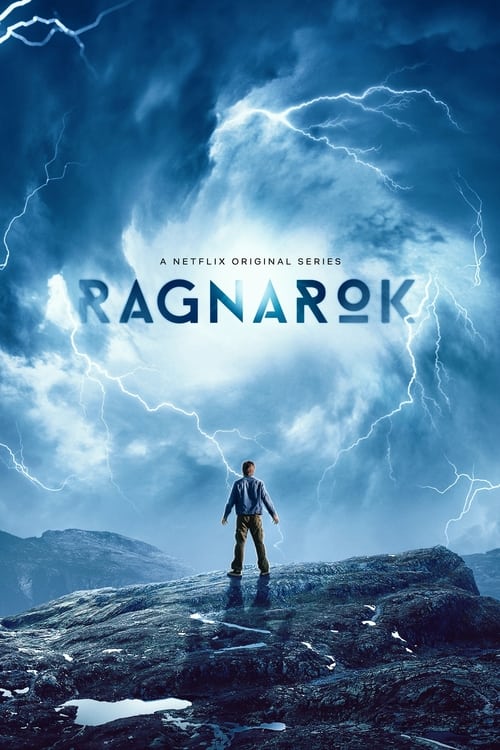
Norway on television
From state-broadcaster experiments to teen drama that conquered the world
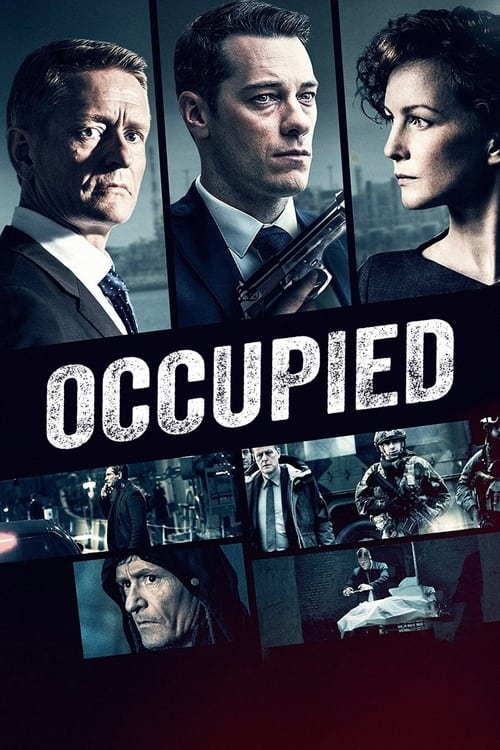
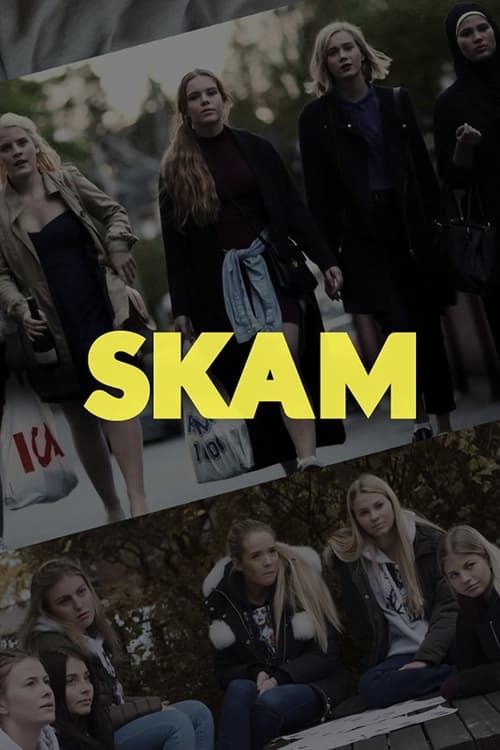

The page and the soundtrack
Norwegian screen culture is downstream of one of the great literary traditions in Europe. Henrik Ibsen invented modern drama in Norwegian, and the country keeps producing writers who feed directly into film: Jo Nesbo's Harry Hole novels are the spine of Norwegian crime (the Hollywood version of The Snowman botched the adaptation, but the books remain definitive), and Karl Ove Knausgaard's autofictional My Struggle changed what the language could do on the page. The country's most uncomfortable export is its black metal scene, the early-1990s Oslo and Bergen underground (Mayhem, Burzum, Emperor, Darkthrone) whose church burnings and violence became the documentary Until the Light Takes Us and a small library of books. On the brighter side, a-ha gave the world the most enduring pop single any Nordic country has produced.
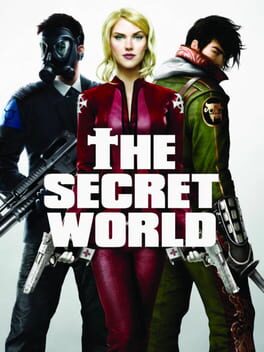
Video games are the youngest branch and a real one: Funcom in Oslo built the MMO Age of Conan and the cult occult adventure The Secret World, while smaller Norwegian studios punch above their weight. The throughline across every medium is the same flat northern light and the same refusal to pretend things will be fine.
The Norwegian bookshelf
Drama, crime, and autofiction in the original language


Sound of the north: games and music
Black metal, synth-pop, and the games built in Oslo


Norway's genre cinema is its real art-house breakthrough
The festival prizes go to Trier, and deservedly so. But the films that actually changed how the world sees Norwegian cinema are the genre pictures. Trollhunter did more for Norwegian myth than any prestige drama, repurposing the fjords and the Troll Wall as a wildlife mockumentary that is both very funny and genuinely eerie. Headhunters proved a Nesbo adaptation could be lean and vicious. The Wave is the rare disaster film grounded in real geology (the rockslide threat above Geiranger is a documented hazard) and it treats catastrophe with a sober, almost municipal seriousness no Hollywood version would dare. Genre is where Norway's national temperament (fatalism, competence, dark humor) found its most exportable shape.