
What Norse mythology fans chase is a very specific feeling: fate that cannot be outrun, gods who are flawed and mortal in all but name, a cosmos that will end and knows it. The Aesir are not remote perfection but warriors, wanderers, schemers. Odin sacrifices his eye for wisdom and hangs on Yggdrasil for nine days to earn the runes. Loki is never simply villain or ally. Thor throws his hammer at problems that don't always yield to hammers. The whole cosmology is saturated with a Norse concept sometimes called wyrd: the sense that the threads of fate are already woven, yet deeds still matter. That tension between doom and agency is the through-line across every medium that does this material well, from the Eddas themselves to the best modern video games.
Essential Norse Mythology
The foundational texts and their closest modern descendants, in their primary forms




Films That Feel Like the Myths
Cinema that carries the epic scale, fatalism, or wild strangeness of the Norse stories
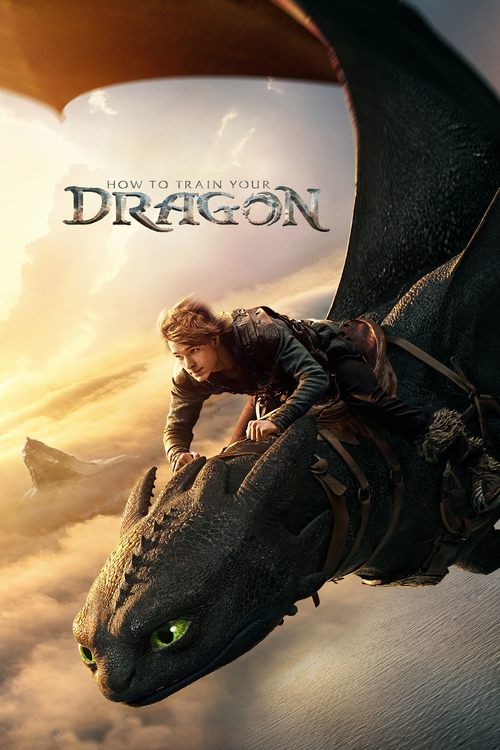
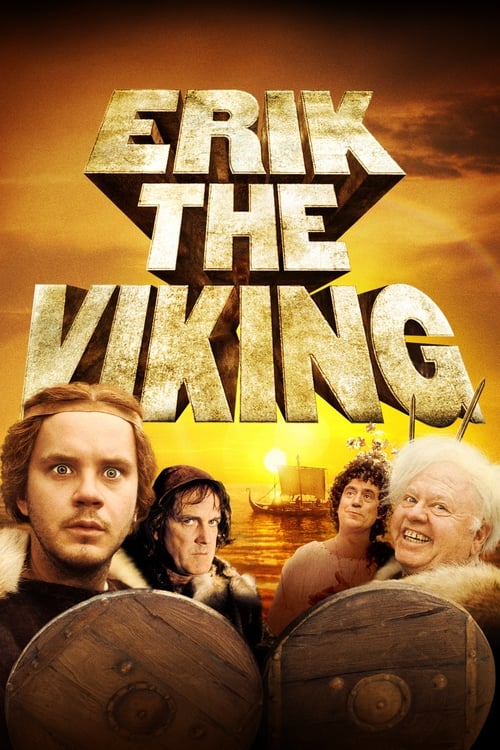
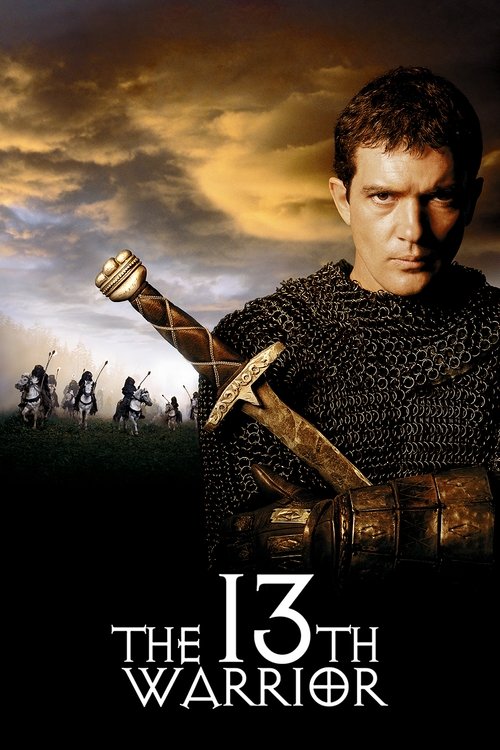
Series to Watch Between the Eddas
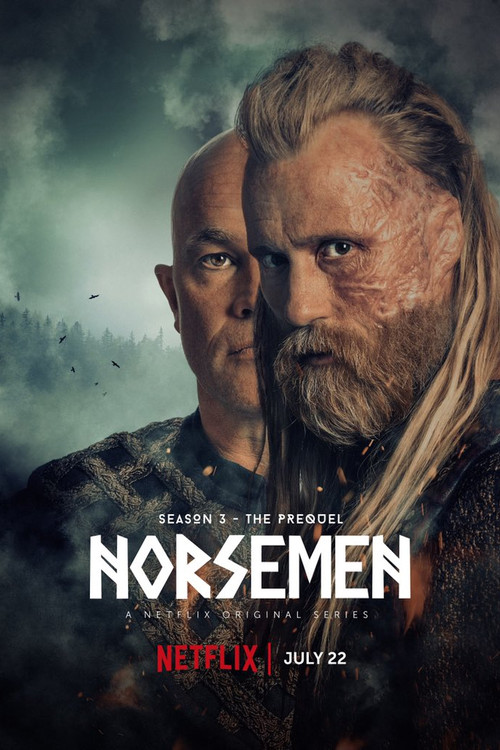
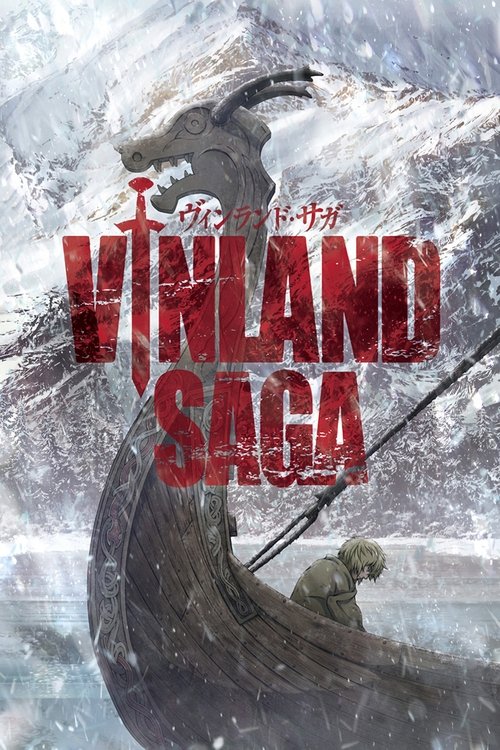
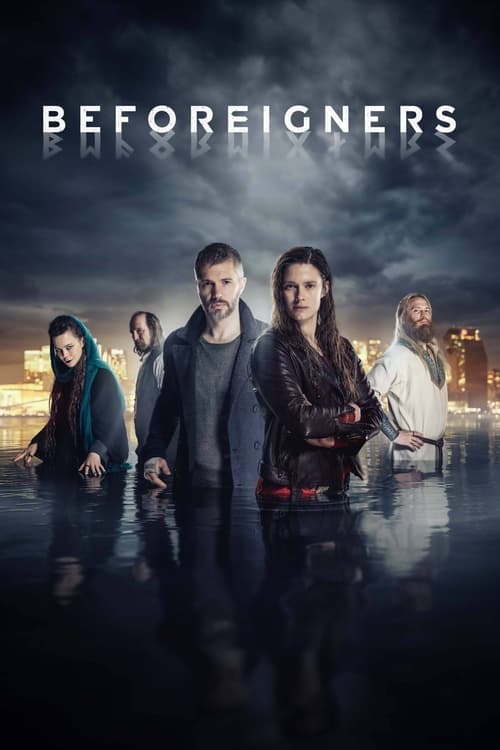
TV that channels Viking age drama, myth, or the long reach of the Norse gods
Games That Put You Inside the Myth
From Kratos meeting Odin to settlement-building under Midgard's cold sky

The Prose Edda is still the source everyone else is raiding
Snorri Sturluson wrote the Prose Edda in 13th-century Iceland to preserve the older poetic traditions, and nearly every modern retelling, from Marvel's Thor to Neil Gaiman's novel to the God of War games, draws its cosmology, its cast, and its plot beats from this one source. The kenning-heavy verse of the Poetic Edda is older and stranger, but the Prose Edda is where Ragnarok is laid out fully: the wolf swallowing Odin, the world sinking into the sea, two humans surviving in a tree. Knowing it makes everything derivative click into place.
God of War (2018) is the best modern reinterpretation, in any medium
Santa Monica Studio's reinvention of Kratos didn't just reskin Greek mythology with Norse trappings. It understood that the Norse cosmos is about fathers and sons, knowledge and its cost, and the weight of a fate you can read but not escape. The game uses the camera as a single unbroken shot for its entire runtime, which is a structural metaphor for the unbroken thread of wyrd. The sequel, Ragnarok, finishes the arc and adds Angrboda, Odin, and Atreus finding his own mythology. Neither game requires familiarity with the myths, but knowing them rewards you with a second layer of dread on every interaction.
Neil Gaiman's retelling earns its place alongside the originals
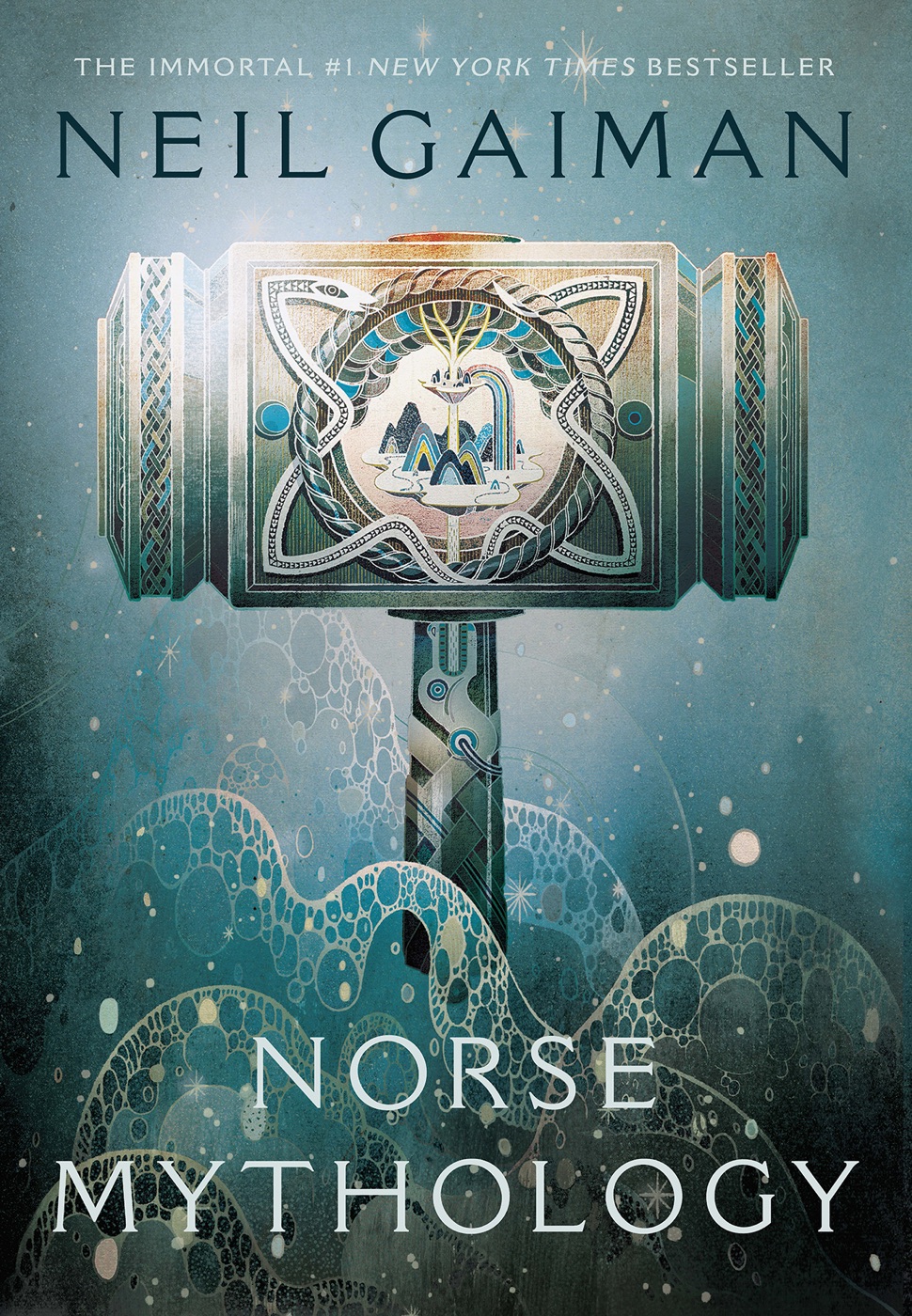
Gaiman's Norse Mythology (2017) is not a novel but a faithful retelling of the Eddic stories in clean contemporary prose. What he adds is voice: Loki is funnier and more unsettling, the gods are more fully embodied as personalities, and the pacing of each story is treated as pure storytelling craft rather than scholarship. It is the ideal entry point for anyone who finds the original Eddas too fragmented or archaic, and it covers the full arc from the creation of the world through Ragnarok without softening any of the endings.
Wardruna invented a genre: ritual sound as mythological immersion
Einar Selvik formed Wardruna specifically to reconstruct the sonic world of the runes and the Eddas. The instruments are period-appropriate (tagelharpa, goat horn, kravik-lyre, bones), the lyrics draw directly from the Elder Futhark and the Eddas, and the production creates something that sounds genuinely ancient rather than theatrical. The Runaljod trilogy (Gap Var Ginnunga, Yggdrasil, Ragnarok) is the full mythology in sound. Their music also appears on the Vikings soundtrack, which is how most international audiences discovered them. Heilung works adjacent territory: louder, more ritualistic, and less melodically structured, but equally rooted in archaeological sources.
Nine Worlds, Many Centuries: Norse Myth Through Time
- 1220Snorri Sturluson completes the Prose Edda in Iceland, codifying the Norse cosmology that all later adaptations draw on The Prose Edda
- 1250The Poetic Edda is compiled, preserving older Eddic verse including the Voluspa, the prophecy of Ragnarok The Poet
- 1986Erik the Viking adapts Norse myth as satirical comedy, introducing the mythology to a broader popular audience Erik the Viking
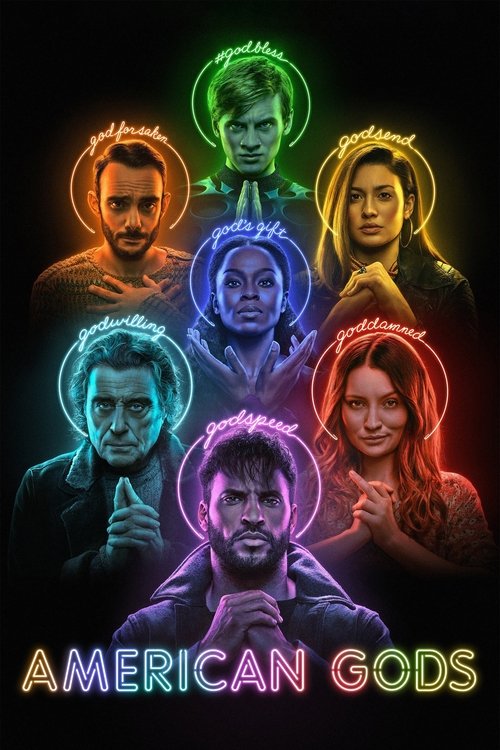
- 2001Neil Gaiman's American Gods brings Norse deities to contemporary America, beginning the modern literary renaissance of the material American Gods
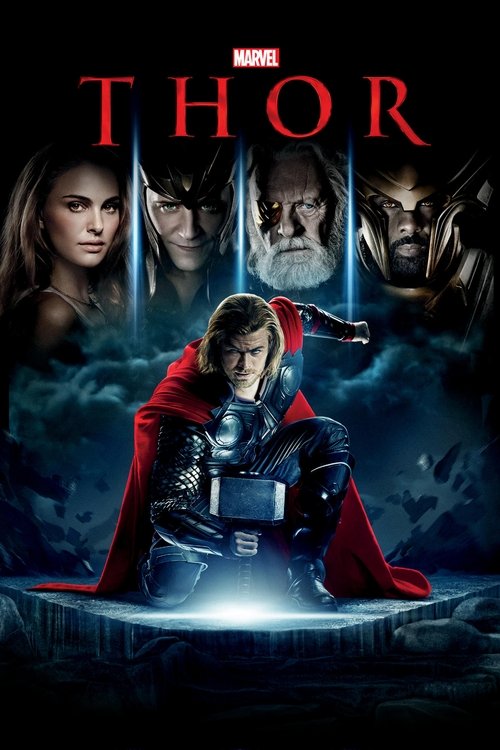
- 2011Marvel's Thor reaches cinemas and introduces the Nine Realms framing to a global audience Thor
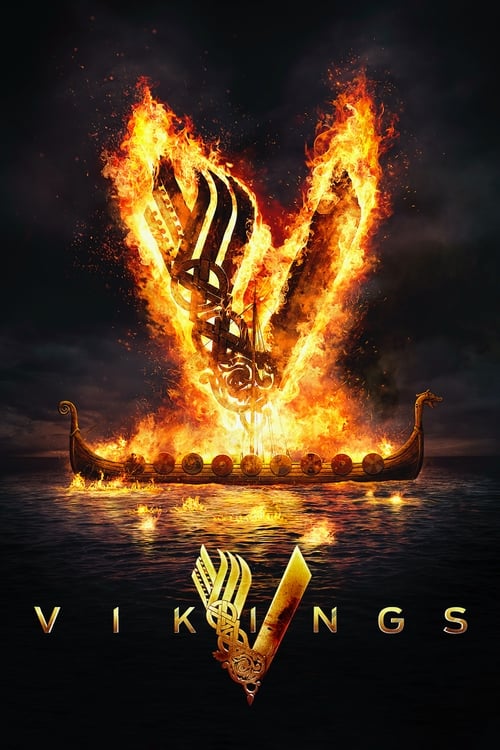
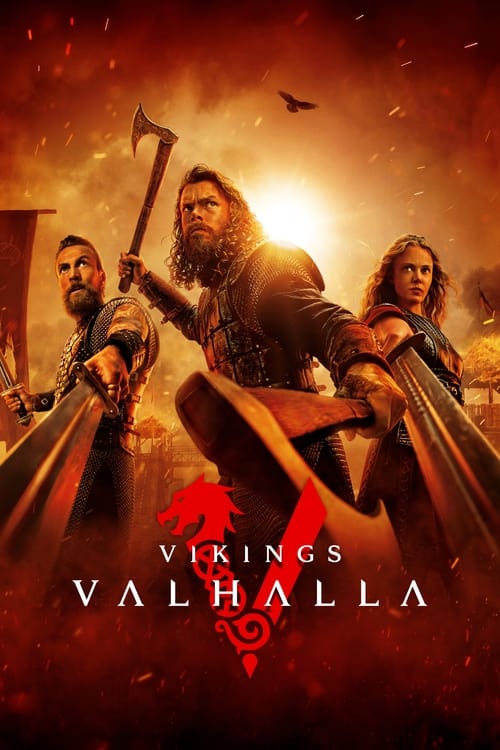
- 2013The Vikings series launches, bringing saga-era Scandinavia to primetime drama for the first time at scale Vikings
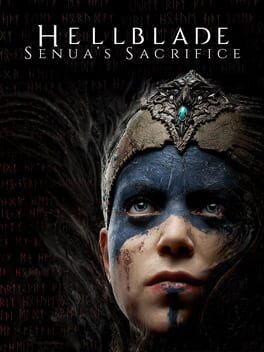
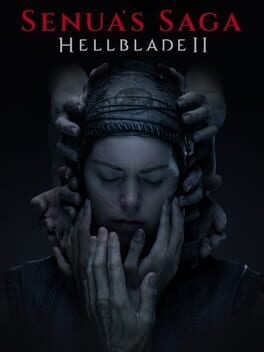
- 2015Hellblade: Senua's Sacrifice begins development; the final game in 2017 uses Norse myth and Old English psychosis as inseparable lenses Hellblade: Senua's Sacrifice
- 2017Neil Gaiman publishes Norse Mythology, the most widely read modern retelling of the Eddas Mythology
- 2018God of War relocates Kratos to the Norse realms; becomes the landmark pop-culture treatment of the mythology God of War
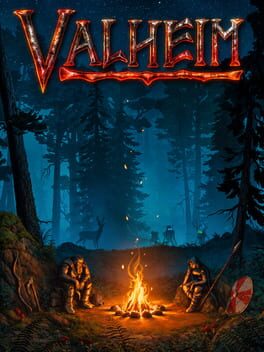
- 2020Valheim launches in early access, letting players build and survive inside a Norse afterlife purgatory Valheim
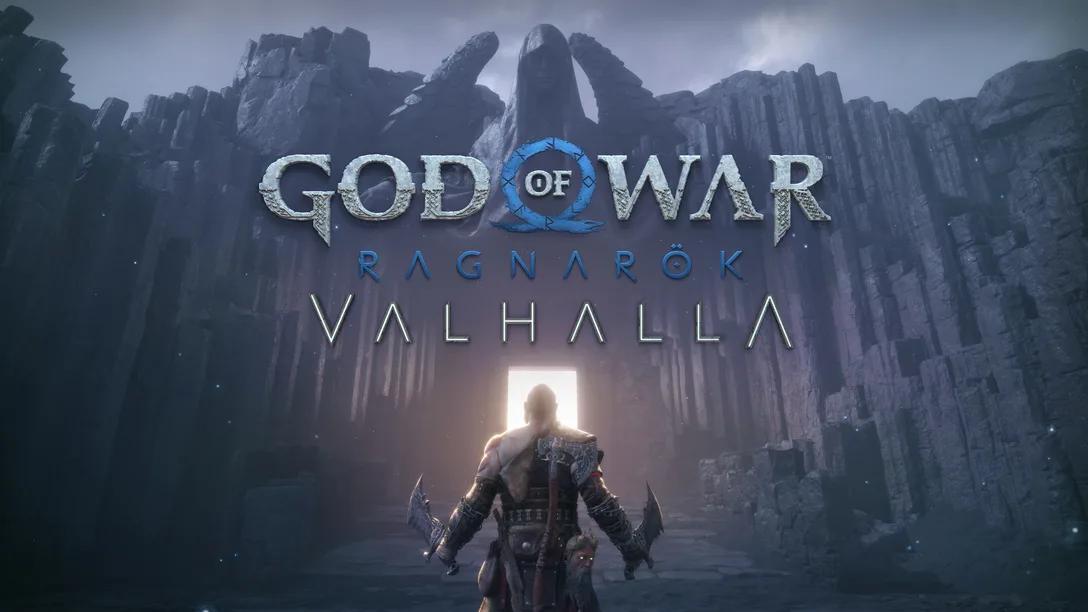
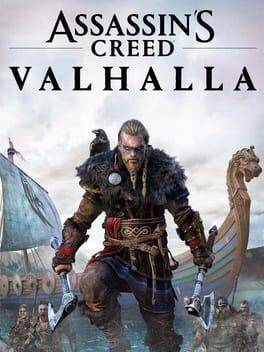
- 2022God of War Ragnarok completes the arc, depicting the prophesied end of the world and what comes after God of War Ragnarok: Valhalla
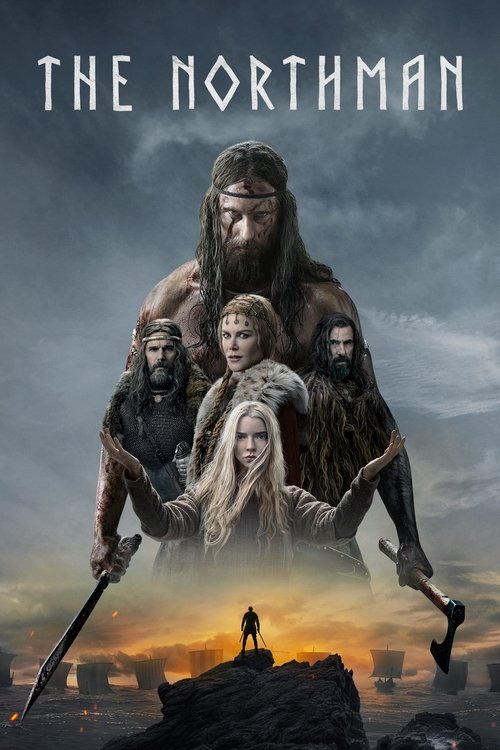
- 2022Robert Eggers' The Northman arrives as the most archaeologically grounded and visually brutal Norse-saga film yet made The Northman
Vikings, frost giants, Ragnarok across media
Norse Mythology
Explore the Norse Mythology guide →The ravens of Odin are called Huginn and Muninn, Thought and Memory. Every day they fly out over all the worlds and return to whisper what they have seen. The gods know what is coming. They fight anyway.Prose Edda, paraphrased