
A cinema that argues with its own conscience
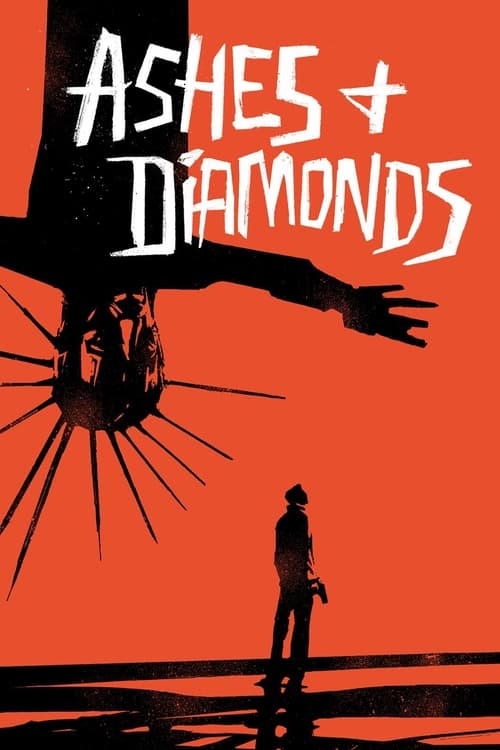
Polish film grew up inside a problem: how do you tell the truth when the state owns the projector? The answer, refined over four decades of People's Poland, was a cinema of double meaning. The famous Polish Film School of the late 1950s, born at the Lodz academy that would later train Roman Polanski and Krzysztof Kieslowski, took the rubble of World War II and the betrayals of the postwar order and turned them into something coiled and ironic. Andrzej Wajda set the template with his war trilogy, ending in Ashes and Diamonds (1958), where a young Home Army assassin (Zbigniew Cybulski, the Polish James Dean in dark glasses) dies in a garbage heap and a glass of vodka ignites like a votive candle. The lesson stuck: in Polish cinema, politics is never the subject directly. The subject is a person trying to remain a person.
What makes this national cinema distinct is its refusal of easy heroism. Where other traditions celebrate resistance, the Poles interrogate it. Wajda kept returning to the wound. Man of Marble (1977) and Man of Iron (1981) anatomized the cult of the worker-hero and then, astonishingly, filmed Solidarity in real time. Krzysztof Zanussi built a parallel cinema of intellect, the so-called Cinema of Moral Anxiety, where physicists and doctors weigh compromise like a lab result. And then there is Kieslowski, who started in documentary, grew suspicious of the camera's right to film real suffering, and retreated into fiction so precise it feels like surveillance of the soul.
The Polish Film School
War, irony, and the rubble of 1945 (late 1950s into the 1960s)

Two giants who left, two who stayed
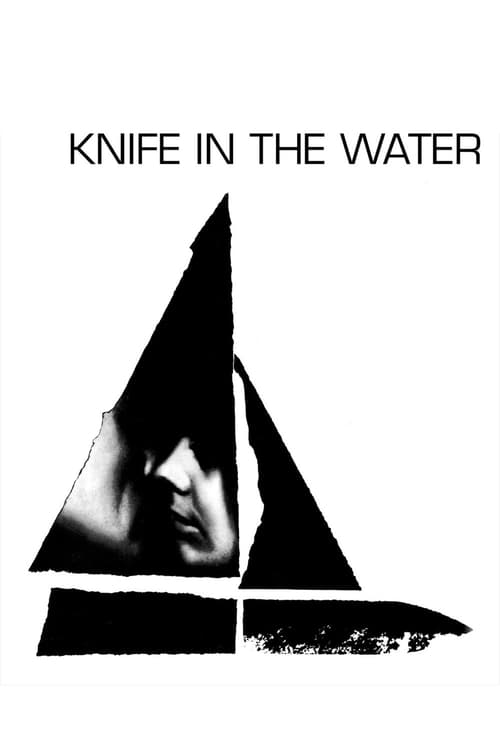
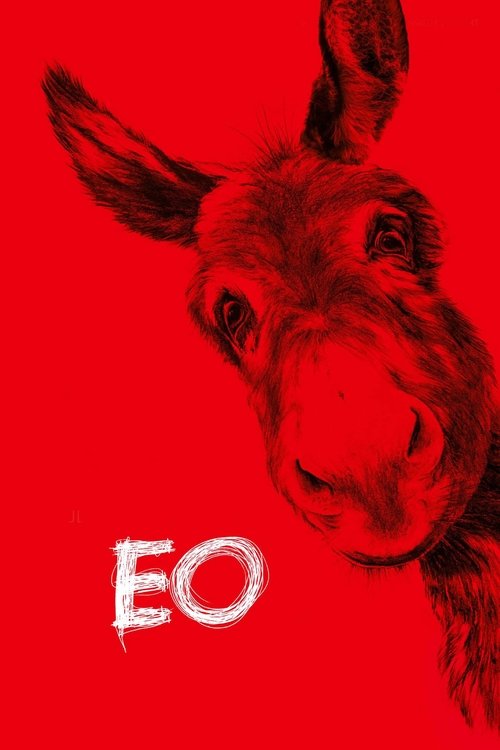
The Lodz school's most famous export never made a Polish-language feature again after his debut. Roman Polanski's Knife in the Water (1962) is a three-hander on a sailboat, all sexual menace and class resentment, and it earned Poland its first Oscar nomination before Polanski decamped to the West for Repulsion, Chinatown and a long exile of his own. Jerzy Skolimowski, his co-writer on that film, stayed stranger and more restless, making jagged, jazz-inflected work like Walkover (1965) before his own emigration and an extraordinary late return with the donkey odyssey EO (2022).
Those who remained turned constraint into style. Wojciech Has made baroque, hallucinatory literary adaptations, above all The Saragossa Manuscript (1965), a nested-story labyrinth whose admirers (among them Jerry Garcia and Martin Scorsese) later helped fund its restoration. Andrzej Munk, who died in a car crash mid-shoot, left behind the savage war satire Eroica (1958) and the unfinished Passenger. This was a generation that could not say what it meant, so it learned to mean several things at once.
Polish cinema never asks whether the system is evil. It asks the harder question: can you survive it and still recognize yourself in the mirror.CrossBinge editors
The Cinema of Moral Anxiety
Zanussi, Kieslowski, and the late-1970s reckoning with compromise




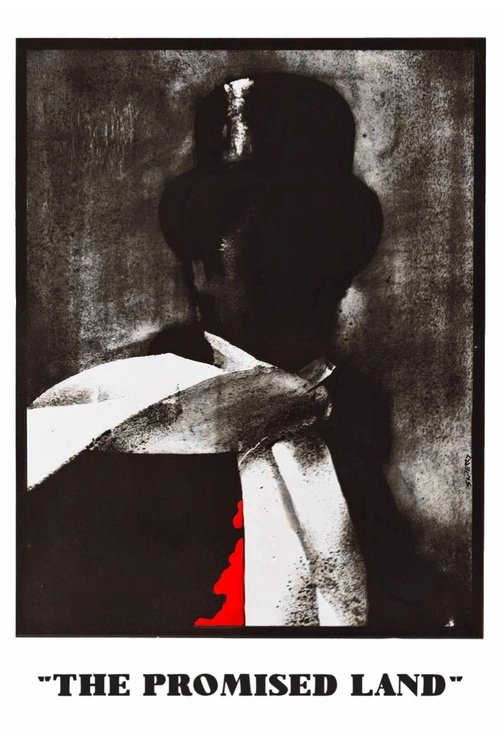
A chronology of Polish film
- 1955Wajda's A Generation opens the Polish Film School Woodstock: Three Days That Defined a Generation
- 1958Ashes and Diamonds: Cybulski dies at dawn, the era's defining image Ashes and Diamonds
- 1962Polanski's Knife in the Water earns Poland its first Oscar nomination Knife in the Water
- 1965Has releases the cult labyrinth The Saragossa Manuscript
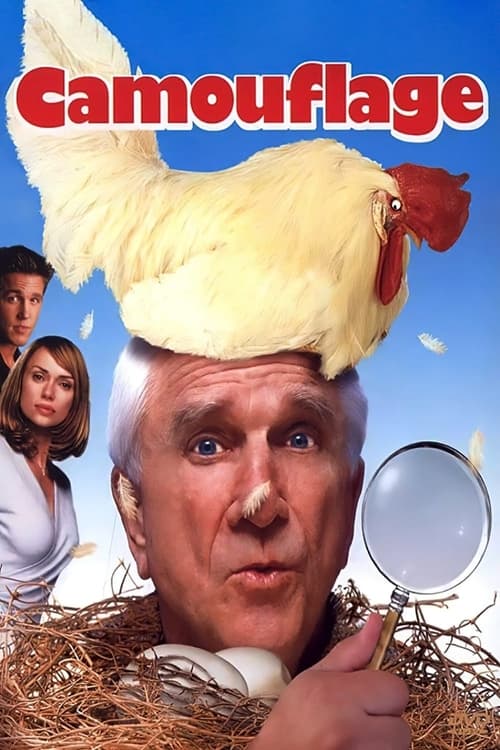
- 1977Man of Marble and Camouflage launch the Cinema of Moral Anxiety Man of Marble
- 1981Man of Iron wins the Palme d'Or; martial law is declared in December Man of Iron
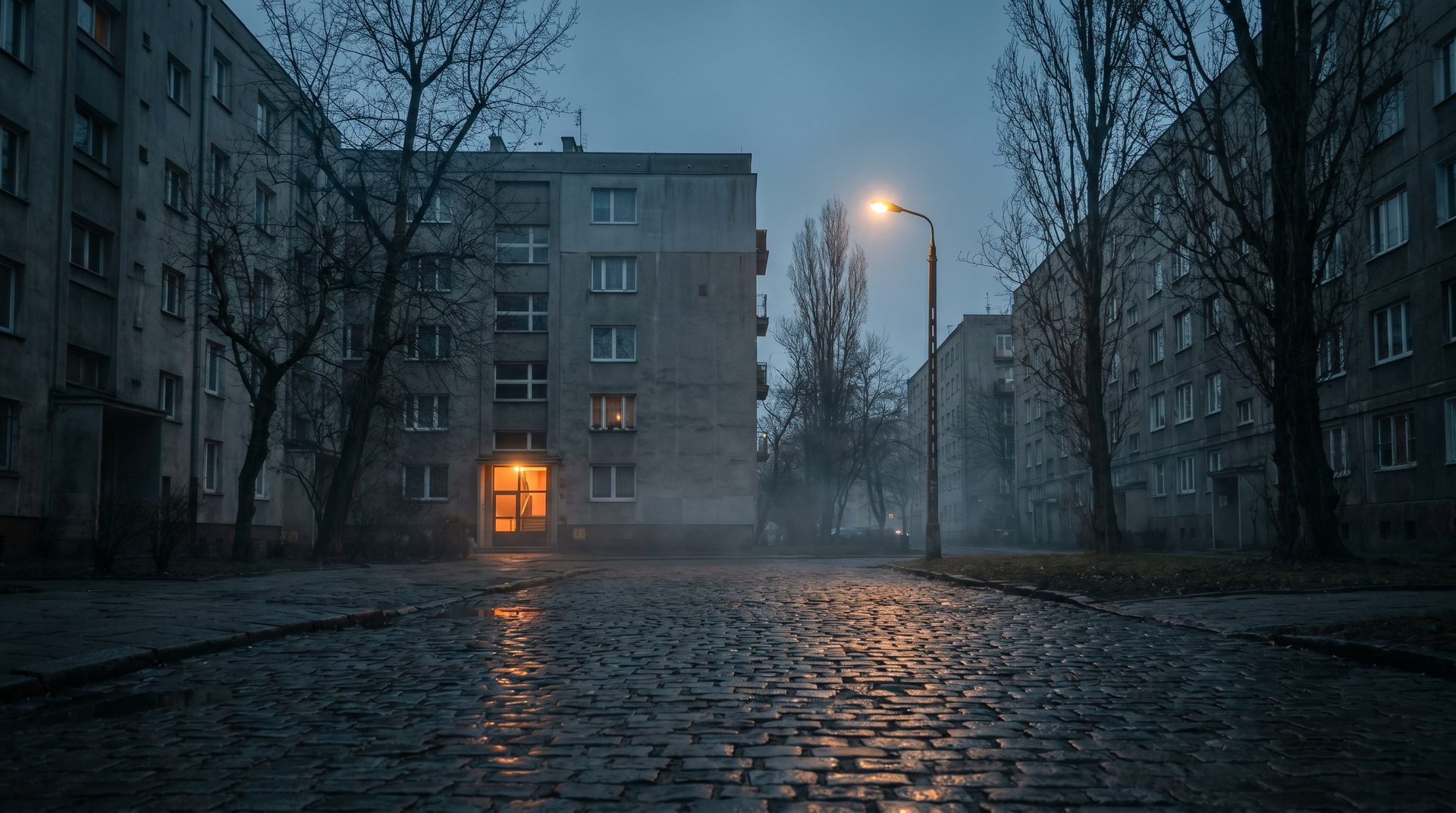
- 1988Kieslowski's Dekalog reframes the Ten Commandments in a Warsaw housing block Dekalog
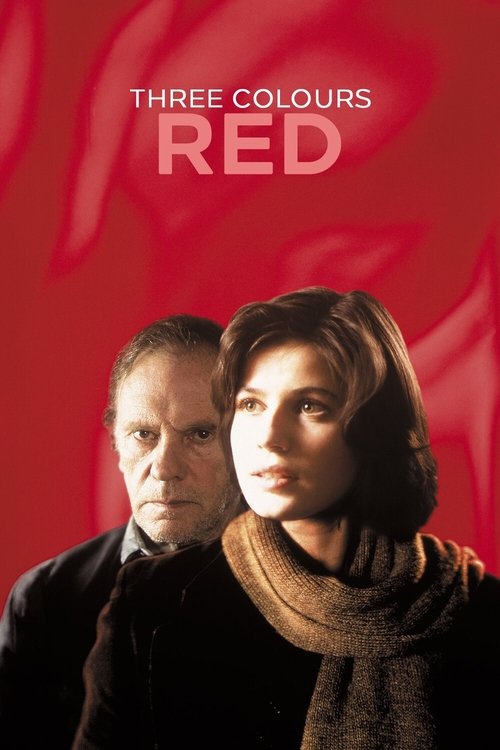
- 1994Three Colors: Red closes Kieslowski's trilogy and his career Three Colors: Red
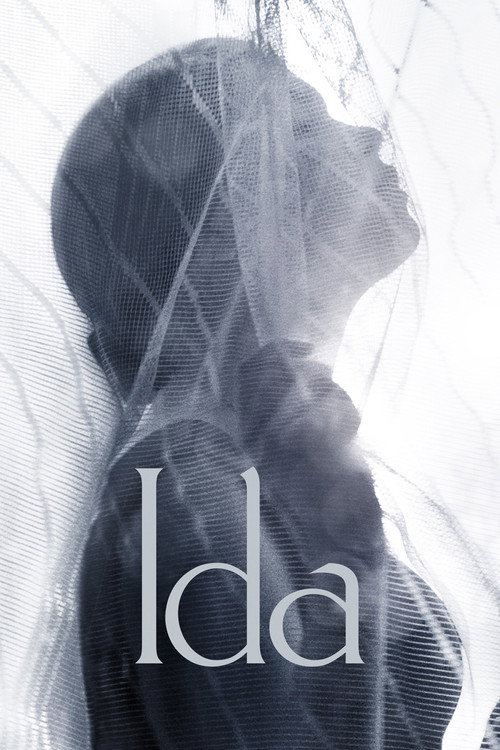
- 2015Pawlikowski's Ida (2013) wins the Oscar for Best Foreign Language Film Ida
- 2018Cold War earns Pawlikowski the Best Director prize at Cannes Cold War
- 2022Skolimowski's EO is nominated for the international Oscar EO
Kieslowski, and the metaphysics of the ordinary
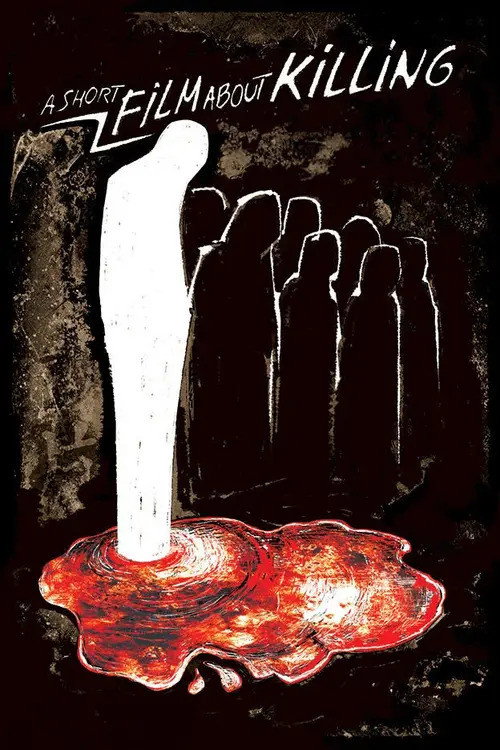
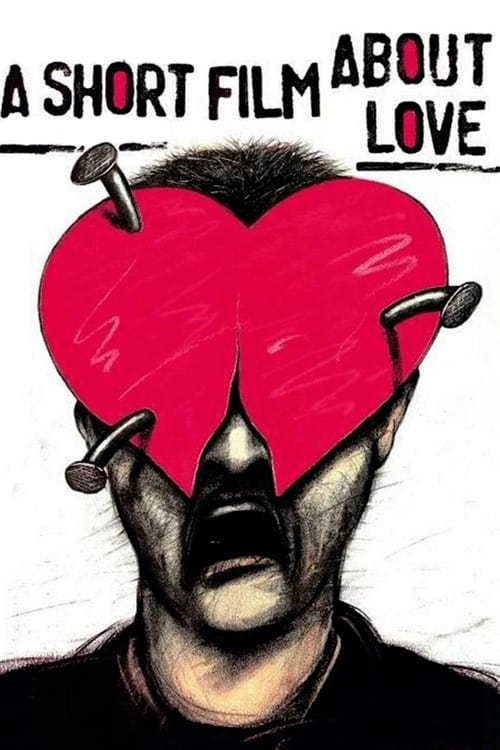
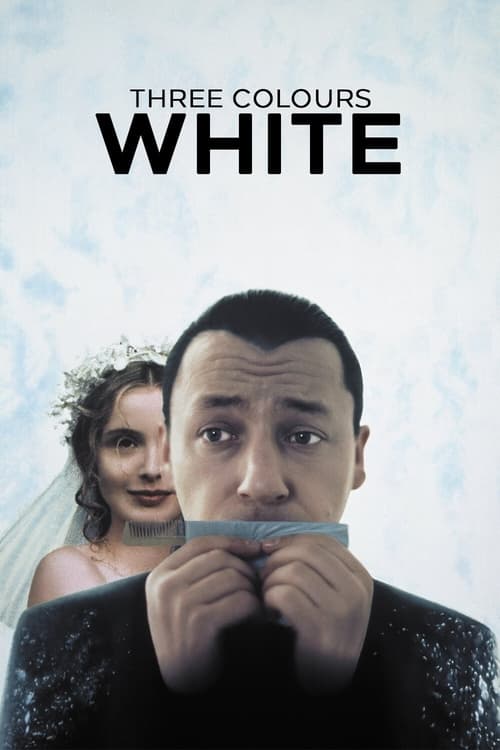
No Polish filmmaker traveled further inward than Krzysztof Kieslowski. After a decade of documentaries that taught him to distrust the lens, he made Dekalog (1988), ten hour-long films set in a single grey Warsaw estate, each loosely shadowing one commandment, each refusing the comfort of a verdict. Two episodes expanded into the unbearable A Short Film About Killing and A Short Film About Love. Then came the European phase: The Double Life of Veronique (1991) and the Three Colors trilogy (1993 to 1994), shot in France with Juliette Binoche and Irene Jacob, where coincidence and grace operate like physical laws. Red is one of the great final films, and Kieslowski announced his retirement at its release; he died two years later.
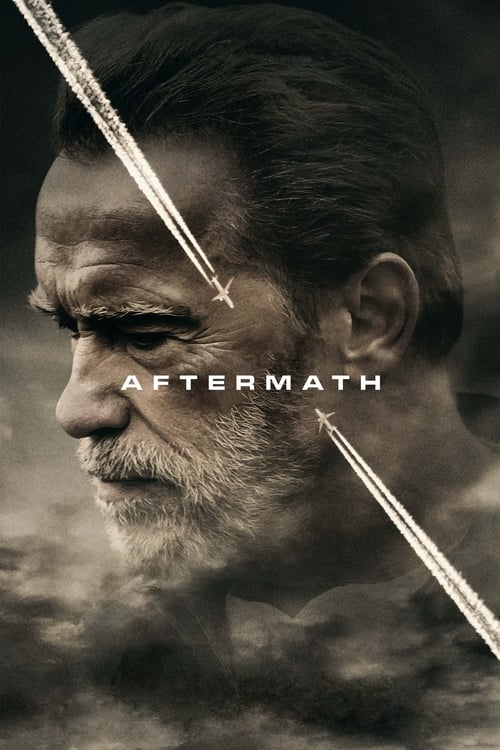
The inheritors arrived after the long fallow stretch that followed 1989, when the loss of state funding gutted the industry. Pawel Pawlikowski returned from Britain to make Ida (2013), a black-and-white film about a novice nun who learns she is Jewish, and Cold War (2018), a doomed romance compressed into a lean eighty-eight minutes of jazz and exile. Lukasz Zal shot both (sharing the Ida credit with Ryszard Lenczewski), and his work made the boxy Academy ratio fashionable again. Wladyslaw Pasikowski's hard-edged Aftermath (2012) and Wojciech Smarzowski's brutal Volhynia (2016) dragged the buried massacres of wartime Poland into mainstream multiplexes. The moral anxiety never left; it just changed what it was anxious about.
Kieslowski's universe
From the Warsaw housing block to the French trilogy

The new Polish cinema
After 1989, and the festival-circuit revival


Read the source, hear the score
The Polish literature and music the films grew out of


Poland's biggest cultural export of the century is a video game, and that is not a downgrade
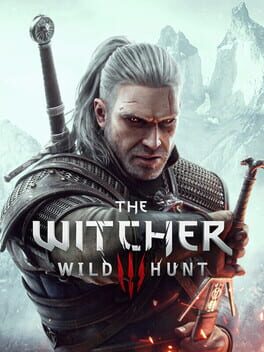
Polish cinema spent forty years smuggling moral seriousness past the censors. Then, after the wall fell, the most globally felt piece of Polish storytelling turned out to be code. CD Projekt Red built The Witcher 3: Wild Hunt (2015) out of Andrzej Sapkowski's morally grey fantasy novels, and it carries the exact national signature: no clean heroes, choices that curdle, folklore as politics, a protagonist paid to kill monsters who keeps meeting worse ones among the humans. Cyberpunk 2077 (2020) extended the ambition (and the controversy). The line from Wajda's compromised partisans to Geralt's gruff refusal of easy virtue runs straight. The medium changed; the Polish question (can you stay decent inside a rotten system) did not. Treat the games as cinema's argumentative cousin, not its lesser sibling.