

The slowest cinema in the tropics
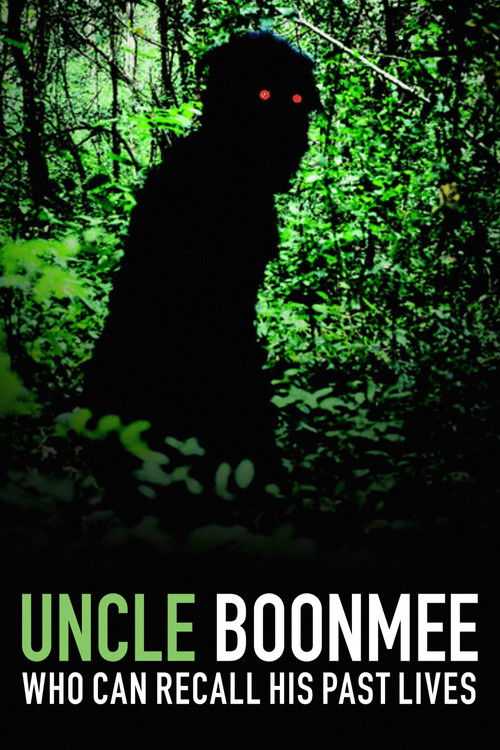
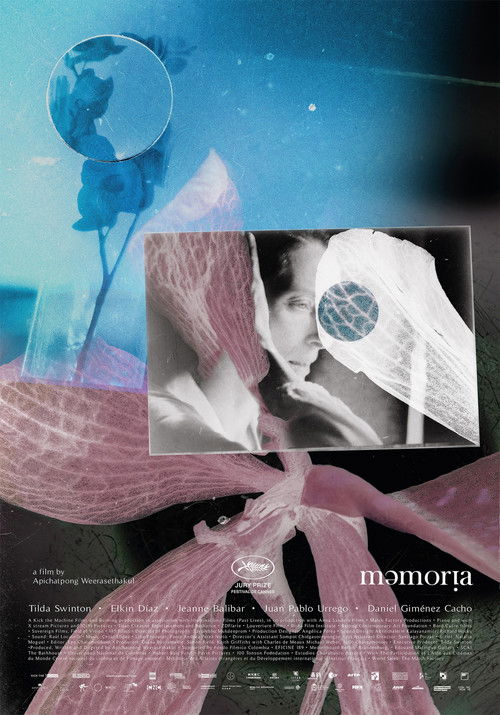
Thai cinema spent decades as one of Southeast Asia's most prolific commercial machines, churning out melodramas, ghost stories, and muay Thai action for a domestic audience, and almost none of it left the country. Then in the early 2000s two things happened at once. A wave of slick, exportable genre films (horror, action, romance) put Thailand on the regional map, and a single, stubbornly uncommercial director put it on the world's. Apichatpong Weerasethakul won the Palme d'Or in 2010 for Uncle Boonmee Who Can Recall His Past Lives, and suddenly the festival circuit was paying attention to a national cinema obsessed with reincarnation, memory, the jungle, and the unhurried passage of time.
What unites the art house and the multiplex here is a porous border between the living and the dead. Thai Buddhism and folk animism treat ghosts (phi) as neighbors, not monsters, and karma as plot. The country's most beloved story is a ghost romance, the Mae Nak legend, retold on screen for nearly a century. Whether the camera is holding on a soldier dissolving into a tiger or a teenager fleeing a vengeful spirit, the metaphysics are the same: nothing really ends, it just changes form.
Apichatpong Weerasethakul: the jungle modernist
The director who made Thai art cinema a global event

The horror that conquered Asia
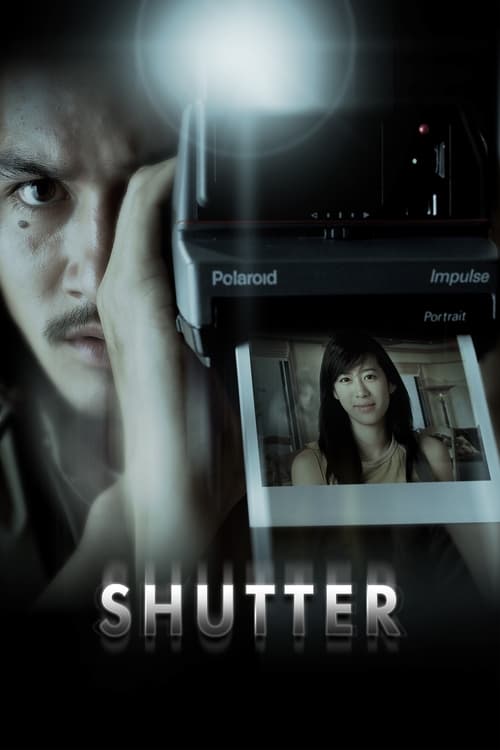
The export boom ran on fear. The Pang brothers' The Eye (2002) became a regional sensation and got a Hollywood remake; Banjong Pisanthanakun and Parkpoom Wongpoom followed with Shutter (2004), a photographic ghost story so efficient it was remade in several countries. Thai horror works because it is rule-bound and karmic: the dead come back because someone wronged them, and the scares are built on the camera's patience, the empty corridor held a beat too long.
Banjong later proved the formula could be funny and tender too, with the smash comedy Pee Mak (2013), a reworking of the Mae Nak legend that became the highest-grossing Thai film of its time. The Thai mainstream's emotional reach kept widening: How to Make Millions Before Grandma Dies (2024), directed by Pat Boonnitipat in his debut and produced by Banjong's GDH studio, broke box-office records across Asia and became the highest-grossing Thai-language film ever, confirming that the commercial cinema had matured into something genuinely moving.
Spirits, slashers, and the export boom
The horror and genre wave that put Thai film on Asian screens




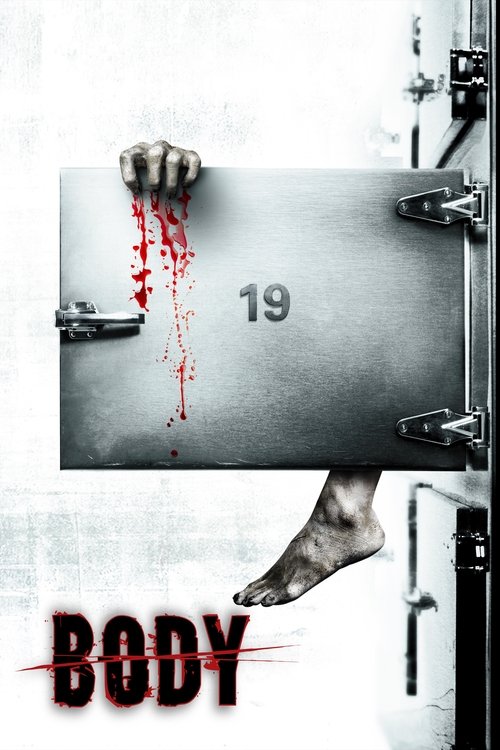

In Thai cinema the ghost is rarely the villain. The villain is the person who made the ghost.CrossBinge editors
Fists, blades, and the Tony Jaa effect
Muay Thai action that needed no wires and no CGI



A new wave with a stance
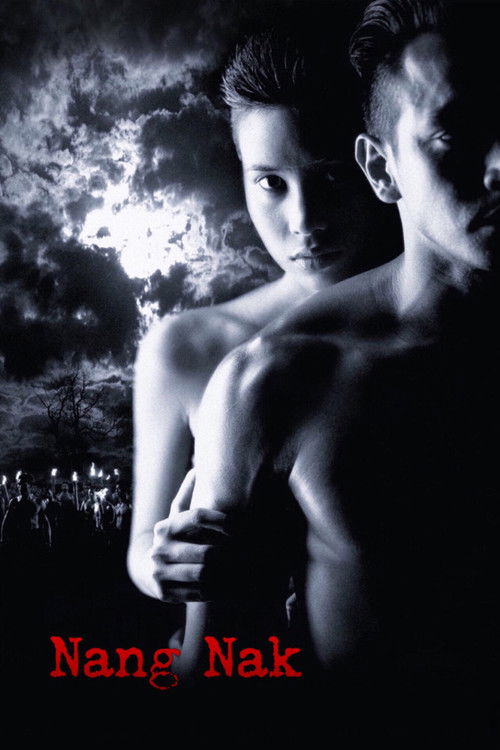
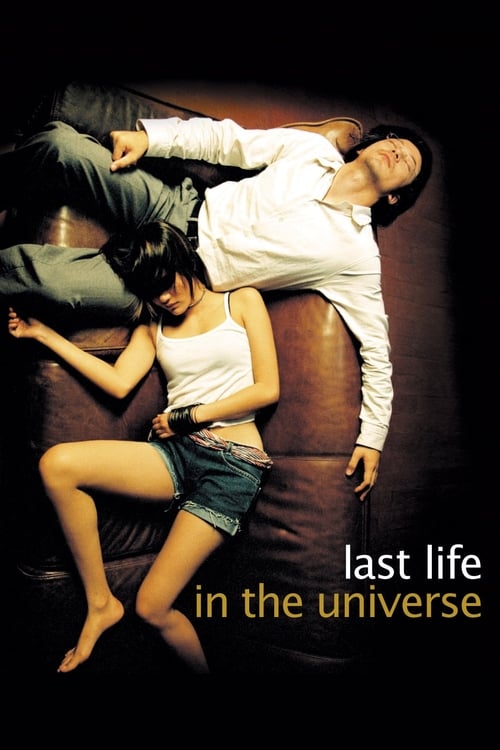
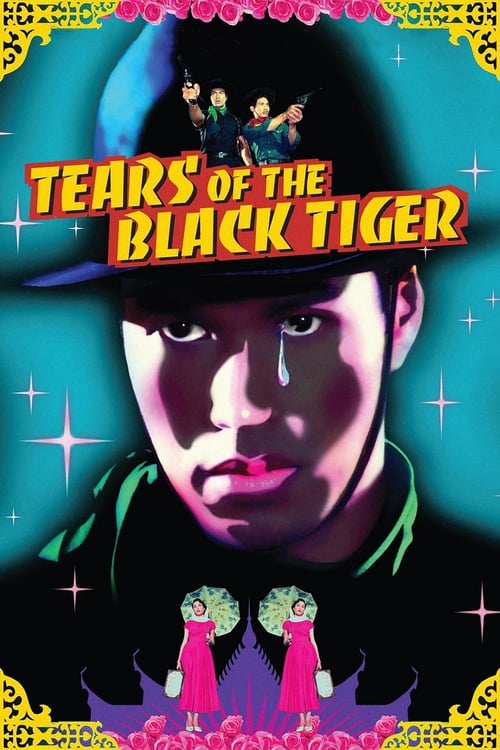
Beyond the genre engine, a generation of auteurs gave Thai cinema its argumentative edge. Pen-ek Ratanaruang brought a cool, deadpan existentialism with Last Life in the Universe (2003, shot by Christopher Doyle) and 6ixtynin9. Wisit Sasanatieng turned Thai genre nostalgia into pure candy-colored pop with Tears of the Black Tiger (2000), the first Thai film selected at Cannes. Nonzee Nimibutr helped kick off the renaissance with Nang Nak and the period crime film Dang Bireley's and Young Gangsters.
The younger cohort turned political. Nawapol Thamrongrattanarit captured millennial loneliness and consumer dread in Mary Is Happy, Mary Is Happy and Happy Old Year, while Aditya Assarat's Wonderful Town found grief in a tsunami-scarred coastal town. Increasingly, the country's most interesting films are also its most quietly defiant, made in an industry that operates under heavy censorship and a watchful state.
The auteurs: art house with attitude
Pen-ek, Wisit, Nonzee, and the new political wave


A chronology of Thai cinema
- 1999Nonzee Nimibutr's ghost-romance Nang Nak ignites the New Thai Cinema renaissance Nang Nak
- 2000Wisit Sasanatieng's Tears of the Black Tiger arrives, soon to become the first Thai film selected at Cannes Tears of the Black Tiger
- 2002The Pang brothers' The Eye triggers the regional Thai-horror export boom The Eye
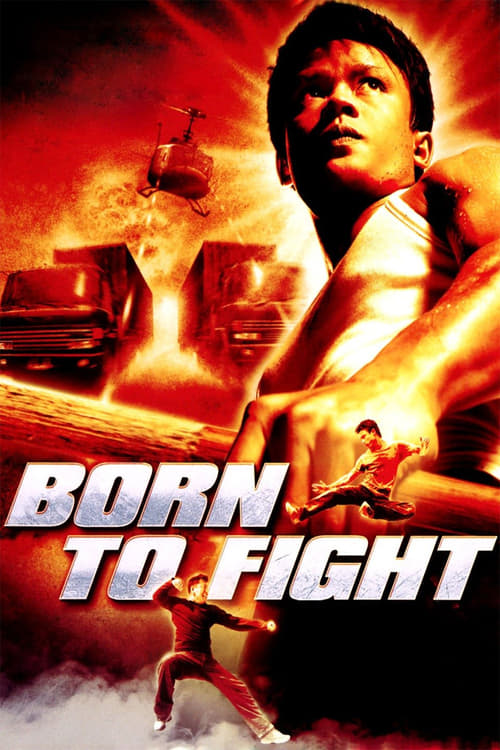
- 2003Tony Jaa's Ong-Bak makes Thai muay Thai action a global brand
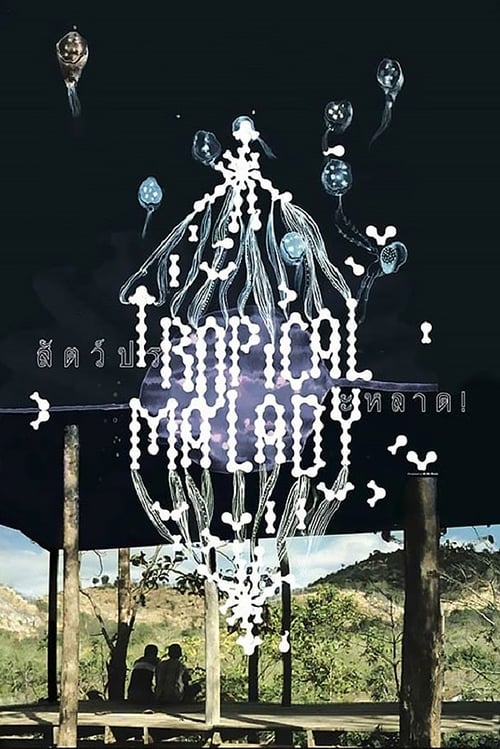
- 2004Apichatpong's Tropical Malady wins the Jury Prize at Cannes Tropical Malady
- 2010Uncle Boonmee wins the Palme d'Or, the first for a Southeast Asian film Uncle Boonmee Who Can Recall His Past Lives
- 2013Pee Mak becomes the highest-grossing Thai film of its time Pee Mak
- 2017Bad Genius reinvents the heist thriller around a high-school exam and conquers Asia Bad Genius
- 2024How to Make Millions Before Grandma Dies sets new regional box-office records How to Make Millions Before Grandma Dies
Apichatpong is the most important filmmaker working in Asia, and his slowness is the point
Sit still
Every few years someone calls Uncle Boonmee or Cemetery of Splendour boring, and they are missing the entire design. Apichatpong is not failing to entertain you. He is retraining your sense of time so that a man recalling a past life, or a red-eyed monkey ghost stepping out of the dark, lands not as a special effect but as a fact of the world. No other filmmaker has so completely fused a national folk-belief system (rebirth, the haunted forest, the permeable line between species) with the formal language of slow cinema. The patience is the meaning. Watch Tropical Malady twice and the second half stops being a riddle and becomes the most erotic ghost story ever filmed.