
A cinema built on what cannot be said
Turkish cinema spent its first decades as Yesilcam, the studio system named for a street in Istanbul where producers, melodramas, and matinee idols churned out hundreds of films a year. It was popular, sentimental, and politically careful, the Turkish answer to Bombay and Hollywood at once. Then in the 1970s Yilmaz Guney broke it open. An actor turned director who wrote and edited films from prison, Guney made the lives of smugglers, prisoners, and dirt-poor villagers the center of the frame, and in 1982 his prison-conceived Yol, directed on the ground by Serif Goren, shared the Palme d'Or at Cannes. Turkish film had a conscience and an international passport in the same gesture.
The modern era belongs to a generation of patient, painterly auteurs. Nuri Bilge Ceylan turned the Anatolian landscape into a moral weather system and won the Palme d'Or for Winter Sleep in 2014. Zeki Demirkubuz carved out a bleak Dostoevskian chamber cinema of guilt and confinement. Reha Erdem, Semih Kaplanoglu, and Yesim Ustaoglu pushed lyrical realism in different directions, while Fatih Akin, a German-Turk, dragged the diaspora's rage and longing onto European screens. What unites them is a fascination with silence: with the things families, lovers, and the state refuse to put into words.
The essential films
Where to start, from Yesilcam's conscience to the slow-cinema masters



Nuri Bilge Ceylan and the patience of the frame
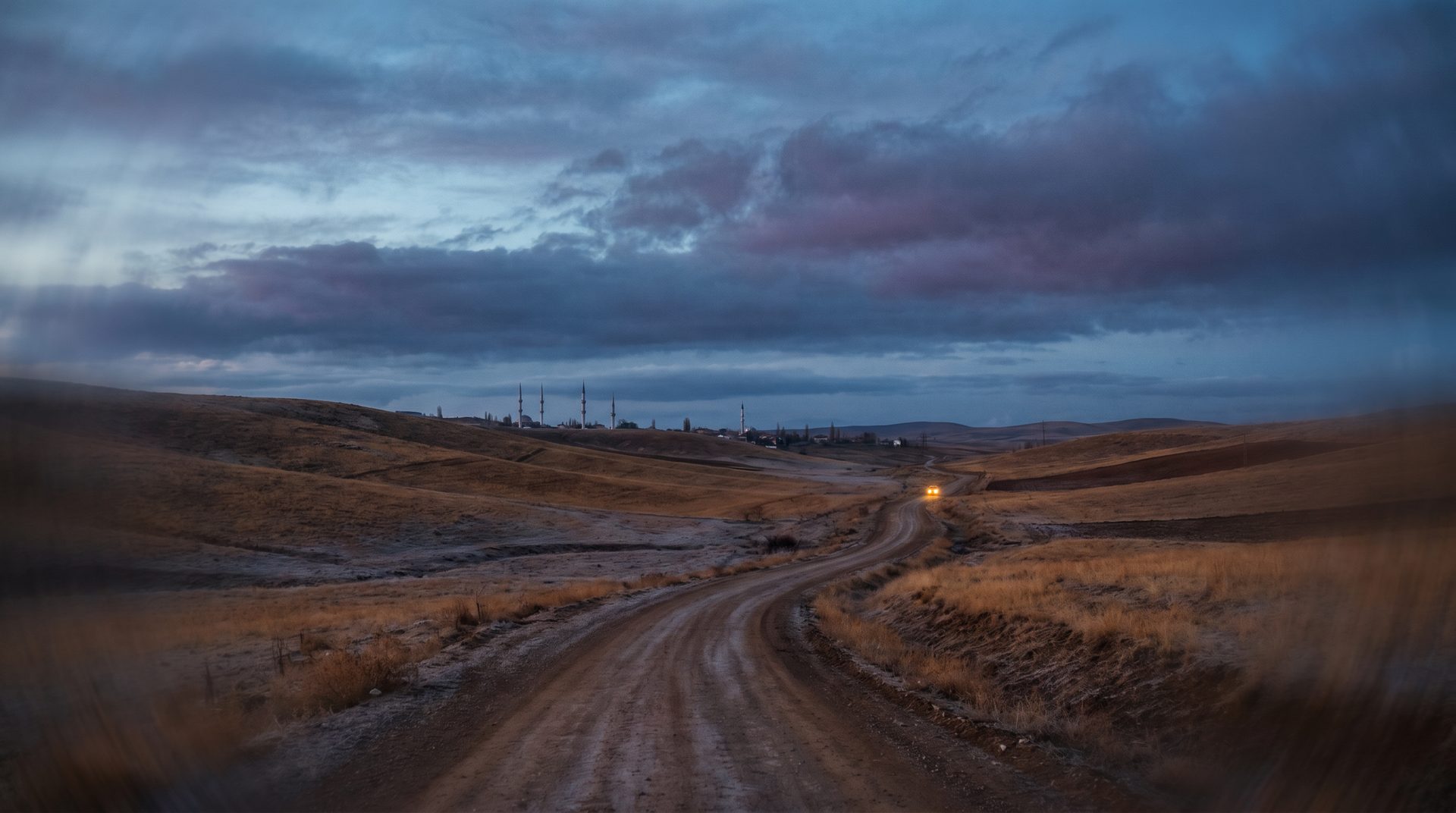
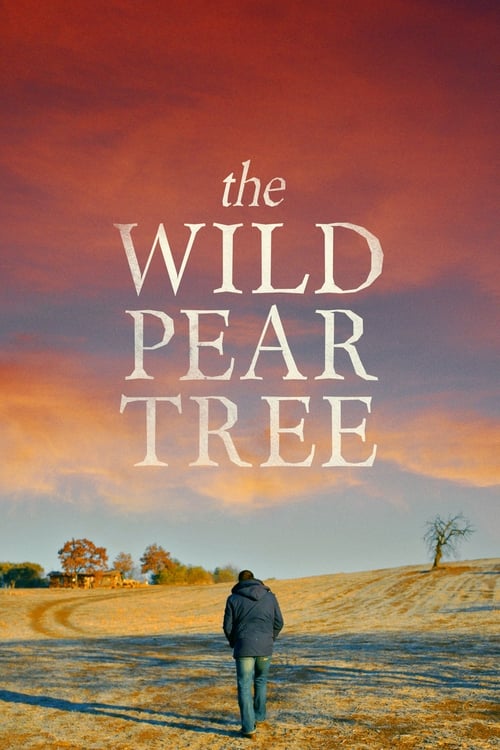
No single filmmaker defines contemporary Turkish cinema like Ceylan. A photographer first, he composes wide, still images of fog, snow, and headlights crawling across the steppe, then fills them with people talking past each other for hours. Once Upon a Time in Anatolia is, on paper, a procedural about a search for a buried body. In practice it is a nocturne about exhaustion, class, and small mercies, perhaps the most beautiful film ever made about men waiting in cars. Winter Sleep, drawn partly from Chekhov, runs more than three hours as a wealthy hotelier is slowly stripped of his self-regard. Ceylan's bet is that boredom and revelation share a border, and he is right more often than almost anyone working.
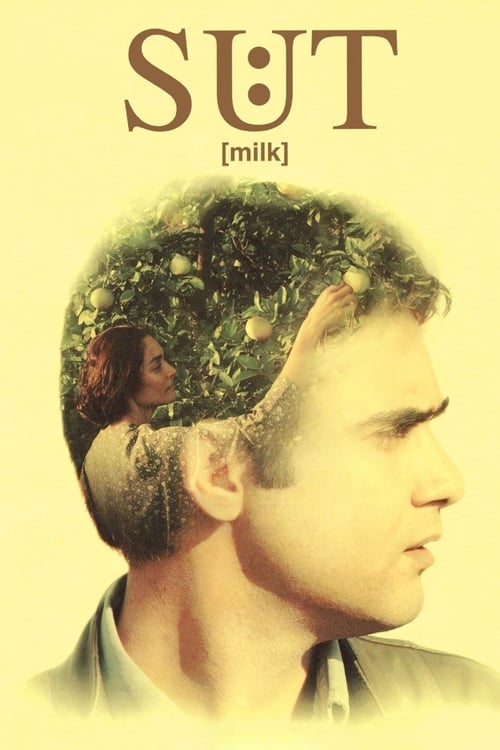
Around him sits a deeper bench. Semih Kaplanoglu's Yusuf trilogy (Egg, Milk, Honey) traces one poet's life in reverse toward childhood; Honey took the Golden Bear in Berlin. Zeki Demirkubuz films guilt in rented rooms. Reha Erdem's Times and Winds turns a mountain village into a child's-eye cosmology. This is a cinema that trusts the audience to sit still.
Auteurs beyond Ceylan
Demirkubuz, Kaplanoglu, Erdem, Ustaoglu and the diaspora's loudest voice, Fatih Akin
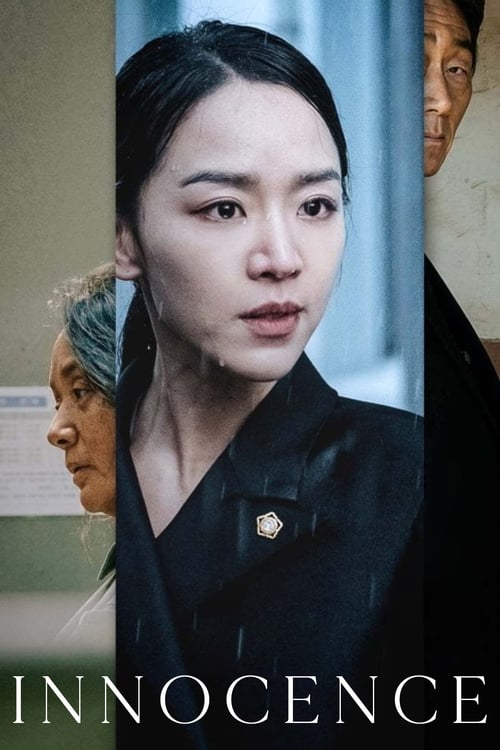
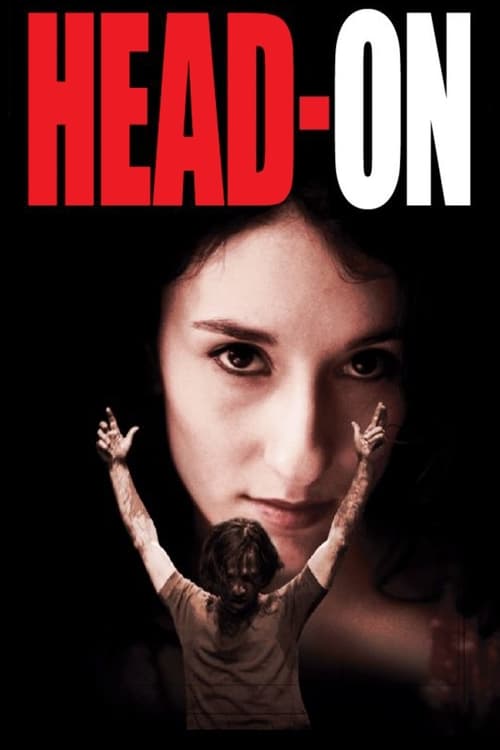
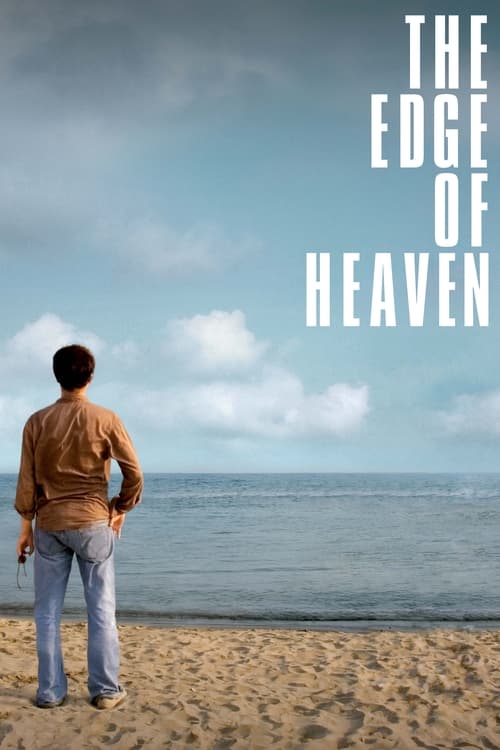
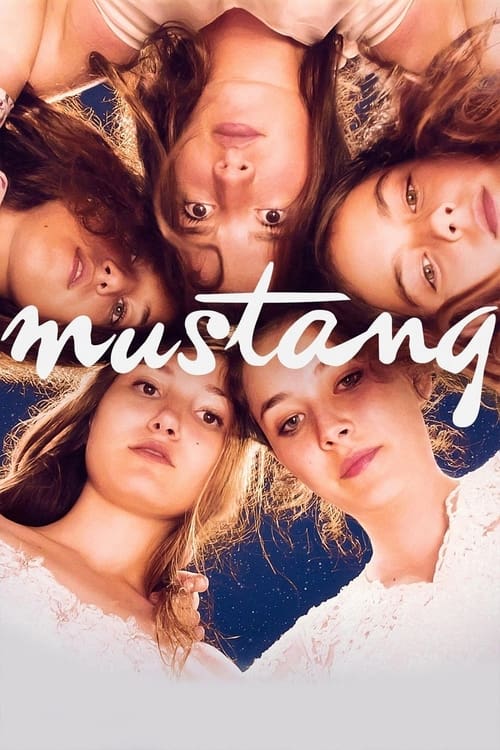
Turkish cinema's great subject is distance: between the city and the village, the law and justice, what a family feels and what it will ever say out loud.CrossBinge editors
A chronology
- 1948The Yesilcam era hits full stride: a studio melodrama machine names itself after an Istanbul street.
- 1964Metin Erksan's village drama wins the Golden Bear in Berlin, an early international milestone.
- 1970Yilmaz Guney's Umut signals a turn toward hard social realism.
- 1982Yol, conceived by the imprisoned Guney and directed by Serif Goren, shares the Palme d'Or at Cannes. Yolo
- 2003Ceylan's Distant wins the Cannes Grand Prix, announcing Turkey's slow-cinema generation. Distant
- 2010Kaplanoglu's Honey takes the Golden Bear in Berlin. Honey
- 2014Winter Sleep wins the Palme d'Or, Turkey's second top Cannes prize. Winter Sleep
The dizi empire: how Turkish TV took over the world
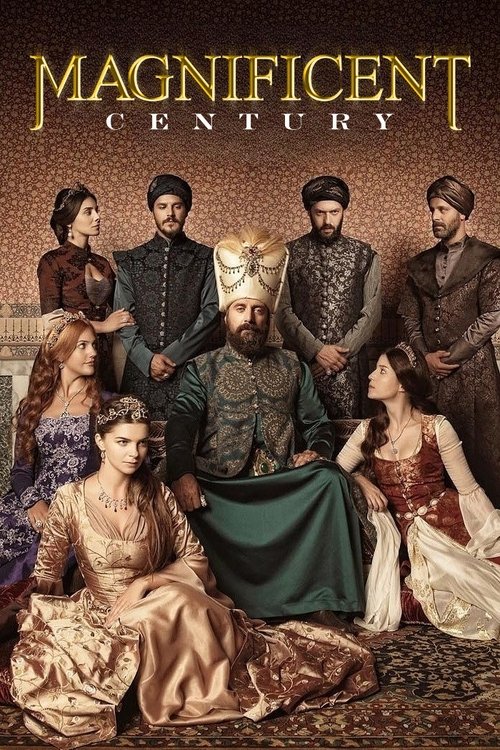
While the art films collected European trophies, Turkish television quietly became one of the planet's largest cultural exports. The dizi, a Turkish serial whose episodes often run well over two hours, dominates prime time from Latin America to the Arab world to the Balkans. Historical epics like Magnificent Century (Muhtesem Yuzyil) reimagined the Ottoman court as palace intrigue centered on Suleiman the Magnificent and the consort Hurrem, and were dubbed into dozens of languages. The action saga Dirilis: Ertugrul built a 13th-century frontier warrior into a global streaming phenomenon, especially across the Muslim world.
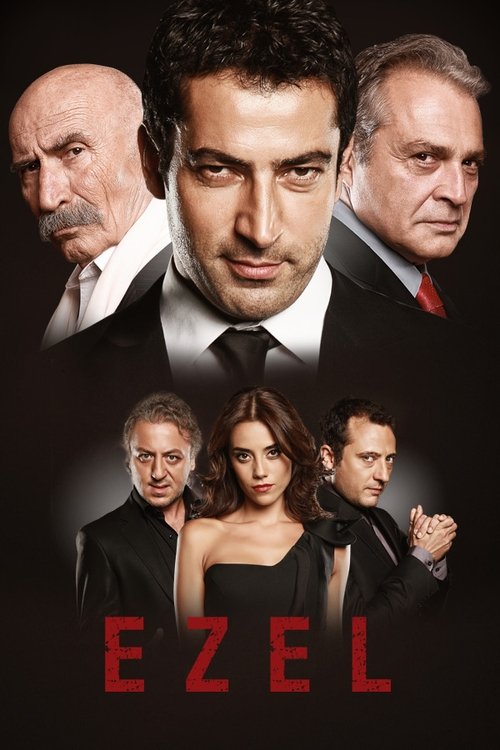
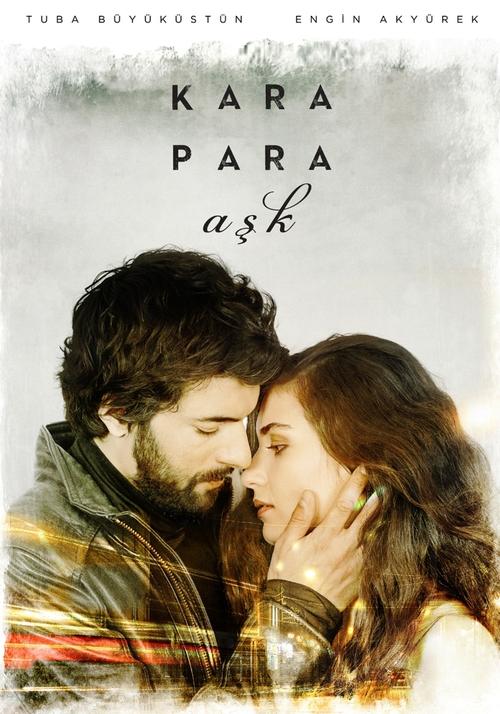
The range is wider than the period pieces suggest. Ezel is a sleek revenge thriller, Black Money Love (Kara Para Ask) a noir romance, and the contemporary drama The Pit (Cukur) a gangster-family saga set in an Istanbul neighborhood. This is melodrama engineered for export, glossy, long, and emotionally maximalist, and it has done more to spread the Turkish language abroad than any film festival ever could.
The dizi that conquered the living room
Ottoman epics, revenge sagas, and neighborhood noir, Turkey's biggest export



The dizi deserves the same respect we give the art films
Festival critics treat Ceylan as Turkish cinema and the dizi as a guilty pleasure to be exported and ignored. That snobbery misses the point. Magnificent Century shaped how a vast global audience pictures Ottoman history, more than any prestige feature managed, and The Club used long-form melodrama to tell the story of Istanbul's Jewish community in the 1950s with real political nerve. The serials carry the language, the faces, and the emotional grammar of Turkish storytelling to audiences slow cinema will never reach. You can love the silence of Once Upon a Time in Anatolia and still admit the dizi is the more consequential cultural machine.
Read the country first
The Nobel laureate and the novelists who supply Turkish screens their melancholy


