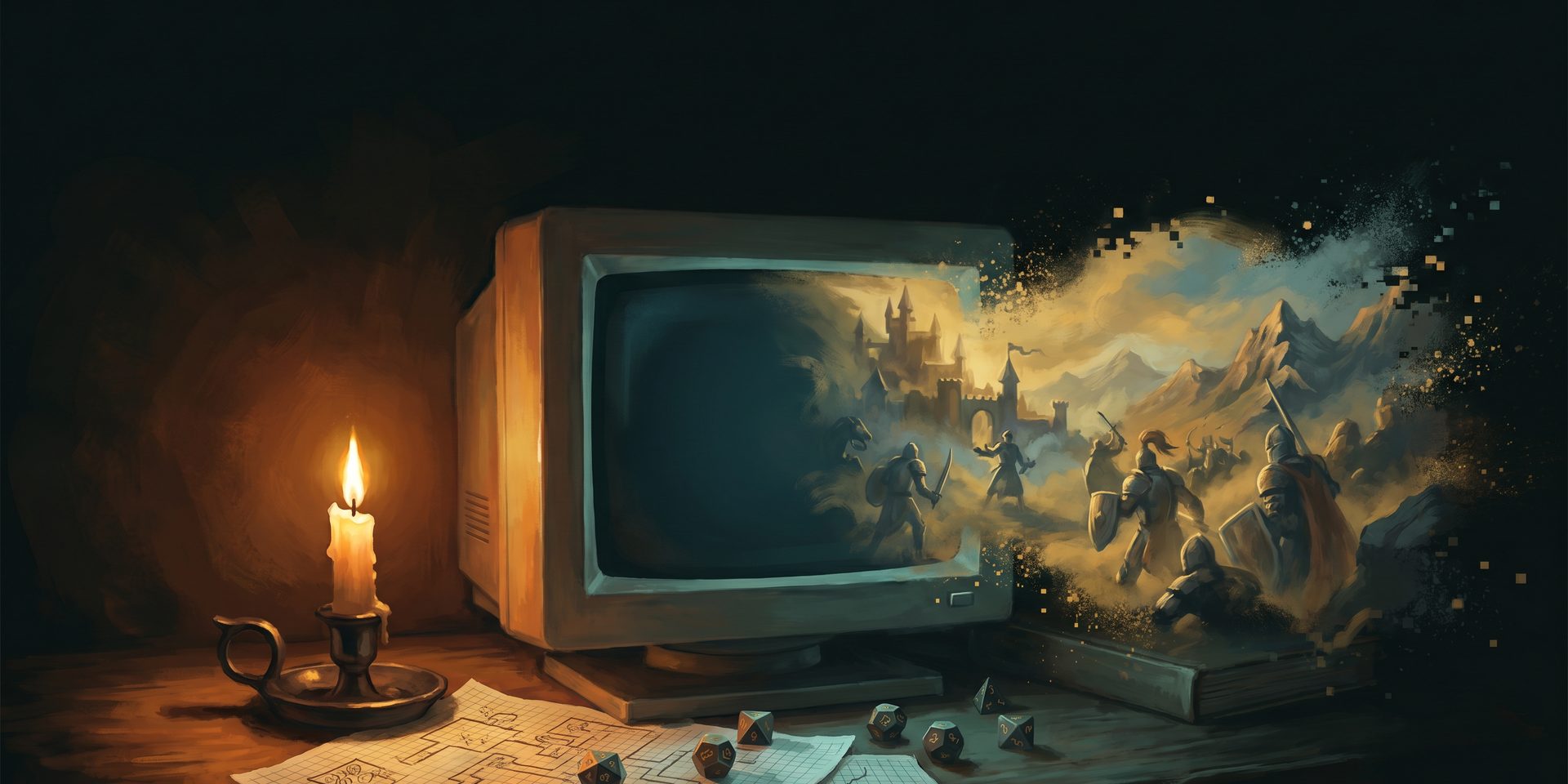

The computer role-playing game is the oldest ambition in the medium: put a whole person inside a machine. Not a score, not a run, a person, with a sheet of numbers standing in for a soul, choices that close doors behind you, and a world that remembers what you did in it. The genre was born twice in 1981, when Wizardry and Ultima shipped within months of each other, and it has never really stopped arguing with itself since: turn-based or real-time, party or lone wanderer, prewritten hero or blank sheet.
This is our complete guide. The hub you are reading maps the whole territory by era. From here, dedicated guides go deep on the golden age, the dungeon crawler, Dungeons & Dragons on the PC, the Kickstarter renaissance, the post-apocalyptic school, the European tradition, and the science-fiction RPG. Every era gets its shelf; every shelf is a door.
The essential CRPGs
If you only ever play twelve, play these


The first age
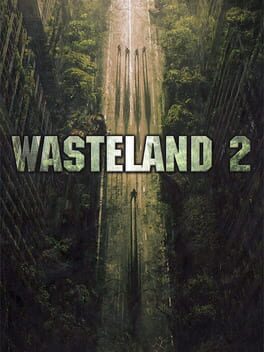
Between 1981 and 1999 the CRPG went from wireframe mazes to Planescape: Torment, which is roughly the distance from cave painting to the Sistine Chapel in eighteen years. Wizardry and Ultima set the two poles early: the dungeon as a system to be beaten, and the world as a place to be lived in. SSI's Gold Box games put real Dungeons & Dragons rules on a floppy disk, Wasteland made the wasteland itself the author, and by the time Fallout and Baldur's Gate arrived the genre had learned to write. Our golden age guide covers all of it in depth.
The golden age, 1981 to 1999
Where every idea the genre still uses was invented
 Ultima IV: Quest of the Avatar
 Ultima VII: The Black Gate
 Wizardry: Crusaders of the Dark Savant
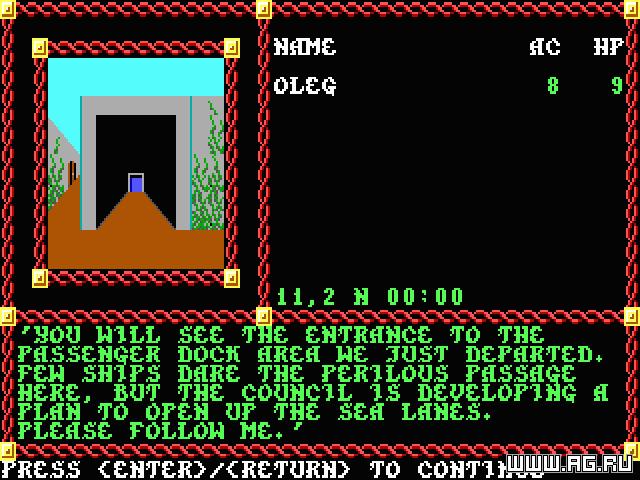 Pool of Radiance
 Wasteland
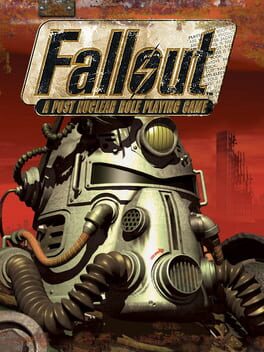 Fallout: A Post Nuclear Role Playing Game
 Baldur's Gate
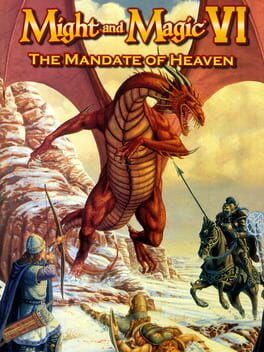 Might and Magic VI: The Mandate of Heaven
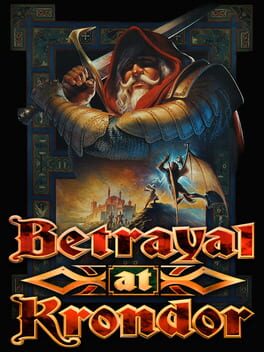 Betrayal at Krondor
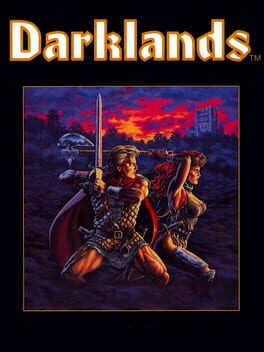 Darklands
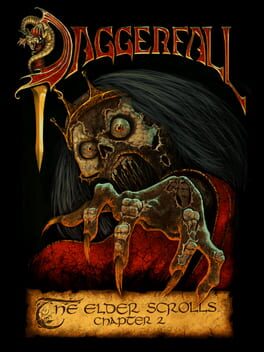 The Elder Scrolls II: Daggerfall
 Ultima Underworld: The Stygian Abyss
Forty-four years, one genre
- 1981Wizardry and Ultima ship months apart; the genre gets its two poles Ultima I: The First Age of Darkness
- 1985Ultima IV asks you to be virtuous instead of victorious Ultima IV: Quest of the Avatar
- 1988Pool of Radiance boxes real D&D; Wasteland invents the post-apocalyptic RPG Wasteland
- 1992Ultima VII builds the deepest simulated world of its decade Ultima VII: The Black Gate
- 1997Fallout resurrects a dead genre with one grim grin Fallout: A Post Nuclear Role Playing Game
- 1998Baldur's Gate makes the party real-time and the genre mainstream Baldur's Gate
- 1999Planescape: Torment writes the genre's high-water mark Planescape: Torment
- 2000Baldur's Gate II raises the bar it set itself Baldur's Gate II: Shadows of Amn
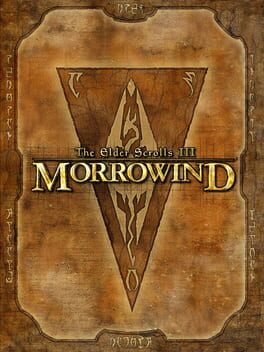
- 2002Morrowind hands you a strange world and no map marker The Elder Scrolls III: Morrowind
- 2004Bloodlines ships broken and becomes immortal anyway Vampire: The Masquerade - Bloodlines
- 2009Dragon Age: Origins is the last old-school BioWare epic Dragon Age: Origins
- 2012Kickstarter votes the classic CRPG back to life Legend of Grimrock
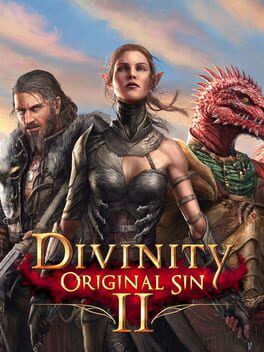
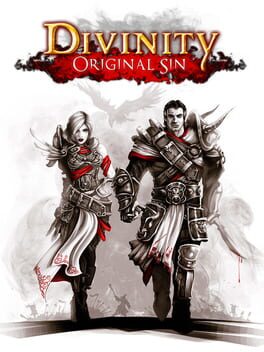
- 2014Divinity: Original Sin proves the revival is not nostalgia Divinity: Original Sin
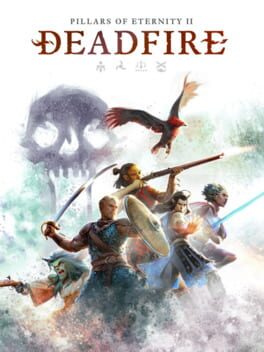
- 2015Pillars of Eternity and The Witcher 3 win both fronts at once Pillars of Eternity
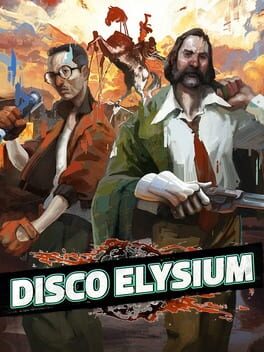
- 2019Disco Elysium deletes combat and wins everything Disco Elysium
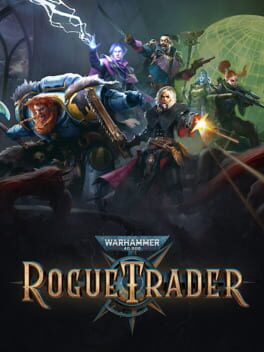
- 2023Baldur's Gate 3 becomes the biggest RPG on earth; Rogue Trader keeps the deep end deep Baldur's Gate III
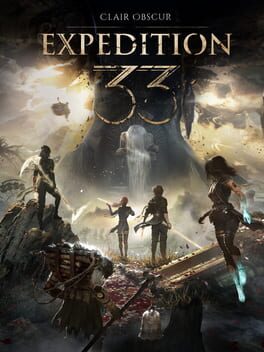
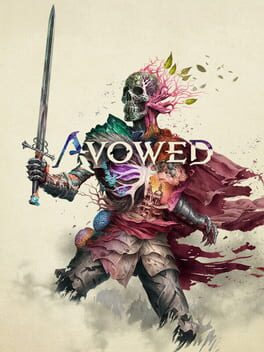
- 2025Avowed and Clair Obscur widen the field again Avowed
The winter, and the spring that followed
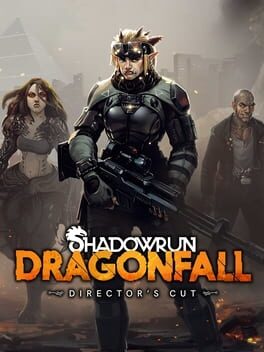
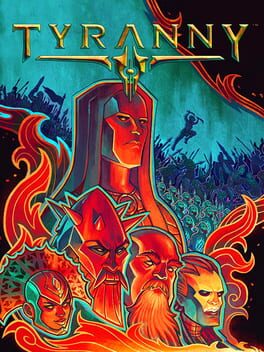
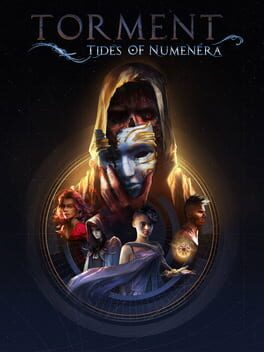
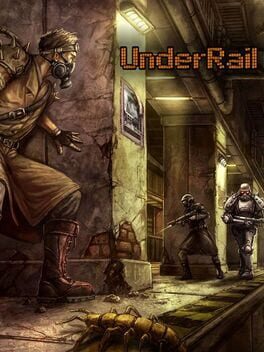
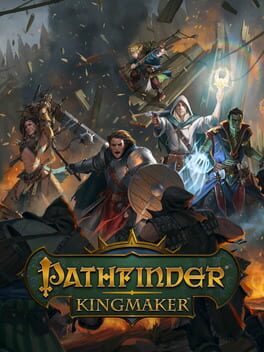
Between roughly 2004 and 2011 the classic CRPG nearly died. Publishers wanted cinematic action; isometric parties and dice rolls read as a rounding error in a console budget. The form survived in exile: in Germany and Poland, where Gothic and The Witcher kept the faith, and in a handful of American studios burning goodwill to ship New Vegas in eighteen months. Then, in 2012, a few laid-off veterans asked the internet directly, and the internet said yes to the tune of four million dollars at a time. The Kickstarter class of 2012 to 2019 did not just revive the genre. It shipped some of the best games the genre has ever produced.
The wilderness years, 2000 to 2011
The exile era: the classics that kept the flame between the two golden ages
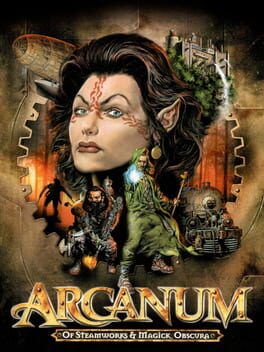

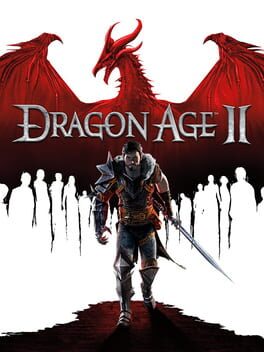
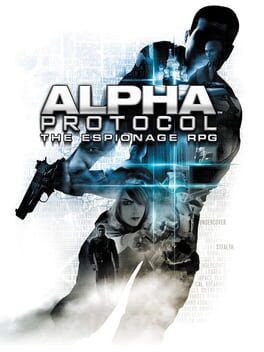
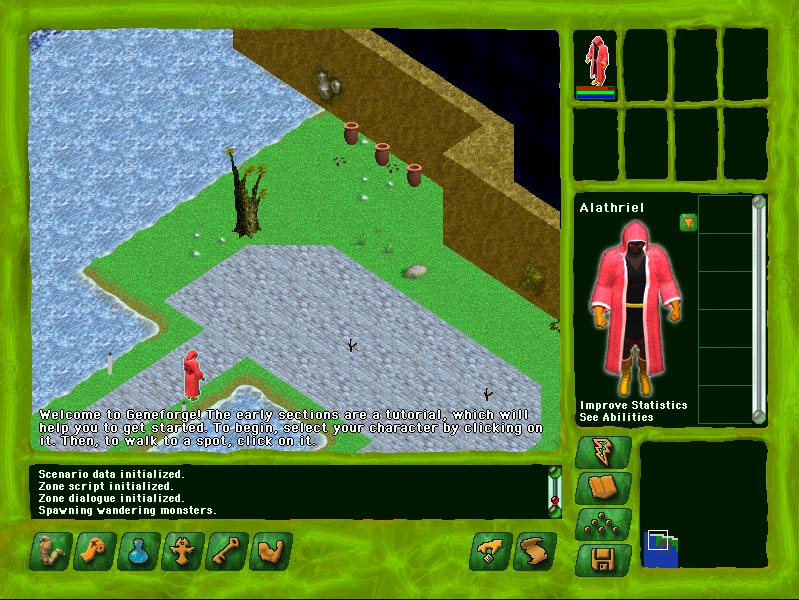
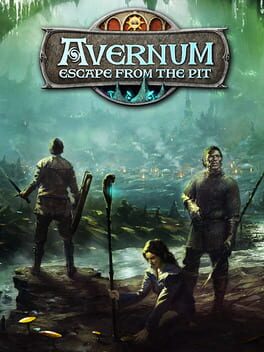
The renaissance class, 2012 to 2019
The crowdfunded revival that out-wrote its ancestors

The new golden age, 2020 to now
The deep end is deeper than it has been since 1999
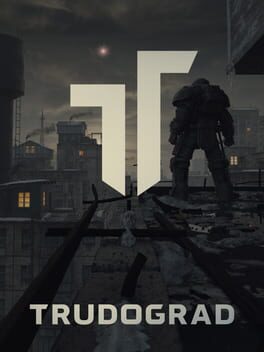
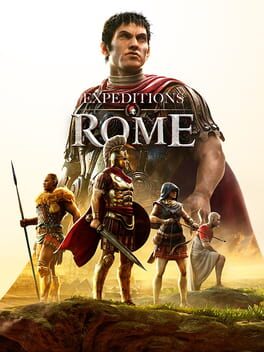
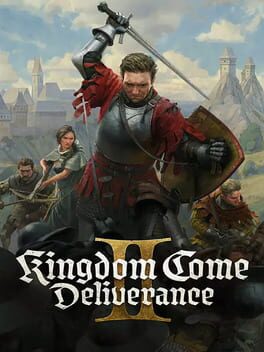
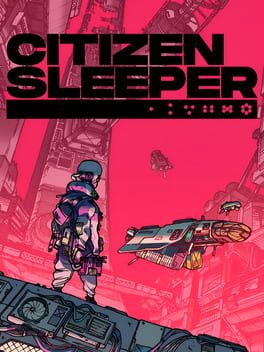

A CRPG is a conversation the designer starts and the player finishes, one saving throw at a time.CrossBinge
The schools
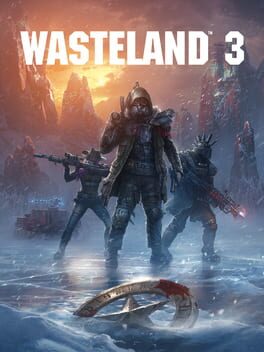
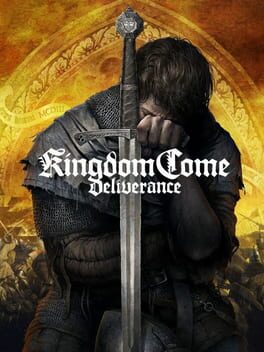
Every CRPG belongs to a lineage, and the lineages are the real map. The dungeon crawler descends from Wizardry through Dungeon Master to Legend of Grimrock. The D&D line runs from the Gold Box through the Infinity Engine to Baldur's Gate 3. The post-apocalyptic school starts at Wasteland and never left the desert. The European tradition, Gothic to The Witcher to Kingdom Come, builds hand-made worlds that do not care whether you survive them. And science fiction gave the genre its conscience, from Mass Effect's crew to Citizen Sleeper's rented body. Each school has its own guide below; each guide carries the full shelf.
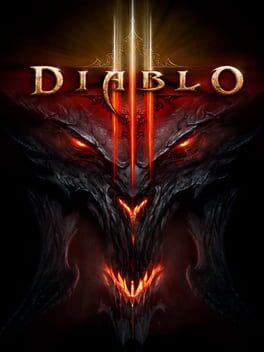
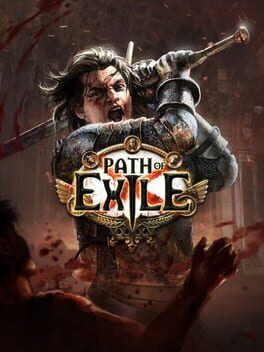
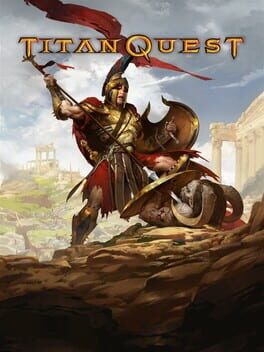
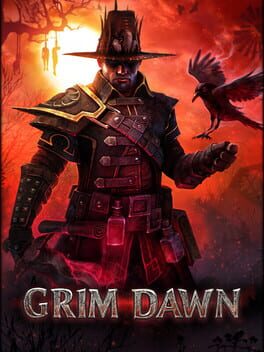
The action-RPG borderlands
Where the character sheet meets the click: the games at the genre's edge
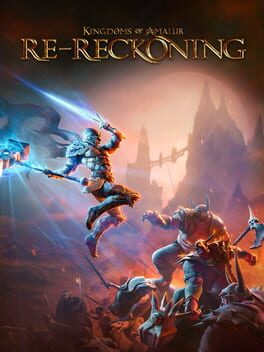
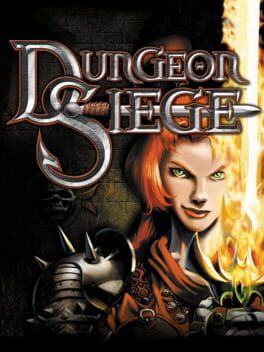
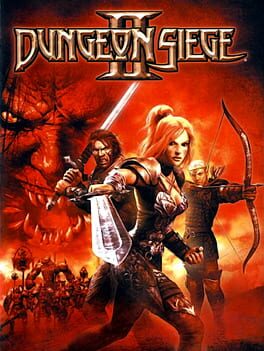

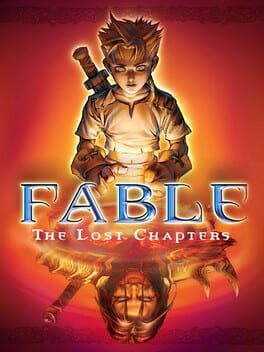
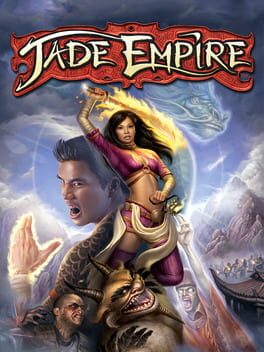
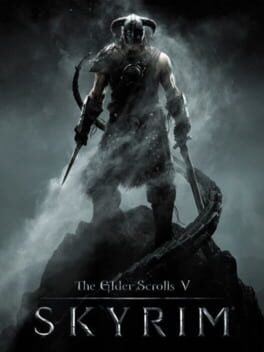
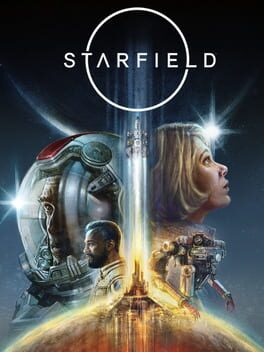
The open-world school
Bethesda's heirs and rivals: the RPG you can live inside

The studios that built the genre
The CRPG has always been a studio genre: a handful of rooms, most of them now legendary, a few of them still shipping. Interplay hatched Fallout and published Baldur's Gate. Sir-Tech built Wizardry and kept it weird for twenty years. Origin stamped 'We Create Worlds' on the box and meant it. BioWare, Obsidian, Larian and Owlcat carried the torch into the present tense. Each has a full profile.
The CRPG studios
The guide continues: the deep shelves
The Golden Age of the CRPG
Explore the The Golden Age of the CRPG guide →More worlds to wander
The European RPG
Explore the The European RPG guide →Frequently asked
What does CRPG stand for?
Computer role-playing game. The C matters: it marks the tradition that grew up on home computers (Wizardry, Ultima, the Gold Box games) as distinct from tabletop RPGs and from the console JRPG line, which evolved its own conventions. In practice the term now means RPGs in that PC lineage: character sheets, parties, meaningful builds, and choices with consequences.
Where should a newcomer start with CRPGs?
Baldur's Gate 3. It is the most approachable deep-end game the genre has ever produced. If you want something shorter first, Disco Elysium (pure story, no combat) or Divinity: Original Sin 2 (pure systems joy) are the other two modern doors. Save the 90s classics for when you already love the form.
Are all CRPGs turn-based?
No. The genre has argued about time since 1998, when Baldur's Gate introduced real-time-with-pause. Wizardry, the Gold Box line, Fallout, Divinity and Baldur's Gate 3 are turn-based; the Infinity Engine games, Pillars of Eternity and Tyranny pause instead; Gothic, The Witcher and Kingdom Come play out in real time. Pathfinder: Wrath of the Righteous ships both modes and lets you switch.
What is the best CRPG of all time?
By acclaim, Baldur's Gate 3 for play and Planescape: Torment for prose. By influence, Fallout, which invented the reactive, build-driven open world every modern RPG still uses. Ask three CRPG fans and expect five answers; the genre rewards strong opinions.
What is the difference between a CRPG and a JRPG?
Lineage more than geography. The CRPG descends from tabletop D&D: build freedom, open exploration, choice-and-consequence writing. The JRPG line (Final Fantasy, Dragon Quest, Persona) grew from Wizardry's bones toward authored parties, linear stories and abstract combat. The borders blur constantly, and games like Clair Obscur: Expedition 33 blur them on purpose.