Can we please get a new Hollywood trilogy?
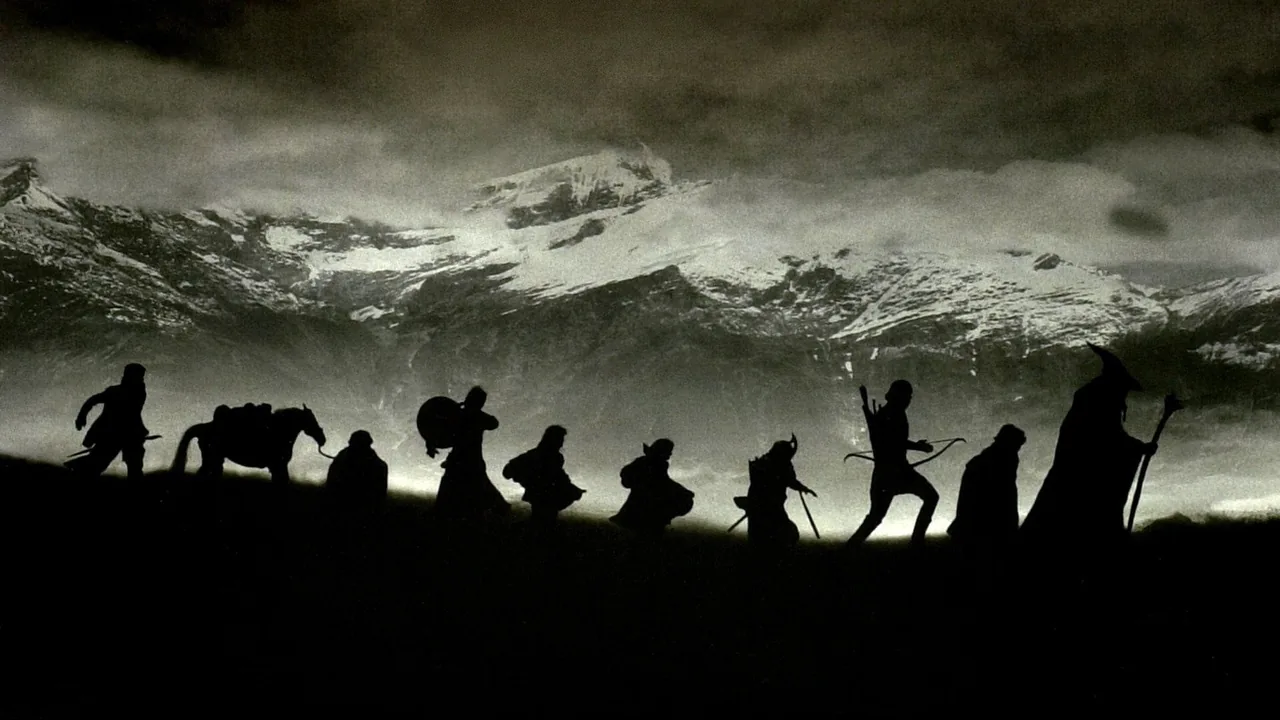
Somewhere in Wellington this week, a film crew is building Middle-earth again. The Lord of the Rings: The Hunt for Gollum has been shooting since July, for release on December 17, 2027, and it is exactly what its title says: one film, about one creature, slotted into the gaps of a story that was already told. The studio that made the greatest closed trilogy in modern cinema has come home to make a spin-off.
That is where the three-film story lives now. Between now and Christmas, the only film we can find that opens as the planned third and final chapter of anything is Dune: Part Three, on Friday, December 18, and its director will not even call it a trilogy. Everything else is a universe, a duology, a Part One with a shrug where Part Two should be, or a one-off hoping to be promoted. So, a request: can we please get a new Hollywood trilogy?
Why the middle film is always the best one
Any studio can put out three films in a row. A trilogy promises a beginning, a middle and an end up front, and that promise changes what each of those films is allowed to be. The first can afford to be small and careful, because it is not the whole meal. The third gets to spend everything. And the middle film, the one with no obligation to introduce anyone or resolve anything, gets to be the strangest and best thing the form produces.
Look at the list. The Empire Strikes Back ends with the hero minus a hand and the villain winning. The Two Towers is three hours of people walking towards a battle, and it is the one we put on most. The Dark Knight is the reason the trilogy is named after it. Before Sunset is eighty minutes of one conversation across Paris, and it ends on a smile and a missed flight. None of these could exist as the second entry in an open-ended universe, because a universe cannot leave its audience hanging for a year with no guaranteed payoff. A trilogy can, because the payoff is already on the schedule.
Christopher Nolan explained the choice when he closed his run with The Dark Knight Rises in 2012.
How the great ones were built
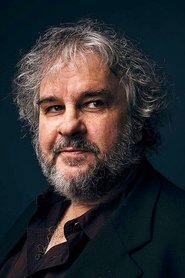
Peter Jackson walked into New Line with a pitch for two Lord of the Rings films, after Miramax had dropped the project and left him a few weeks to find somebody willing to make even that many. New Line's founder Bob Shaye listened to the numbers and had a different idea.
Shaye remembers a silence, and then Jackson's agent kicking him under the table. What followed was the most trilogy-shaped production ever mounted: all three films shot together in New Zealand across 438 days, from October 1999 to December 2000, then released one Christmas at a time. Jackson, revisiting the films for their 4K remaster in 2020, said it plainly: "They now feel like they're one big long movie telling the same story looking and sounding the same." Which is why The Fellowship of the Ring plays like the first third of one very long film: that is exactly what it is.
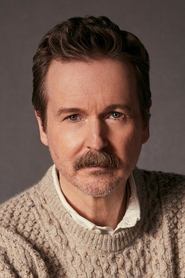
Matt Reeves, who took over the Planet of the Apes reboot for its second and third films, worked from the other end.
He called the three films an ape Russian novel, and knew where Caesar's chapter closed before he shot a frame of Dawn of the Planet of the Apes. War for the Planet of the Apes ends the way it ends because Reeves had been carrying that ending around since before Dawn started shooting.
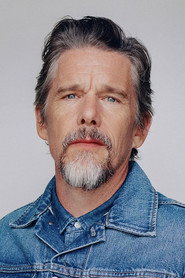
Not every great trilogy was planned. Richard Linklater, Julie Delpy and Ethan Hawke made Before Sunrise as a one-off and found the shape nine years later; when they tried for a fourth, Delpy said, they "couldn't come up with something good" and stopped. Sergio Leone's Dollars films were sold as a trilogy by United Artists after the fact; the Man with No Name was a distributor's marketing angle. Bob Gale still tells fans that the "to be continued" they swear they saw at the end of Back to the Future was added for the video release; nobody was thinking about a sequel. And Francis Ford Coppola has been blunt about The Godfather: "To me the first Godfather was the Godfather, and everything else is greed." He made the third one anyway, and thirty years later finally got to recut and retitle it as a coda.
So forget the planning. Every one of these became a trilogy the moment its makers decided the story was over and refused to reopen it, and that refusal is the whole trick.


How the new ones fall apart
Now hold that against the last decade. In November 2017 Lucasfilm announced a brand-new Star Wars trilogy from Rian Johnson. His own summary: "The short version is Knives Out happened." In November 2025 he told The Hollywood Reporter it is "effectively dead." What Lucasfilm puts in cinemas now is single films that might earn a trilogy afterwards: The Mandalorian and Grogu arrived on May 22 with its hopes of two more openly tied to how well it did.
Warner Bros. went the other way and over-promised. David Yates directed all three Fantastic Beasts films, starting with Fantastic Beasts and Where to Find Them, and found out along with the rest of us that there were supposed to be five: "No one had told us there were going to be five." After Fantastic Beasts: The Secrets of Dumbledore in 2022, in his words, "it's all just parked." Three films and no ending, because the ending was booked for film five.
The one recent trilogy that was planned as three from the first day, Fear Street, was shot as a single 106-day production and released a week apart in July 2021, starting with Fear Street: 1994. It went straight to Netflix. And the Spider-Verse will close with Spider-Man: Beyond the Spider-Verse on June 18, 2027, its fourth announced date and nine years after Spider-Man: Into the Spider-Verse, because, as the filmmakers put it, "We just could not run it back." The Before films waited nine years between chapters on purpose. The Spider-Verse is doing it by accident.
Even Jackson stretched: The Hobbit: An Unexpected Journey was one of two films until July 2012, then one of three, and it plays like it.
Which brings us to Arrakis, where the most trilogy-shaped thing in cinemas this year was made by a man who refuses the word. Denis Villeneuve calls Dune and Dune: Part Two a diptych, one book split in two, and describes the December film as something else.
He has also said he wants Messiah to carry "the seeds in the project if someone wants to do something else afterwards." That is the whole problem in one sentence: even a director who has said this should be his last Dune film has to ship his ending with a door left open. The Dune films are wonderful, and proof that the studio system no longer knows how to say "and then it ends."
So which book gets the three films?
If a studio should commit to three films with the ending baked in, the next question is: three films of what. The safest raw material is a book trilogy that already has its ending, an author alive to protect it, and rights that are actually available. Five candidates keep coming up.
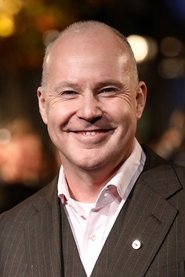
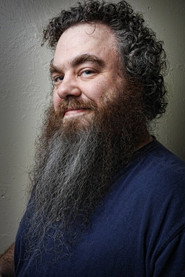
Patrick Rothfuss's The Name of the Wind is the one fans ask for most, and it cannot work. Lionsgate still holds the rights, every screen attempt has stalled, and the third book does not exist. You cannot close a trilogy on screen whose author has not closed it on the page.
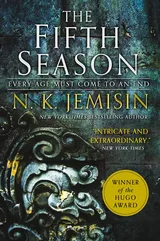
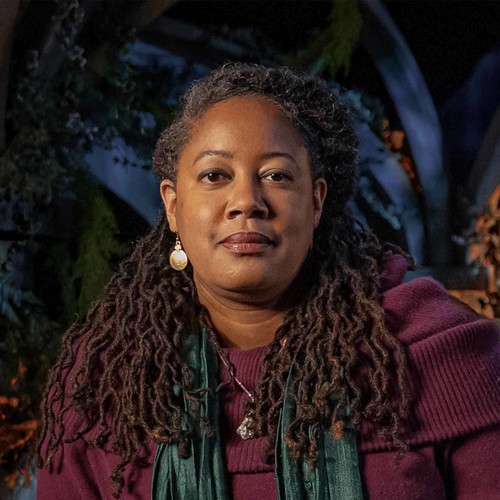
N. K. Jemisin's The Fifth Season opens The Broken Earth, three novels that each won the Hugo, in consecutive years, which nobody else has done. TriStar bought them in June 2021 with Jemisin adapting. There has been no news since, and five years of silence is hard to read as a yes.
Joe Abercrombie's The Blade Itself starts The First Law: three books, one closed arc, and an ending so bleak no universe could follow it. There is no announced screen deal for the trilogy itself; both Abercrombie deals were standalones, and the Best Served Cold film with Rebecca Ferguson was confirmed dead in January 2026. His own advice on adaptations: "don't hold your breath..." If you like your grimdark with jokes, start here regardless.
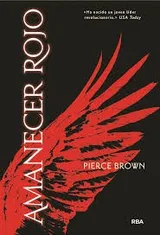
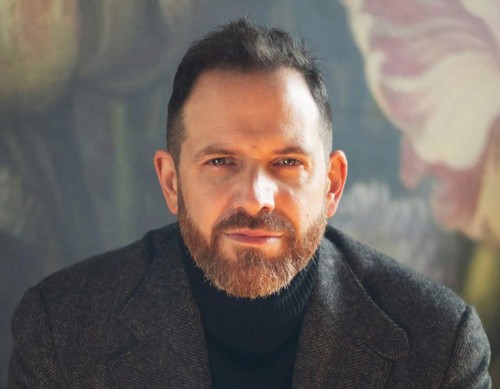
Pierce Brown's Red Rising is the live one. The first three books of the Red Rising Saga are a complete rise-and-revolution story before the sequel series begins, and there is no longer any adaptation standing in its way.
He learned in October 2025 that the show was dead, and has since teased something new in live action that is "not that TV show." A closed, violent, three-film science fiction story with its ending already written is sitting right there.
And then there is the one we would actually bet on.
The verdict: Mistborn
Brandon Sanderson's Mistborn: The Final Empire is the cleanest three-act structure in modern epic fantasy: a heist film, a siege film and an apocalypse film, in that order, each with its own ending and all three pointing at one. Apple bought the film and TV rights to Sanderson's entire Cosmere in January 2026, with Sanderson writing and producing. On July 28, 2026 he posted the update fans had been waiting on: "After many months of work, I'm thrilled to announce the first draft of the Mistborn screenplay is DONE!" No director, no cast, no date, and nobody at Apple has said the word trilogy out loud; the deal language is "movie series." But the shape is already in the books, and for once the author holds the pen.
Here is what you would get to watch. A first film that ends with a god dead in his own throne room and a street thief standing over him. A middle film that is all siege and doubt, ending with the hero doing exactly the wrong thing for the right reasons. A third film that pays off a mystery the first has been whispering in its chapter headings since page one, and ends the world to save it. Imagine three Decembers, the way New Line did it, one story, and then nothing at all: no Phase Two, no Part Four.
The Lord of the Rings got three films because one man in a meeting asked "How about doing three?" Apple has the books, the writer and a finished first draft. Somebody just has to ask.
Until they do, the homework is the middle films. Watch The Empire Strikes Back, The Two Towers, The Dark Knight and Before Sunset back to back and notice that none of them ends, and none of them needed to. Then read Mistborn: The Final Empire before the casting news.