Don't Rewatch Practical Magic Before Friday
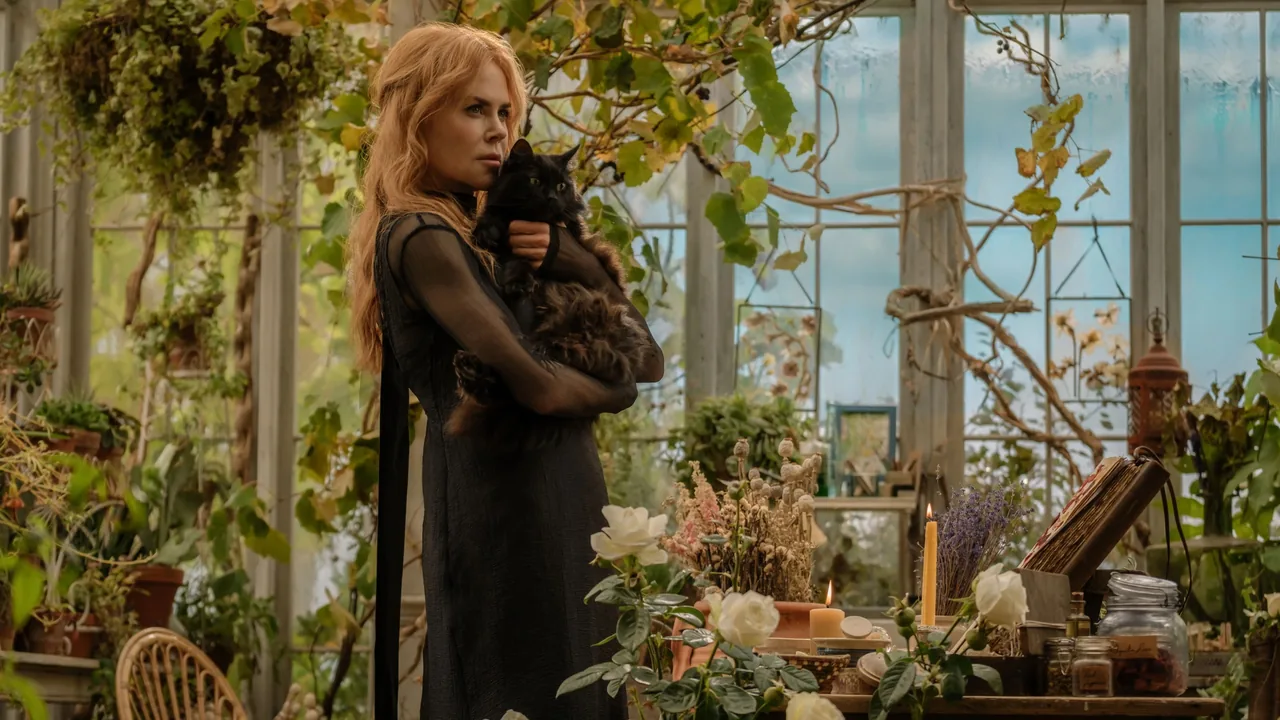
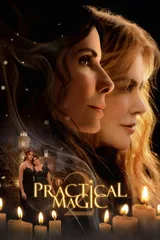
This Friday, September 11, Practical Magic 2 opens, and the first people to see it cannot agree on what they saw. One early reaction calls it "a delightfully cozy and charming sequel with a hefty amount of heart." Another calls it "a disappointingly tepid sequel that fails to conjure up much of anything." A third lands in the middle: Sandra Bullock and Nicole Kidman's "chemistry carries the film. But it's 30 minutes too long." The reactions started landing on the last day of August, and the argument has been running ever since.
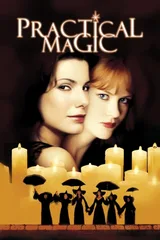
None of that should keep you home. Practical Magic has been through this before. When Griffin Dunne's film opened in October 1998 it was a flop by every measure that mattered at the time: a 30 percent Rotten Tomatoes score, a consensus that read "jarring tonal shifts sink what little potential its offbeat story may have," and ticket sales that only just covered what it cost to make. Then it did the thing only a handful of films get to do: it aged into a cult favourite. The film people love today is one that 28 years of rewatching built, and it lives in people's heads rather than on the screen.
That is the film Susanne Bier's sequel is being measured against, and it is an impossible bar. Read the reactions again. "Fails to conjure up much of anything, including the original's whimsy." "Sure to please longtime fans of the beloved original." "Perfectly captures the charm, humor, & magic of its predecessor." Praise or pan, each one is a comparison, measuring the distance between what the writer saw and what they remember.



Take the newcomer's seat
Bullock's line was aimed at newcomers, and it is better advice than she probably intended. So here is the claim longtime fans will want to fight: do not rewatch the 1998 film before Friday. Walk into the sequel the way a first-timer would.
The case for the rewatch is obvious. It is a legacy sequel, the returning cast is the point, and you want the callbacks to land. That is the trap. A fresh rewatch loads the sequel with 28 years of affection for a film that was not even liked when it came out, and every scene in the new one then has to clear that bar. "Tepid" is what that bar sounds like. Go in cold and the callbacks still work, because Bullock and Kidman and Dianne Wiest and Stockard Channing are standing right there, and "nostalgic reminders that we're still in the same place with the same people" is a promise the returning cast keeps just by showing up. What you lose is the side-by-side, and the side-by-side is what the sequel keeps losing.
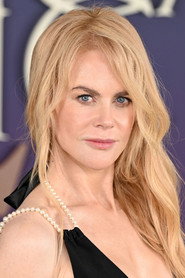
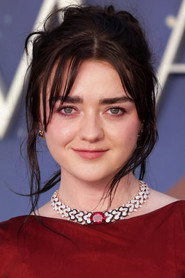
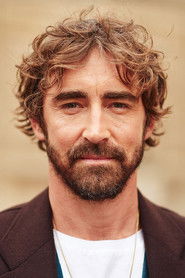
The thing I would actually worry about is the length. "There were literally 5 different stories happening in the film," one reaction complained, and at 130 minutes, with a family expanded to include Joey King as Sally's daughter Kylie, Maisie Williams as Antonia, and Lee Pace as Ian Wright, that is a plausible complaint. Legacy sequels tend to carry too much, and this one moves the Owens women from Massachusetts to the United Kingdom, sets the story 25 years on, and asks them to break a curse that has haunted the family for centuries. That is a lot of plot for a series whose original appeal was two sisters and a kitchen. But a baggy, overstuffed sequel with the right people in it is a very different thing from a bad one. The 1998 film was called worse.
The book loop most moviegoers never closed
There is a second reason the newcomer's seat is the honest one. The sequel is adapted from The Book of Magic, the 2021 novel that is the fourth and last of Alice Hoffman's Practical Magic books. The series runs: Practical Magic (1995), The Rules of Magic (2017), Magic Lessons (2020), The Book of Magic (2021). The 1998 film adapted only the first, so the sequel arrives carrying three novels of family history that no film has ever put on screen. The purist who rewatches the film for continuity is the least prepared person in the room, and the reader who knows the books is expecting a different story from the one 1998 fans are. Everyone is a newcomer to this one.
Hoffman is not waiting around for the verdict. Her next novel, The Witches of Cambridge, publishes Tuesday, September 8, three days before the film. It opens a new series set in 1950s Cambridge, Massachusetts, where two Radcliffe students are recruited into the Lilith Society, a secret organization of witches with roots in colonial times, and it plays out against McCarthyism and a run of disappearances. If the sequel sends you toward the page, that is the door that is open this week.
And if Friday goes well? Bullock has already said it: "We'll do a number three if this takes off, and we'll pass the torch to the girls." A cult film waited 28 years for a sequel. Whether the sequel gets one of its own depends on who turns up this weekend, which is a better reason to go Friday than waiting for a review score to tell you whether you are allowed to enjoy it.
So here is the order. Sequel first, cold. Original second, and notice how much of the sequel's warmth it borrows. Then the 1995 novel, if you want to meet the family Hoffman wrote before Hollywood cast it.