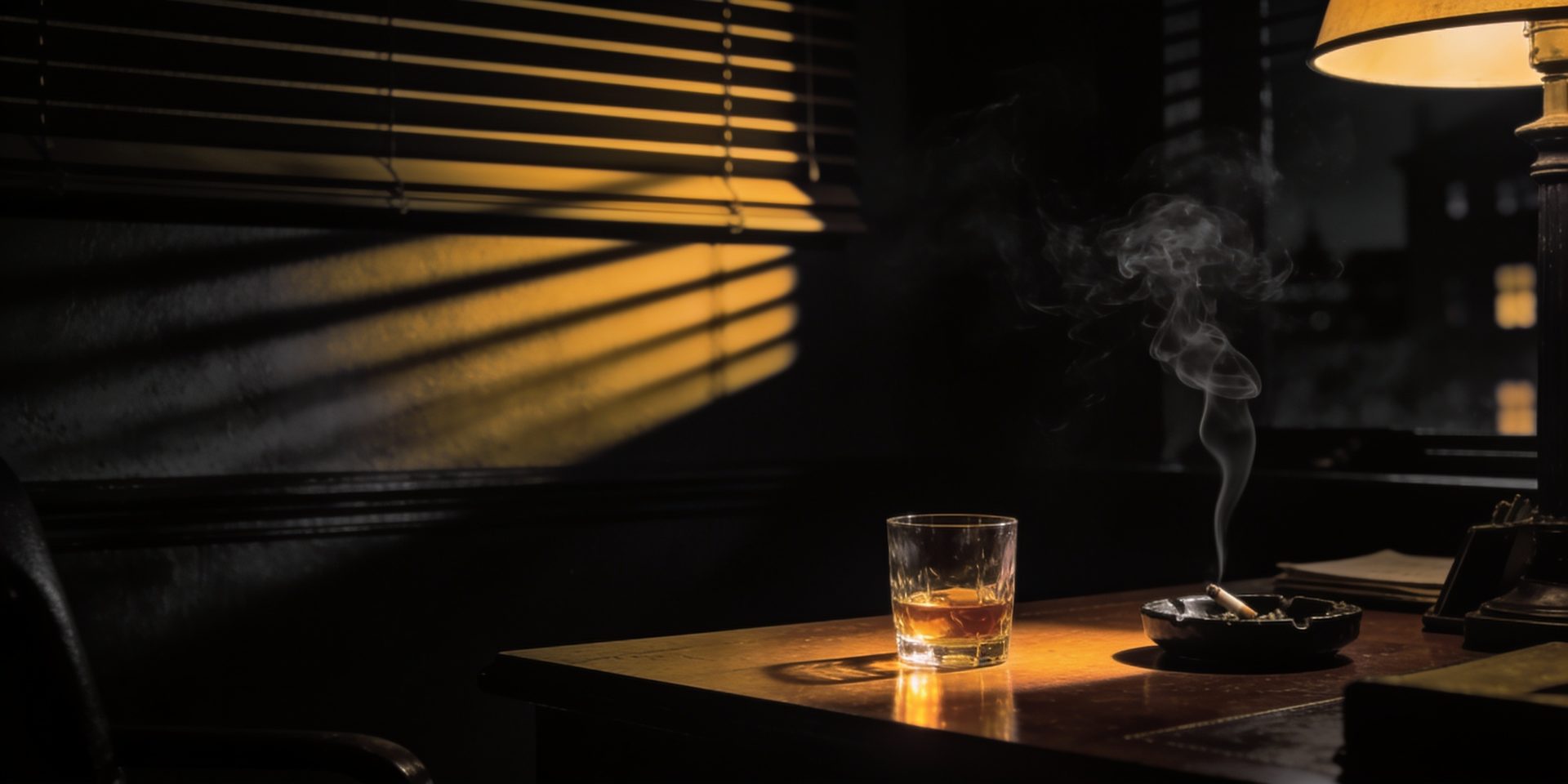

The mood that refuses comfort
Somewhere between cynicism and honesty, a whole tradition of storytelling decided that the world was not going to be tidied up before the credits rolled. The hero might not survive. The villain might have a point. The system is almost certainly corrupt and probably won. Dark and gritty covers a lot of aesthetic and moral ground, from the hard-boiled Los Angeles of Raymond Chandler to the systemic despair of The Wire, from the existential misery of Spec Ops: The Line to Cormac McCarthy's stripped-bare prose. What these works share is not style so much as honesty: a refusal to offer easy consolation. They ask you to sit with difficulty. The good ones earn it. This guide collects the icons you already know alongside the deeper cuts that deserve equal space on the shelf.
The founding films
The movies that defined what the mood could look like on screen
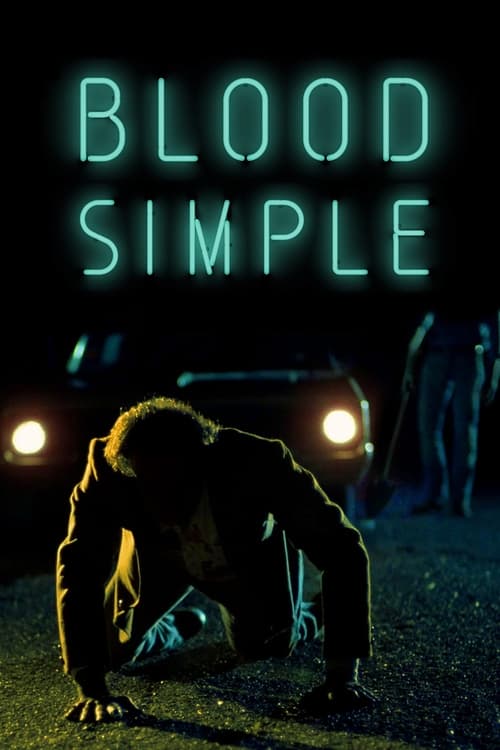
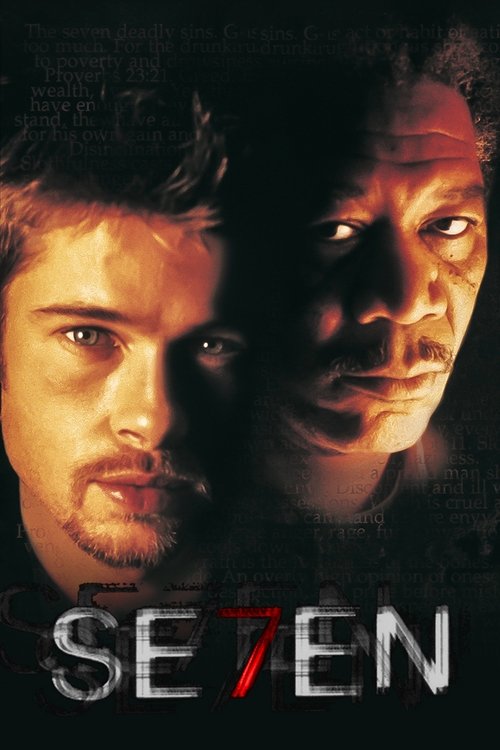
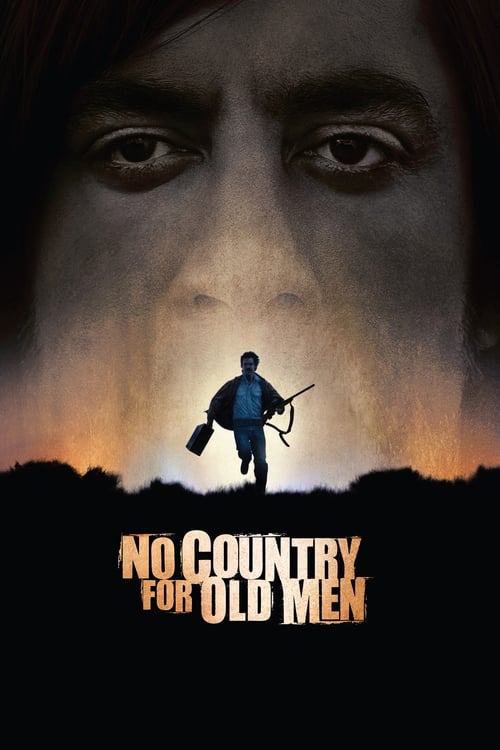
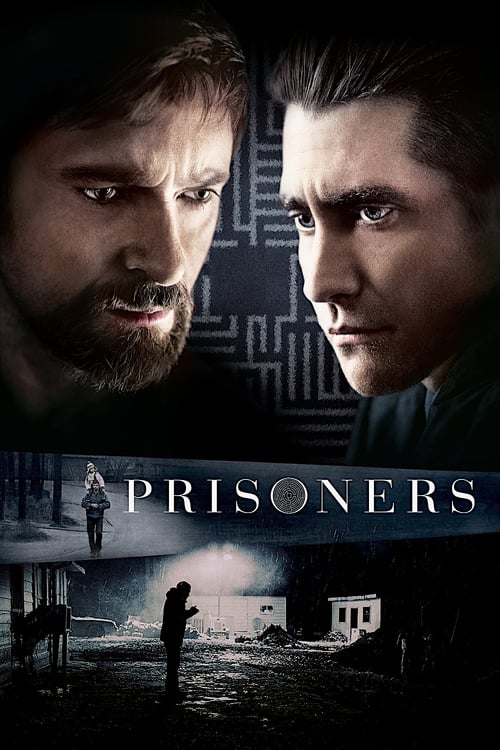
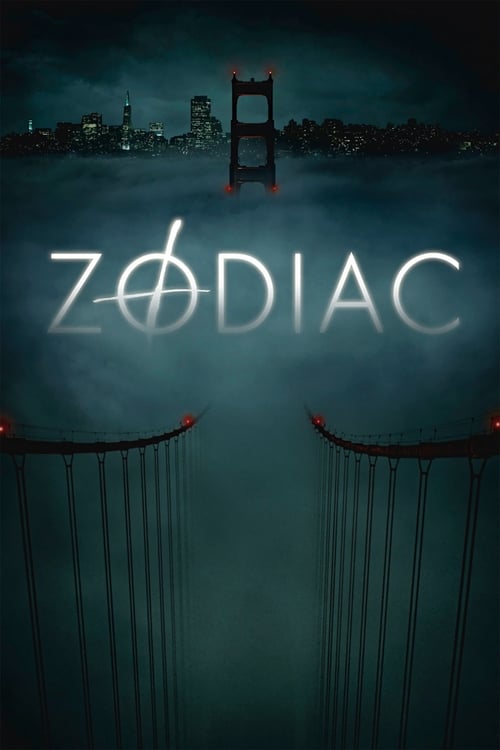
Zodiac is the greatest thriller ever made and it is not close
Every conversation about Se7en or The Silence of the Lambs eventually circles back to resolution: the killer is caught, the horror is named, order is restored. David Fincher's Zodiac does none of that. It is a film about obsession eating three men alive while the case stays open forever. The absence of catharsis is not a flaw. It is the whole point. Nothing in crime cinema is harder to watch or more accurate about what this kind of darkness actually costs the people who go looking for it.
Television that built a new grammar
Series that proved the long form could go places film was afraid to
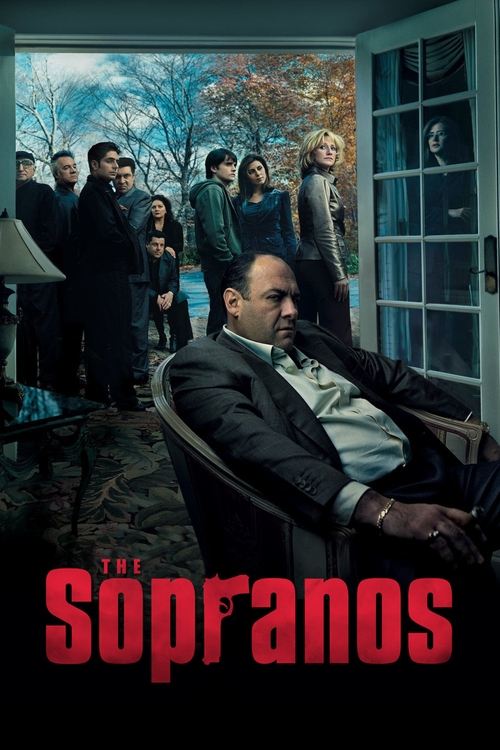

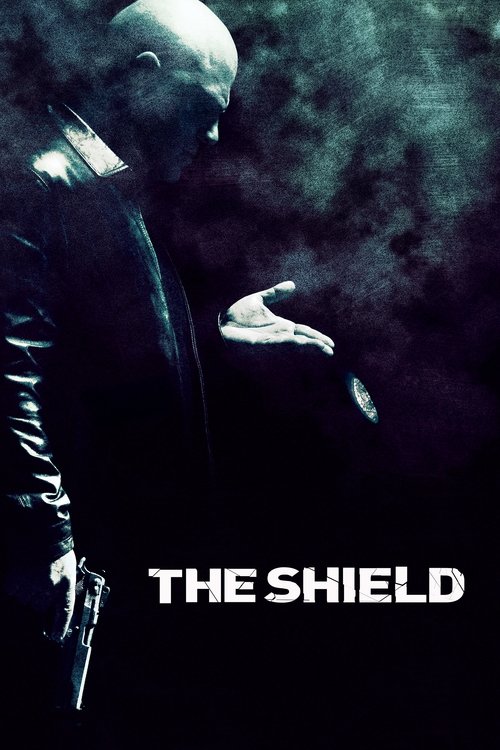
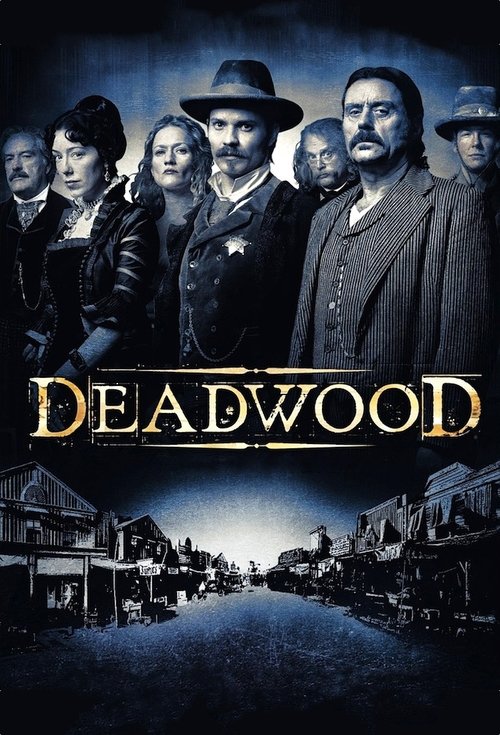
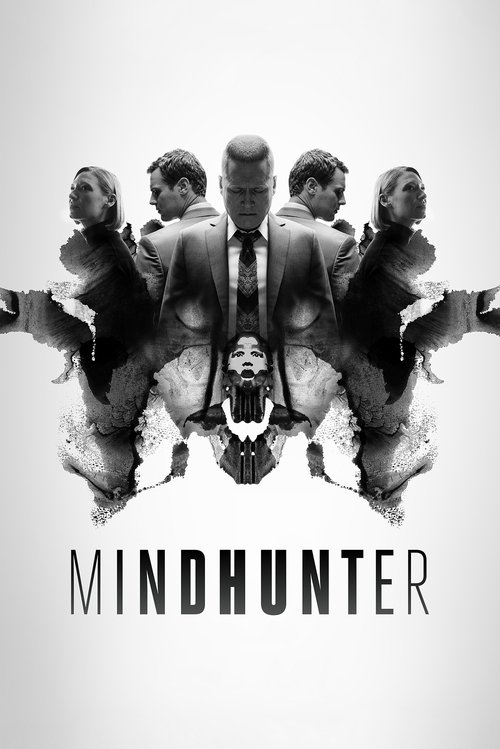
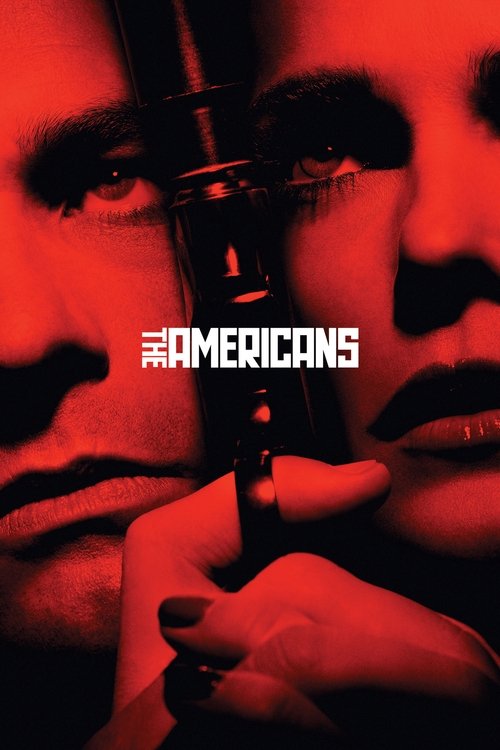
The Shield did what The Sopranos only promised
The Sopranos is the more prestigious name and it deserves its reputation, but it always let Tony's charisma function as a partial escape valve. The Shield offered no such release. Vic Mackey is not someone you can root for on a technicality. The series followed its own moral logic to a finale that remains the most punishing hour of American television, and the industry spent fifteen years pretending the show was a second-tier cable drama while liberally borrowing everything it invented. The revisionism is long overdue.
How the mood became a tradition
- 1941The Maltese Falcon lays the template for moral ambiguity in genre fiction The Maltese Falcon
- 1958Touch of Evil stretches noir into something expressionist and deeply strange Touch of Evil
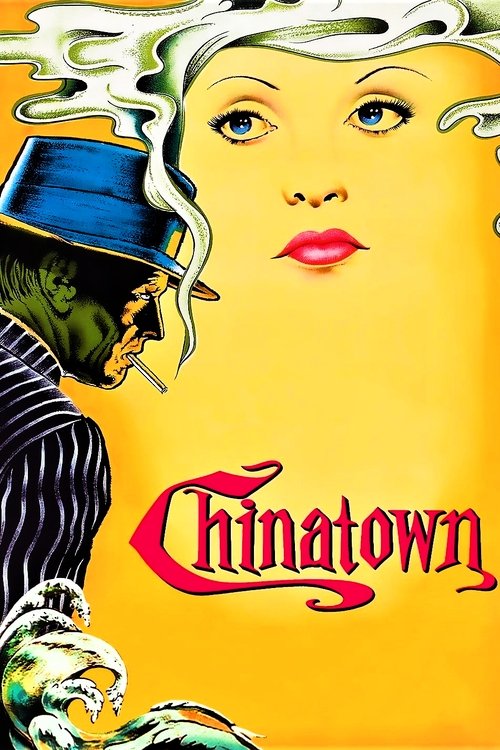
- 1974Chinatown rewrites the hard-boiled detective as a man who changes nothing Chinatown
- 1985Blood Meridian publishes to silence, then rewrites what American violence fiction can do
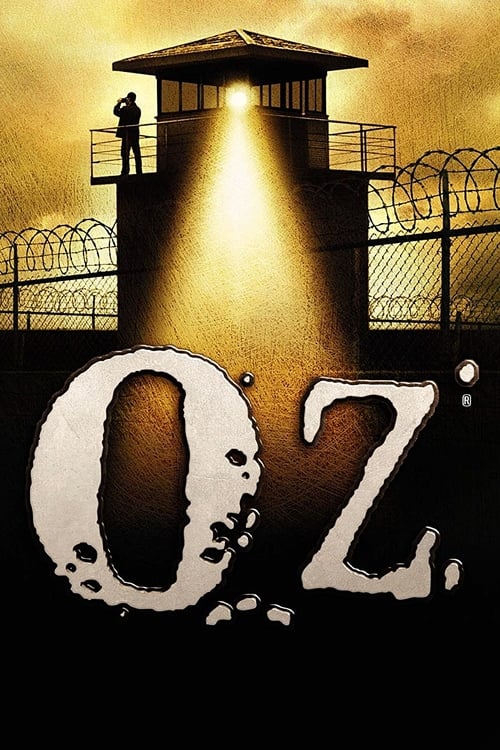
- 1999The Sopranos and Oz prove premium television can hold unresolved darkness for years The Sopranos
- 2002The Wire begins its five-season autopsy of an American city The Wire
- 2007No Country for Old Men and There Will Be Blood arrive in the same season No Country for Old Men
- 2012Spec Ops: The Line forces players to confront what shooter conventions paper over Spec Ops: The Line
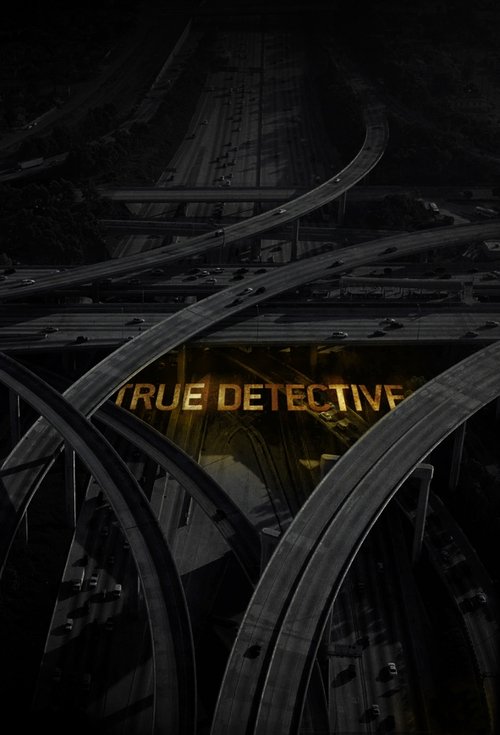
- 2014True Detective Season 1 turns long-form television into an obsessive art object True Detective
- 2015The Witcher 3 makes moral ambiguity the actual game mechanic, not the theme The Witcher 3: Wild Hunt
Games with no clean hands
Interactive work where the medium's complicity becomes part of the argument
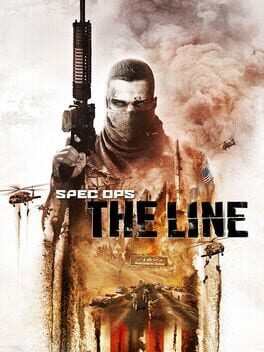
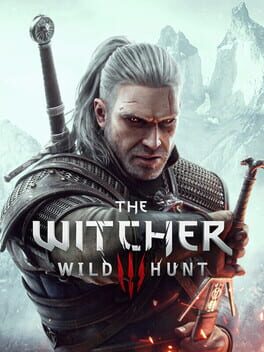
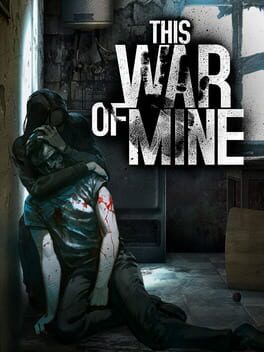
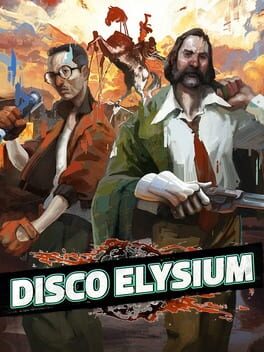
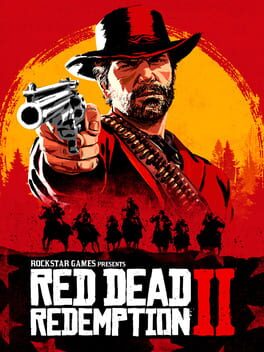
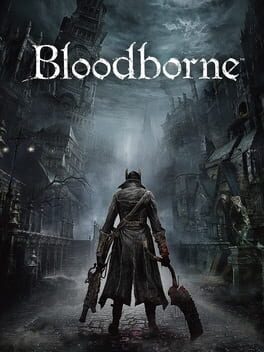
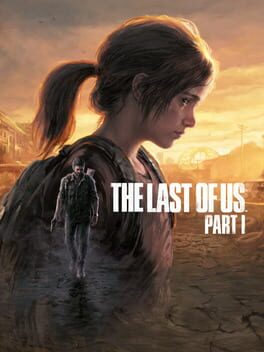
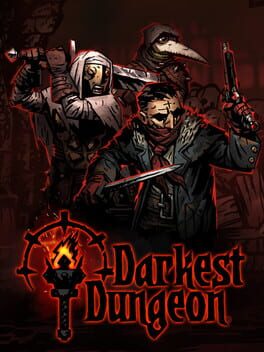
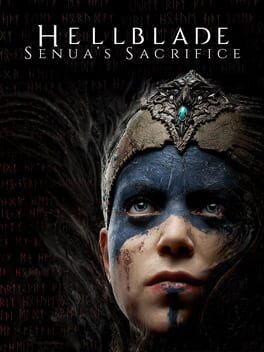
The most dangerous thing a dark story can do is make its darkness decorative. The best ones make it structural: remove it and there is nothing left.CrossBinge editors
Disco Elysium is the dark game that actually believes in something
Disco Elysium sits alongside Spec Ops and This War of Mine in every serious conversation about games that treat darkness as subject matter rather than atmosphere, and the company is deserved. But it does something neither of those games manages: it is funny, tenderly so, about human failure. The main character is a wreck of a detective who cannot remember his own name, and the game finds in that wreck the possibility of reconstructing something worth saving. That combination, unflinching about how bad things get while still reaching for something, is rarer in any medium than it should be.
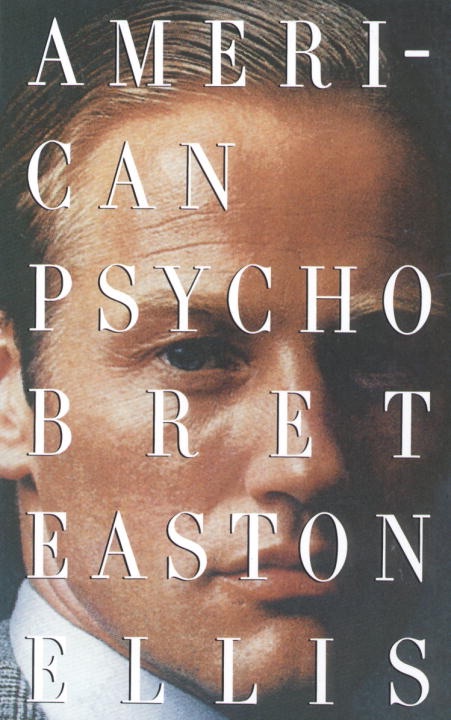
The books that built the vocabulary
Prose fiction where the prose itself carries the weight




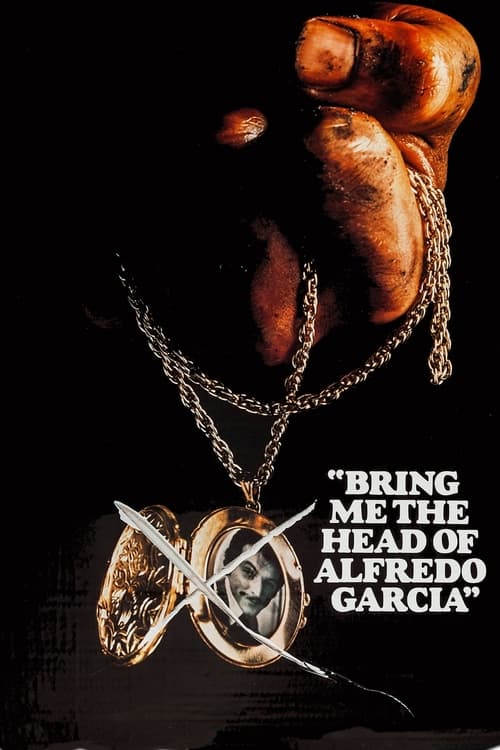
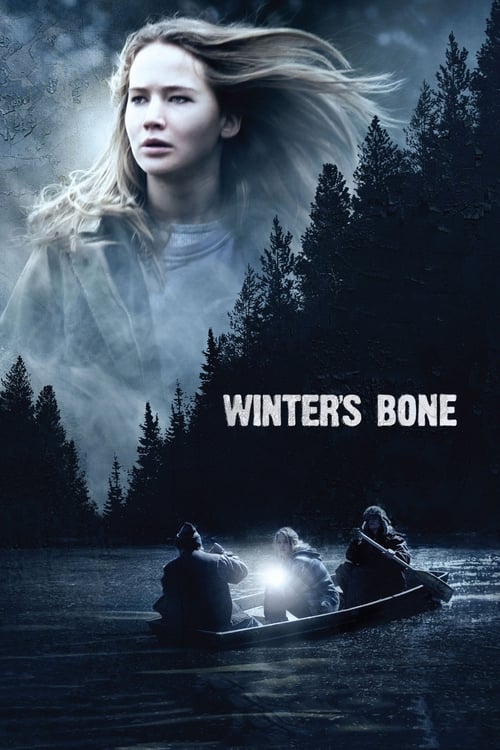
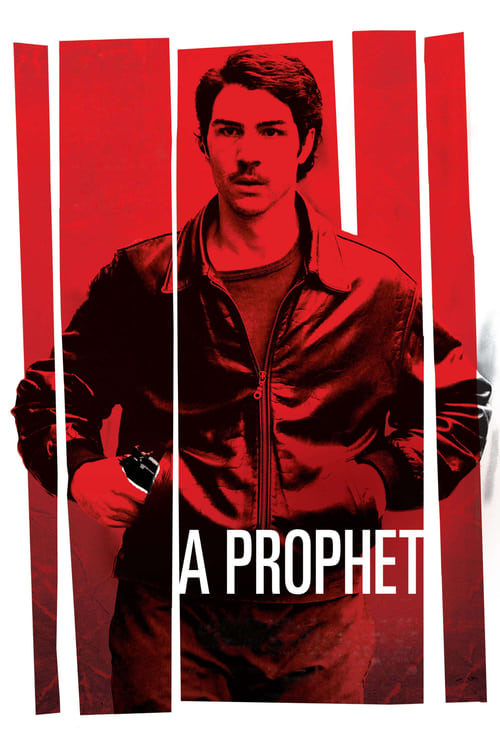
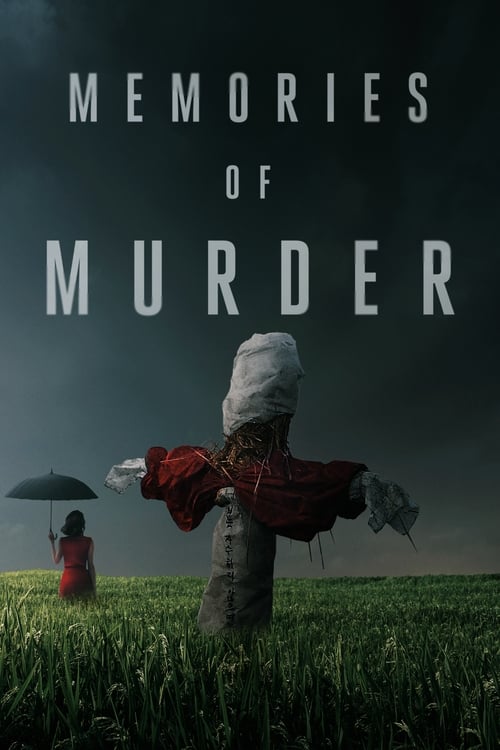
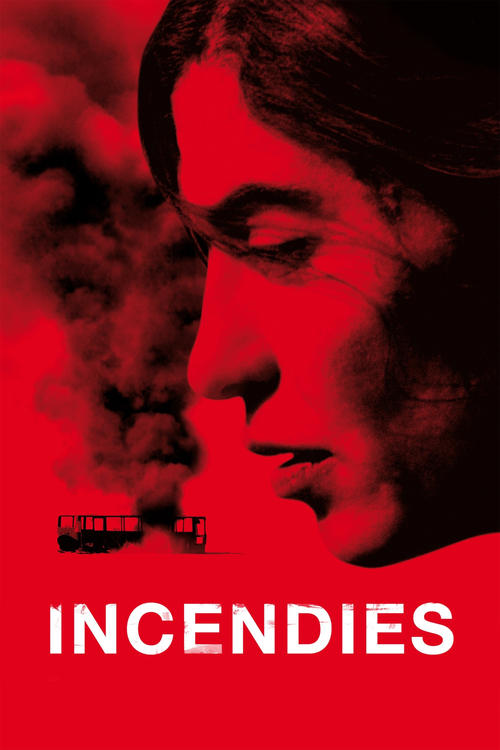
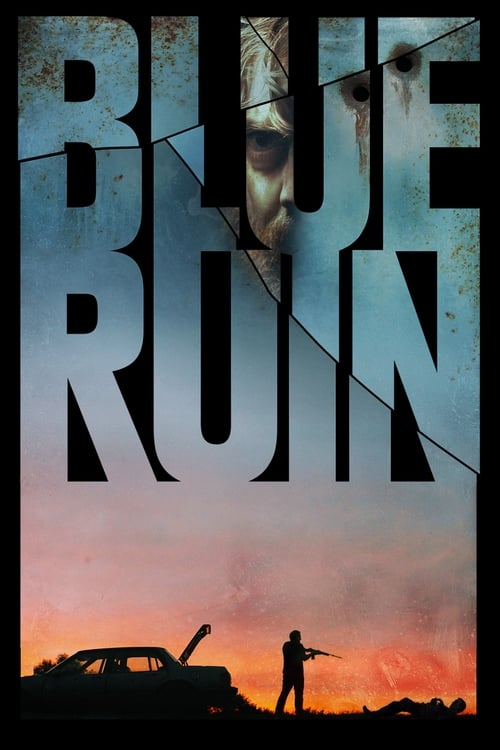
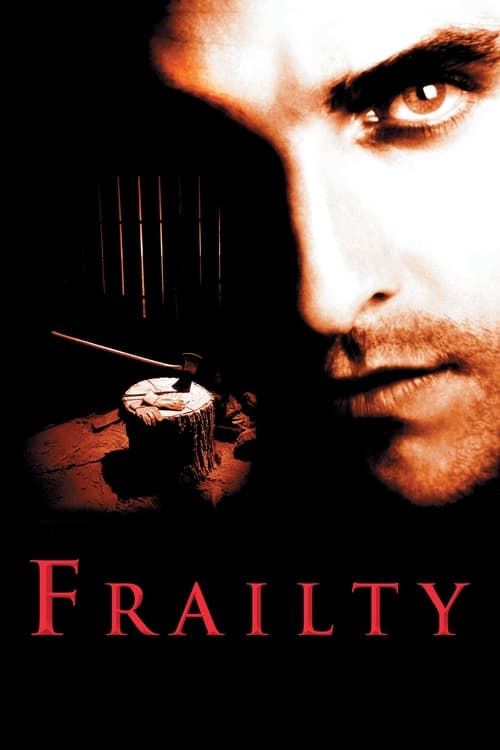
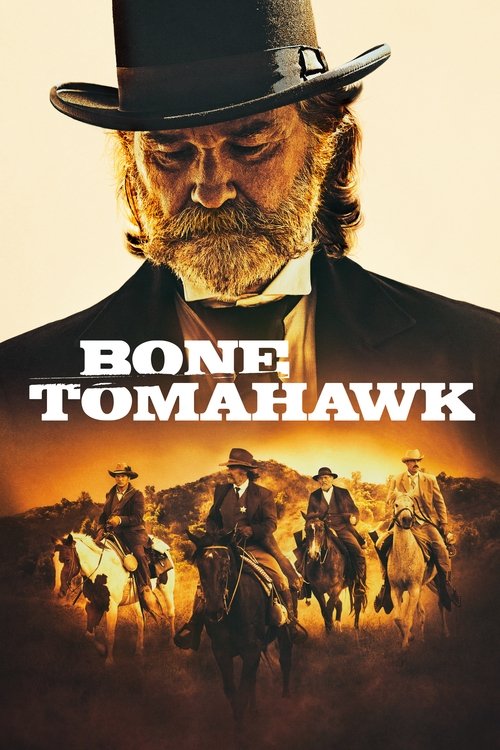
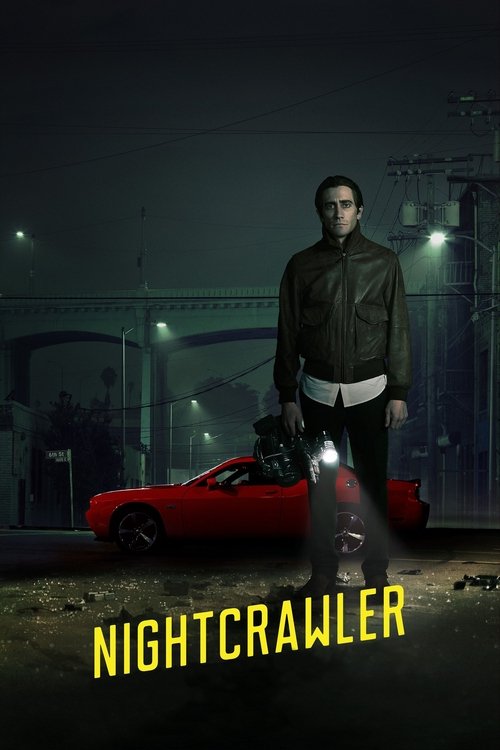
The deeper cuts: films that get overlooked
Less famous than they deserve, consistent in every conversation that actually knows the territory

On the question of earned darkness
The criticism most often levelled at this whole tradition is that darkness for its own sake is just misery tourism, and the criticism is not wrong. It describes a real failure mode. What separates the works on these pages from the cynical imitators is a quality that is hard to pin down but easy to recognise: the best dark fiction is purposeful about what it takes from you. A Little Life leaves you gutted because Hanya Yanagihara earned every page of it. The Wire is bleak about systemic failure because David Simon actually reported on the system. The Coen Brothers' endings are merciless because the Coens understand that mercy can be a lie you tell yourself to avoid thinking clearly. Dark and gritty is not a mood you apply like a filter. It is what happens when a serious artist decides that honesty matters more than comfort.