

The psychological thriller is built on one central dread: that the most dangerous place is inside your own head. Not a monster in the dark, not a villain with a gun, but the slow creep of doubt, the unreliable memory, the revelation that rewrites everything you thought you knew. Fans of this genre chase a very specific feeling: the tension of not knowing who to believe, including yourself. It lives in the gap between what is shown and what is real, and the best works in every medium have learned to exploit that gap with precision. From Patricia Highsmith's doomed antiheroes to the paranoid classics of Hitchcock, from the broken-mirror narratives of David Fincher to the mind-bending games of Hideo Kojima, the psychological thriller is the one genre that never lets its audience fully relax.
Essential Psychological Thrillers: Film
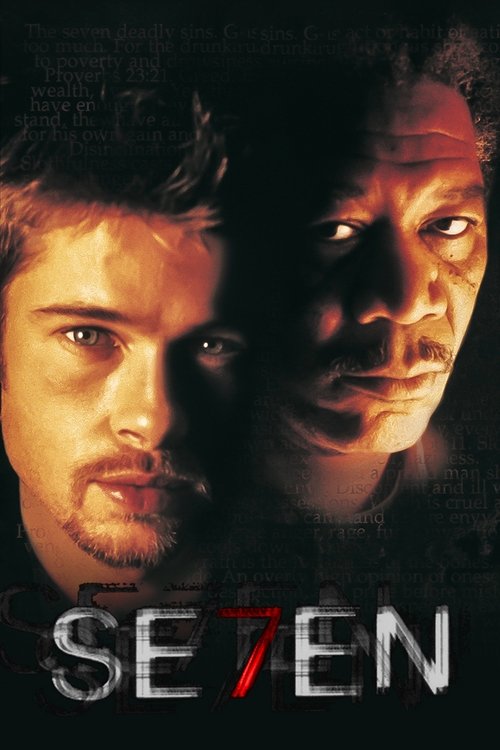
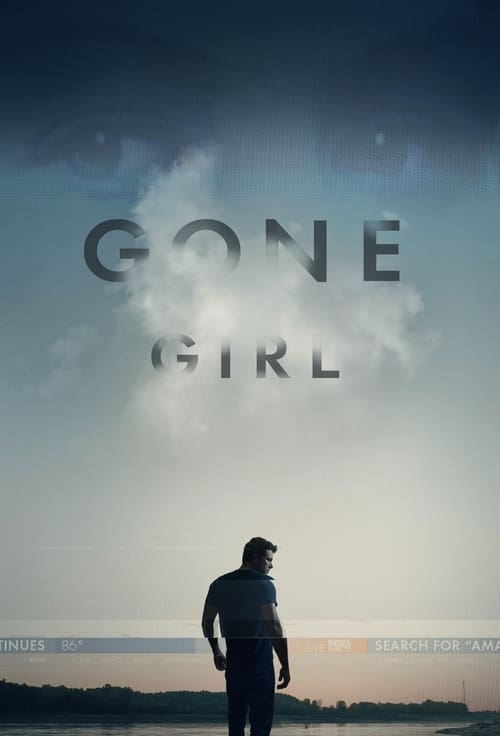
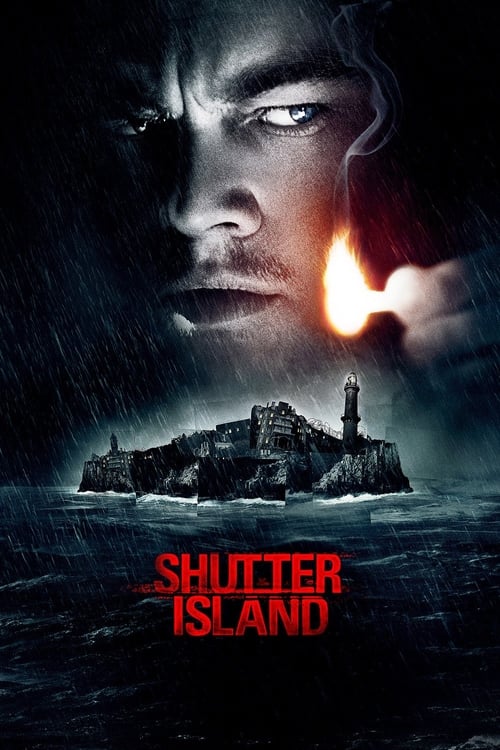
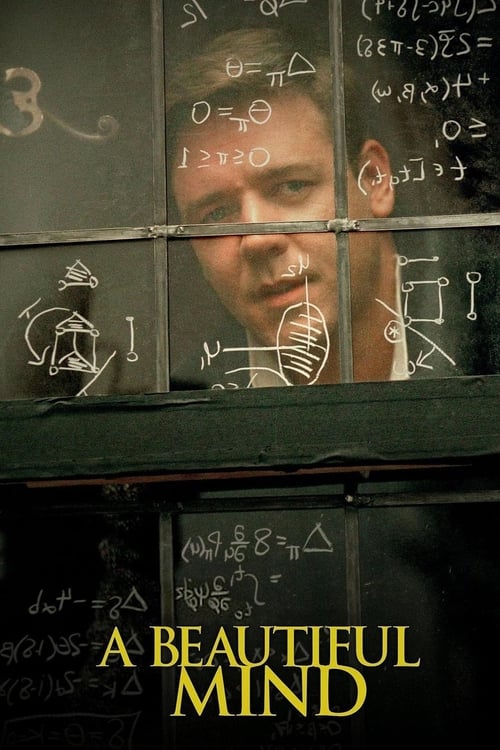
The films that defined the genre's grammar of dread


If You Love It: Series That Pull the Same Strings
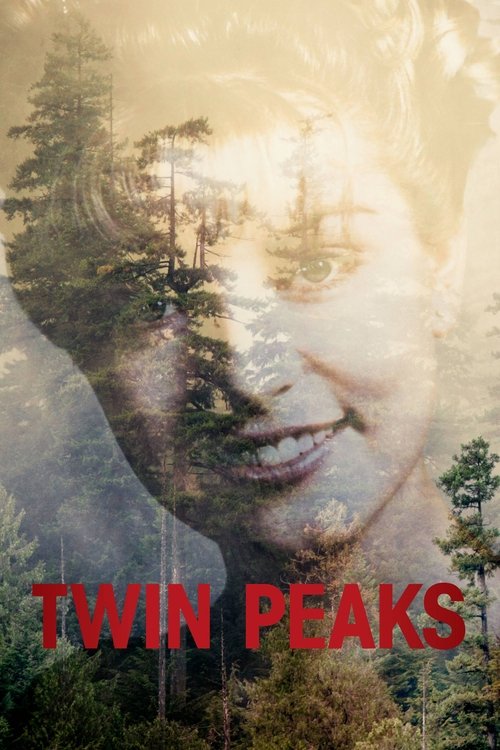
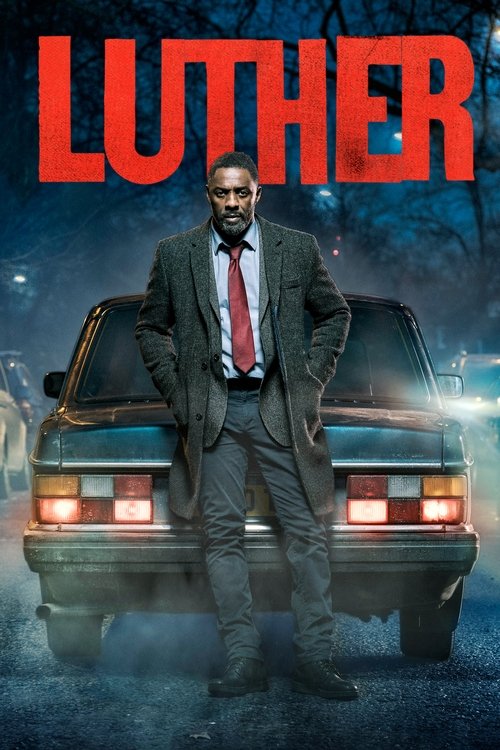
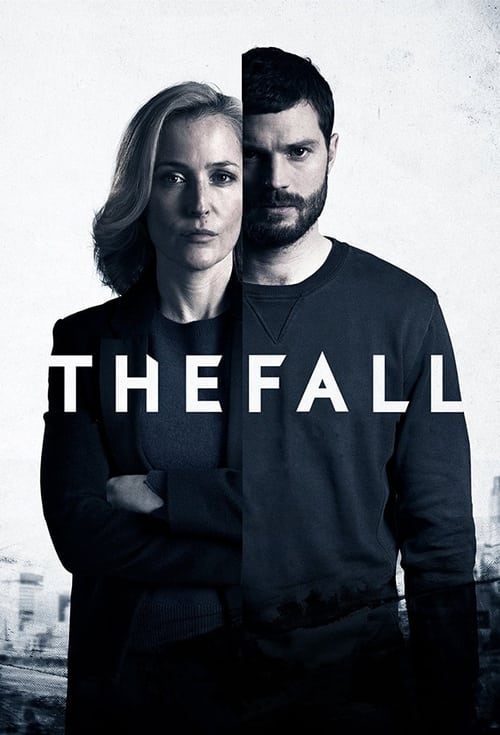
Television has become the natural home of slow-burn psychological suspense
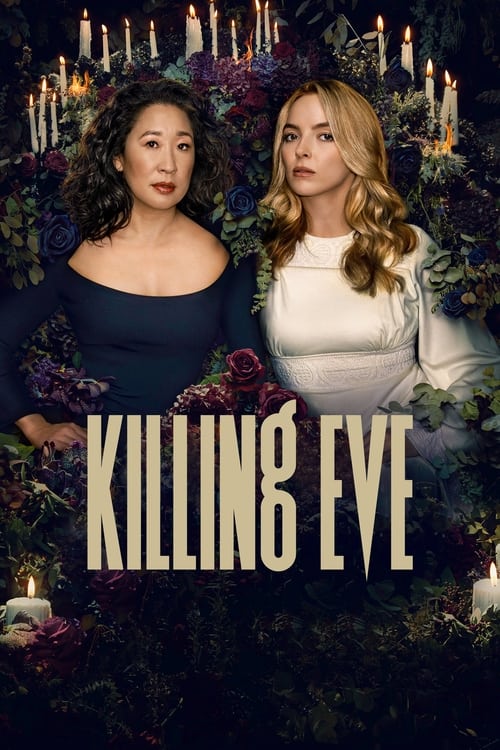


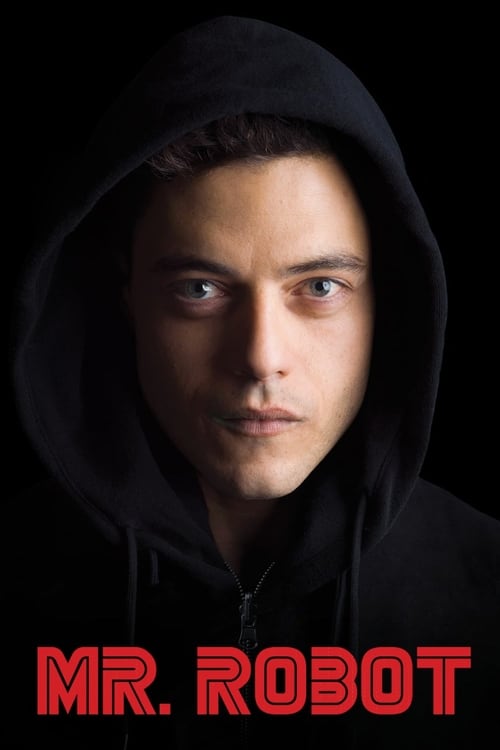
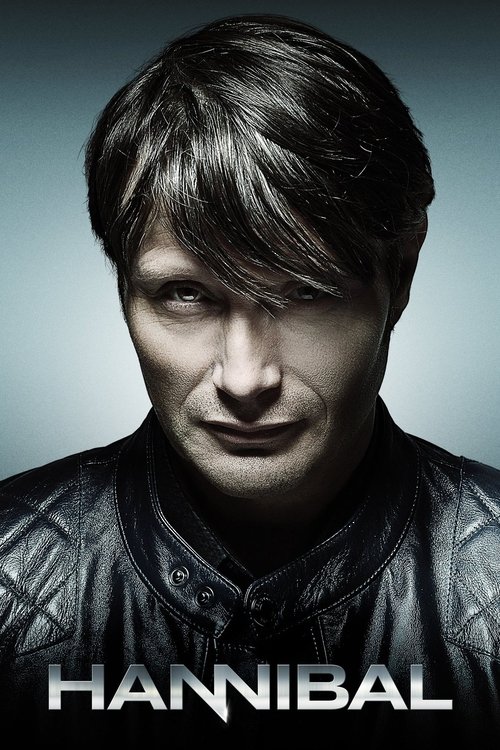

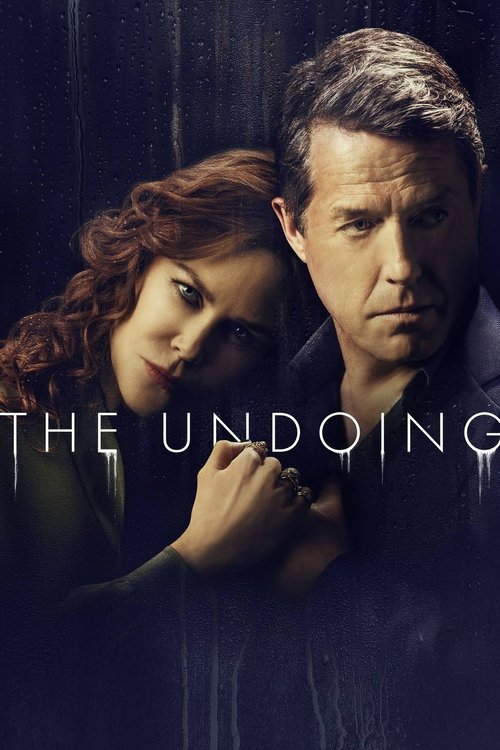
If You Love It: Novels That Get Inside the Skull
The genre was born in prose, and its finest practitioners remain novelists



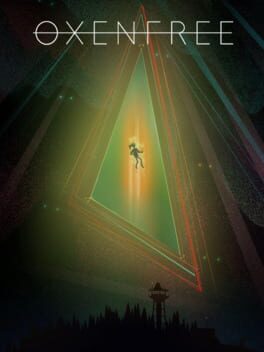
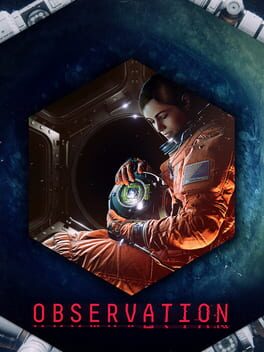
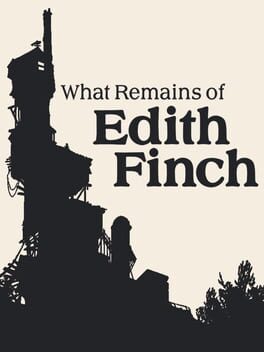
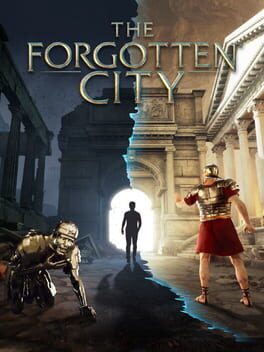
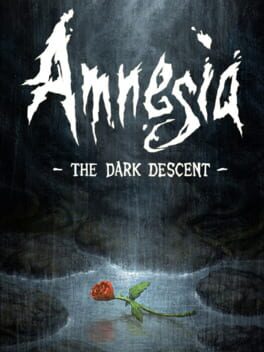
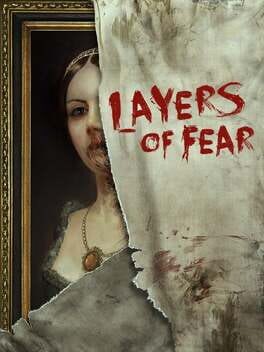
If You Love It: Games That Make You Doubt Everything
Interactive psychological thrillers put the unreliable narrator in your hands

The Unreliable Narrator Is the Genre's Greatest Invention
Every great psychological thriller hinges on one question: can you trust the person telling you the story? Hitchcock understood this before anyone gave it a name. Donna Tartt refined it into literary high art. Gillian Flynn brought it to the bestseller list and Fincher carried it to the screen. When the narrator's account unravels, the reader or viewer has to reconstruct what actually happened, and that act of reconstruction is the real pleasure of the genre. The best works make you complicit, leading you to believe the lie before revealing that you were never as perceptive as you thought.
Video Games Cracked the Genre Open
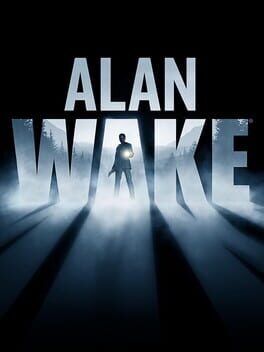
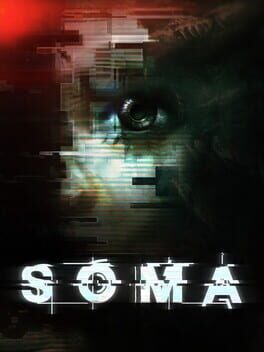
When Silent Hill 2 revealed that the monster was grief, the medium changed. Games can do something novels and films cannot: they force the player to be the protagonist, to make the choices, to carry the guilt. Hellblade gives Senua's psychosis a physical presence through binaural audio that surrounds the player in voices. Disco Elysium builds its entire detective story out of a shattered psychology the player pieces together. Soma asks whether the thing experiencing terror is even the thing that started the game. These are not games inspired by psychological thrillers. They are the genre at full force, delivered through interactivity.
Patricia Highsmith Invented the Antihero We Root Against
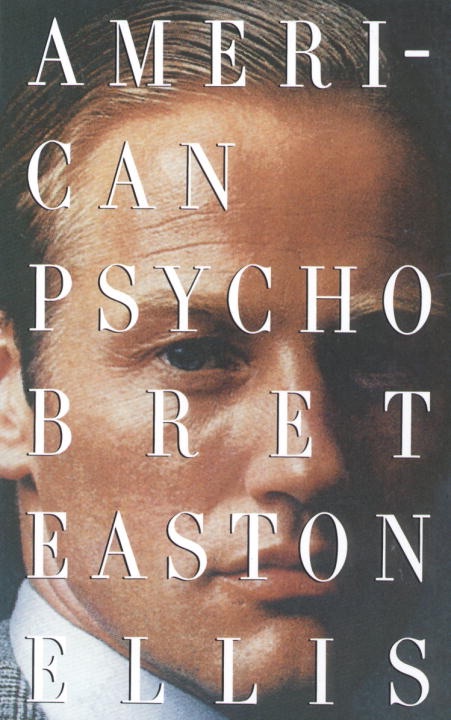
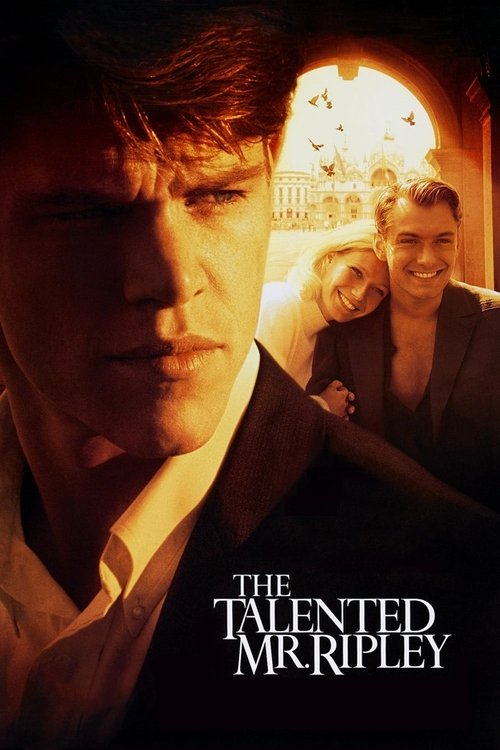
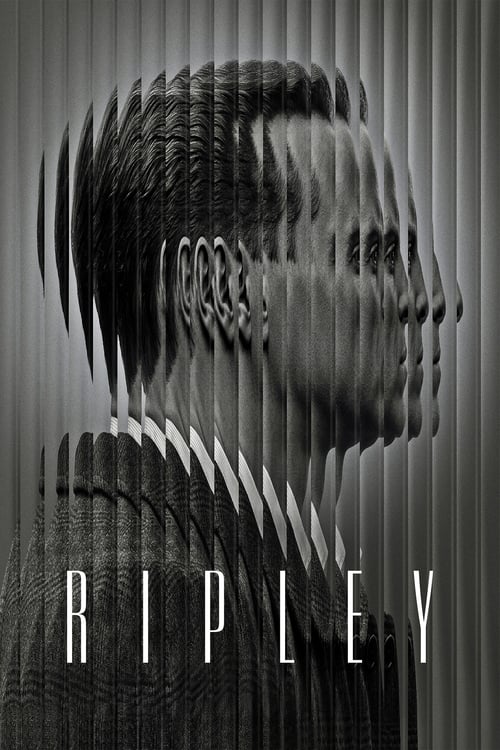
Patricia Highsmith spent her career asking a discomforting question: what if the killer is the most interesting person in the room, and we want him to get away with it? Tom Ripley does not have our values or our conscience, but Highsmith's prose is so precisely tuned to his interior that readers follow him through five novels rooting for his escape. The Ripley series is the purest expression of the genre's core trick: not making the villain sympathetic, exactly, but making the reader deeply invested in the outcome of a game they know is morally wrong.
Television Has Become the Genre's Best Format
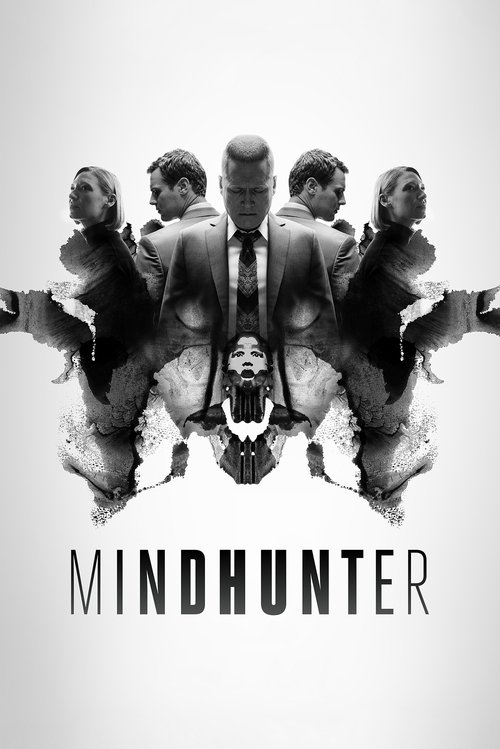
The psychological thriller's engine runs on slow accumulation: small details that feel wrong, conversations with an off note, explanations that almost hold together. Film compresses this into two hours. The novel can sustain it across hundreds of pages. But the prestige limited series, running six to eight episodes, has become the format that best matches the rhythm of dread. Sharp Objects, Dark, and Hannibal all use the serial format not just for pacing but as a structural argument: understanding comes gradually, and always costs something.
The Genre's Defining Moments
- 1950Highsmith publishes her debut Strangers
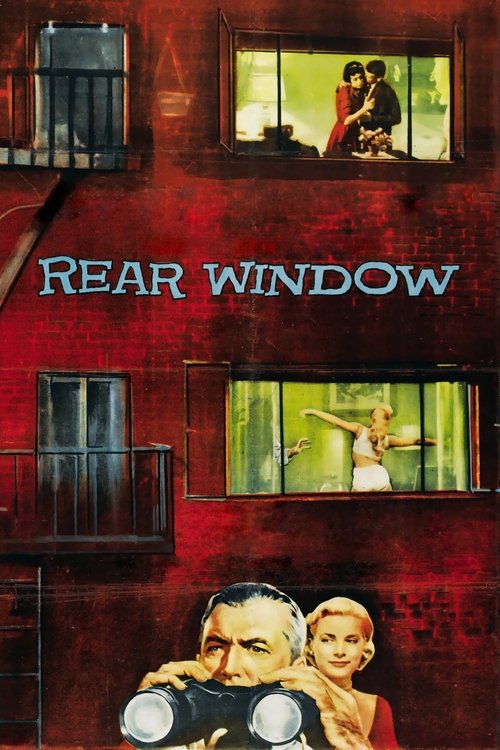
- 1954Hitchcock defines the voyeur's dread Rear Window
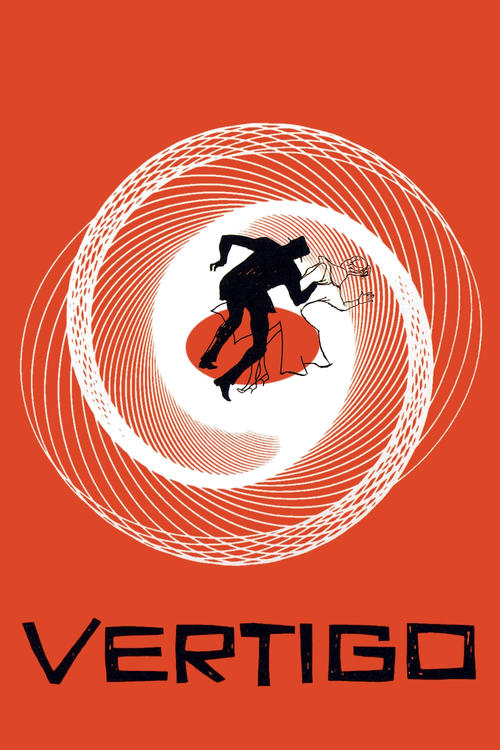
- 1958The ultimate identity-collapse film Vertigo
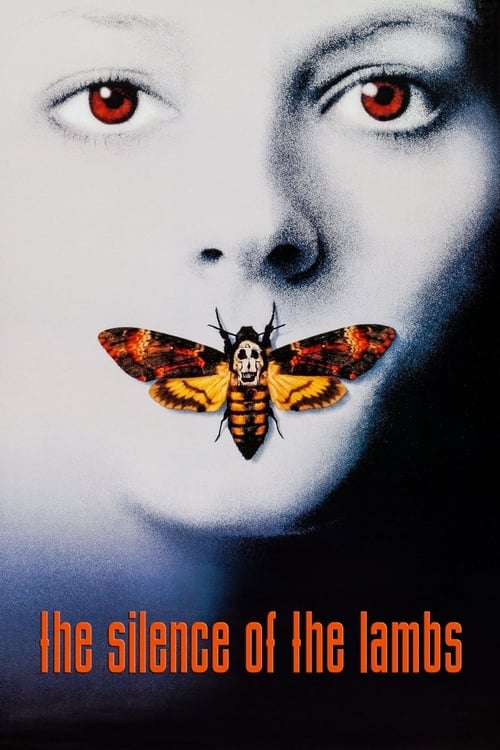
- 1991Lecter enters the cultural conversation The Silence of the Lambs
- 1999Two works fracture the reliable narrator for good Fight Club
- 2001Kojima's game collapses the border between player and protagonist
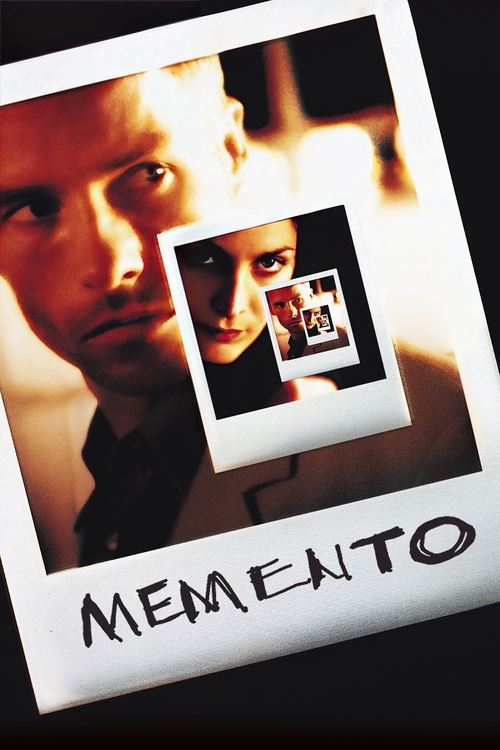
- 2001Non-linear memory becomes the plot itself Memento
- 2010Aronofsky takes the genre into the body Black Swan
- 2014Flynn and Fincher bring it to mainstream audiences Gone Girl
- 2015TV finds its voice: the hacker as unreliable narrator Mr. Robot
- 2017A game gives psychosis a first-person audio presence Hellblade: Senua's Sacrifice
- 2019An RPG built entirely from a broken detective's psychology
Paranoia, Mystery, and Fractured Minds
For Fans of Gillian Flynn
Explore the For Fans of Gillian Flynn guide →The most frightening room in any psychological thriller is the one you are already inside: the room of your own certainty.CrossBinge editors