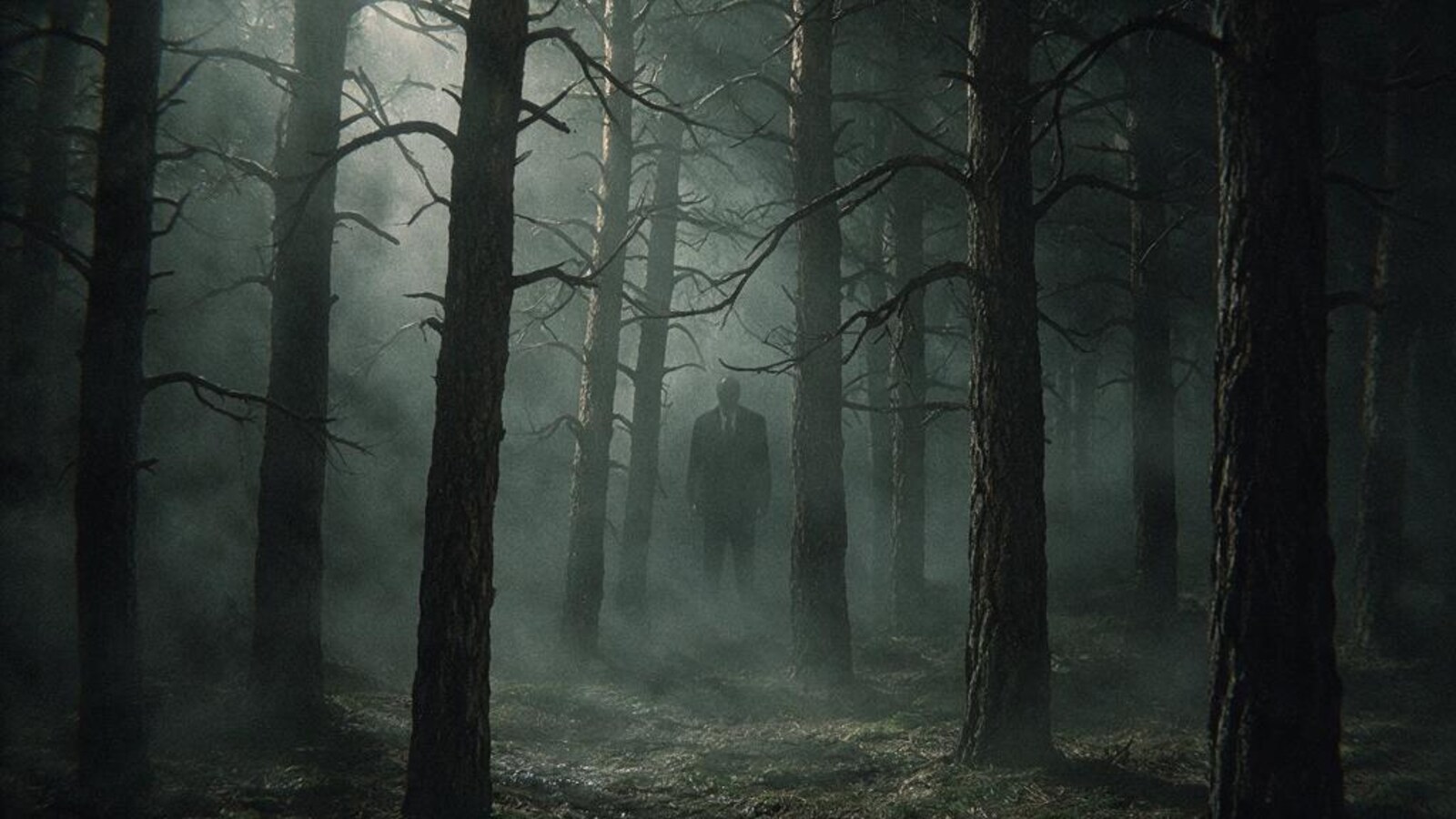

Creepypasta is folklore for the internet age: short horror stories copied and pasted across forums, image boards, and video platforms until no one remembers who wrote them, only that they are true, or true enough to keep you up at night. Born on sites like 4chan and the SCP wiki, it produced a whole new bestiary, the faceless Slender Man, the endless yellow Backrooms, the haunted game cartridge, and a homegrown aesthetic of grainy footage, redacted files, and analog dread that traditional horror never quite captured.
The best of it has escaped the screen into film, television, and games. Marble Hornets turned Slender Man into found-footage; Channel Zero adapted creepypastas into prestige anthology TV; the SCP Foundation spawned a universe of games; the Backrooms became a phenomenon overnight. Below is the whole archive: the essential internet horror, the screen adaptations, the games that made the dread interactive, and the web series that started it all. Do not read the ones marked keter.
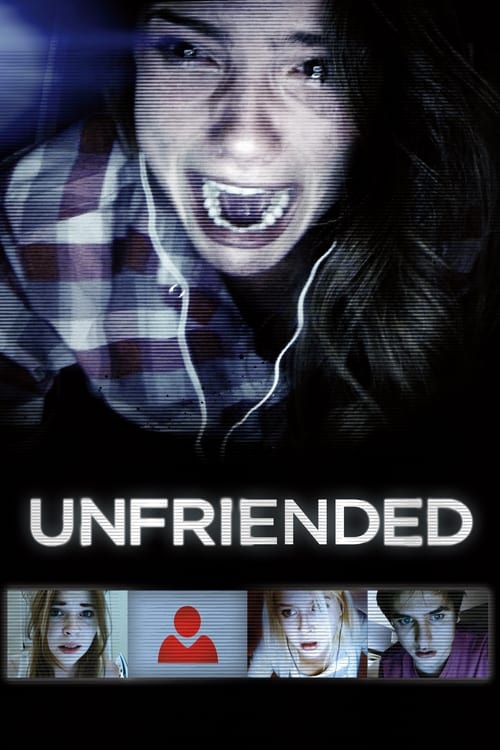
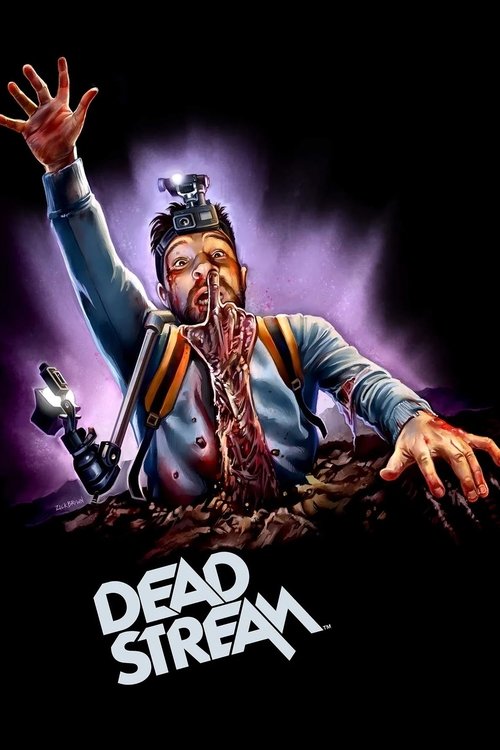
Essential internet horror on screen
Creepypasta on television
Marble Hornets made Slender Man real
The Something Awful forum thread that birthed Slender Man in 2009 was just a photoshopped figure and a caption, but Marble Hornets turned him into a genuine phenomenon: a slow-burn YouTube found-footage series about a cursed student film and the tall thing lurking at its edges. It proved the internet could grow its own mythology from nothing, and that the scariest monster is one you never quite see.
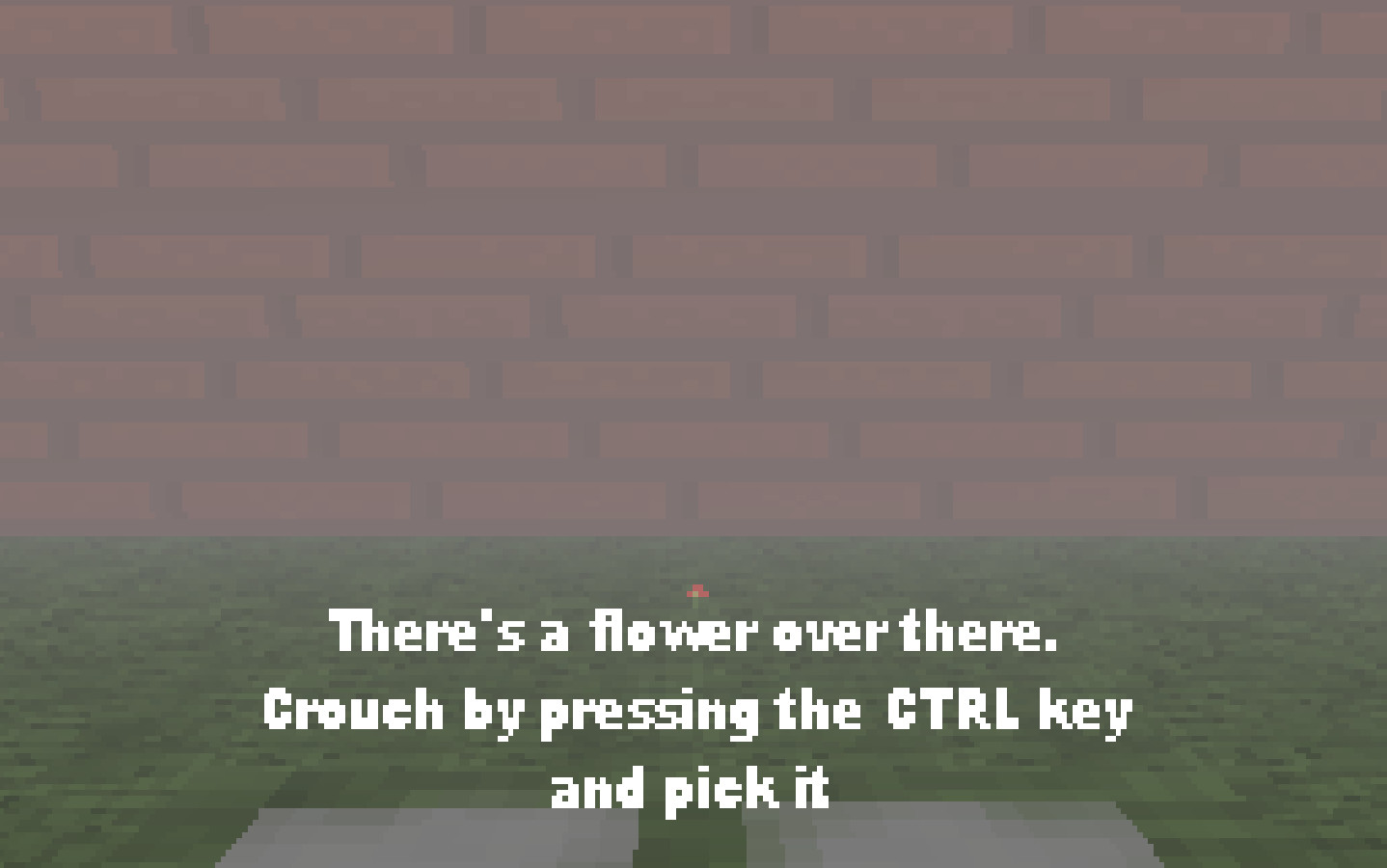
Play the dread: internet-horror games

Analog and found-footage horror
On the page: horror that reads like a leak


The SCP Foundation is the internet's greatest collaborative nightmare
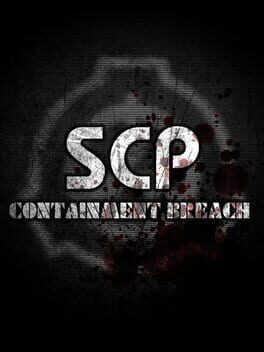
A wiki written by thousands of anonymous authors, the SCP Foundation catalogs impossible anomalies in the clinical language of a secret agency: a statue that kills when you blink, a sculpture that must always be watched. Its deadpan bureaucratic format makes the horror feel documented and real, and it spawned games, videos, and a whole genre. Collaborative folklore at its most inventive.
The timeline
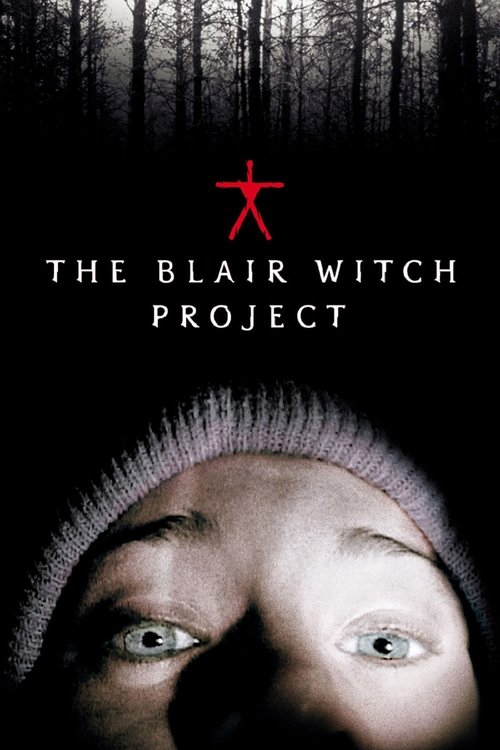
- 1999The Blair Witch Project pioneers found-footage internet marketing The Blair Witch Project
- 2007The SCP Foundation begins its collaborative catalog of horrors SCP: Containment Breach
- 2009Marble Hornets turns Slender Man into a phenomenon Slender Man
- 2016Channel Zero brings creepypasta to prestige television Channel Zero
- 2018Slender Man reaches the multiplex Slender Man
- 2020Host and the Backrooms define pandemic-era internet horror Host
- 2021We're All Going to the World's Fair captures online loneliness We're All Going to the World's Fair
The Backrooms proved a single image could haunt millions
It started as one grainy photo of empty yellow office space and a caption about noclipping out of reality, and within a few years Kane Pixels had turned it into a found-footage saga with a Hollywood deal. The Backrooms tapped a very modern fear, the liminal space, the wrongness of an empty place that should be full. Horror built entirely from unease and fluorescent light.
Channel Zero proved creepypasta could be prestige TV
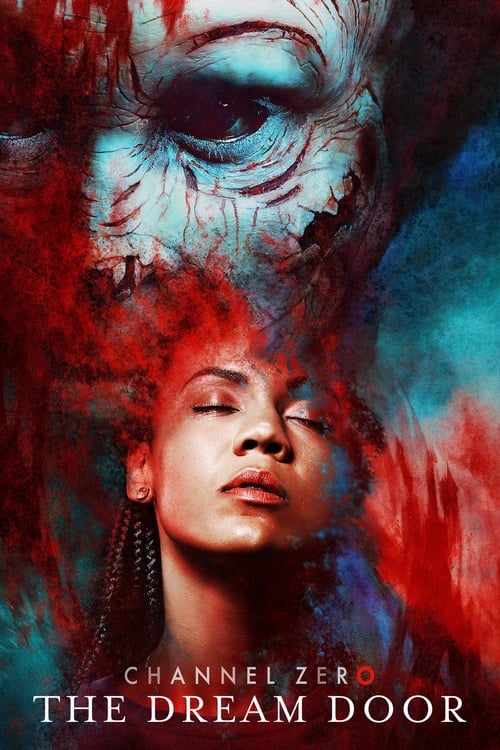
Nick Antosca's anthology adapted internet horror stories like Candle Cove and the No-End House into genuinely artful, dread-soaked television, treating throwaway forum tales with the seriousness of literary horror. It understood that the best creepypasta is about a wrongness that infects the everyday, and it remains the high-water mark for bringing the genre to the screen.
Keep exploring
Cursed Media and Analog Horror: The Complete Guide to Haunted Signals
Explore the Cursed Media and Analog Horror: The Complete Guide to Haunted Signals guide →Frequently asked
What is a creepypasta?
A creepypasta is a short horror story or urban legend spread across the internet, often copied and pasted (the name derives from copypasta) across forums, image boards, and video platforms. They are typically presented as true or found, and range from monster tales like Slender Man to the collaborative SCP Foundation and the liminal-space dread of the Backrooms. The form has grown into films, TV, and games.
What is the most famous creepypasta?
Slender Man, created on the Something Awful forums in 2009, is the most famous creepypasta, spawning the Marble Hornets web series, a Hollywood film, and countless games. Other iconic examples include the SCP Foundation, the Backrooms, Ben Drowned, Candle Cove, and Jeff the Killer. Together they form a modern, internet-native mythology of horror.
Where should I start with internet horror?
For web-native creepypasta, start with the Marble Hornets YouTube series and the SCP Foundation wiki. For screen adaptations, Channel Zero is the standout prestige TV, and the pandemic-shot film Host is a lean modern classic. Gamers should try SCP: Containment Breach or Poppy Playtime, and readers can pick up House of Leaves or the novella Penpal, both of which read like internet horror in print.