

Discworld travels through space on the backs of four elephants, who stand on the shell of Great A'Tuin, a star turtle with its own tiny sun in orbit. That is the joke Terry Pratchett started with in 1983. What he built on top of it, across forty-one novels and thirty-two years, is the most humane body of work in modern fantasy: a flat planet where the gags about wizards and guilds keep turning, mid-sentence, into truths about policing, faith, death, war and what people owe each other.
Nobody has to read Discworld in publication order, and everybody argues about where to start. This guide maps the whole thing: the arcs that function as series inside the series, the standalone masterpieces, an honest answer to where to start, and everything the Disc became on screens large and small.
Sam Vimes is the great character arc of modern fantasy
He starts Guards! Guards! drunk in a gutter, a copper in a city where the thieves are unionized and the law is a punchline. Across eight books Pratchett promotes him, marries him, enriches him, and never once lets him relax: every new rank is a new argument between the gutter and the crown. Vimes hating who he might become is the engine of the Watch arc, and the famous Boots Theory of socioeconomic unfairness is just the sound of that engine idling. Fantasy is full of kings. Pratchett wrote a policeman who distrusts kings, and made him the genre's conscience.

Thirty-two years on the Disc
- 1983The Colour of Magic sets the turtle swimming The Colour of Magic
- 1987Mort gives Death an apprentice and the series its soul Mort
- 1988Wyrd Sisters assembles the witches Wyrd Sisters
- 1989Guards! Guards! founds the City Watch Guards! Guards!
- 1992Small Gods takes on religion and becomes the fan-favorite standalone Small Gods
- 1996Hogfather kidnaps the Disc's Santa Hogfather
- 2002Night Watch sends Vimes back in time and the series to its peak Night Watch
- 2003The Wee Free Men opens the Tiffany Aching arc The Wee Free Men
- 2004Going Postal hires a conman to run the mail Going Postal
- 2015The Shepherd's Crown closes the Disc, posthumously The Shepherd's Crown
The arcs
Discworld is not one series but half a dozen braided together, each following its own cast through the same world. The City Watch books are police procedurals that turn into political philosophy. The Death books are the tender ones, about the anthropomorphic personification who develops a fondness for humanity. The Witches run on headology and hard rural sense; Rincewind runs, full stop. Tiffany Aching is the young-readers arc that adults quietly rate among the best things Pratchett ever wrote, and Moist von Lipwig arrives late to modernize the city one scam at a time. Pick an arc, read it in order, and jump arcs whenever you like: the Disc rewards wandering. Forty-one novels exist in all; the shelves below hold every arc's heart.
The City Watch
Vimes, Carrot and the thin blue line of Ankh-Morpork


Death
The Disc's most beloved anthropomorphic personification


The Witches
Granny Weatherwax, Nanny Ogg and applied headology


Death is fantasy's kindest creation
He TALKS LIKE THIS, rides a horse named Binky, and cannot understand why humans plant flowers they will not live to see. Pratchett's Death began as a running gag and became the series' beating heart: an immortal fascinated by the species he harvests, forever trying kindness on like an ill-fitting coat. Reaper Man, where he is fired and takes work as a farmhand, is as close as comic fantasy has come to a genuinely moving meditation on mortality. When readers say Discworld helped them grieve, this is the character they mean.
Rincewind and the wizards
The Disc's worst wizard, running since 1983


Tiffany Aching
The young-witch arc adults rate among his best


Moist von Lipwig and the standalones
The conman trilogy and the one-offs that outrank whole series


The reason that the rich were so rich, Vimes reasoned, was because they managed to spend less money.Men at Arms
The man behind the turtle
Follow Terry Pratchett to his complete catalog, Discworld and beyond.
The Disc on screen and in games
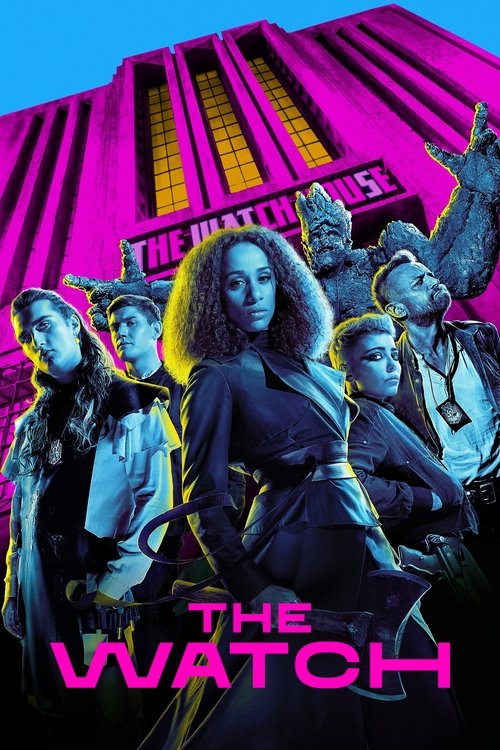
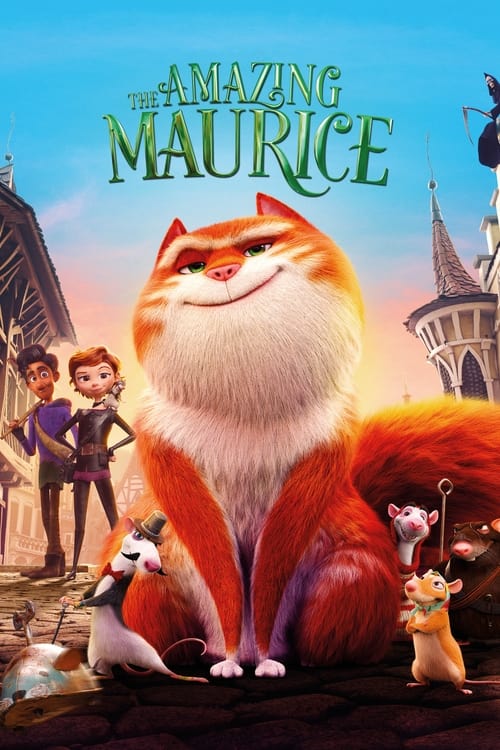
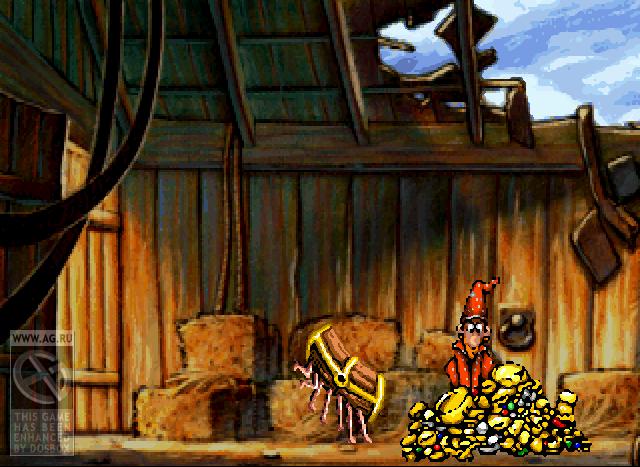
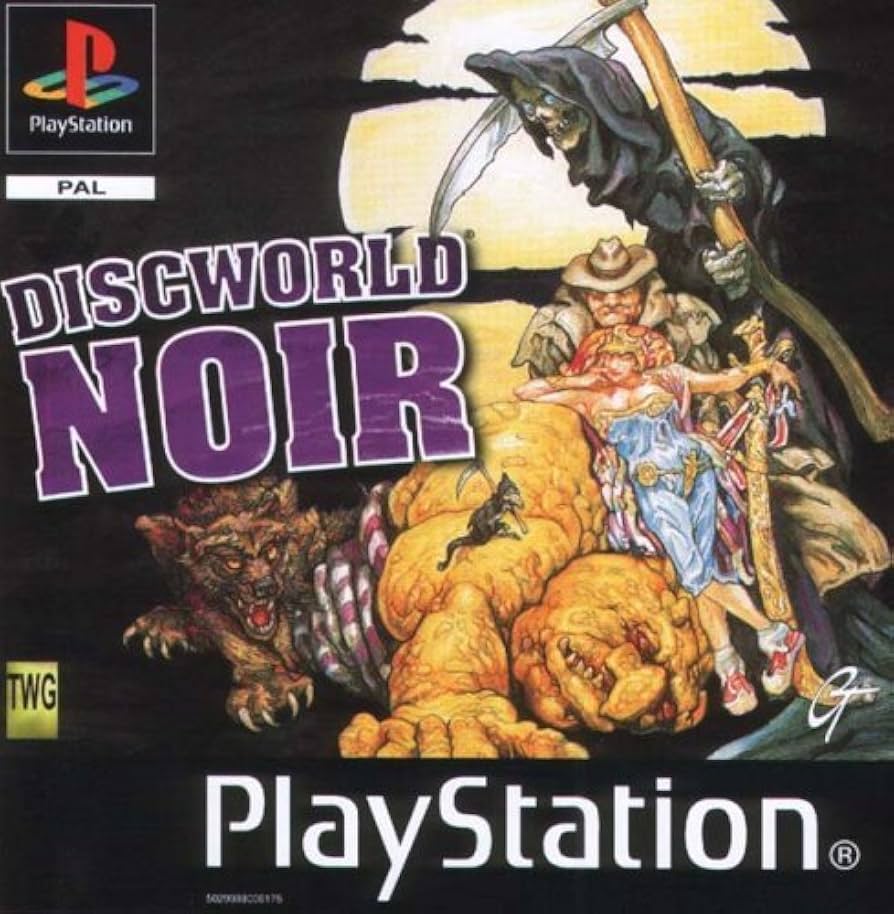
Adaptations, cousins and three vintage point-and-clicks

Pratchett beyond the Disc
The collaborations and the other worlds


More worlds that reward wandering
Wizards
Explore the Wizards guide →Frequently asked
Where should I start reading Discworld?
Not with The Colour of Magic, lovely as the turtle is; the early books are parodies and the series finds its voice later. The classic on-ramps: Guards! Guards! for the City Watch, Mort for Death, Wyrd Sisters for the Witches, Small Gods if you want a standalone masterpiece, Going Postal for the late, polished era, and The Wee Free Men for younger readers or anyone at all.
Do I have to read the Discworld books in order?
No, and Pratchett said as much. The arcs (Watch, Death, Witches, Rincewind, Tiffany Aching, Moist von Lipwig) each read best in their own internal order, but the arcs themselves can be taken in any sequence. Publication order is for completists on a re-read.
How many Discworld books are there?
Forty-one novels, from The Colour of Magic (1983) to The Shepherd's Crown, published in 2015 after Pratchett's death, plus maps, science companions and short stories. The Amazing Maurice won the Carnegie Medal; Night Watch is the fan consensus peak.
Is Good Omens a Discworld book?
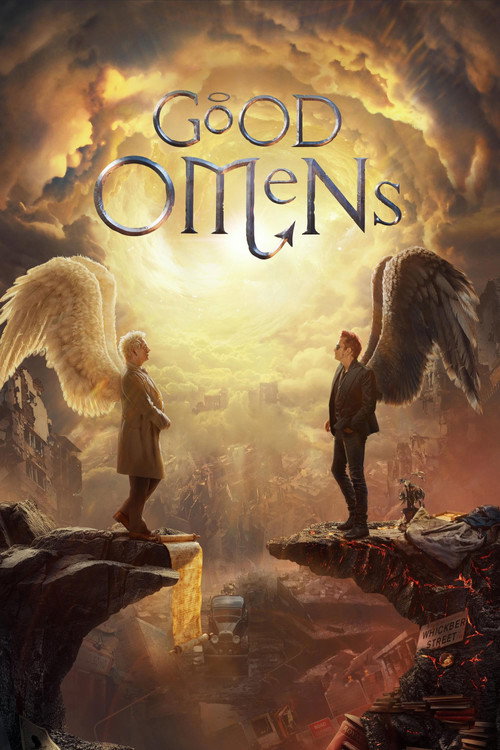
No. Good Omens is the 1990 apocalypse comedy Pratchett wrote with Neil Gaiman, set on Earth, and its television version stars David Tennant and Michael Sheen. It shares Pratchett's voice but not his turtle.
Are there good Discworld adaptations?
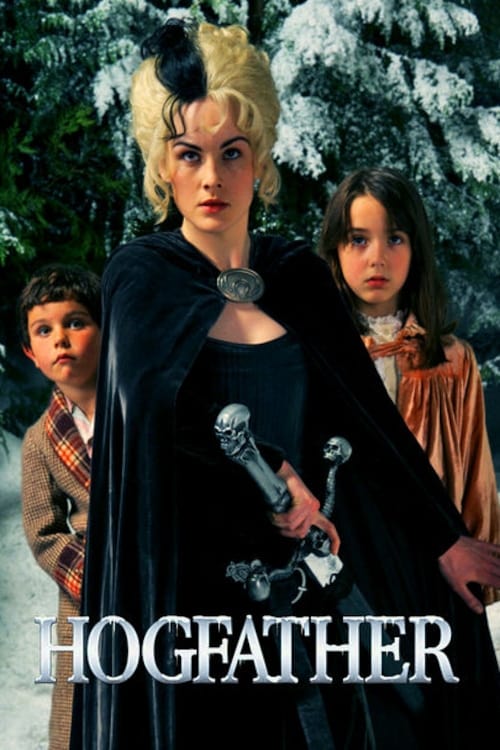
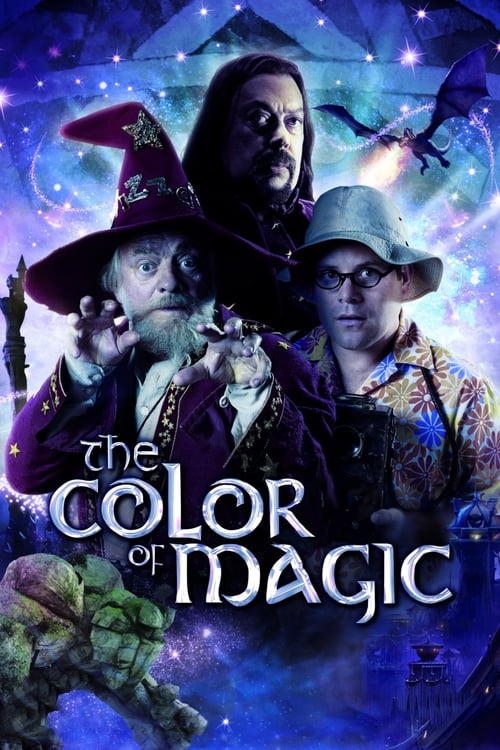
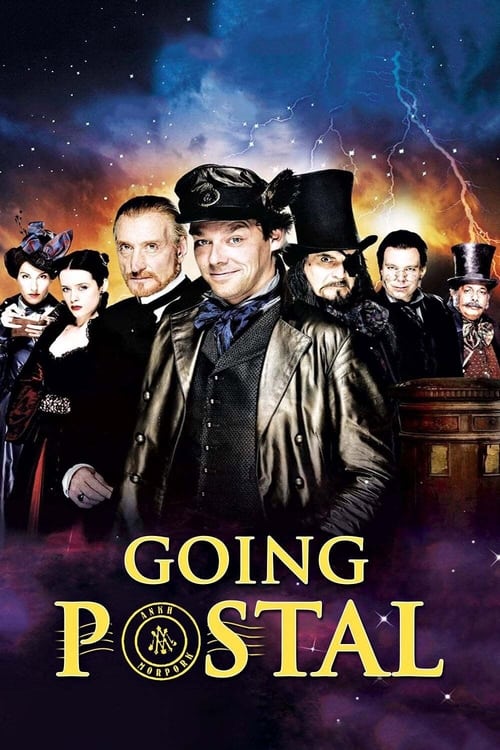
Partially. Sky's Hogfather and Going Postal telefilms are affectionate and faithful, the 2022 Amazing Maurice is a charming animated take, and the 1990s point-and-click games are cult classics, with Eric Idle voicing Rincewind in the first two. The Watch (2021) borrows the names but little of the spirit; fans consider the definitive screen Discworld still unmade.