

Somewhere out on the galactic rim there is a planet the size of a small star system's worth of ambition: a perfect sphere quilted into 1,560 hexagonal territories, each one a sealed biome with its own species, its own climate, and its own strictly enforced technology limit. The Markovians, the godlike race who built it, are gone. The Well World was their laboratory, the machine that seeded the universe with every form of life, and it is still running.
Jack L. Chalker introduced it in 1977 with Midnight at the Well of Souls and returned across ten novels and twenty-three years. Anyone who falls through one of the old gates arrives at Zone, is processed, and walks out the other side as a citizen of a random hex, in a new body they did not choose. The freighter captain Nathan Brazil, who may be far older than he admits, keeps ending up at the middle of it. This guide covers every book in the saga, the rest of Chalker's restless catalog, and the artificial worlds across film, television and games that scratch the same itch.
The original saga, in order
The five books that built the Well World, 1977 to 1980


Midnight at the Well of Souls is the great lost gateway novel of 70s science fiction
Everyone of a certain generation seems to have found this book on a spinner rack, and almost nobody under forty has heard of it. That is a genuine injustice. The setup is irresistible pulp engineering: a murder aboard a distant world leads a scruffy freighter captain and his passengers through an ancient gate, and every one of them comes out the other side transformed, scattered across a chessboard planet of 1,560 biomes. Chalker writes it like a road movie across a world where every border crossing changes the rules, the physics and sometimes the body you wear. It is the purest what-happens-next book the decade produced.
Twenty-three years at the Well
- 1977Midnight at the Well of Souls opens the gate Midnight at the Well of Souls
- 1978Exiles at the Well of Souls raises the stakes to war Exiles at the Well of Souls
- 1978Quest for the Well of Souls carries the war across the hexes Quest for the Well of Souls
- 1980The Return of Nathan Brazil brings back the captain The Return of Nathan Brazil
- 1980Twilight at the Well of Souls closes the original saga Twilight at the Well of Souls
- 1993Echoes of the Well of Souls reopens the gates Echoes of the well of souls
- 1994Shadow of the Well of Souls deepens the return trip Shadow of the well of souls
- 1994Gods of the Well of Souls completes the Watchers trilogy Gods of the well of souls
- 1999The Sea Is Full of Stars visits the Well one generation on The sea is full of stars
- 2000Ghost of the Well of Souls ends the saga Ghost of the well of souls
How the Well World works
The premise is a game board and Chalker plays it like one. Each hex enforces its own rules: some allow fully modern technology, some cap out at steam, some at muscle and wind, so a journey of a few hundred miles can pass through a dozen incompatible civilizations. Newcomers are remade as members of whichever species the Well assigns them, which Chalker uses to ask the questions he spent a whole career circling: how much of you survives when the body changes, and who would you be if you woke up as something else? The travelogue structure means every chapter hands you a new species, a new political mess, and a new way to move.
The return trips
The Watchers trilogy and the final duology, 1993 to 2000


Chalker made transformation a genre of its own
Most writers use a body swap as a one-book gimmick. Chalker built a career on the question underneath it. The Well World remakes every visitor; The Identity Matrix passes a mind from body to body like a baton; the Soul Rider books trade flesh as casually as currency. Read enough of him and the pattern resolves: he was interested in identity the way Le Guin was interested in gender, as something the universe can rewrite while the person inside fights to stay themselves. Pulpy delivery, genuinely serious question. Few writers before or since have committed to it so completely.


Beyond the Well: essential Chalker
The other machines in the catalog


The man who built the Well
Follow Jack L. Chalker to his complete catalog of fifty restless novels.
Worlds built by vanished gods
The Well World belongs to one of science fiction's great families: the artificial world left running by makers who are gone. Niven's Ringworld arrived in 1970, Clarke's Rama sailed through in 1973, and Farmer's Riverworld resurrected all of humanity along one endless river. Chalker's contribution was to make the artifact an actor: the Well processes you. The same fascination runs through games, where Halo's ringworlds and Myst's linking books put you inside the artifact, and through film and television's long line of gates, monoliths and machines nobody fully understands.
The big dumb objects: the books
The megastructure canon the Well World belongs to


Machine worlds you can play and watch
Artificial worlds and vanished builders in games, film and TV





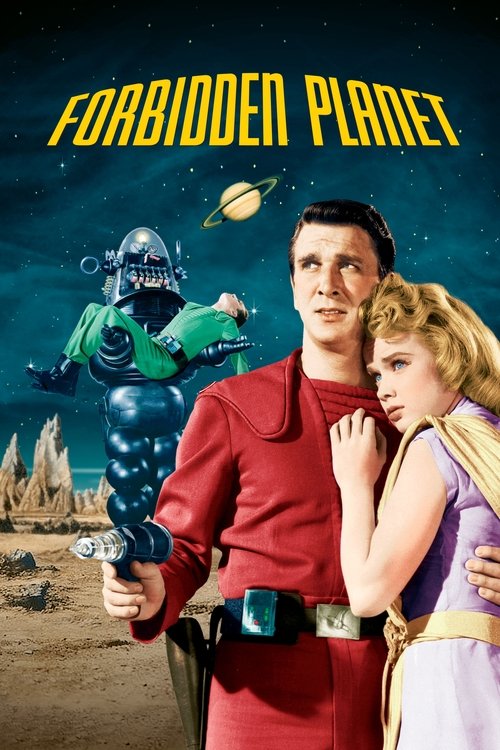
Becoming something else
Transformation and borrowed bodies on page and screen

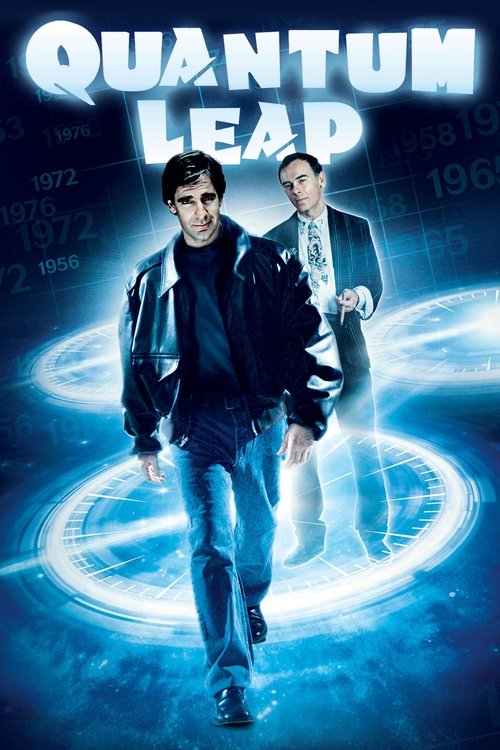

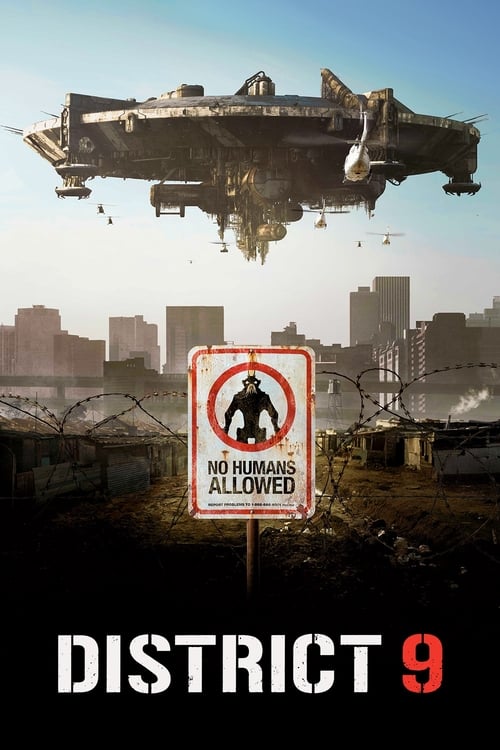
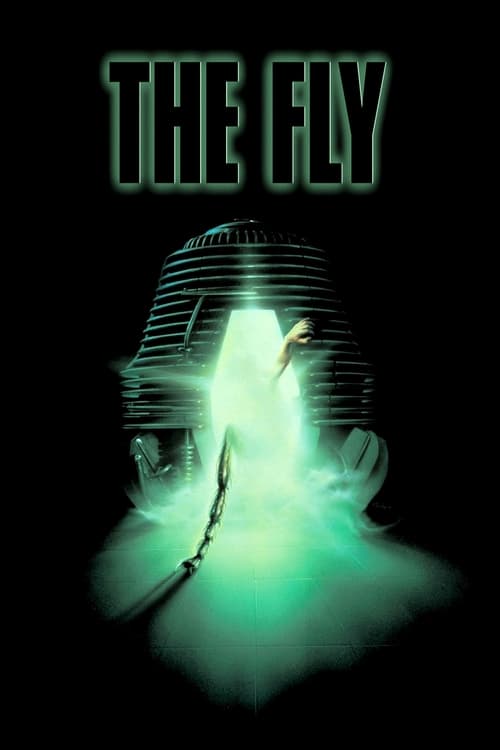





More worlds to fall into
Portal Fantasy Classics
Explore the Portal Fantasy Classics guide →Frequently asked
What is the Well World?
An artificial planet from Jack L. Chalker's saga, built by the vanished Markovian race: 1,560 hexagonal biomes, each home to a different species with its own enforced technology level, all governed by the Well of Souls computer at the planet's core. Anyone who stumbles through one of the old Markovian gates is remade as a member of a random hex's species.
In what order should I read the Well World books?
Publication order is reading order. The original saga: Midnight at the Well of Souls, Exiles at the Well of Souls, Quest for the Well of Souls, The Return of Nathan Brazil, Twilight at the Well of Souls. Then the Watchers trilogy (Echoes, Shadow, Gods of the Well of Souls) and the concluding duology (The Sea Is Full of Stars, Ghost of the Well of Souls). Midnight stands perfectly well alone if you want to taste it first.
Has the Well World ever been adapted for film, TV or games?
Never for film, television or video games. The one licensed adaptation is an obscure, long out-of-print 1985 tabletop role-playing game authorized by Chalker himself; no screen version has ever been made, which is half the reason the saga stays a word-of-mouth secret. The closest screen relatives are the artifact stories in our carousels above: Stargate's gate network, Halo's ringworlds and Farscape's body-strange menagerie.
Where should I start with Jack L. Chalker beyond the Well World?
The Identity Matrix is his tightest standalone treatment of the identity obsession. The Four Lords of the Diamond quartet (beginning with Lilith: A Snake in the Grass, then Cerberus, Charon and Medusa) runs one spy's mind through four prison worlds, and The River of Dancing Gods is his fantasy series with the same restless invention. He wrote fast and pulpy; when the premise hooks you, the pages disappear.