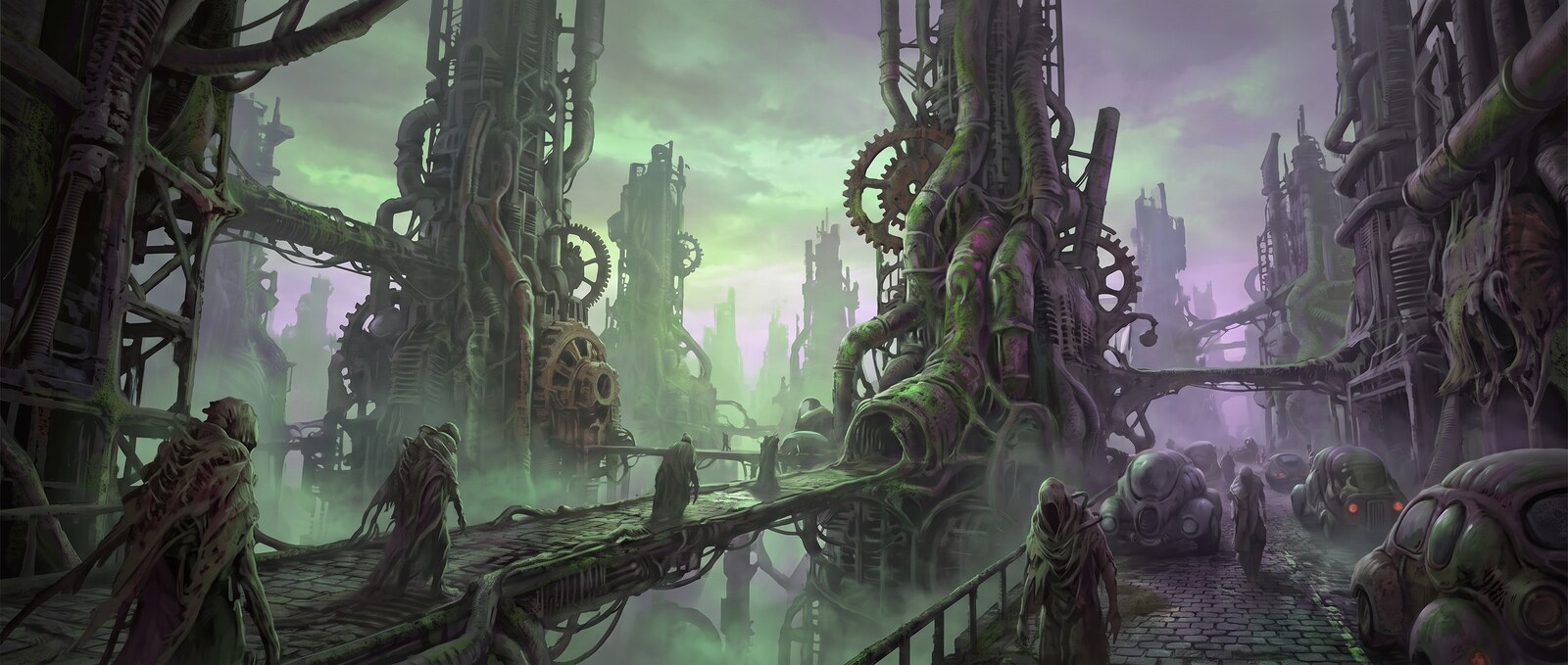

The New Weird is what happens when science fiction, fantasy and horror stop pretending to be separate genres. Emerging around 2000, it took the cosmic dread of the old weird tale and made it urban, political, grotesque and strange, trading elves and starships for impossible cities, uncanny ecologies and bodies that will not stay stable. China Mieville's Perdido Street Station gave it a manifesto and a masterpiece, Jeff VanderMeer gave it a fungal, ecological soul, and the mood has since spread to film and games like Control.
This is the complete guide across every medium: Mieville's Bas-Lag, VanderMeer's mutating worlds, the wider new-weird bookshelf, the weird cinema, the games that made the uncanny playable, David Cronenberg's body-weird, and the comics that pushed the form furthest.
The essential new weird




China Mieville's Bas-Lag and beyond


Perdido Street Station defined the New Weird
China Mieville's sprawling novel of New Crobuzon, a filthy, magnificent city of khepri and garuda and remade criminals, arrived like a detonation: a book that was fantasy, science fiction and horror at once and refused to apologize for any of it. Its grotesque invention, its political anger and its sheer imaginative density gave a scattered movement its flagship and its rulebook. After it, the boundaries between the speculative genres never looked quite so solid again.
Jeff VanderMeer's mutating worlds


The new weird bookshelf



Weird cinema
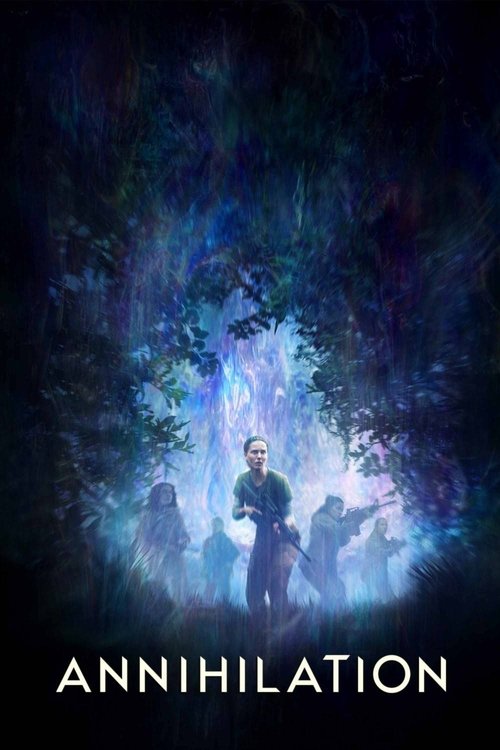
Annihilation is the uncanny at its most beautiful
Jeff VanderMeer's tale of a expedition into Area X, a stretch of coast where nature has been rewritten into something gorgeous and wrong, is the New Weird's purest expression of the sublime and the horrifying fused. It resists explanation on principle, trusting dread and wonder over answers, and Alex Garland's film adaptation translated that irreducible strangeness to the screen without blunting it. Few works make the unknowable feel this seductive.
Play the weird
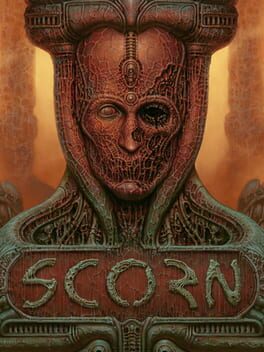
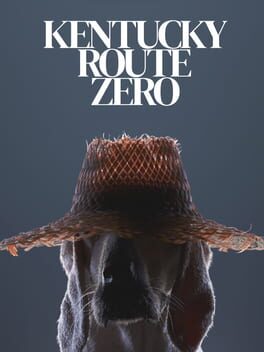
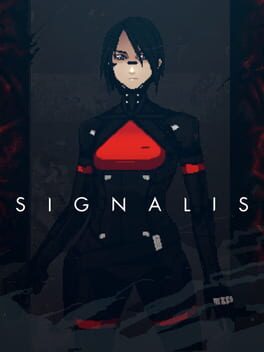
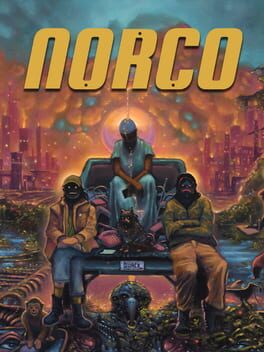
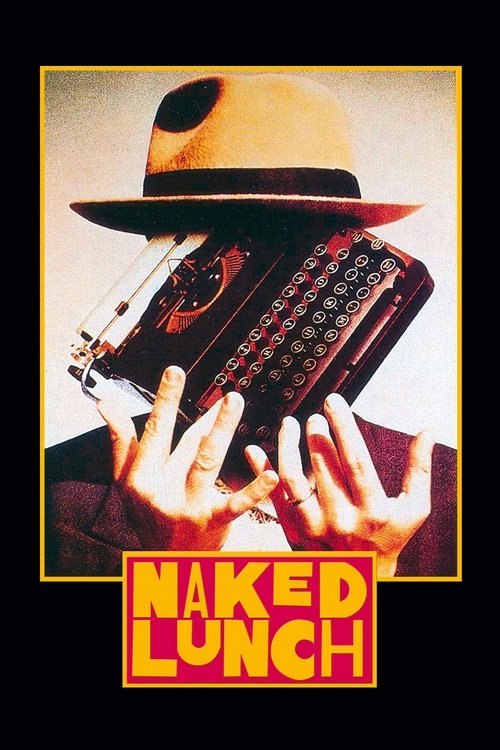
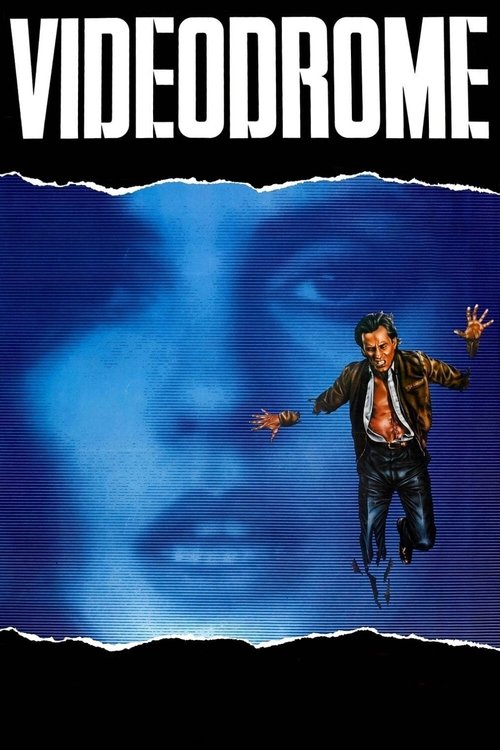
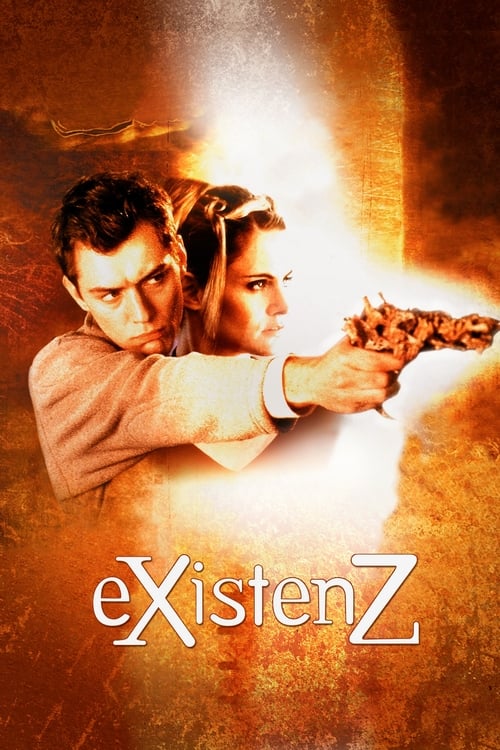
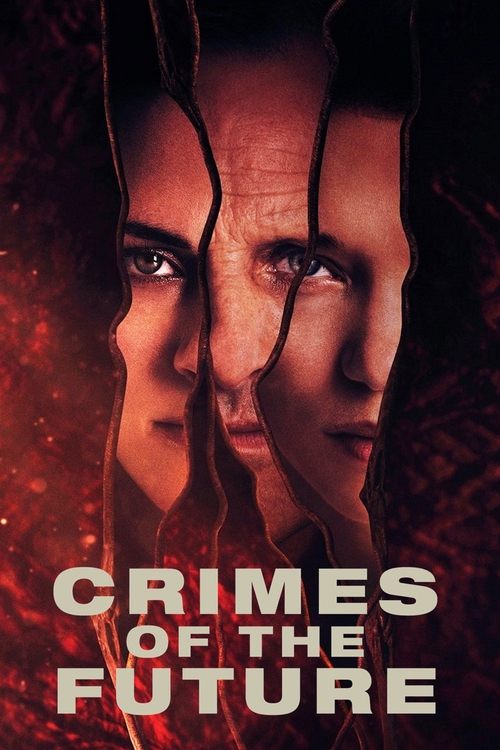
Cronenberg and the body weird

The weird on the page


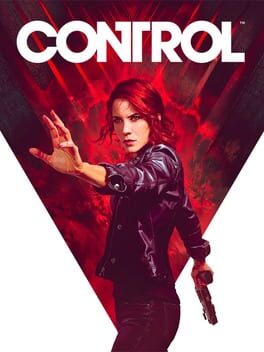
Control is the New Weird as a video game
Remedy's Control is set in the Oldest House, a shifting brutalist government building that contains impossible spaces and an invasive resonance called the Hiss, and it plays like a lovingly built homage to the whole tradition, part SCP Foundation, part Annihilation, part House of Leaves. Its bureaucratic dread, its reality-warping architecture and its refusal to fully explain itself make it the medium's finest new-weird statement. The building itself is the monster.
The timeline
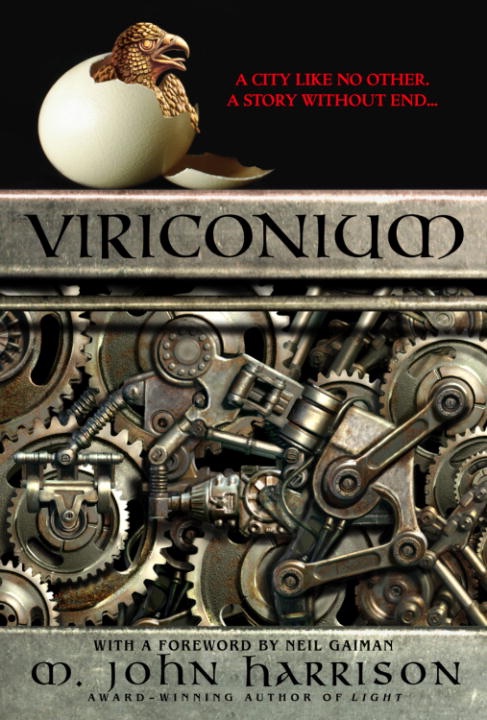
- 1971M. John Harrison begins Viriconium, a key ancestor of the New Weird. Viriconium
- 2000China Mieville's Perdido Street Station launches the New Weird movement. Perdido Street Station
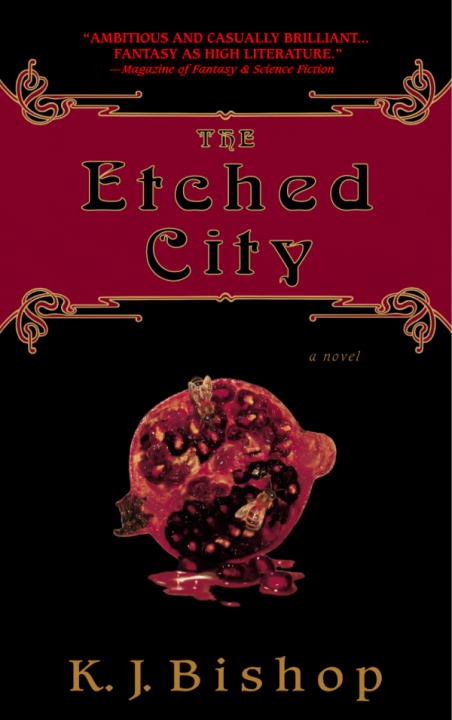
- 2002K. J. Bishop's The Etched City extends the movement's dreamlike range. The etched city
- 2009China Mieville's The City & the City wins across genre and literary awards. The City & The City
- 2014Jeff VanderMeer's Annihilation redefines the weird as ecological dread. Annihilation
- 2018Alex Garland's Annihilation carries the New Weird to cinema. Annihilation
- 2019Remedy's Control makes the New Weird a playable experience. Control
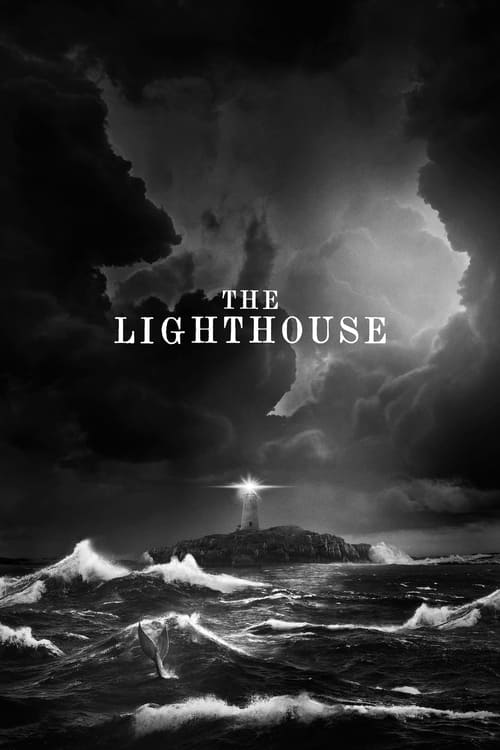
The Lighthouse shows how weird mainstream film can get
Robert Eggers's stark black-and-white two-hander about lighthouse keepers descending into madness, myth and drink is weird fiction by any measure: unstable reality, folkloric horror, bodies and minds coming apart, all rendered with hypnotic craft. That a film this strange found a wide audience shows how far the uncanny has crept into the mainstream. It is proof the New Weird sensibility now belongs to cinema as much as to the page.
The weird visionaries
Keep exploring
Cosmic Horror
Explore the Cosmic Horror guide →Frequently asked
What is the New Weird?
The New Weird is a literary movement that emerged around 2000, blending science fiction, fantasy and horror into fiction that is deliberately strange, transgressive and hard to classify. It favors impossible cities, grotesque bodies, uncanny ecologies and a refusal of clean genre boundaries or tidy explanations. China Mieville, Jeff VanderMeer, K.J. Bishop and M. John Harrison are central figures.
How is the New Weird different from cosmic horror?
Cosmic horror (the old weird, rooted in Lovecraft) centers on humanity's insignificance before vast, unknowable forces. The New Weird inherits that dread but is more urban, political, embodied and genre-fluid: it is as interested in strange cities, mutated ecologies and transgressive bodies as in cosmic terror, and it often trades horror's despair for a mix of wonder and unease.
Who coined the term New Weird?
The term was popularized in the early 2000s, notably in a 2003 online discussion sparked by writer M. John Harrison, and cemented by the 2008 anthology The New Weird edited by Ann and Jeff VanderMeer. It named a sensibility that writers like China Mieville had already been producing, drawing a line from the old pulp weird tale to a new, boundary-dissolving movement.
Where should I start with the New Weird?
China Mieville's Perdido Street Station is the flagship novel, and his The City & the City a more accessible entry. Jeff VanderMeer's Annihilation is short, brilliant and widely adapted. For the mood in other media, Alex Garland's Annihilation film, Remedy's game Control, and the films of David Cronenberg and Robert Eggers.