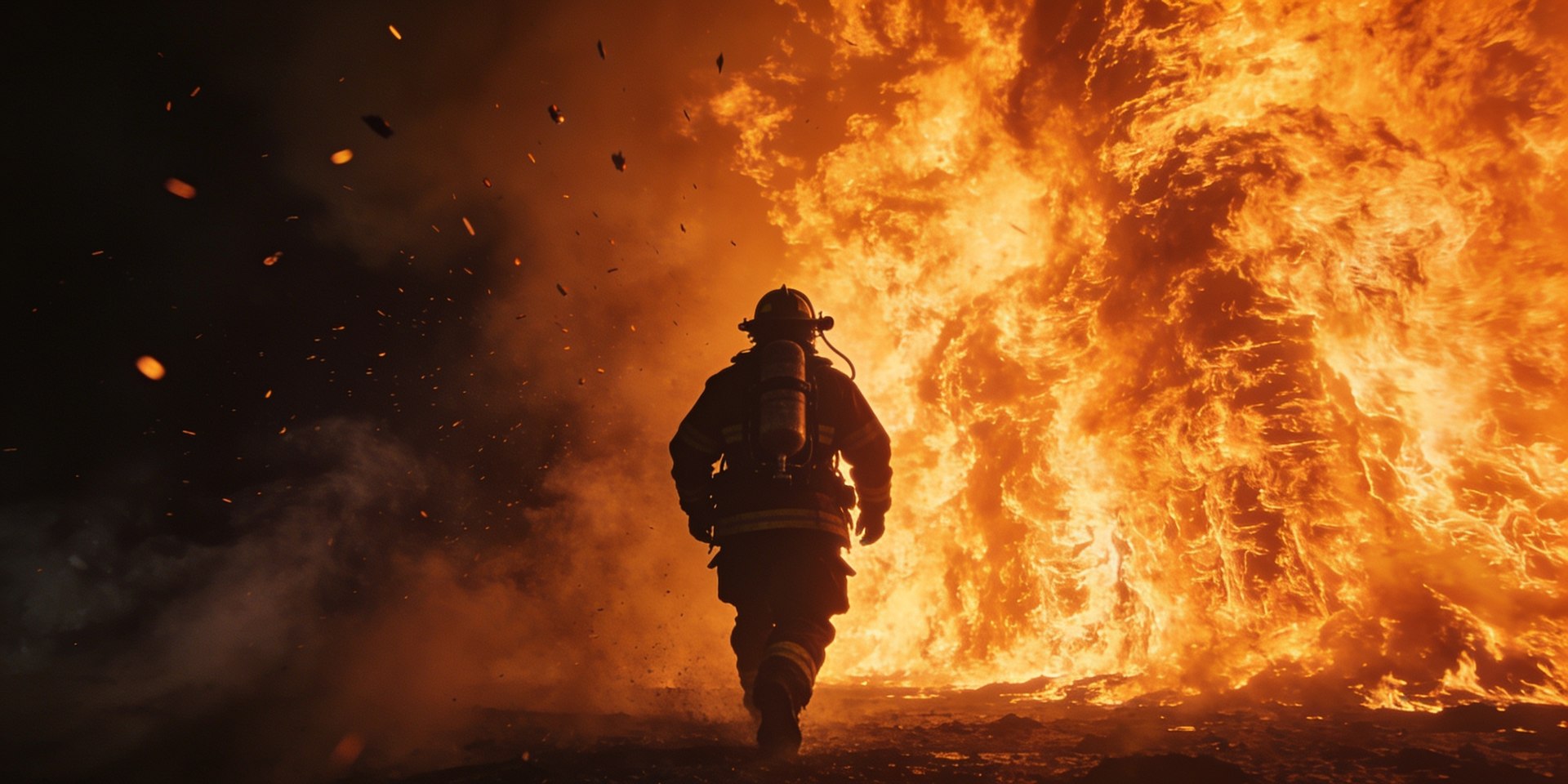

There is a particular kind of courage that the rest of us only have to imagine. The alarm sounds, the truck rolls out, and a handful of people drive directly into the thing that everyone on the sidewalk is fleeing. Firefighters, paramedics, dispatchers, the cop who is first through the door: they share a job description that begins where most survival instincts end. The story almost writes itself, which is exactly why it is so easy to get wrong. Hero worship flattens it. The good versions know that the heroism is the boring part, and the real drama is the cost: the marriages that buckle, the calls you cannot un-see, the long stretches of card games and bad coffee between the moments that define a career.
This is a genre that lives across every medium. Hollywood loves the spectacle of fire, and the best firefighting films treat the flame as a character with its own physics and malice. Television, with its endless hours, is better suited to the truth of the work: the ensemble, the firehouse as a second family, the slow erosion of the people inside it. Games put you in the boots, hose in hand or headset on, making the triage decisions in real time. And the books, often written by the responders themselves, carry the part the cameras never reach: what it actually feels like to crawl down a smoke-filled hallway when you cannot see your own glove.
Essential firefighters and first responders
The canon: the flame, the firehouse and the people who answer the call
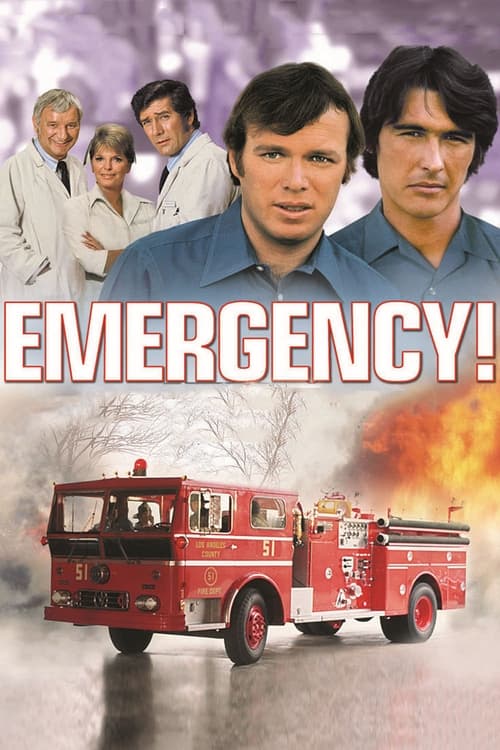


Backdraft is still the one to beat
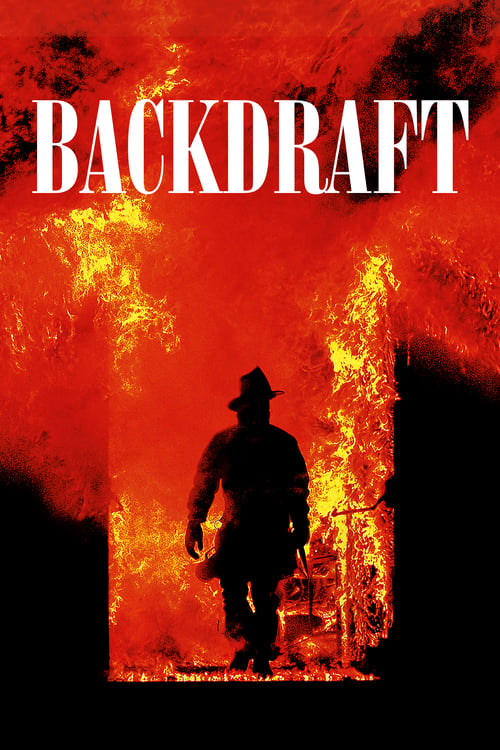
Ron Howard's Backdraft (1991) put fire on screen in a way nobody had managed before and few have matched since. The trick was to stop treating flame as a backdrop and start treating it as a predator. The film's pyrotechnics team built real fire and shot it close, so the flames seem to think, to stalk, to wait at the top of a stairwell for the moment you let your guard down. That is genuinely how veterans describe it, and the film earns the respect of the people it depicts.
The brother melodrama between Kurt Russell and William Baldwin is broad, and the arson subplot is pure thriller machinery. None of that matters once the building is burning. Backdraft understood that the audience came to feel the heat, and it delivered the most convincing fire in the history of the genre. Everything after it, on screen or in a game, is measured against this.
Into the flames: firefighting on film
Wildfire crews, high-rise infernos and the men who walk in
Only the Brave and the price of the job
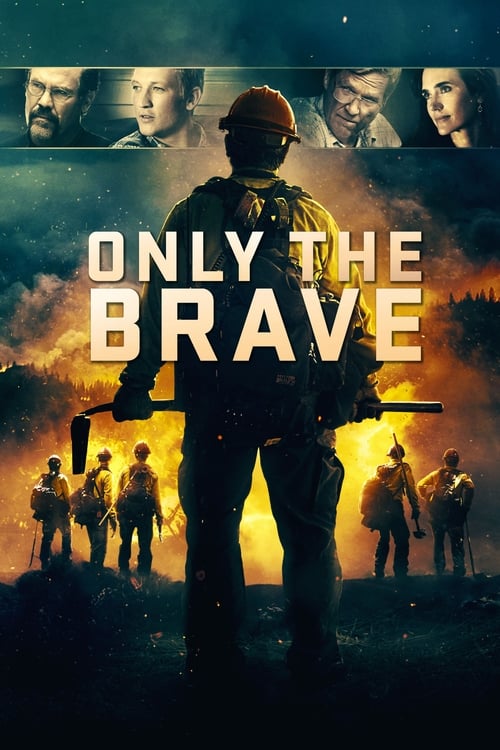
The wildfire film is its own subgenre now, and Only the Brave (2017) is the one that takes it seriously. It tells the story of the Granite Mountain Hotshots, an elite wildland crew out of Prescott, Arizona, and it refuses the easy shape of a triumph narrative. For most of its running time it is a workplace drama about certification, about a crew earning the right to cut their own fire line, about the family lives that the season swallows whole. The fire, when it finally turns, is rendered without spectacle for its own sake.
What makes it essential is that it does not look away from the ending. This is a true story, and the film honors the men by telling the truth about what happened to them. It is the rare disaster movie that leaves you grieving rather than thrilled, which is the correct response to the work it depicts.
When the disaster is the whole story
Earthquakes, blowouts and storms that summon every responder at once
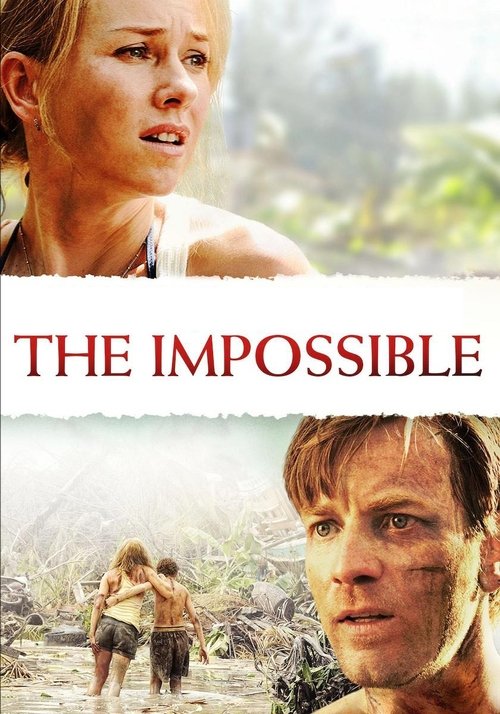
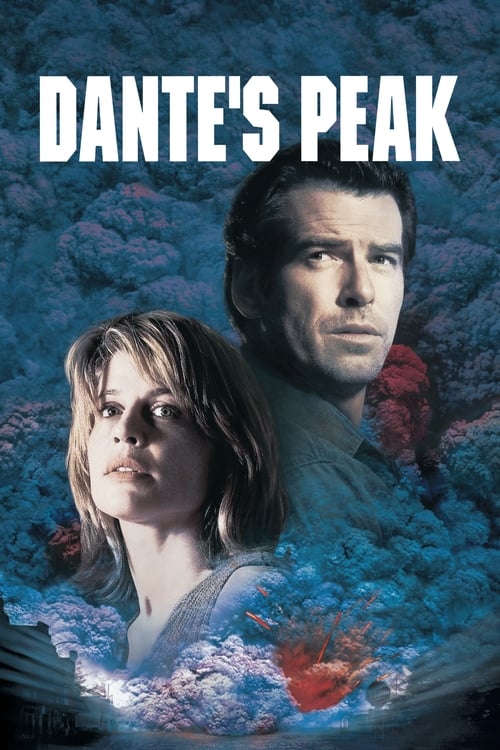
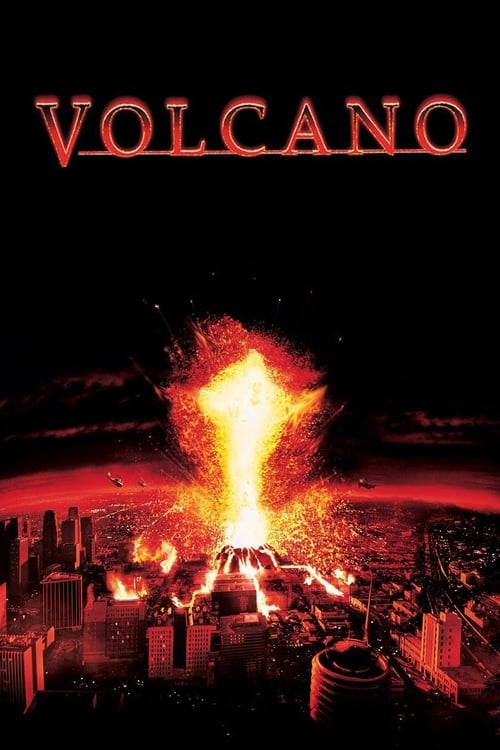
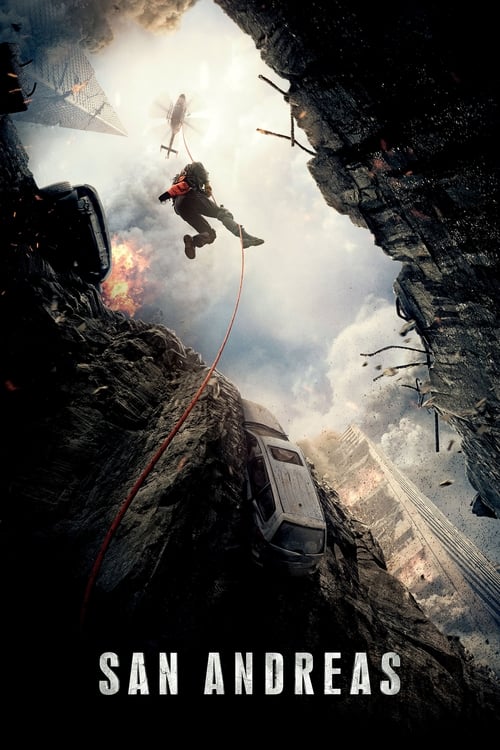
Chicago Fire built the modern firehouse drama
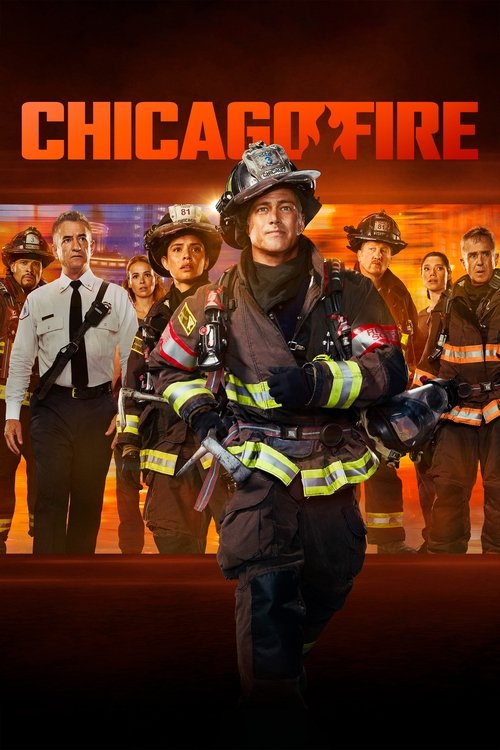
Dick Wolf's Chicago Fire is now well over two hundred episodes deep, and that longevity is the point. A two-hour film can give you a single catastrophic night. A series running this long can give you the actual texture of a career: the rookie who becomes a lieutenant, the divorces, the funerals, the slow accumulation of calls that change a person. Firehouse 51 works because it commits to the ensemble. Truck and squad and the ambulance crew each have their own logic, and the show respects the distinctions between rescue, suppression and medical work that lesser dramas blur.
It also spawned an entire shared universe, with Station 19 over at ABC running a parallel experiment on the West Coast. Together they have made the firehouse the new precinct, the default setting for the working-life ensemble drama. Chicago Fire got there first and does it best.
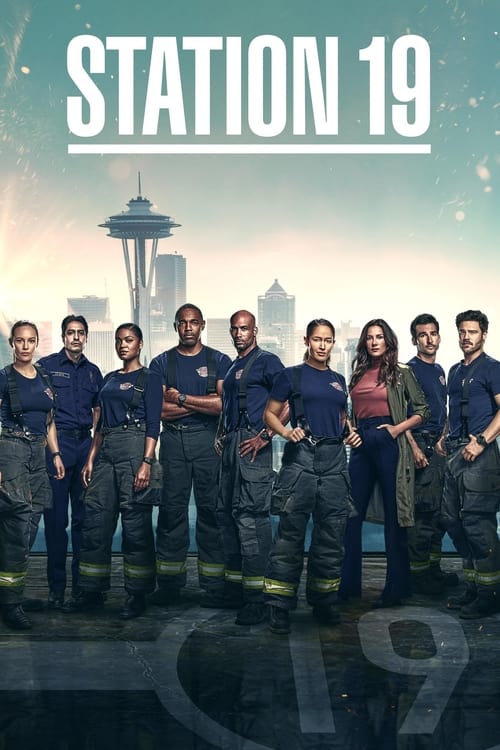
The firehouse on television
Ensembles, second families and the long shift across decades of TV
Rescue Me told the truth the others would not
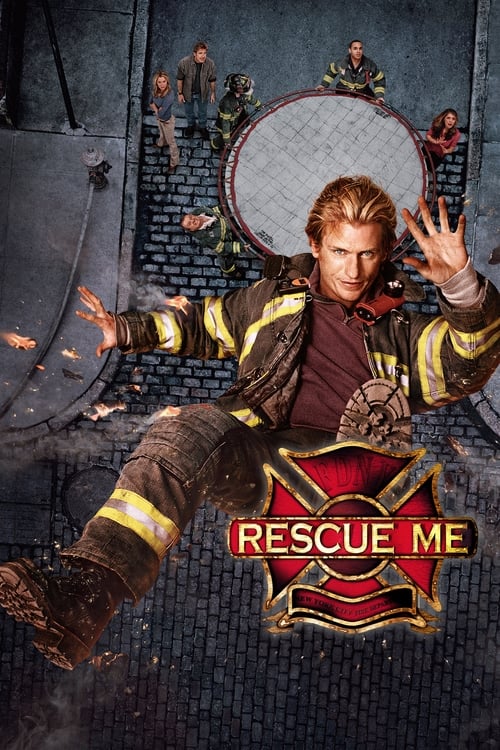
Denis Leary's Rescue Me ran for seven seasons and remains the bleakest, funniest and most honest thing the genre has produced for the small screen. It is set among New York firefighters in the long shadow of September 11, and it refuses to let its hero be heroic. Tommy Gallagher is an alcoholic haunted by the dead, a man whose courage on the job is inseparable from the wreckage he makes of every private relationship. The show is openly about post-traumatic stress before that conversation went mainstream, and it dramatizes the firehouse coping mechanisms (the gallows humor, the drinking, the denial) without excusing them.
It is uneven and frequently abrasive, and that is the price of its honesty. No other firehouse show has been willing to make its protagonist this hard to love. Rescue Me understood that the job does not only ask people to run into fire. It asks them to carry what they find there for the rest of their lives.
On the rig: paramedics and the streets
The ambulance crews and patrol cops who answer the same alarms

The firefighter does not run toward the fire because he is unafraid. He runs because someone has to, and today it is his turn.The principle every honest entry in this genre eventually arrives at
The books written from inside the smoke
The page is where this genre gets closest to the bone, often because the authors did the job themselves. Dennis Smith's Report from Engine Co. 82 (1972) is the foundational text: a New York firefighter writing plainly about a single engine company in the South Bronx during the years it was burning, with no hero music and no distance from the work. It set the template for every responder memoir since.
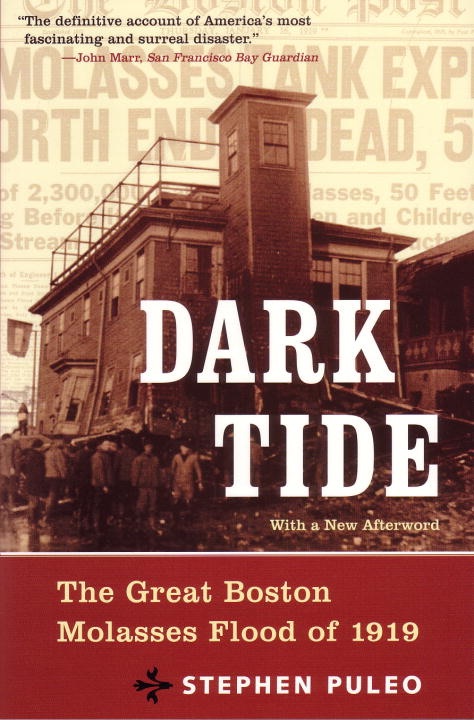
Norman Maclean's Young Men and Fire is the masterpiece, a book the author spent decades on and did not live to finish. It reconstructs the 1949 Mann Gulch fire in Montana, where thirteen smokejumpers died when a routine blaze blew up around them, and it turns the investigation into a meditation on death, on how fire moves, and on what we owe the people we send into it. Elsewhere the genre stretches: Stephen Puleo's Dark Tide recovers the bizarre 1919 Boston molasses flood and the chaotic rescue that followed, and 102 Minutes gives a minute-by-minute account of the people inside the towers on September 11. Ray Bradbury's Fahrenheit 451 inverts the whole idea, imagining firemen whose job is to start the fires, a reminder of how completely we trust the people we hand a hose.
First responders on the page
Memoirs from the rig, the Mann Gulch tragedy and the firemen who burn books



The dispatch desk is the most stressful seat in the genre
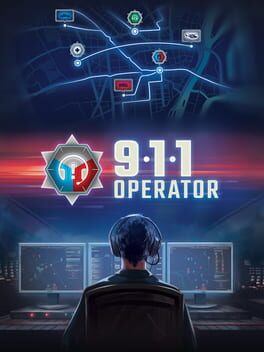
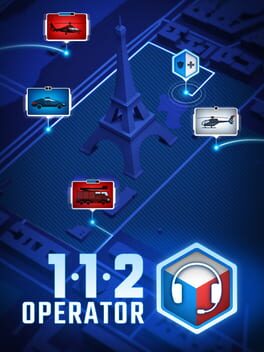
Games are the one medium that can put you in the chair and make you feel the weight of the decision. 911 Operator and its successor 112 Operator hand you an entire city's emergency lines and let you discover, the hard way, that you cannot send units everywhere at once. A heart attack, a structure fire and a traffic pileup come in at the same minute, and you have three crews. The game does not let you win every call. It teaches the lesson that no film about a single hero can: that the work is mostly triage, and triage means choosing who waits.
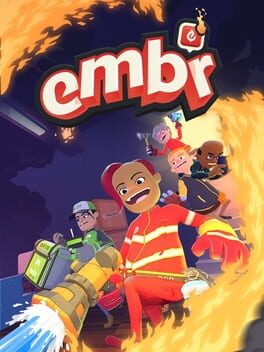
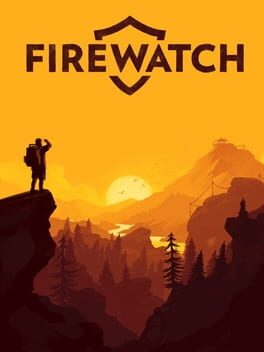
For the boots-on-the-ground version there is Embr, which plays the job for chaos and comedy with a gig-economy gloss, and Firewatch, which is not a firefighting game at all but the most atmospheric thing on this list, a lonely summer in a Wyoming lookout tower watching for the first wisp of smoke. Between them they cover the two halves of the work: the frantic response and the long, anxious watch that precedes it.
Answer the call: games on the line
Dispatch the units, grab the hose, watch for the first smoke
The big ones: catastrophe and the response
When a single building, tower or coastline tests every system at once