
The scariest monster is the one that does not need to be clever. A shark has to find you. A ghost has to haunt one house. A swarm has no such limits. It is already everywhere, it does not negotiate, and it cannot be reasoned with or even properly counted. The horror of the swarm is the horror of being outnumbered by something that does not know it is your enemy. The rats in the walls, the locusts blotting out the harvest, the ants moving through the jungle in a column a mile wide: these are not villains. They are weather with appetite.
This is also the oldest dread we have. Long before zombies or aliens, the plagues of Egypt were swarms. The medieval world watched the Black Death ride into town on the back of a flea, and the genre has never really left that memory behind. What unites a 1950s desert ant picture, a French strategy game about a colony, and a literary novel narrated from inside the hive is the same uneasy idea: the planet is mostly insects and rodents, we are heavily outnumbered, and our position at the top is a polite fiction the small things have agreed not to question. Yet.
Essential killer swarms
The canon of crawling, swarming dread across every medium

A Plague Tale is the rat swarm finally done right
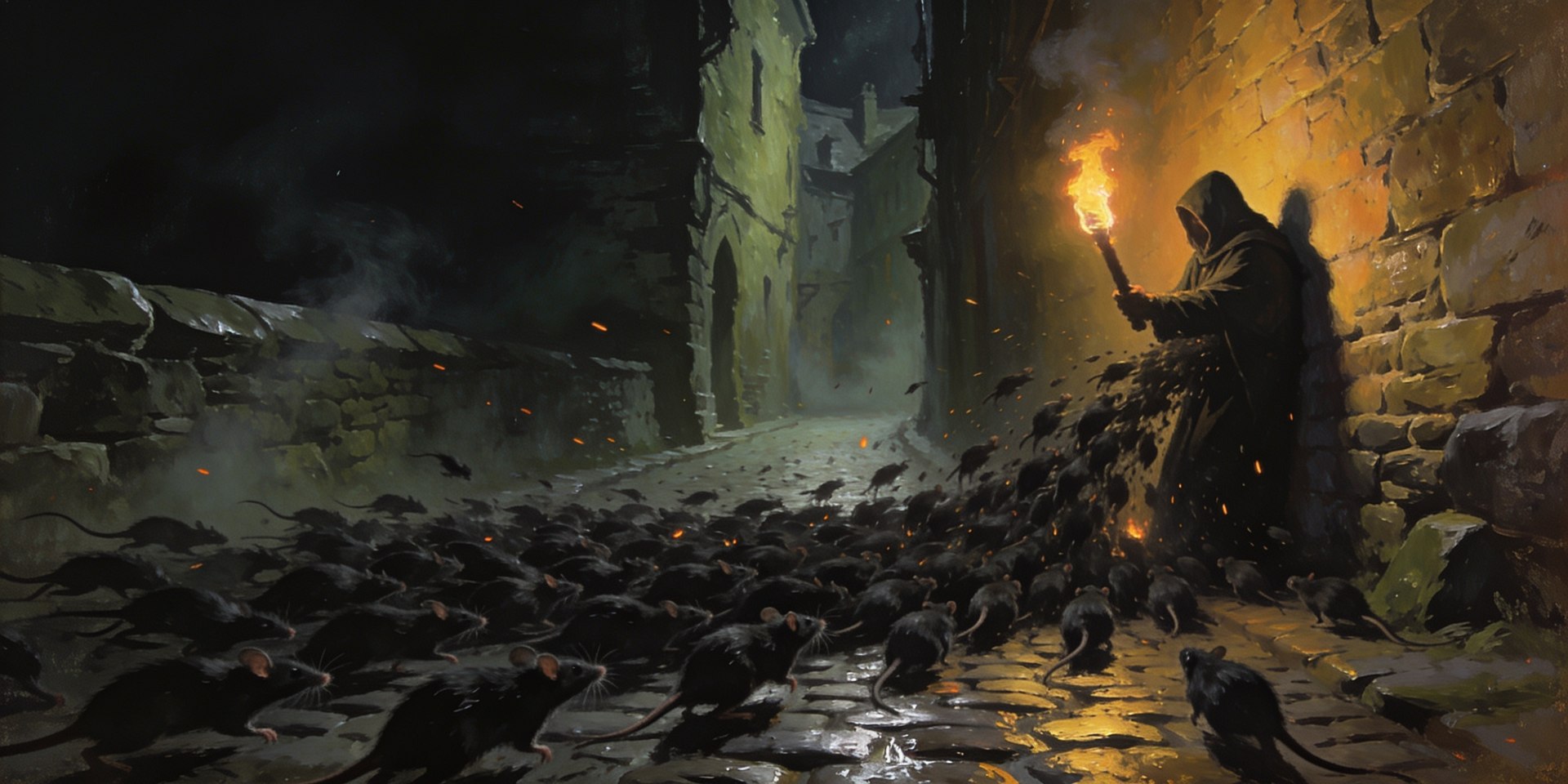
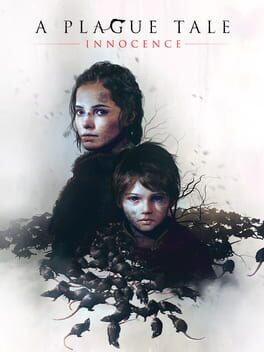
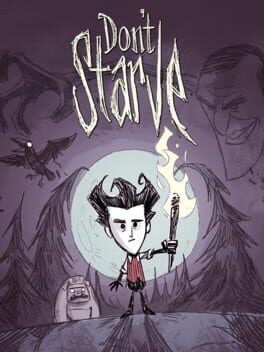
Games can render a swarm in a way film never quite manages, because film has to fake the number and a game can simply spawn it. Asobo's A Plague Tale: Innocence puts hundreds of thousands of rats on screen at once, a black liquid tide that pours through 14th-century France and strips a body to bone in seconds. The genius is the rule it builds the whole game around: rats fear fire and flee the light, so a single torch is the difference between a safe path and being swallowed. You spend the game managing illumination across a moving sea of teeth, and the dread is mechanical, not cosmetic.
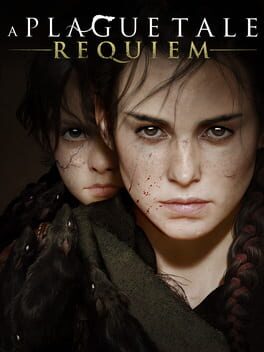
A Plague Tale: Requiem scales the horror up to waves that can lift and carry a wagon, and it never loses the intimacy of two children trying not to be eaten. Together the two games are the best argument anyone has made that the rat swarm belongs to interactive media now. You do not watch the plague. You stay one step ahead of it, or you do not.
Nature turns on us: the swarm on film
Ants, birds, spiders and worms from the drive-in era to now
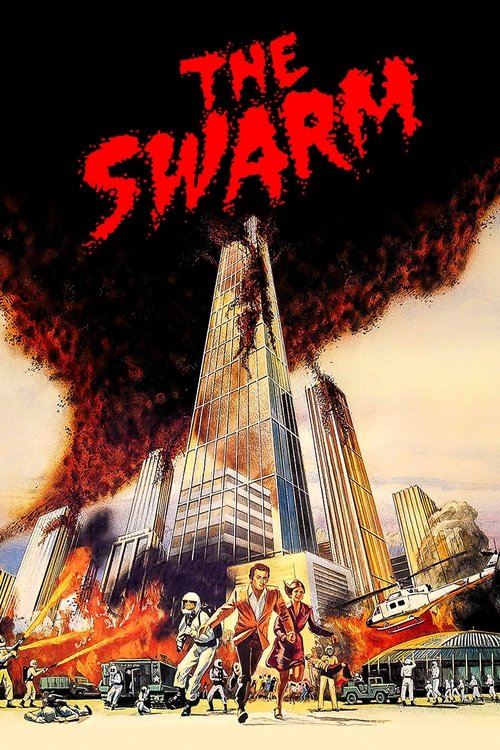
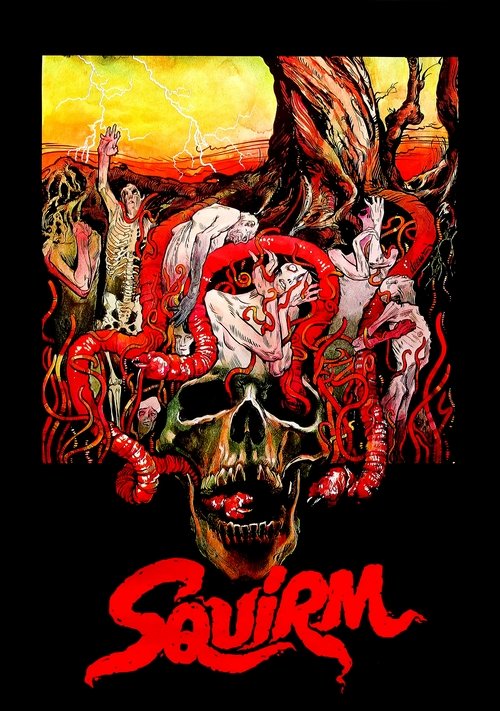
The bug that started a genre
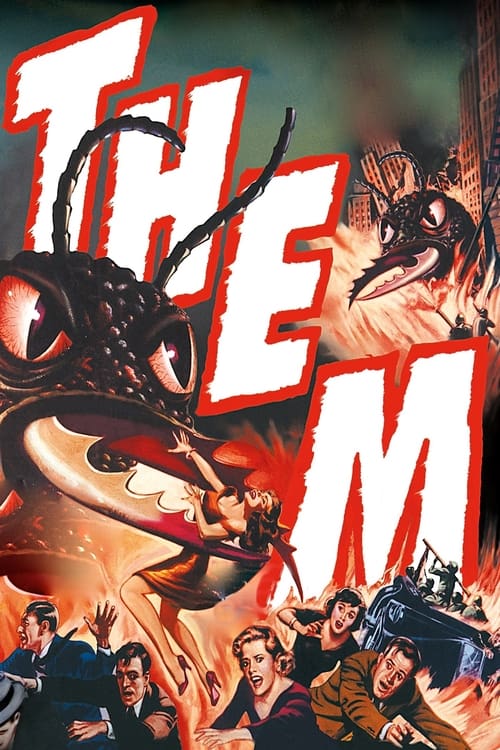
Them! arrived in 1954 and quietly invented the modern creature feature. Giant ants, mutated by atomic testing in the New Mexico desert, march out of the sand toward Los Angeles, and the film treats them with the procedural seriousness of a police drama. There are no winks. The famous opening, a child wandering the desert in catatonic shock, sets a tone the cheap imitators that followed could never reach. What makes Them! endure is that it understood the swarm as a logistics problem: you do not fight an ant colony, you find the queen, and the dread is in the search.
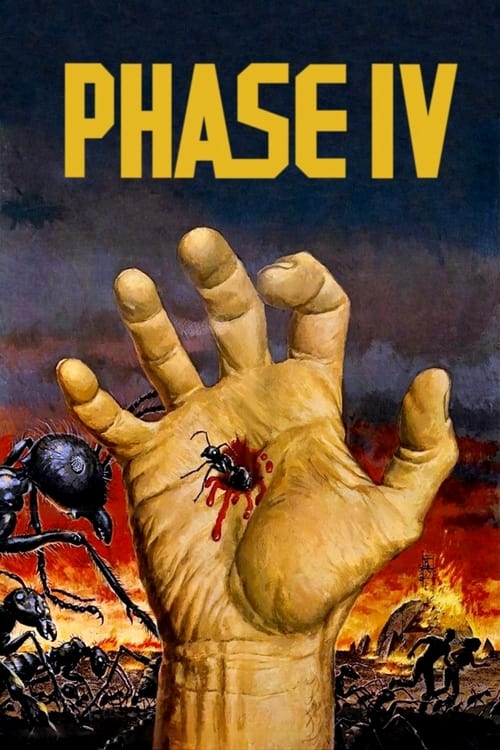
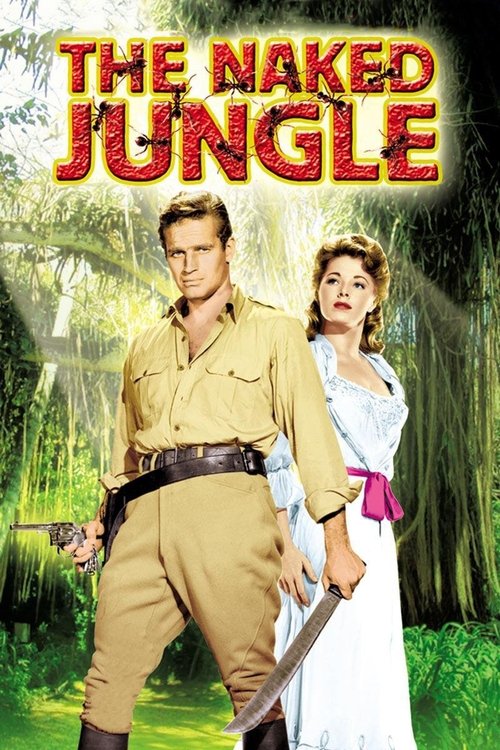
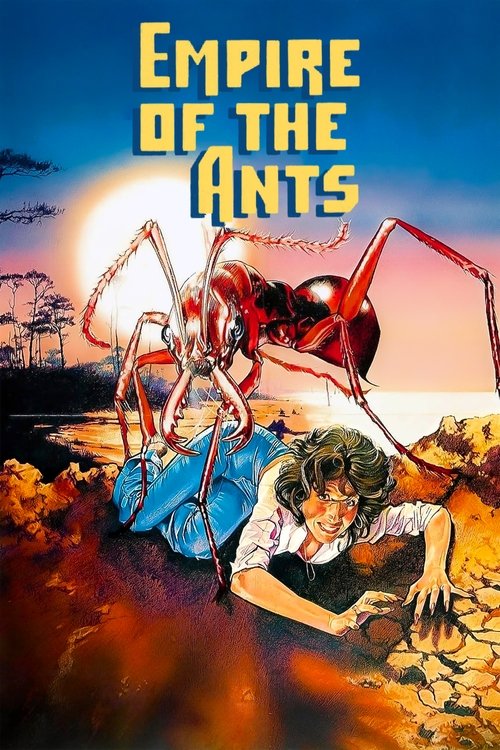
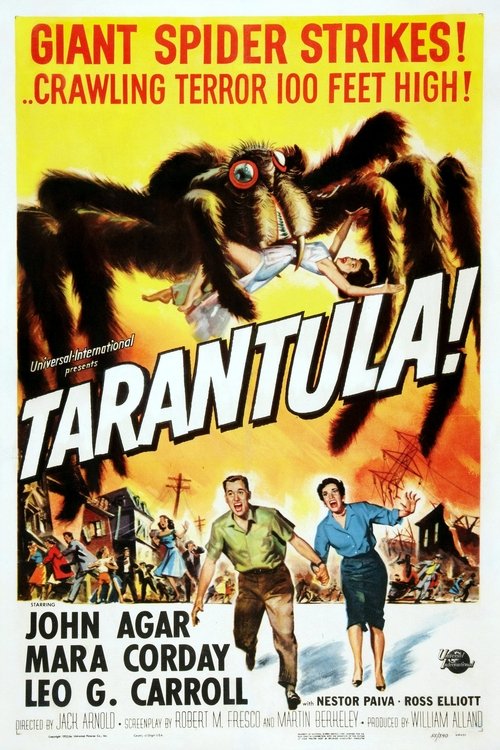
Everything in the bug-horror tradition descends from it. Phase IV (1974) is the art-film version, a desert-set chamber piece where the ants are not giant but coordinated, an intelligence operating at colony scale that humans cannot comprehend in time. Tarantula and The Deadly Mantis took the formula straight; Empire of the Ants and The Naked Jungle gave us the marabunta, the real-world army-ant column that needs no atomic excuse to be terrifying.
Colonies and hives to command
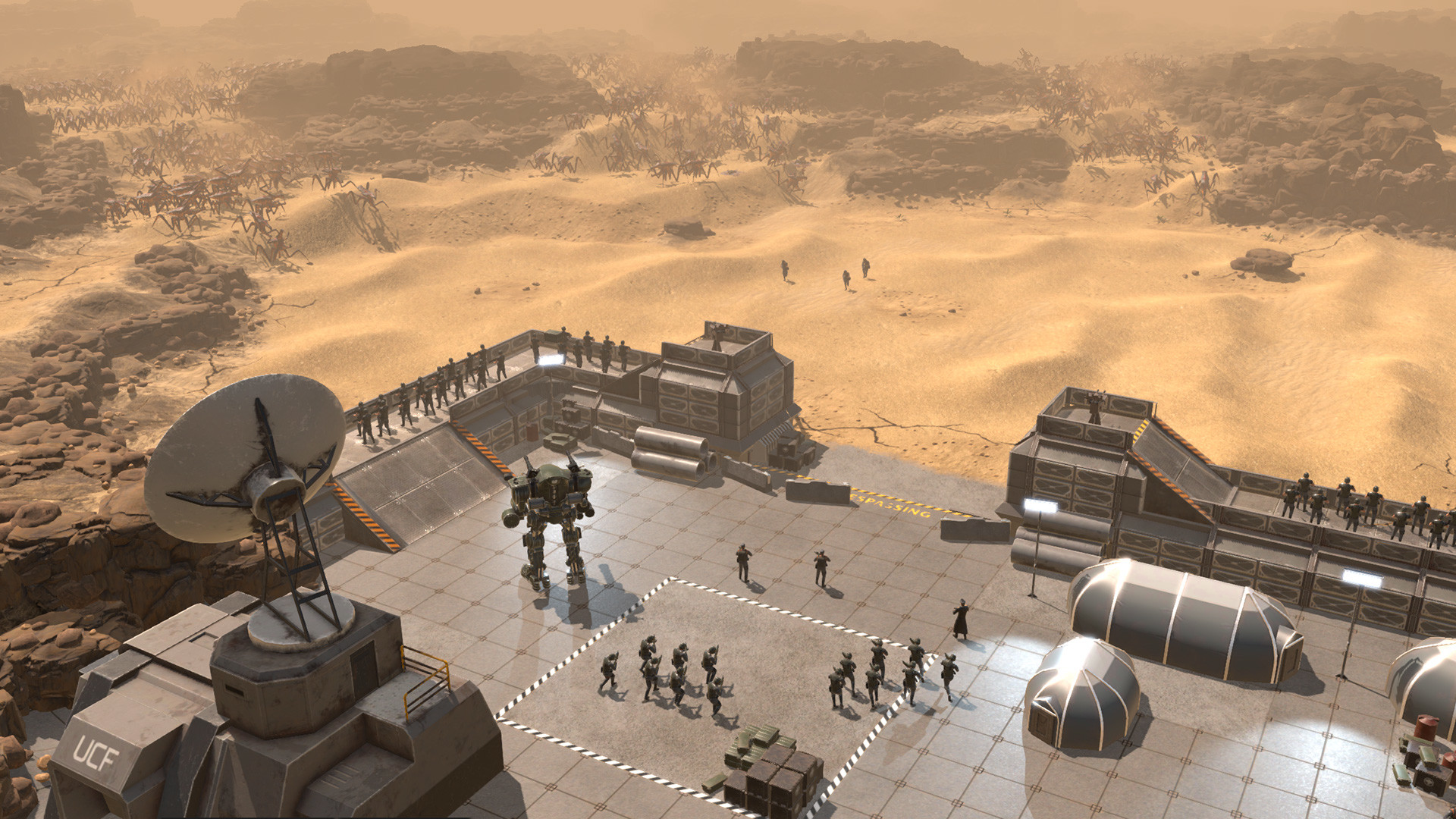
The swarm as a system you fight, farm or feed in games
The Birds is still the masterclass, and it is about something
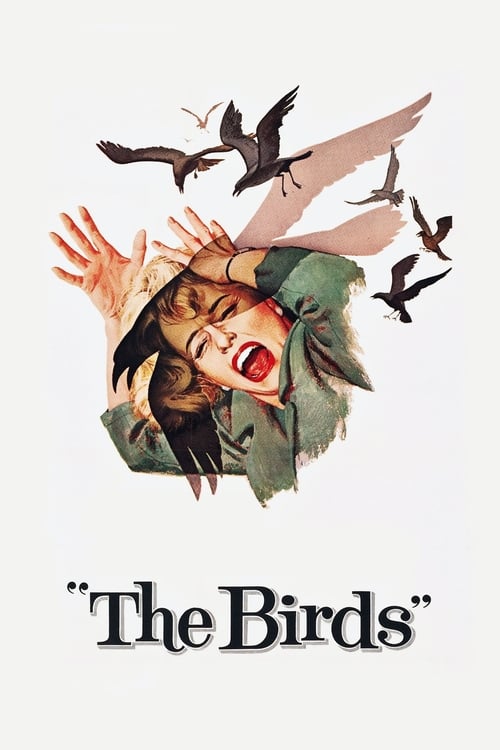
Hitchcock never explains why the birds of Bodega Bay begin to gather, organize and attack, and that refusal is the whole film. The Birds (1963) takes the most harmless creatures imaginable, the sparrows and gulls we feed in parks, and turns ordinary numbers into terror without a single monster design. The gas-station fire seen from above, the slow accumulation of crows on the schoolyard climbing frame, the attic sequence that left Tippi Hedren genuinely injured: these work because birds are real and everywhere, and the film only asks you to imagine them deciding.
Daphne du Maurier wrote the original short story as something colder and more apocalyptic, set on a wind-battered Cornish farm with the attacks tied to a shifting east wind. The two versions make a perfect pair: the page gives you dread and a closing radio silence, the screen gives you the swarm made visible. Neither tells you why, because the why is not the point. The point is that the count was never in our favor.

The swarm on the page
Du Maurier, Werber and the novels that crawl


Empire of the Ants, from the colony's side
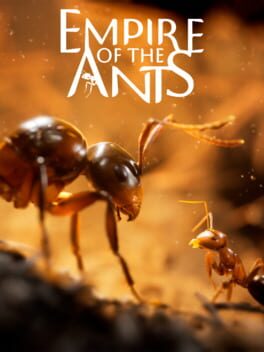
Most swarm stories stand outside the swarm and shudder. Bernard Werber's Empire of the Ants does the harder thing: it puts you inside it. The 1991 French bestseller braids a human mystery in a Paris apartment with long passages narrated from the perspective of a single ant colony, rendering chemical communication, war, agriculture and caste as a civilization every bit as complex as ours and far older. It is the rare book that makes you feel the swarm not as a wave of teeth but as a society you happen to be standing on.
The novel was adapted into a striking French strategy game in 2024 that drops the camera to grass level and lets you run the colony as a living network. Read alongside The Hatching, Ezekiel Boone's pacy thriller about an ancient species of flesh-eating spider waking up worldwide, and Jack London's century-old plague novella The Scarlet Plague, you get the full range of the literary swarm: the colony as kingdom, the swarm as global catastrophe, and the quiet horror of a world where the small things simply outlast us.
The swarm comes to television
Limited series and small-screen infestations
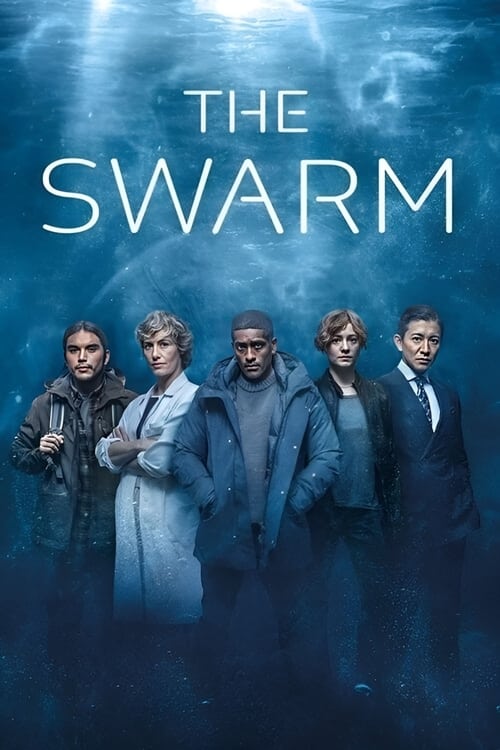
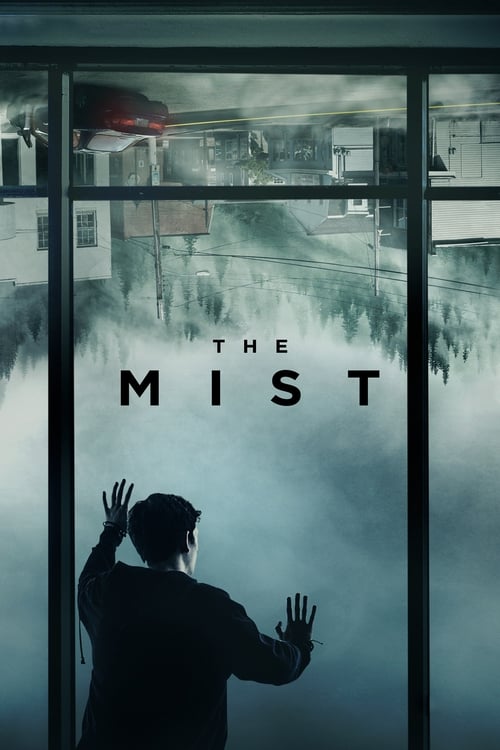
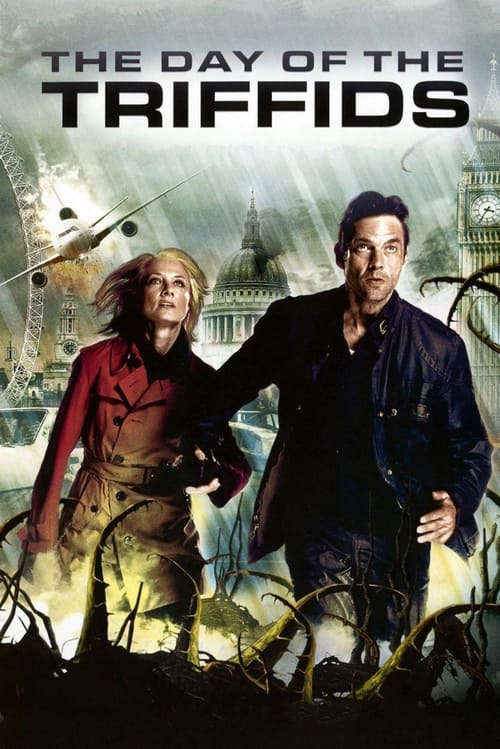
They were forty feet long and weighed twenty tons. And there were thousands of them.The promise of every swarm picture: the danger is not the size of the thing, it is the size of the number.
Arachnophobia knew exactly how scared you already were
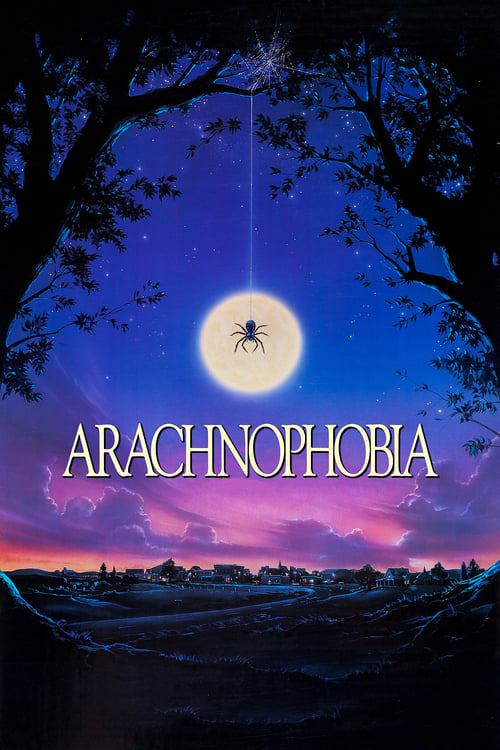
Most swarm horror has to convince you the threat is real. Arachnophobia (1990) had it easy, because a large share of the audience walked in already terrified of the monster. Frank Marshall's film is smart enough to lean on that, building most of its scares from the simple fact of a spider where a spider should not be: in the shower drain, under the toilet lid, inside the lampshade, scuttling across the breakfast table. A lethal South American species hitchhikes to a small California town and breeds, and the film treats the resulting infestation as both genuinely frightening and quietly funny, which is the only honest way to handle a fear this universal.
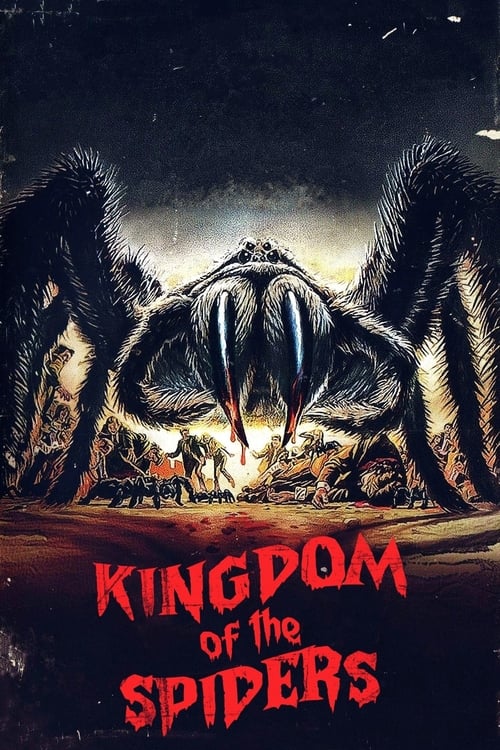
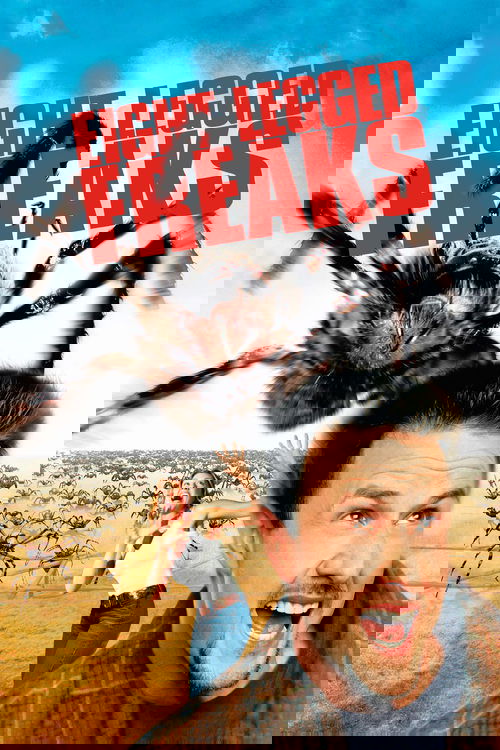
It sits in a long line of legs-everywhere pictures, from the giant Tarantula and Kingdom of the Spiders to the affectionate B-movie tribute Eight Legged Freaks. None of them work without the prior fear they all exploit. The spider swarm is the one creature feature where the casting was finished before the movie started, because the audience has been rehearsing the scream since childhood.
When the small things win: catastrophe and infestation
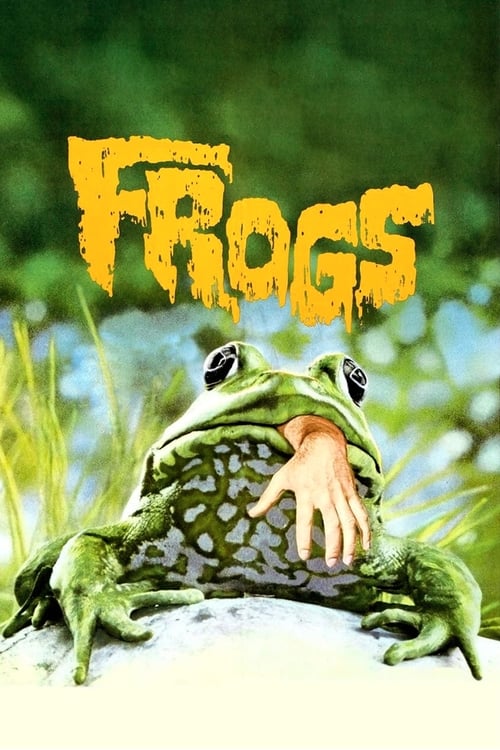
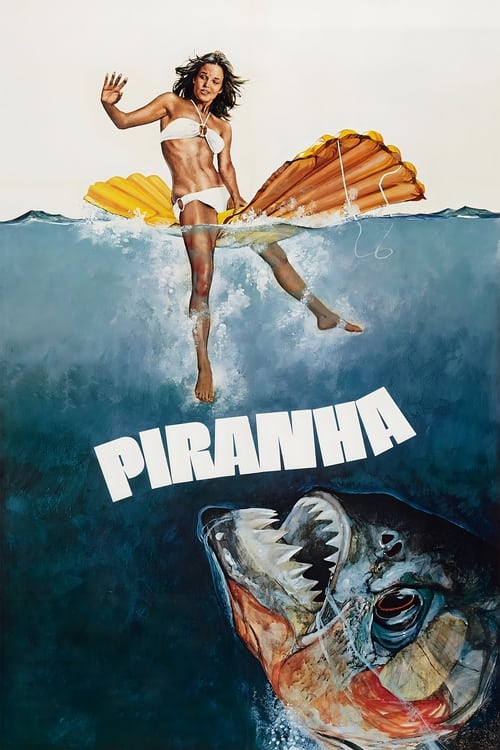
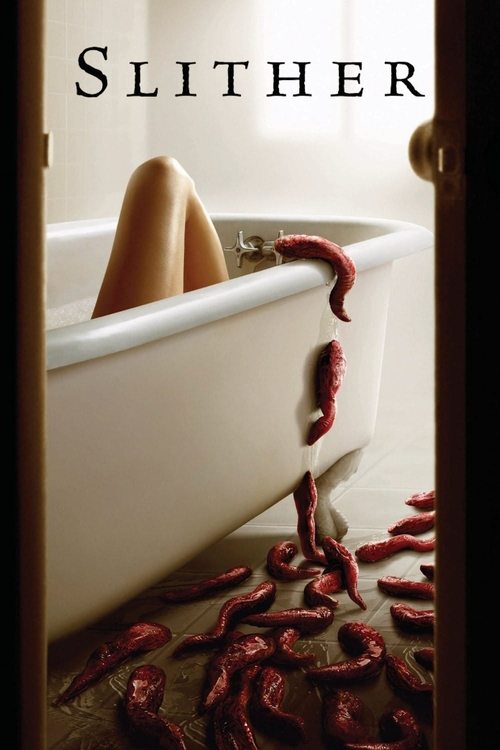
Worms, frogs, fish and the slow tide that overruns a town

Willard, and the rat as an act of revenge
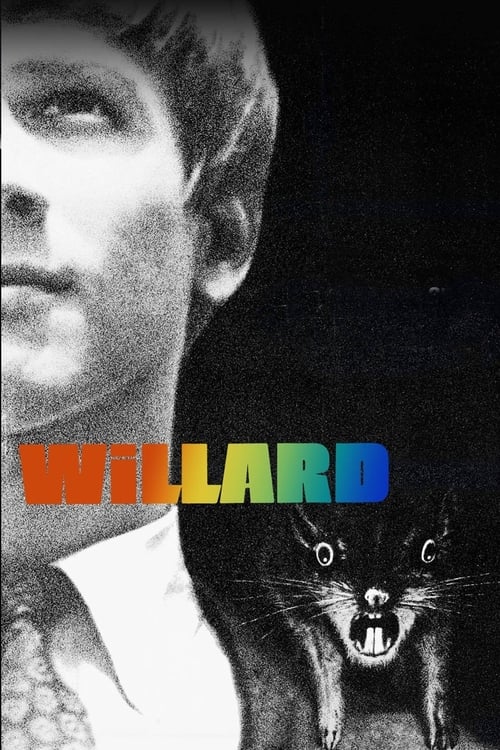
Not every swarm is an accident of nature. Willard (1971) gives the rats a master, a lonely, bullied young man who trains the colony in his basement and turns it on the people who humiliated him. The film, and the Stephen Gilbert novel Ratman's Notebooks behind it, understands something the desert-ant pictures miss: the rat carries centuries of moral weight. It is the animal of plague, of betrayal, of the thing that survives in the dark beneath the floor of civilization. When Willard loses control of his pets, the horror is not that rats are scary. It is that he became one.
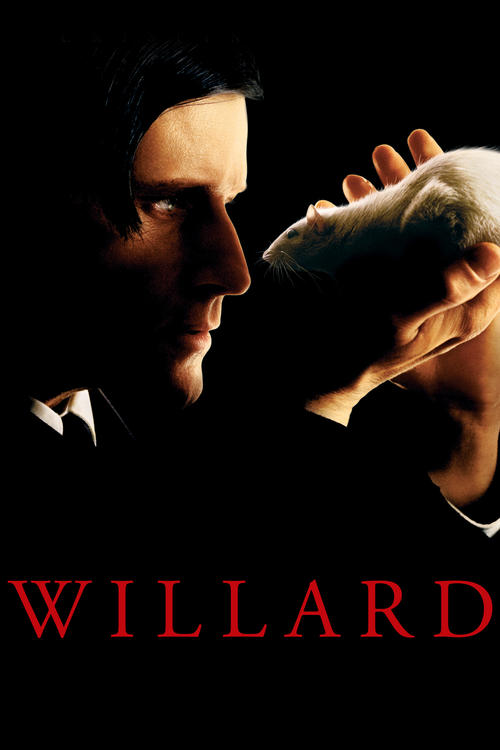
The 2003 remake with Crispin Glover leans harder into that reading, making the relationship between the boy and the lead rat almost tender before it curdles. Both versions belong to the same tradition as A Plague Tale: the rat swarm as the return of everything we tried to push underground. It does not stay buried. It never has.