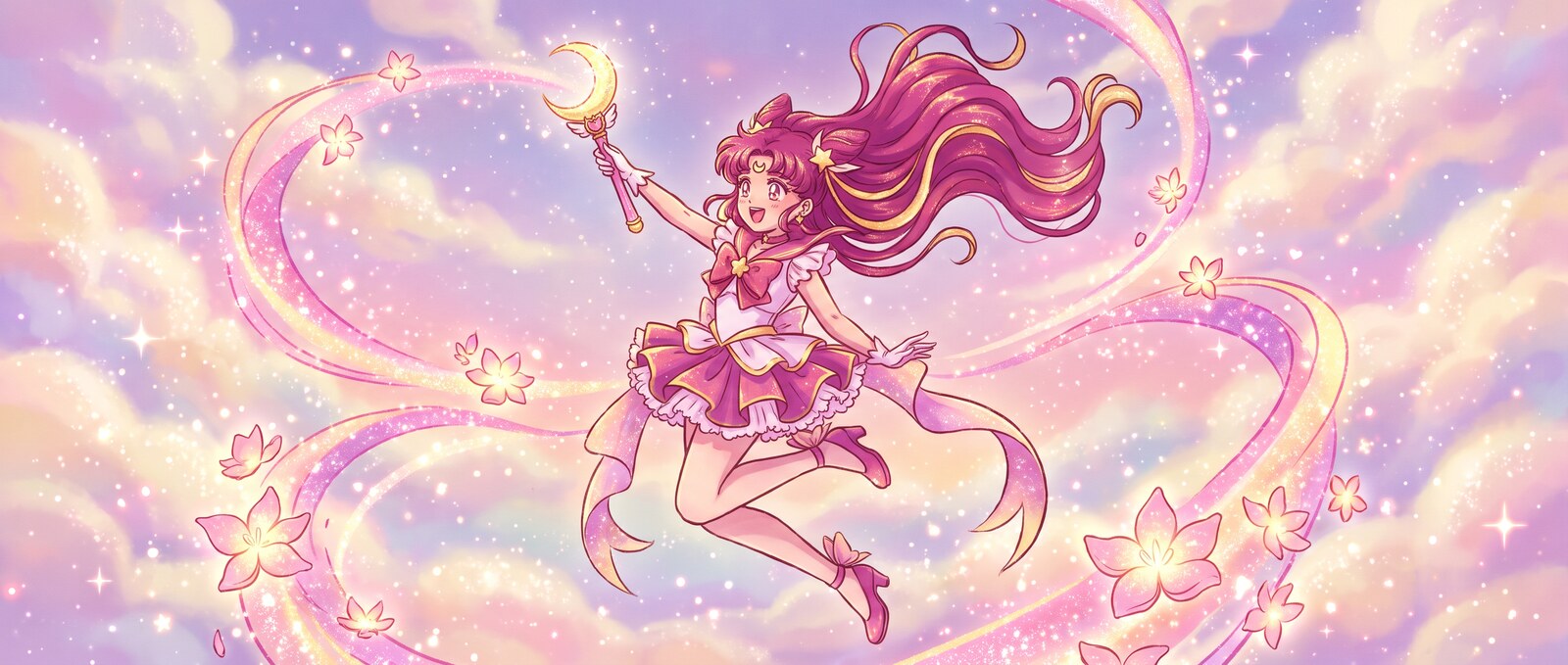

The magical girl, mahou shoujo in Japanese, is one of anime's most beloved and most quietly radical genres. It began in 1966 with an ordinary girl who could do magic, grew into the idol-singer fantasies of the 1980s, and then Sailor Moon fused it with the superhero team to create a global phenomenon of transformation sequences, magical weapons and friendship as a literal superpower. Decades later, Puella Magi Madoka Magica revealed the darkness the genre had always flirted with, and a new wave of deconstructions followed.
This is the complete guide across every medium: the founding classics, the dark deconstructions, the battle magical girls, CLAMP's dreamlike worlds, the Western heirs, the young witches, the manga to read, and the games that finally let you hold the wand yourself.
The essential magical girls


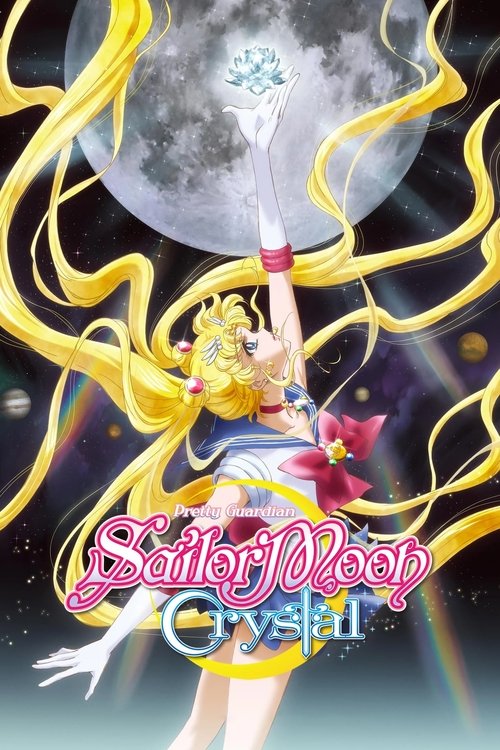
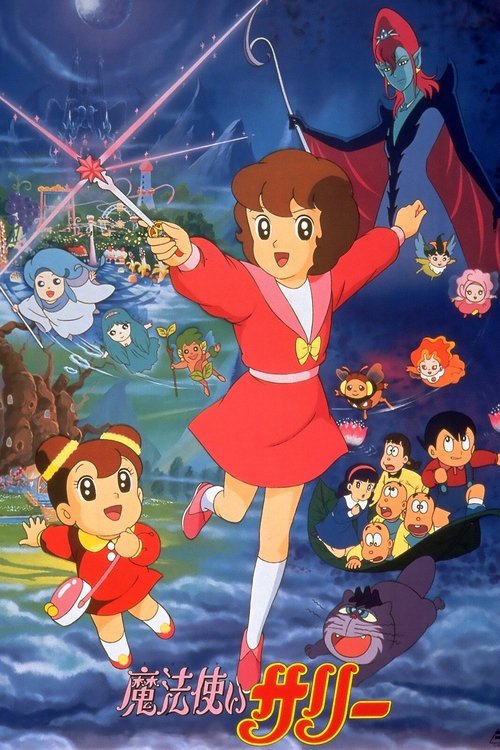
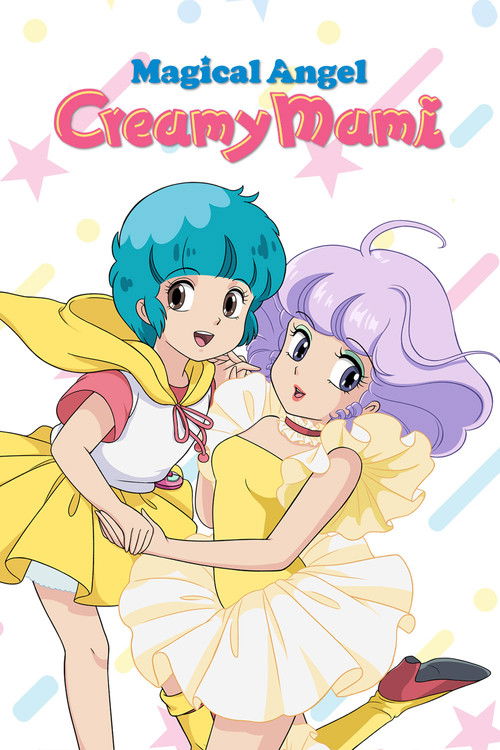
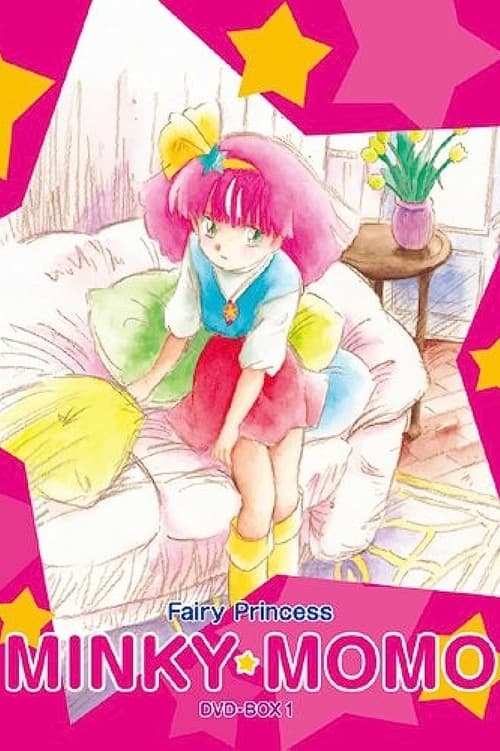
The classics that defined the genre
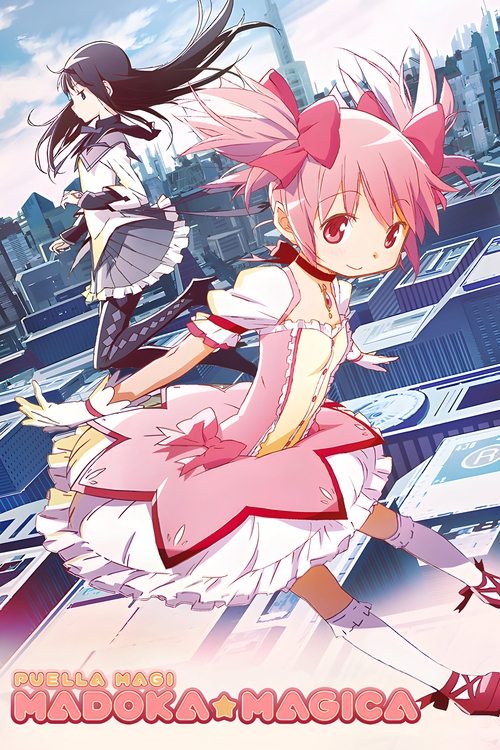
Madoka Magica is the most important magical girl story since Sailor Moon
Gen Urobuchi and Studio Shaft took the sweetest genre in anime and asked what it would actually cost a fourteen-year-old to sign a contract for magical powers. The answer, delivered through Kunihiko Inu Curry's nightmarish collage witches, is a tragedy about hope, despair and the cruelty of wishes. It is not an attack on magical girls; it is the genre taking its own premises seriously enough to break your heart, and it changed what the form could do.
The dark deconstructions
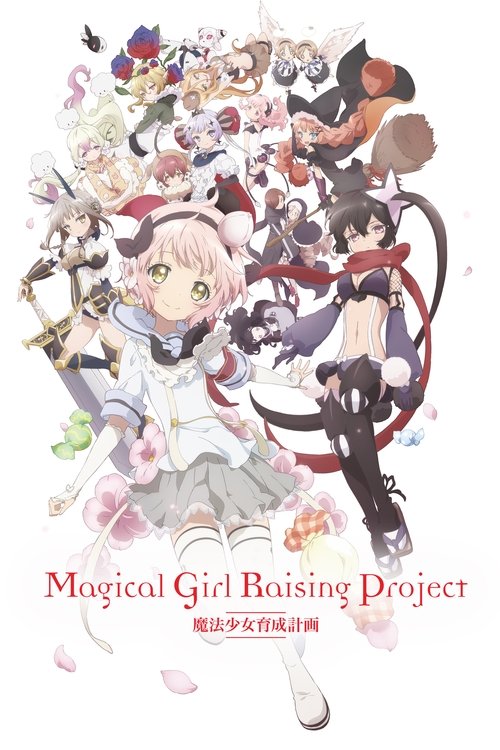

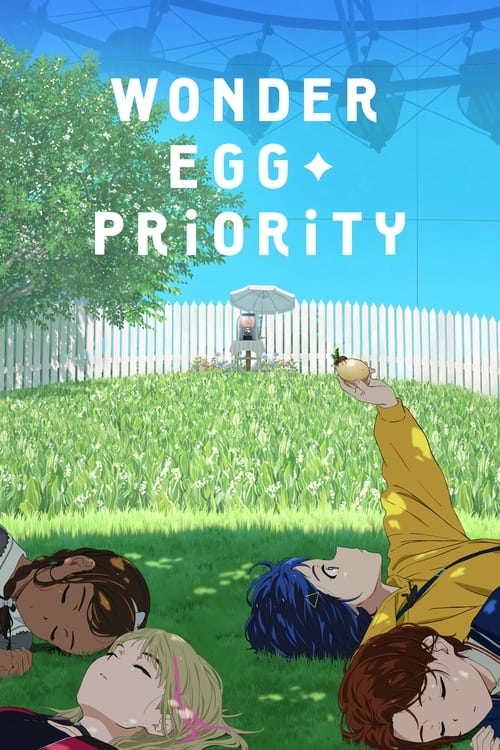
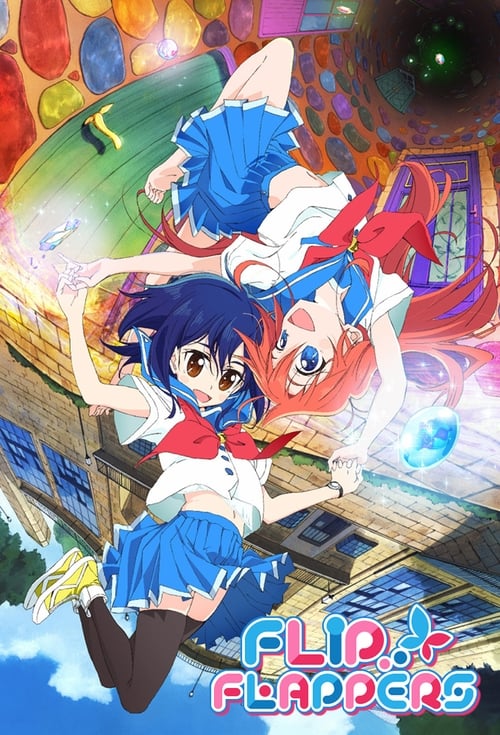
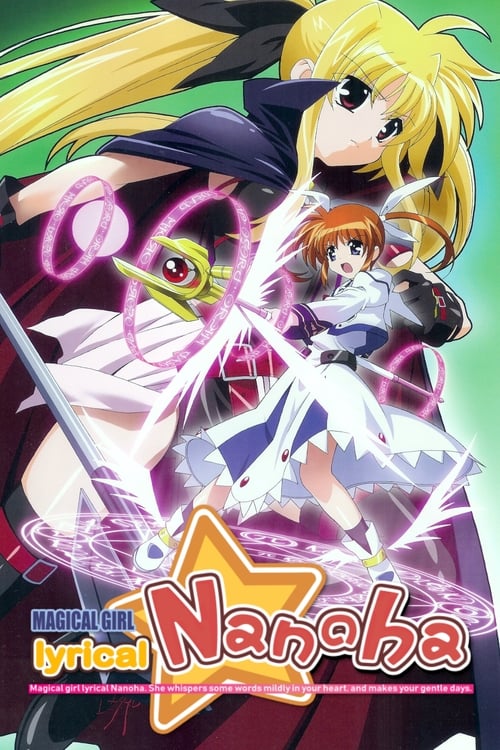
Battle magical girls
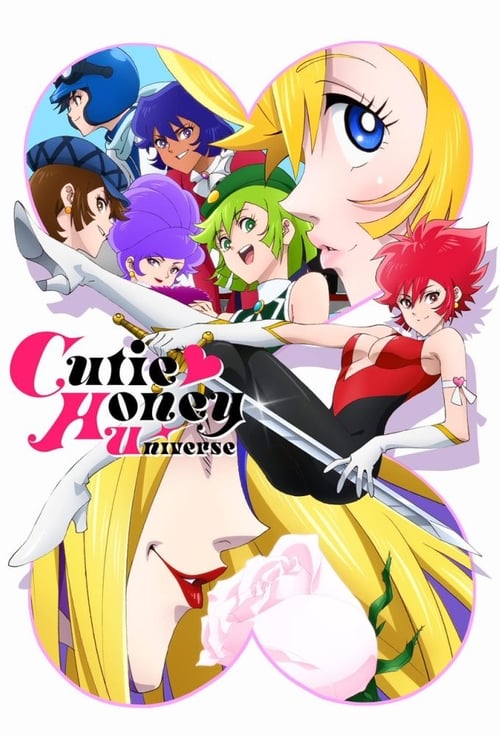

CLAMP's magical worlds

Sailor Moon invented the magical girl as we know her
Naoko Takeuchi's masterstroke was to fuse the older transforming-girl tradition with the superhero team, giving us a squad of friends who each transform, each fight, and each carry the story. The result defined every convention that followed: the transformation sequence, the magical item, the talking mascot, the monster of the week, and above all the idea that friendship is a genuine weapon. It also carried anime to a generation of children around the world.
The Western magical girls

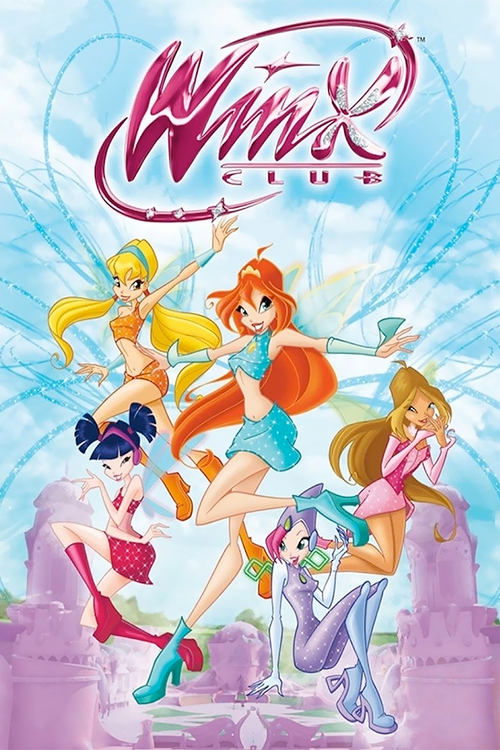
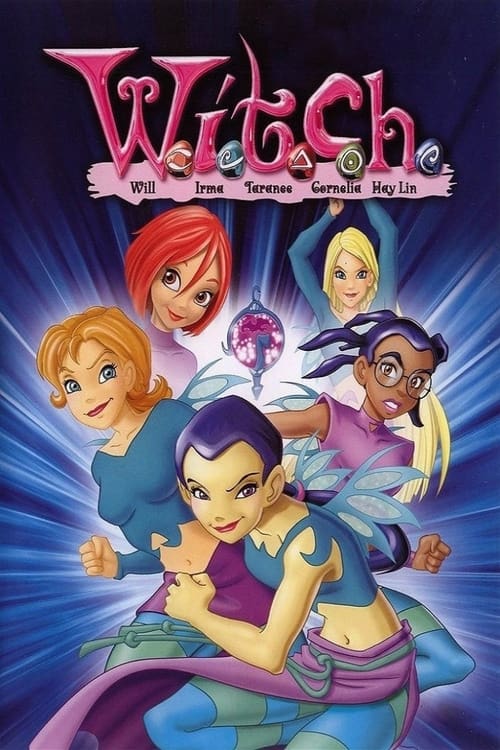
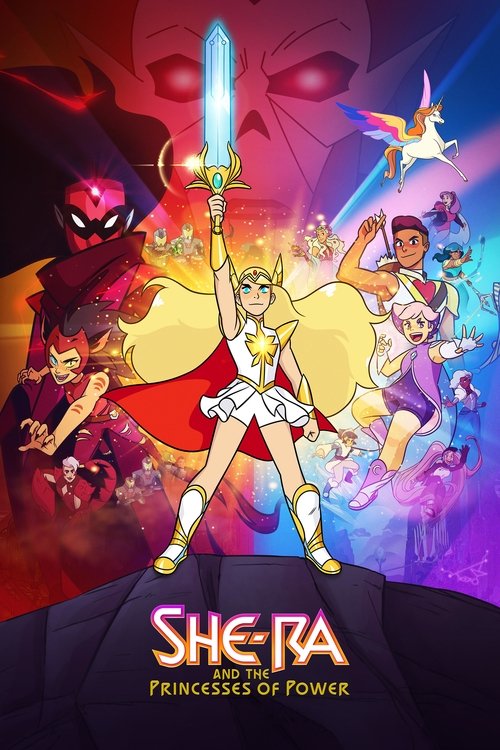

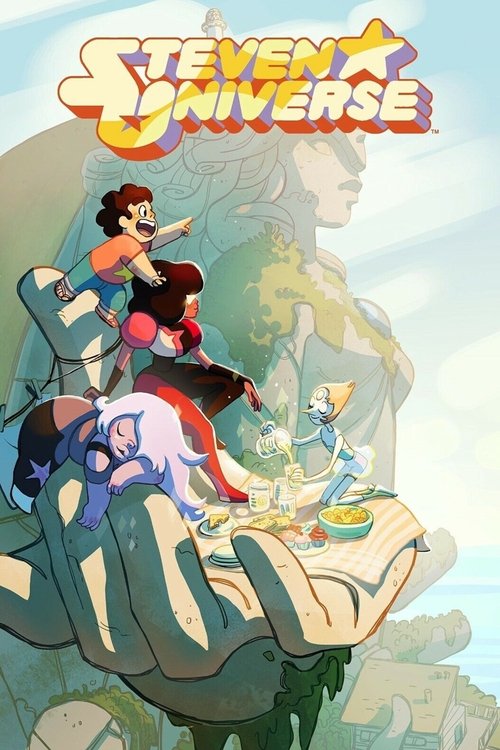

Young witches on screen
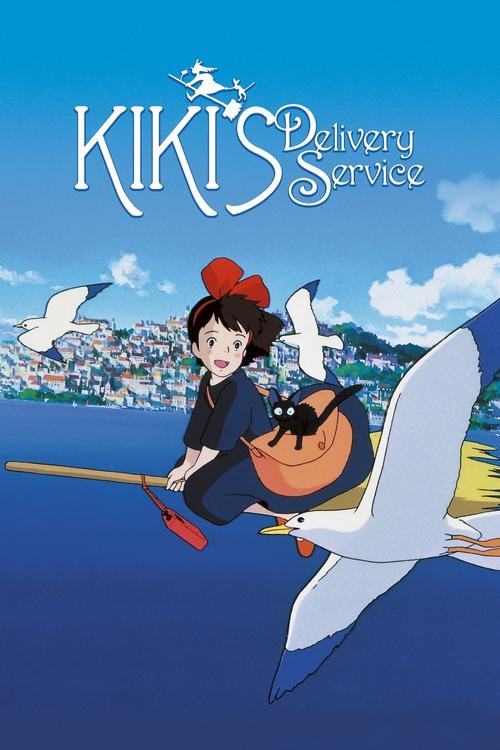
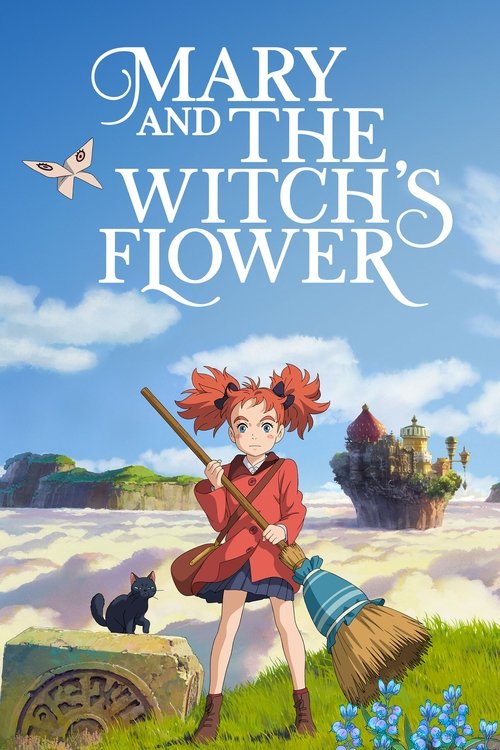
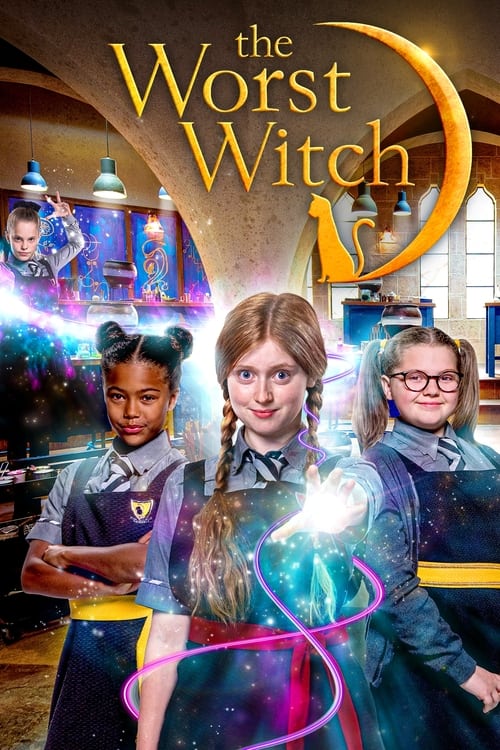
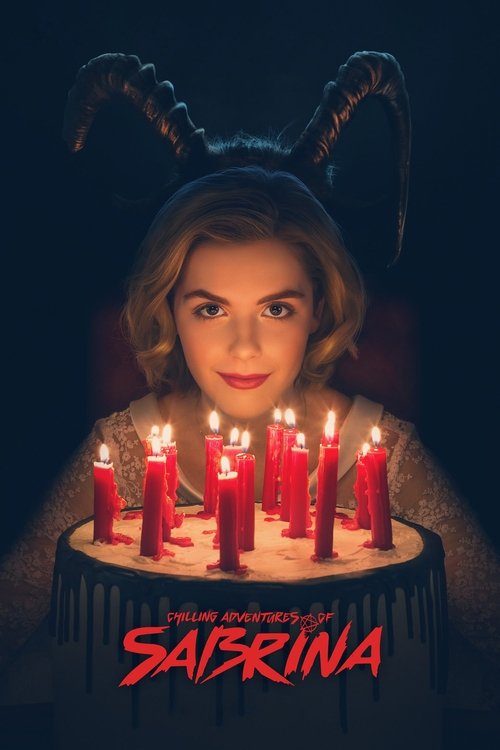
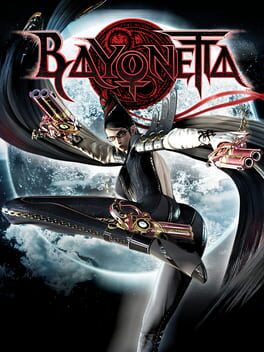
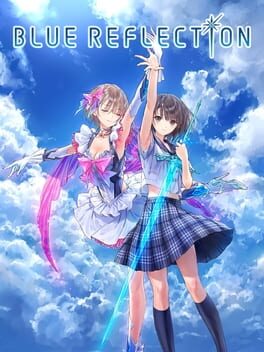
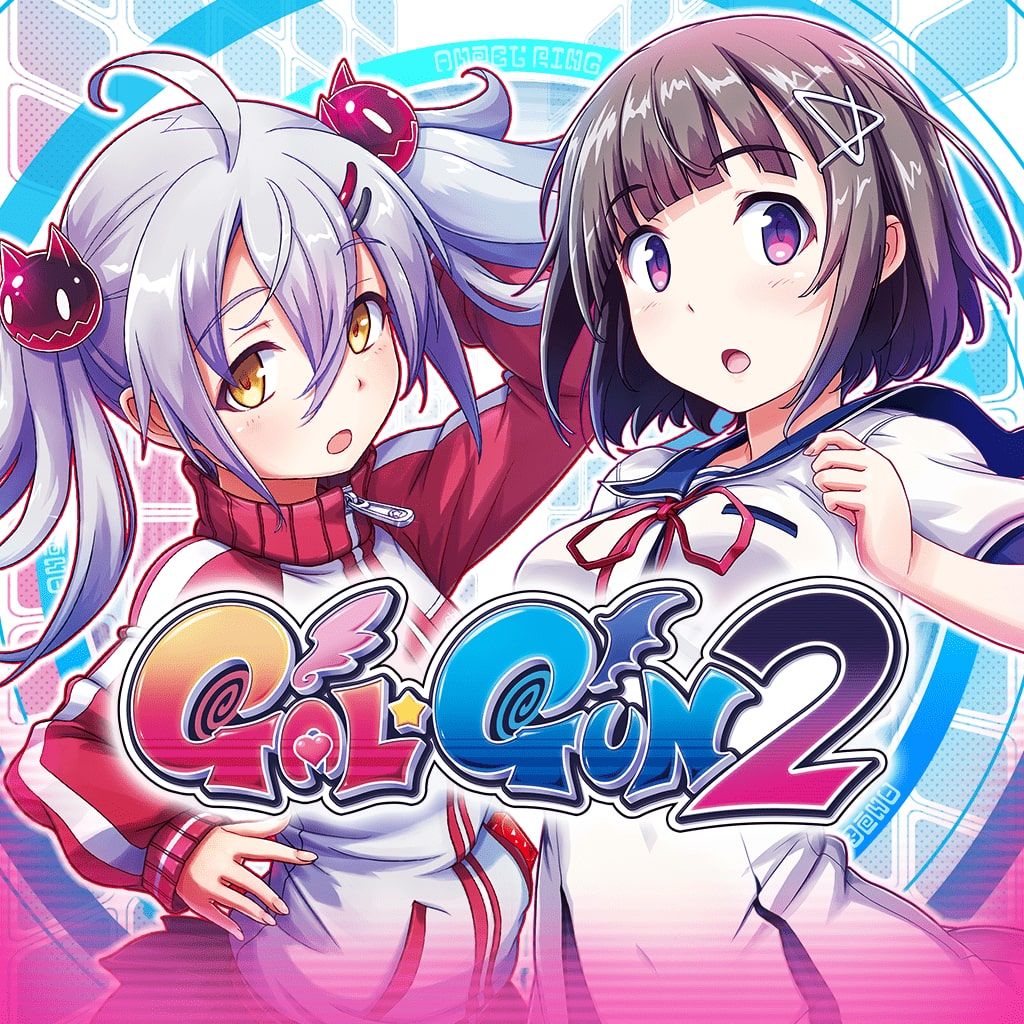
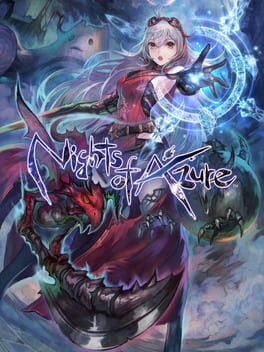
Play as a magical girl
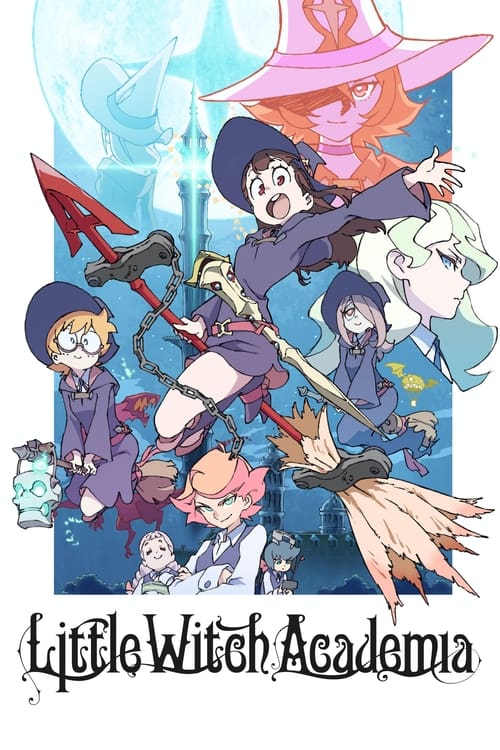
Little Witch Academia is the purest joy the genre has produced
Studio Trigger's story of an ordinary girl who believes in magic more than she is any good at it is a love letter to every kid who ever wanted to be a witch. It is gorgeously animated, endlessly warm, and built on a single unfashionable idea: that believing in yourself is worth animating with the full force of a great studio. When the genre gets too dark, this is the antidote.
The timeline
- 1966Sally the Witch becomes the first magical-girl anime, launching the genre. Sally the Witch
- 1983Magical Angel Creamy Mami defines the idol-singer magical girl of the 1980s. Magical Angel Creamy Mami
- 1992Sailor Moon fuses the magical girl with the superhero team and conquers the world. Sailor Moon
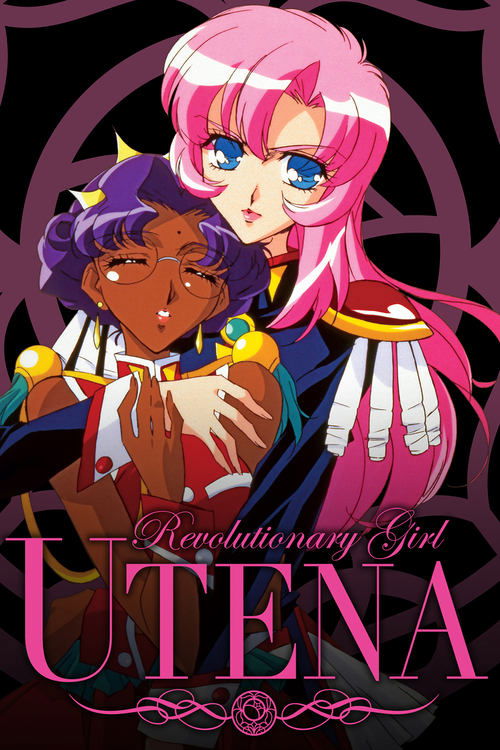
- 1997Revolutionary Girl Utena turns the genre into surreal, radical arthouse. Revolutionary Girl Utena
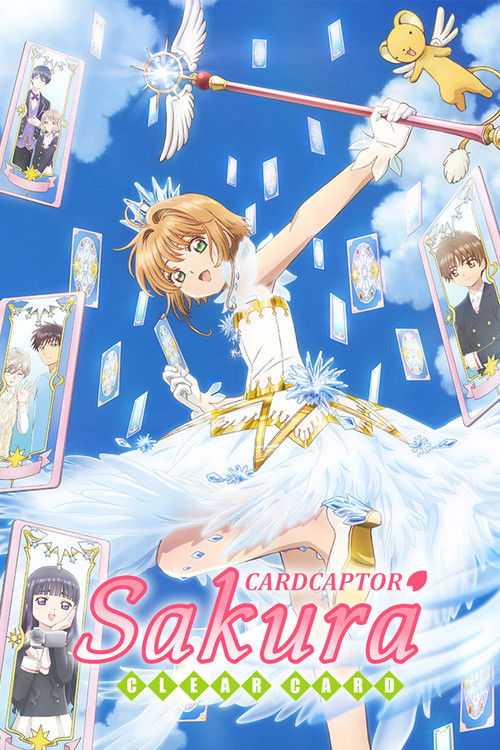
- 1998CLAMP's Cardcaptor Sakura sets a gentle, beautiful high-water mark. Cardcaptor Sakura
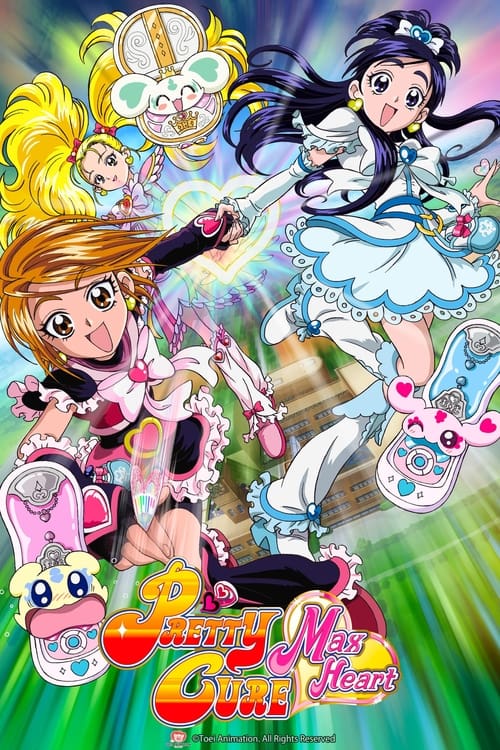
- 2004Pretty Cure launches the long-running action-franchise era of magical girls. Pretty Cure
- 2011Puella Magi Madoka Magica reinvents the genre as tragedy and starts a new wave. Puella Magi Madoka Magica
- 2013Trigger's Little Witch Academia brings back pure, joyful magic. Little Witch Academia
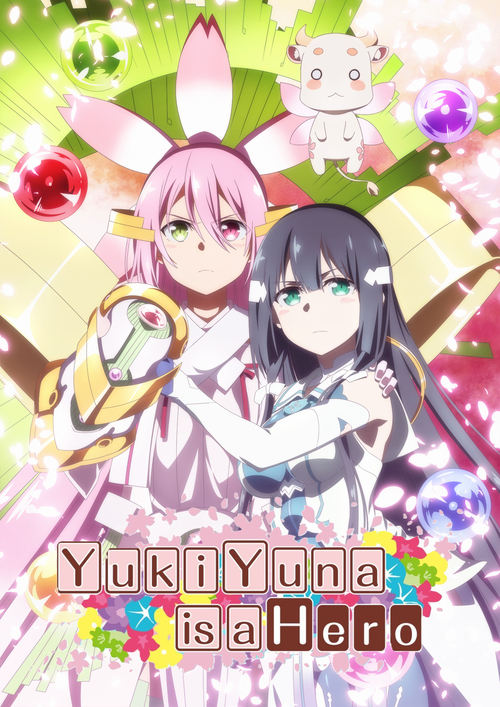
- 2014Yuki Yuna Is a Hero carries the dark deconstruction forward. Yuuki Yuuna Is a Hero
- 2021Wonder Egg Priority proves the deconstructed magical girl still has new places to go. Wonder Egg Priority
Revolutionary Girl Utena is the genre's arthouse peak
Kunihiko Ikuhara took the magical-girl and shoujo playbook and ran it through surrealist theatre, endless rose imagery and a story about growing up, gender and the danger of fairy tales. It is dense, strange, and decades ahead of its time, hiding one of anime's most radical coming-of-age stories inside duels on a spiral staircase. Nothing else in the genre is quite this bold.
The creators
Keep exploring
Witches
Explore the Witches guide →Frequently asked
What is a magical girl anime?
Magical girl (mahou shoujo) is a genre of anime and manga in which young girls gain magical powers, usually through a transformation, a magical item and often a talking animal mascot, and use them to fight evil or help others. Hallmarks include elaborate transformation sequences, themes of friendship and growing up, and a mix of everyday school life with fantastical battles. Sailor Moon and Cardcaptor Sakura are defining examples.
What was the first magical girl anime?
Sally the Witch (Mahoutsukai Sally), which began airing in 1966, is generally considered the first magical-girl anime. It was inspired in part by the American sitcom Bewitched and established the basic idea of a girl with secret magical powers living an ordinary life, which the genre would build on for decades.
Why is Madoka Magica so acclaimed?
Puella Magi Madoka Magica (2011) took the bright, hopeful conventions of the magical-girl genre and revealed a genuinely tragic cost beneath them, exploring despair, sacrifice and the consequences of wishes. Its combination of a deceptively cute art style, a dark and tightly plotted story by Gen Urobuchi, and striking surreal visuals made it a landmark that redefined what the genre could be.
Where should I start with magical girls?
For the classic experience, Sailor Moon or Cardcaptor Sakura. For pure joy, Little Witch Academia. For the dark, acclaimed deconstruction, Puella Magi Madoka Magica. For something stranger and more ambitious, Revolutionary Girl Utena. Western viewers may also know the genre through She-Ra, Winx Club or Miraculous Ladybug.