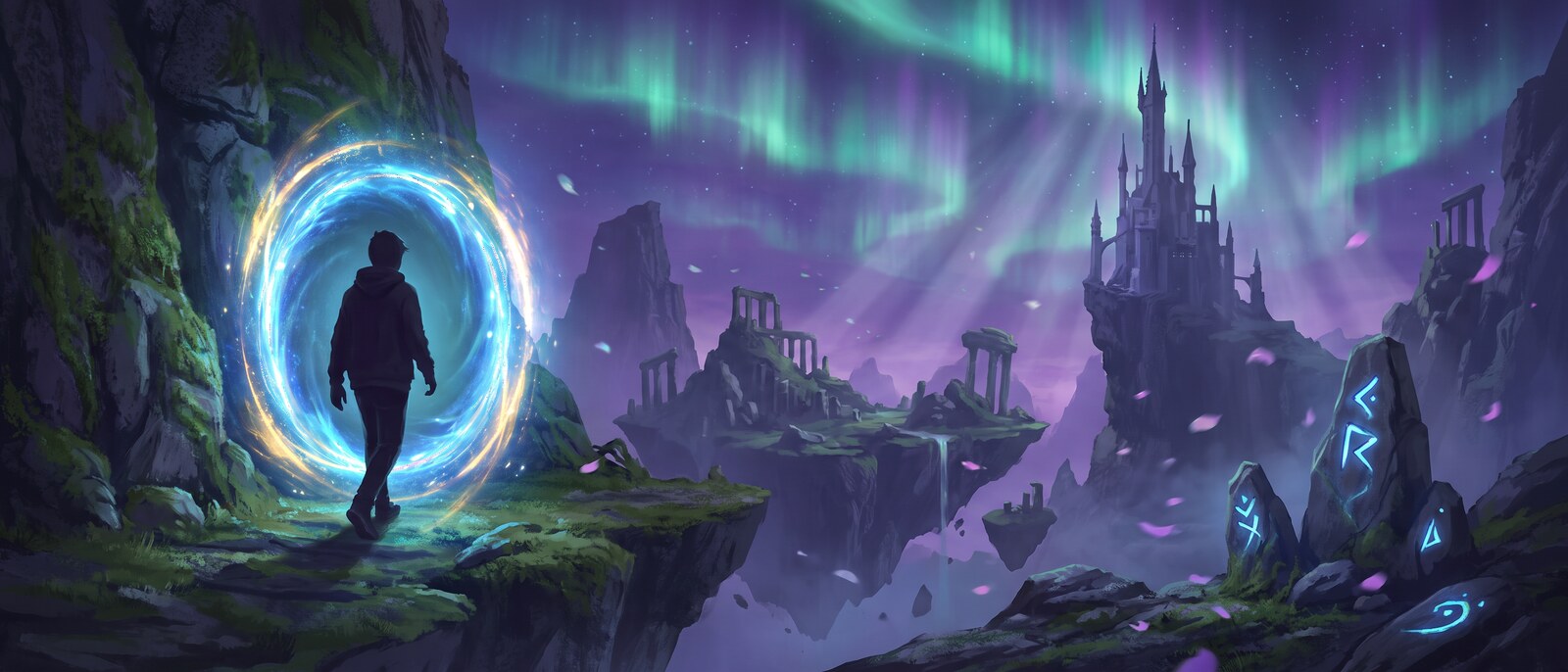

The setup is ancient: an ordinary person from our world is pulled into another one, and everything they know becomes either useless or a superpower. Mark Twain sent a Connecticut engineer to King Arthur's court in 1889, L. Frank Baum dropped Dorothy into Oz in 1900, and C.S. Lewis pushed four children through a wardrobe into Narnia. A century later Japan turned the idea into an entire industry, gave it a name, and made it the dominant strain of anime and light-novel fantasy on Earth.
This is the complete guide to the other-world story across every medium: the modern anime boom, the reincarnation power-fantasies, the trapped-in-the-game thrillers, the razor-sharp comedies that mock the whole genre, the dark deconstructions that make the isekai suffer for it, and the Western portal fantasies that got there first.
The essential isekai
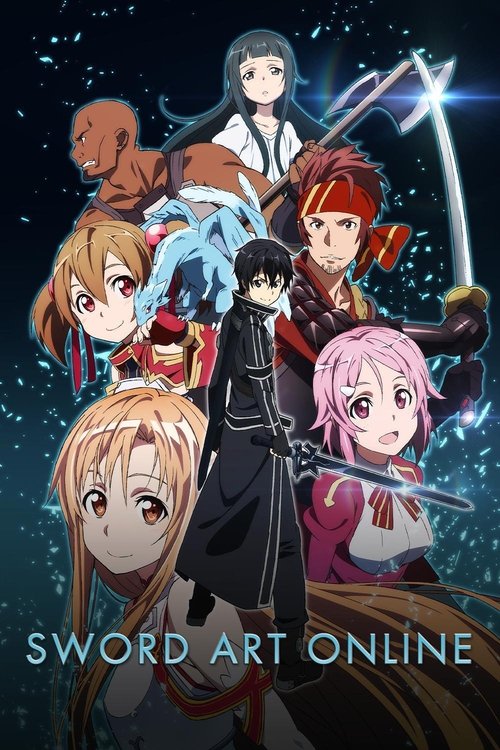 Sword Art Online
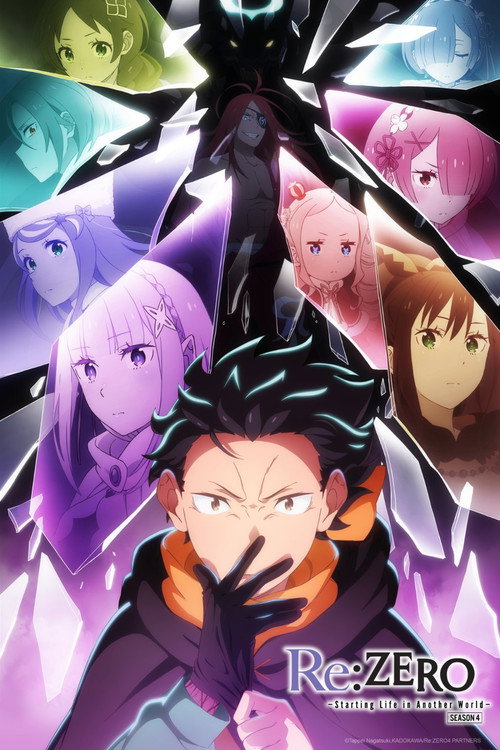 Re:ZERO -Starting Life in Another World-
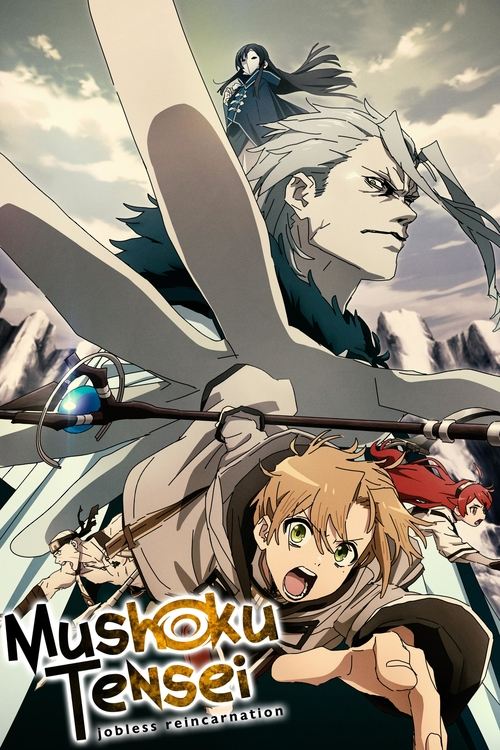 Mushoku Tensei: Jobless Reincarnation
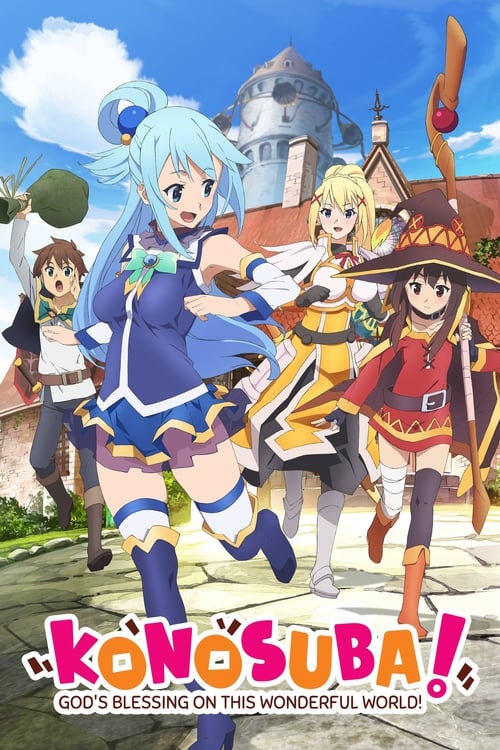 KONOSUBA - God's blessing on this wonderful world!
 That Time I Got Reincarnated as a Slime
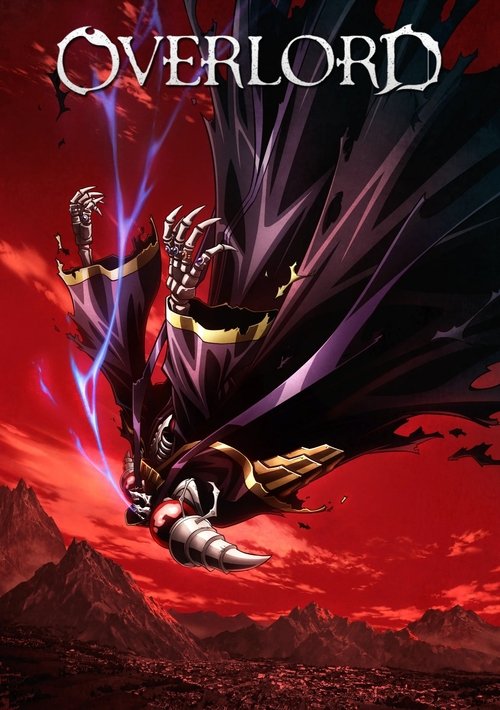 Overlord
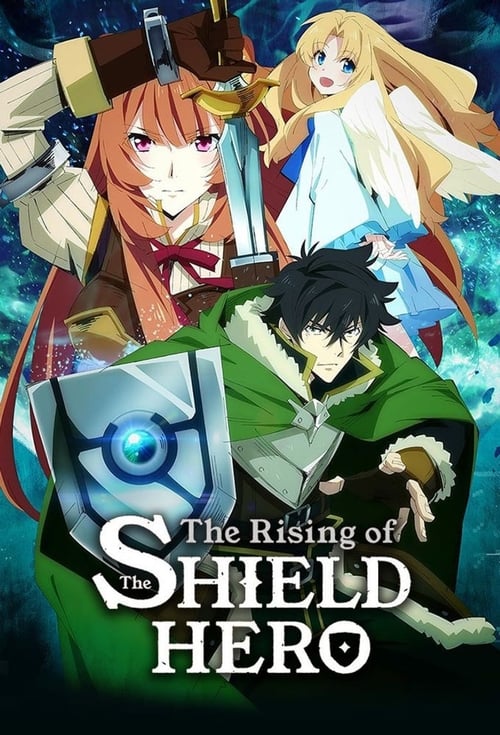 The Rising of the Shield Hero
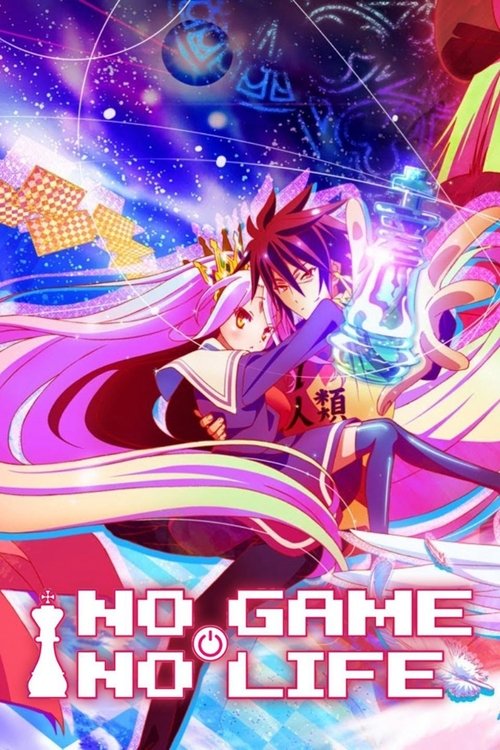 No Game No Life
 A Connecticut Yankee in King Arthur's Court
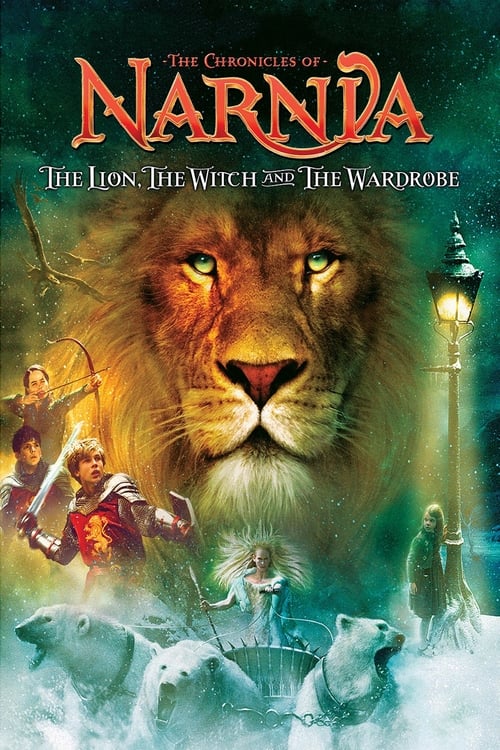
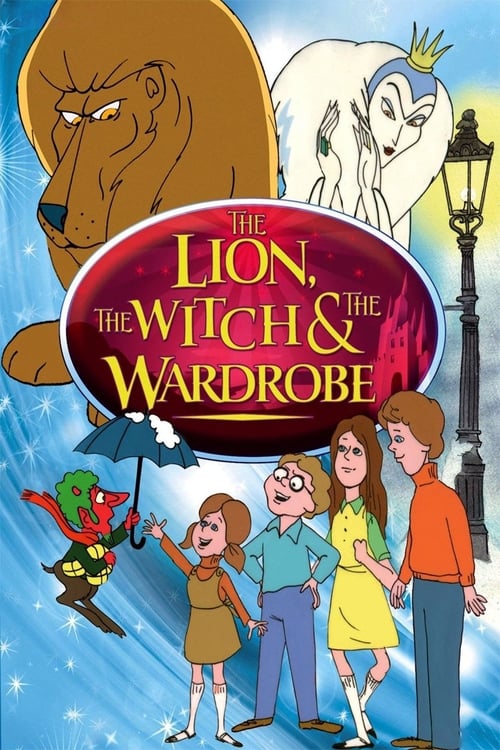 The Lion, the Witch and the Wardrobe
The modern anime boom
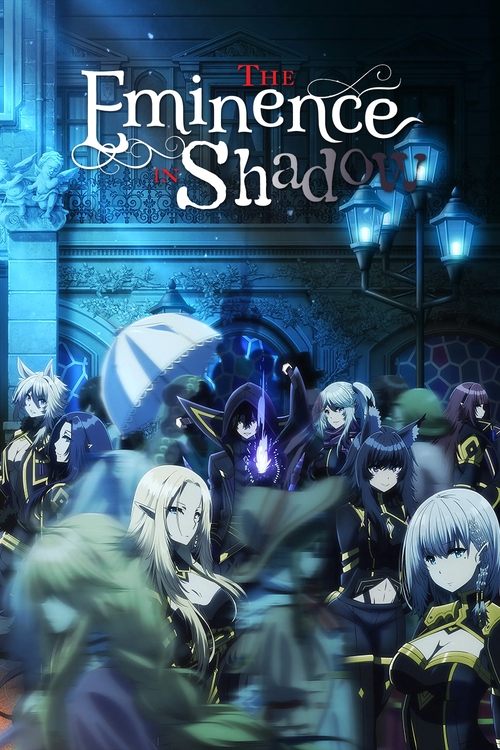
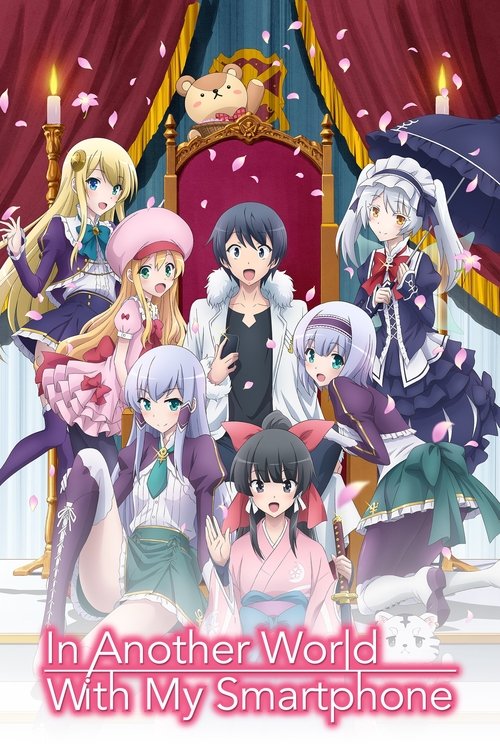
Re:Zero is the isekai that made the fantasy hurt
Most other-world stories are wish fulfillment; Subaru arrives with no special powers except the ability to die and restart from a checkpoint, and Tappei Nagatsuki uses that gift to torture him into an actual human being. Every death carries forward as trauma, every reset costs him something, and his lowest moment is a screaming argument in which the story admits its own hero is a self-pitying coward. It rebuilt the genre by taking the loop seriously.
Trapped in the game
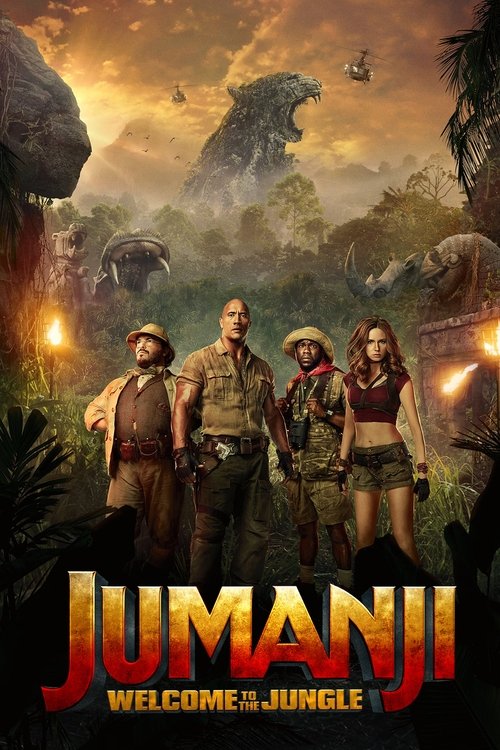
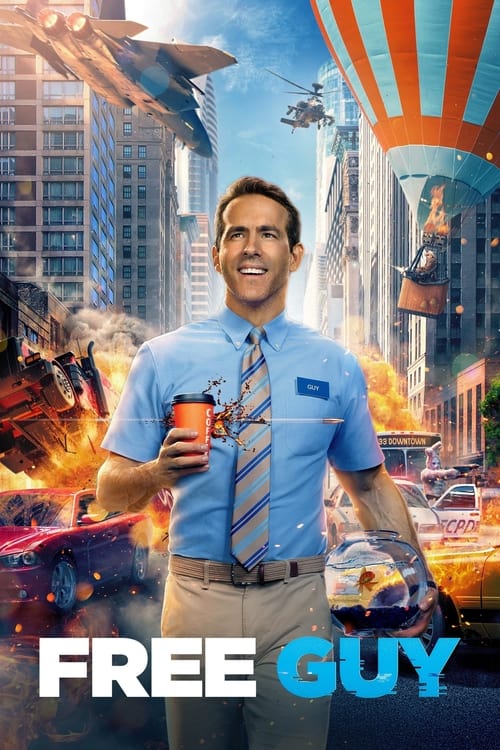
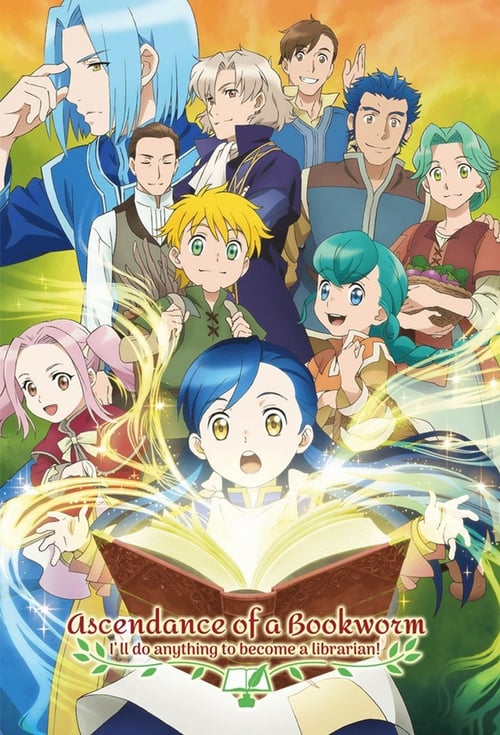
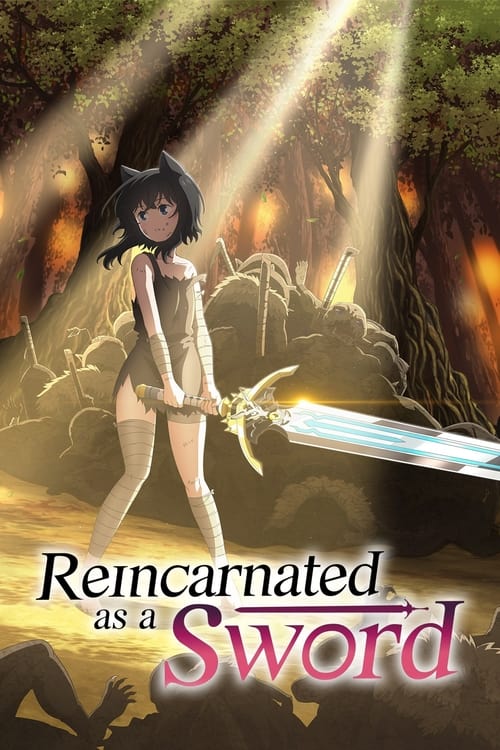
Reincarnated into another world
Isekai comedy
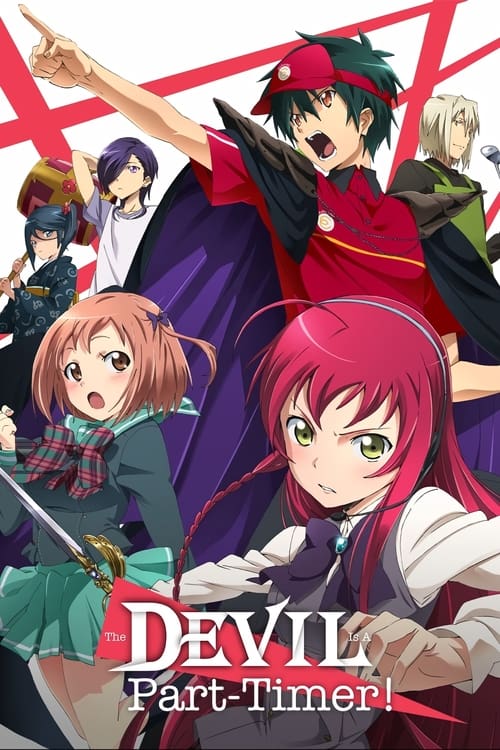
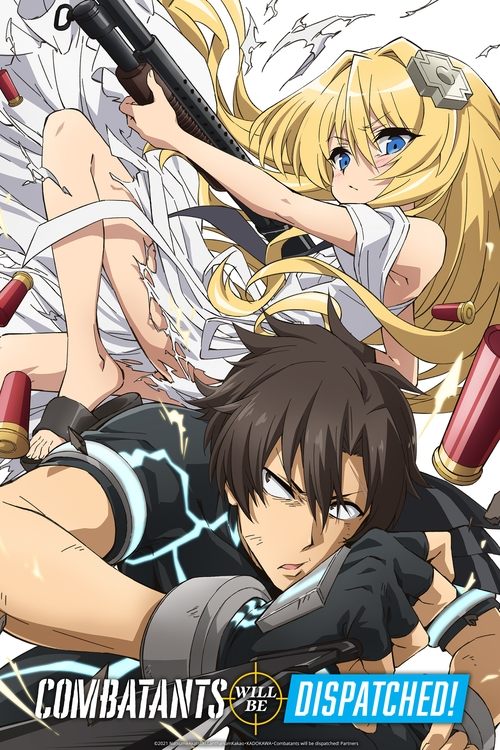
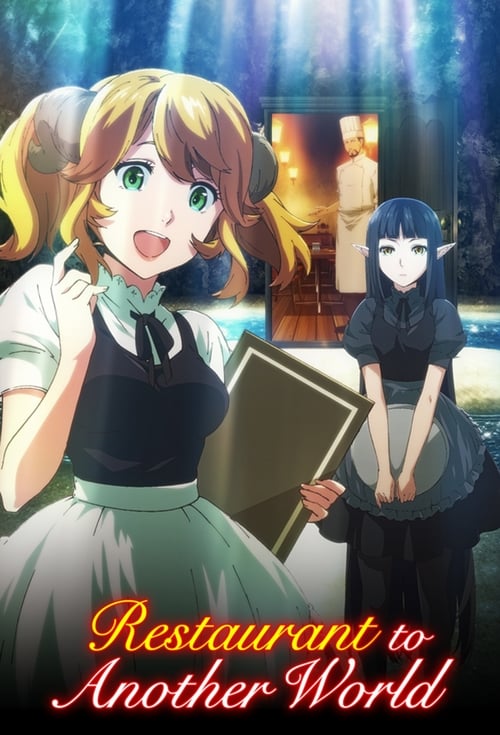

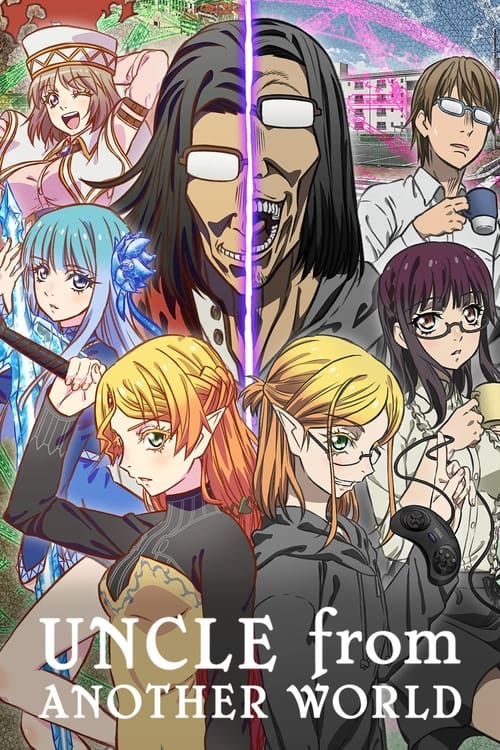
KonoSuba perfected isekai by refusing to take it seriously
Kazuma dies a humiliating death, gets offered any cheat power he wants, and picks the useless goddess who mocked him out of spite. From there the show is a sustained parody of every isekai cliche: the party is a drunk deity, an explosion-obsessed mage who can cast one spell a day, and a masochist knight who cannot hit anything. It is proof that the genre is at its best when it knows exactly how silly it is.
The dark and deconstructive isekai
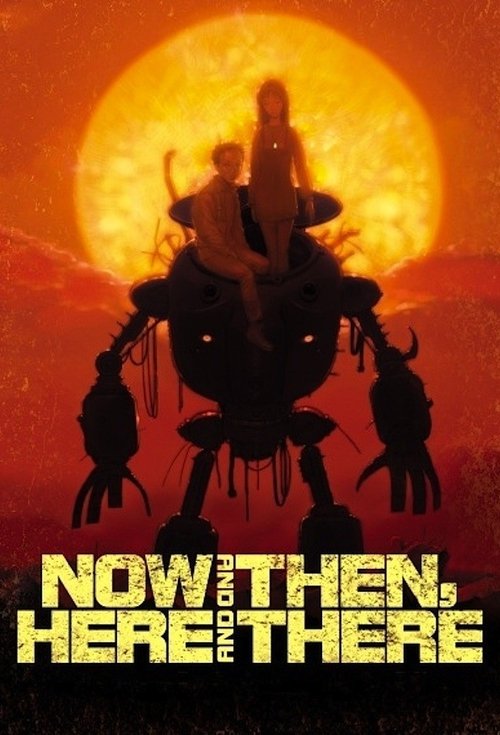
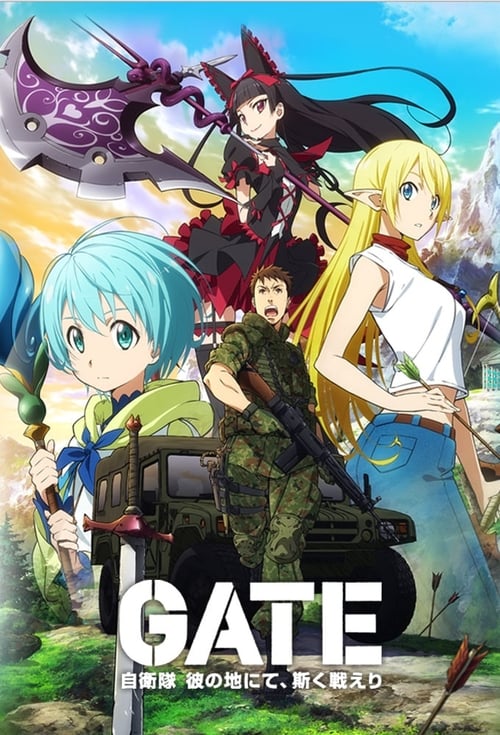

Isekai on the page



The classics that started it all
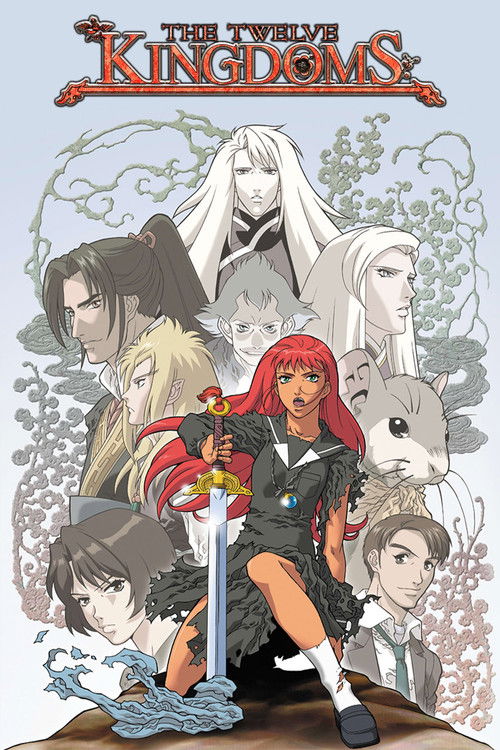

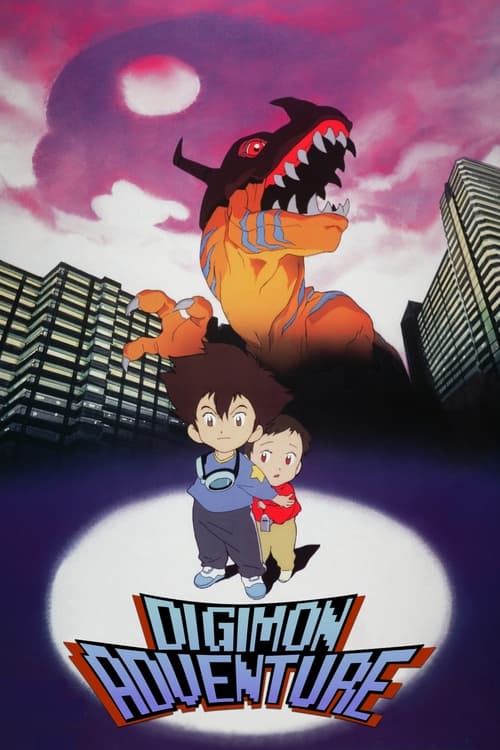
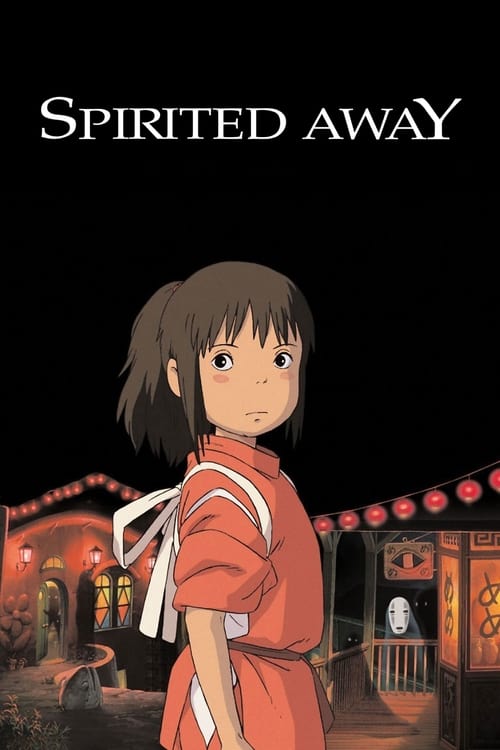
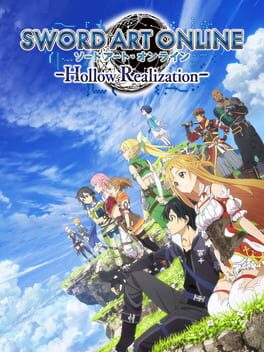
Sword Art Online launched the boom despite itself
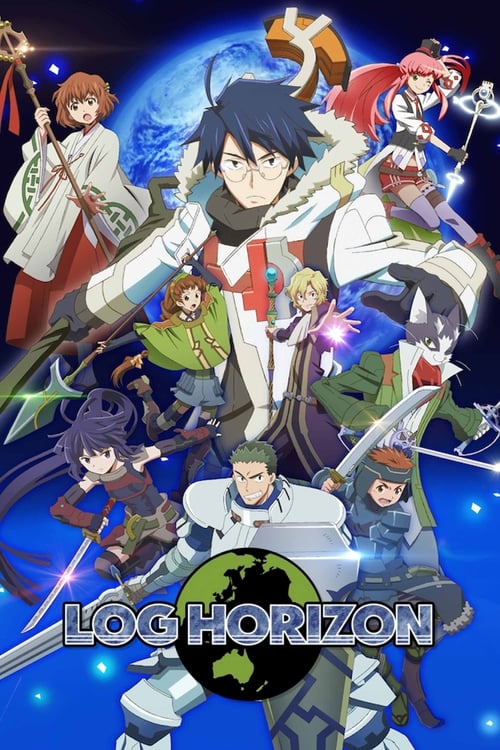
The first arc, ten thousand players trapped in a VRMMO where death is permanent, is one of the great high-concept hooks in anime, and it detonated the modern isekai wave whether purists like it or not. The show is wildly uneven after that, but the trapped-in-the-game premise it popularized became the spine of Log Horizon, Overlord and a hundred imitators. Every argument about the genre starts here.
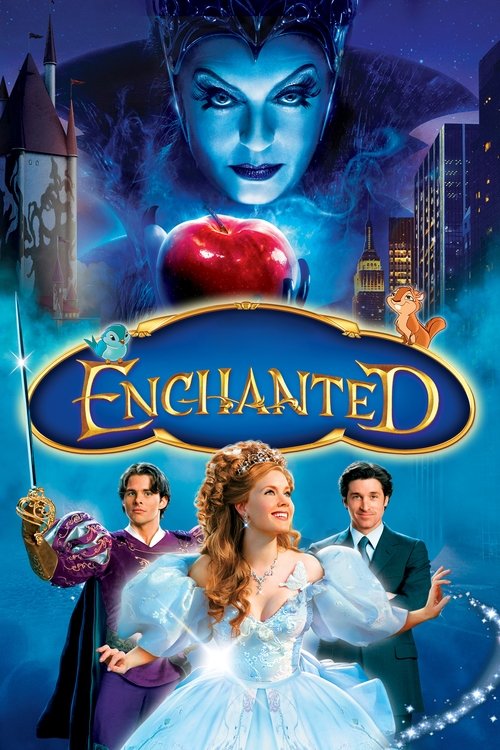
Portal fantasy on film
The timeline
- 1865Lewis Carroll drops Alice down the rabbit hole, the template for the child pulled into a nonsense world. Alice's Adventures in Wonderland
- 1889Mark Twain sends a modern engineer to Camelot in A Connecticut Yankee, the first true isekai. A Connecticut Yankee in King Arthur's Court
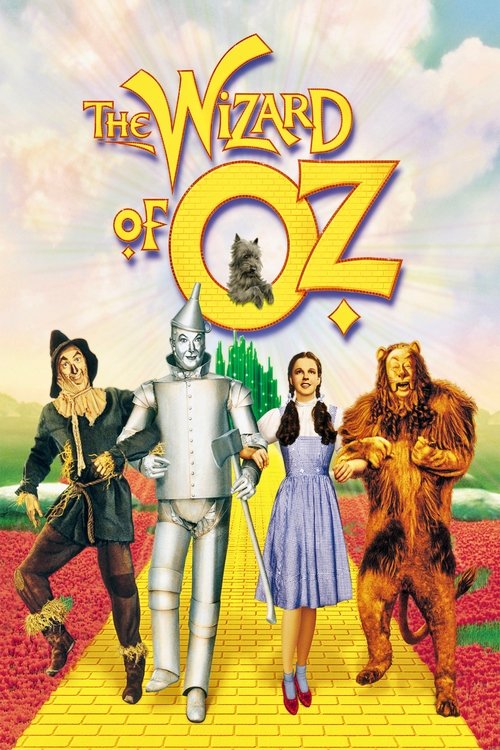
- 1900L. Frank Baum's cyclone carries Dorothy to Oz and fixes the portal-fantasy shape for a century.
- 1950C.S. Lewis opens the wardrobe into Narnia, the most beloved Western other-world story. The Lion, the Witch and the Wardrobe
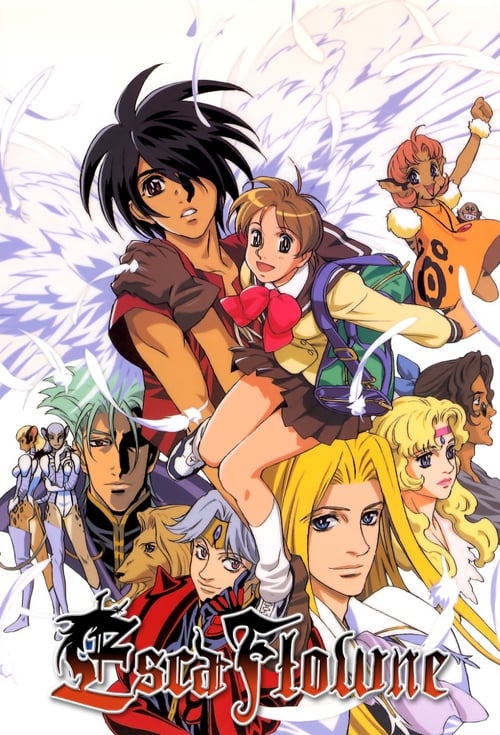
- 1996The Vision of Escaflowne brings the portal heroine into mecha-fantasy anime. The Vision of Escaflowne
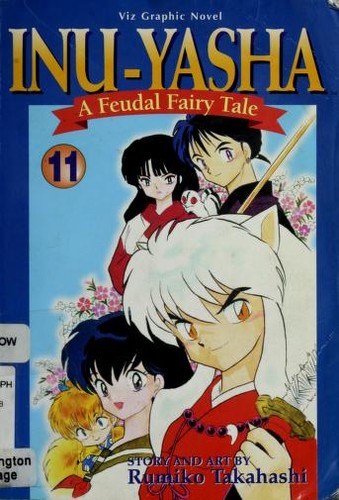
- 2000Inuyasha pulls a modern schoolgirl into feudal Japan and runs for years. Inuyasha
- 2012Sword Art Online traps its players in a death-game MMO and ignites the modern isekai boom. Sword Art Online
- 2016Re:Zero and KonoSuba arrive the same year, defining the genre's serious and comedic wings at once. Re:ZERO -Starting Life in Another World-
- 2018That Time I Got Reincarnated as a Slime turns the reincarnation power-fantasy into a global hit. That Time I Got Reincarnated as a Slime
- 2021Mushoku Tensei raises the craft bar, treating a reborn shut-in's second life as real drama. Mushoku Tensei: Jobless Reincarnation
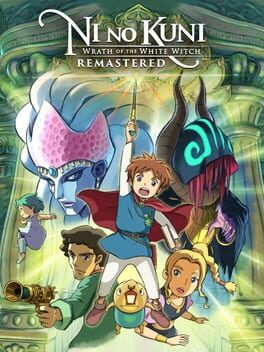
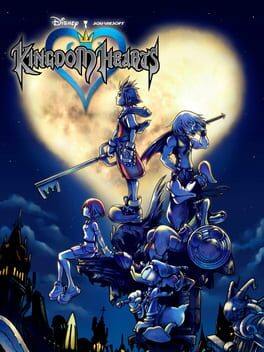
Playable other worlds
Mark Twain wrote the first isekai in 1889
A Connecticut Yankee in King Arthur's Court sends a modern engineer back to sixth-century Camelot, where his knowledge of gunpowder and electricity makes him a wizard and, eventually, a tyrant. Every beat the genre now runs on is already here: the cheat-power of modern knowledge, the fish-out-of-water comedy, and the darker question of what a person from our world would actually do with that much unearned power. The Japanese light-novel industry just gave it a name.
The world-builders
Keep exploring
Portal Fantasy & Other Worlds
Explore the Portal Fantasy & Other Worlds guide →Frequently asked
What does isekai mean?
Isekai is Japanese for "another world" or "different world." It names any story in which a character from one world (usually ours) is transported, reincarnated, or summoned into a different one, most often a fantasy or game-like realm. The modern anime and light-novel genre exploded in the 2010s, but the idea is much older.
What is the first isekai?
The genre's roots go back centuries, but Mark Twain's 1889 novel A Connecticut Yankee in King Arthur's Court is often cited as the first true isekai: a modern person thrown into another time and place who uses present-day knowledge as a kind of superpower. Alice in Wonderland (1865) and The Wonderful Wizard of Oz (1900) are foundational portal fantasies in the same family.
What is the difference between isekai and portal fantasy?
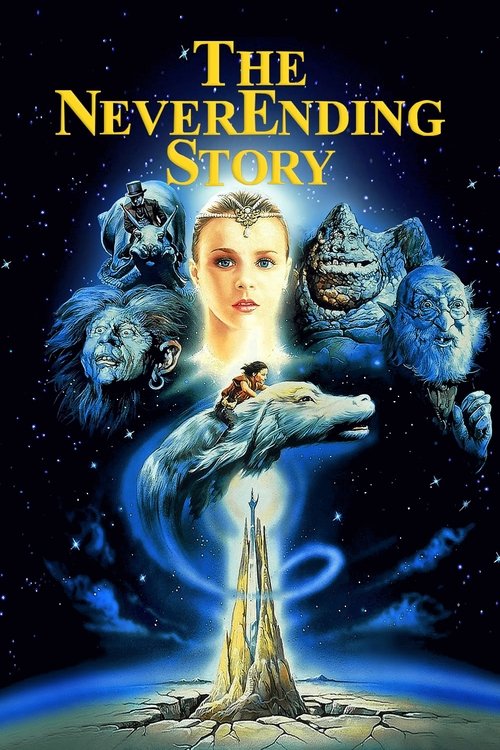
They overlap heavily. "Portal fantasy" is the older Western term for stories where characters cross into another world (Narnia, Oz, The NeverEnding Story). "Isekai" is the Japanese term that came to dominate anime and light novels, and it adds distinct sub-flavours: reincarnation into a new life, being trapped inside a video game, and RPG-style stats and skills.
Where should I start with isekai anime?
For comedy, start with KonoSuba. For a serious, character-driven take, Re:Zero. For the trapped-in-a-game premise, Sword Art Online or Log Horizon. For a polished reincarnation drama, Mushoku Tensei. That Time I Got Reincarnated as a Slime and Overlord are the great crowd-pleasers.