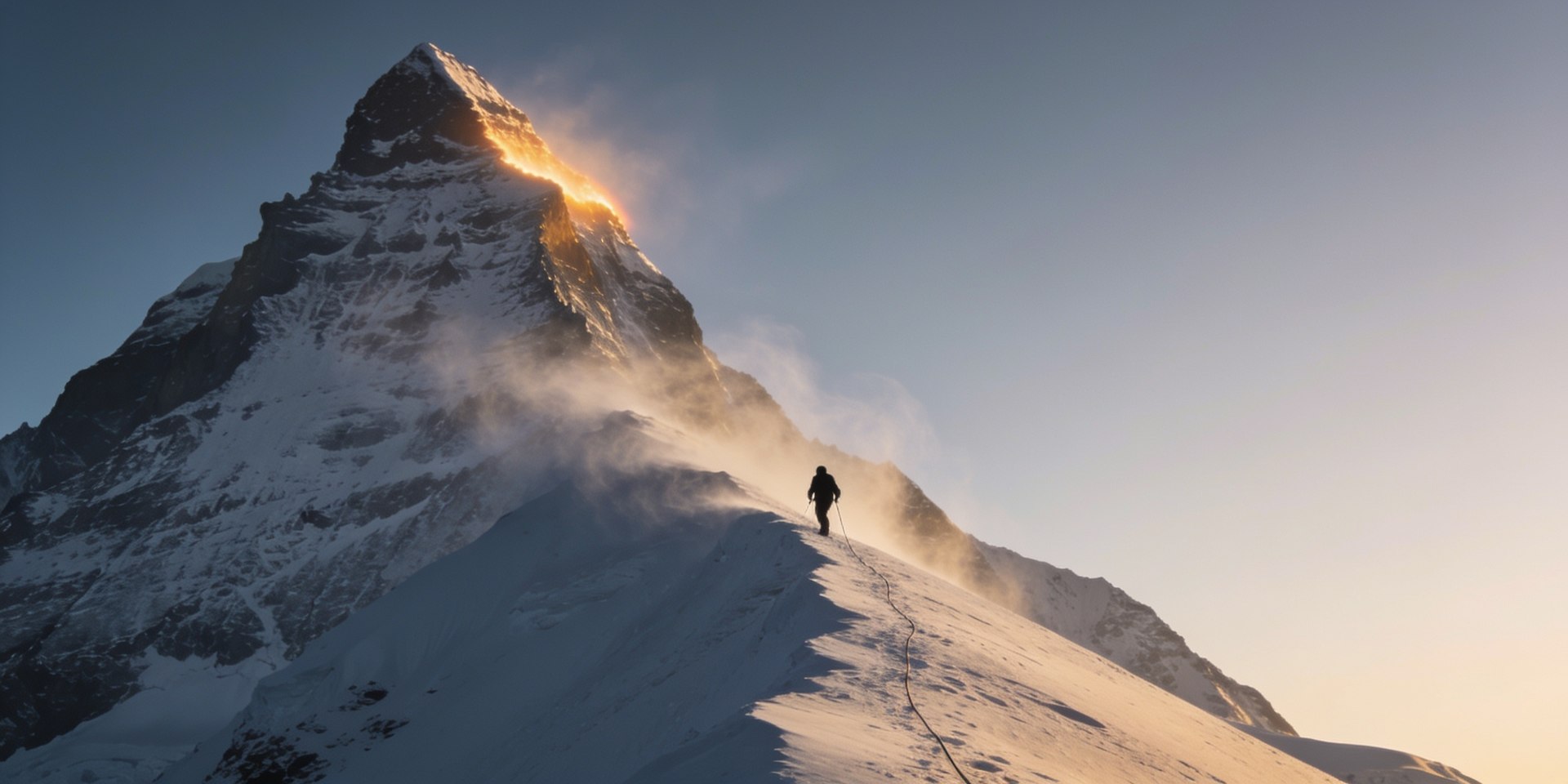

Mountaineering is the only sport whose great stories are mostly about failure and death, and that is exactly why it produces the best ones. You climb a mountain for no practical reason. There is nothing at the top but weather and a view, and the descent kills more people than the ascent. George Mallory's answer, "because it's there," gets quoted as inspiration, but it was really a shrug at an unanswerable question. The honest version is that some people need to find out what they are made of, and a high enough mountain will tell them.
The canon divides cleanly. There is the documentary tradition, where the camera follows real climbers up real walls and the tension comes from knowing the footage exists because they survived to carry it down. There is the disaster narrative, where a storm or a single bad decision turns a routine summit into a death march, the 1996 Everest season being the one everyone keeps retelling. And there is the smaller, stranger world of the climbing video game, which turns out to be the medium that best captures what the activity actually feels like in your hands: the grip, the reach, the fall. This guide covers all of it.
Essential mountaineering
The works that define the genre, across every medium
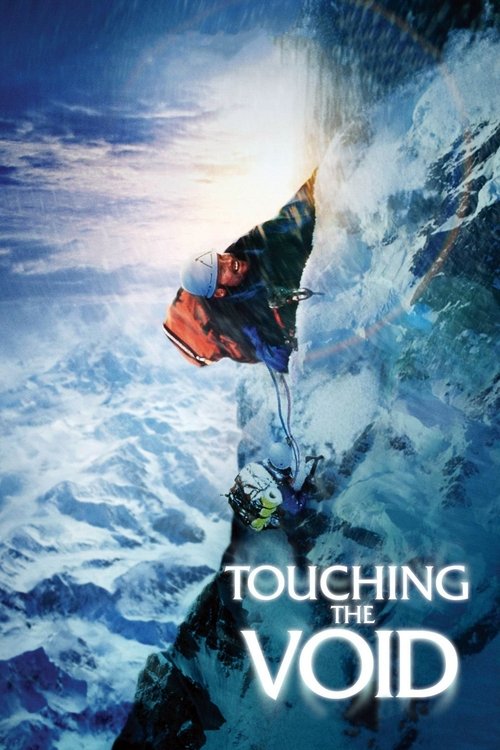
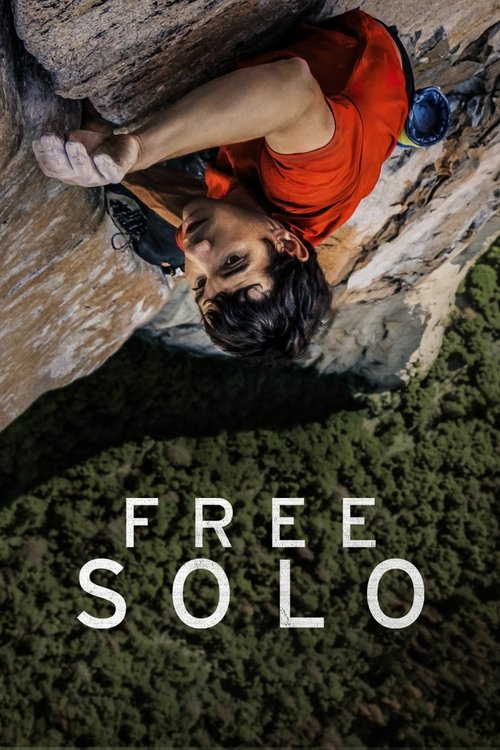


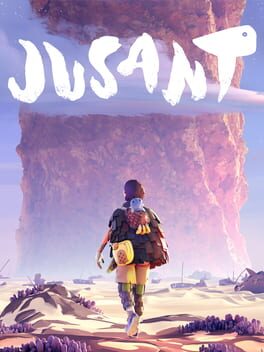

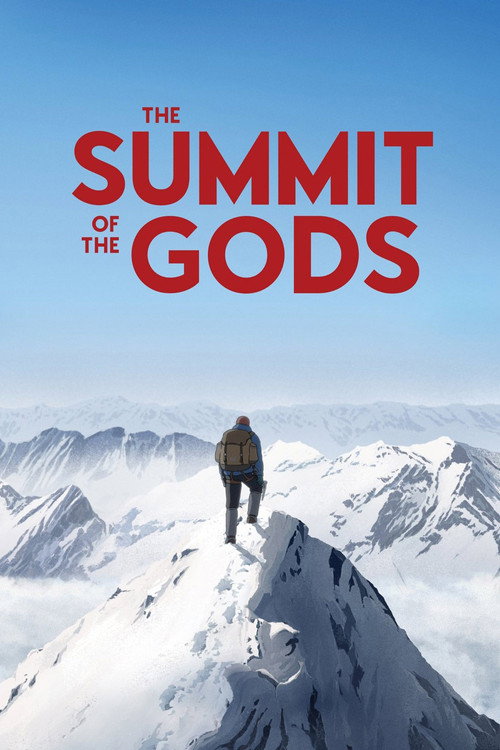
Touching the Void is the best film ever made about being in trouble
Kevin Macdonald's Touching the Void (2003) reconstructs Joe Simpson and Simon Yates's 1985 ascent of Siula Grande in the Peruvian Andes, and it stages the survival not as triumph but as an ordeal so total it becomes almost abstract. Simpson breaks his leg high on the descent. Yates lowers him by rope through a storm, then, unable to hold him and unable to see him, makes the decision that the climbing world argued about for years: he cuts the rope. Simpson falls into a crevasse and does not die, and what follows is one of the great accounts of a body refusing to quit.
The genius of the film is the interviews. The real Simpson and Yates sit in front of the camera, decades later, both alive, both clearly still working out what happened between them. You already know the outcome, and the dread never lets up. It pairs perfectly with Simpson's own book, which is even more clinical about the mathematics of staying alive.
Disaster on the mountain
Storms, broken ropes and summits that turned into death marches

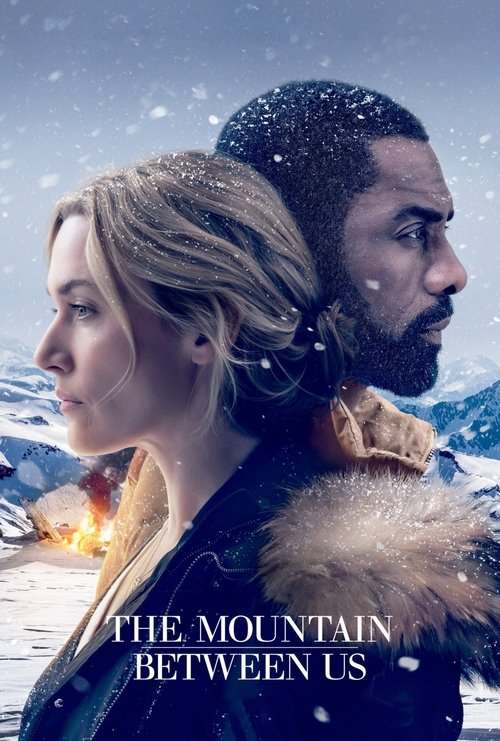
The 1996 Everest season will not let go
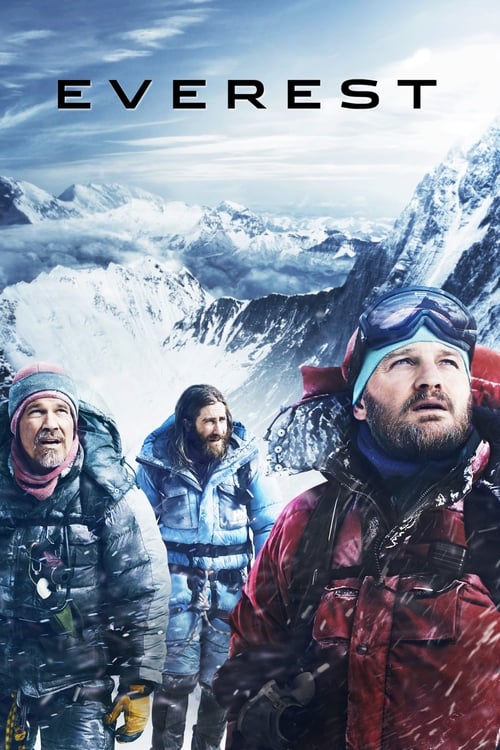
In May 1996, eight people died on Everest over a couple of days when a storm caught multiple commercial expeditions high on the mountain. It became the most documented disaster in climbing history because so many of the people involved were writers, guides and clients who lived to tell incompatible versions of it. Jon Krakauer was there on assignment for an adventure magazine and turned his account into Into Thin Air, a book that is both a gripping hour-by-hour reconstruction and an uneasy meditation on his own role in what happened.
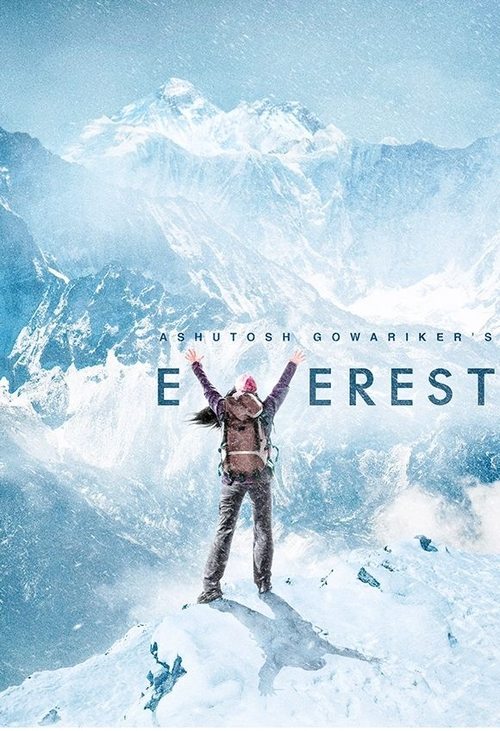
Baltasar Kormakur's Everest (2015) dramatizes the same season with an ensemble cast and a refusal to invent a hero. People make small, reasonable choices that compound into catastrophe, and the mountain simply does not care. Anatoli Boukreev, the guide whose conduct Krakauer questioned, wrote his own rebuttal, and the disagreement between the two accounts is itself part of why the story endures. There is no clean version. That is the point.
Read your way up
The memoirs, reconstructions and novels that built the literature


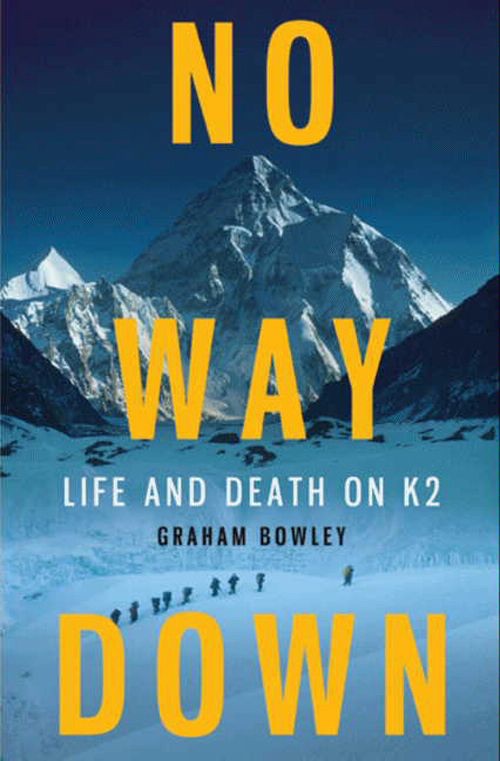


Free Solo is unbearable, and that is the review
Free Solo (2018) follows Alex Honnold's rope-free ascent of El Capitan, 3,000 feet of granite with nothing between him and the valley floor. It is technically rock climbing rather than alpine mountaineering, but it belongs in any honest survey of going up, because no other film has filmed certain death this closely and then walked away. The directors, Jimmy Chin and Elizabeth Chai Vasarhelyi, are climbers themselves, and the camera team's visible terror at filming a friend who could die in frame is half the drama.
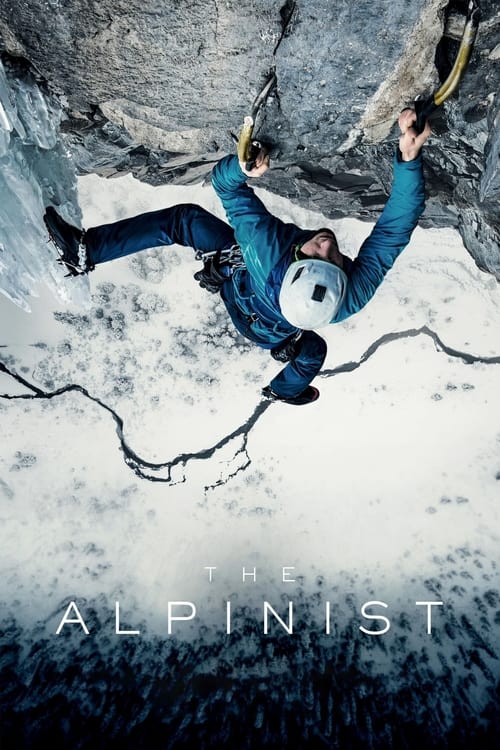
What makes it more than a stunt reel is the interrogation of Honnold's wiring: the brain scans, the girlfriend trying to love a man optimized for not feeling fear, the cold ledger of risk he keeps in his head. The Alpinist, about the late Marc-Andre Leclerc, makes a quieter companion piece. Leclerc climbed alone, told nobody, and seemed almost embarrassed to be filmed. Together they map the two poles of the free-climbing temperament.
The mountain in your hands
The games that make you feel the grip, the reach and the fall
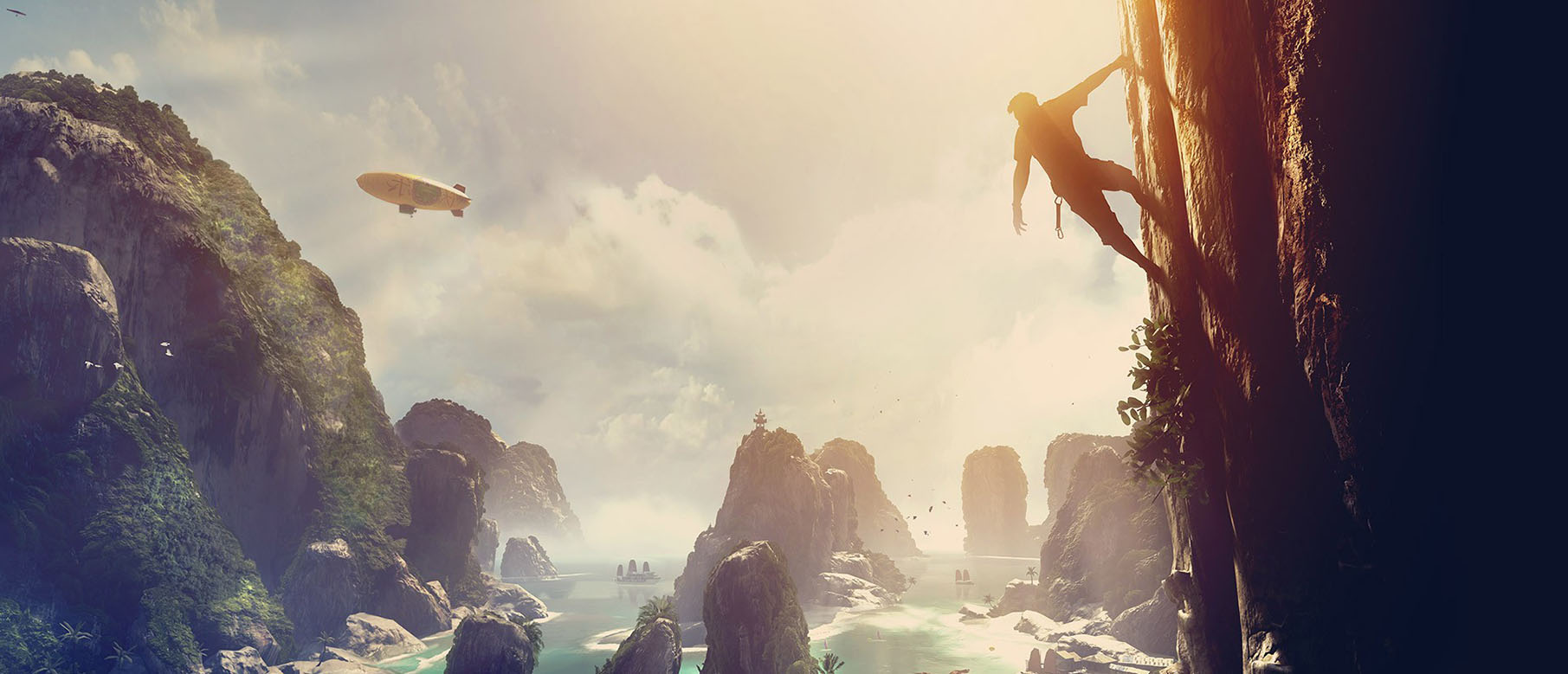

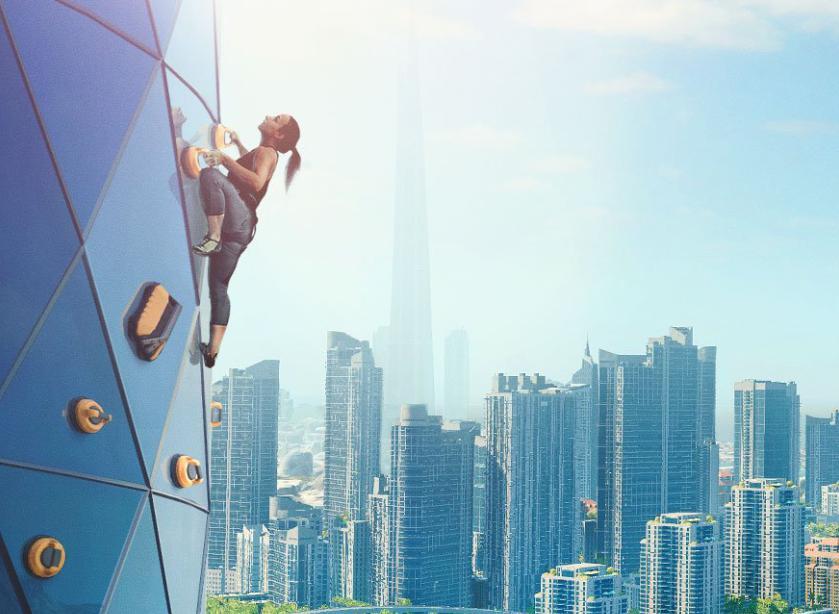
Jusant understood that climbing is a puzzle, not a power fantasy
Most games that involve a mountain treat it as a backdrop to shoot things off. Jusant (2023), from Don't Nod, does the opposite. You climb a single colossal tower, drained of water and abandoned, using two triggers that map to your two hands. You manage stamina, plan your reaches, set anchors, and rappel back down to swing across to the next hold. There is no combat and almost no story spoken aloud, just the architecture of the climb and a small companion that helps coax water back into the rock.
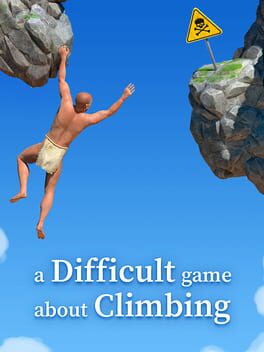
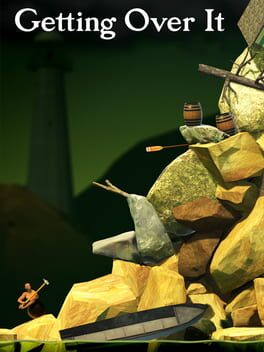
It is the rare game that makes the body of the activity legible. A Difficult Game About Climbing and Getting Over It with Bennett Foddy take the cruel comic route, building the entire experience around the gut-punch of a single slip undoing an hour of progress, which is, if we are honest, also true to the sport.
Peaks on the small screen
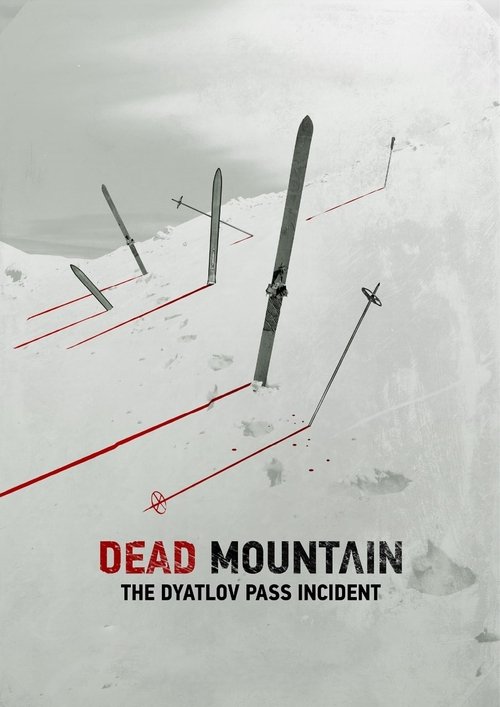
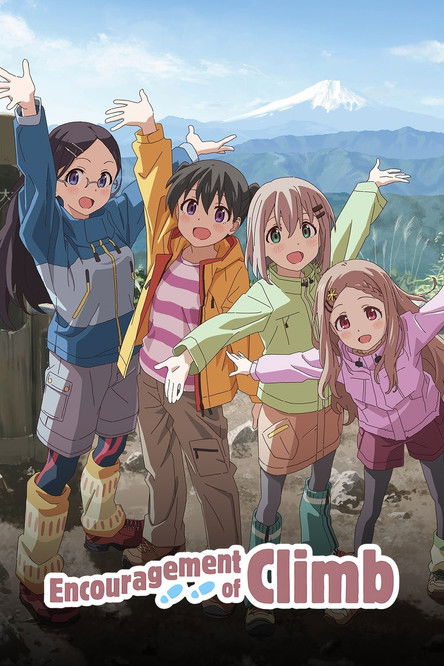
Series and the animated climbers, from the Dyatlov Pass to the bouldering gym

Getting to the top is optional. Getting down is mandatory.Ed Viesturs, the first American to climb all fourteen of the world's 8,000-metre peaks without supplemental oxygen
The history is the cinema
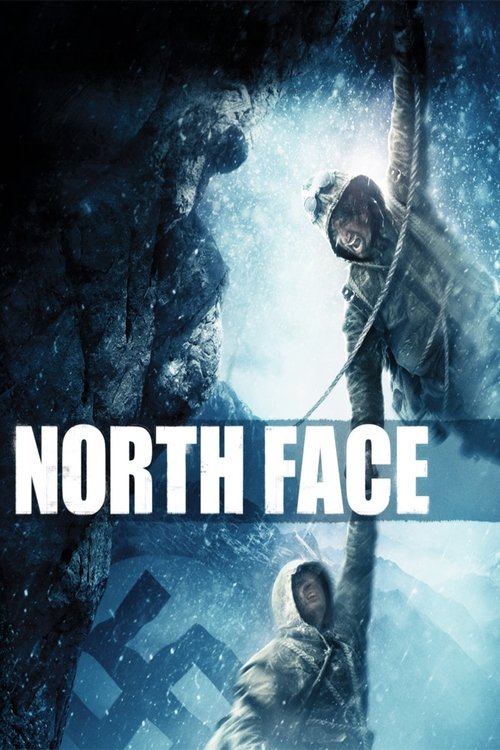
The great mountaineering films are not only the dramatizations. Some of the strongest are reconstructions of attempts that predate any summit being reached. Arnold Fanck and Leni Riefenstahl's German "mountain films" of the 1920s and 1930s built an entire genre out of the Alps, and North Face (2008) revisits the murderous 1936 attempt on the Eiger's north wall, the Eigerwand, where two Austrian and two German climbers died in plain sight of tourists watching through telescopes from a hotel terrace. It is one of the most physically convincing climbing films ever shot, all ice axes and frozen ropes and the slow horror of a retreat gone wrong.
Then there is the expedition documentary in its purest form. 14 Peaks follows Nirmal Purja's sprint to climb all fourteen 8,000-metre peaks in a single year, an objective the climbing establishment thought impossible, and reframes the modern Himalaya as a stage for Nepali climbers rather than the Western clients who usually get the camera. Meru and The Summit of the Gods, one a documentary of an obsessive first ascent and one an animated adaptation of a revered manga, round out the spectrum of how the mountain gets told.
The wider climb: history, obsession and the view from altitude
First ascents, expedition portraits and the films that go up for the love of it