
Every culture has a version of it: the body that is no longer quite a body, the voice that has too many frequencies, the eyes that have gone wrong in a way you cannot immediately name. Possession is one of the oldest horror frameworks we have, and it has never gone away, because the scenario cuts at something that does not age out. The self is the one thing we take for granted, and the idea that it can be evicted, overwritten, turned against the people who love it most, remains uniquely unbearable.
The exorcism story is possession's mirror image: the counterattack, the ritual that names the thing and demands it leave. It places a mortal, usually a priest, in direct negotiation with whatever took up residence. The priest has faith, scripture and procedure. The possessing entity has the body of someone they know. That is the whole genre, and it has generated some of the most formally disciplined horror ever made.
Essential possession horror
The canon, across every screen and page


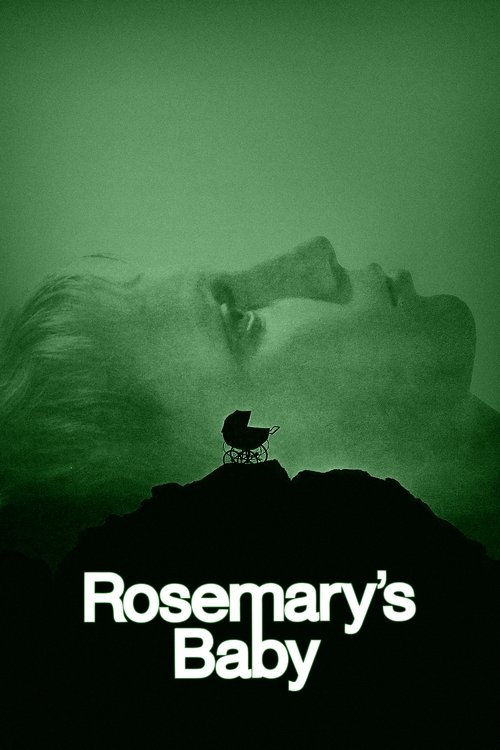
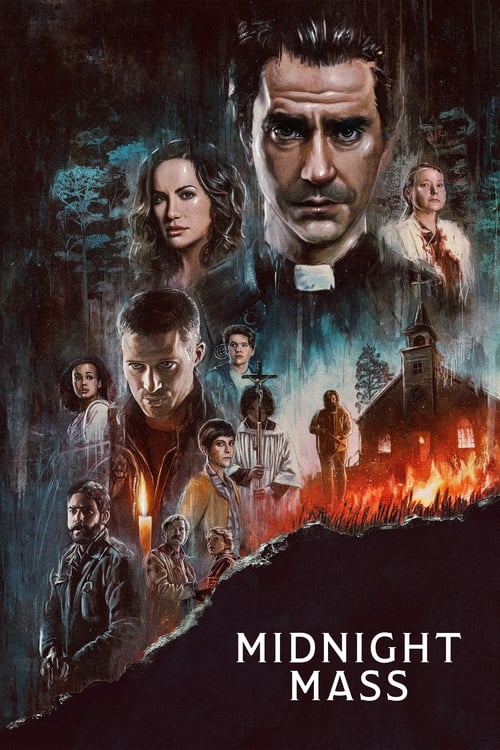
The one that invented the genre's rules
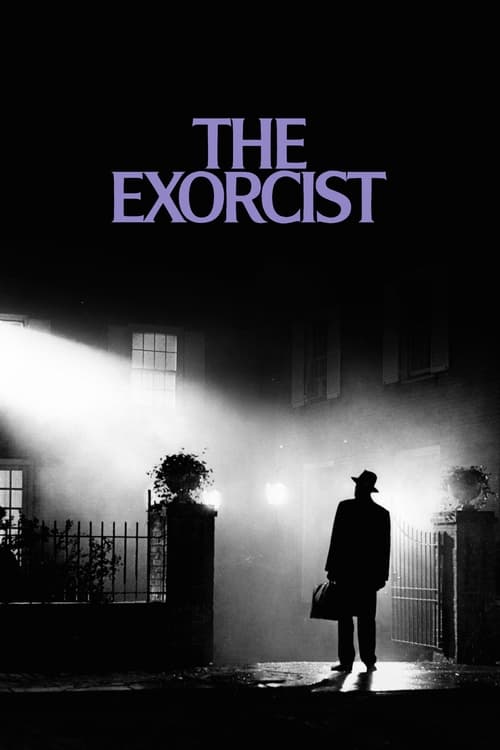
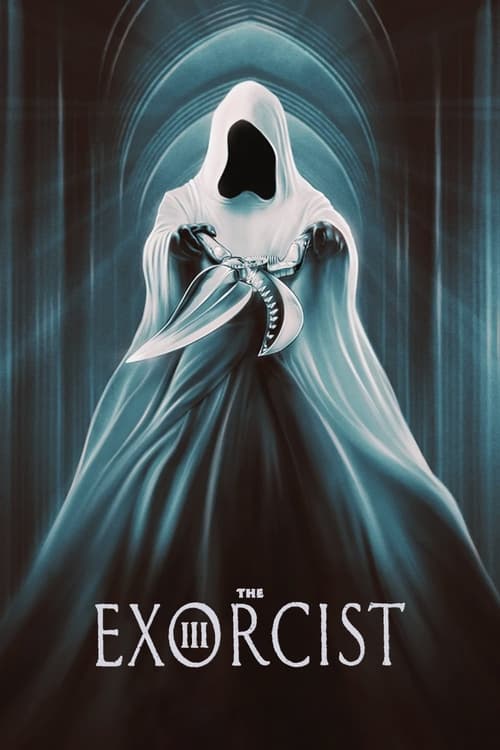
William Friedkin's The Exorcist (1973) did not merely launch a genre. It fixed the grammar of possession horror so completely that every film after it is either quoting it or arguing with it. The rotating head, the bile, the voice that speaks in registers a body should not reach, the priest who has lost his faith arriving at the bedside of a child who has lost everything else: these images are fifty years old and have not become camp. They land the same way they always did, because the film understood that what it was describing was not a monster film. It was a film about a mother who can do nothing, and a man who can only do one specific thing, and the terrible small room where those two people run out of options together.
The Conjuring universe
The modern franchise that made possession mainstream again
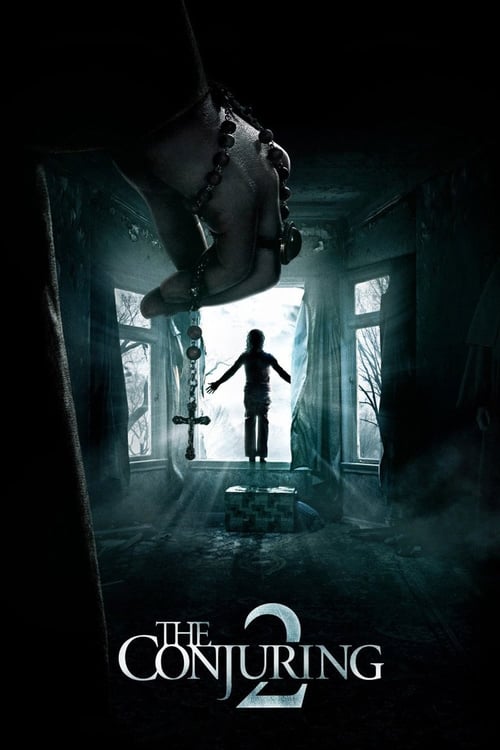
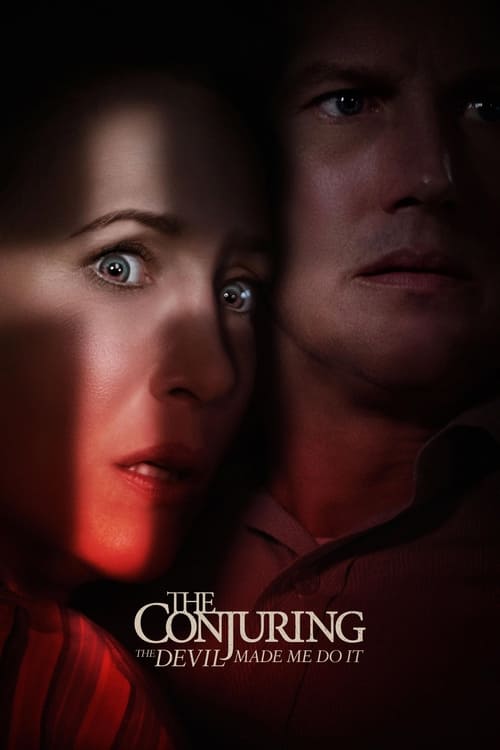
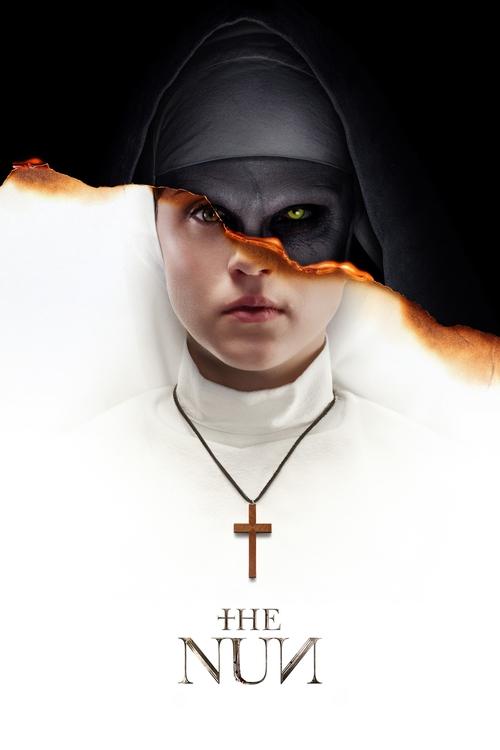
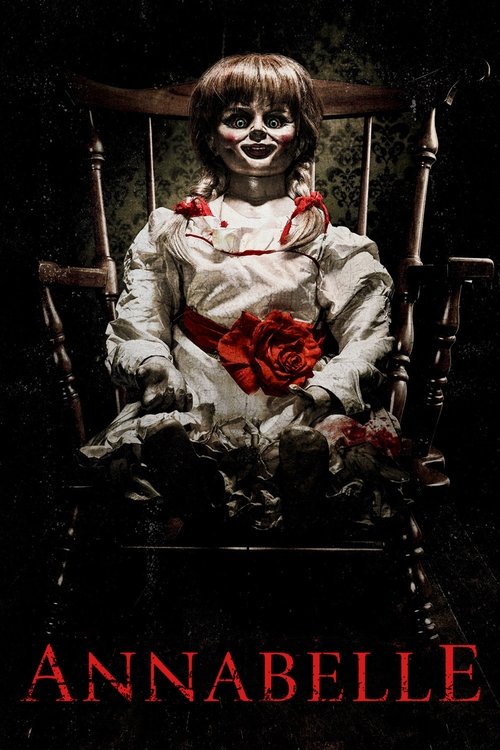
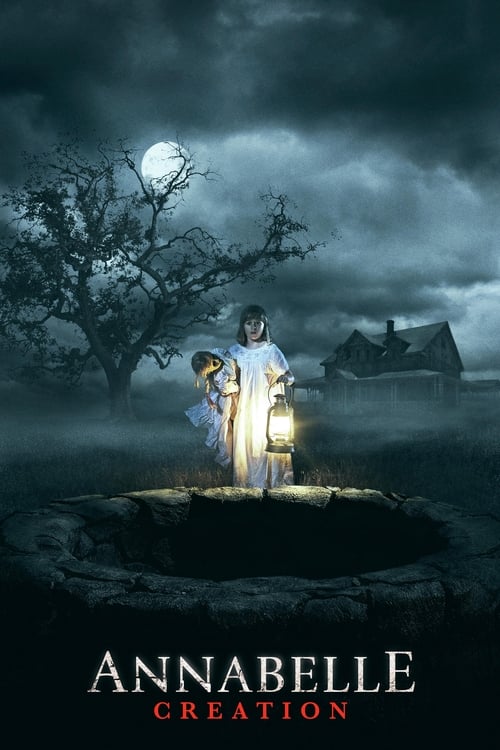
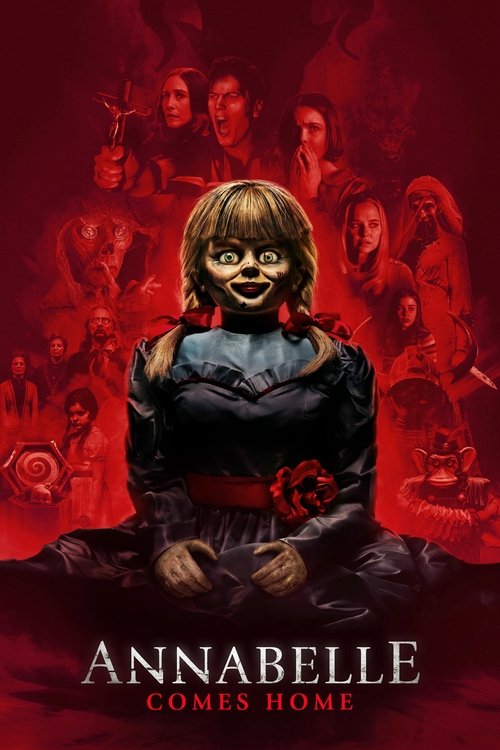
The ritual as structure
What separates possession horror from every other ghost story is the exorcism: a procedure, a confrontation, a performance. There are words to say in a specific order. There are objects, sanctioned by an institution, that are supposed to mean something against the thing in the room. The priest recites a rite written in the sixteenth century, and the possessed person writhes at it, or mocks it, or both. The ceremony creates a clock: something will happen by the end of this, and we do not know what.
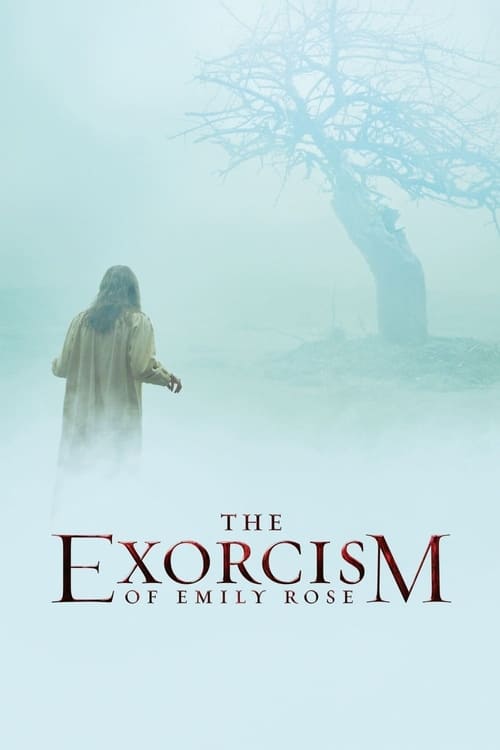
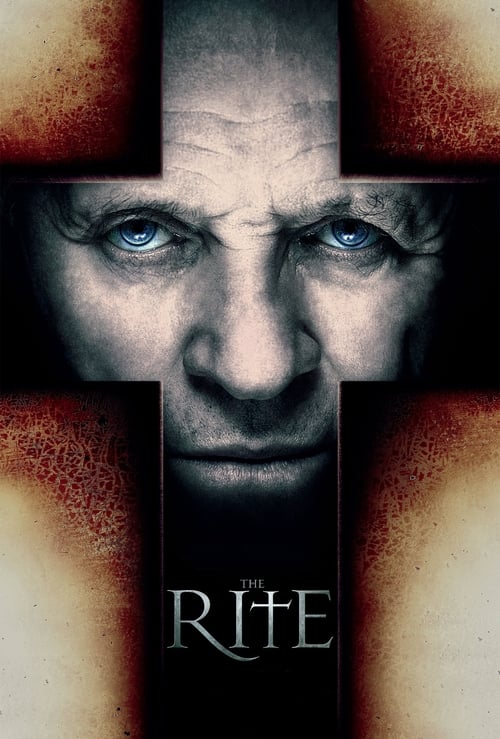
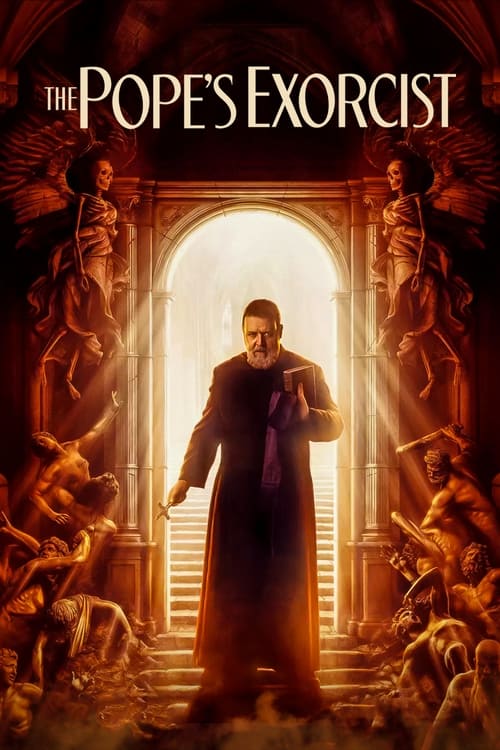
The best possession films understand that the drama lives in that ritual. The Exorcism of Emily Rose structures its entire runtime as a courtroom debate about whether the rite was even the right response. The Rite treats exorcism training as an apprenticeship story, which means Anthony Hopkins as the unsettling master. The Pope's Exorcist leans into the procedural premise and casts Russell Crowe as an expert with a case file. Each of these films is asking a different version of the same question: what do you do when the procedure is the only thing standing between the person you love and the thing that replaced them?
The rite of exorcism on film
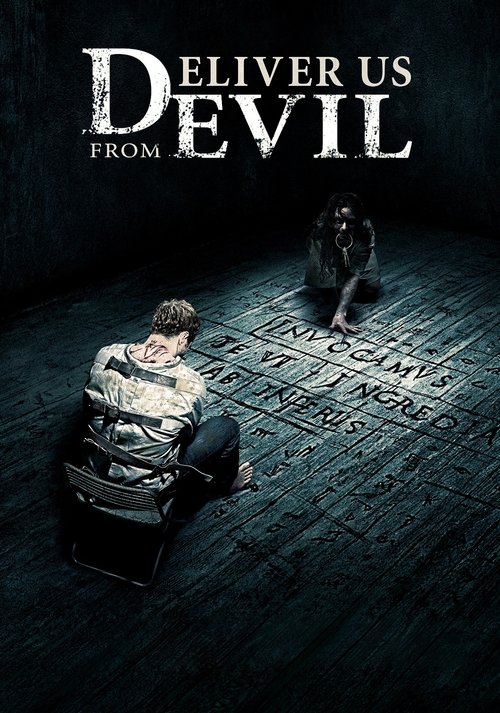
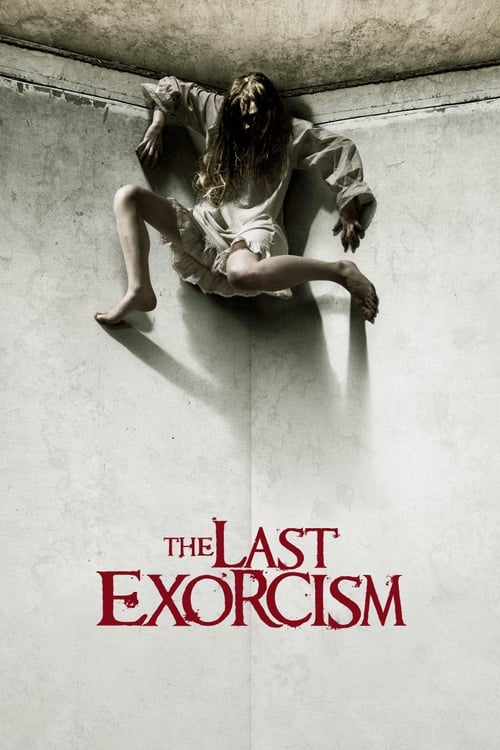
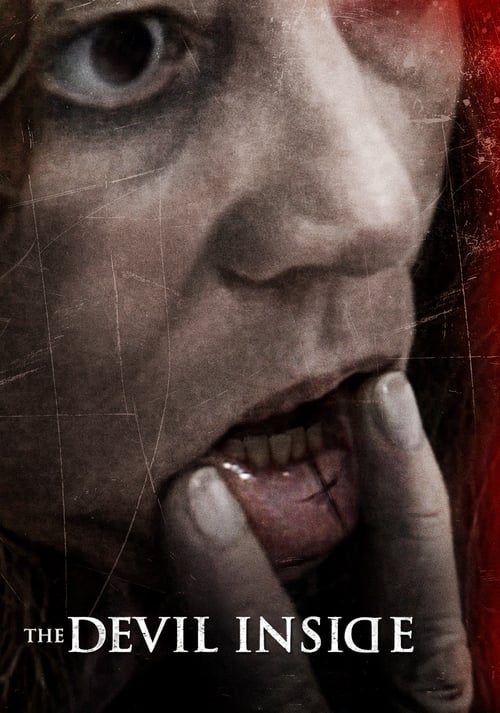
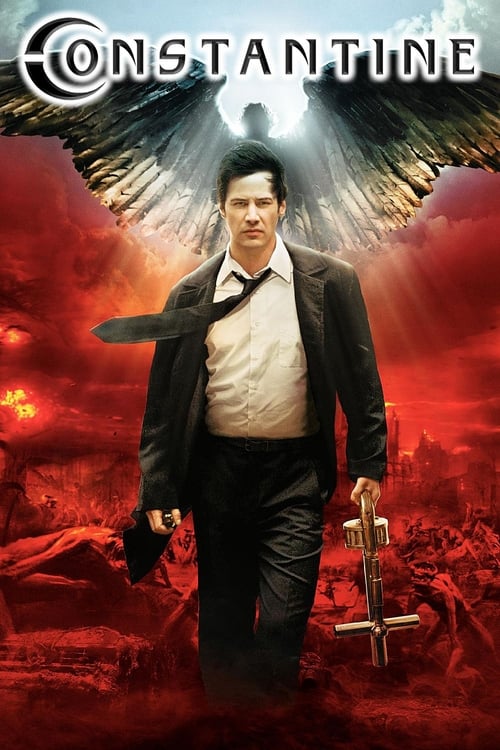
When a priest enters the room and begins
Television took possession seriously as drama
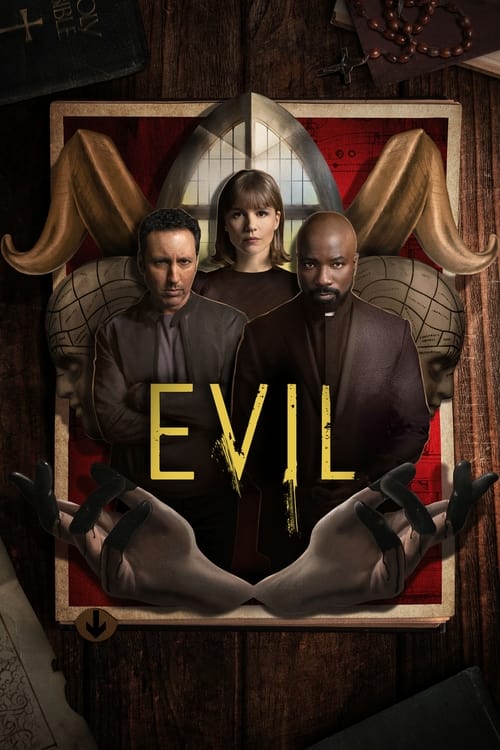
The CBS Paramount series Evil (2019) is the smartest possession drama made in decades, and it got there by refusing to settle the question. Its premise is a forensic psychologist paired with a priest-in-training to evaluate cases the Church flags as potentially demonic. Each episode presents the same evidence to two worldviews and refuses to flinch either one into submission. The psychologist always has a clinical explanation. The priest always has a different kind of one. The show never blinks and says which is right, which turns out to be its whole point: the ritual and the diagnosis are both stories we tell about what the body is doing, and some things do not fit neatly into either story.
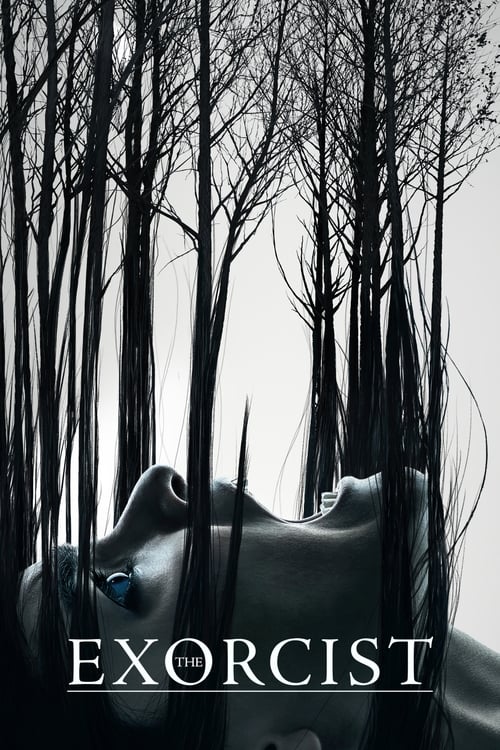
Possession on the small screen
Series that put the ritual inside a longer story
Hereditary is a possession film about grief
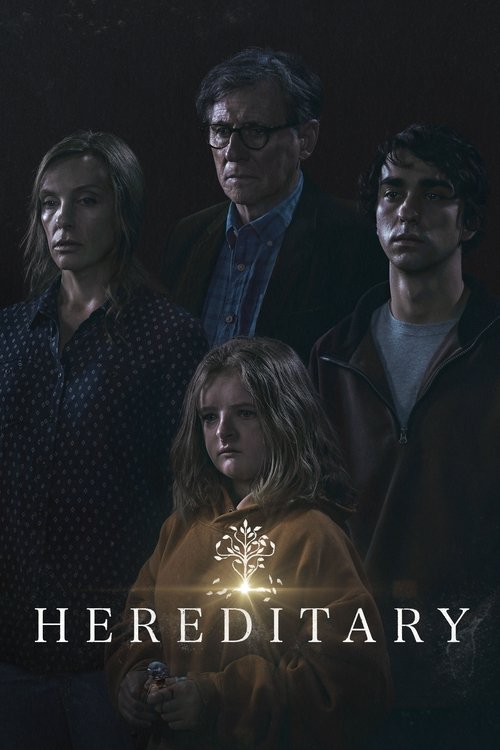
Ari Aster's Hereditary (2018) is the most formally rigorous possession film made after the Friedkin era, and it earns that claim precisely because it does not look like one for its first two acts. Aster builds a film about mourning and about the specific violence a family can do to itself through silence and resentment, and then reveals that the supernatural framework has been structuring every scene from the opening frame. By the time the possession is explicit, the horror has already been earned by the drama. Paimon does not replace grief in the Graham family. He is what grief has been pointed toward all along.
Possession as family horror
The thing is in the house, and it knows your name
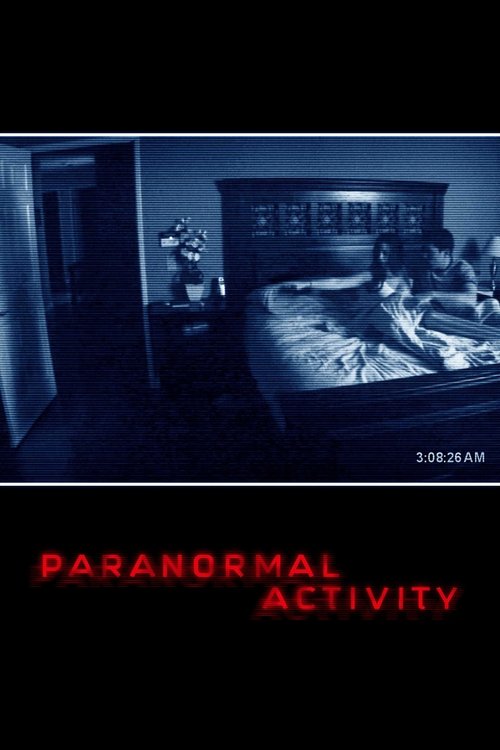

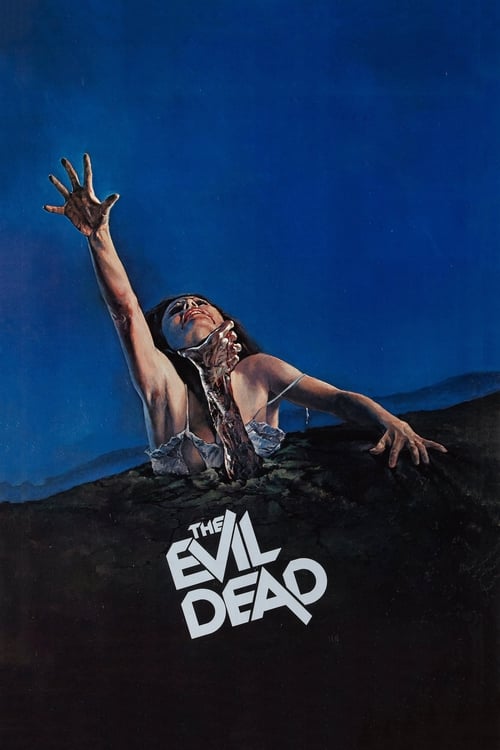
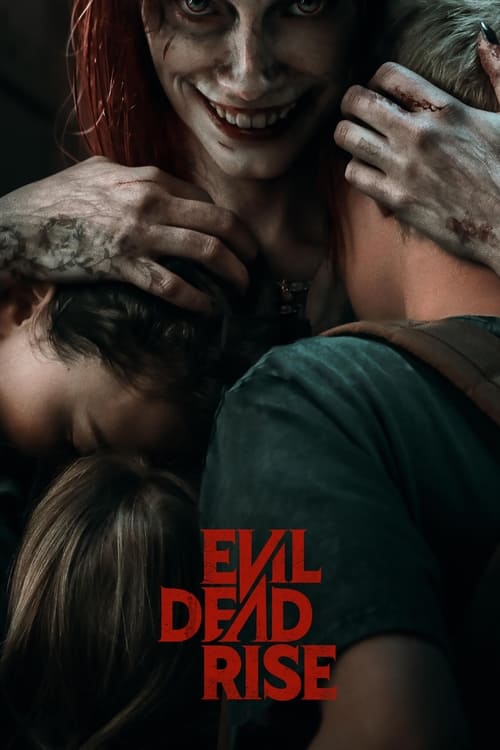
Evil Dead and its lineage
Raimi's cabin, and the doors it opened

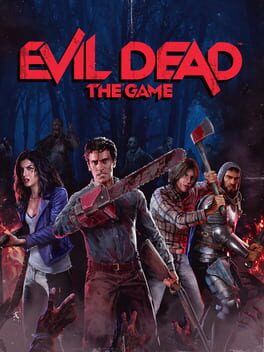
Games of the possessed
Haunted houses, spiritual investigation and bodies that are not quite right
The books that came before the films
Paul Tremblay's A Head Full of Ghosts (2015) is the best possession novel since the one that started the genre, and its method is opposite to Friedkin's: it is told by a young woman looking back at what happened to her sister, via a blog, filtered through twenty years of retrospect, and it never releases you from the possibility that the possessing entity was a producer's invention. Tremblay knows exactly what he is doing with the unreliable frame. The novel is a sustained argument about how we narrate the irrational, what it costs to have a camera in the room, and what gets lost when terror becomes content. Malachi Martin's Hostage to the Devil (1976) operates in a different register entirely: reported as fact, five case studies in pastoral detail, intended as a field guide. Whether you believe it or not, as a document of how the Church thought about these cases in that era, it is irreplaceable.

The written possession
Novels, case studies and fiction that shaped what the films became


The horror of possession is not the monster at the door. It is that the monster is wearing someone you recognise, and it knows everything they knew.On why possession never stops working
Deeper into the genre
Precursors, sequels and the wider tradition of the possessed body