
The oldest horror is not the monster outside the door. It is the monster wearing the face of the person who opened it for you. Every culture has a name for the thing that steals a shape: the skinwalker, the doppelganger, the changeling, the imposter at the dinner table who laughs a beat too late. The shapeshifter is the nightmare of a social animal, and we are the most social animal there is. We survive by reading faces. The shapeshifter breaks that contract and turns it into a weapon.
This guide is not about werewolves, who at least keep their own face under the fur. It is about the deeper and stranger fear: identity itself as a thing that can be taken, copied, eaten and worn. The blood test in an Antarctic research station. The clone who answers your phone. The alien that flowers from a pod with your wife's smile. The symbiote that finishes your sentences. Across film, television, games and books, these stories all circle one question that no relationship and no society can ever fully answer. How do you know the person in front of you is who they claim to be?
Essential shapeshifters
The canon of stolen faces, across every medium


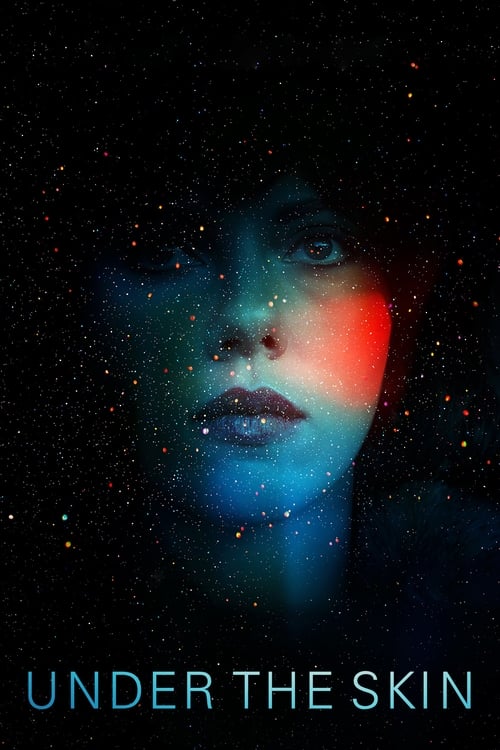
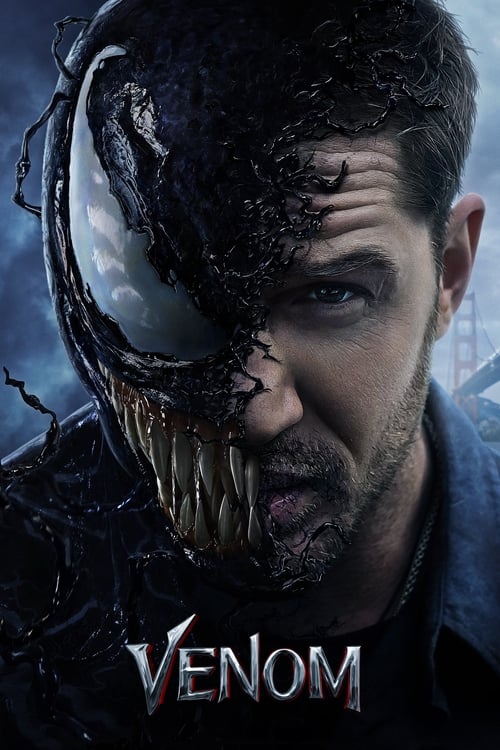
The Thing is the purest shapeshifter horror ever filmed
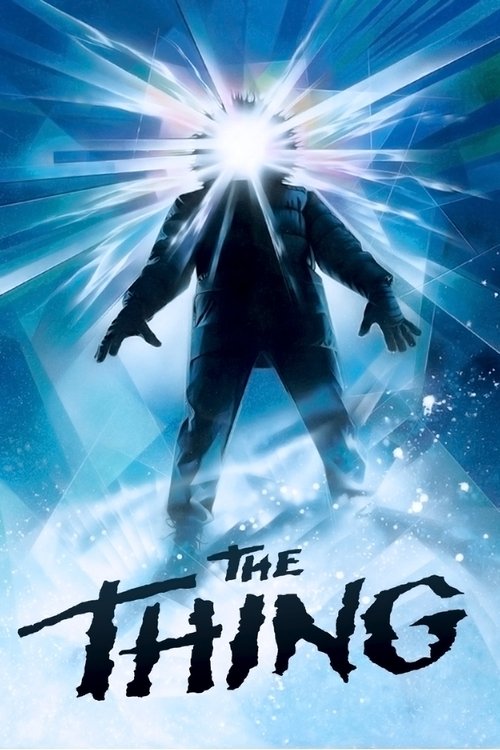
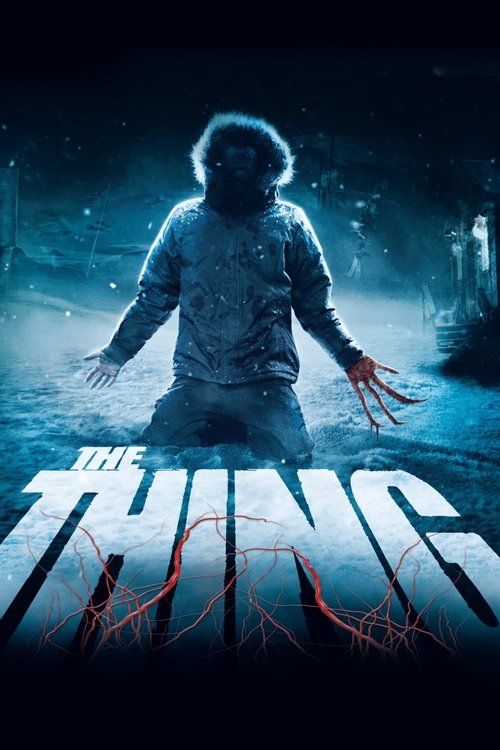
John Carpenter's The Thing (1982) understood the assignment better than anything before or since. An alien crashes in Antarctica, thaws out, and starts perfectly imitating the men at an isolated research station, cell by cell, until no one knows who is human. The genius is that the creature is almost incidental. The real subject is the paralysis of a group that can no longer trust itself. Kurt Russell's MacReady does not win by killing the monster. He wins, barely, by inventing a test, the blood reaction, because the only way to fight a perfect imposter is to find the one thing it cannot fake.
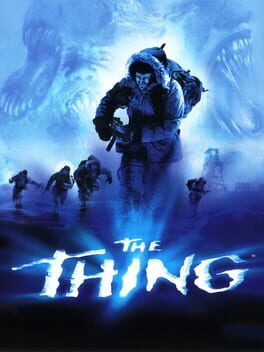
Rob Bottin's practical effects are still unmatched, but the scene that defines the film is the blood test itself: a circle of exhausted men tied to chairs, a hot wire, and the awful arithmetic of figuring out which of your friends is already dead. The 2011 prequel and the 2002 stealth game both chase that same dread of the unknowable other. Neither catches it.
Imposters among us: the paranoia films
Pod people, perfect copies and the neighbor who is no longer your neighbor
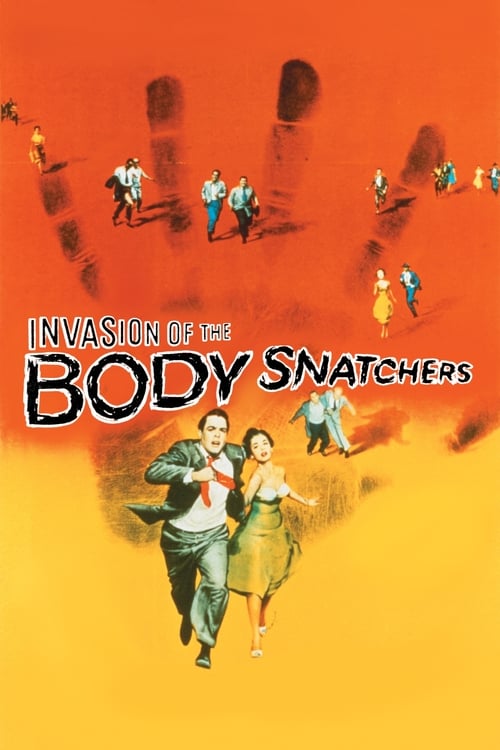
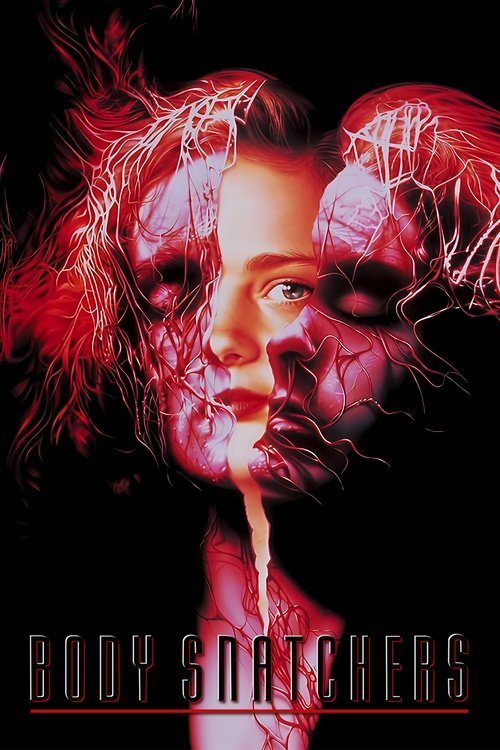
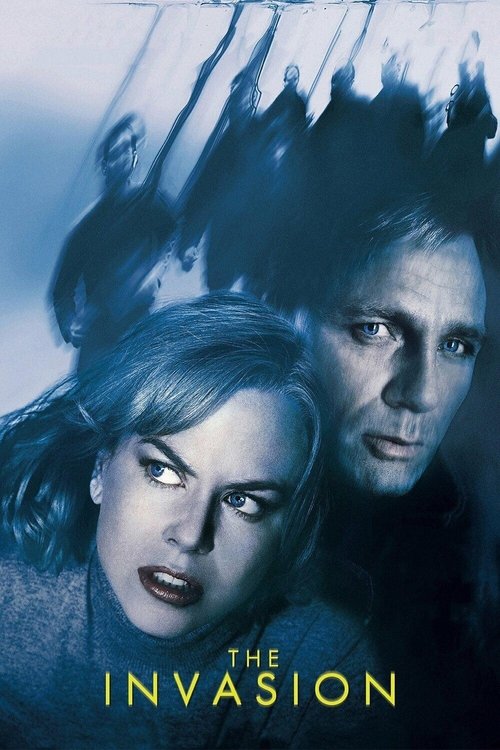

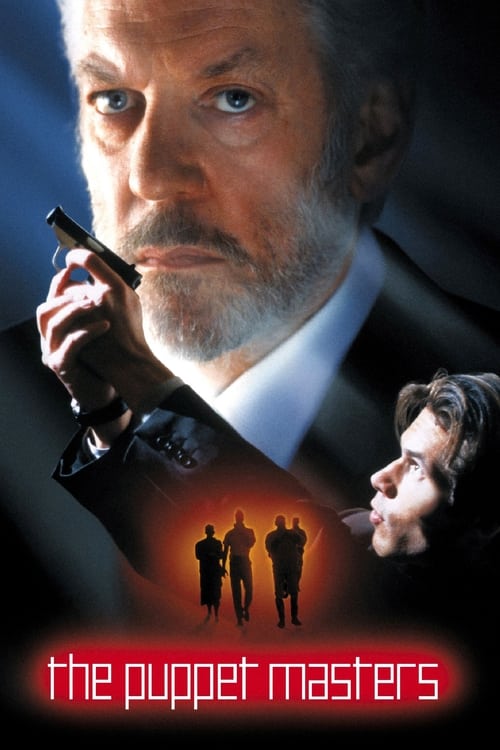

Two kinds of theft
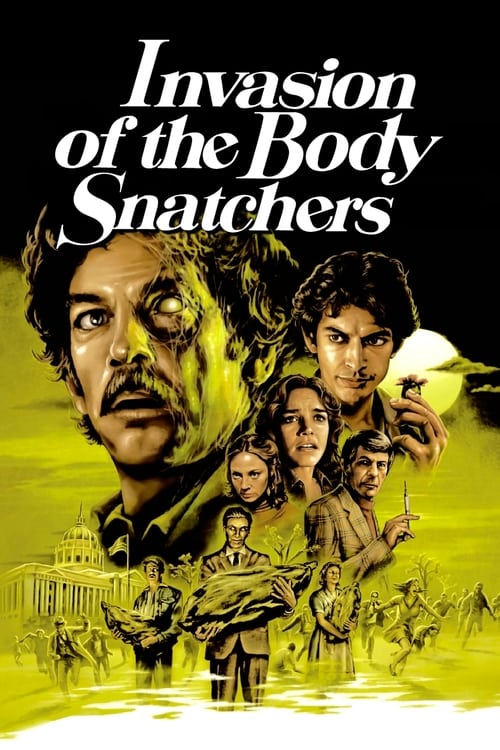
There are really two families here, and a good shapeshifter story knows which one it is telling. The first is invasion: something from outside wears our shape to get past our defenses. Invasion of the Body Snatchers is the founding text, and it has been remade in every decade because the metaphor refuses to stay still. In 1956 the pods read as conformity and the Red Scare. In 1978 they read as a city losing its soul to indifference. The horror is always the same beat: the people you love are still here, still smiling, and something behind the eyes is gone.
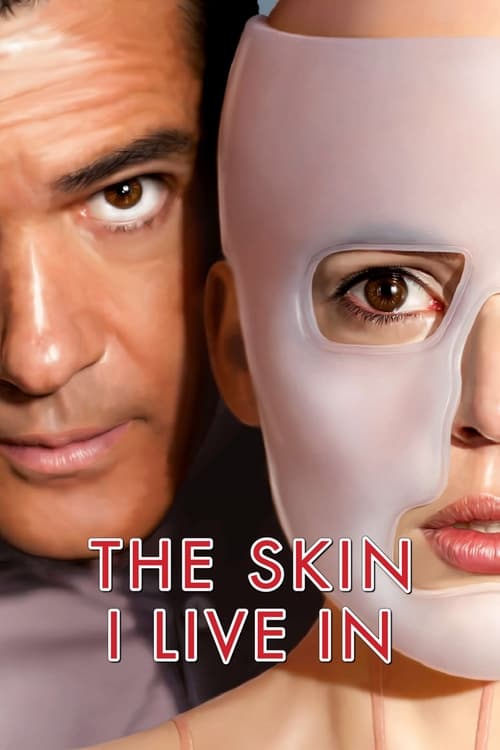
The second family is transformation, where the shifter is one of us, undone from within. Robert Louis Stevenson's Strange Case of Dr Jekyll and Mr Hyde gave us the template in 1886: not two people but one, and the monster is the part of the respectable man he refused to look at. Pedro Almodovar's The Skin I Live In drags that idea into the surgical age, where a face and a body can be remade against their owner's will. The shifter you should fear most, these stories argue, might be the one in the mirror.
Orphan Black is a one-woman masterclass in stolen identity
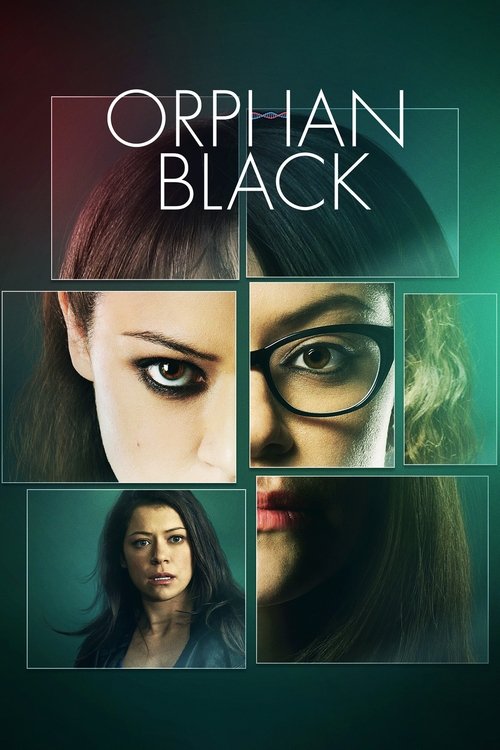
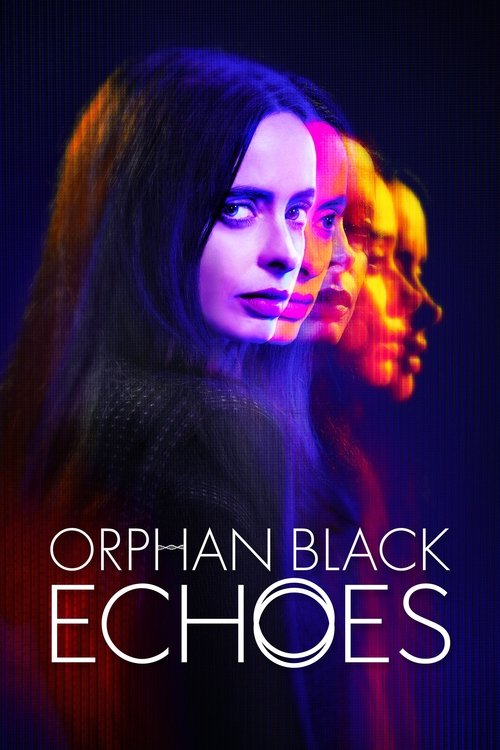
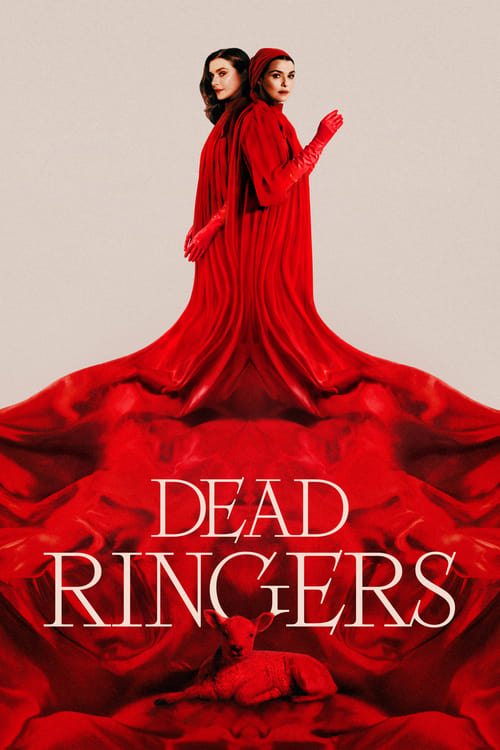
Most shapeshifter stories use the body double as a threat. Orphan Black turns it into a character study, and a logistical miracle. Tatiana Maslany plays a dozen clones who share a face and almost nothing else: a grifter, a soccer mom, a deranged assassin, a buttoned-down scientist, each a fully distinct person despite being, biologically, the same person. When two clones impersonate each other, you are watching Maslany play one character pretending to be another character she also plays. It should collapse into gimmick. It never does.
The show takes the doppelganger fear, the unbearable thought that there is another you out there living your life, and asks the harder follow-up: if there are nine of you, who actually owns the self? It belongs on this list because it is the rare shapeshifter story where the shifting is not the horror. The horror is the corporation that thinks it owns the faces.
The shifter on television
Clones, changelings, Cylons by another name and the alien that learns your face
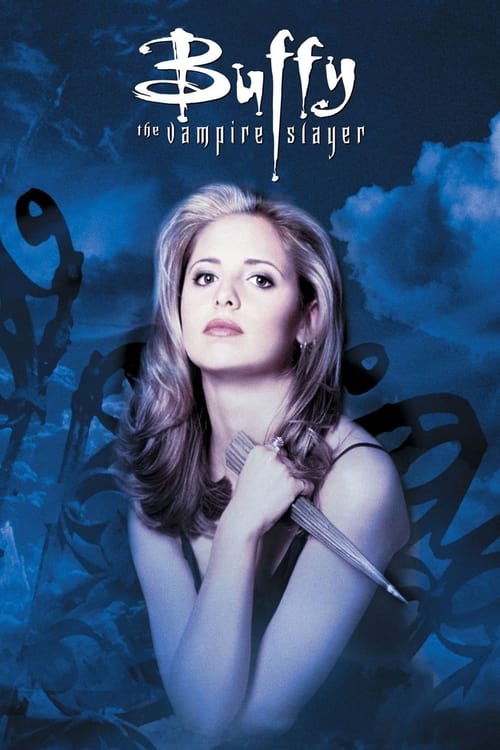
I know I'm human. And if you were all these things, then you'd just attack me right now, so some of you are still human.MacReady, The Thing, on the impossible logic of trusting a face
Doppelgangers and the double
The other you, the wrong twin, the self that should not exist
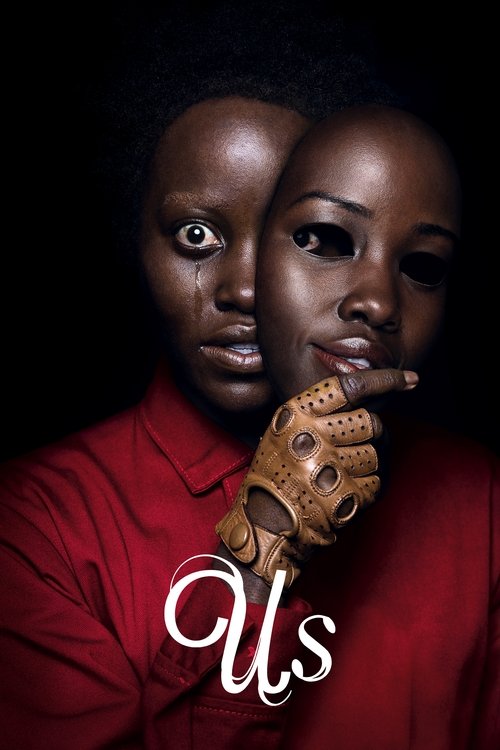

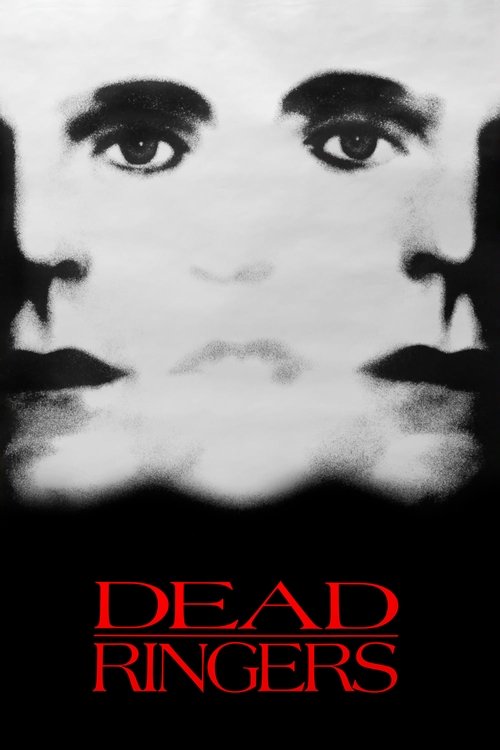
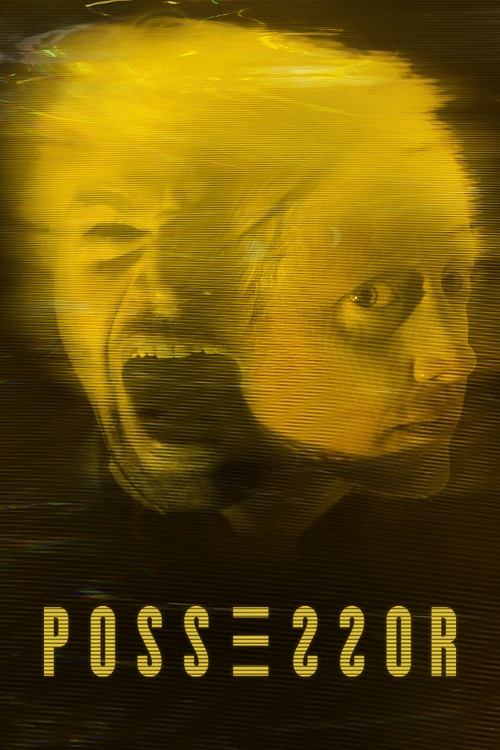

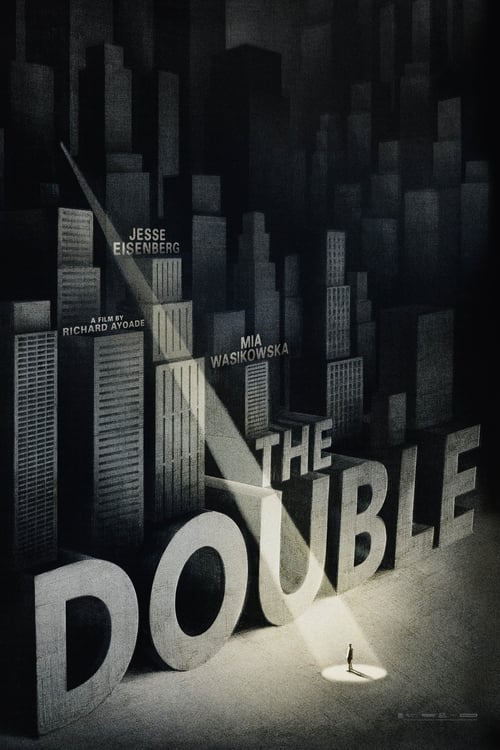
Prey and the quiet brilliance of playing as your own copy
Arkane's Prey (2017) does something most shapeshifter games are too timid to try: it makes you the shifter. The Mimics, alien creatures that disguise themselves as ordinary objects, turn an abandoned space station into a place where a coffee mug might unfold into teeth. That alone would be a strong horror hook. But the design goes further. Through the Typhon abilities, the player learns to do exactly what the enemy does, collapsing into a rolling chair to slip through a gap, becoming the thing you are hunting.
It sits in a lineage of games built on the dread of the wrong shape. Dishonored and Hitman let you wear other people's identities to move unseen. Carrion flips the whole genre and casts you as the amorphous escaped creature, a tide of red flesh devouring a facility. Prey is the smartest of them because its shapeshifting is never just a power. It is a constant, low question: if I can be anything, and so can they, what is left that is actually me?

Shapeshifters to play
Mimics, disguises, devouring blobs and the morph ball
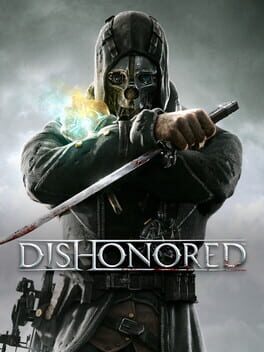



The body-swap, the genre's lighter cousin
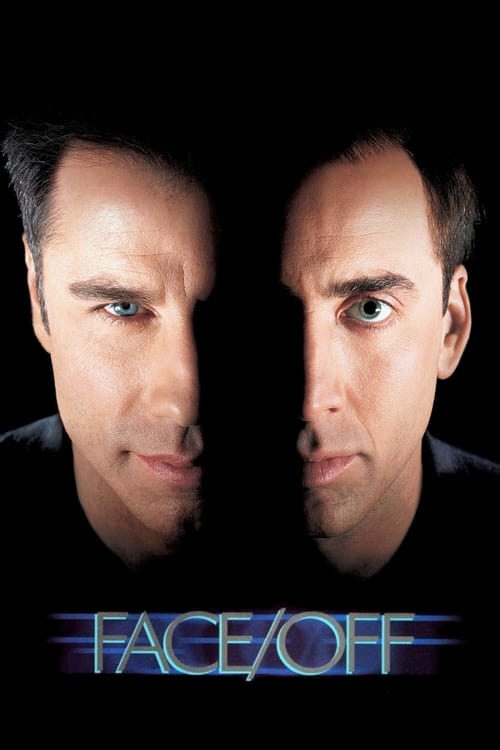
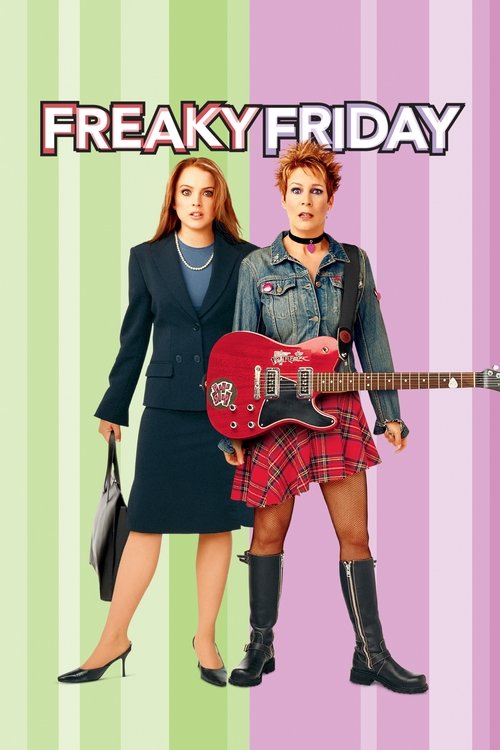
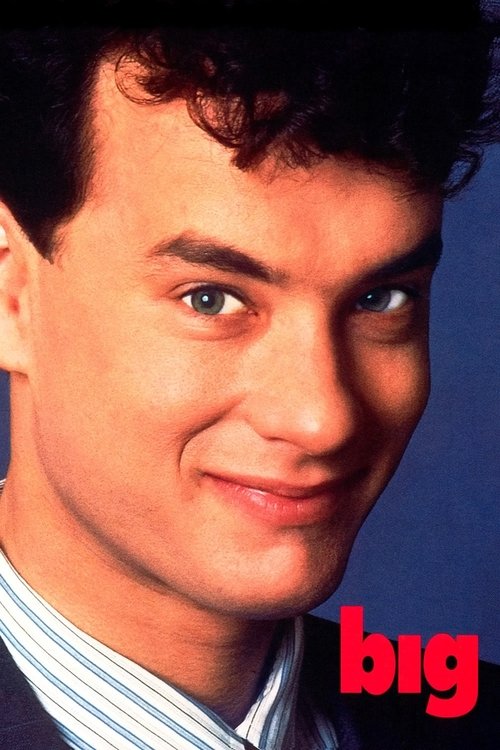
Not every stolen identity is a horror. The body-swap comedy is the shapeshifter story told as wish fulfillment and farce: the child who wakes up an adult, the parent and kid who trade lives, the two strangers who keep waking in each other's skin. Big, Freaky Friday and Face/Off are all, structurally, shapeshifter films. Somebody is walking around in a body that is not theirs, learning a life from the inside, and the comedy and the pathos come from the same place as the horror does: the gap between the face and the person behind it.
Makoto Shinkai's Your Name is the most beautiful version of this idea anyone has filmed, a romance built entirely on two teenagers who keep swapping bodies across a distance they do not understand. It belongs in the same conversation as The Thing, strange as that sounds, because both are about the same impossible intimacy: being inside another person, and trying to leave them a message they will believe came from you.
Wearing another life: the body-swap
Trade places, trade faces, learn a self from the inside


Animorphs was the most disturbing thing on the children's shelf
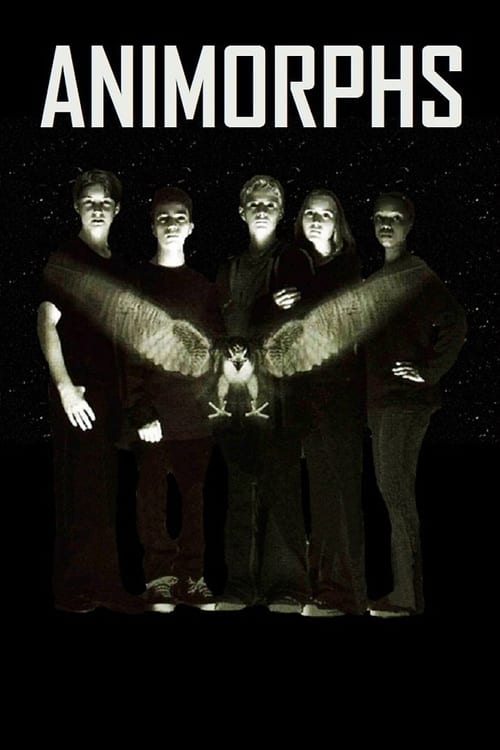
K.A. Applegate's Animorphs sold tens of millions of copies to kids on the promise of a thrilling power: touch an animal, absorb its DNA, become it. What the series actually delivered was one of the most unsettling meditations on body horror and identity ever aimed at twelve-year-olds. Morphing is not clean. Bones crunch into new shapes, organs migrate, an arm splits into feathers while the eyes are still human. Stay in a morph past two hours and you are trapped in it forever, your own body and self erased.
Worse are the enemy: the Yeerks, slugs that crawl into your ear and wrap around your brain, leaving you fully conscious and screaming inside a body that now obeys someone else. That is the skinwalker fear in its rawest form, written for children. The catalog holds several of the original books, and they hold up. Animorphs understood, long before most adult fiction, that the real terror of shapeshifting is not the change. It is the part of you that watches, helpless, while something else wears your face.


Shapeshifters on the page
Jekyll, the body snatchers, the morphers and the slug in the ear


The flesh remade: body horror and the shifter within
Skin grafts, symbiotes and the change that comes from inside