

Solarpunk is science fiction's great act of defiance against despair. Where cyberpunk imagined a future ruined by technology and greed, solarpunk asks a harder question: what if we actually solved it? Its worlds run on sun and wind, its cities are wrapped in green, and its stories are about repair, community and abundance rather than collapse. Ursula K. Le Guin and Kim Stanley Robinson laid the intellectual groundwork, Hayao Miyazaki gave it a visual language, and Becky Chambers gave the movement its gentle flagship.
This is the complete guide across every medium: the founding ecological utopias, the new wave of solarpunk fiction, Miyazaki's eco-fables, the green futures on screen, and the games that let you heal a world, grow a community, or simply wander somewhere beautiful.
The essential solarpunk







The solarpunk bookshelf


A Psalm for the Wild-Built is solarpunk's gentle manifesto
Becky Chambers imagines a moon where humanity chose, generations ago, to step back and let half the world go wild, and a robot who left to ask a single question: what do people need? Nothing much happens, wonderfully. A tea monk and a curious robot walk through a healed landscape and talk, and in doing so the book models the entire solarpunk proposition, that a good future is quiet, sufficient and kind. It is the movement's flagship for a reason.
Miyazaki and the eco-fable


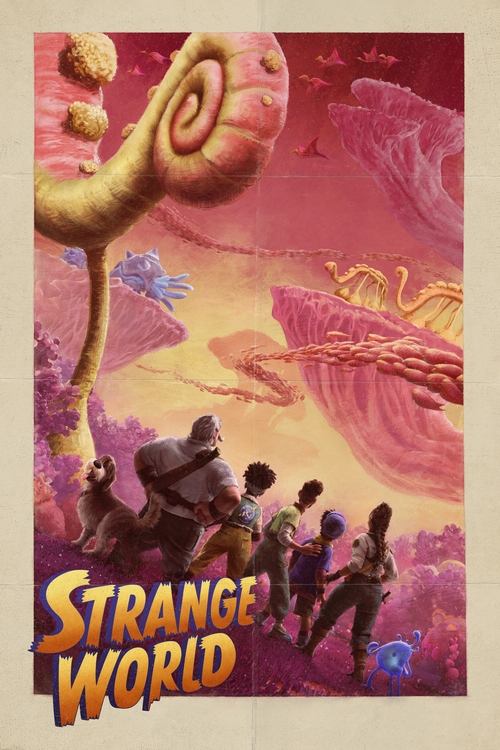
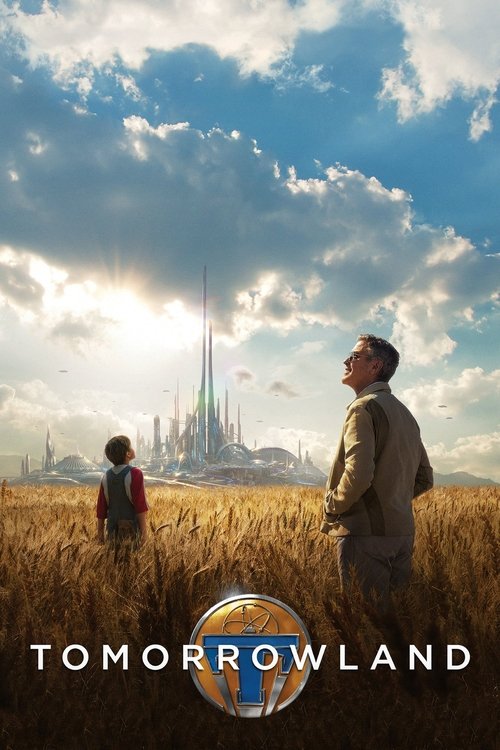
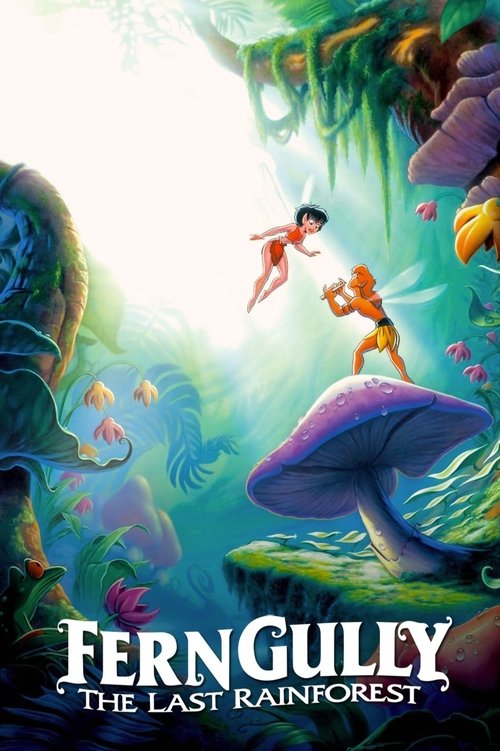
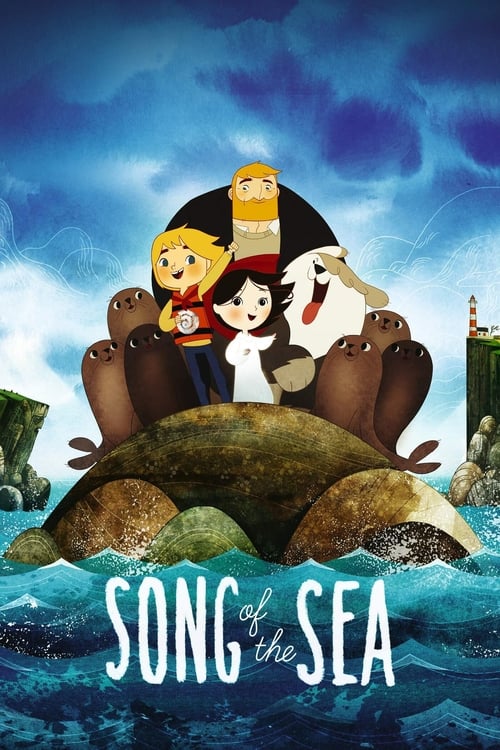
Green futures on screen
Cultivate the world: the games
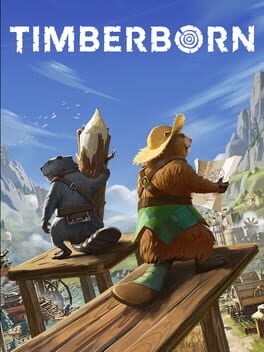

Nausicaa invented the look of solarpunk decades early
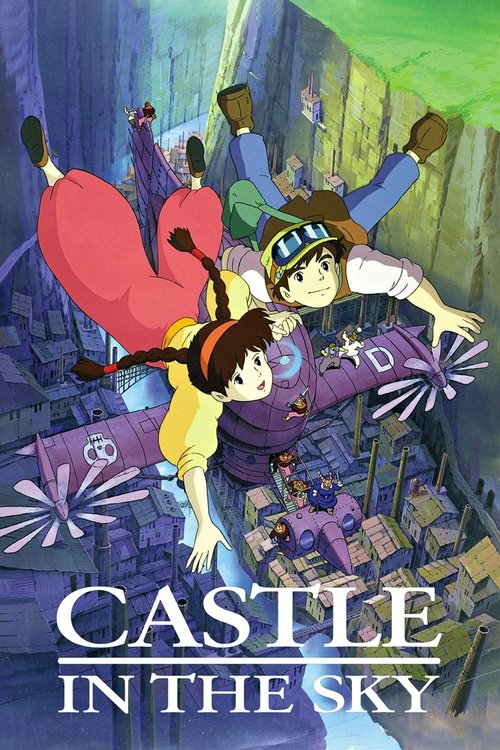
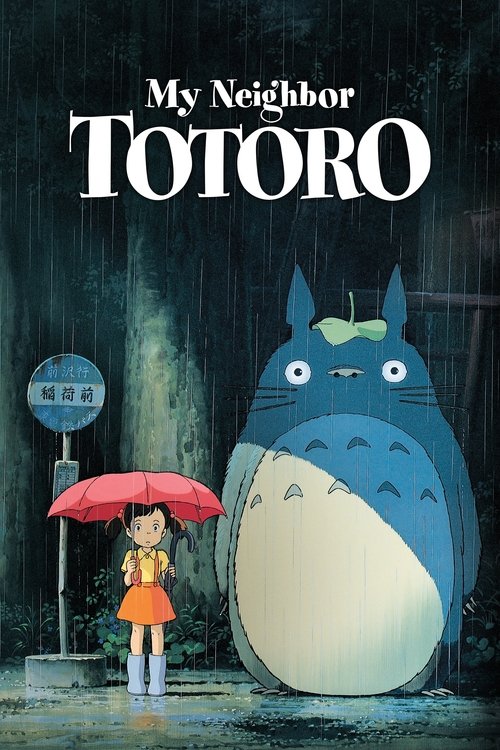
Long before the word existed, Hayao Miyazaki drew its world: windmills and gliders, a heroine who loves every living thing, a poisoned earth slowly purifying itself, and the radical idea that coexistence beats conquest. Nausicaä of the Valley of the Wind is an ecological epic that refuses easy villains and insists that understanding nature, rather than defeating it, is the only way through. Every green-future image since owes it something.
The gentle exploration game






Kim Stanley Robinson's climate futures


The timeline
- 1974Ursula K. Le Guin's The Dispossessed imagines an anarchist ecological utopia. The Dispossessed
- 1975Ernest Callenbach's Ecotopia gives the eco-utopian novel its name.
- 1984Miyazaki's Nausicaä of the Valley of the Wind defines the solarpunk visual language. Nausicaä of the Valley of the Wind
- 1990Kim Stanley Robinson's Pacific Edge pictures a hopeful, green California. Pacific Edge
- 2008WALL·E carries ecological hope, and warning, to a global audience. WALL·E
- 2014The solarpunk movement crystallizes online and names its optimistic aesthetic. Nausicaä of the Valley of the Wind
- 2020The Ministry for the Future makes the fight for a livable future feel achievable. The Ministry for the Future
- 2021Becky Chambers's A Psalm for the Wild-Built becomes the movement's flagship novel. A Psalm for the Wild-Built
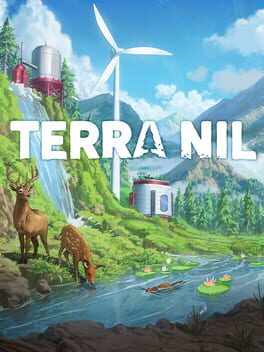
- 2023Terra Nil turns ecological restoration into a beloved game. Terra Nil
Terra Nil is the game that lets you heal a world
Most city-builders are about extraction and sprawl. Terra Nil inverts the entire genre: you arrive on a dead, poisoned landscape and use technology to restore it to a thriving wilderness, then remove every trace of yourself and leave. It turns ecological repair into a genuinely satisfying puzzle and, in doing so, becomes the purest interactive expression of the solarpunk dream. Building up, then gracefully bowing out.
The Ministry for the Future is the essential climate novel
Kim Stanley Robinson's sprawling near-future epic is solarpunk at its most serious and most practical: not a fantasy of a finished green world, but a granular, hard-headed account of the fight to actually get there, through policy, disaster, technology and stubborn hope. It is not always comforting, but it insists that a livable future is achievable, and it shows the work. No book has done more to make ecological optimism feel plausible.
The visionaries
Keep exploring
Climate Fiction
Explore the Climate Fiction guide →Frequently asked
What is solarpunk?
Solarpunk is a science-fiction and design movement centered on optimistic, ecological futures: societies powered by renewable energy, integrated with nature, and organized around sustainability, community and abundance rather than collapse. It is a deliberate counterpoint to the dystopian bleakness of cyberpunk, imagining not how the world ends but how it might be repaired. Its aesthetic favors greenery, sunlight, art nouveau curves and appropriate technology.
How is solarpunk different from cyberpunk?
Cyberpunk imagines high-tech, low-life futures dominated by corporations, inequality and urban decay. Solarpunk shares the interest in technology and social structure but flips the mood: it envisions futures where communities have used technology to live well within ecological limits. Where cyberpunk warns, solarpunk proposes. The two are often treated as opposite poles of the same conversation about where technology leads.
What should I read to understand solarpunk?
Becky Chambers's A Psalm for the Wild-Built and its sequel A Prayer for the Crown-Shy are the gentlest entry points. For something grander and more political, Kim Stanley Robinson's The Ministry for the Future and Pacific Edge, and Ursula K. Le Guin's The Dispossessed. Several solarpunk short-story anthologies also collect the movement's newer voices.
Are there solarpunk games and films?
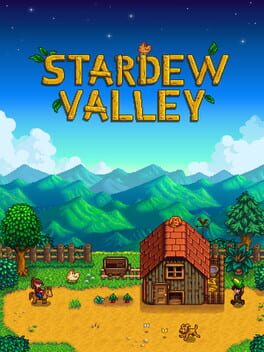
Yes. Terra Nil, about restoring a dead landscape to wilderness, is the definitive solarpunk game, alongside cozy builders like Stardew Valley, Timberborn and Eco and gentle exploration games like Flower and Journey. On screen, Hayao Miyazaki's Nausicaä and Princess Mononoke, plus WALL·E and The Wild Robot, carry the movement's hopeful ecological spirit.