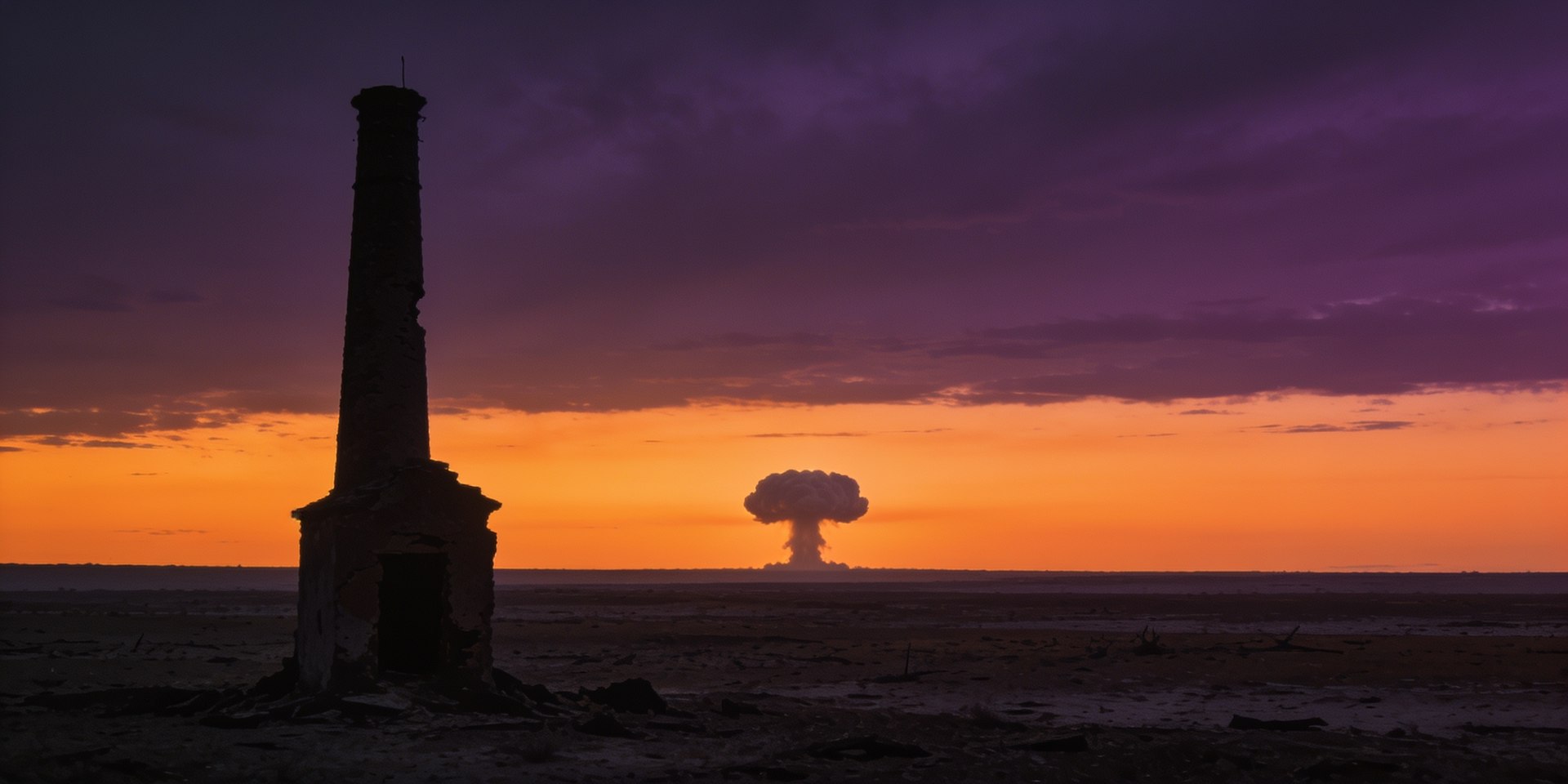

The mushroom cloud is the twentieth century's most recognizable shape. Everything that came after August 1945 was shaped by the knowledge that civilization could be ended in an afternoon, that the physics of destruction had outrun the politics of restraint, that somewhere, at all times, missiles sat in silos waiting for a code that might never come.
The fiction this produced is unlike any other genre. It is not escapism. The best nuclear stories refuse to look away: the burns, the radiation sickness, the social collapse that follows the collapse of the state, the guilt of survival. They are also, at their best, morally serious in a way that most genre fiction is not. The bomb requires that everything be weighed against everything else. Who gets the shelter. Who decides to press the button. Whether there is anything worth rebuilding if you make it through.
Essential nuclear stories
The canon, across every screen and page


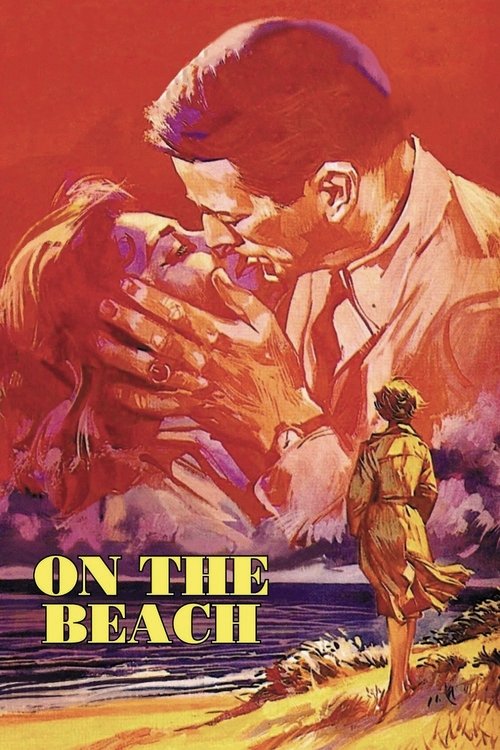

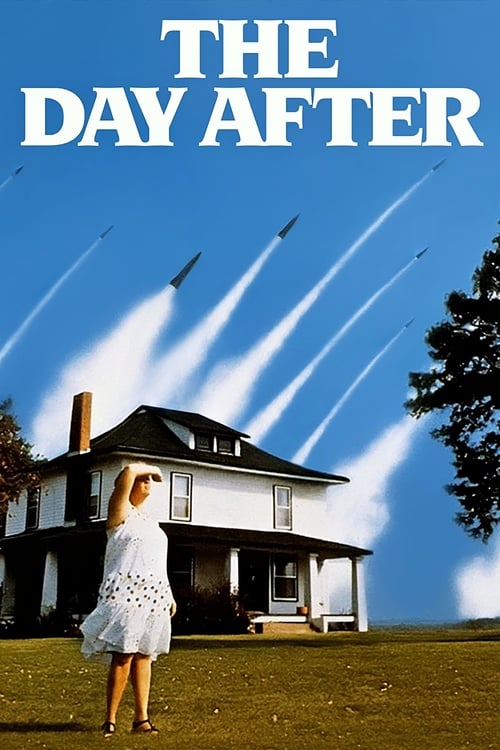
The film that made Britain turn off its televisions
No film about nuclear war has ever been as hard to watch as Threads (1984). The BBC commissioned it as a public information exercise and then spent a year debating whether to broadcast it. When it finally aired, helplines were overwhelmed. Viewers reported nightmares for weeks. The reason it works where dozens of similar films fail is that it refuses metaphor. There are no heroic survivors, no uplifting last acts, no community of resilience forming in the rubble. What director Mick Jackson and writer Barry Hines give you instead is the bureaucratic reality of civil defense collapsing, followed by the biological reality of radiation sickness, followed by the generational reality of a society that has forgotten how to read. The children born after the bombs in Threads speak in grunts. The film understands that what nuclear war destroys is not just buildings but the accumulated information of civilization. It is the most honest nuclear film ever made, and almost nobody watches it twice.
The bomb on screen
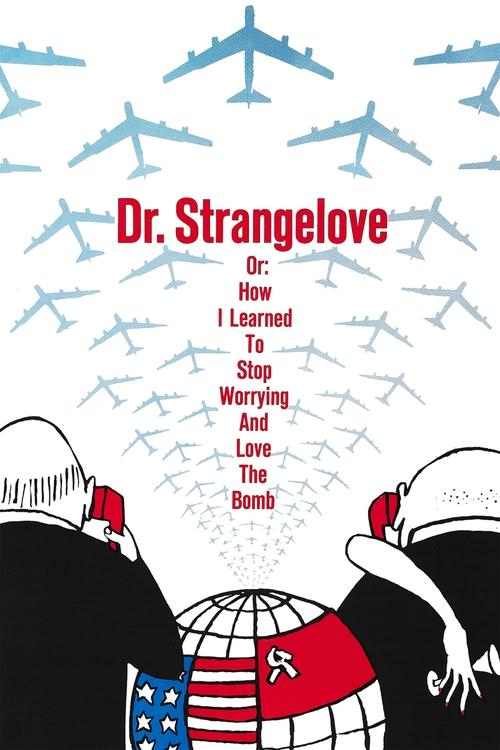
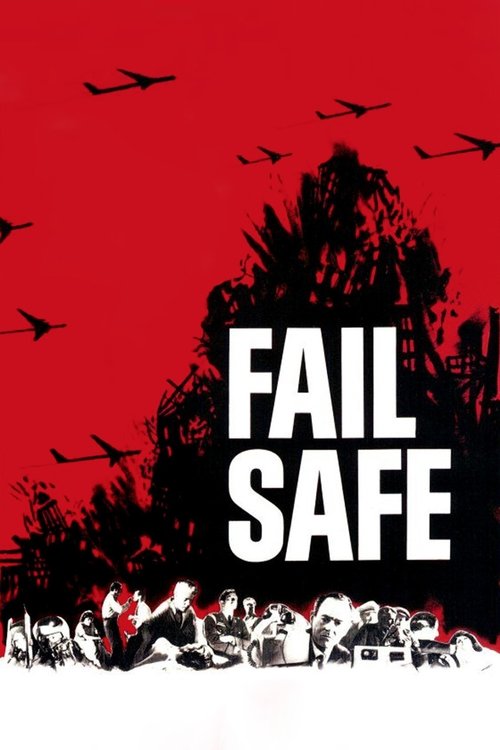
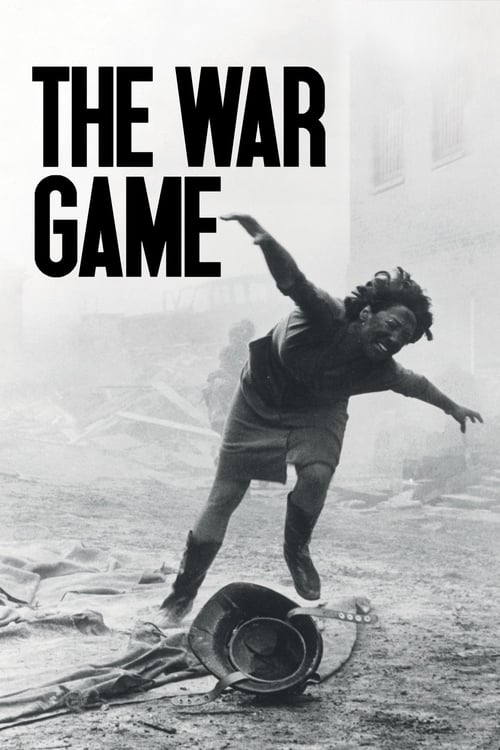
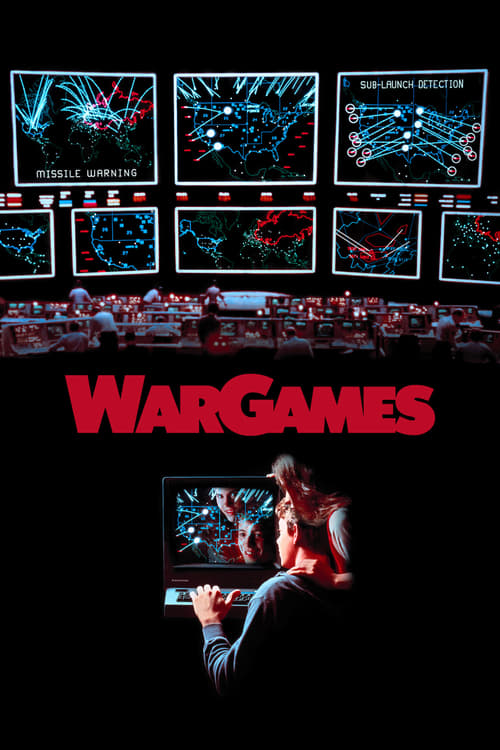
Films of atomic dread, Cold War brinkmanship and nuclear aftermath
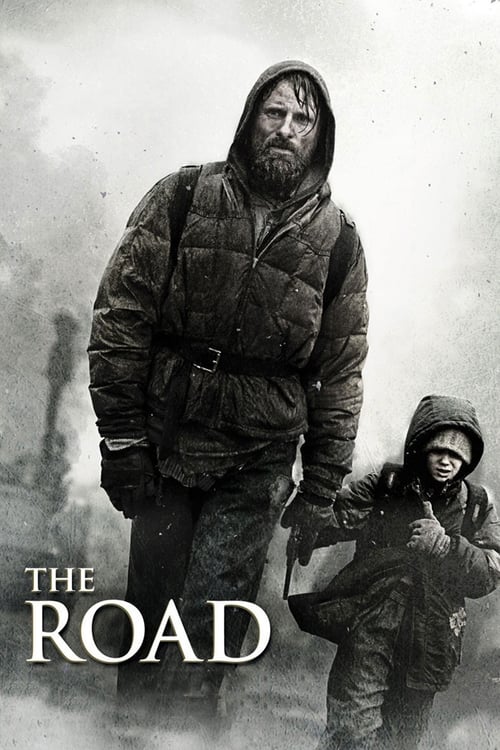
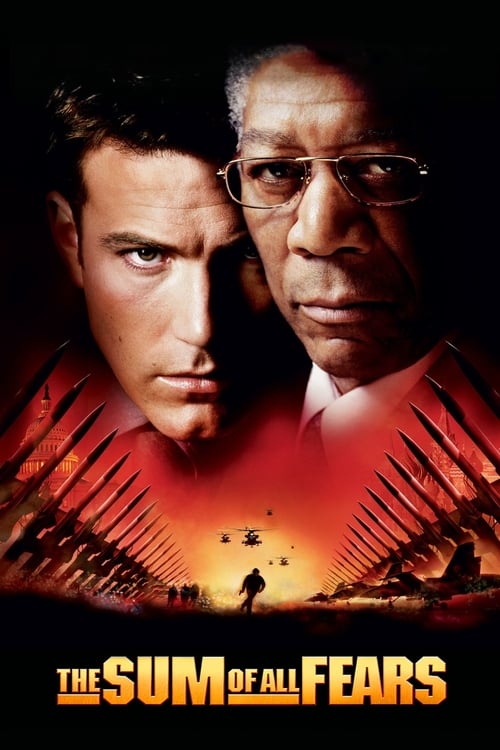
Games took the wasteland seriously
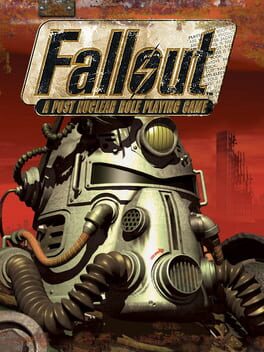
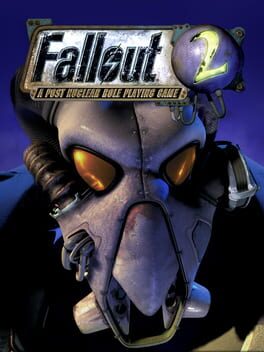
The Fallout series began in 1997 as a love letter to 1950s American optimism meeting 1950s American dread: the Atomic Age's promise and its ruin, rendered in a rusted retrofuture where Vault-Tec promised safety and delivered experiments. What makes the best Fallout games memorable is not the combat or the loot, but the archaeology. Walking through the ruins of a Bethesda suburb in Fallout 3 or the Nevada desert in Fallout: New Vegas, you are reading the ghost of a society through the evidence it left behind: terminal logs, holotapes, empty kitchens with 200-year-old meals still on the table.
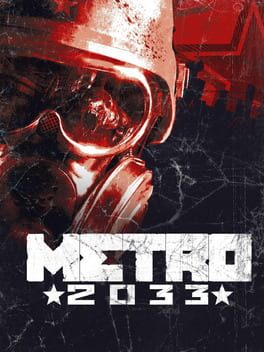
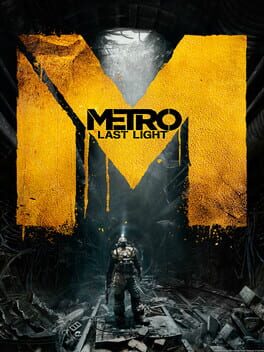
The Metro trilogy took a different path. Based on Dmitry Glukhovsky's novel, it is set in the Moscow Metro system a generation after nuclear war. Where Fallout is wide open, Metro is claustrophobic: the surface is poisoned, the tunnels are humanity's only habitat, and the factions that have formed in the dark are as varied and hostile as any above-ground political map. These are two of the medium's most sustained engagements with what it actually means to rebuild human society from almost nothing.
The Fallout universe
Vaults, wastelands and the long American ruins
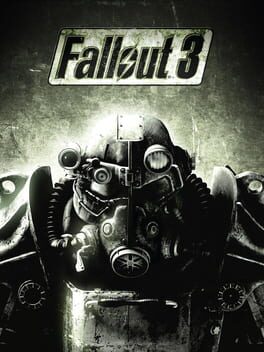
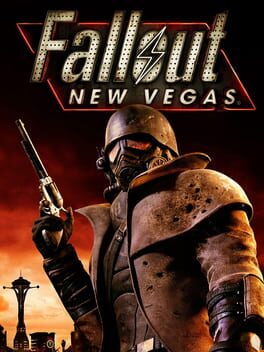
Into the Zone
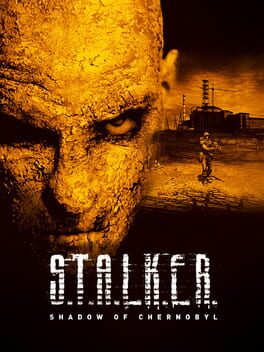
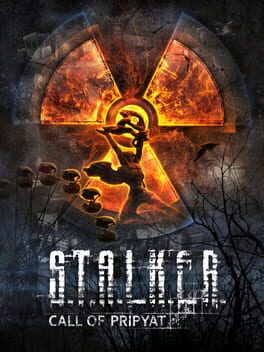
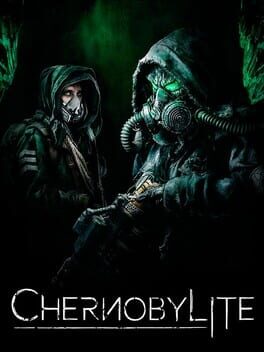
The S.T.A.L.K.E.R. games adapted Tarkovsky's 1979 film Stalker and the Strugatsky brothers' source novella Roadside Picnic into something no other medium had quite managed: the Chernobyl Exclusion Zone as a living world. Ukrainian developer GSC Game World released Shadow of Chernobyl in 2007 and built a Zone that felt genuinely dangerous, not because of scripted scares but because of systemic threat: anomalies in the landscape, rival factions with their own agendas, mutated fauna that did not follow predictable rules. The Zone is a metaphor for the irrational, the place where the rules of ordinary life do not apply and where something is present that cannot be understood or bargained with. The 2024 sequel Heart of Chornobyl arrived under the shadow of the actual war in Ukraine, and GSC Game World finished it while their country was being bombed. The game shipped as a form of resilience, and the Zone it depicted had acquired a weight beyond the fictional.
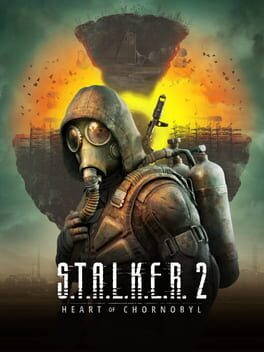
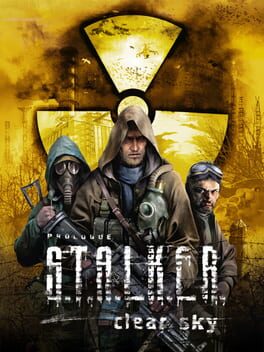
Metro, S.T.A.L.K.E.R. and the irradiated underground
The Zone, the tunnels and survival under fallout
The Japanese perspective
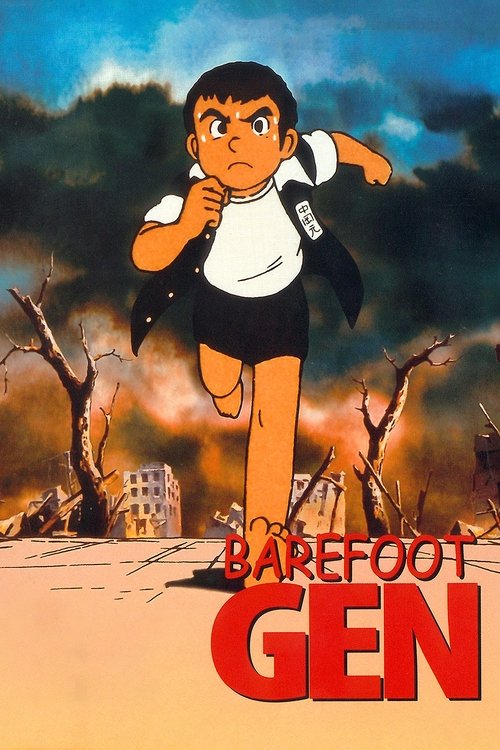
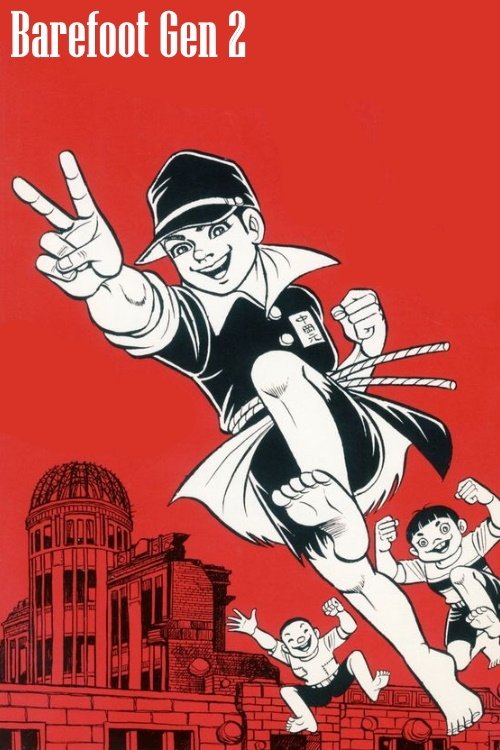
The bomb was not an abstraction in Japan. Hiroshima and Nagasaki created a body of witness literature, cinema and visual art that has no equivalent anywhere else in the world, because no other country has experienced nuclear weapons being used against its cities. Barefoot Gen (1983), the animated film based on Keiji Nakazawa's autobiographical manga, shows the Hiroshima bombing from the street level: the light, then the silence, then the city unmade. It remains among the most unflinching depictions of nuclear war ever committed to screen, and it was made for children.
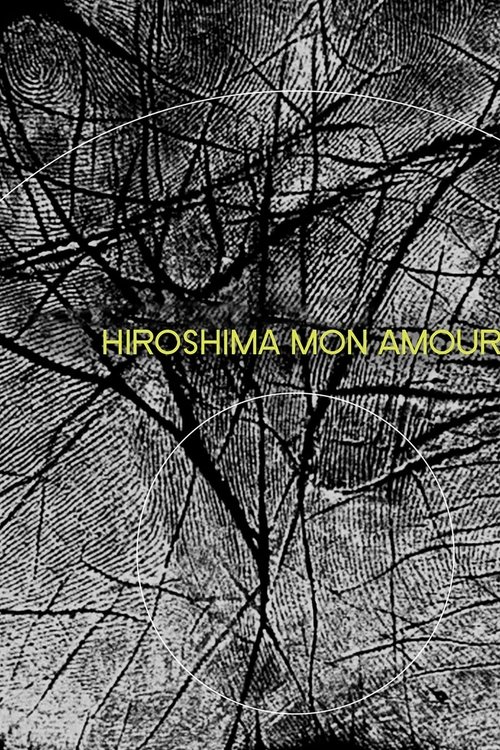
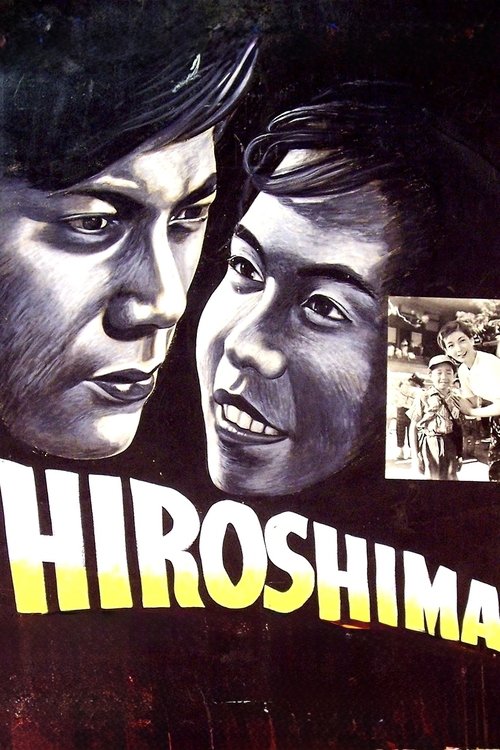
Shohei Imamura's Black Rain (1989) deals with the aftermath rather than the event: a young woman who was near Hiroshima on that August morning and who cannot escape what it has done to her body and her social standing, because illness and radiation sickness mark you as contaminated in every sense. Alain Resnais's Hiroshima Mon Amour (1959) approaches the same city from the outside, through the eyes of a French actress filming there, and turns the inability to truly understand another person's catastrophe into the subject of the film itself.
Ground Zero: the atomic memory in film
Hiroshima, witness and the long shadow of August 1945
Two television series that took the subject seriously
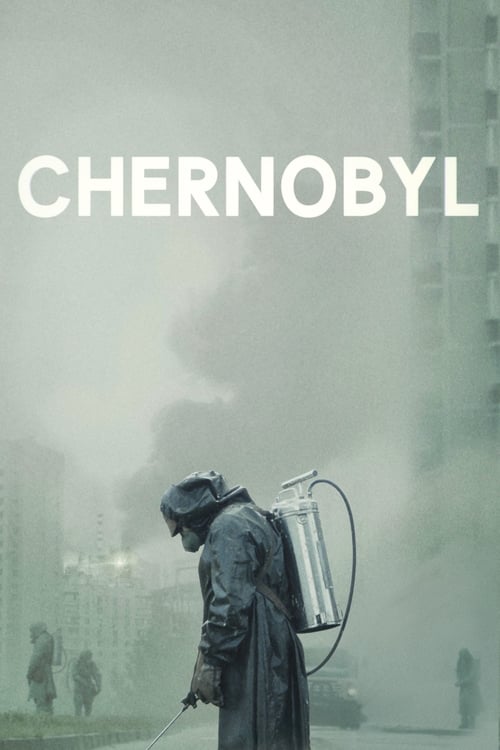
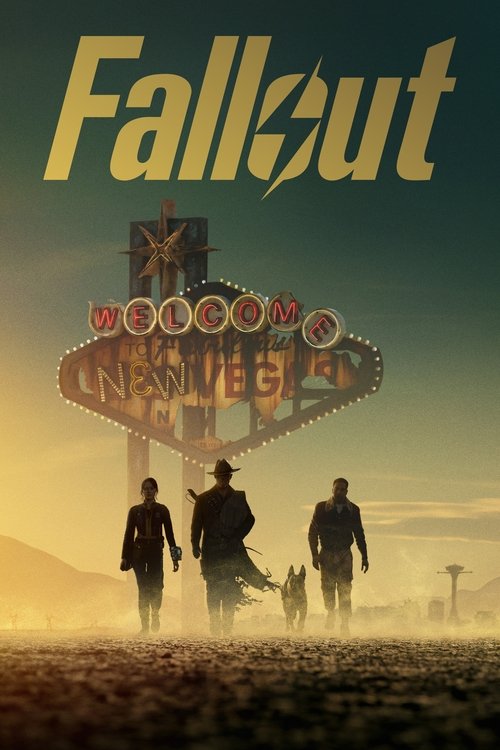
The HBO miniseries Chernobyl (2019) is not, strictly speaking, about nuclear war. But it belongs in this guide because it is the closest any prestige television production has come to dramatizing what radiation actually does to human bodies and human institutions. Craig Mazin's scripts are forensic about the physics, the Soviet bureaucratic culture that made the disaster possible, and the firefighters and liquidators who were sent in without adequate information about what they were walking into. The scene in which a physicist explains to a party official exactly what is happening inside the reactor is one of the finest pieces of science communication in screen drama. Then there is Amazon's Fallout (2024), which does something different: it uses the retro-futurist mythology of the games to ask a genuinely political question about who builds the bombs, who benefits from the fallout, and who gets locked outside the vault door when the sirens sound.
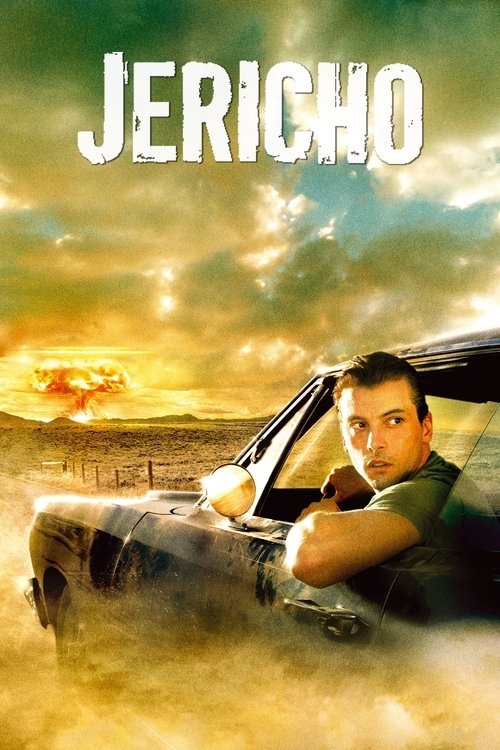
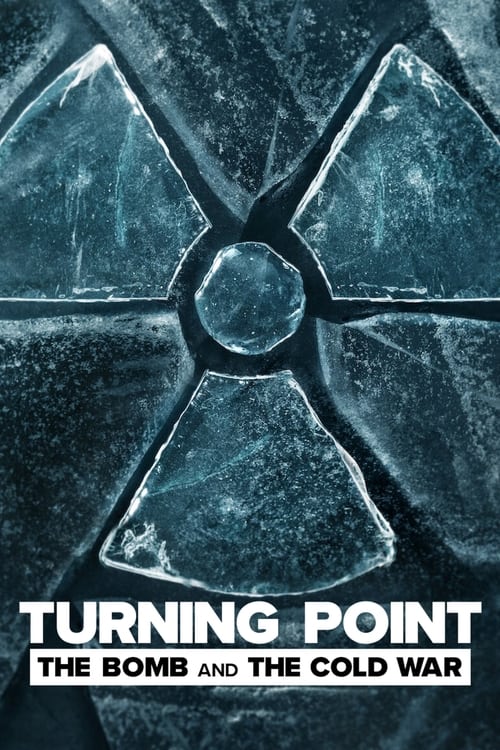
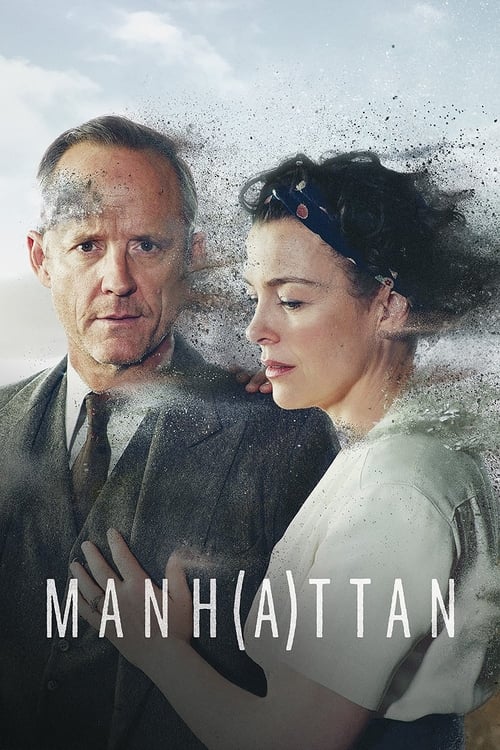
Nuclear television
Series and documentaries about the bomb, the fallout and the aftermath
Books of the long extinction
Novels, memoirs and non-fiction that lived inside the nuclear age


When the bomb drops, what comes next
After the End
Explore the After the End guide →The bomb did not end the world. It ended the idea that the world was permanent. Everything since has been built on that knowledge, whether we acknowledge it or not.On what the nuclear age actually changed