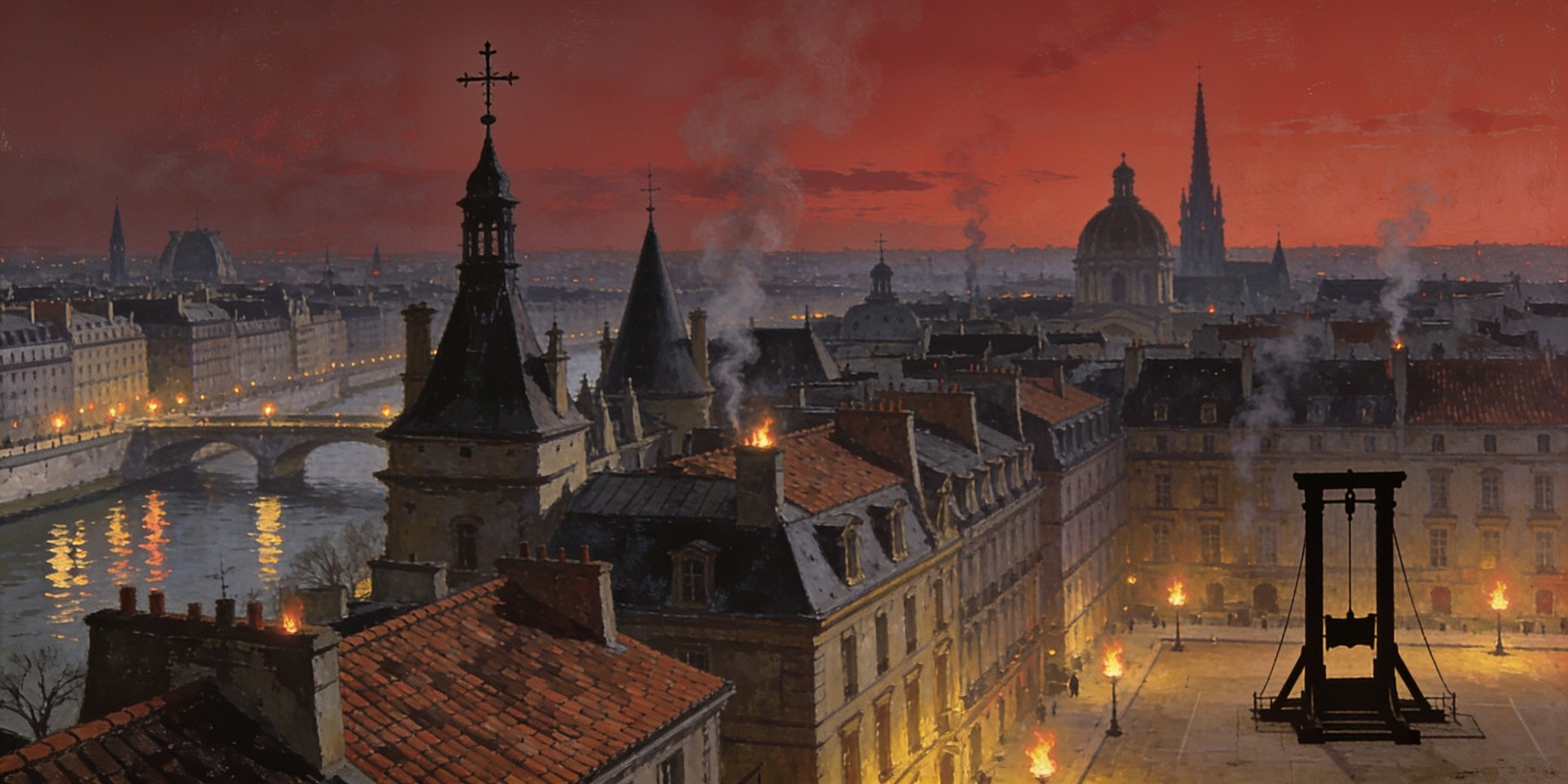

No event in modern history has been adapted, argued over and reimagined as obsessively as the French Revolution. Novelists have lived inside it since Dickens and Hugo. Film-makers have been there since the silent era. Game designers have built their most technically ambitious open worlds around its cobblestones. And historians keep revising it: villain one decade, visionary the next, tragic idealist the decade after that.
What draws culture back, again and again, is the question the Revolution refuses to answer cleanly. Was it liberation or massacre? A dawn or a descent? The same crowd that stormed the Bastille built the guillotine. The same ideals that produced the Declaration of the Rights of Man produced the Terror. Every adaptation has to decide what it thinks happened, and that decision is the story.
Essential French Revolution
The canon, across every screen and page


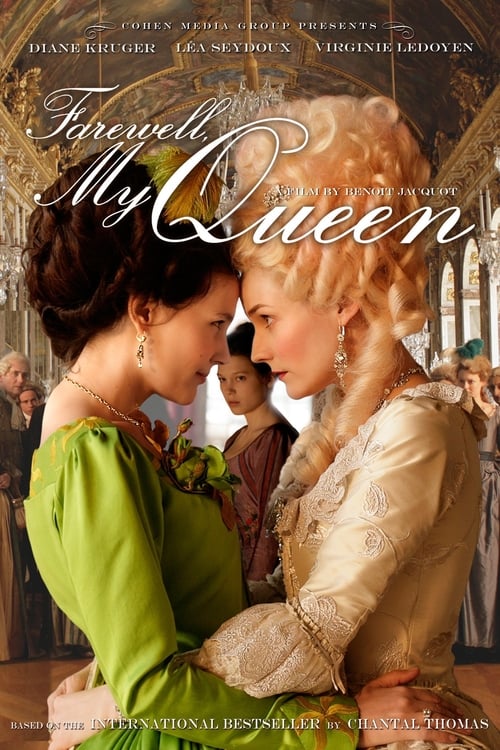
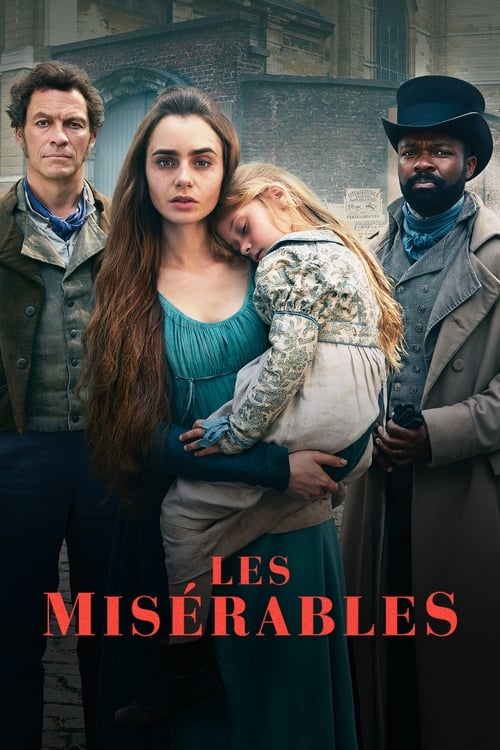
The film that made the Revolution a character study
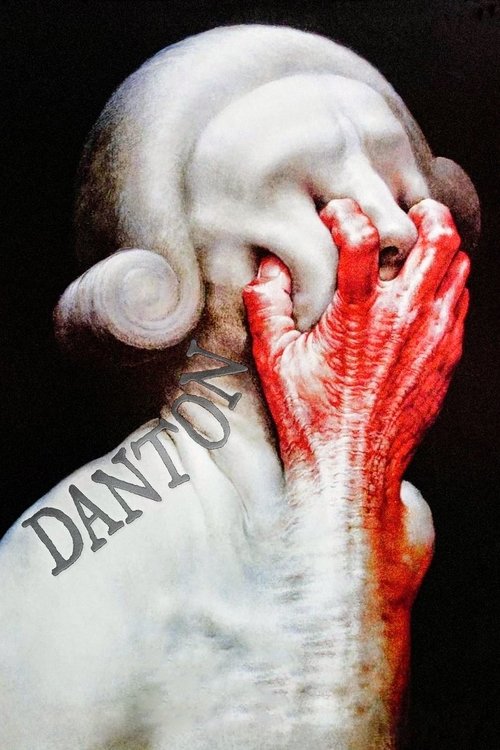
Andrzej Wajda's Danton (1983) was made in Poland during martial law, and the political allegory barely needs decoding: Robespierre and the Committee of Public Safety are the military junta, Danton the suppressed opposition voice demanding a return to humanity. But the film works entirely on its own historical terms, too. Gerard Depardieu plays Danton as a man who got fat on the Revolution, loved it truly, and now watches it devour itself. Wojciech Pszoniak's Robespierre is not a villain; he is a true believer whose belief has become indistinguishable from a death cult. Wajda gives us two men who were both right about the other, and lets that horror stand without resolution.
The films of the Revolution
From Wajda to Coppola, noir to satire
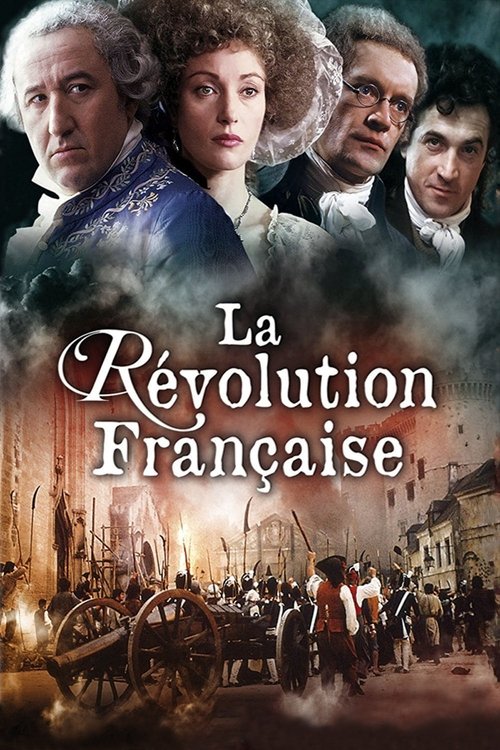 The French Revolution
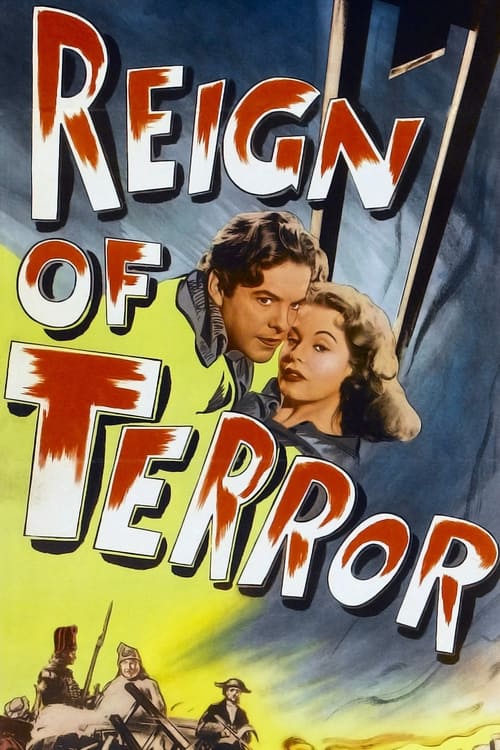 Reign of Terror
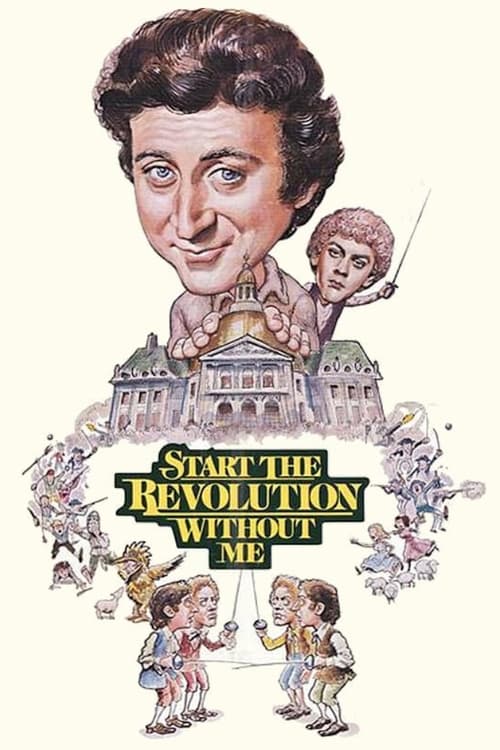 Start the Revolution Without Me
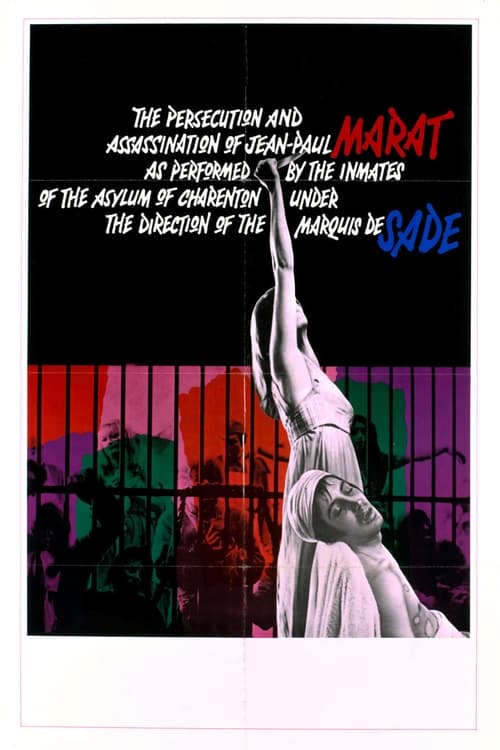 The Persecution and Assassination of Jean-Paul Marat as Performed by the Inmates of the Asylum of Charenton Under the Direction of the Marquis de Sade
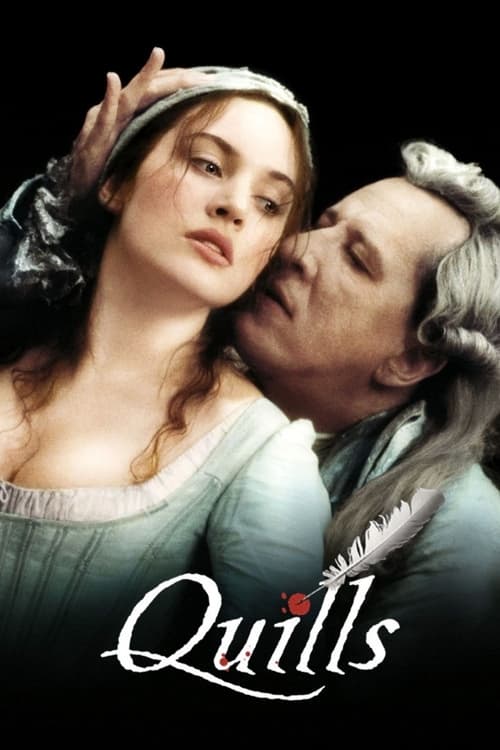 Quills
 The Scarlet Pimpernel
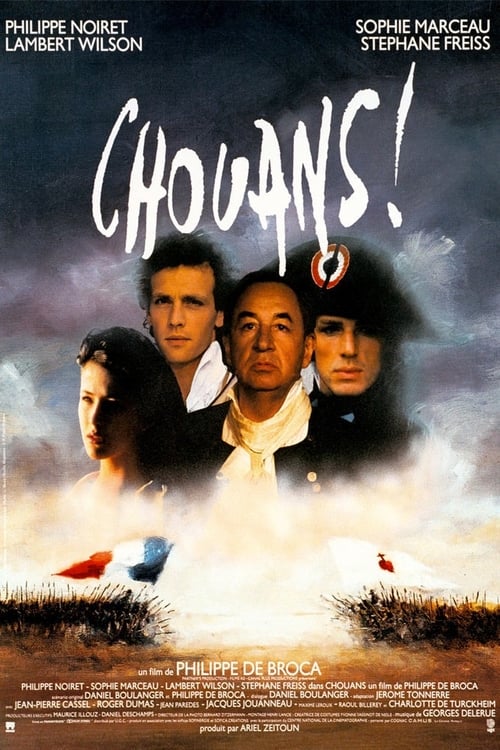 Chouans !
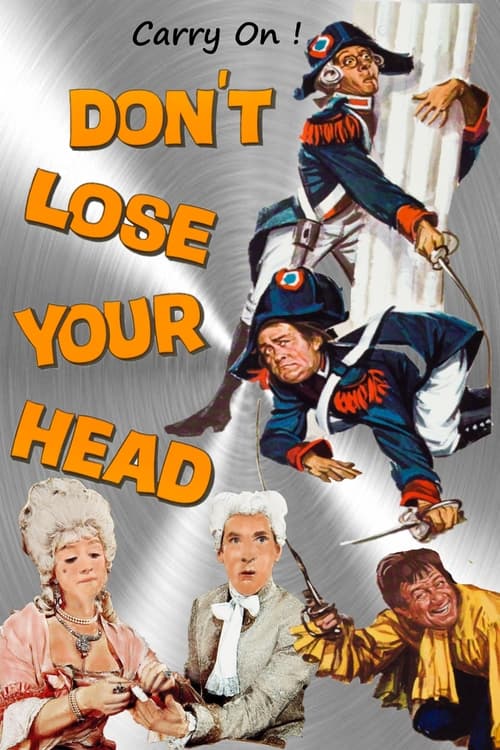 Don't Lose Your Head
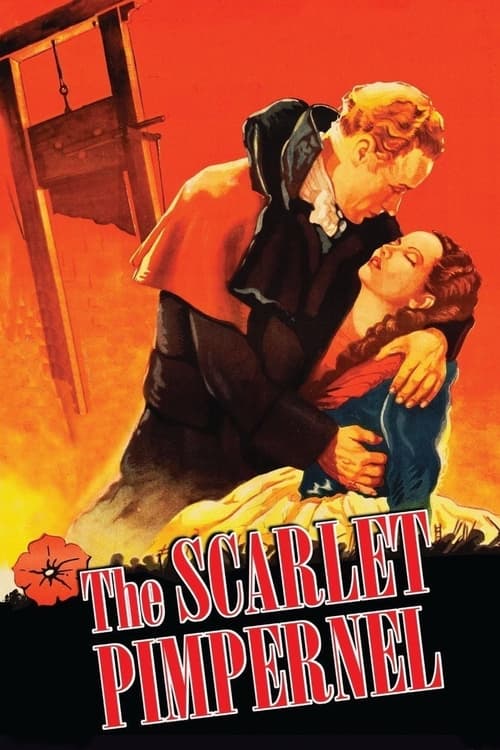 The Scarlet Pimpernel
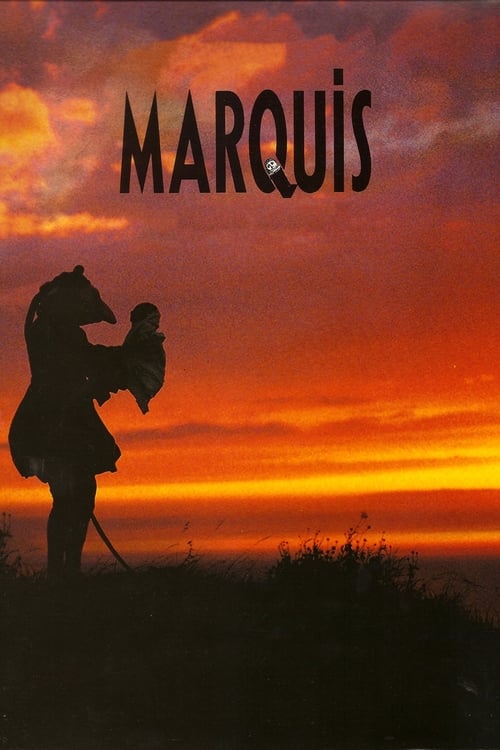 Marquis
The question of the Terror
Every adaptation eventually has to confront the same problem: it began as a revolution, it became a slaughterhouse. By 1793 the Committee of Public Safety was sending its own founding heroes to the blade. Danton, who helped create the Revolutionary Tribunal, was executed by it. The Terror was not an aberration; it grew directly from the logic of purifying the republic of its enemies, and the list of enemies kept expanding.
Film has found this period far more dramatic than the earlier, liberating phase. The guillotine is a better camera subject than a constitution. But the best adaptations resist the easy reading, the one where the Revolution is simply corrupted by power. What they show instead is a set of ideas that contained the seed of their own destruction from the first.
On the small screen
TV's long look at courts, committees and the crowd
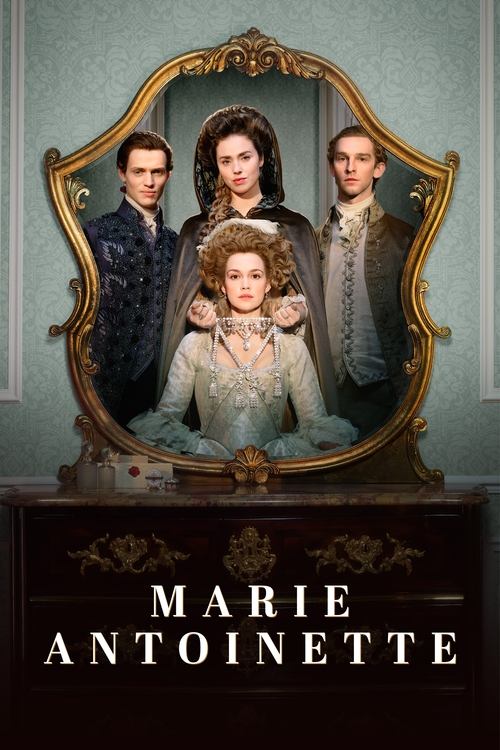
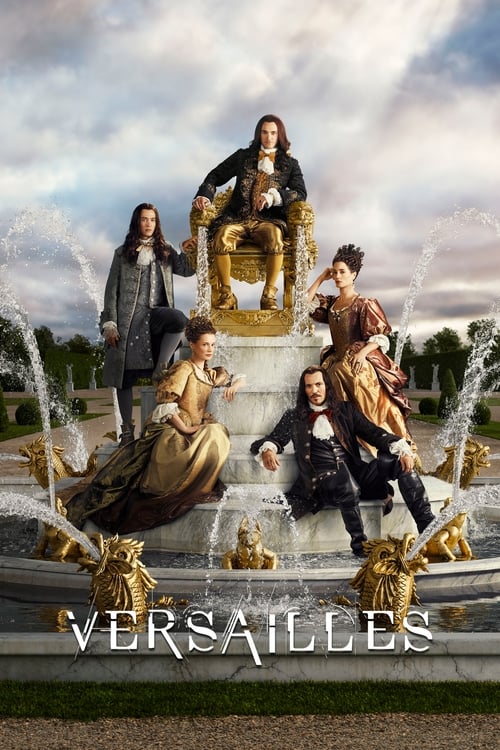
Sofia Coppola got something nobody else wanted to say
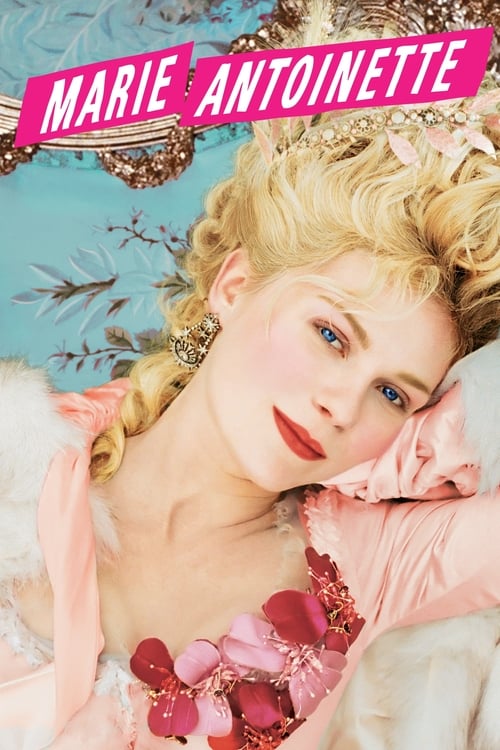
Marie Antoinette (2006) was dismissed on release for its anachronistic soundtrack, its pastel confections, its refusal to take the guillotine seriously. Critics wanted a tragedy of misrule. Coppola gave them a portrait of a teenager dropped into an institution that was going to eat her regardless of what she did. The punk songs are not a gimmick; they are the sound of alienation inside a gilded cage. The film ends before the Revolution reaches its bloody conclusions, and that omission is the point. It is not a film about what the Revolution did to France. It is a film about what Versailles did to one person, and it sticks.
The two games that define what the Revolution feels like to play
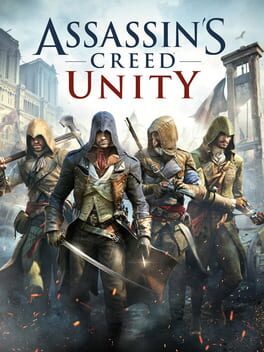
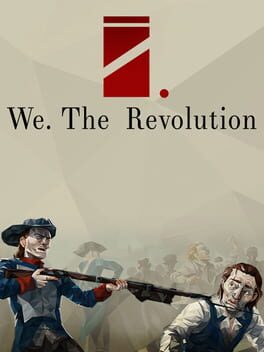
No film has put more money into recreating 1789 Paris than Assassin's Creed Unity (2014). Ubisoft built Notre-Dame from architectural records years before the fire; they rendered the streets of the Marais, the crowd surge at the Bastille, the markets and the mob with a fidelity that historians have commented on. As a spatial experience of the Revolution, as a place you can walk through, it has no rival. We. The Revolution (2019) takes the opposite approach: it puts you at the prosecutor's bench of the Revolutionary Tribunal, forcing you to decide who goes to the guillotine, and lets the political mathematics of survival corrode your principles in real time. Between them, these two games contain more of what the Revolution actually felt like than most films manage.
The literature of the Revolution
The novels, histories and pamphlets that defined how we think about 1789


The novel that outlasted everything
A Tale of Two Cities (Dickens, 1859) is not a very good history of the Revolution. Its crowd is a mob, its aristocrats are cartoons, its revolutionaries are monsters. What it is, is an almost perfect machine for generating a specific feeling: the sense of a civilization turning against itself, and the strange grace of a man who finds the one action that makes his life mean something. Sydney Carton's sacrifice has been adapted more times than any other scene from the period, in every medium, because it resolves the moral paralysis the Revolution otherwise produces. Dickens gave readers a way to feel something clean in the middle of historical massacre, and they have never stopped reaching for it.
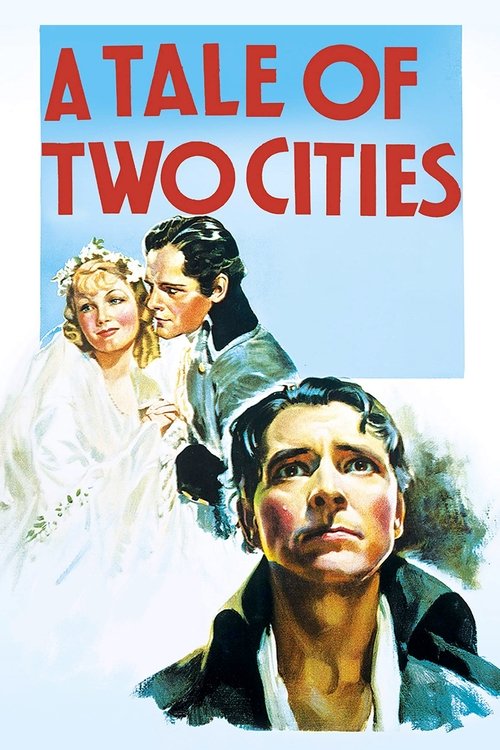
It was the best of times, it was the worst of times. Dickens knew that both were true simultaneously, and that is still the hardest thing about 1789 to hold in your head.On A Tale of Two Cities and the impossibility of a clean verdict
Napoleon and the long aftermath
The Revolution's second act, from the Directory to Waterloo
What came after
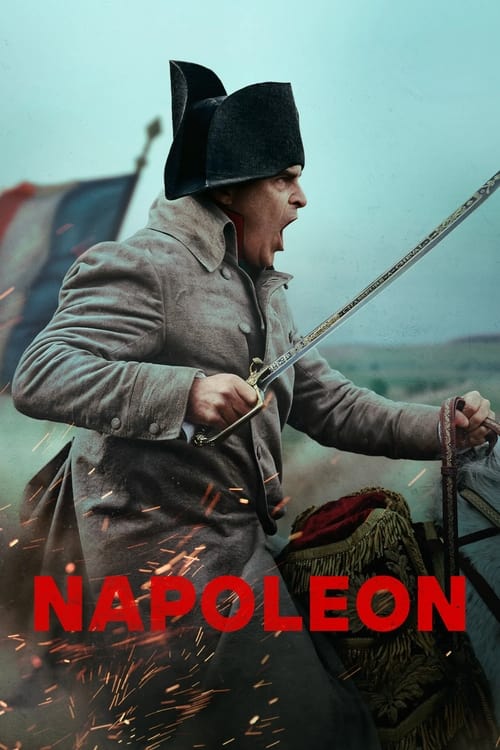
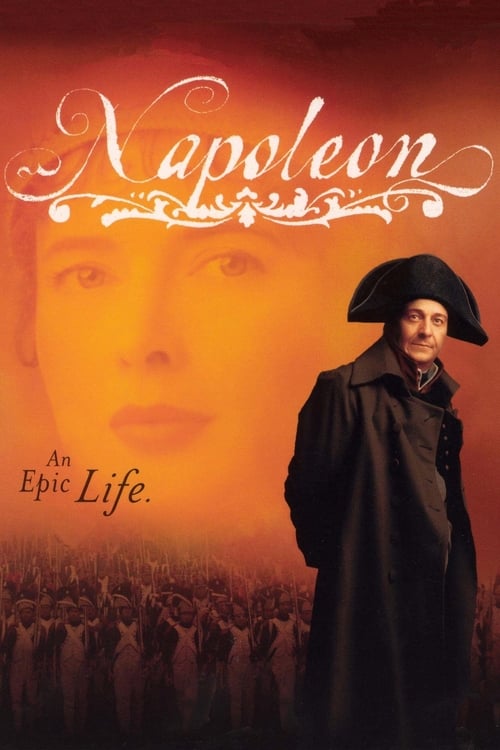
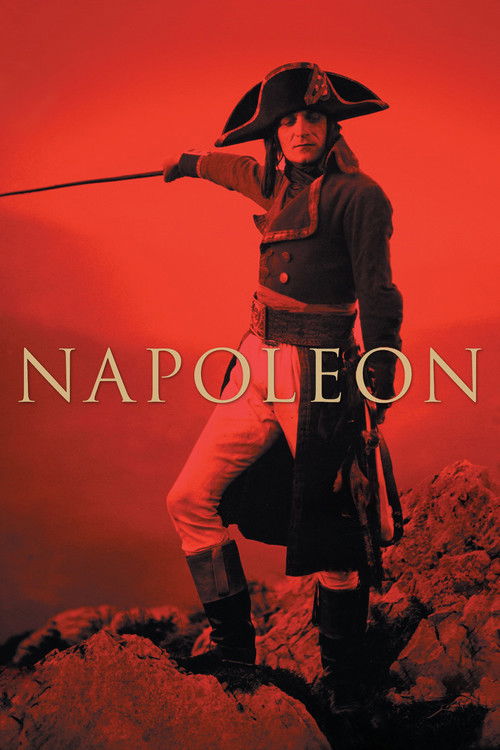
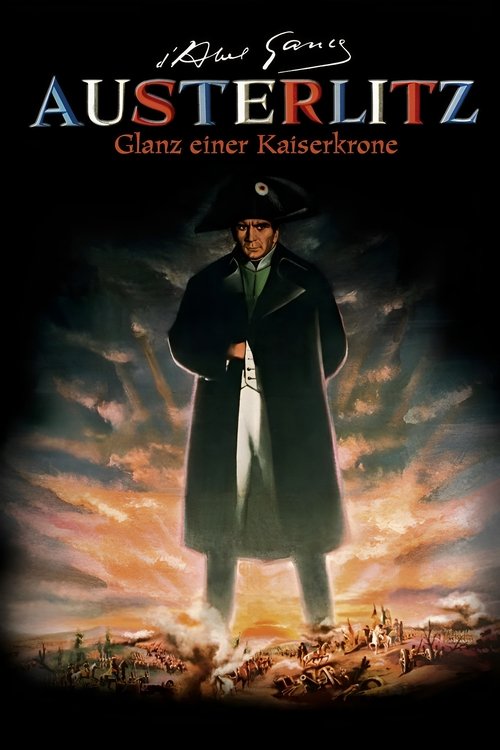
The Revolution did not end with Robespierre's execution in Thermidor 1794. It continued through the Directory, through the Consulate, and finally became the Empire under Napoleon. The ideals of 1789 were systematically repurposed: liberty became conscription, fraternity became conquest. The Napoleonic era is inseparable from the Revolution that produced it, and the best films about Napoleon, from Abel Gance's 1927 silent epic to Ridley Scott's 2023 spectacle, keep asking the same question: was he its culmination or its betrayal?
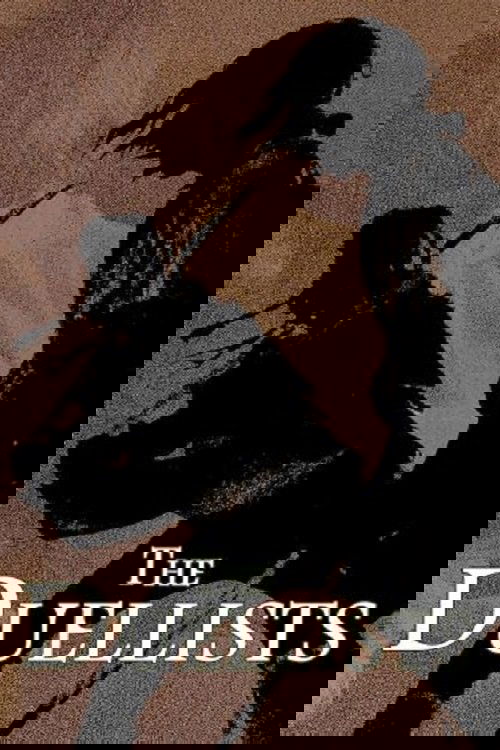
Ridley Scott's The Duellists (1977), set in the Napoleonic armies, captures something the bigger epic productions miss: the way the Revolution's violence became institutionalized, normalized, turned into honor duels fought across twenty years by men who have forgotten why they started.