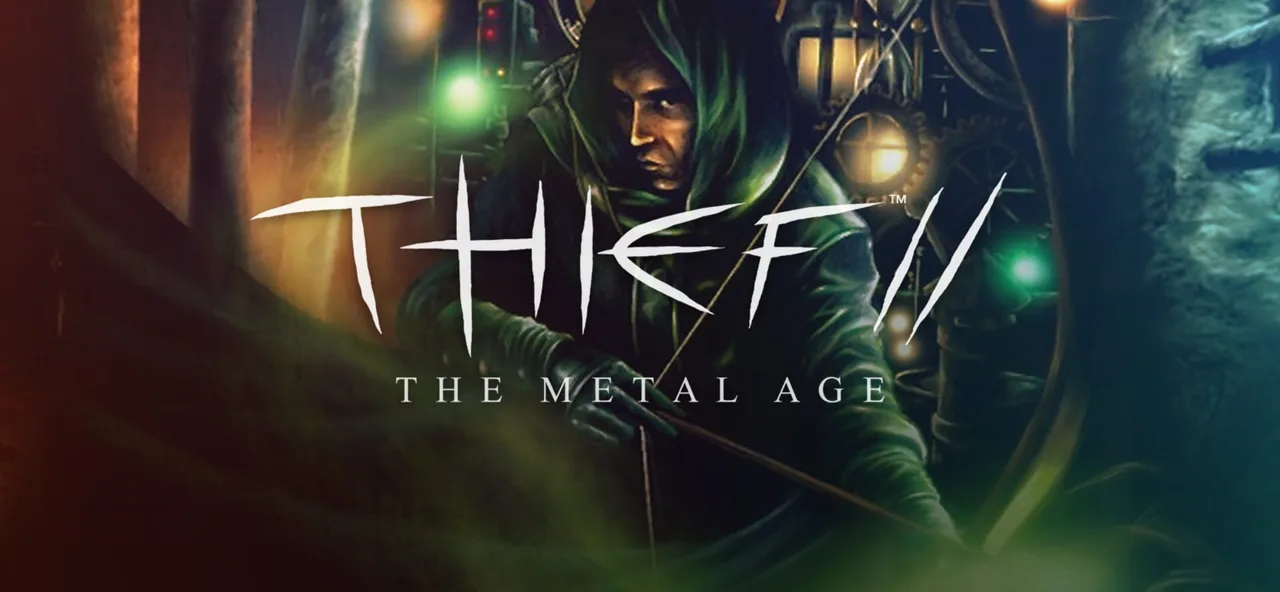
Thief II: The Metal Age (2000)
Thief II: The Metal Age is a 2000 shooter video game made by Looking Glass Studios.
Garrett is back in the shadows of a city gripped by a new religious order called the Mechanists, whose fanatical embrace of clockwork technology is reshaping everyday life in unsettling ways. Across 15 large, non-linear levels, the master thief moves through gas-lit streets, fortified mansions, and steam-filled factories, picking pockets and cracking safes without ever drawing a blade if he can help it. The emphasis is entirely on patience and observation: every guard has a patrol, every surface has a sound, and the darkness is your only real armor.
Similar games
Explore Thief II: The Metal Age guides
Thief II: The Metal Age in our writing
- Companion guide: Eidos Interactive: Lara Croft, Deus Ex and the British Golden Age
- Companion guide: The Immersive Sim: The Complete Guide to Player-Driven Worlds
- Companion guide: Steampunk
- Companion guide: The Thieves' Guild: Rogues, Heists and the Fantasy Underworld
A few thoughts on Thief II: The Metal Age
If the slow, methodical pleasure of reading a space before moving through it appeals to you, Assassin's Creed II offers a similar cat-and-mouse tension in a richly detailed historical setting, with stealth and environmental storytelling carrying much of the weight.
games about criminals who answer to nobody
The Mechanists can preach all they like about clockwork order; Garrett still works for himself and nobody else. Grand Theft Auto V and San Andreas build entire worlds around criminal enterprise instead of heroics, Red Dead Redemption 2 follows an outlaw clinging to a code the rest of the world has moved past, and The Last of Us opens with a smuggler who trades in favors, not friendships.
fantasy kingdoms held together by factions who'd sell each other out
The Mechanists and the old pagan holdouts loathe each other more than they distrust the thief moving through both their territories. Game of Thrones and House of the Dragon run on that same brand of dynastic betrayal, while The Witcher 3 and Skyrim let you wander into wars between crowns, cults and guilds that started long before you arrived.
dense, atmospheric albums built for moving unseen
Thief II rewards patience over aggression, every guard patrol and creaking floorboard turned into information, and these albums reward that same kind of close listening. In the Court of the Crimson King and The Spectre Within stretch prog rock into something slow and ominous, Cradle of Filth's IX Equilibrium goes fully gothic, and Vangelis's Blade Runner score turns a quiet street into its own character.