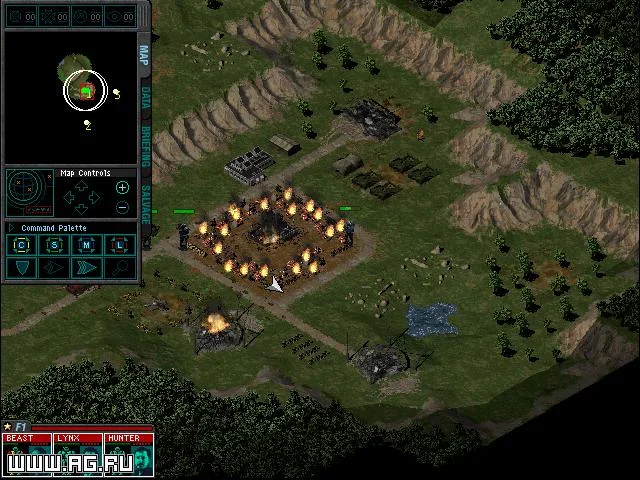
MechCommander (1998)
MechCommander is a 1998 strategy video game made by MicroProse Software.
MechCommander puts you in command of a lance of BattleMechs dropped into enemy-held territory, directing your giant war machines from above in real-time tactical engagements. Missions start with a drop from orbit and end with whatever you manage to salvage and withdraw. Fallen mechs can be stripped for parts, pilot veterans grow deadlier across campaigns, and the equipment you commit to each sortie is equipment you risk losing. The game asks you to think like a commander, not a pilot: positioning, timing, and attrition matter far more than reflex.
Similar games
MechCommander in our writing
- Companion guide: MicroProse: Flight Sims, Sid Meier and the Empire of One More Turn
A few thoughts on MechCommander
StarCraft II: Wings of Liberty runs the same mental model: real-time command over specialized military units where positioning and timing beat raw aggression. For players who want the tactical layer without the resource-gathering macro, Age of Empires II: The Age of Kings is a natural pivot, though it trades mechs for historical armies with similar weight-of-decision combat.
Real-time tactics games that punish you for losing units carelessly
MechCommander matters because your mechs carry forward between missions: a unit lost is gone, and what you salvage off the battlefield determines what you field next week. That permanence raises the stakes on every decision in a way disposable units never could. These games share the same philosophy of scarcity and preservation.